Annual Salaries of World Leaders
Money talks, and nowhere is that conversation louder than in the halls of power. World leaders earn widely different amounts depending on where they lead, what their country can afford, and how their government structures compensation.
Some leaders take home what would make most people wealthy for life, while others earn less than you might expect. Understanding these salary differences reveals a lot about how countries value their top officials and what resources they actually have available.
Let’s dive into what these powerful people actually make and see how their paychecks compare across the globe.
The American president’s paycheck
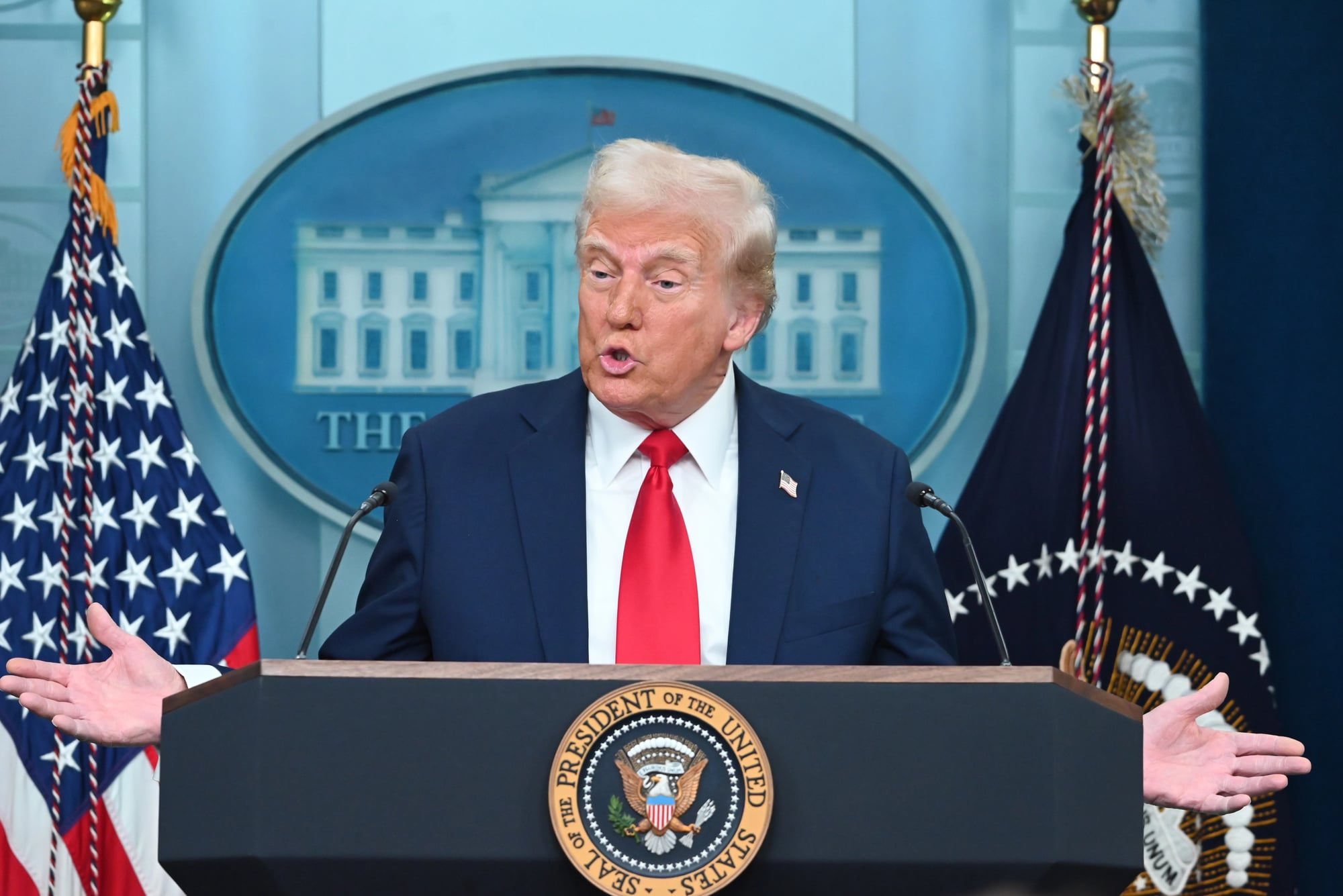
The President of the United States earns four hundred thousand dollars per year, a salary that was last increased in two thousand one. This amount stays the same whether the economy is booming or struggling.
Beyond the base salary, presidents receive additional benefits like free housing at the White House, a chef, security detail, and use of Air Force One. When you add everything together, the total compensation package becomes significantly higher than the raw number on paper.
United Kingdom’s prime minister earnings
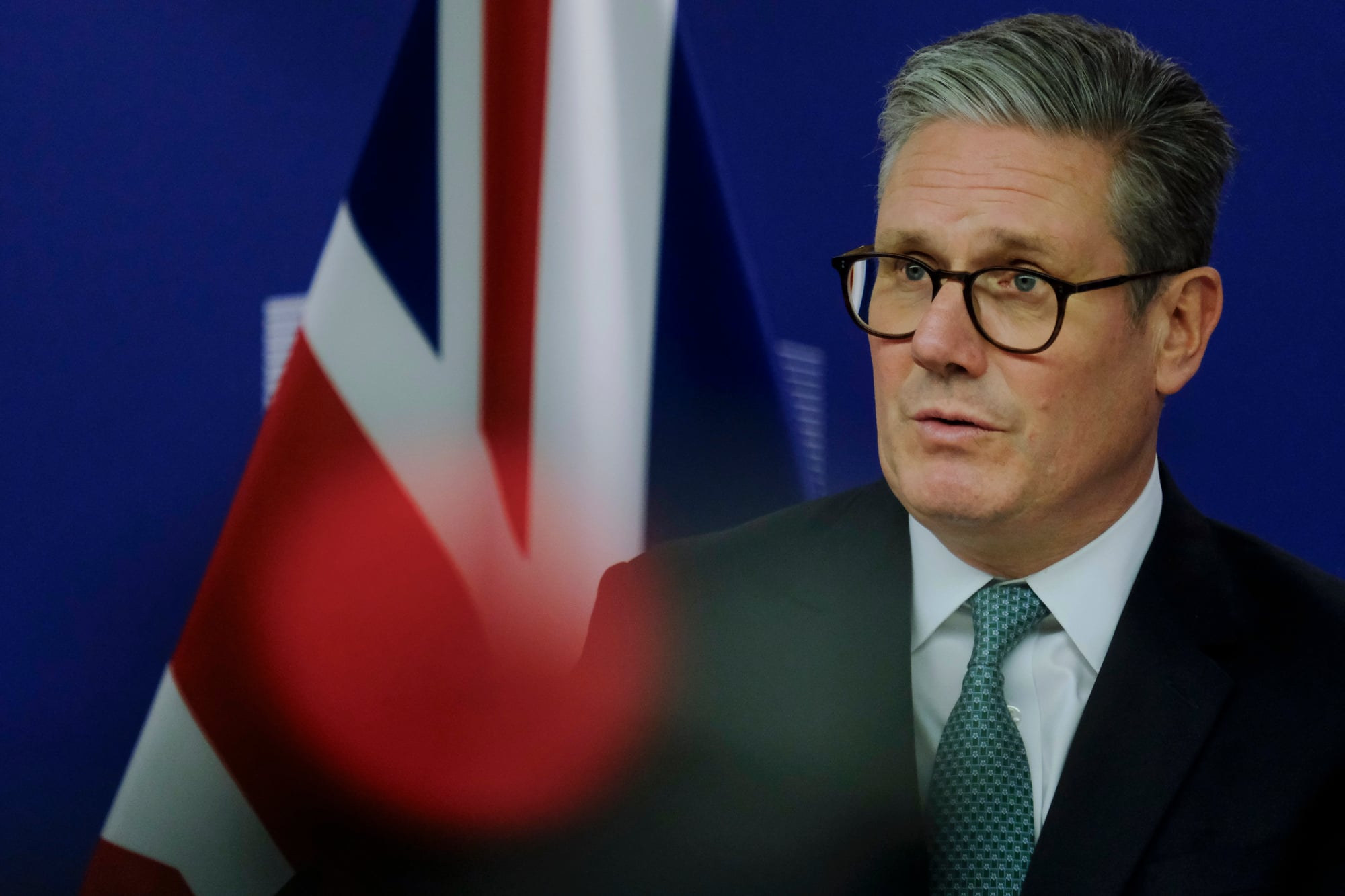
The Prime Minister of the UK takes home around one hundred eighty thousand dollars annually. This figure is lower than the American president’s salary but still represents serious income in a country where the average worker earns roughly thirty five thousand dollars per year.
The prime minister also gets housing at Downing Street, which is provided by the government. Staff members and security personnel are covered by the state as well.
Canada’s chief executive

Canada’s Prime Minister earns approximately three hundred sixty thousand dollars per year, making it one of the higher executive salaries in the world. This places the Canadian leader in a different bracket compared to many other developed nations.
The compensation reflects Canada’s economic size and prosperity. Housing and security details are also covered separately from this salary figure.
France’s presidential compensation
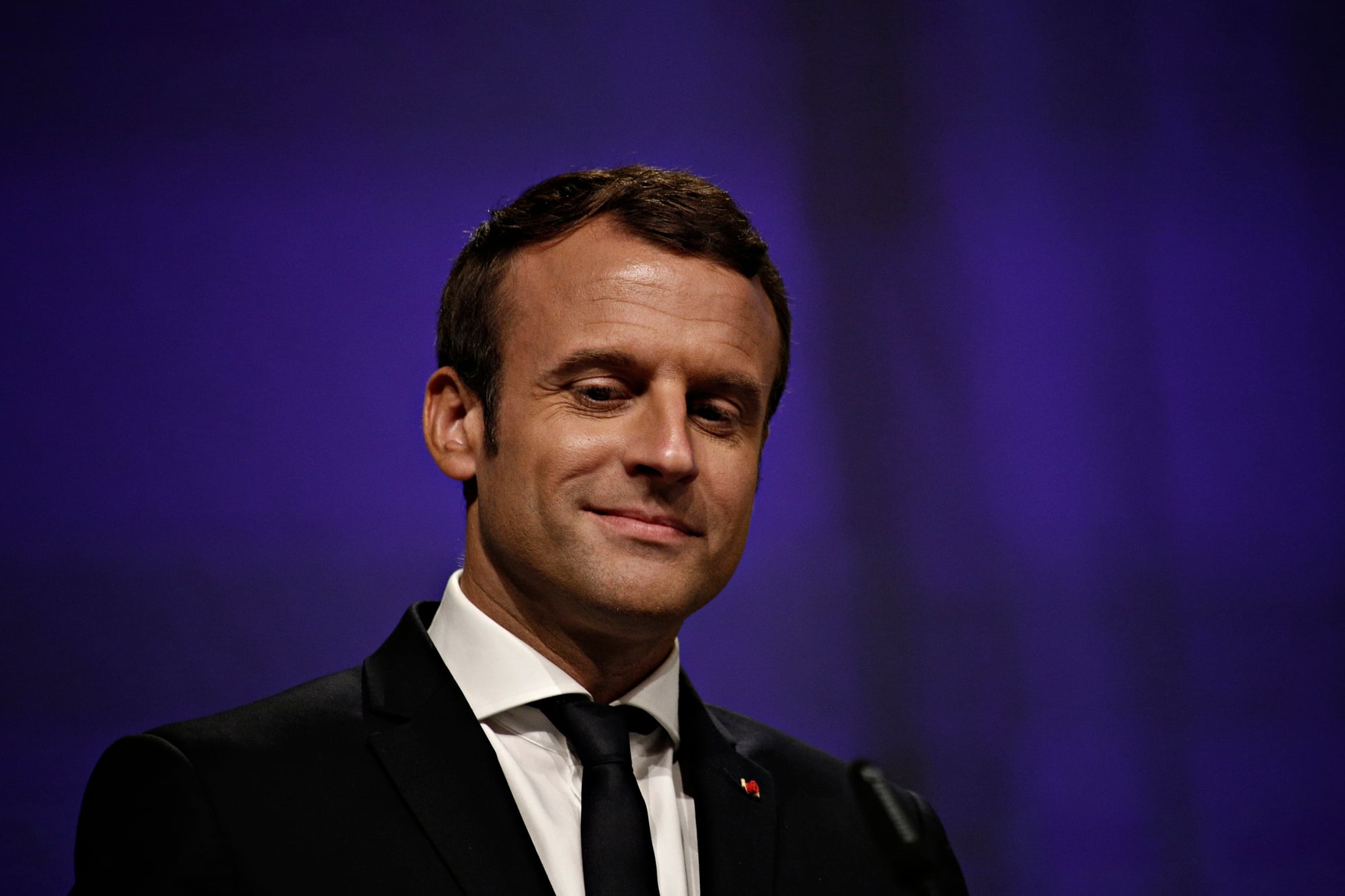
France pays its President around one hundred eighty five thousand dollars annually. The Élysée Palace serves as the president’s official residence at no cost to the leader.
French presidents also receive a budget for official entertainment and events. The salary has been relatively stable over recent years despite economic changes.
Germany’s chancellor package
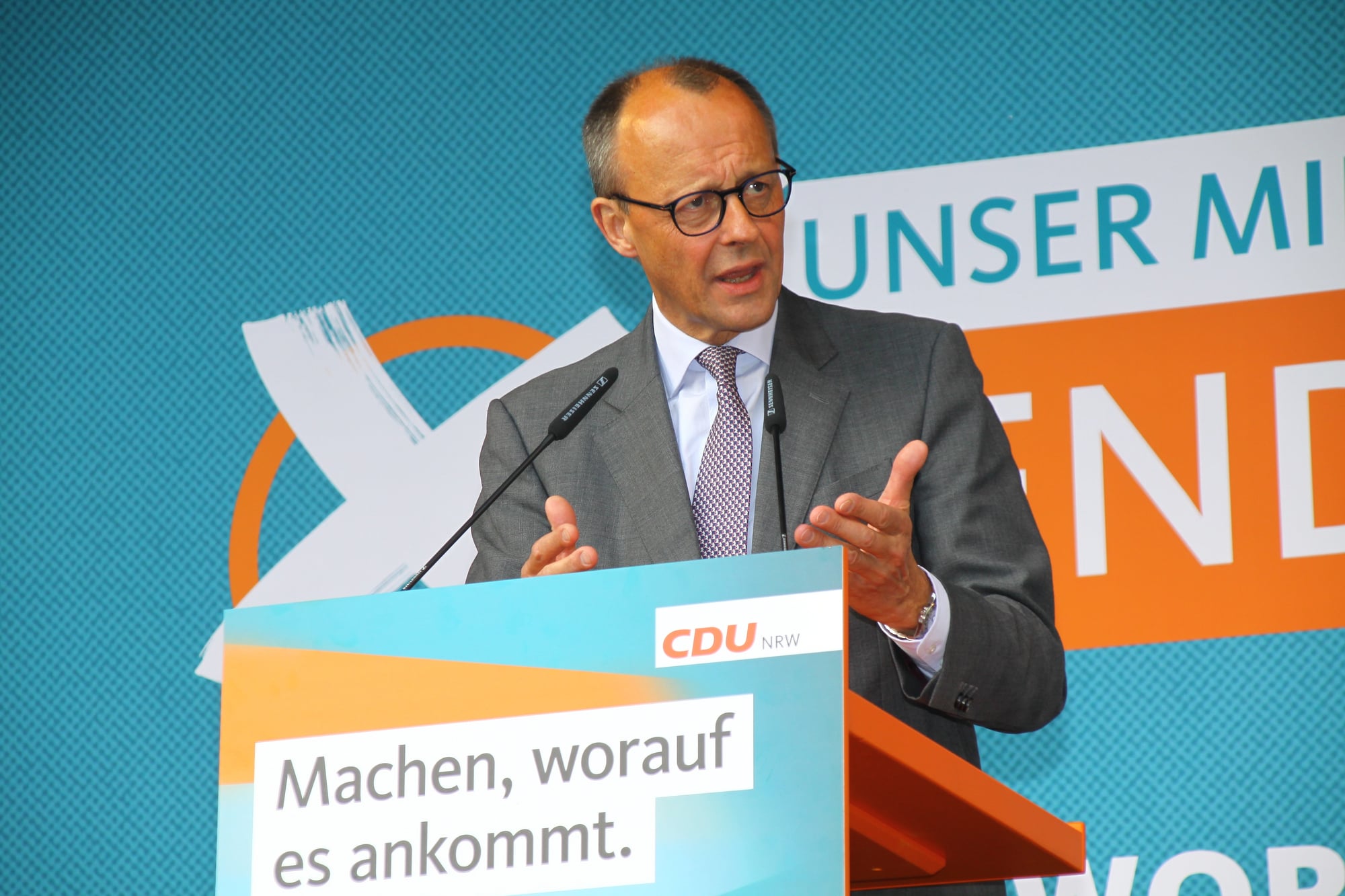
The Chancellor of Germany earns approximately two hundred forty thousand dollars per year. Germany provides official residence at the Chancellery in Berlin.
The role includes various allowances for official duties and representation. Like other European leaders, additional benefits supplement the base salary.
Japan’s prime minister compensation
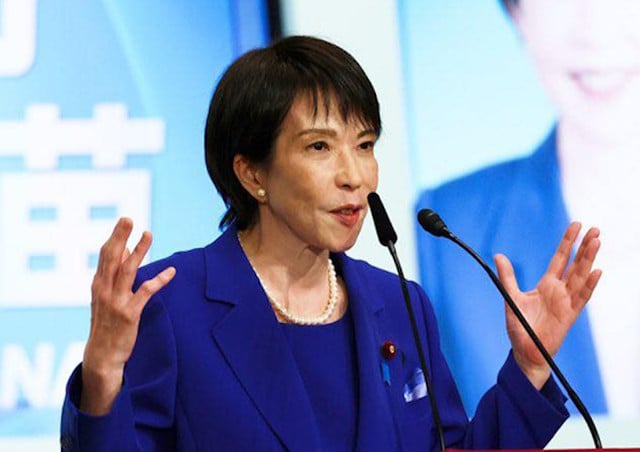
Japan’s Prime Minister receives around two hundred thousand dollars annually. This reflects Japan’s status as one of the world’s largest economies.
The official residence is provided by the government, reducing personal expenses. Security and staff support are covered separately from the salary.
India’s prime minister salary
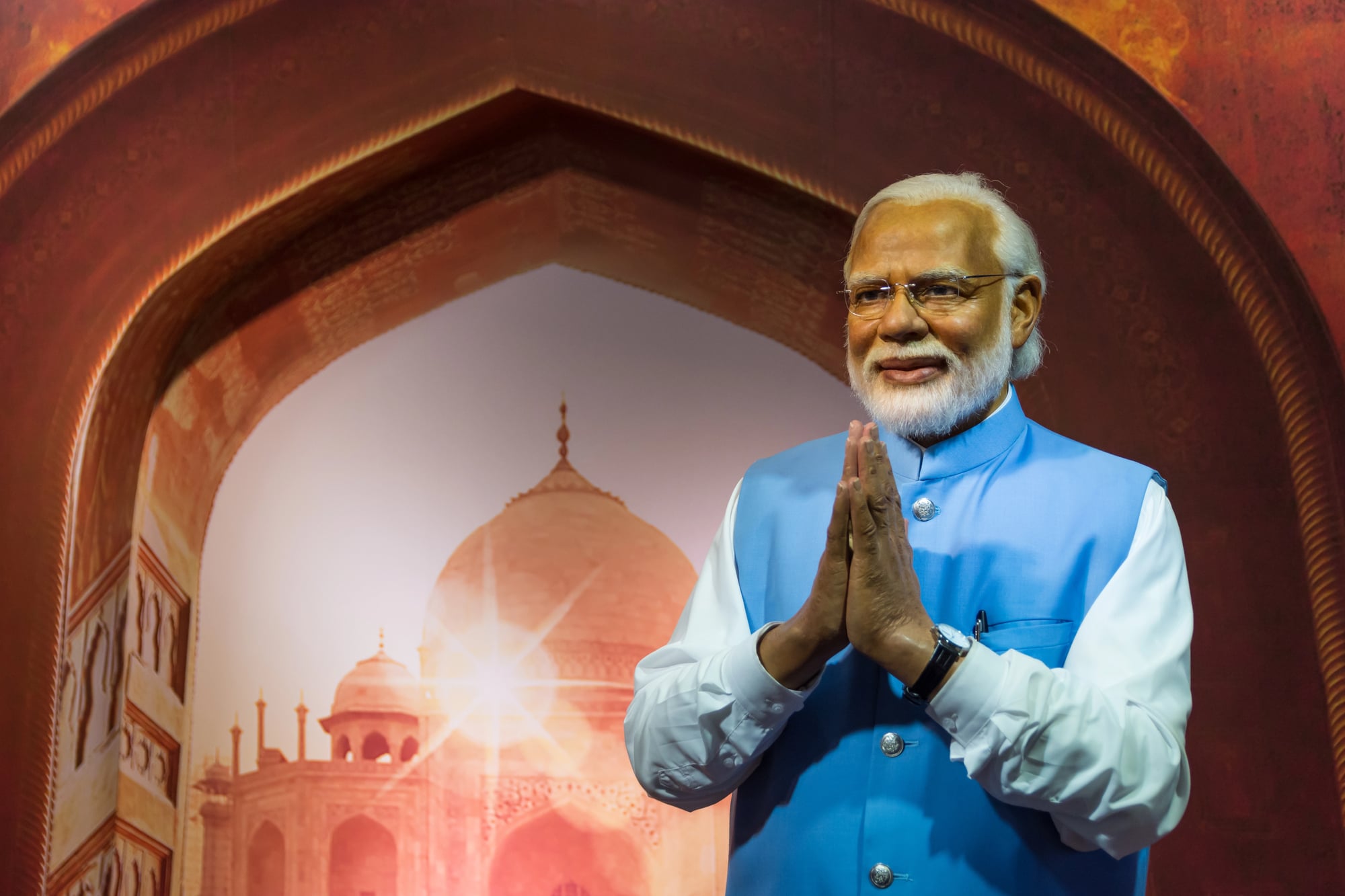
India’s Prime Minister earns approximately seventy five thousand dollars per year, which is significantly lower than leaders in Western nations. India provides the official residence and covers security expenses.
The salary structure reflects the nation’s economic status and cost of living. Despite lower numbers, this still represents substantial income within India’s context.
China’s president earnings
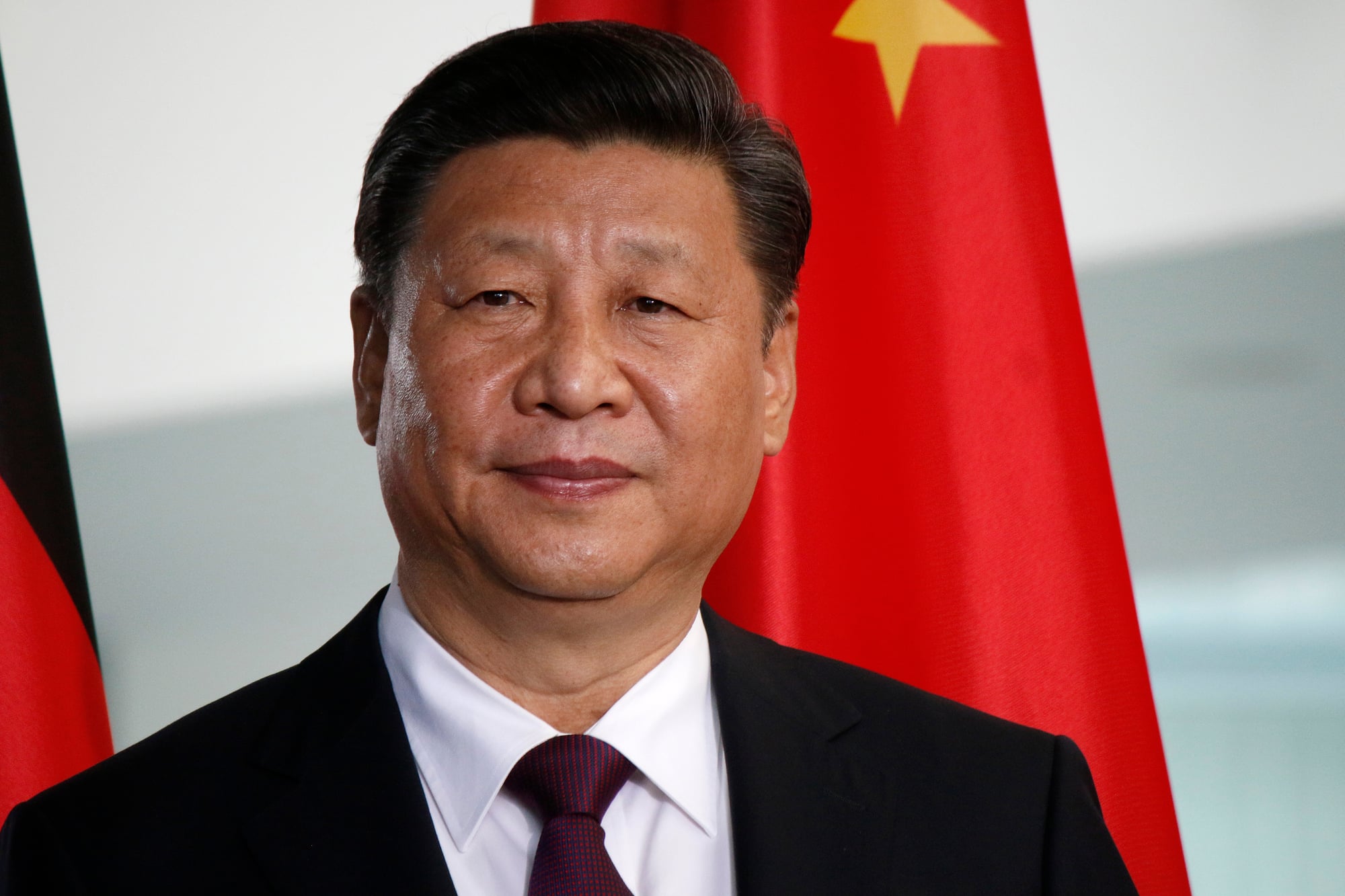
China’s President salary is not officially disclosed in transparent reports. Estimates suggest the compensation is in a similar range to other major economic powers.
The exact figure remains unclear due to China’s limited public financial disclosure. Housing and resources are provided through government channels.
Mexico’s presidential income

Mexico’s President earns around one hundred twenty thousand dollars annually. The official residence comes with the position and requires no personal payment.
Mexico provides security and support staff as part of the compensation package. The salary has faced scrutiny as the country debates spending priorities.
Brazil’s presidential compensation
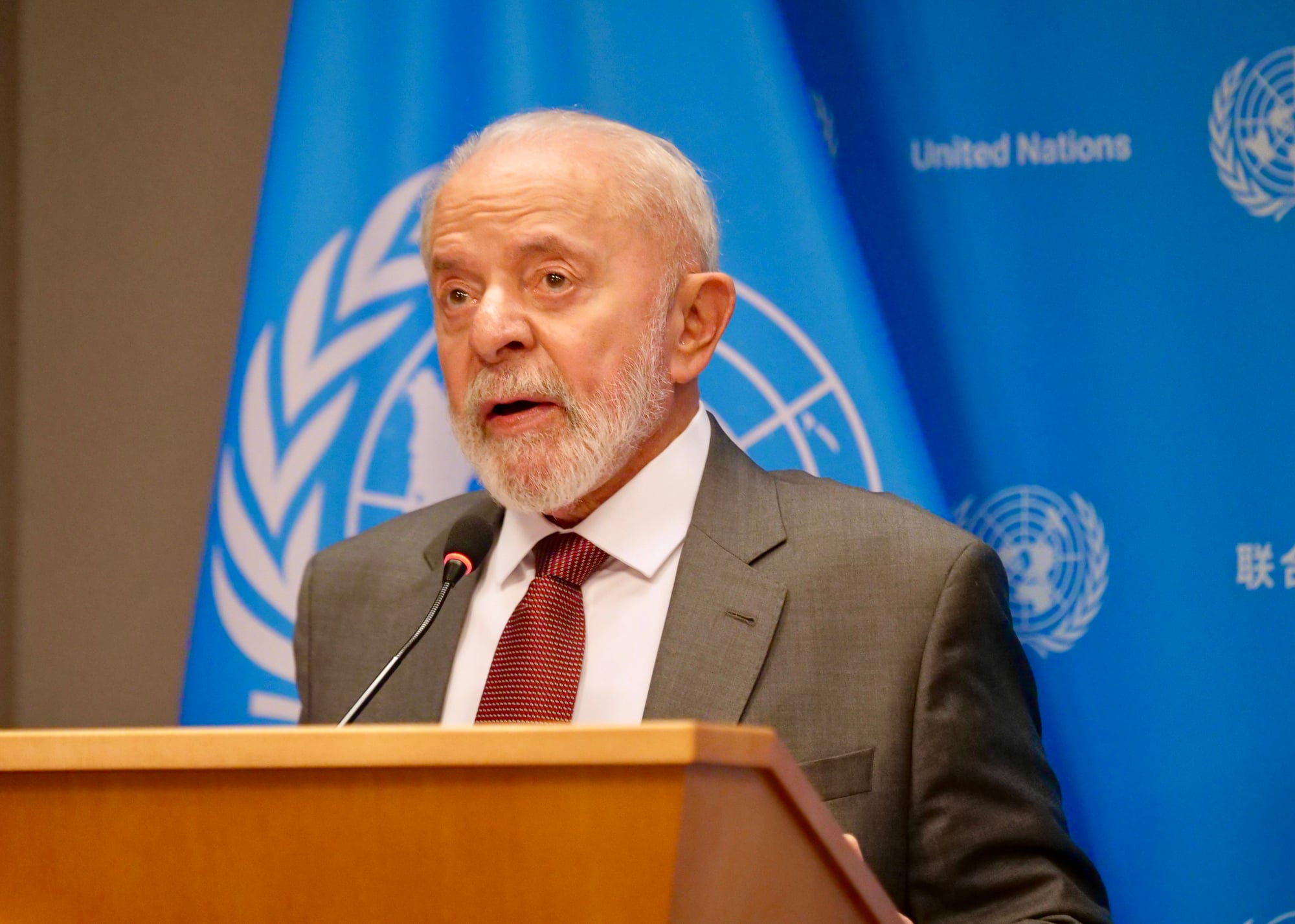
Brazil’s President receives approximately two hundred thousand dollars per year. The official palace in Brasília serves as both residence and workplace.
The salary reflects Brazil’s economic size as Latin America’s largest nation. Additional budgets cover official entertaining and state functions.
Australia’s prime minister wages
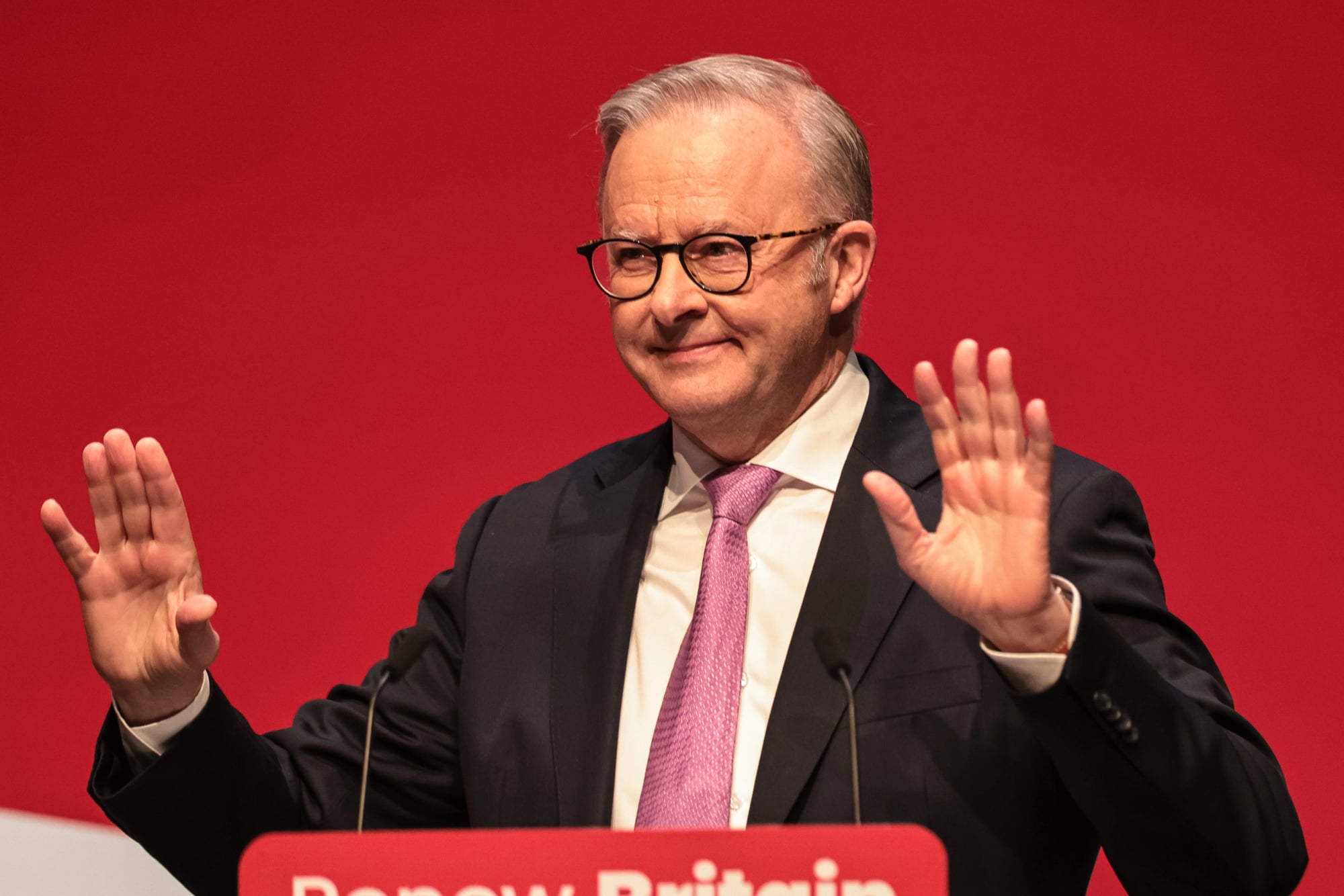
Australia’s Prime Minister earns around two hundred forty thousand dollars annually. The Commonwealth provides the official residence at The Lodge in Canberra.
Australia’s system includes superannuation benefits beyond the base salary. Security and staff are funded separately by the government.
South Africa’s presidential salary
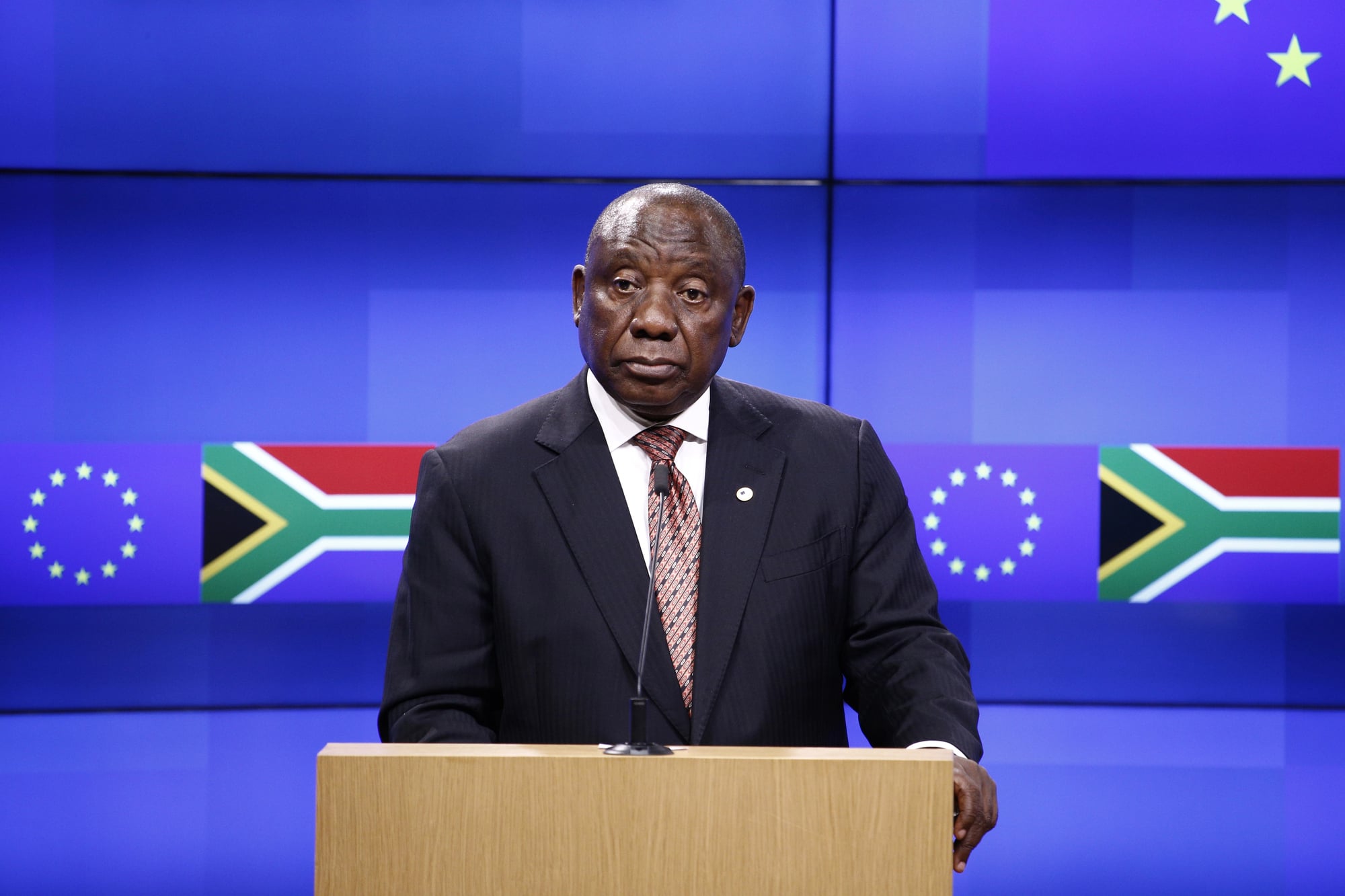
South Africa’s President receives approximately two hundred thirty thousand dollars per year. The Union Buildings in Pretoria serve as the official residence.
The salary reflects South Africa’s position as the continent’s largest economy. Housing and security support are provided by the state.
Russia’s president compensation
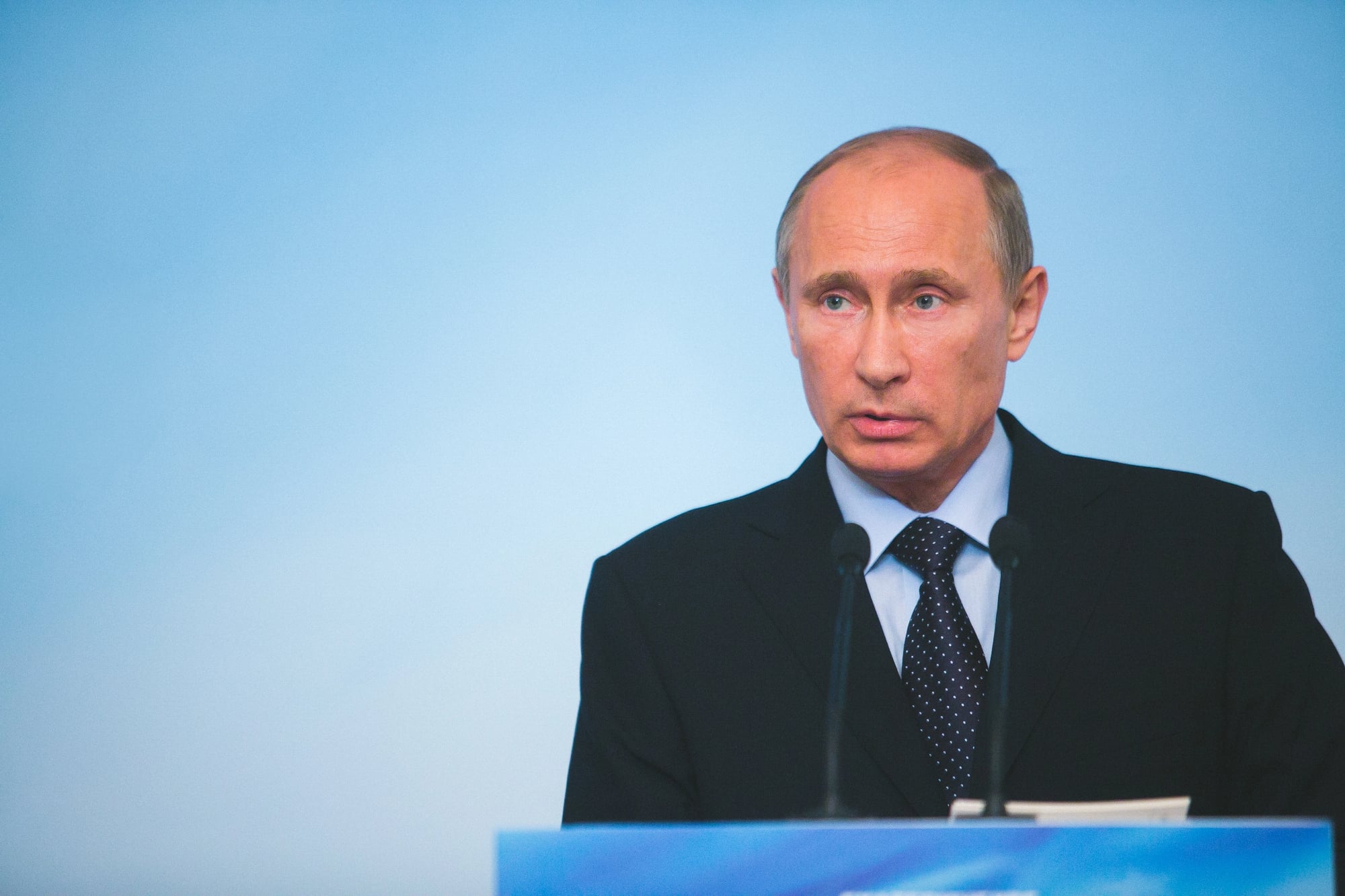
Russia’s President salary is reported at around one hundred eighty thousand dollars annually, though the exact figure lacks full transparency. The Kremlin serves as residence and workplace.
Russia provides extensive security and support services. Additional income sources and asset declarations are often unclear.
Italy’s prime minister earnings
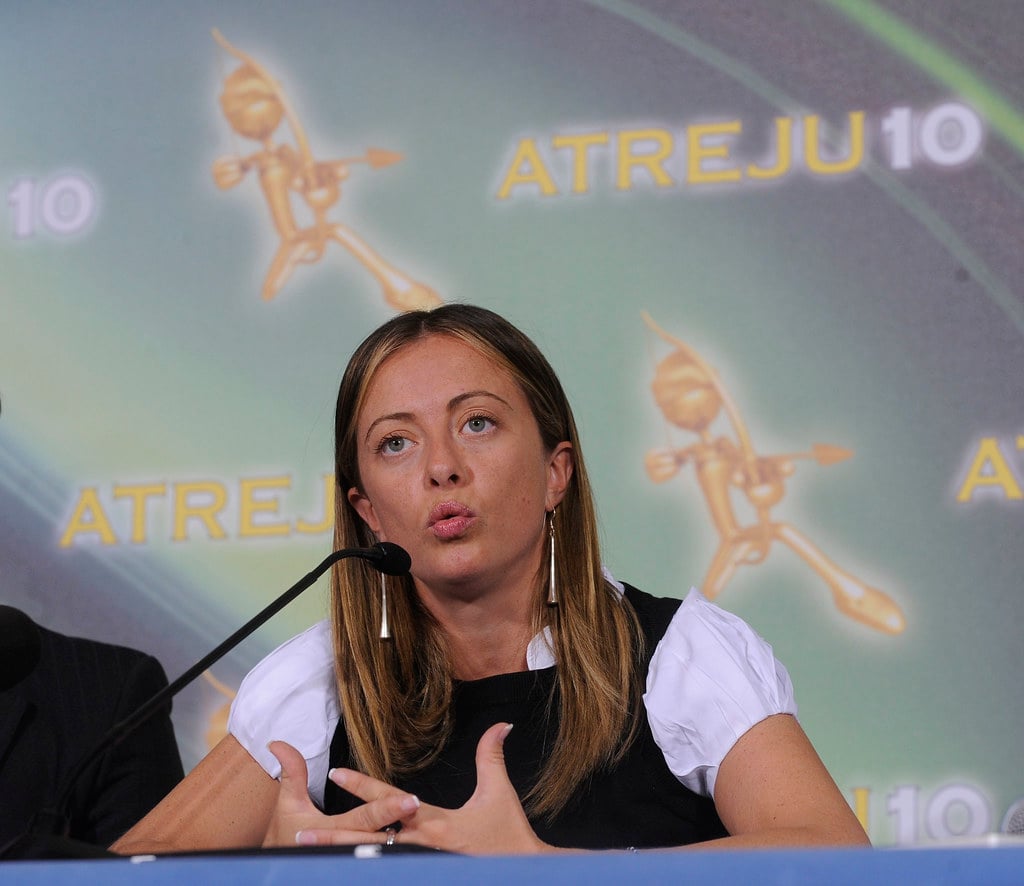
Italy’s Prime Minister earns approximately one hundred fifty thousand dollars per year. The official residence and government support staff are provided.
Italy’s compensation reflects its position as a major European economy. Benefits include pension contributions and official entertaining budgets.
Why salaries differ so much

Salaries for world leaders vary dramatically based on several factors. Wealthy nations with larger economies typically pay their leaders more.
Cost of living differences between countries also impact salary decisions. Some nations choose lower salaries as a symbol of serving the people rather than seeking personal wealth.
Government structures and traditions play a role in determining compensation levels.
The hidden costs of leadership

The base salary tells only part of the story about what leaders actually receive. Housing is almost universally provided by the government, which represents enormous value.
Security details, transportation, and staff members cost countries hundreds of thousands of dollars annually. Travel expenses, official entertaining budgets, and equipment are additional costs separate from salary.
When you calculate total compensation, the real value of the position often doubles or triples.
How salaries connect to living standards

A salary’s true value depends on the country’s overall economy and prices. In the United States, four hundred thousand dollars represents comfortable but not extravagant wealth.
In countries like India, seventy five thousand dollars places someone in the upper income bracket. Cost of living differences mean a leader earning less in one country might actually have greater purchasing power than a leader earning more elsewhere.
This reality shapes how people view their leader’s compensation.
Public opinion on leader compensation

Citizens worldwide have strong feelings about how much their leaders earn. Some view high salaries as necessary to attract capable people to demanding positions.
Others see them as wasteful spending when average workers struggle. In recent years, several countries have reduced leader salaries during economic crises to show solidarity with citizens.
Public pressure continues to influence compensation decisions.
The transition of power and salary changes

When new leaders take office, salary levels sometimes change based on policy decisions. Some nations increased leader pay to keep pace with inflation, while others froze salaries for years.
Countries facing financial difficulties have cut leader compensation as a cost-saving measure. These decisions often become political statements about priorities and values.
Salary changes can signal broader shifts in government spending policies.
What leaders actually spend and save

Leaders with high salaries often don’t personally spend all their compensation. Security requirements mean they can’t visit regular stores or restaurants without disruption.
Many leaders save substantial portions of their salary since housing and major expenses are covered. Some use their wealth to increase financial security for their families after leaving office.
Others donate portions to charity or reinvest in their communities.
The future of leader compensation

Conversations about leader salaries will likely intensify as inequality grows worldwide. Some advocates push for higher pay to attract diverse candidates from non-wealthy backgrounds.
Others argue that leaders should accept modest compensation to demonstrate commitment to public service. Technology and remote work might eventually reshape how leadership compensation is structured.
These debates will shape how future leaders are rewarded for their service.
Power comes with a price tag

The salary a world leader receives tells us something important about how their nation values leadership. Wealthy countries tend to pay more, while developing nations allocate smaller budgets to executive compensation.
The true cost to taxpayers extends far beyond the annual salary figure when housing, security, and staff are included. Different nations approach leader compensation through entirely different philosophies.
More from Go2Tutors!

- The Romanov Crown Jewels and Their Tragic Fate
- 13 Historical Mysteries That Science Still Can’t Solve
- Famous Hoaxes That Fooled the World for Years
- 15 Child Stars with Tragic Adult Lives
- 16 Famous Jewelry Pieces in History
Like Go2Tutors’s content? Follow us on MSN.