Why Certain Countries Still Ban Books Written Hundreds of Years Ago
There’s something quietly unsettling about a government looking at a book written centuries ago and deciding it still poses a threat. Not a new manifesto, not a contemporary provocation — but something composed by a person who died before electricity existed, before the internet, before the very concept of a modern nation-state as we know it today.
And yet the bans hold. Some have held for generations. The reasons vary by country and by century, but the impulse underneath them shares a common shape: the belief that certain ideas, once loose in the public mind, cannot be easily put back.
That belief turns out to be surprisingly durable — more durable, in some cases, than the empires that first tried to suppress the books in question.
The Quran’s Partial Bans in Non-Muslim-Majority Nations

Copies of the Quran have faced distribution restrictions in several countries with specific legal frameworks around religious material, including partial bans or heavily regulated access in places like North Korea, where all foreign religious texts are treated as ideological contraband. The Quran itself dates to the 7th century CE, making it one of the oldest texts still subject to active restriction in the modern era.
It’s not the age of the text that makes it dangerous to certain governments — it’s what the text asks of its readers.
The Bible in North Korea

North Korea treats possession of the Bible as a serious criminal offense, punishable by imprisonment or worse, and has maintained this position consistently across decades of the Kim regime. The Bible, compiled over centuries with its oldest texts dating back roughly three thousand years, represents not just foreign religious content but a direct challenge to the state’s demand for total ideological allegiance — a demand that doesn’t leave room for any competing authority, divine or otherwise.
To be fair, a book that begins with the premise that there is a higher power than the state is, from a totalitarian government’s perspective, a genuinely subversive document.
Don Quixote in Colonial and Post-Colonial Contexts
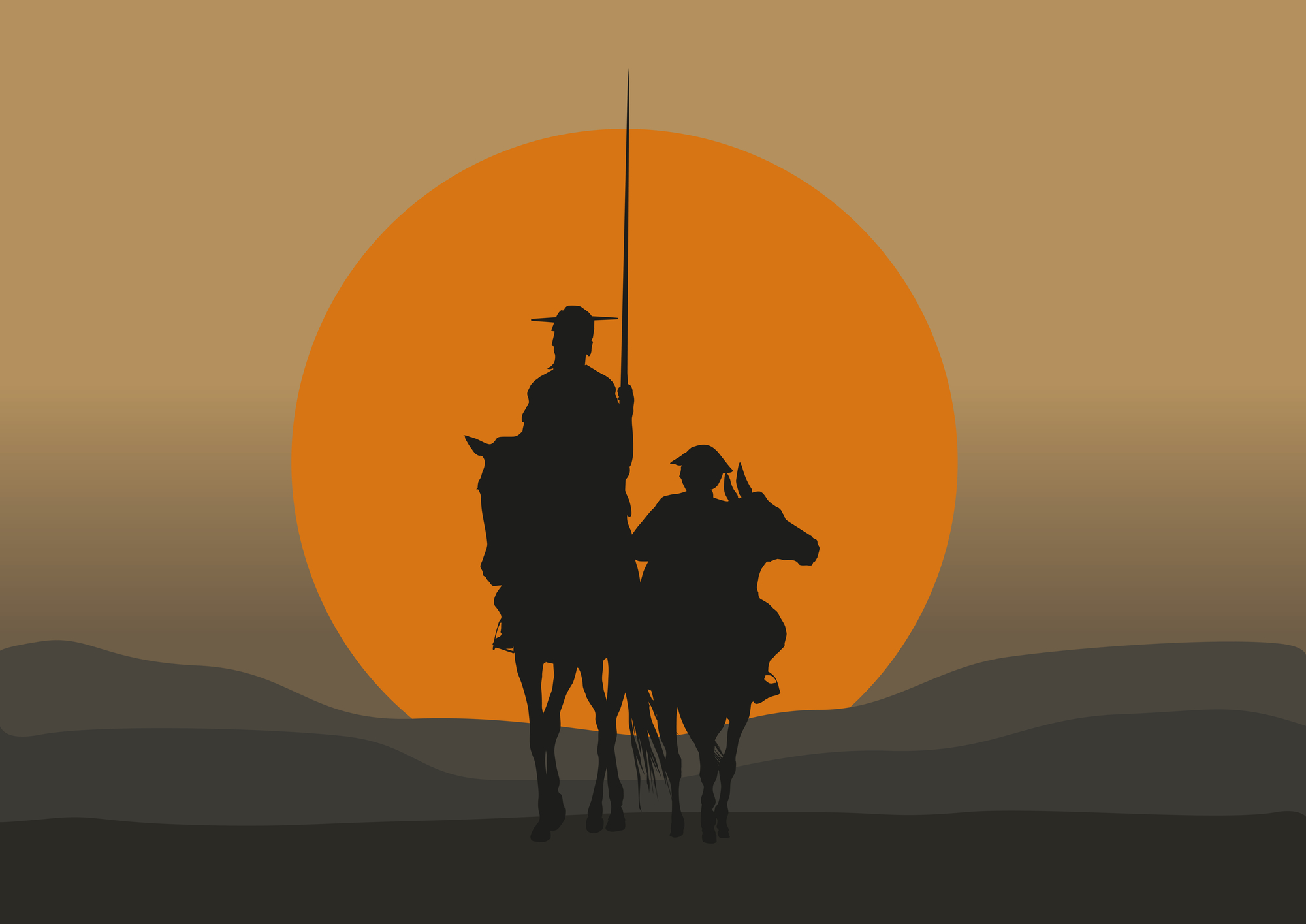
Miguel de Cervantes published the first part of Don Quixote in 1605, and Spanish colonial authorities almost immediately understood the problem: a novel about a man who refuses to accept the world as it is presented to him is a strange thing to distribute among populations you are trying to control. Copies were restricted in certain Spanish colonial territories in the Americas during the 17th century, with authorities fearing the book’s satirical skepticism toward authority would encourage independent thinking among colonized peoples.
The irony that a story about delusion was considered too clarifying for colonial subjects is one of literary history’s more pointed jokes.
Voltaire’s Works in France and Beyond
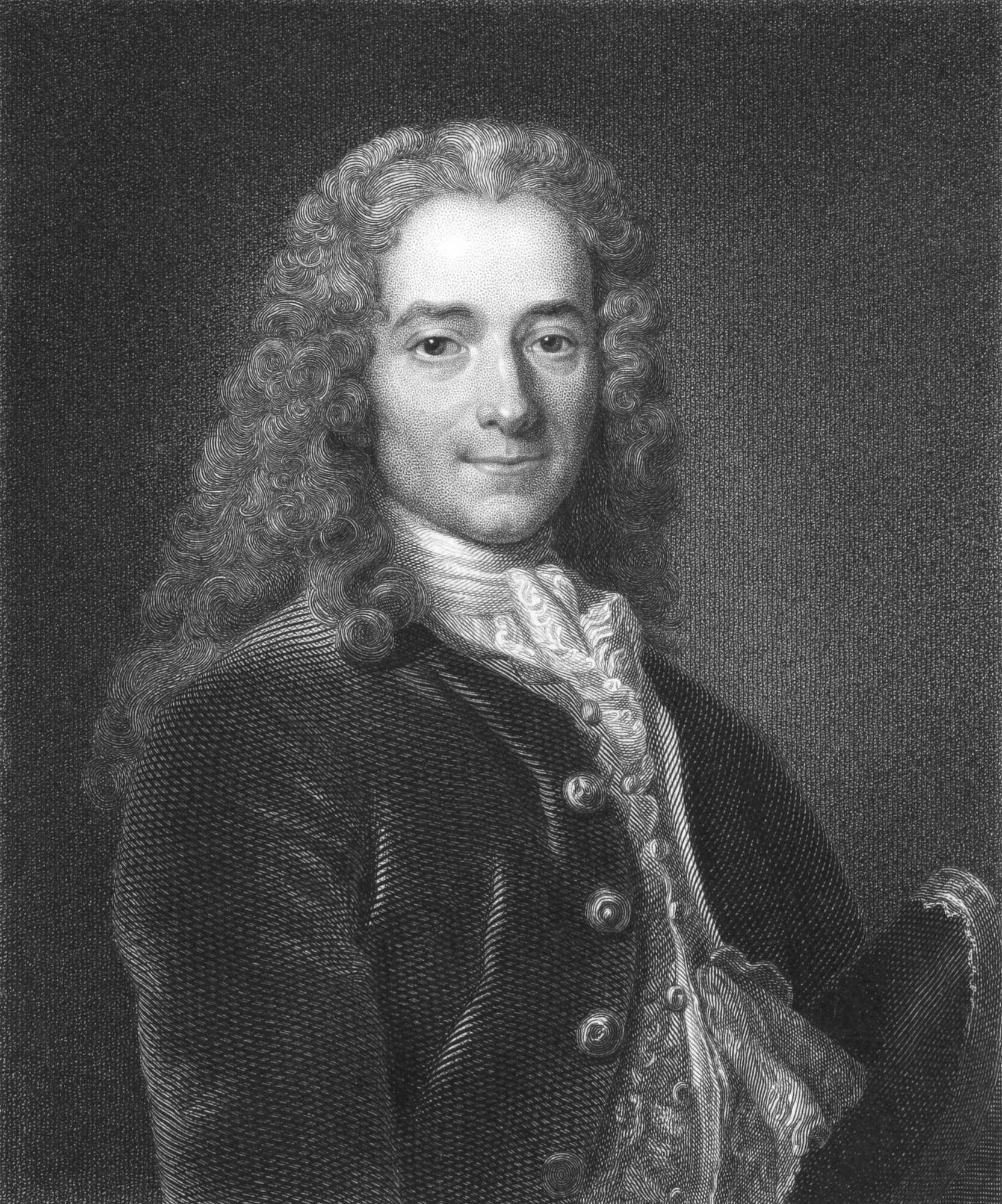
Voltaire spent a remarkable portion of his life being banned in the country that would later celebrate him as a national hero — his Candide, Philosophical Dictionary, and various other works were condemned by French authorities and the Catholic Church throughout the 18th century, and remained on the Vatican’s Index Librorum Prohibitorum long after his death. What made Voltaire genuinely threatening wasn’t just his wit (which was considerable) but his method: he used humor as a crowbar, prying open the gap between what institutions claimed to be and what they demonstrably were.
Some Catholic-majority countries maintained restrictions on his work well into the 20th century.
The Talmud in Medieval and Early Modern Europe
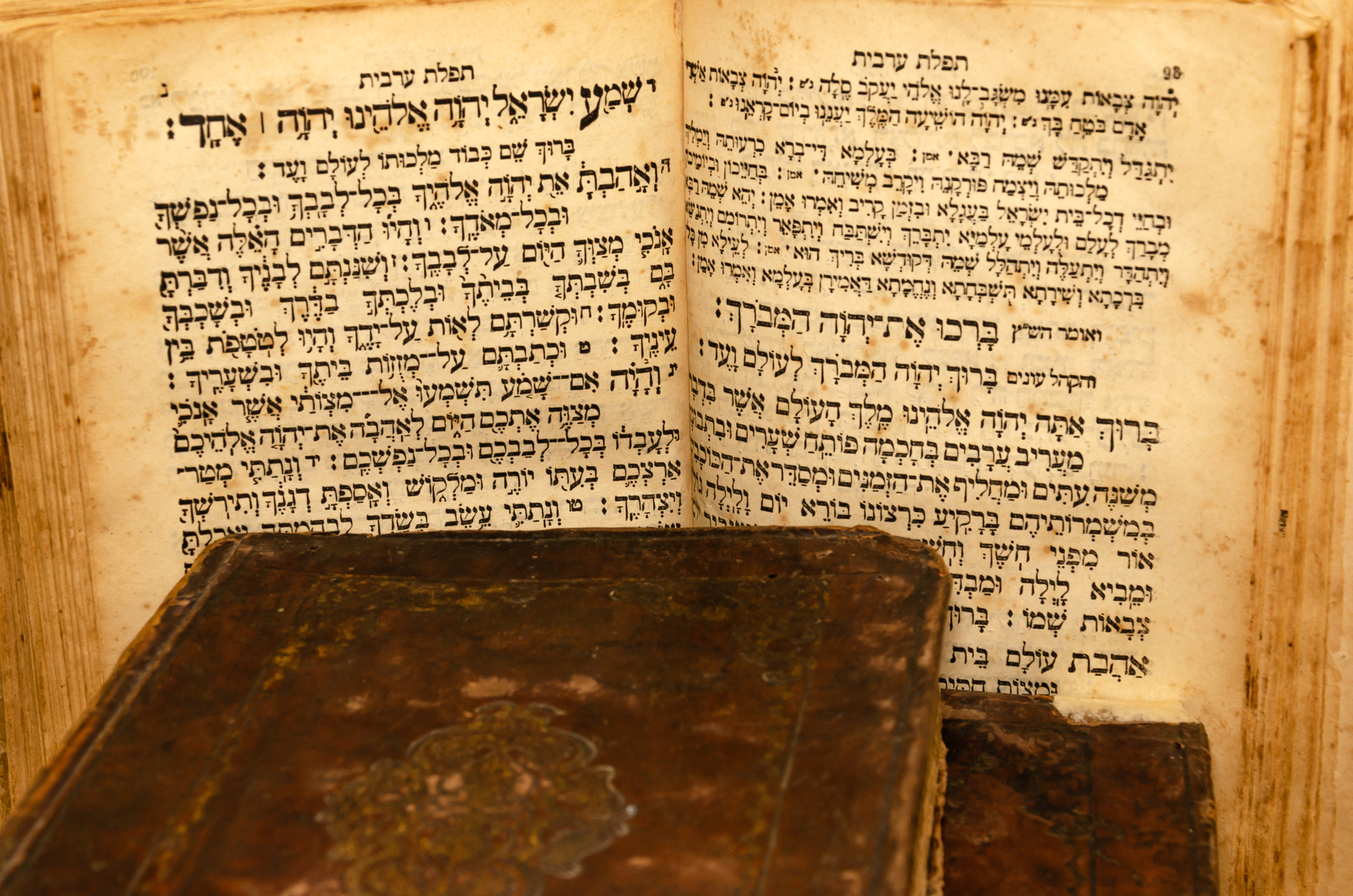
The Talmud — the central text of Rabbinic Judaism, compiled between roughly 200 CE and 500 CE — was publicly burned in Paris in 1242 following a trial in which Jewish scholars were forced to “defend” the text against charges of blasphemy, and was subject to censorship or outright prohibition across various European jurisdictions for centuries afterward. Pope Julius III ordered mass burnings of the Talmud in 1553, and subsequent editions published in Europe were routinely censored, with passages relating to non-Jews often forcibly removed by Christian authorities.
The strangeness of that — a government appointing itself the editor of another religion’s foundational scripture — lands differently when you understand that it persisted for hundreds of years.
Machiavelli’s The Prince
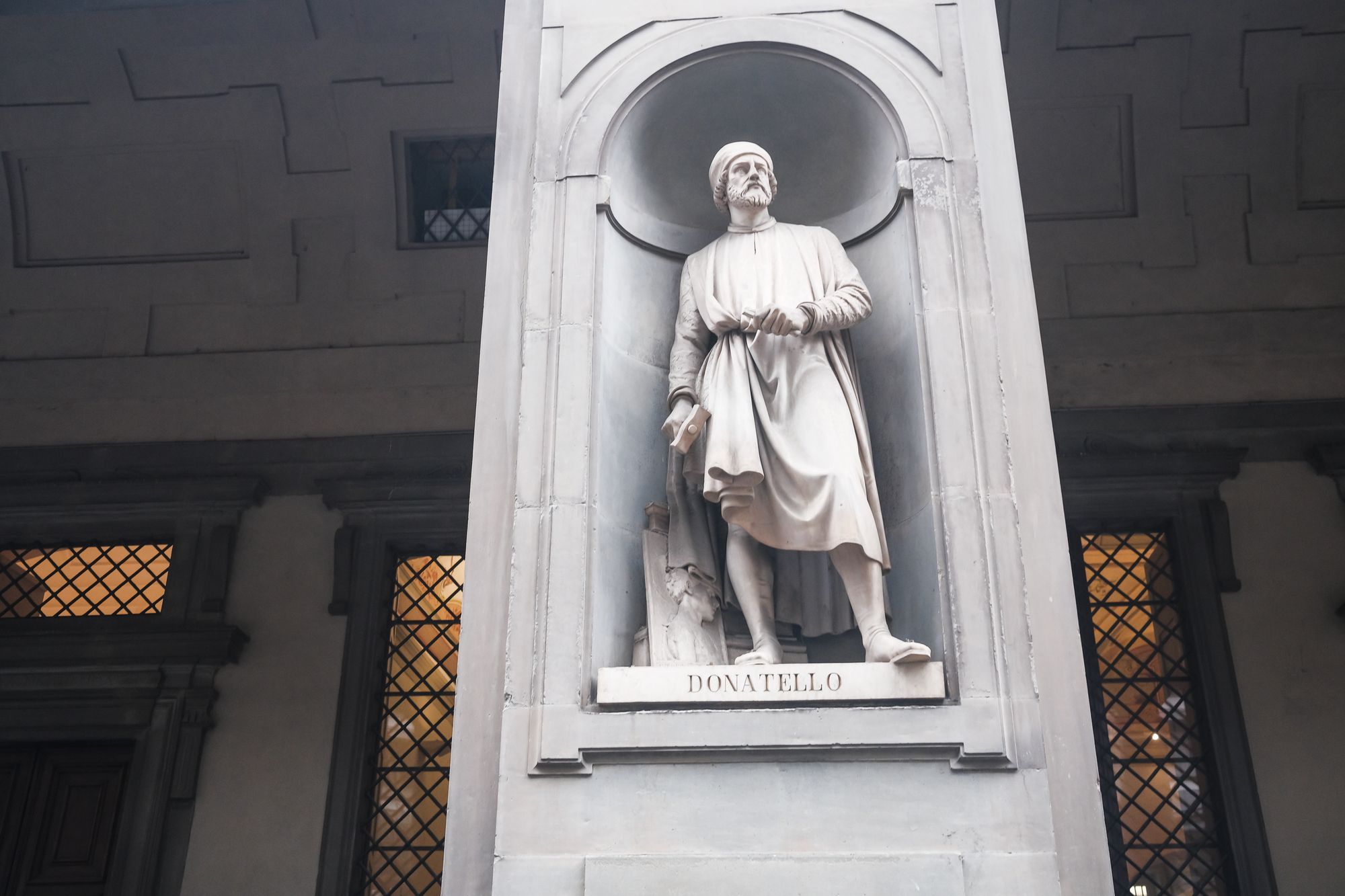
The Prince, written in 1513, was placed on the Vatican’s Index Librorum Prohibitorum in 1559 and remained there until the Index was abolished in 1966 — a run of over four hundred years. The Catholic Church’s objection wasn’t simply that Machiavelli was cynical about politics; it was that he described power as a mechanism rather than a divine arrangement, which was a categorically different and considerably more dangerous claim.
Several Catholic-majority countries enforced the Index’s prohibitions through their own censorship apparatus, meaning the ban had real institutional weight rather than being merely symbolic.
The 1001 Nights in Various Arab States

One Thousand and One Nights — a text assembled across several centuries, with roots in Persian, Indian, and Arabic storytelling traditions — has been banned or heavily censored in Egypt, Lebanon, and other Arab states at various points, with Egyptian authorities suppressing a full unabridged edition as recently as 1985. The objections have consistently centered on the frankness with which certain stories treat desire, wealth, and the fallibility of rulers — none of which were invented by modernity, none of which have become less discomfiting to authorities for being ancient.
A story old enough to predate the nation banning it still carries enough charge to warrant official alarm, which says something worth sitting with.
Dante’s Divine Comedy
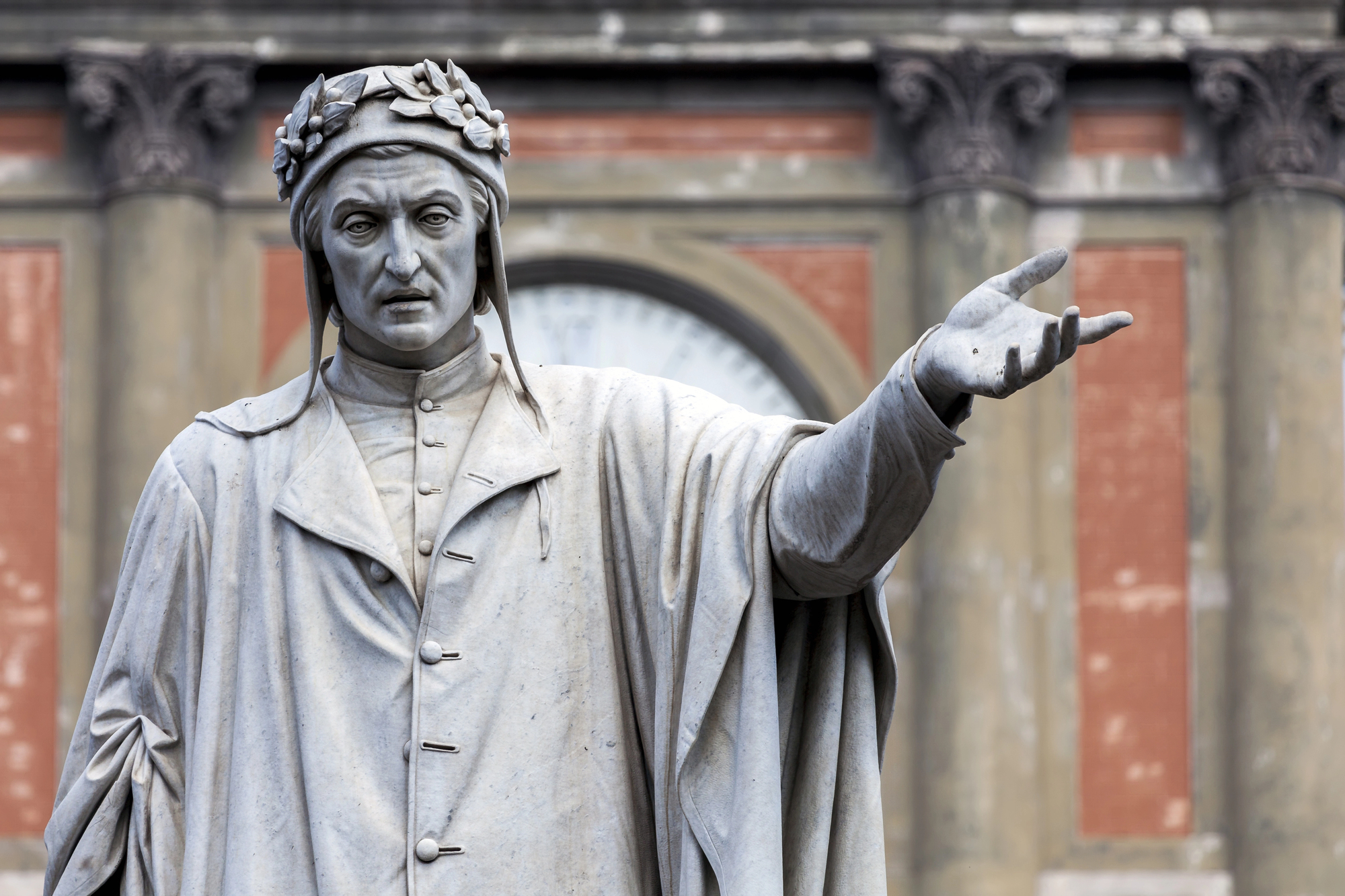
The Divine Comedy, completed around 1320, has faced periodic condemnation and restriction — most notably in parts of the Ottoman Empire, where Dante’s depiction of the Prophet Muhammad in the Inferno made the text inflammatory rather than merely foreign. Certain modern states with blasphemy laws have treated the text as a live provocation rather than a historical artifact; calls to ban it have emerged in Italy itself as recently as 2002, when a Muslim organization requested the offensive passages be removed from Italian school curricula.
The poem is seven hundred years old and still generating formal complaints, which is either a testament to its power or a measure of how slowly certain arguments evolve.
Rousseau’s Social Contract in Authoritarian States
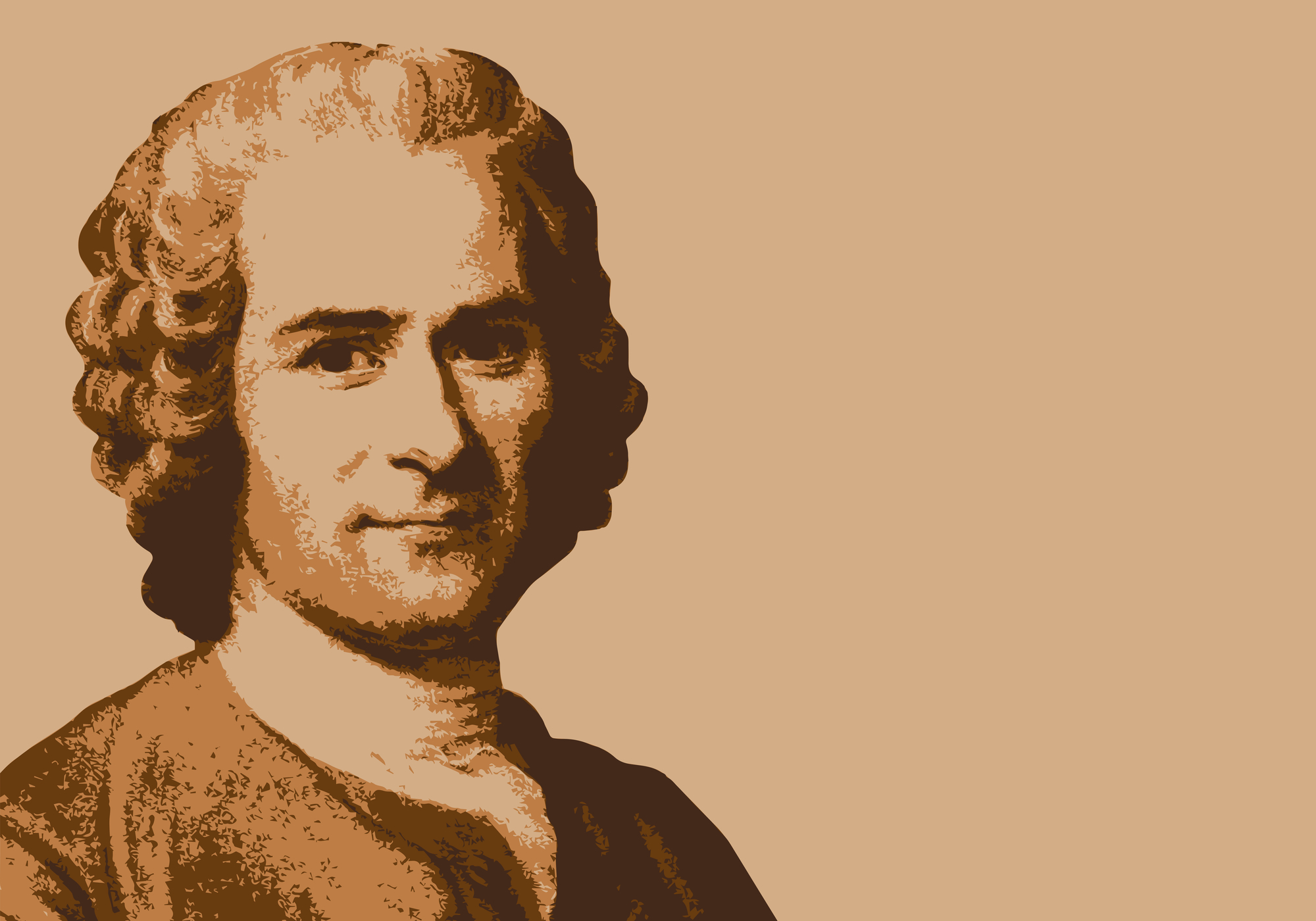
Jean-Jacques Rousseau published The Social Contract in 1762, and it was banned almost immediately in both France and Geneva — Geneva, notably, being Rousseau’s own birthplace — because the argument that legitimate government derives from the consent of the governed was understood, correctly, as a direct threat to monarchical authority. The idea traveled. Authoritarian regimes throughout the 19th and 20th centuries, from Tsarist Russia to various Latin American dictatorships, restricted or banned the text precisely because it gave ordinary people a vocabulary for naming what was being done to them.
A book that teaches people what they’re entitled to is a book that certain governments will never be comfortable leaving on the shelf.
Marx and Engels’ Communist Manifesto
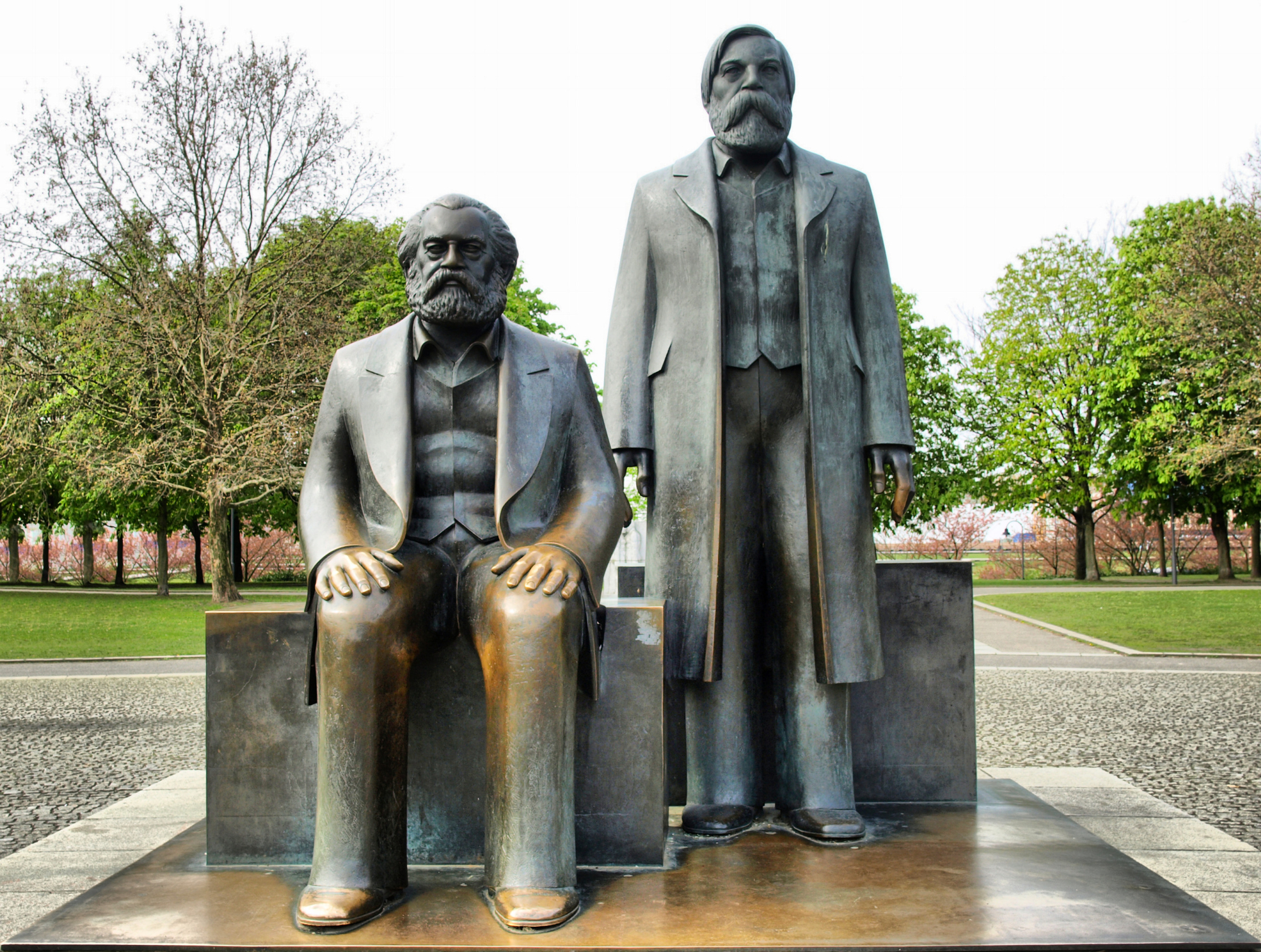
The Communist Manifesto, published in 1848, has been banned at various points in Germany, the United States (during the Red Scare era, its distribution was legally complicated in several states), Spain under Franco, and numerous other countries. The ban-and-lift pattern has repeated itself across different regimes and different centuries, with the text moving in and out of legality depending on who held power and how frightened they were.
What’s notable is that a pamphlet written in the 1840s still gets treated as an active threat rather than a historical document — governments have consistently refused to grant it the comfortable distance that age usually provides.
Thomas Paine’s Common Sense and Rights of Man
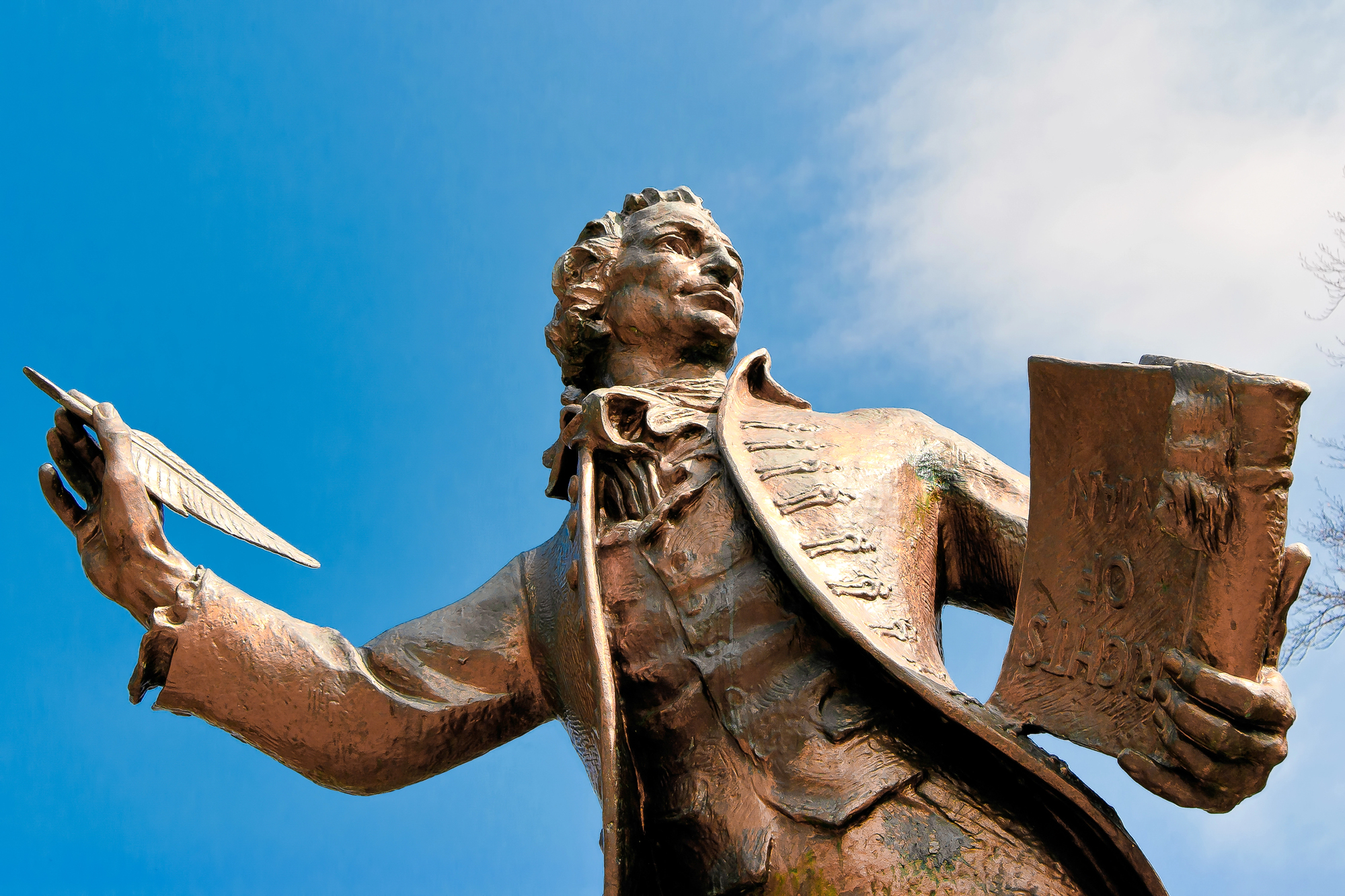
Thomas Paine managed the impressive feat of being considered a dangerous radical in Britain, a controversial figure in the United States, and a celebrated revolutionary in France, more or less simultaneously. Rights of Man, published in 1791, was banned in Britain, and Paine was convicted of seditious libel in absentia; the British government treated the text’s argument that people had the right to overthrow governments that failed them as an existential provocation rather than a philosophical position.
British authorities sent informants to monitor reading groups where Paine’s work was being discussed by working-class men — which suggests they understood, clearly and without illusion, exactly what kind of fire they were trying to contain.
The Works of Confucius During China’s Cultural Revolution
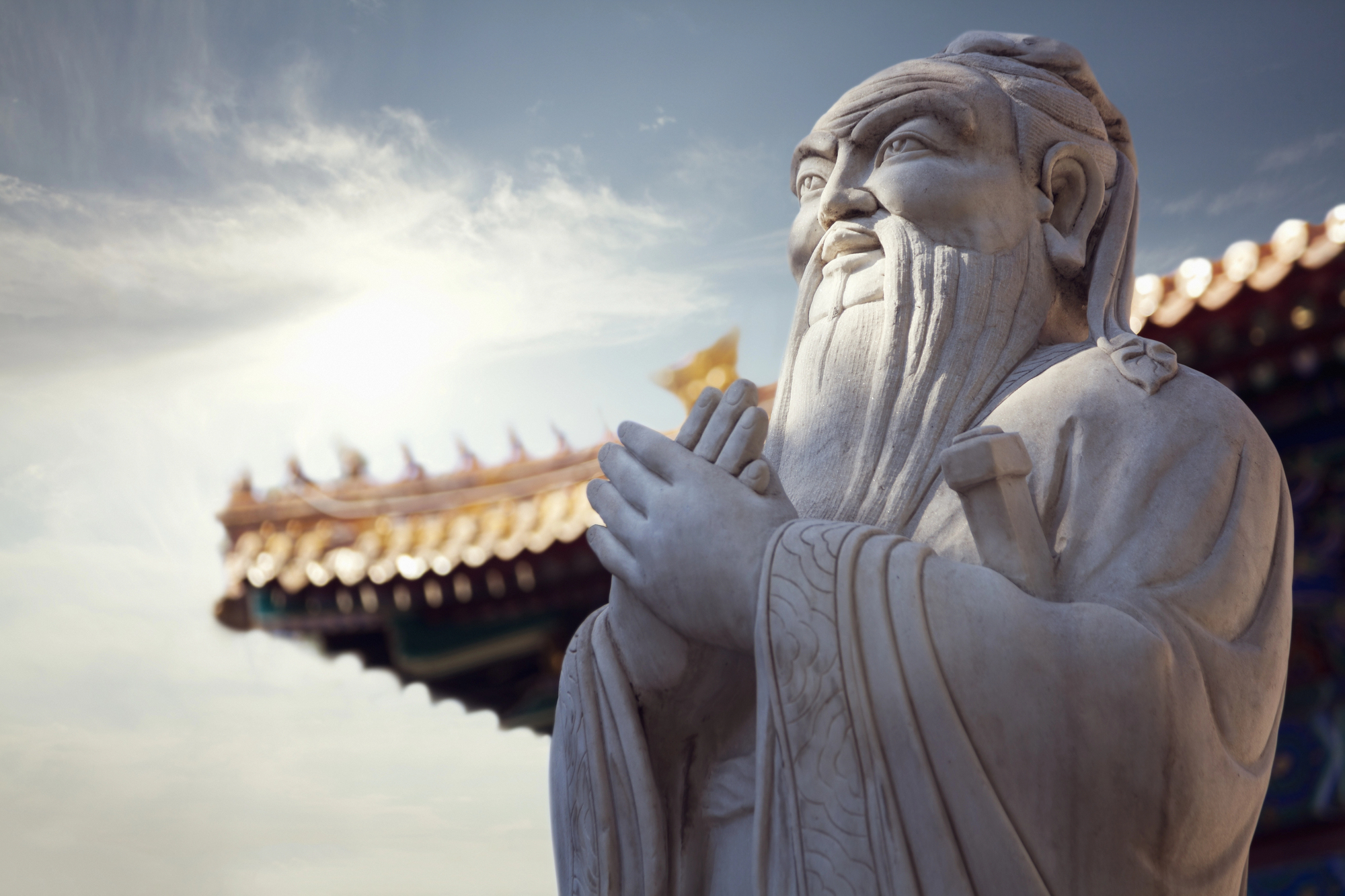
The works of Confucius — texts dating back to the 5th century BCE — were actively suppressed during China’s Cultural Revolution between 1966 and 1976, with Mao Zedong launching a specific campaign called “Criticize Lin, Criticize Confucius” in 1973 that treated Confucian philosophy as a direct ideological enemy of the revolutionary state. Books were burned, temples were destroyed, and scholars who had devoted their lives to classical Chinese texts were publicly humiliated or worse.
The state that banned Confucius now invests heavily in “Confucius Institutes” around the world as instruments of soft power, which is the kind of reversal that makes the entire history of book banning feel like a long argument a government is having with itself.
The Works of Aristotle in Medieval Universities
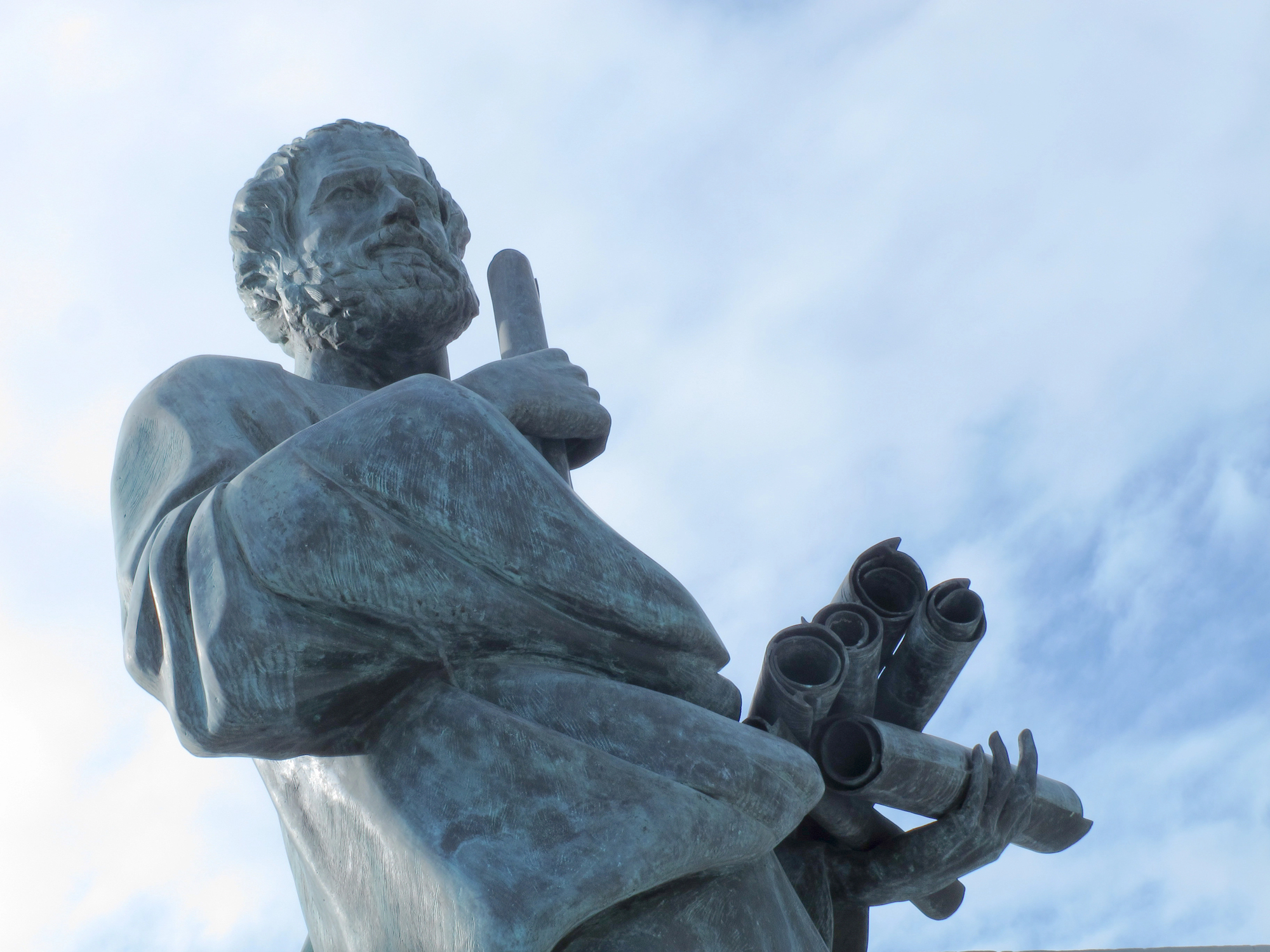
Aristotle’s texts — written in the 4th century BCE — were banned multiple times by the University of Paris and the Catholic Church during the 13th century, with specific edicts in 1210 and 1215 prohibiting the teaching of his natural philosophy. The concern wasn’t that Aristotle was wrong, exactly — it was that his method of arriving at conclusions through observation and reason rather than scripture created an intellectual framework the Church couldn’t fully control.
And yet within a century, Thomas Aquinas had essentially rebuilt Christian theology on Aristotelian foundations, which is perhaps the most elegant example in history of an institution banning something, losing, and then quietly claiming the victory as its own.
The Stories of the Brothers Grimm in Nazi Germany’s Occupied Territories
The original, unedited Brothers Grimm fairy tales — first published in 1812 — were restricted in certain occupied territories during World War II, not because the Nazis objected to German folk culture (they celebrated it) but because specific stories contained themes of resistance, the triumph of the humble over the powerful, and a cosmology that didn’t map cleanly onto Nazi ideology. The edited versions that were approved stripped out elements deemed insufficiently aligned with state values, effectively producing a parallel version of texts that had existed for over a century.
Banning a fairy tale is, on its face, an absurd act — and yet the impulse behind it is precisely the same impulse that bans philosophy, scripture, and political theory.
Where Old Words Still Find New Enemies
There’s a pattern here that doesn’t resolve into a tidy lesson, but it does suggest something about the nature of the books that get banned versus the ones that don’t. The texts that governments reach for — across centuries, across political systems, across cultures — tend to share a specific quality: they hand the reader a framework for evaluating power rather than simply accepting it.
Scripture offers an authority beyond the state. Philosophy offers a language for naming injustice.
Fiction offers the dangerous gift of imagining that things could be otherwise. The books that survive every attempt to suppress them are, almost without exception, the ones that do exactly that — they persist not despite the banning but, in some quiet way, because of it.
A government that burns a book tells you more about what it fears than any manifesto could.
More from Go2Tutors!

- The Romanov Crown Jewels and Their Tragic Fate
- 13 Historical Mysteries That Science Still Can’t Solve
- Famous Hoaxes That Fooled the World for Years
- 15 Child Stars with Tragic Adult Lives
- 16 Famous Jewelry Pieces in History
Like Go2Tutors’s content? Follow us on MSN.