Facts About the US Most Americans Don’t Know
The United States feels familiar to anyone who’s grown up here. People know the basics—the fifty states, the national anthem, maybe a few presidents.
But the country holds plenty of surprises that don’t make it into everyday conversation or high school textbooks. Some of these facts challenge common assumptions.
Others just never came up in history class or on the news. Either way, they reveal a side of America most people miss.
Alaska Is The Most Northern, Western, And Eastern State
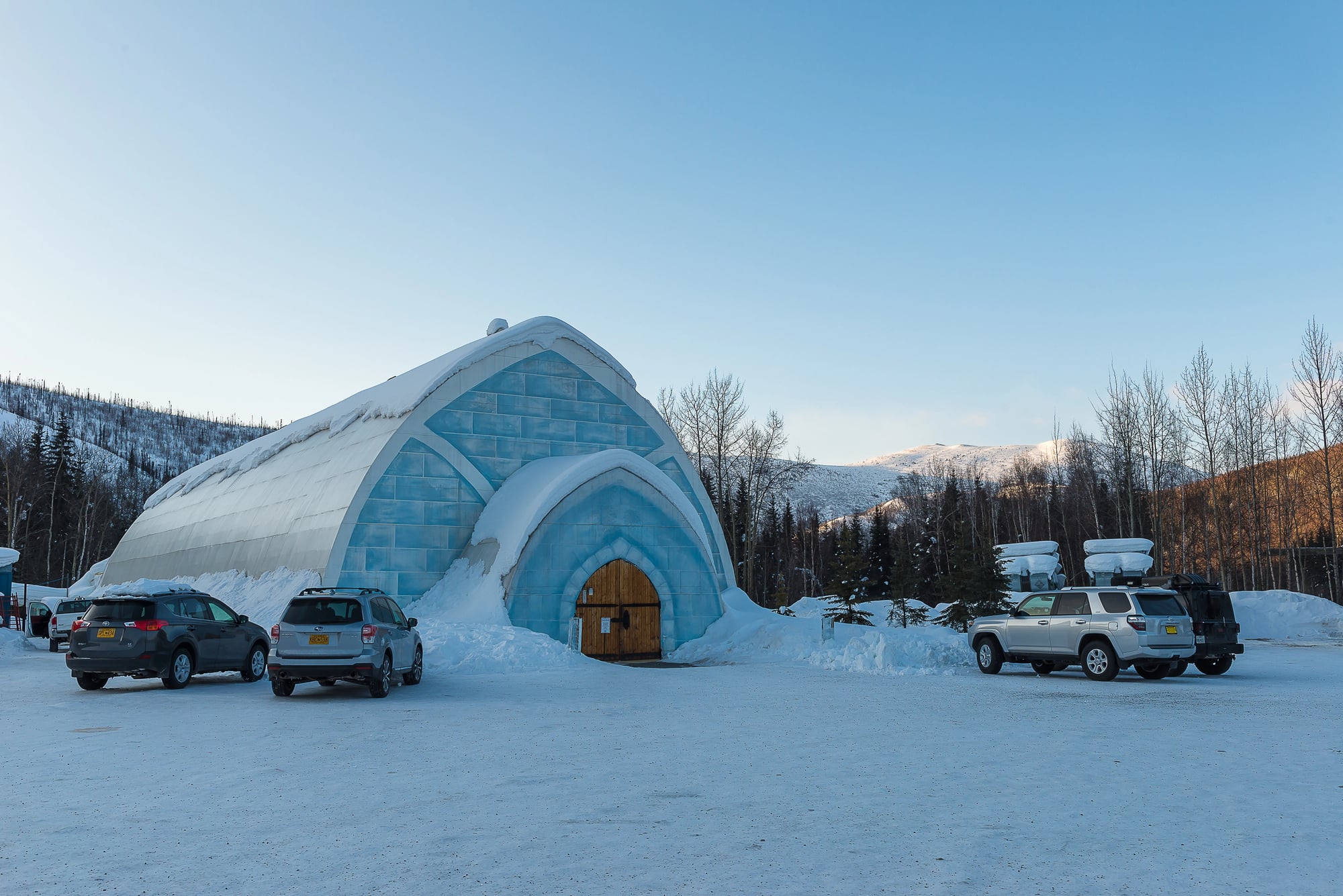
Alaska earns three geographic superlatives at once. Everyone knows it sits far north, extending into the Arctic Circle.
The western claim makes sense too, reaching toward Russia across the Bering Strait. But eastern? The Aleutian Islands stretch so far west that they actually cross the 180th meridian into the Eastern Hemisphere.
No other state can claim positions in three different directional extremes.
The Library Of Congress Holds More Than Books
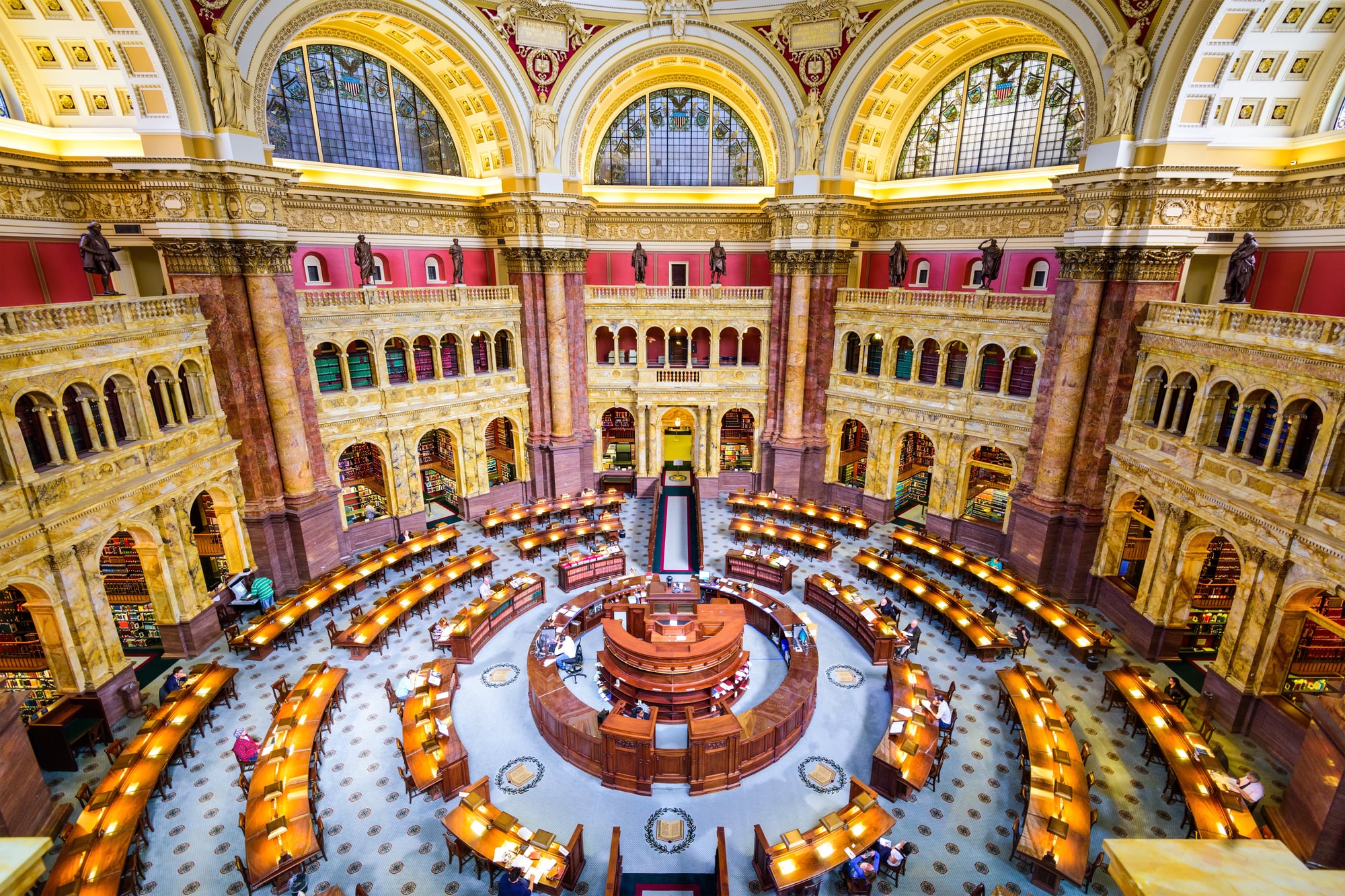
People picture endless shelves of books when they think of the Library of Congress. The collection actually includes over 17 million photographs, 5.5 million maps, 8 million pieces of sheet music, and 3.6 million recordings.
Researchers can examine everything from historic baseball cards to Thomas Jefferson’s personal library. The library acquires roughly 12,000 items every working day, making it one of the fastest-growing collections on Earth.
There’s No Official Language In America
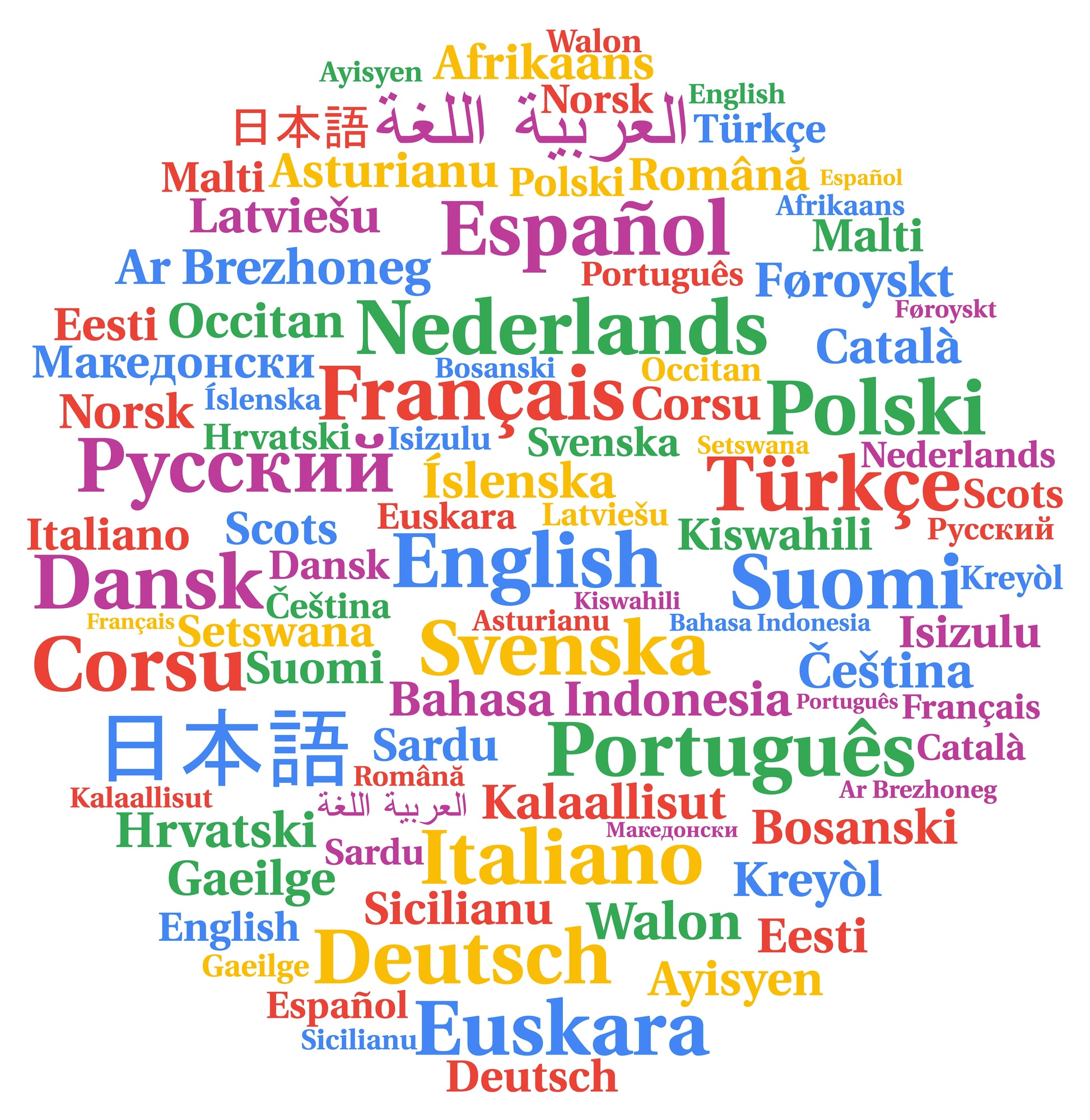
The United States never declared English as its official language at the federal level. Thirty-one states have made English official within their borders, but no constitutional amendment or federal law establishes it nationwide.
Around 350 languages get spoken in American homes today. New Mexico even recognizes both English and Spanish, while Hawaii acknowledges Hawaiian alongside English.
The country operates without a linguistic mandate that most nations take for granted.
The Shortest Street In America Measures 17 Feet
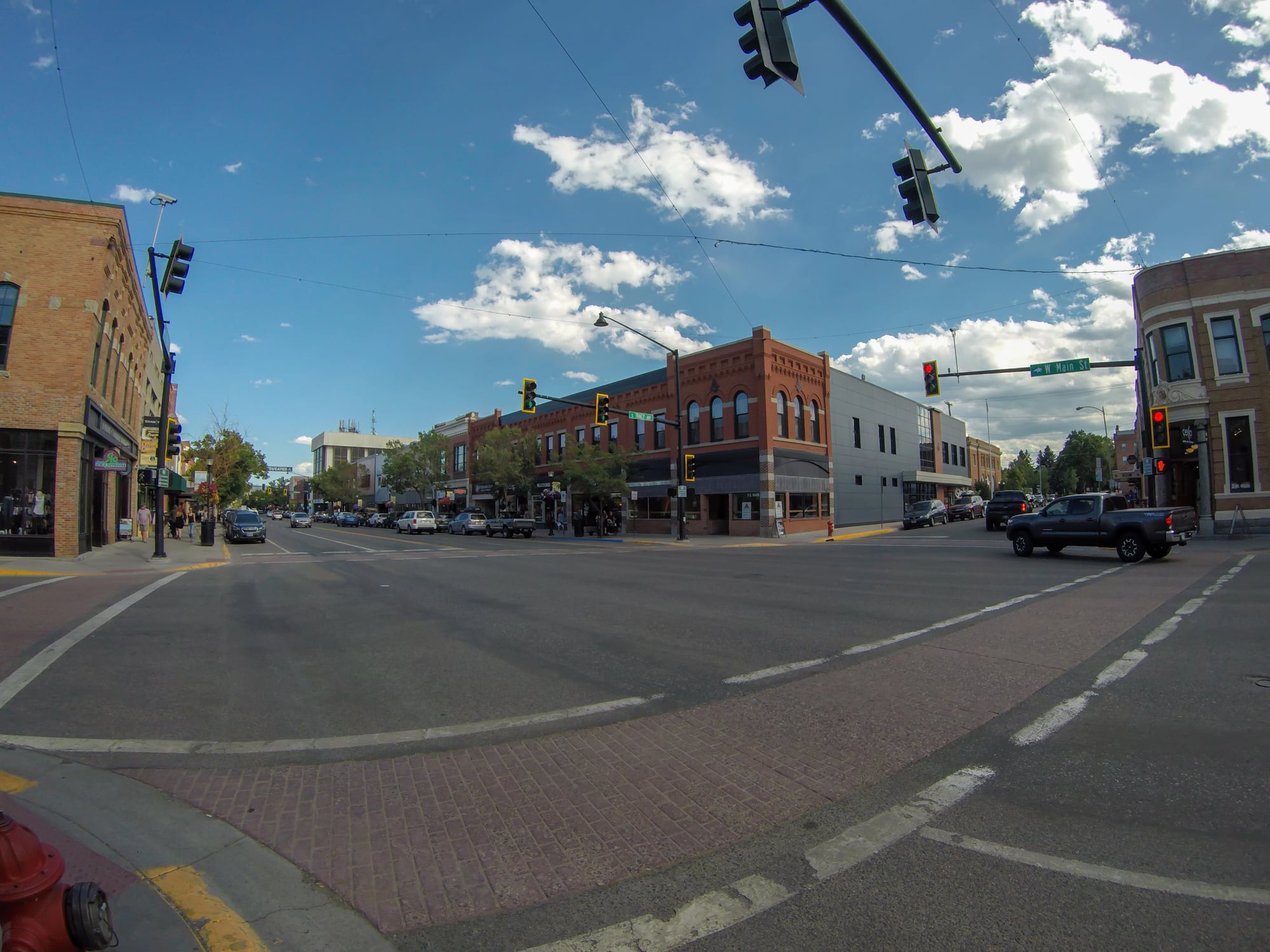
McKinley Street in Bellefontaine, Ohio stretches exactly 17 feet from start to finish. The brick-paved road appears in the Guinness Book of World Records as the world’s shortest street.
Residents built it to provide legal access to adjacent properties, turning a technicality into a tourist attraction. Visitors can walk its entire length in about three steps, though many take significantly longer while snapping photos.
Kentucky Has More Bourbon Barrels Than People
Kentucky’s population hovers around 4.5 million people. The state stores approximately 10.8 million barrels of bourbon in warehouses across its counties.
That’s roughly 2.4 barrels for every resident, creating a situation where the aging whiskey outnumbers the humans tending it. The bourbon industry contributes over $9 billion annually to Kentucky’s economy, making those barrels valuable residents in their own right.
Maine Sits Closer To Africa Than Florida Does
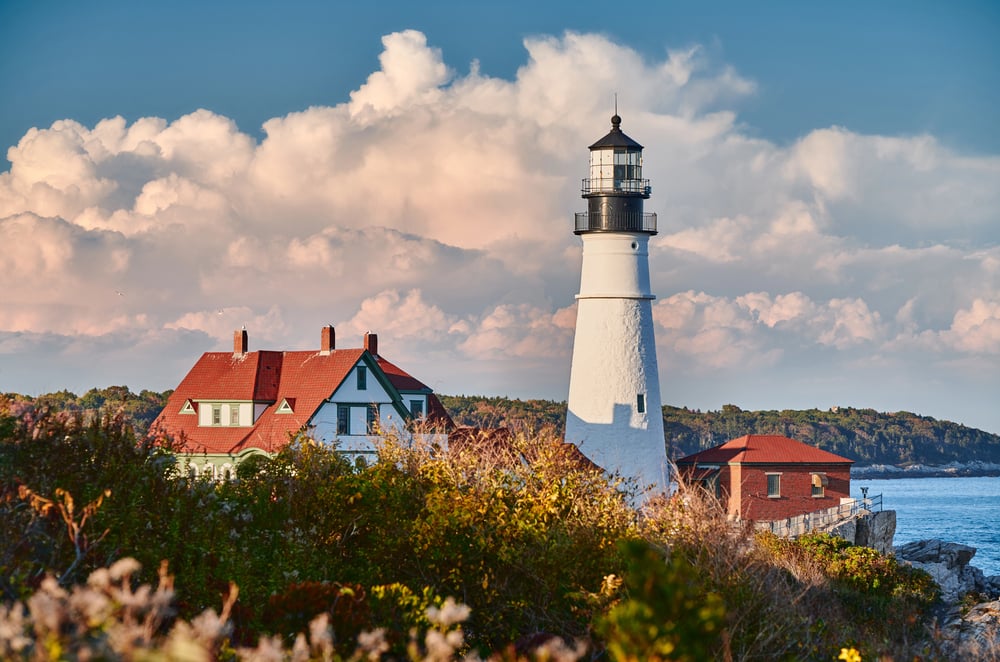
Geography plays tricks with perception. Quoddy Head in Maine, the easternmost point in the United States, sits roughly 3,154 miles from El Beddouza, Morocco.
Key West, Florida measures about 4,300 miles from the same African coastal town. Maine’s northern latitude doesn’t stop it from being the closest U.S. state to the African continent, defying what most mental maps suggest.
The Government Owns Nearly Half Of California
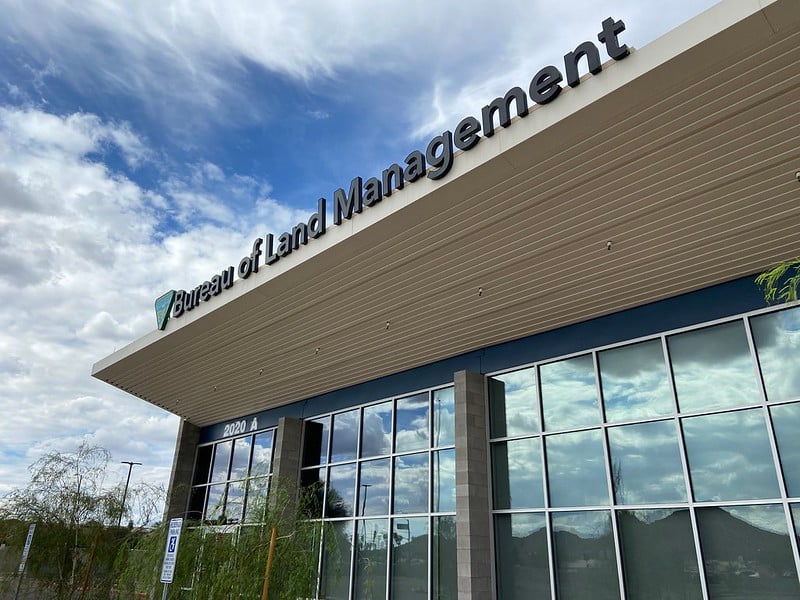
Federal agencies control approximately 45% of California’s land area. The Bureau of Land Management, Forest Service, National Park Service, and military installations occupy millions of acres across the state.
Death Valley National Park alone covers over 3.3 million acres. Private citizens and the state government divide up the remaining 55%, leaving less room for development than most people realize.
North Dakota Produces More Honey Than Any Other State

North Dakota doesn’t fit the typical image of honey country. The state’s sprawling prairies, covered in wildflowers during summer months, create perfect conditions for honeybees.
North Dakota produces roughly 38 million pounds of honey annually, accounting for about 20% of all U.S. honey production. South Dakota comes in second, but still trails significantly behind its northern neighbor’s buzzing industry.
Texas Could Fit 15 Countries Inside Its Borders
Texas spans 268,596 square miles, making it larger than France by over 50,000 square miles. Belgium, the Netherlands, Switzerland, Denmark, and Austria could all fit inside Texas with room to spare.
Driving from El Paso to the Louisiana border takes roughly 12 hours without stops, crossing terrain that shifts from desert to forest. Texans who claim everything’s bigger in their state have geography supporting that boast.
More People Live In California Than All Of Canada

California’s population exceeds 39 million residents. Canada, despite covering vastly more territory, houses around 38 million people.
The entire Canadian population could relocate to California and the state would barely notice the crowding. Toronto and Vancouver combined don’t match Los Angeles alone.
Geography and climate concentrate people differently, creating these lopsided comparisons.
The U.S. Government Poisoned Alcohol During Prohibition
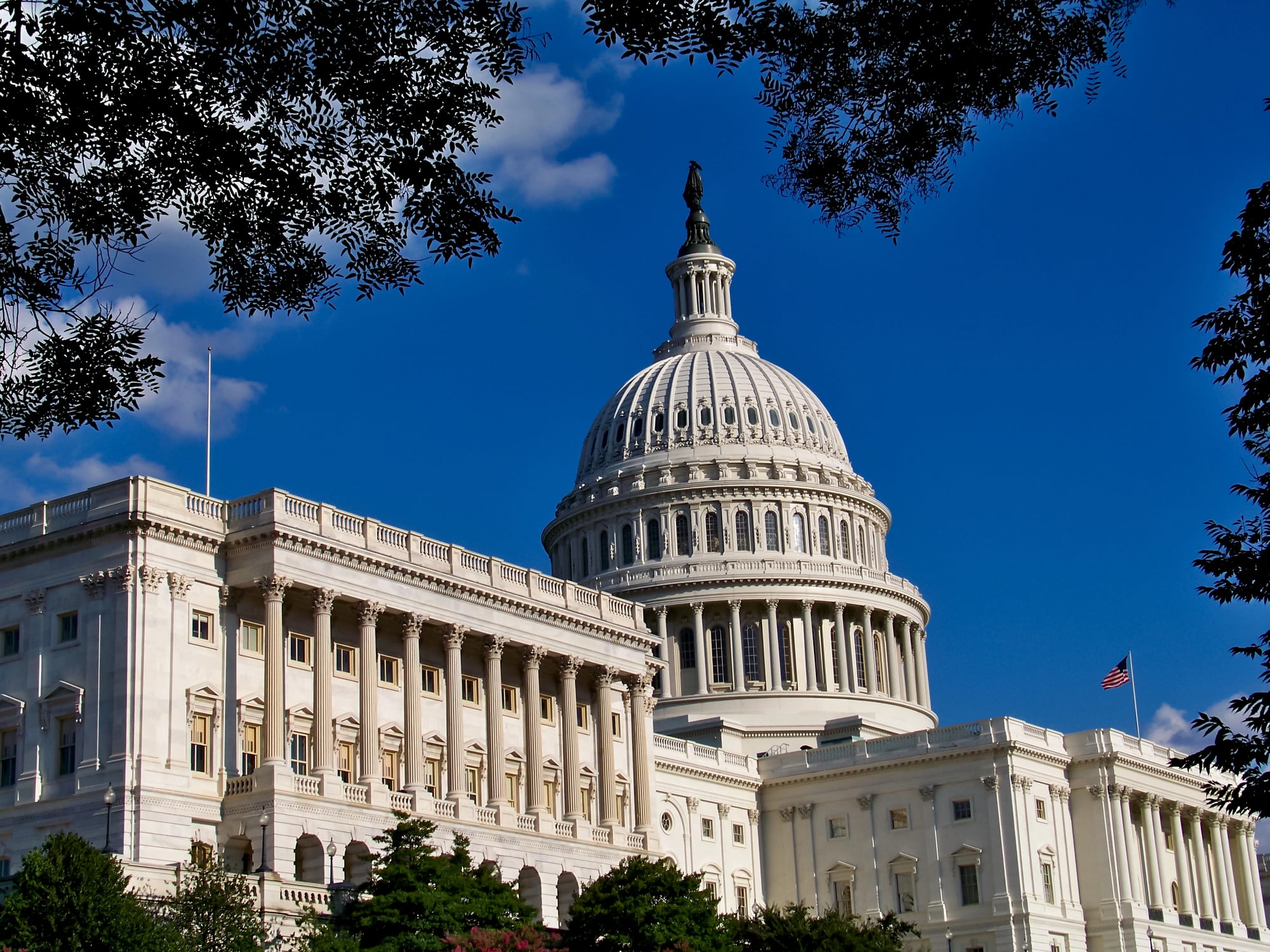
Federal authorities deliberately contaminated industrial alcohol supplies during Prohibition to discourage drinking. They added poisonous chemicals like methanol and benzene to formulas, knowing bootleggers would redistill it for consumption.
The program killed an estimated 10,000 people between 1926 and 1933. Medical examiners in New York City reported that nearly 700 people died from poisoned alcohol in 1926 alone, yet the government continued the practice for years.
Alaska Has A Longer Coastline Than All Other States Combined
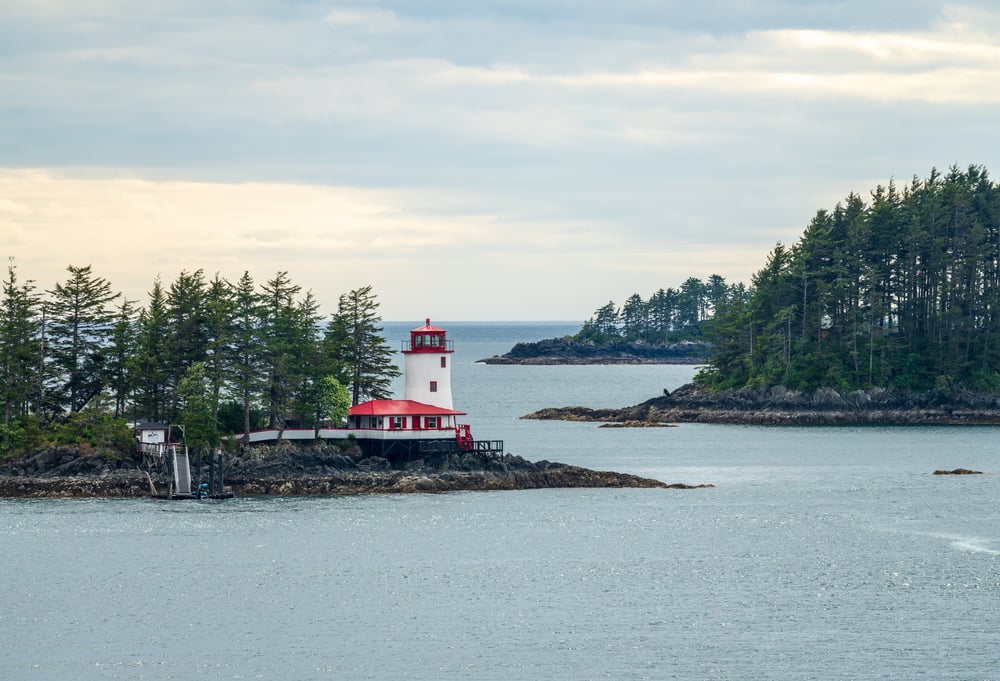
Alaska’s coastline measures approximately 33,904 miles when including islands and inlets. The remaining 49 states together total around 12,380 miles of coastline.
The state’s complex geography—filled with fjords, peninsulas, and thousands of islands—creates this dramatic difference. Measuring coastline gets complicated depending on methodology, but Alaska dominates any calculation method used.
The Federal Government Tested Biological Weapons On San Francisco
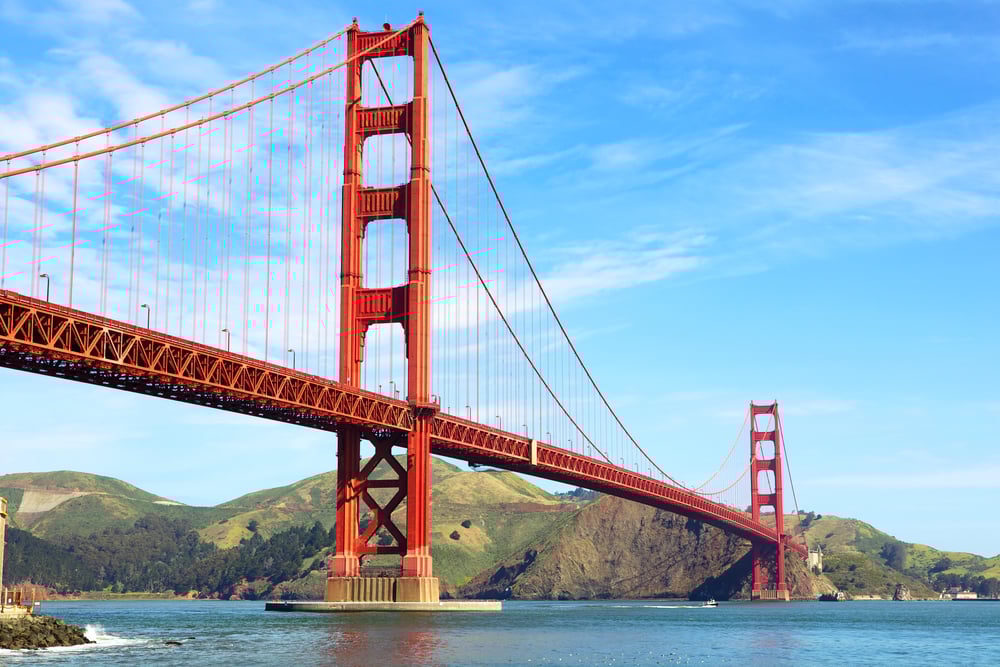
In 1950, the U.S. Navy sprayed bacterial clouds over San Francisco Bay to test biological warfare defenses. They used Serratia marcescens and Bacillus globigii, bacteria they believed harmless to humans.
Eleven people developed serious urinary tract infections shortly after, and one man died. The military conducted similar tests in at least 239 populated areas between 1949 and 1969, treating American cities as open-air laboratories without public knowledge or consent.
Vermont Produces Enough Maple Syrup To Fill An Olympic Swimming Pool
Vermont creates roughly 2.5 million gallons of maple syrup annually, enough to fill an Olympic-sized pool with sticky sweetness. The state produces nearly 50% of America’s total maple syrup supply despite ranking 45th in land area.
Around 1,500 maple producers tap approximately 6 million trees each spring when temperatures fluctuate between freezing nights and warm days. It takes about 40 gallons of sap to produce one gallon of finished syrup.
America Once Had A Town Where Everyone Lived Under One Roof
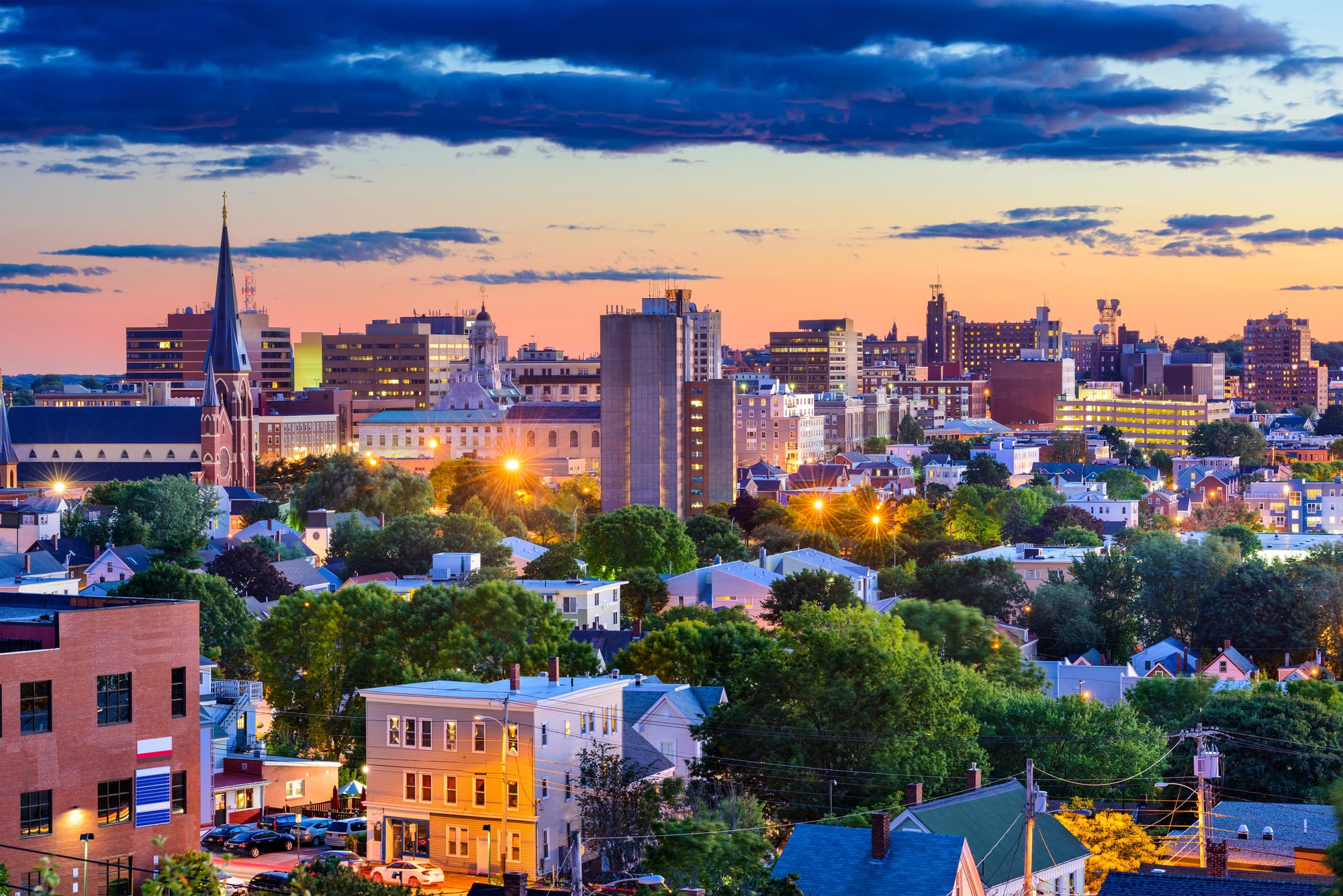
Whittier, Alaska operated with nearly all 200 residents living inside a single 14-story building called Begich Towers. The building contains apartments, a school, a post office, a general store, and a police station under one roof.
Residents can spend entire winters without stepping outside, connected by interior hallways and tunnels. While some people have since moved to other nearby buildings, Begich Towers remains home to the majority of Whittier’s population.
New York City Has Its Own Subway System For Mail

From 1927 to 1953, New York operated a 27-mile underground railroad exclusively for mail delivery. The system ran beneath Manhattan’s streets, moving mail between post offices and Penn Station without surface traffic delays.
Small electric trains hauled mail cars through tunnels that still exist today, though they’ve been abandoned for decades. At its peak, the system moved over 4 million letters daily, creating an invisible postal network beneath commuters’ feet.
The National Parks Contain Unexploded Bombs
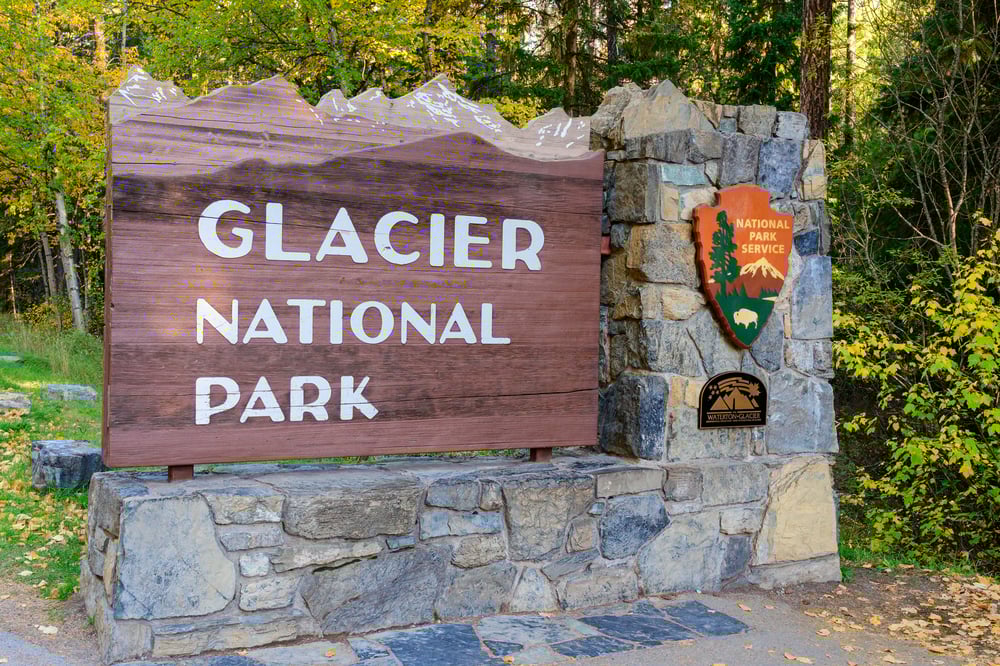
Back then, some national park zones became targets when the armed forces needed spots to test bombs and weapons – especially through World War II and later Cold War drills. Offshore near California, underwater dangers linger at Channel Islands National Park after years of navy training left live explosives sitting where they fell.
In South Dakota, stretches inside Badlands terrain were once used for shooting practice from aircraft, scattering old casings and unused warheads across remote ground. Today, those risky patches stay closed to people since clearing every explosive could drain huge funds while harming natural habitats beyond repair.
1975 Nearly Brought Metric Nationwide By Law

A shift toward metric measurements got approval in 1975 when lawmakers backed a new federal plan. Oversight landed on a newly formed Metric Board meant to guide sectors and offices without forcing change.
Yet companies paid little mind, pushback grew among citizens, so funding vanished by 1982. Today, the U.S. stands rare – joined only by Liberia and Myanmar – as nations holding back from full metric adoption.
How The Past Shapes What People Don’t See
Hidden away in old records or scattered through forgotten pages, these truths linger where few bother to check. Though they hardly shift how people live day to day, they bring quiet layers to a nation assumed fully known.
Curiosity uncovers what routine overlooks – each corner of the U.S. whispering tales untouched by classrooms and casual talk. Familiarity creates illusion; understanding runs deeper than habit.
From state lines to backroads, silence guards’ histories never passed down at dinner tables.
More from Go2Tutors!

- The Romanov Crown Jewels and Their Tragic Fate
- 13 Historical Mysteries That Science Still Can’t Solve
- Famous Hoaxes That Fooled the World for Years
- 15 Child Stars with Tragic Adult Lives
- 16 Famous Jewelry Pieces in History
Like Go2Tutors’s content? Follow us on MSN.