Why Certain Old Yearbooks Are Selling for Real Money Online
There’s a shoebox logic to yearbooks — you keep them because throwing them away feels wrong, not because you expect them to appreciate like a stock portfolio. Most sit in closets for decades, smelling faintly of the past, handled maybe twice between graduation and the estate sale.
But somewhere along the way, collectors started paying real attention to old yearbooks, and the market that emerged is stranger and more specific than you might expect. The right book from the right year featuring the right names can fetch hundreds, sometimes thousands, of dollars from buyers who know exactly what they’re looking for.
Famous Names Before They Were Famous

Yearbooks featuring a pre-celebrity photo of someone who later became genuinely famous are among the most reliably valuable. A high school annual from Parsippany, New Jersey, circa 1970 with a young John Lennon lookalike in it means nothing — but a yearbook from Hollywood High or a small Alabama town carrying a young actor’s first documented headshot is a different proposition entirely.
Collectors treat these as primary sources: the earliest verifiable image of someone before the machinery of fame got hold of them.
The Sports Card Parallel
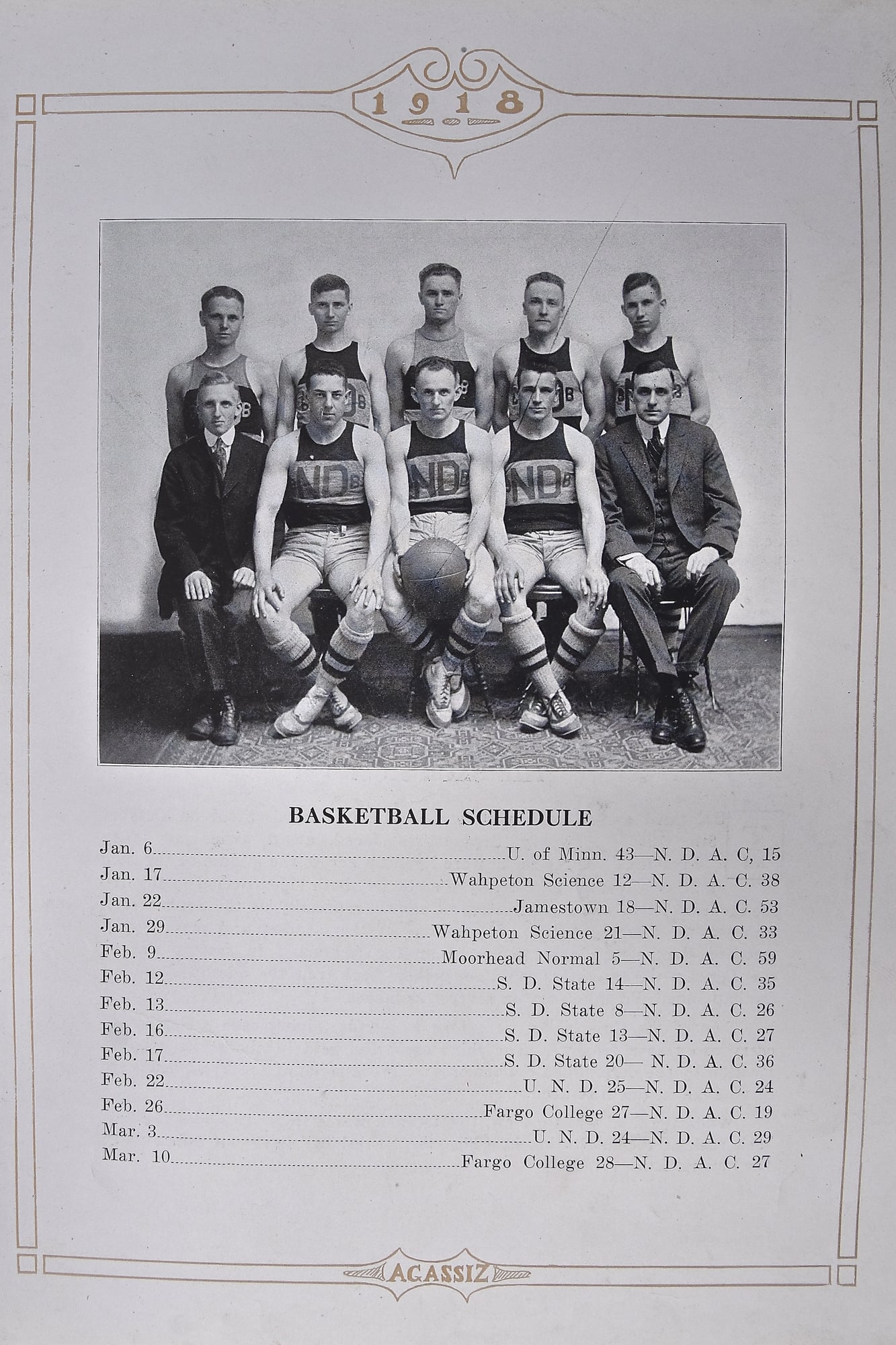
The logic driving yearbook collecting mirrors the sports card market almost exactly, which is saying something given how seriously that hobby is taken. A pre-rookie card mentality applies here — buyers want documented proof of someone’s existence before their name meant anything, and a yearbook photo functions as that proof in a way that feels more intimate and harder to fake than a printed trading card.
The difference is that yearbooks were never manufactured as collectibles, which makes genuine finds feel like archaeology rather than commerce.
Athletes in the Years Before the Draft
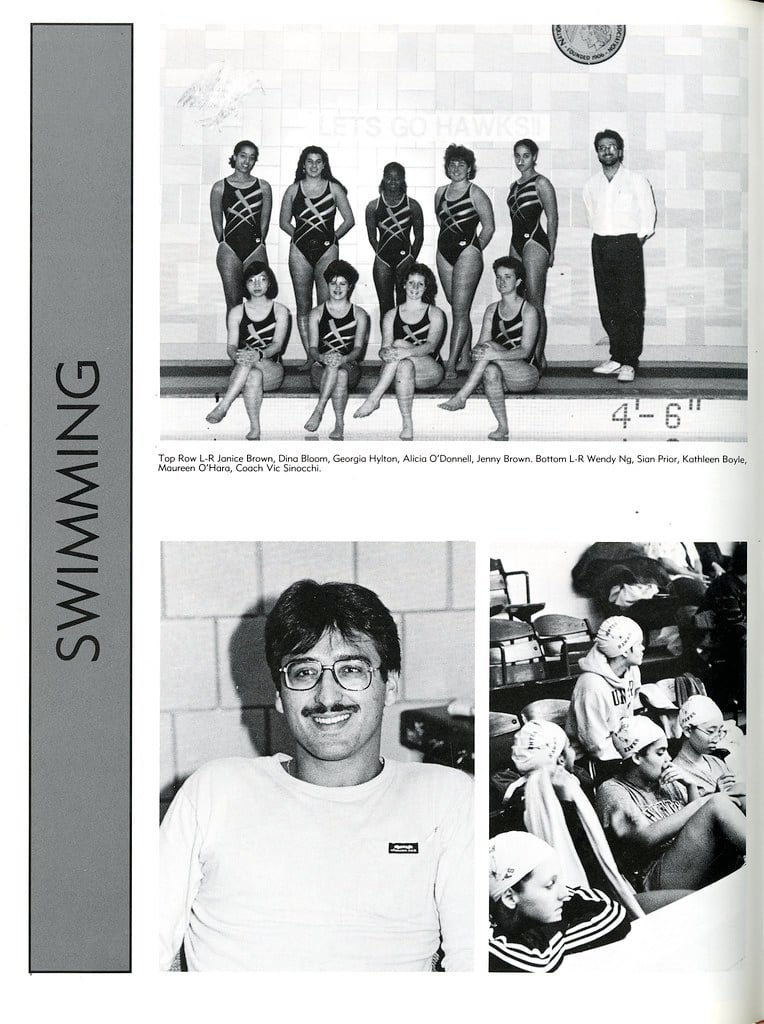
High school and college yearbooks featuring future professional athletes — particularly football, basketball, and baseball players — sell with real consistency on platforms like eBay. The more decorated the player’s eventual career, the more aggressively collectors pursue early documentation, and a yearbook photograph functions as something a stat sheet never can: a face in an ordinary moment, indifferent to its own future significance.
Some buyers are completionists building archives; others are simply fans who want something the player himself probably forgot existed.
Murder Cases and True Crime Interest
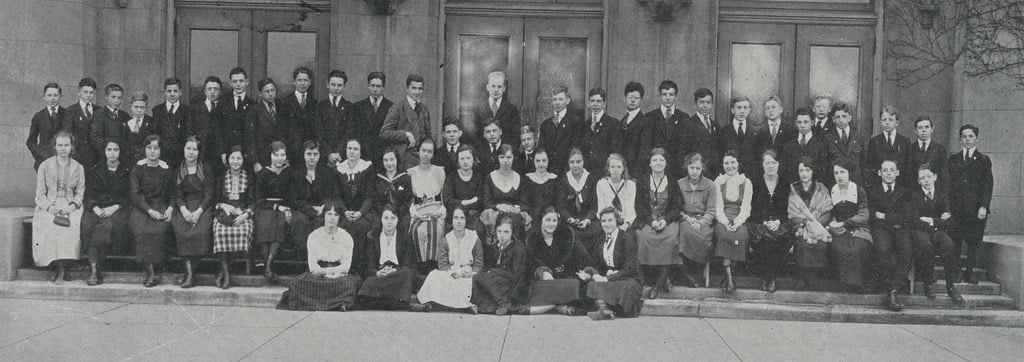
This one surprises people, but it’s documented. Yearbooks connected to high-profile murder cases — featuring victims, suspects, or perpetrators from their school years — attract a category of true crime collector willing to pay considerably above face value.
The interest isn’t morbid in the tabloid sense so much as archival: these buyers are often researchers, documentarians, or obsessive case followers who want every piece of the puzzle. It’s an uncomfortable corner of the market, but it’s a real one.
Segregation-Era Schools
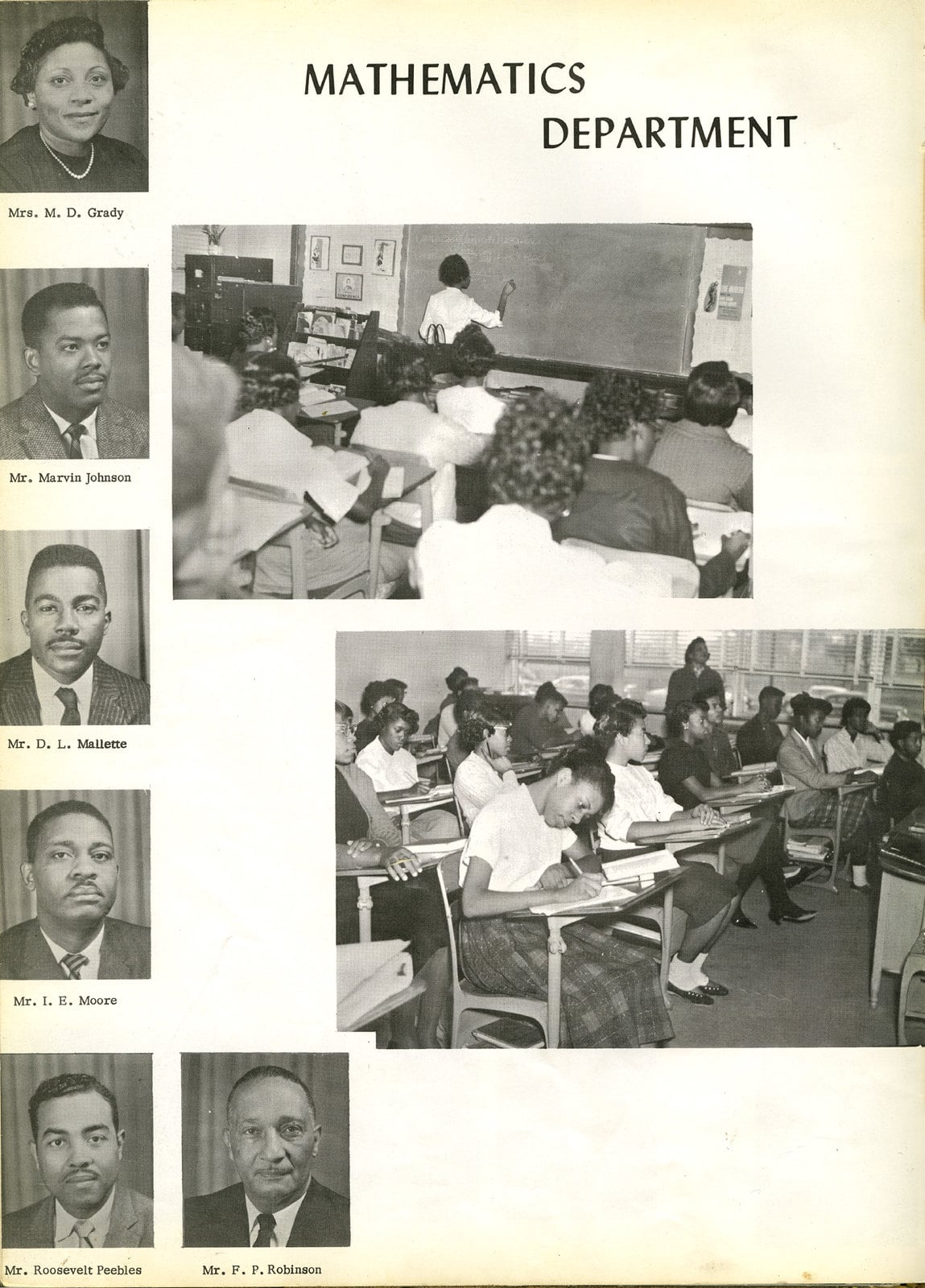
Yearbooks from schools that existed under segregation — particularly Black institutions in the American South before integration — have acquired genuine scholarly and historical value that the collector market has recognized. These books documented communities, faces, and accomplishments that mainstream historical records largely ignored, and institutions like the Smithsonian and various university archives actively seek them out.
A yearbook from Booker T. Washington High School in Atlanta from the 1940s is not a curiosity; it’s a primary document.
Schools That No Longer Exist
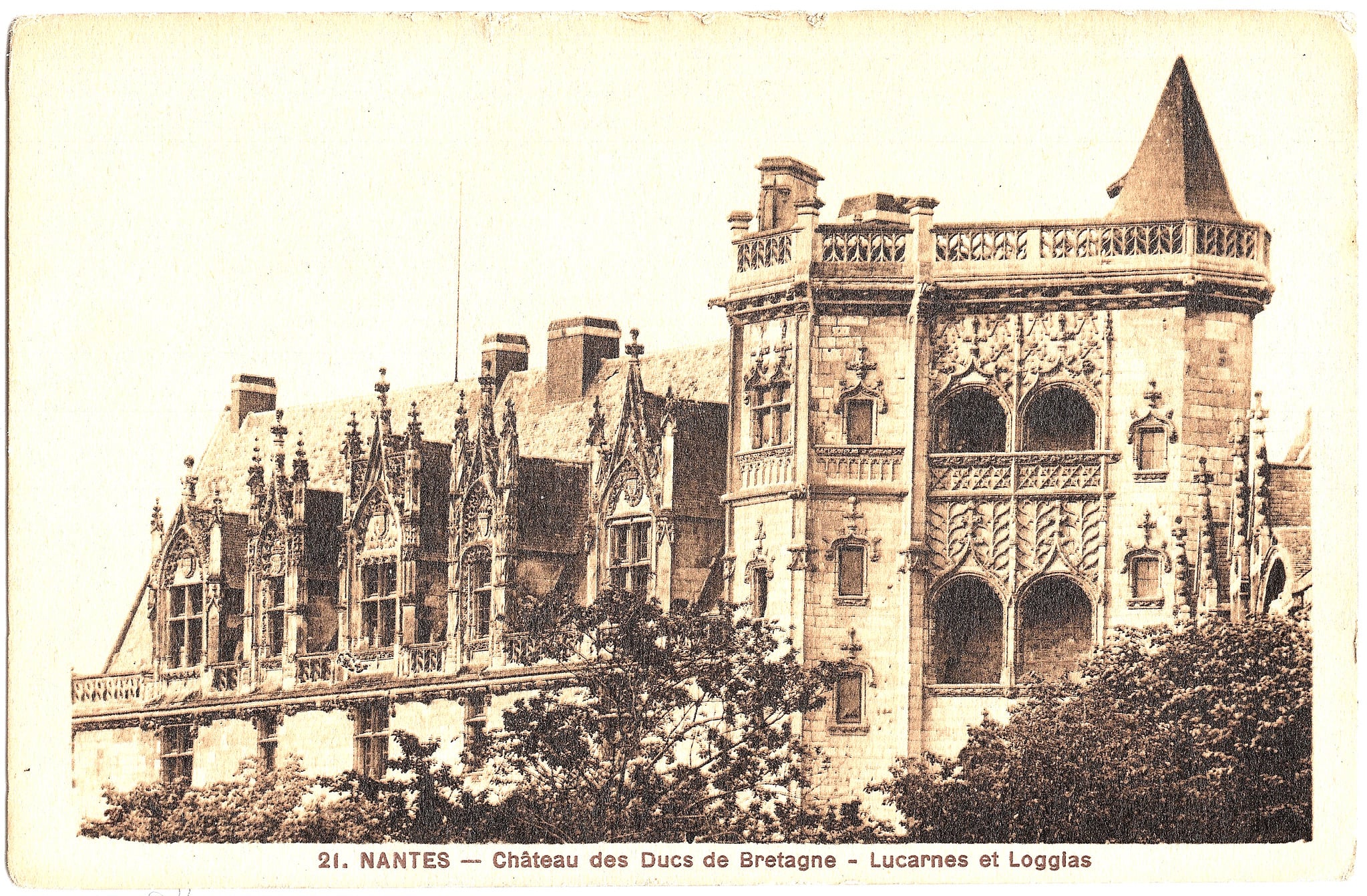
When a school closes — through consolidation, disaster, or demographic shift — its yearbooks become the only surviving record of the institution’s social life. There’s something almost defiant about a yearbook from a school that no longer stands: it holds names and faces that would otherwise dissolve completely from the record, the last proof that a particular hallway, a particular gymnasium, a particular graduating class ever existed at all.
Collectors who grew up in those communities will pay meaningfully for them, and local historical societies compete for the same copies.
Presidential and Political Figures
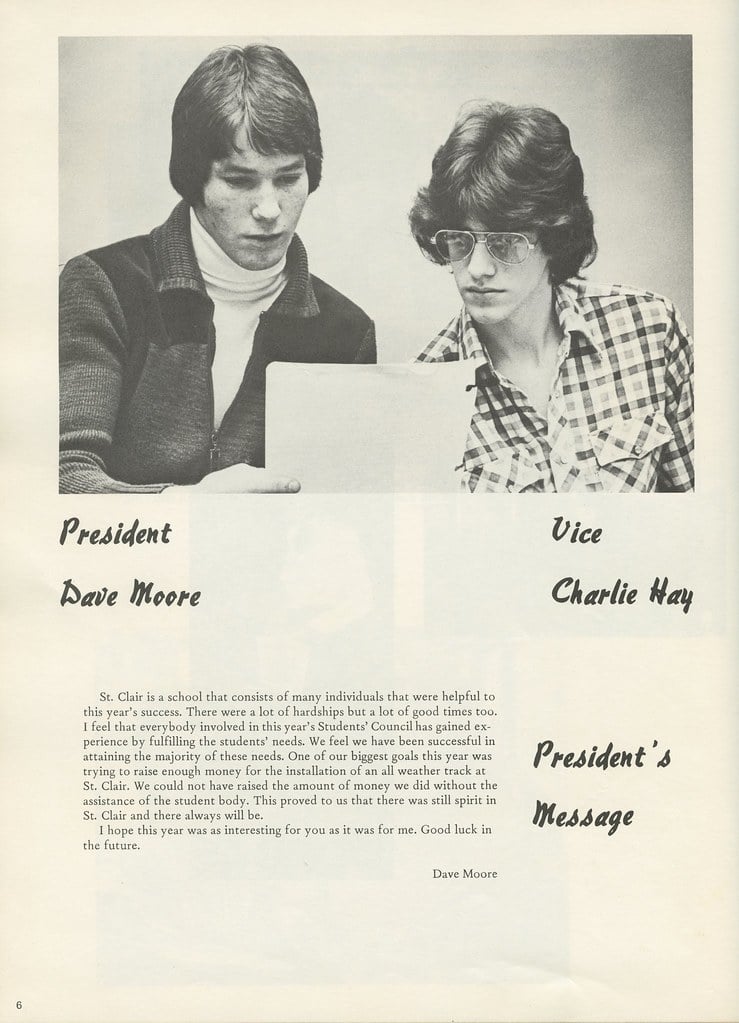
Yearbooks featuring future presidents are the most aggressively sought in this category, though senators, governors, and Supreme Court justices generate serious interest too. Bill Clinton’s Hot Springs High School yearbook, George W. Bush’s Phillips Academy annual — these sell for amounts that would strike most people as absurd for a spiral-bound school publication.
To be fair, the combination of historical significance and relative scarcity makes the pricing less irrational than it looks on the surface.
Early Celebrity Photographers’ Work
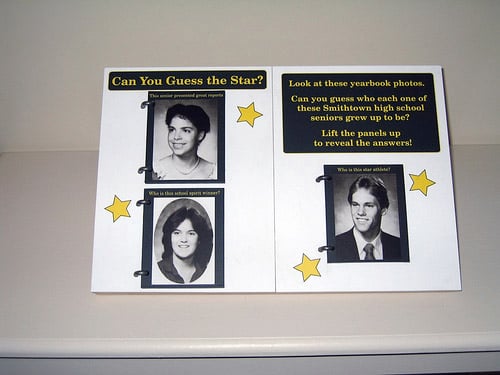
Some school yearbooks from the mid-twentieth century were photographed by professionals who later became significant figures in American photography. A yearbook shot by a young Richard Avedon or an early commercial photographer whose career later acquired critical status becomes a different object entirely — not just a social document but an art-historical one.
Most buyers don’t know they’re holding this when they find one at an estate sale, which is precisely why collectors who do know are willing to drive hours to get there first.
The Condition Premium

Condition in yearbooks follows the same brutal logic as condition in comic books: a pristine copy doesn’t just sell for more — it sells for multiples of what a worn copy brings. Signatures compound this in both directions (a signed copy from the right person is worth dramatically more, but a heavily doodled-in copy from unknown classmates is worth dramatically less).
The irony is that the yearbooks people actually used — passed around, written in, carried home in backpacks — are often the ones worth least, while the spare copy that sat forgotten in a teacher’s cabinet is worth the most.
LGBTQ+ Historical Interest
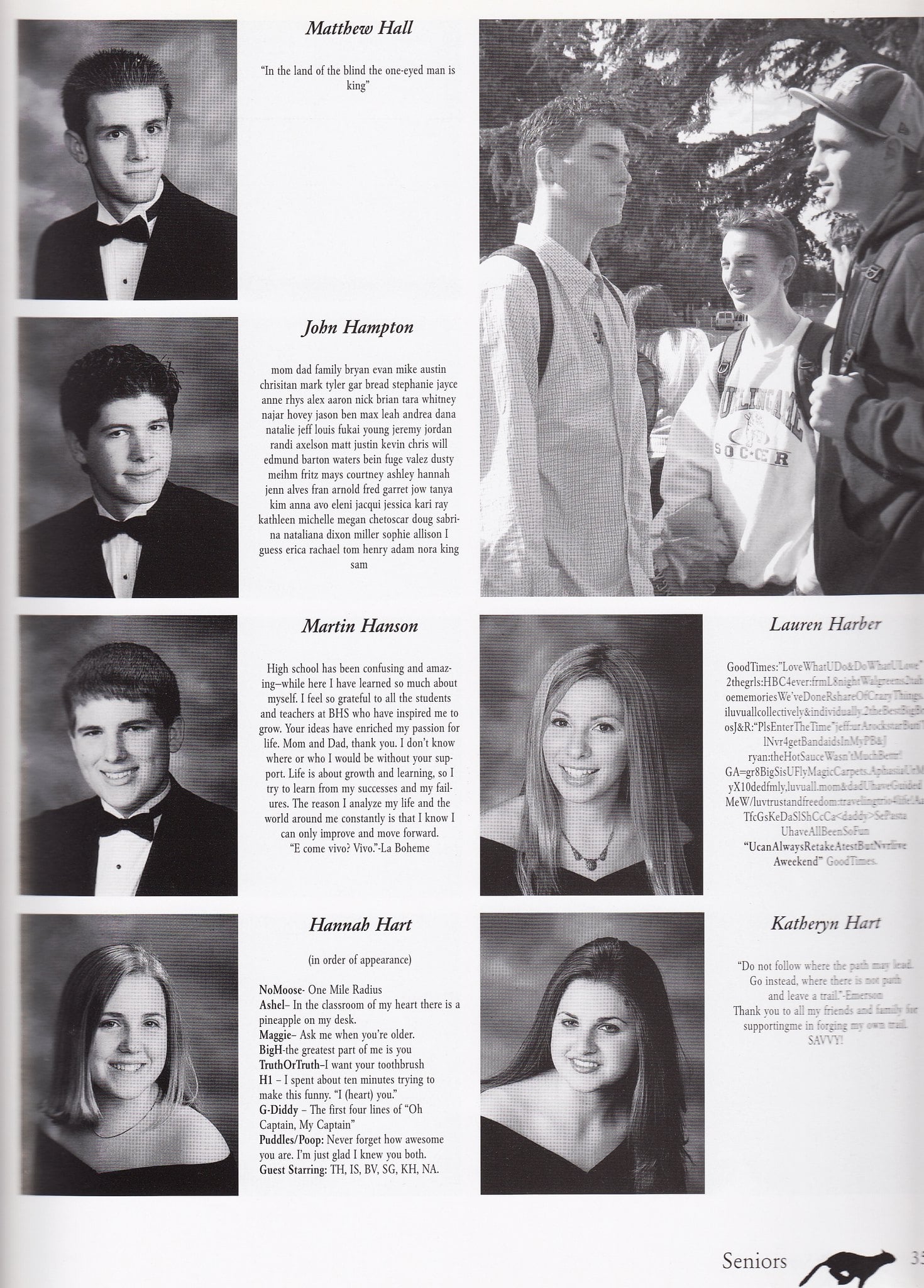
Yearbooks from specific schools, specific decades, and specific cities have acquired value among LGBTQ+ historians and collectors documenting a community whose early history was largely unrecorded or deliberately erased. A yearbook from San Francisco’s Castro neighborhood schools in the 1970s, or from institutions known to have had significant LGBTQ+ faculty or student bodies during eras of active suppression, carries a documentary weight that collectors and institutions alike recognize.
This is a growing segment of the market, driven partly by academic interest and partly by a genuine hunger for evidence that people like you existed before the world made space for them.
Regional Disasters and Disappeared Towns
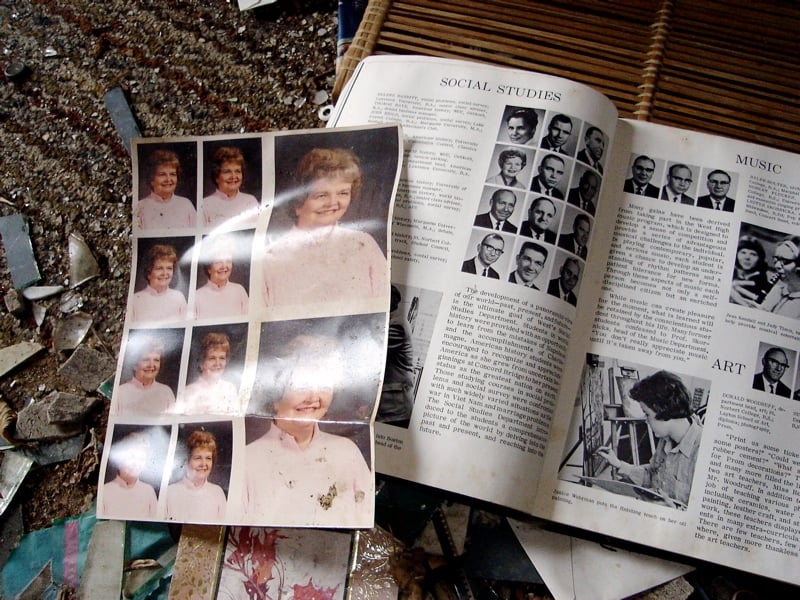
Yearbooks from schools in towns later destroyed or abandoned — by flooding from dam projects, by industrial contamination, by the slow collapse of a single-industry economy — carry a particular weight that collectors feel viscerally. The Centralia, Pennsylvania schools before the mine fire drove everyone out; towns in the Appalachian valleys flooded for reservoir construction; communities along the Mississippi that simply ceased to be.
These yearbooks are the last human-scale record of places that maps still technically show but life left decades ago.
Pop Culture Flashpoints

Certain years produced yearbooks that now read as time capsules of a cultural moment so specific that collectors treat them as artifacts. A 1977 yearbook from any American high school captures something about the country’s aesthetic mood — the hair, the clothing, the club names, the senior quotes — that functions as social history in miniature.
The more vividly a yearbook crystallizes a particular cultural instant, the more a certain kind of collector is willing to pay for it, which is a strange economy but not an indefensible one.
The Platform Effect

eBay changed this market more than any single factor, because it replaced a geographic lottery with a national one. Before online selling, a yearbook’s value was limited to whoever happened to walk into the local antique shop — which meant most valuable copies sold for next to nothing simply because the right buyer never walked through the door.
Now a seller in rural Mississippi can reach a collector in Connecticut who has been looking for exactly that school, that year, for a decade, and the price reflects that reach.
Signatures From the Right People

A yearbook signed by someone who later became famous is meaningfully different from a yearbook that merely contains their photo, and the market prices them accordingly. The distinction that serious collectors draw is between a generic inscription (“Best wishes, have a great summer”) and something that reveals personality or circumstance — the latter commands a significant premium.
There’s a yearbook signed by a young Barack Obama from his Punahou School years in Hawaii that surfaces occasionally in collector discussions, and the conversation around it is never casual.
Where Most People Go Wrong
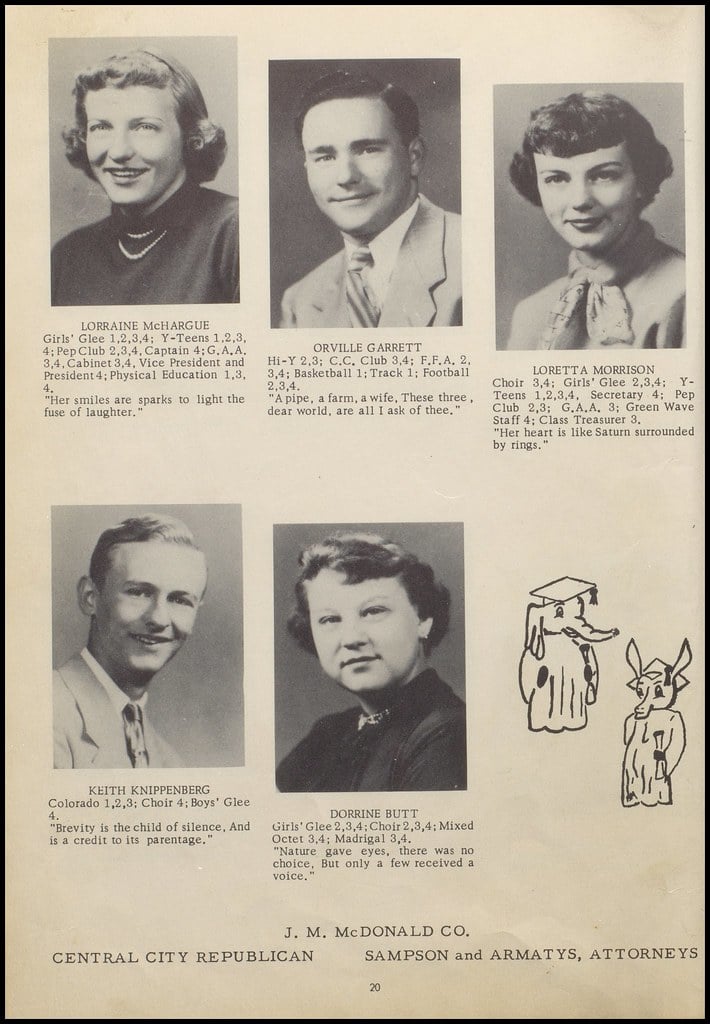
The single most common mistake sellers make is assuming age alone creates value. A yearbook from 1952 featuring no notable names, from a school with no particular historical significance, in a region with no active collector community, is worth approximately what it was worth the day it was printed — which is to say, not much.
Value in this market is almost entirely a function of specificity: the right name, the right school, the right year, the right cultural moment. Without at least one of those, you have a pleasant piece of nostalgia and nothing more.
The Ones You Should Actually Check
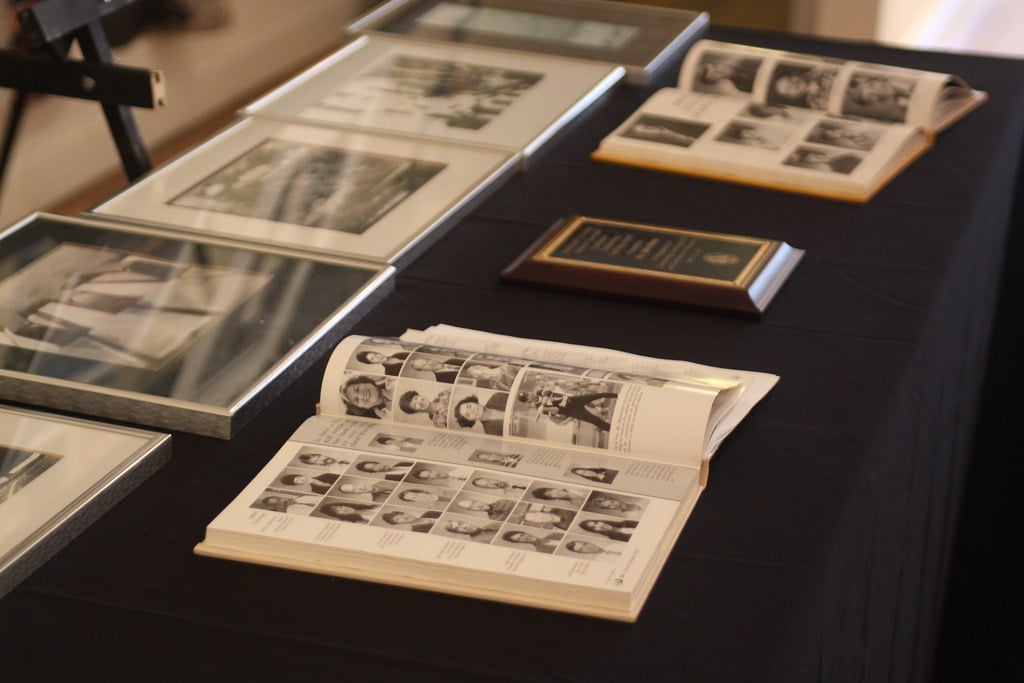
If you have old yearbooks stored somewhere, the ones worth examining carefully are from schools with notable alumni, from historically significant institutions, from years that coincide with major cultural or political events, and from communities that no longer exist in their original form. Check the index.
Look for names you recognize. Consider the school’s location and history before assuming you’re holding something ordinary. People have found genuinely valuable copies in estate sales, storage units, and the back shelves of thrift stores — not because they got lucky, but because they knew what to look for before they got there.
When a School Photo Outgrows Itself
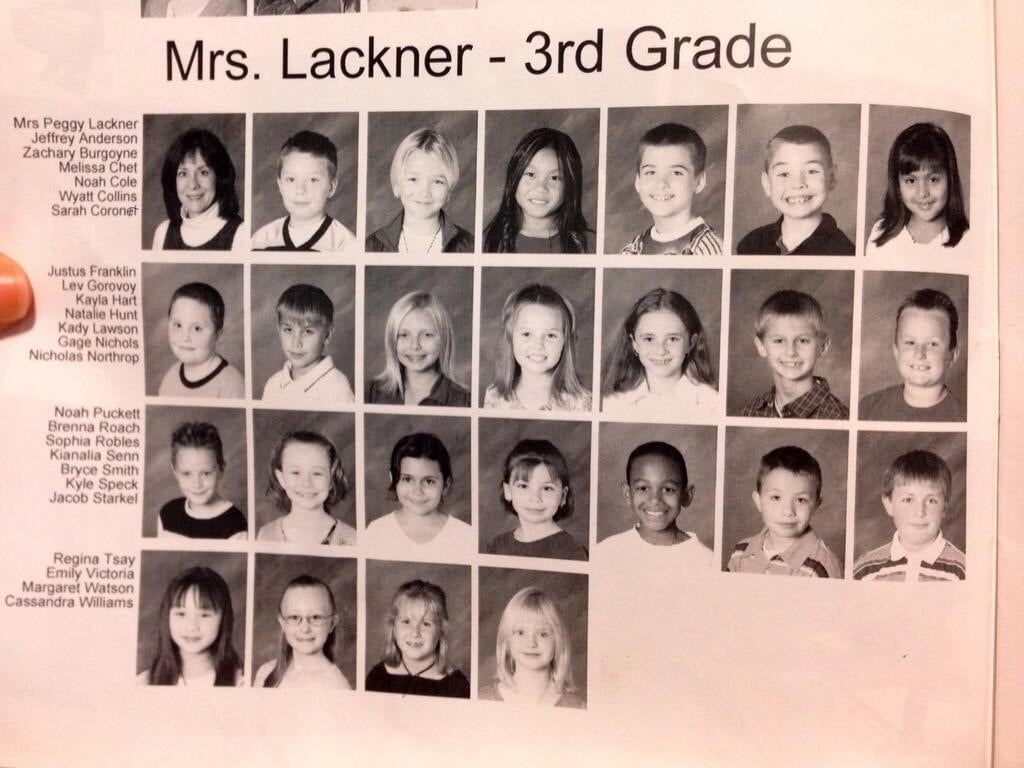
A yearbook starts as something almost disposable — a record of one year, one group of people, one institution’s particular version of itself at a particular moment. But the ones that end up selling for real money have done something the people who made them never anticipated: they’ve outlasted the assumptions they were built on, become evidence of something larger than a graduation ceremony, and acquired the stubborn patience of objects that simply waited for the world to catch up to their significance.
The market for old yearbooks is, at its core, a market for proof — proof that certain people existed, that certain places mattered, that certain moments actually happened. And proof, it turns out, never really goes out of style.
More from Go2Tutors!

- The Romanov Crown Jewels and Their Tragic Fate
- 13 Historical Mysteries That Science Still Can’t Solve
- Famous Hoaxes That Fooled the World for Years
- 15 Child Stars with Tragic Adult Lives
- 16 Famous Jewelry Pieces in History
Like Go2Tutors’s content? Follow us on MSN.