19 Things Your Body Does That Science Can’t Explain
Our bodies are incredible machines, performing countless complex tasks every second without us even thinking about it. We understand a lot about human biology, from how our muscles contract to how neurons fire.
Yet, despite centuries of medical research, there are some basic bodily functions and phenomena that still leave scientists scratching their heads, offering theories but no definitive answers. It’s a strange thought, but your body is a walking, talking mystery.
Here is a list of 19 things your body does that science hasn’t fully figured out.
Yawning

Everyone yawns, especially when tired or bored, and we know it’s contagious. The leading theory used to be that yawning helps bring more oxygen into the brain, but that idea has been largely debunked.
Today, some scientists believe it helps regulate brain temperature, cooling it down like a biological fan, but there’s still no solid consensus on its primary purpose.
Hiccups

Hiccups are involuntary spasms of the diaphragm, and while we know what they are, we don’t know why they happen. They serve no apparent physiological purpose and can be triggered by anything from eating too fast to sudden excitement.
The ‘why’ behind this strange bodily reflex remains a puzzle.
Like Go2Tutors’s content? Follow us on MSN.
The Appendix
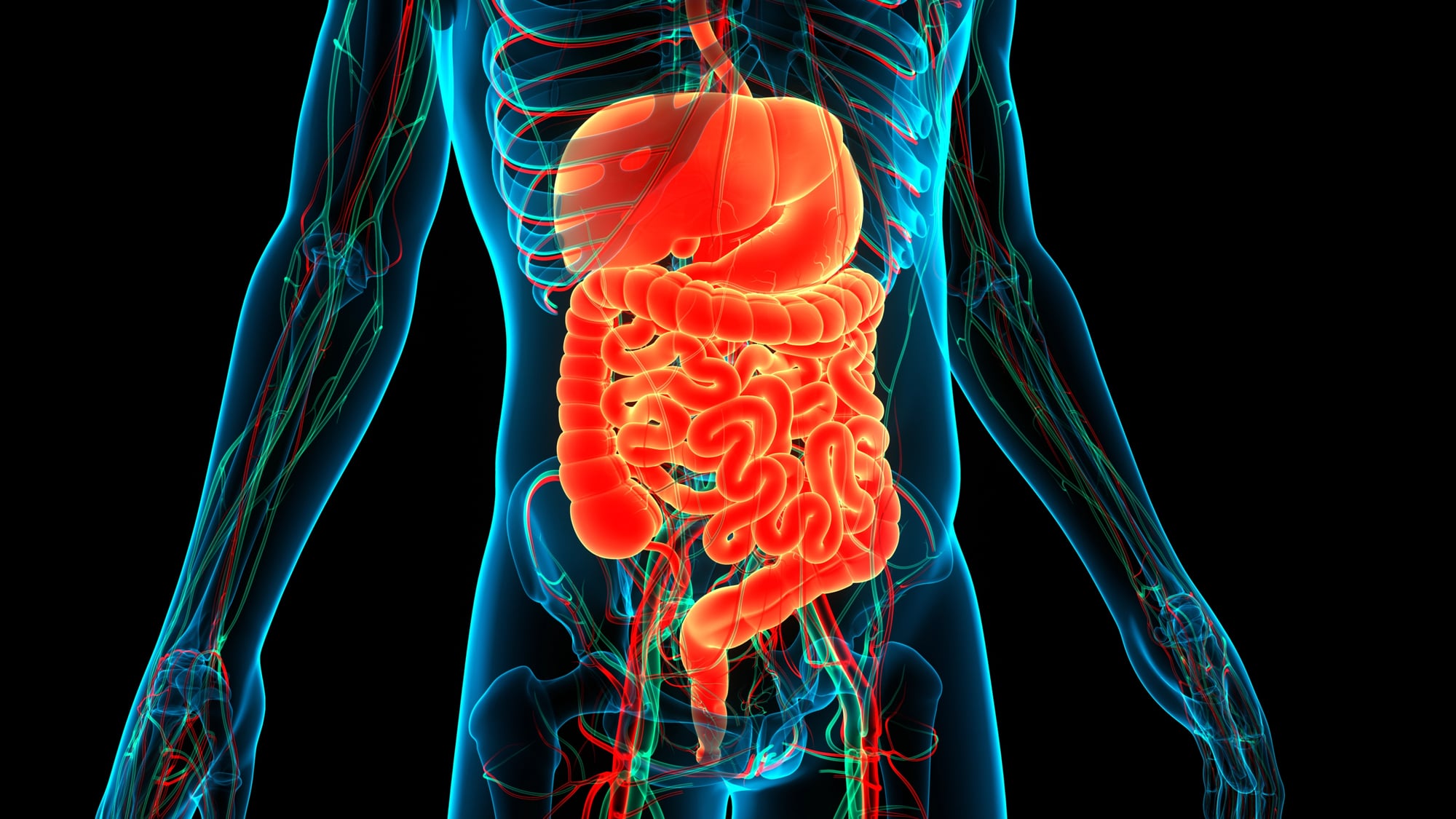
For a long time, the appendix was dismissed as a useless evolutionary leftover. While it can be removed without obvious consequences, recent theories suggest it might have a function after all.
Some research indicates it may act as a ‘safe house’ for good gut bacteria, but its true role is still debated among scientists.
Fingerprints
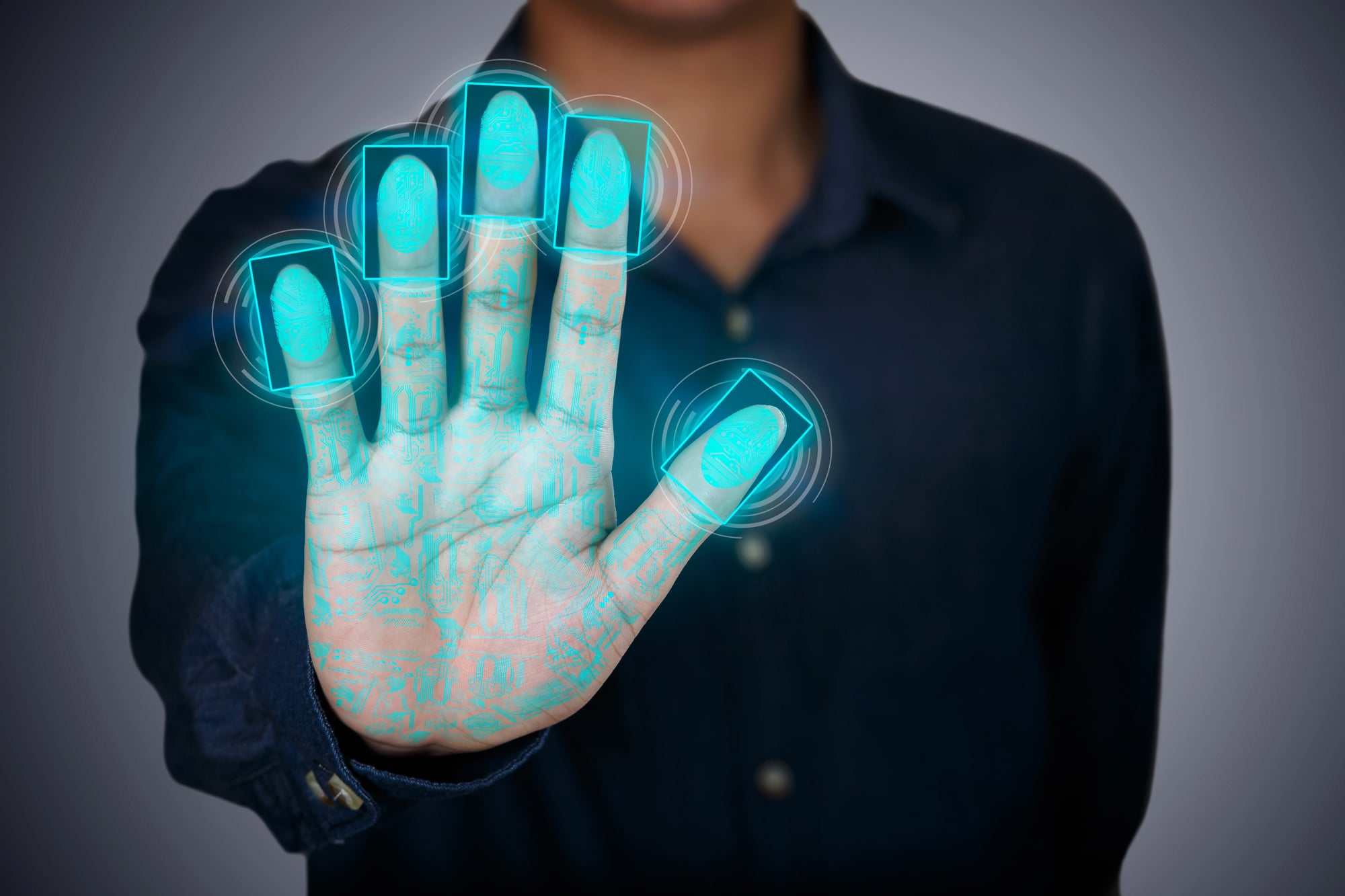
No two people have the same fingerprints, but the reason we have them is surprisingly unclear. The common belief is that they improve grip, but studies have shown they might actually reduce friction between our skin and a surface.
Another theory is that they enhance our sense of touch, but the final verdict is still out.
Goosebumps

Those little bumps that appear on your skin when you’re cold or scared are a reflex inherited from our hairier ancestors. For them, puffing up their fur would have trapped air for insulation or made them look bigger to a predator.
For modern humans who lack a thick coat of hair, however, the reflex is essentially useless, so it’s a bit of a mystery why it has persisted so strongly.
Like Go2Tutors’s content? Follow us on MSN.
The Placebo Effect
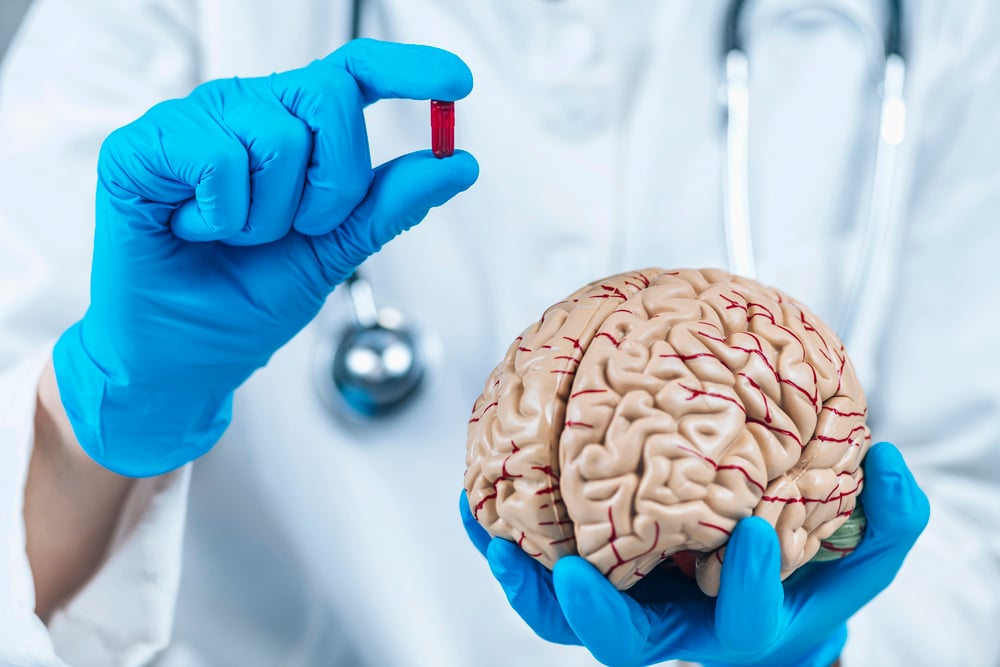
The placebo effect is a well-documented phenomenon where a person’s health improves after taking a fake treatment, simply because they believe it’s real. Scientists know it’s a powerful demonstration of the mind-body connection, involving neurotransmitters like endorphins.
However, the precise mechanisms that allow belief to create tangible, physical changes are still not fully understood.
Laughter

Laughter is a fundamental part of human social interaction, yet its origins are murky. It’s not just about finding something funny; we often laugh in awkward or tense situations.
While it’s clear that laughter strengthens social bonds, science can’t explain why this specific, strange vocalization evolved to be our primary signal of amusement and connection.
Sleep

We spend about a third of our lives sleeping, and we know it’s crucial for memory consolidation, cellular repair, and overall health. But the core reason why we need to enter this vulnerable, unconscious state for hours every day is still one of biology’s biggest questions.
There are many theories, but no single one explains the entire purpose of sleep.
Like Go2Tutors’s content? Follow us on MSN.
Dreams

The fantastical, bizarre, and sometimes terrifying narratives our minds create during sleep are a profound mystery. Theories range from dreams being a way for our brains to process emotions and memories to them being nothing more than random neural firings.
Despite lots of speculation, there’s no scientific agreement on why we dream.
Left-Handedness

About 10% of the world’s population is left-handed, and it seems to be determined by our genes. But scientists haven’t identified a specific ‘lefty gene’ or a clear evolutionary reason for this variation.
Why the vast majority of humans favor their right hand while a consistent minority favors the left remains an unsolved genetic puzzle.
Brain Freezes
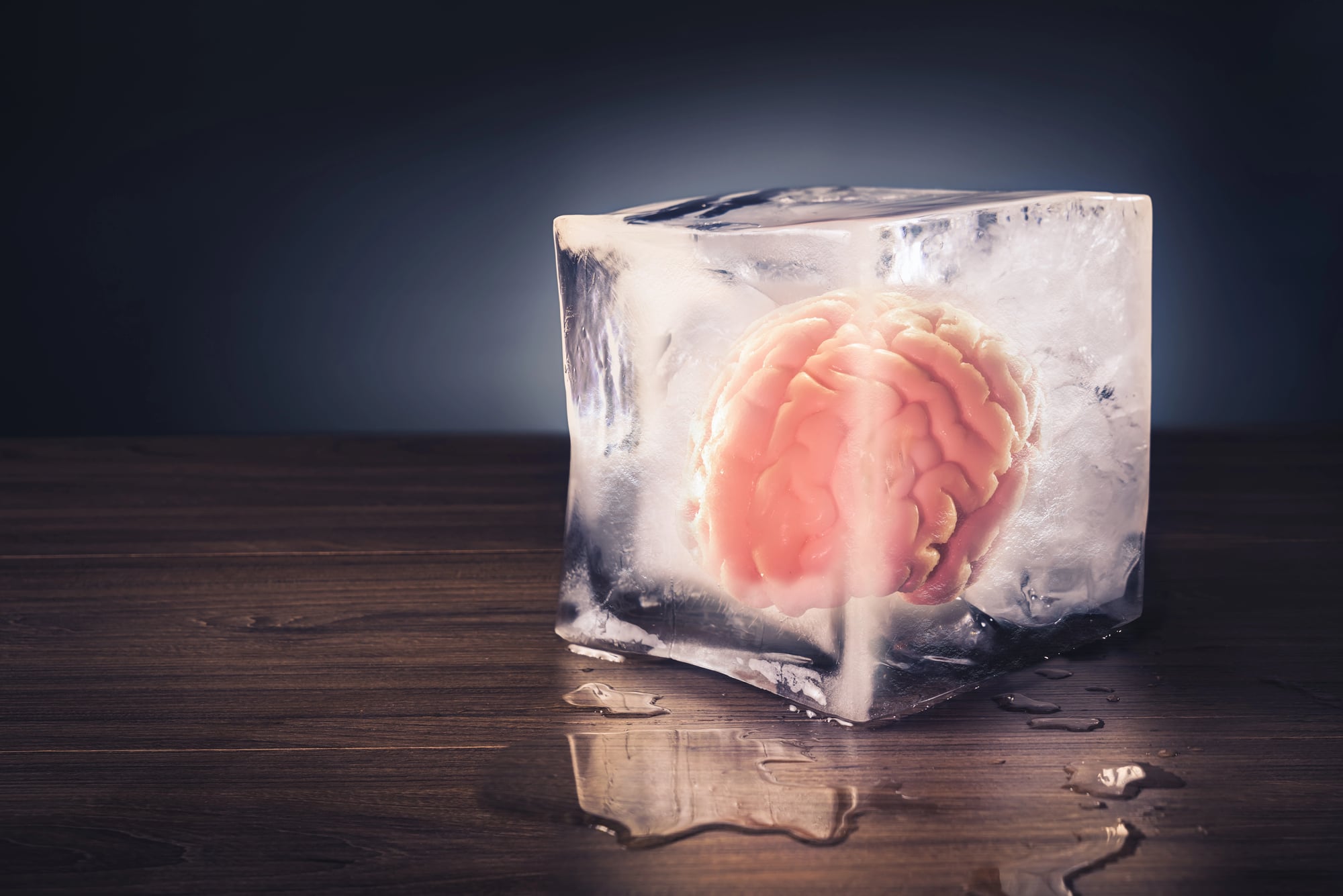
That sharp, sudden headache you get from eating ice cream too fast is officially called sphenopalatine ganglioneuralgia. It’s thought to be caused by rapid cooling and rewarming of the capillaries in your sinuses.
The pain signal is believed to be triggered by the trigeminal nerve, but scientists are still working on the exact chain of events that produces this uniquely unpleasant sensation.
Like Go2Tutors’s content? Follow us on MSN.
Blushing

Blushing is an involuntary reddening of the face, often triggered by social attention or embarrassment. From a survival standpoint, it makes little sense, as it’s an honest signal that can reveal your true feelings of anxiety or shame.
Why humans evolved this automatic ‘tell’ that puts us in a vulnerable social position is a genuine curiosity.
The Sensation of Déjà Vu

Déjà vu is the eerie feeling that you’ve experienced a new situation before. Neurologists have some ideas, suggesting it might be a momentary glitch in the brain’s memory systems, causing a new experience to be incorrectly filed into long-term memory.
However, the exact cause of this common and fleeting mental hiccup is still a matter of debate.
Spontaneous Human Combustion

This is one of the more bizarre and controversial mysteries. There are historical accounts of individuals suddenly bursting into flames without an apparent external source of ignition.
While most scientists are highly skeptical and attribute these cases to overlooked external factors, a handful of cases remain stubbornly unexplained, leaving a sliver of mystery.
Like Go2Tutors’s content? Follow us on MSN.
ASMR (Autonomous Sensory Meridian Response)

ASMR is the tingling sensation some people experience in response to specific sounds, like whispering or tapping. It’s often described as a ‘brain massage’ that promotes relaxation.
While millions of people watch ASMR videos online, science has only recently begun to study it, and researchers don’t yet know why only some people experience it or what’s happening in the brain to cause it.
Hypnagogic Jerks

Just as you’re drifting off to sleep, you might suddenly experience a powerful jolt that wakes you up. This is known as a hypnagogic jerk. Theories suggest it could be a misfiring of nerves during the transition to sleep or an ancient primate reflex to prevent falling out of a tree.
Still, its true origin remains unconfirmed.
Phantom Limb Pain

Many people who have had a limb amputated continue to feel sensations, including intense pain, as if the limb were still there. It’s a clear indication that the brain’s map of the body isn’t always updated by physical reality.
While scientists are studying the neural pathways involved, the precise mechanism behind this phantom pain is complex and not fully understood.
Like Go2Tutors’s content? Follow us on MSN.
Earworms

An earworm is a song or tune that gets stuck in your head on a repeating loop, and it can be maddening. It’s a form of involuntary musical imagery, and researchers believe it has to do with how the brain’s auditory cortex processes memory.
But why some songs are ‘stickier’ than others and why our brains force us to listen to them on repeat is still a mystery.
Stitches in the Side

That sharp, stabbing pain you get in your side during a run is a common annoyance for athletes. It’s called an exercise-related transient abdominal pain (ETAP). Theories about its cause range from diaphragm irritation to cramps in the abdominal muscles, but surprisingly, for such a common ailment, there is no definitive scientific explanation.
Our Body’s Unwritten Rules
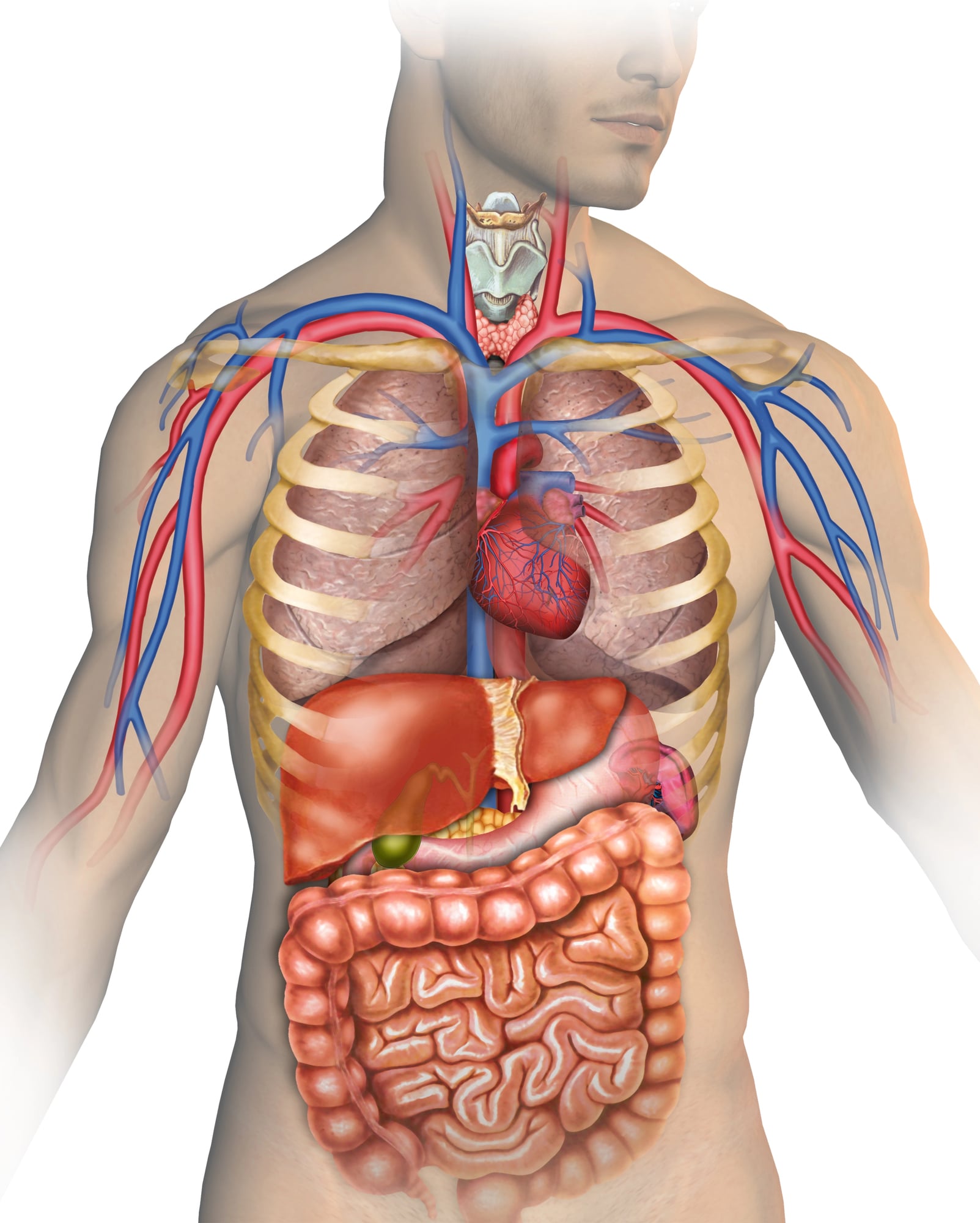
For all that we’ve mapped, measured, and understood about the human body, it’s humbling to realize it still holds so many secrets. These unexplained phenomena show us that our own biology operates by a set of rules we have yet to fully decipher.
They serve as a constant reminder that we are still explorers in our own skin, with countless discoveries yet to be made. Each mystery is not a dead end but an invitation to ask more questions.
More from Go2Tutors!

- 16 Historical Figures Who Were Nothing Like You Think
- 12 Things Sold in the 80s That Are Now Illegal
- 15 VHS Tapes That Could Be Worth Thousands
- 17 Historical “What Ifs” That Would Have Changed Everything
- 18 TV Shows That Vanished Without a Finale
Like Go2Tutors’s content? Follow us on MSN.