Fashion Trends Sparked by Political Movements
Clothes are always more than fabric. Over time, outfits show values, causes, beliefs — where folks stand when things shift.
Revolts reshape rules or leaders sure, but also skirt lengths, favorite colors, even daily routines getting dressed.
The Sans-Culottes and Long Trousers
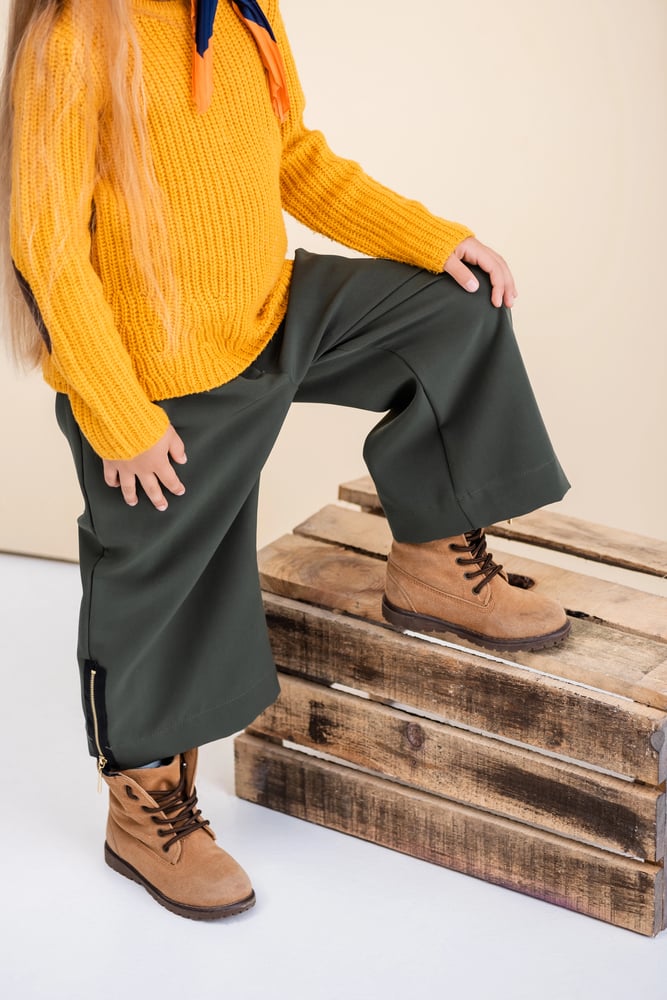
French revolutionaries in the 1790s rejected the knee breeches that aristocrats wore. Working-class rebels called themselves sans-culottes, literally “without breeches.”
They wore long trousers instead, marking a clear visual divide between the elite and everyone else. The style spread as revolutionary ideals spread.
Within decades, long pants became standard menswear across Europe and America. What started as a political statement became the default.
Sans-Culottes in White

Women fighting for voting rights adopted white dresses as their uniform in the early 1900s. The color signaled purity and virtue, countering critics who painted suffragettes as radical troublemakers.
Purple and gold joined white as official movement colors. Women wore these shades to rallies, marches, and political gatherings.
The strategy worked because it created instant visual recognition. You could spot fellow supporters across a crowded street.
The Zoot Suit Rebellion

Young Mexican American and African American men in the 1940s wore exaggerated suits with wide shoulders, high waists, and long coats. The zoot suit used excessive fabric during wartime rationing, making it a form of protest.
White servicemen attacked zoot suiters in several American cities, viewing the style as unpatriotic. The violence only cemented the suit’s status as a symbol of resistance against discrimination.
Fashion became a battleground for civil rights.
Mao Suits and Communist Uniformity
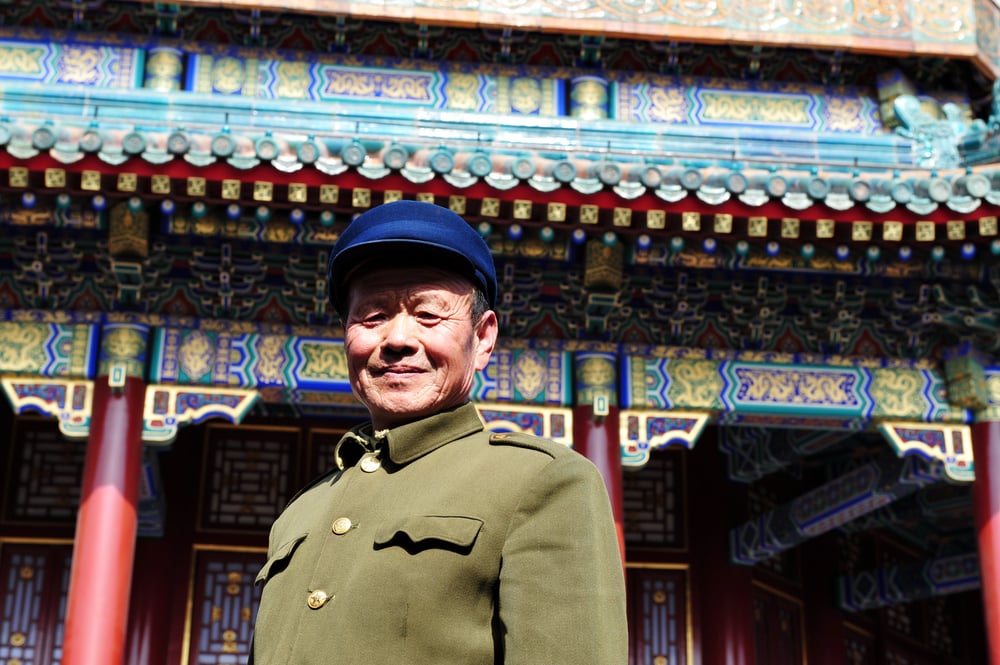
China’s Communist Party promoted the Mao suit as standard dress after 1949. The simple, high-collared jacket in blue or gray eliminated class distinctions through clothing.
Everyone from party officials to factory workers wore the same style. The look dominated Chinese fashion for decades.
When restrictions loosened in the 1980s, people abandoned the Mao suit quickly. Its disappearance marked political change as clearly as its adoption had.
Counterculture Hair and Rejection of Convention

Young Americans in the 1960s grew their hair long as a protest against conservative values and the Vietnam War. Long hair on men challenged military aesthetics and traditional masculinity.
Parents, schools, and employers fought back with dress codes and grooming requirements. The longer the hair, the stronger the political statement.
What started as rebellion became mainstream within a generation. Hairstyle choices carried political weight that seems hard to imagine now.
Black Berets and Panther Power
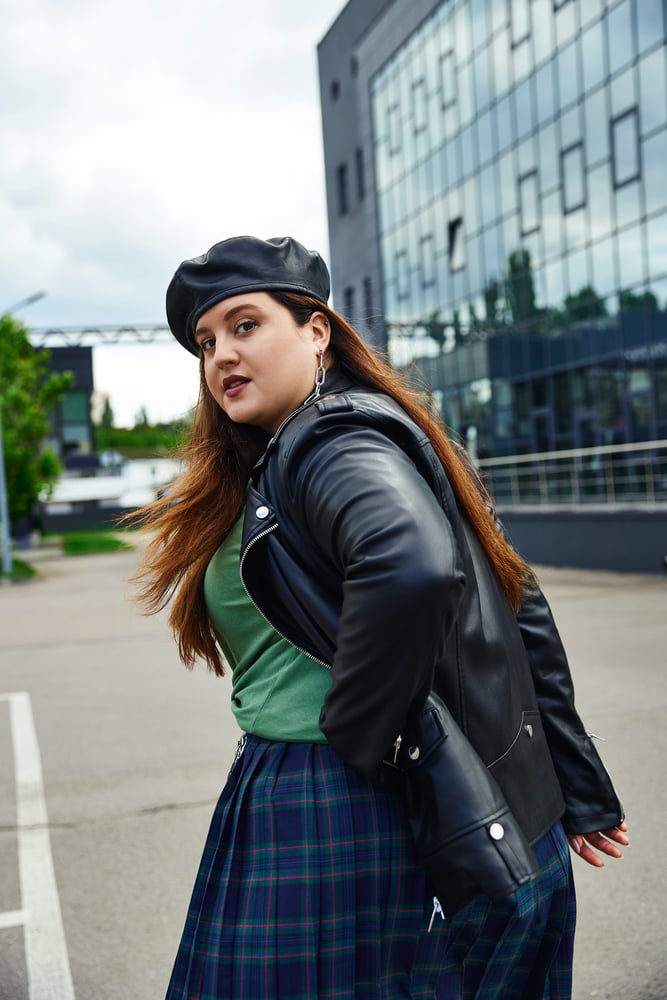
The Black Panther Party adopted black leather jackets and berets in 1966. The military-style uniform projected strength and organization.
It also made members instantly recognizable, which served both practical and symbolic purposes. The look influenced activist fashion for decades.
Even today, the beret carries associations with radical politics and resistance movements. The Panthers understood that image shapes how people perceive power.
Punk Safety Pins as Anti-Establishment Art
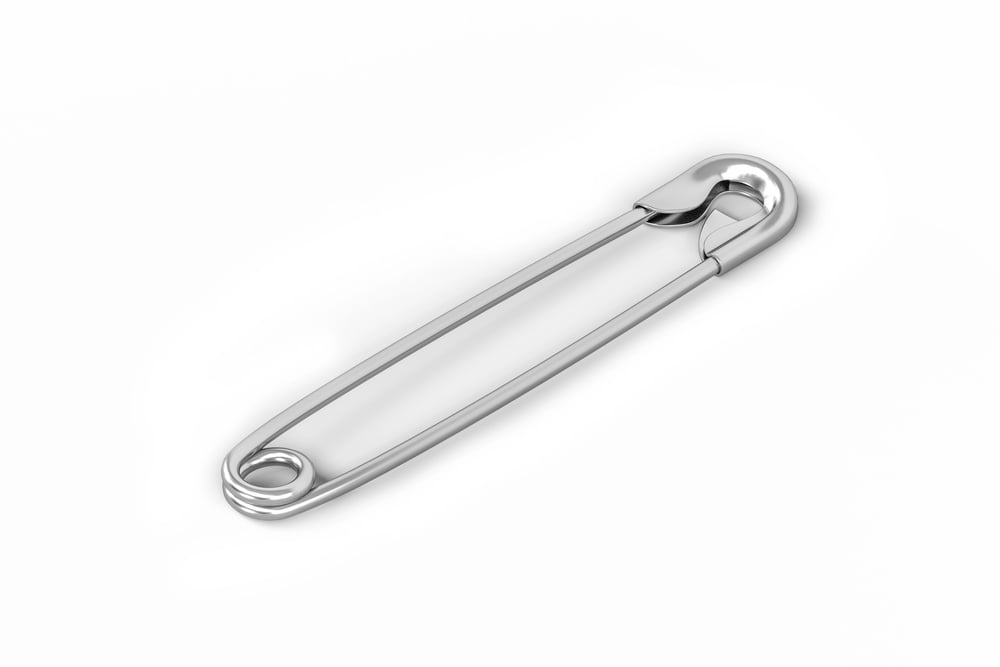
British punk rockers in the 1970s wore ripped clothing held together with safety pins. The DIY aesthetic rejected consumer culture and polished fashion industry standards.
Punks added spikes, chains, and deliberately offensive imagery. The movement’s visual language spread globally, influencing everything from music to art.
Fashion houses eventually co-opted punk elements, which punk fans viewed as the ultimate betrayal. The tension between authentic rebellion and commercial appropriation continues.
Palestinian Keffiyeh and Solidarity
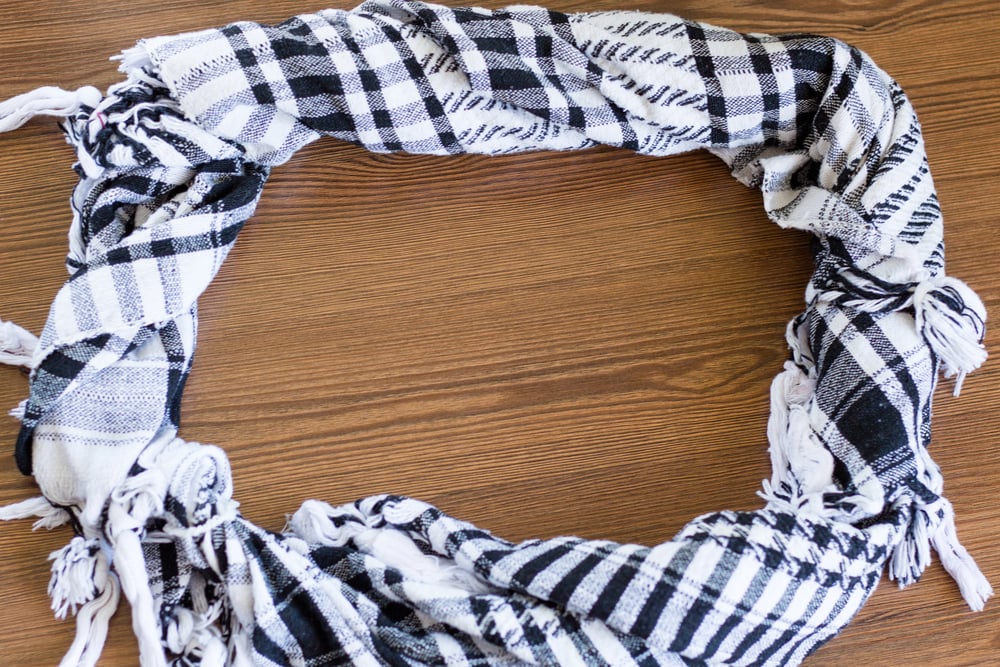
The checkered keffiyeh scarf became a symbol of Palestinian identity and resistance in the mid-20th century. Yasser Arafat wore it constantly, turning traditional Arab headwear into a political icon.
Supporters worldwide adopted the pattern to show solidarity. The scarf sparked debates when fashion retailers sold keffiyeh-patterned accessories without political context.
Some saw it as cultural appropriation, others as raising awareness. Either way, the pattern carries undeniable political meaning.
Pink Hats and Women’s Marches
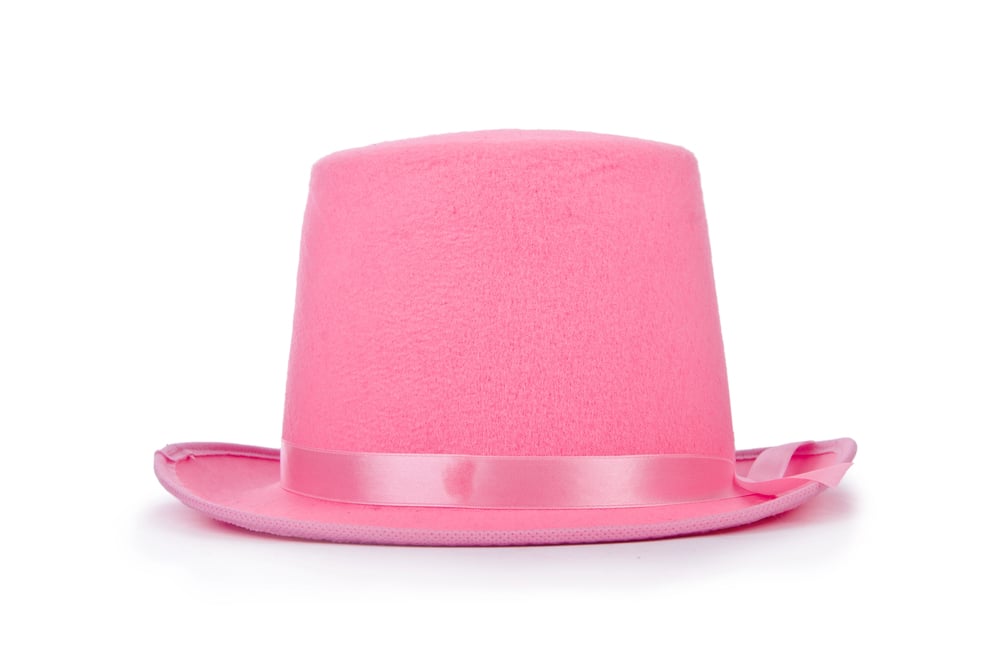
Millions of protesters wore pink knitted hats at women’s marches in 2017. The simple accessory created visual unity across massive crowds.
Photos of pink hat seas became defining images of the resistance movement. The hats were easy to make, personal, and instantly recognizable.
Crafters shared patterns online, turning knitting into activism. The trend showed how quickly modern movements can create and spread visual symbols.
Denim as Democratic Fabric

Blue jeans crossed political lines because they represented American working-class values. Communists initially banned denim as capitalist propaganda.
That made jeans even more desirable behind the Iron Curtain. Young people in Soviet states risked punishment to wear them.
After the Berlin Wall fell, denim sales in Eastern Europe exploded. The fabric itself became shorthand for freedom and Western ideals.
Rainbow Flags Worn as Identity

LGBTQ activists transformed the rainbow flag from a symbol into wearable fashion. Rainbow stripes appeared on everything from pins to full outfits.
Wearing rainbow colors declared identity and political stance simultaneously. Corporate adoption of rainbow imagery during Pride month created new tensions.
Some activists appreciate visibility, others see commercialization. The debate reflects broader questions about how movements maintain authenticity as they gain acceptance.
Headscarves and Religious Freedom Debates

Muslim women’s choice to wear or not wear headscarves has become intensely politicized in many countries. Bans on religious coverings in France sparked protests and counter-protests.
Women on both sides frame their clothing choices as political acts. Some wear headscarves specifically to assert religious freedom.
Others refuse to reject perceived restrictions. The fabric becomes a proxy battle for much larger cultural conflicts.
Threads That Bind and Divide

Fashion ties into politics since each shapes who we are, who gets heard, and where folks fit in. A single garment might bring crowds together or label a person as a threat.
Trends born from big changes usually don’t last, yet the looks stick around. Over time, some feel so normal that their rebellious roots get erased.
Long trousers or denim – also office-style suits – all started out as acts of defiance. Your next outfit? It’s built on past uprisings.
More from Go2Tutors!

- The Romanov Crown Jewels and Their Tragic Fate
- 13 Historical Mysteries That Science Still Can’t Solve
- Famous Hoaxes That Fooled the World for Years
- 15 Child Stars with Tragic Adult Lives
- 16 Famous Jewelry Pieces in History
Like Go2Tutors’s content? Follow us on MSN.