Why Left-Handed People Were Treated with Suspicion for Most of Recorded History
Roughly one in ten people write, eat, and reach for things with their left hand, and for most of human history that simple fact was treated as something between a nuisance and a warning sign. Nobody plans to be left-handed.
It just happens somewhere in early childhood, quietly, without any input from the person it’s happening to. And yet for thousands of years, across wildly different cultures that never spoke to each other or shared a single religion, the left hand kept getting cast as the untrustworthy one — clumsy, unlucky, occasionally demonic.
Understanding why takes a walk through language, superstition, and some genuinely strange history.
The Word “Sinister” Itself
“Sinister” comes straight from the Latin word for “left.” Not “unlucky,” not “shifty” — just left.
Romans used it to describe the left side of the body, and somewhere along the way the word swallowed a reputation it never should have had. Language doesn’t forget easily.
The Right Hand of God
Christian art spent centuries placing Christ at the right hand of the Father, and hell — depicted again and again in altarpieces and stained glass — always seemed to open up on the left side of the frame, as if geography itself had picked a team. That’s not accidental.
And once a culture starts painting the left side of paradise as the exit ramp to damnation, it doesn’t take long before actual left-handed people start absorbing that suspicion, fairly or not — the symbolism just leaks into daily life. So a child born reaching for things with the wrong hand wasn’t just unusual: they were, in the eyes of a nervous parish, standing a little too close to the wrong side of the picture.
Ancient Rome’s Obsession with Omens

Roman augurs read the future in the flight patterns of birds, and where a bird crossed the sky mattered as much as whether it crossed at all. A bird passing to the left was treated like a smudge on a clean window: a small flaw that colored everything viewed through it afterward.
Being called “sinistra” wasn’t really about the hand — it was about which half of the sky you happened to be standing under when something ordinary flew past. Superstition rarely needs a reason, it just needs a direction to point.
Table Manners and the Unclean Hand

Sharing a meal with your hands is a lot less charming when the person next to you is dipping into the same dish with the hand everyone’s been taught to distrust. In large parts of the world, the left hand handled hygiene and the right hand handled food, and the two were never supposed to meet.
Left-handed people at a communal table weren’t accused of anything dramatic, they were just quietly nudged to the edge of the tablecloth, so to speak. Manners have a way of becoming morality when nobody’s paying close attention.
Islamic Customs and the Left Hand
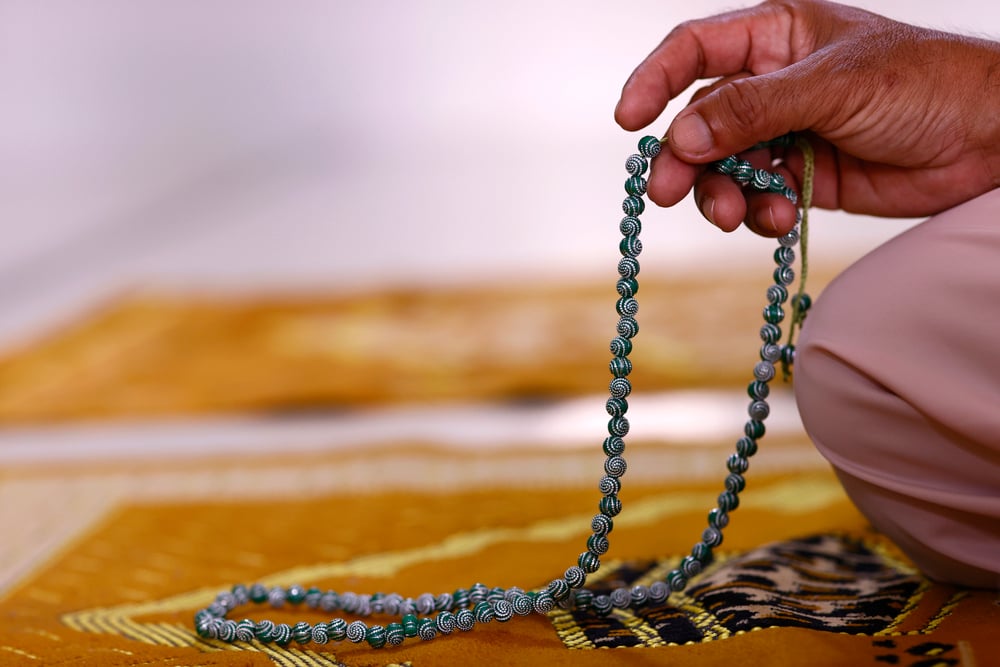
In many Islamic traditions, the left hand handles what the right hand shouldn’t touch. Eating, greeting, handing someone an object — all reserved for the right.
The left hand wasn’t evil. It was just assigned the less polite jobs, and the assignment stuck for centuries.
Witchcraft and the Devil’s Mark
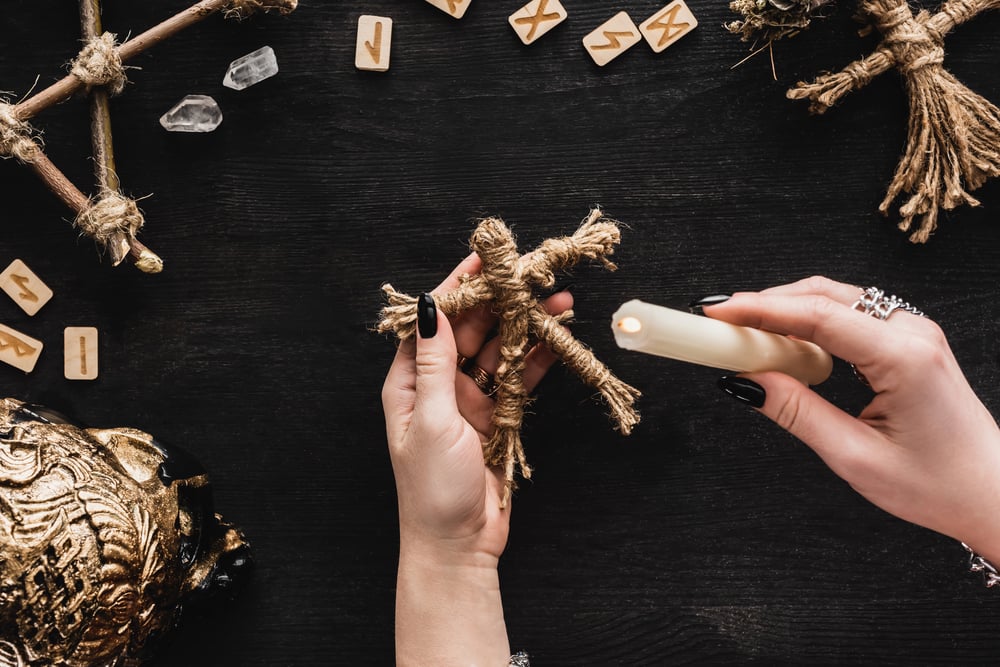
During the witch trials that swept through parts of Europe between the 1400s and 1700s, investigators kept lists of physical traits — moles, birthmarks, unusual habits — that supposedly marked someone as a servant of the devil, and left-handedness showed up on those lists with uncomfortable regularity. It didn’t matter that most accused people were left-handed by accident of birth rather than allegiance to anything supernatural: the accusation didn’t require logic, only a pattern someone was willing to see.
And when a frightened neighbor needed to explain a bad harvest or a sick cow, an oddly favored hand was as good an explanation as any. But the real damage wasn’t the accusation itself — it was the decades of quiet watching that followed, the trait treated like evidence waiting to happen.
The French Word “Gauche”
French gave the world “gauche,” a word for the left hand that quietly became a word for anyone who doesn’t quite fit the room. It’s a small linguistic betrayal, really — a body part turned into an insult, the way “clumsy” started as a description and ended as a verdict.
Somewhere a perfectly competent left-handed person got called awkward simply for existing in a right-handed sentence. Words carry old grudges longer than people do.
Swords, Shields, and Suspicion in Battle
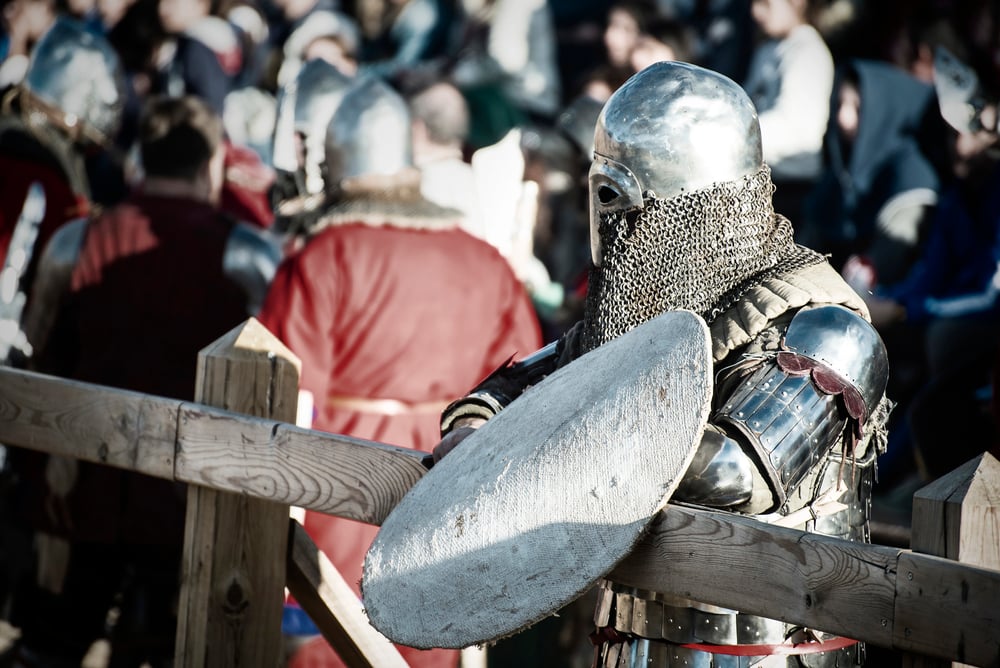
Medieval combat formations were built around the assumption that everyone drew a sword with their right hand, and a left-handed fighter broke the whole system just by showing up. Shields sat on the left arm, blades swung from the right, and formations locked together like a zipper — a left-handed soldier standing in that line was, quite literally, fighting the wrong direction.
That made left-handed fighters unpredictable in a fight, which sounds like an advantage until you remember armies don’t love surprises from their own ranks. To be fair, a left-handed swordsman in single combat was often a nightmare for the opponent, which is the one place in history left-handedness actually got some credit.
The Handshake as a Peace Offering

The handshake started as proof you weren’t holding a weapon. Right hand out, empty, visible — a small ritual of trust.
A left-handed person offering the “wrong” hand looked, to a suspicious stranger, like someone breaking the ritual on purpose.
Schools That Forced Children to Switch

Well into the twentieth century, teachers in the United States, Britain, and much of Europe tied left-handed children’s hands behind their backs, rapped their knuckles with rulers, or simply refused to let them write until they switched — a practice that persisted long after doctors (privately, at least) had started questioning it. Some children adapted into passable right-handed writers, but others developed stutters, anxiety, or a lifelong discomfort with handwriting that nobody bothered to connect back to the forced switch.
So the suspicion didn’t stay abstract: it walked into classrooms and rewired actual children, one clenched fist at a time. And the strange part is how long it took anyone in charge to admit the whole approach was doing more harm than the left hand ever could.
Scissors, Desks, and a World Built for the Right

Pick up ordinary scissors with your left hand and the blades stop cutting cleanly, they just squeeze the paper into submission. School desks with the little attached writing surface do the same thing on a smaller scale, forcing an elbow into a corner it was never built to fold into.
None of this came from malice, it’s just what happens when a world gets built by the majority for the majority, leaving the rest to improvise with tools that fight back. A left-handed person doesn’t need a history book to know they were an afterthought — the scissors already told them.
Cesare Lombroso and the Criminal Hand

Nineteenth-century criminologist Cesare Lombroso built an entire theory around the idea that criminals could be identified by physical traits, and left-handedness made his list of supposed warning signs. This was bad science dressed up in confident language, and it aged about as well as most bad science does.
Lombroso measured skulls, catalogued handedness, and drew conclusions that had nothing to do with actual behavior — which is a polite way of saying he was wrong, at length, in multiple published volumes. It’s a strange legacy for a trait as ordinary as which hand holds a pen.
Left-Handedness as a “Disorder”
For much of the twentieth century, doctors filed left-handedness under “conditions to correct.” Some blamed it on birth trauma.
Others linked it, wrongly, to learning disabilities and behavioral problems. None of it held up under real research, but the label stuck around far longer than the evidence did.
China and the Weight of Tradition

In traditional Chinese culture, right and left carried gendered and cosmic weight long before anyone thought to write it down — the right associated with strength and the masculine, the left with softness — and neither assignment left much room for a left-handed child to simply exist without comment. Parents in some regions actively retrained children well into the modern era, switching chopsticks from one hand to the other at the dinner table until the habit gave way.
And the pressure wasn’t cruelty exactly, it came from a genuine belief that a mismatched hand meant a mismatched life ahead. So generations of naturally left-handed people in China grew up writing and working with a hand that was never quite theirs: borrowed, practiced, never fully natural.
Famous Left-Handers Who Changed the Conversation
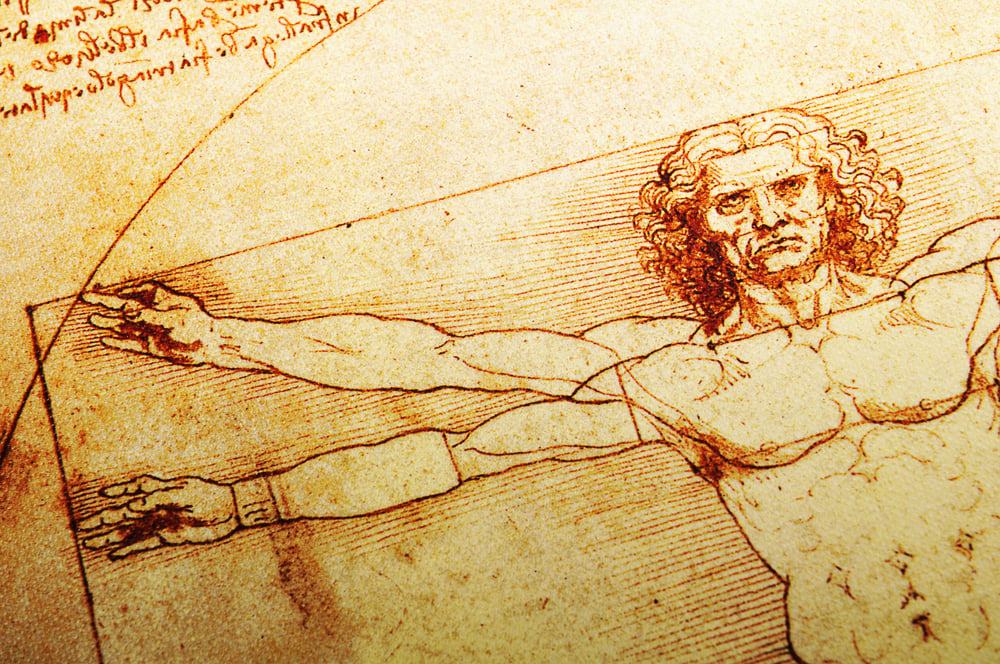
Leonardo da Vinci wrote in mirror script, sketched with his left hand, and still managed to become the shorthand for genius itself, which is a stubborn kind of rebuttal to centuries of suspicion. Babe Ruth swung a bat left-handed and turned a supposed defect into a legend nobody dared call unlucky.
Marie Curie, Barack Obama, and a long line of others simply lived their lives, and their left hand never once slowed them down. Reputation, it turns out, is no match for results.
The Slow Turn Toward Acceptance
The shift away from suspicion didn’t happen because society had a change of heart, it happened because research finally caught up with common sense. Twin studies, brain imaging, and decades of psychological data all pointed to the same conclusion: handedness is mostly biological, not moral, and definitely not demonic.
International Left-Handers Day now exists, which is a strange kind of victory lap for something that was never actually a problem. To be fair, the suspicion took centuries to build and it’s taking its time leaving, but the door is finally open.
What the Right Hand Never Had to Prove
Left-handed people were never actually doing anything wrong. They were reaching for the same spoon, drawing the same letters, swinging the same bat as everyone else, just using the hand that felt natural to them.
Centuries of theology, superstition, bad science, and stubborn habit turned that small difference into something worth watching, correcting, or fearing outright. What’s left now, mostly, is a set of oddly shaped scissors and a strange word in Frenc
More from Go2Tutors!

- The Romanov Crown Jewels and Their Tragic Fate
- 13 Historical Mysteries That Science Still Can’t Solve
- Famous Hoaxes That Fooled the World for Years
- 15 Child Stars with Tragic Adult Lives
- 16 Famous Jewelry Pieces in History
Like Go2Tutors’s content? Follow us on MSN.



