World Lion Day: 17 Mind-Blowing Lion Facts That Showcase Nature’s Ultimate Predator
Lions have captivated human imagination for centuries, earning their title as the ‘King of Beasts’ through sheer power, intelligence, and majesty. These incredible predators represent everything we associate with strength and dominance in the animal kingdom, yet many of their most fascinating traits remain hidden from casual observers.
World Lion Day, celebrated every August 10th, reminds us why these magnificent cats deserve our attention and protection. Here is a list of 17 remarkable facts that reveal just how extraordinary lions truly are.
A Roar That Shakes the Earth
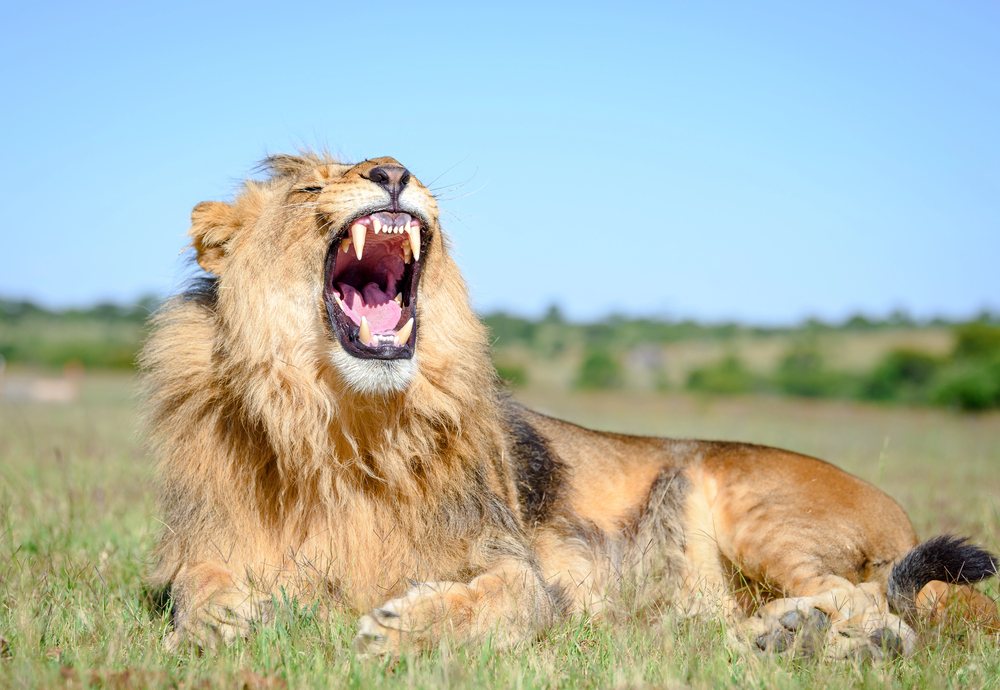
Lions possess the loudest roar of all big cats, reaching an ear-splitting 114 decibels at just one meter away. That’s louder than a chainsaw and just above the human pain threshold.
This thunderous call can travel up to five miles across the African savanna, making it one of nature’s most effective long-distance communication systems.
The Only Big Cats That Roar Together
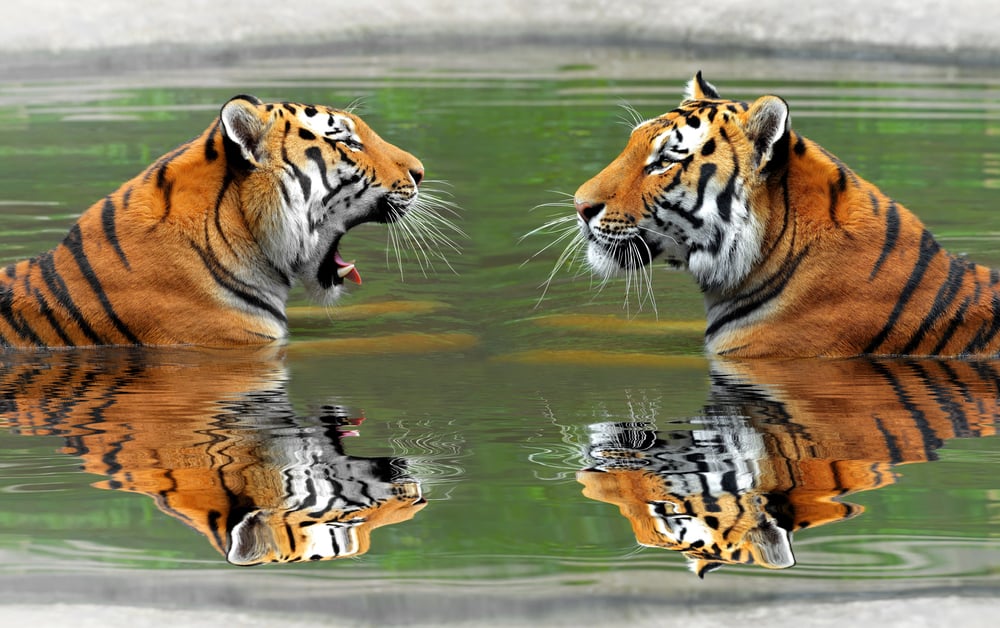
Unlike solitary tigers or leopards, lions are the only known cat species where individuals roar together, with even young cubs joining in with their mews. When an entire pride roars in unison, the sound creates a bone-rattling symphony that can be felt as much as heard.
The calling sequence usually lasts about 40 seconds and serves as a powerful territorial announcement.
They Can Pinpoint Voices Like GPS
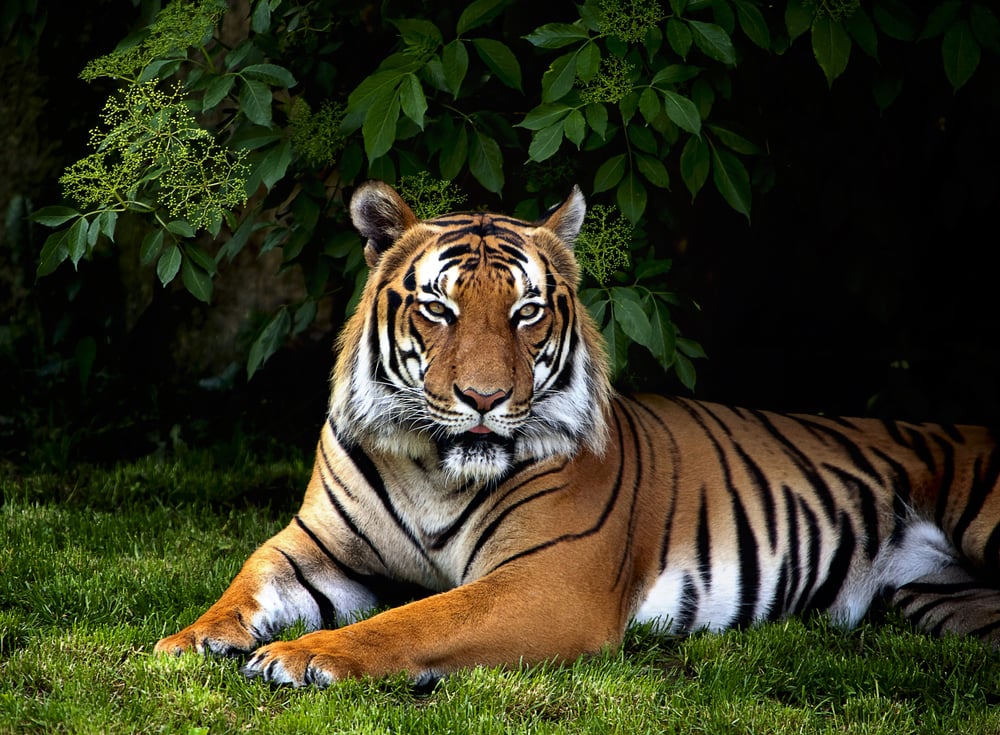
Lions possess an almost superhuman ability to pinpoint exactly where another roar is coming from and can identify what type of lion is calling – whether it’s male, female, hostile, or friendly. Research shows that lions can walk directly to the source of a roar after hearing just one calling sequence, demonstrating navigation skills that would impress any GPS system.
Female Lions Are the Real Hunters
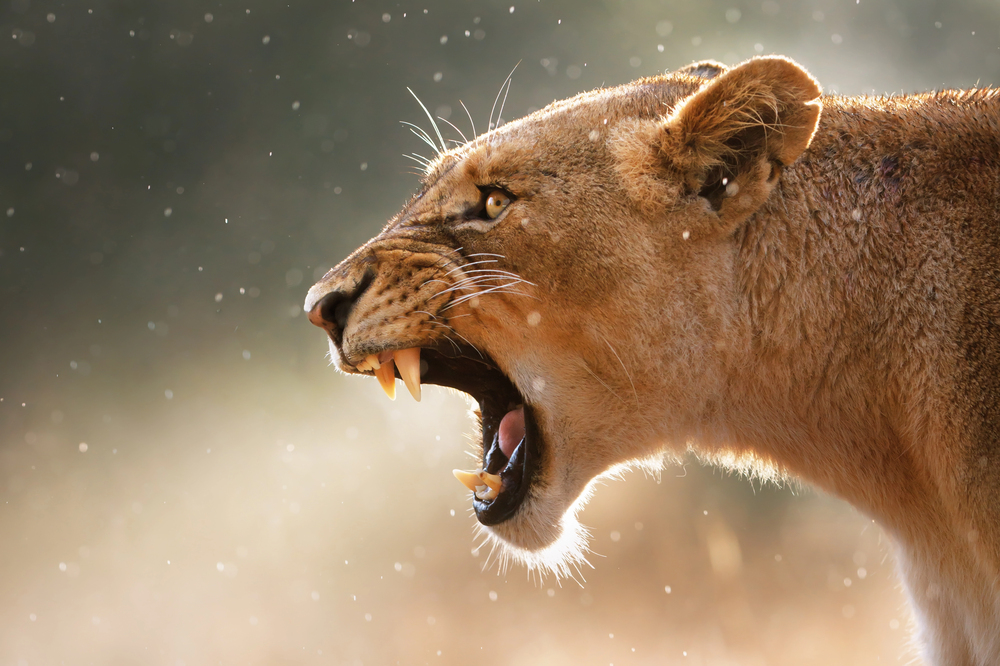
While males get the glory with their impressive manes, female lions are the pride’s primary hunters and leaders. When hunting, lionesses have specific roles, with some playing ‘centre’ and others playing ‘wing’ positions.
The wing lions chase prey toward the center lions who wait in ambush, creating a deadly coordination that puts military tactics to shame.
They Hunt Like Navy SEALs
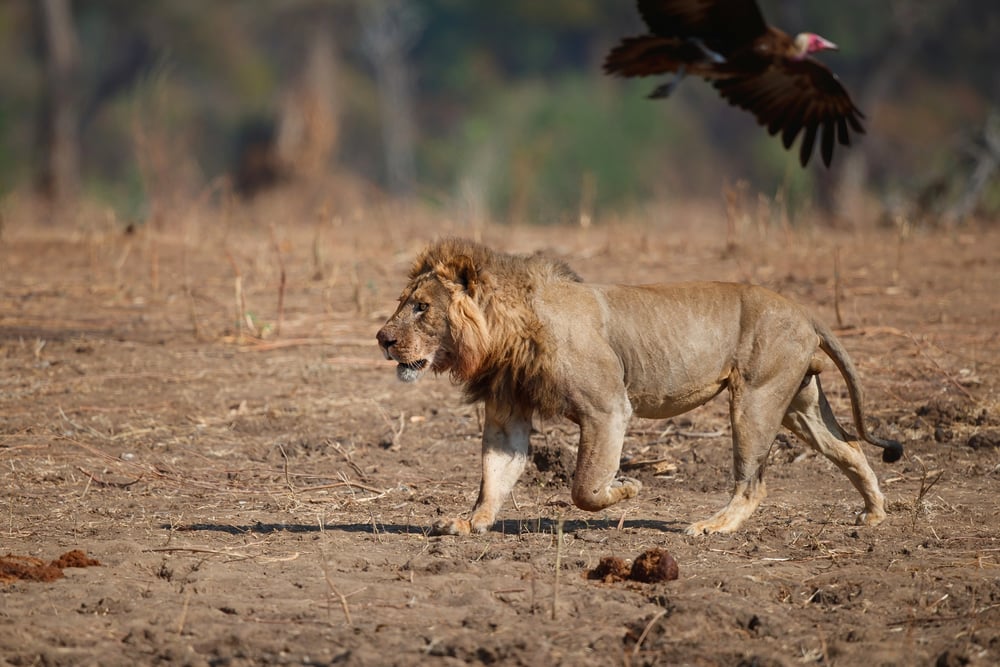
Lions are clever hunters, choosing to hunt at night or during storms when their prey is unlikely to see or hear them. Lions can see well even when a storm makes visibility poor, giving them a significant advantage when weather conditions would send other predators running for cover.
Males Can Weigh as Much as a Motorcycle
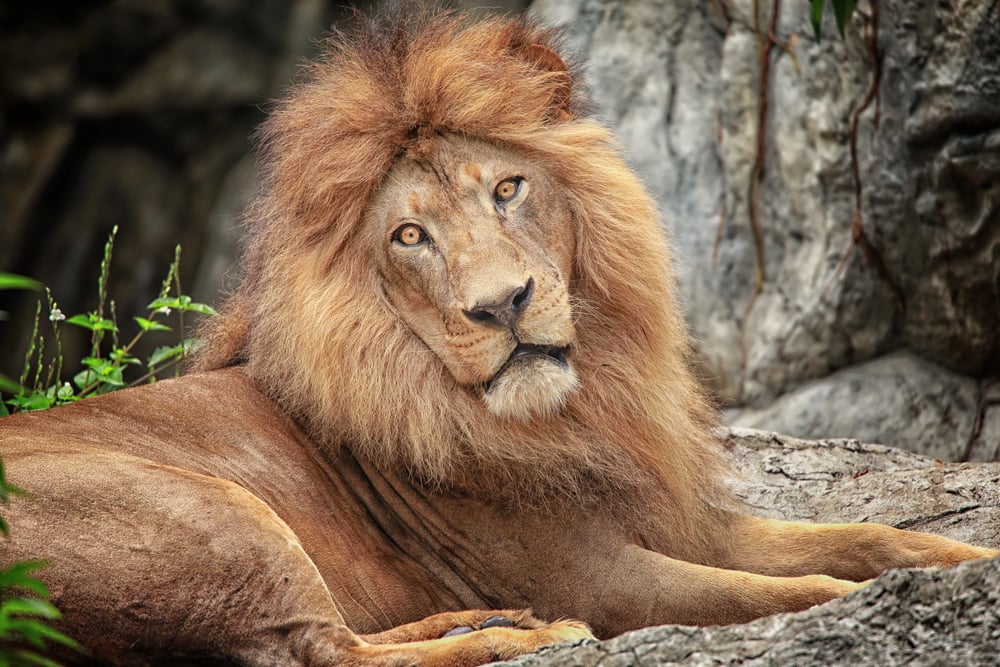
On average, male lions weigh 190kg (almost 30 stone) and females weigh 126kg (almost 20 stone). The largest lion ever recorded tipped the scales at a whopping 312kg.
They need this weight and power behind them to hunt large prey and defend their pride.
They’re Professional Nappers
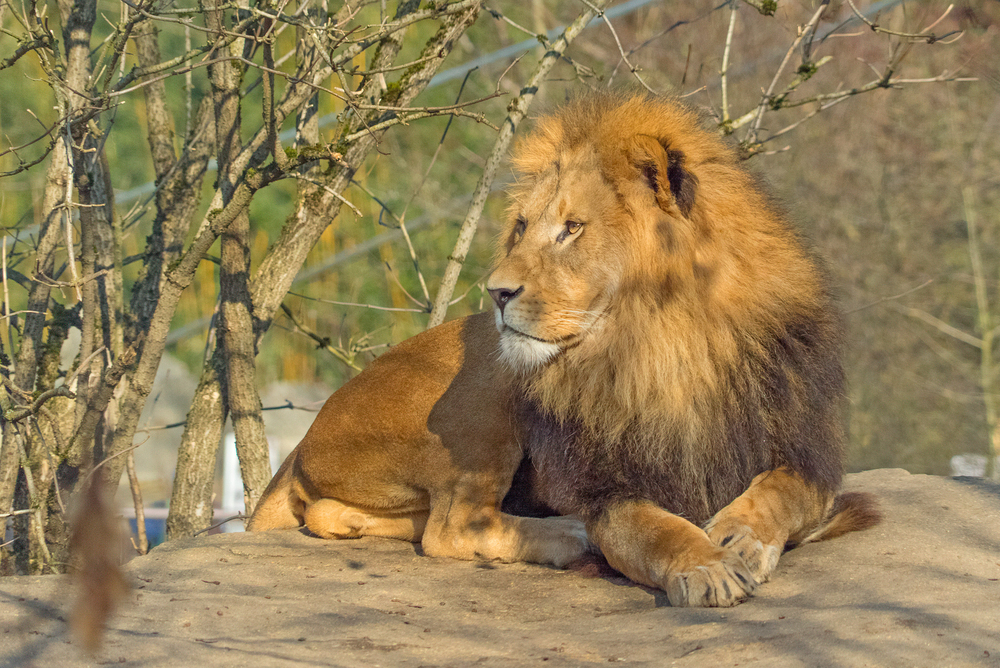
Lions enjoy lazing and relaxing, being known to spend up to 21 hours a day sleeping and resting. This isn’t just laziness – it’s strategic energy conservation.
Sleeping a lot allows lions to preserve their energy for when they really need it, the hunt. Think of it as nature’s version of power-saving mode.
Their Territory Can Be Massive
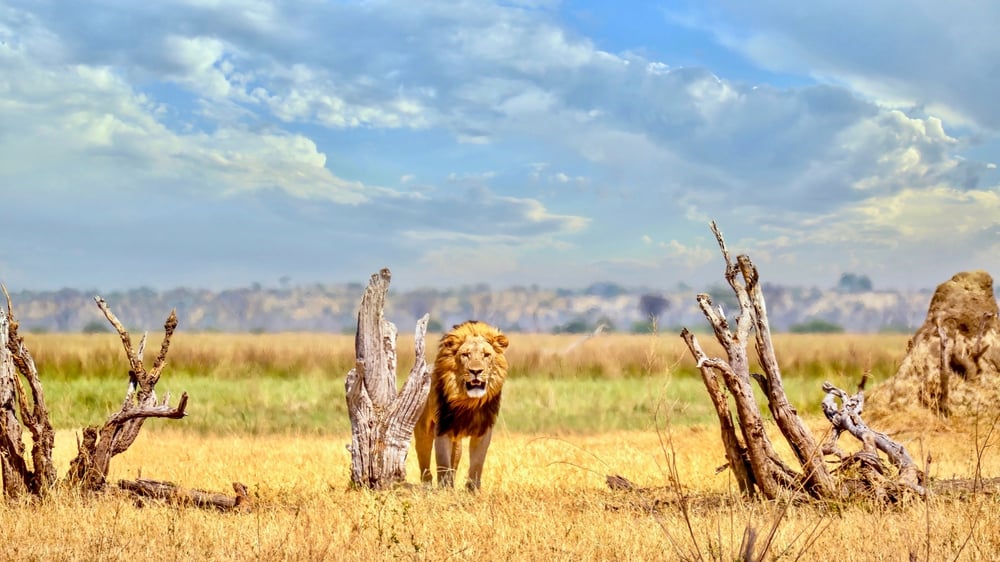
Each pride has a well-defined territory consisting of a core area that is strictly defended, ranging from 20 square km if food is abundant to 400 square km if food is sparse. That’s an area larger than many major cities, and lions will fiercely defend every inch of it.
They Can Eat a Quarter of Their Body Weight
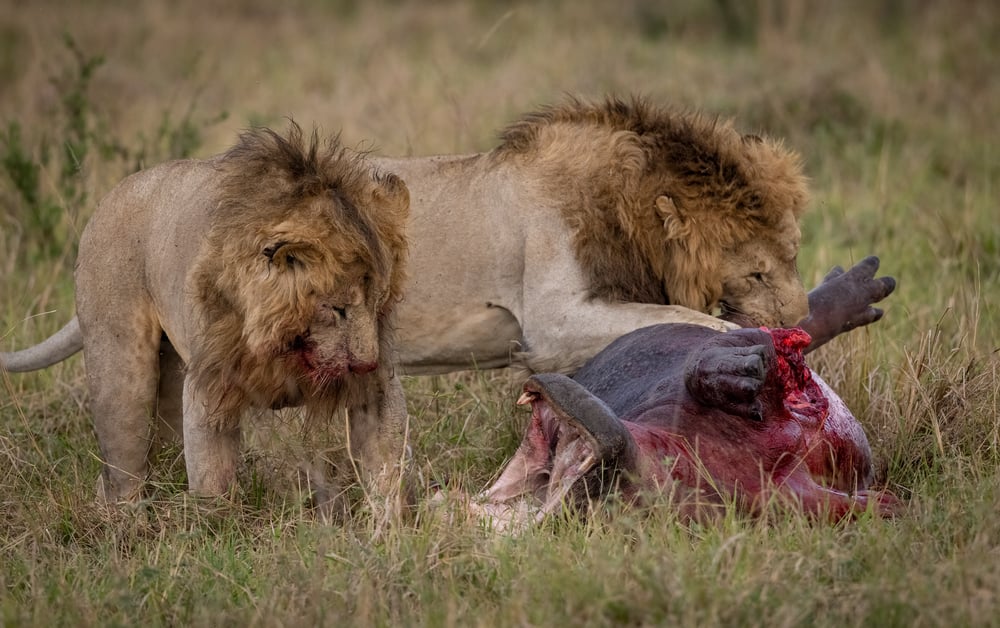
After a successful hunt, lions can eat up to 40kg (nearly a quarter of their bodyweight) in one meal. An adult male can consume more than 34 kg of meat at a single meal and rest for a week before resuming the hunt.
That’s like a human eating 70 hamburgers in one sitting.
They Don’t Actually Chew Their Food
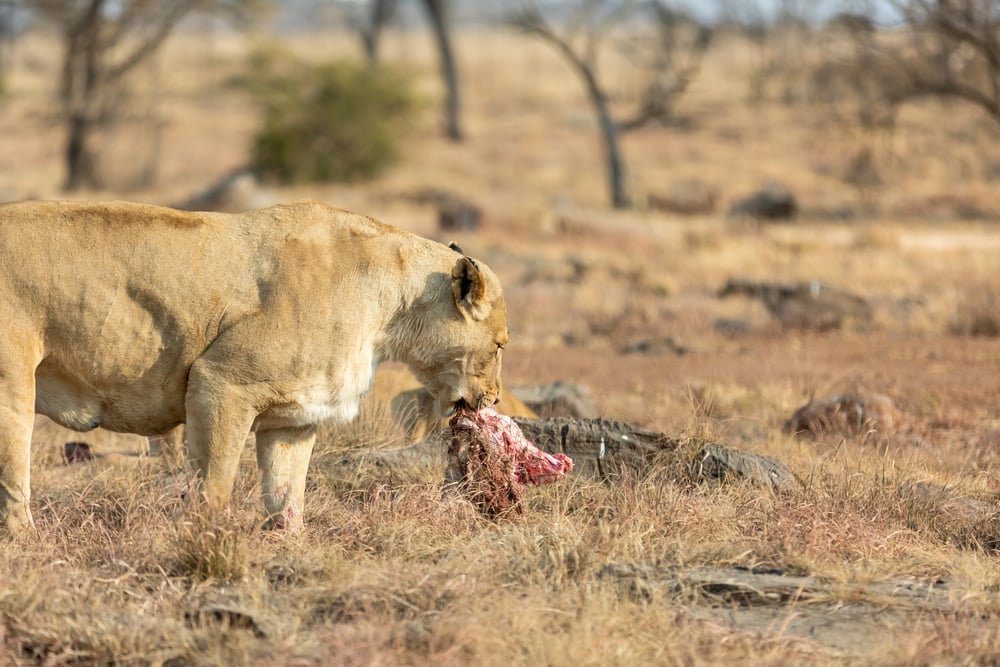
Lions do not chew their food, instead using their long canine teeth to grab and kill their prey and their sharp teeth at the back of their mouth to tear it into chunks so they can swallow it. This might seem crude, but it’s incredibly efficient for processing large amounts of meat quickly.
Speed Demons When They Need to Be
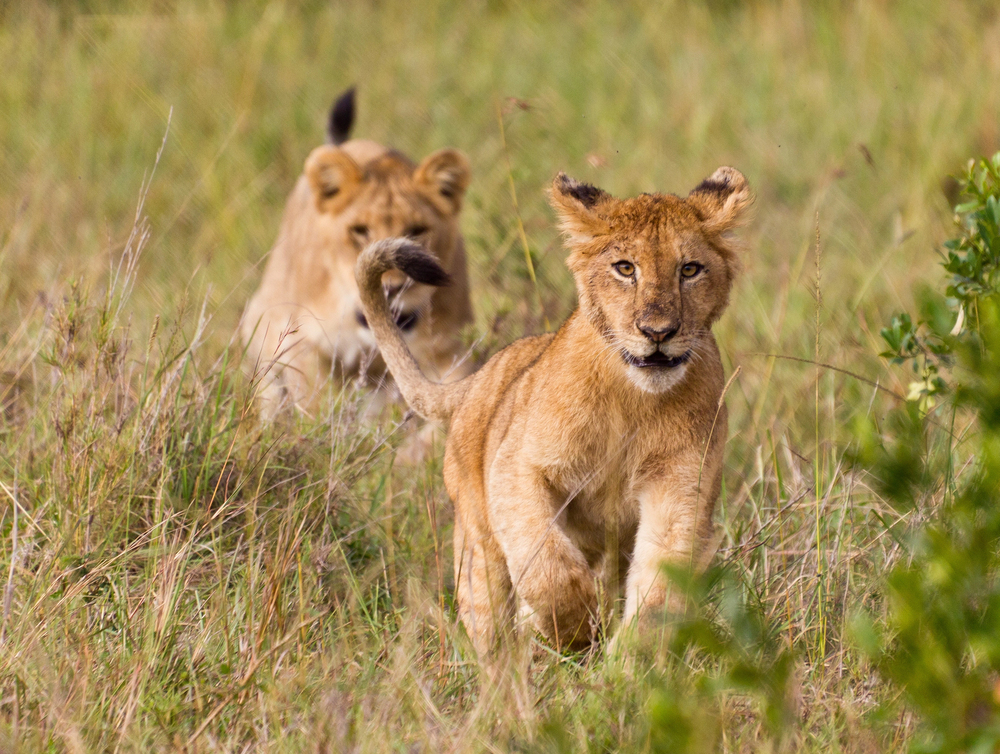
Lions can run up to 50 mph for short distances and leap as far as 36 feet, almost the length of a school bus. While they prefer stealth and strategy over speed, lions can unleash impressive bursts of athleticism when the situation demands it.
Not All Male Lions Have Manes
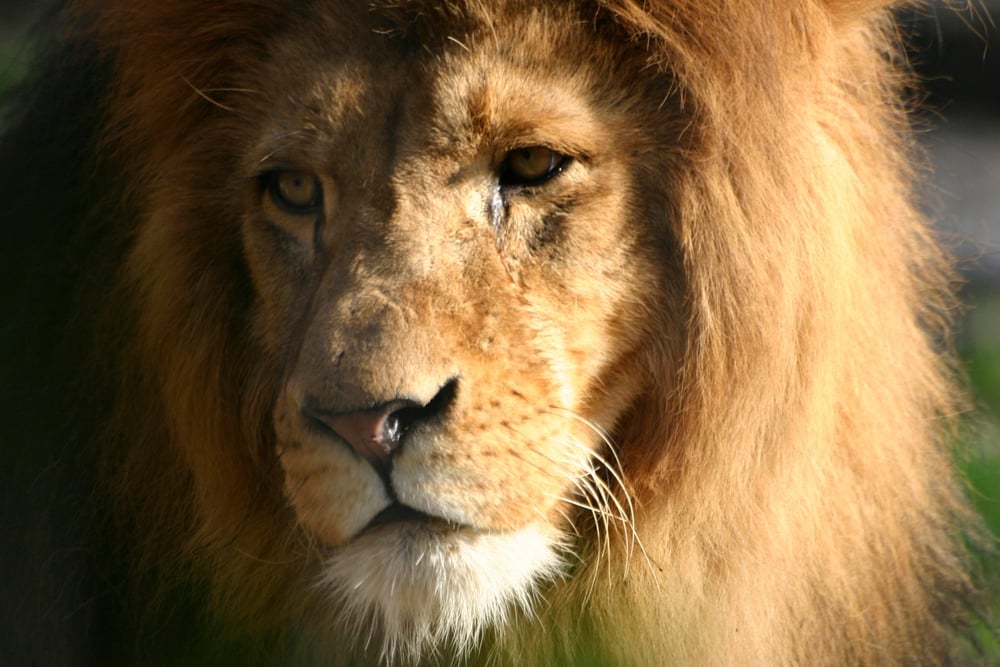
Most male lions grow impressive manes the older they get, with these manes growing up to 16cm long and serving as a sign of dominance. However, ‘Maneless’ male lions are common in parts of Africa, such as Tsavo National Park in Kenya, thought to be an adaptation to the local climate.
They’re Surprisingly Bad Hunters
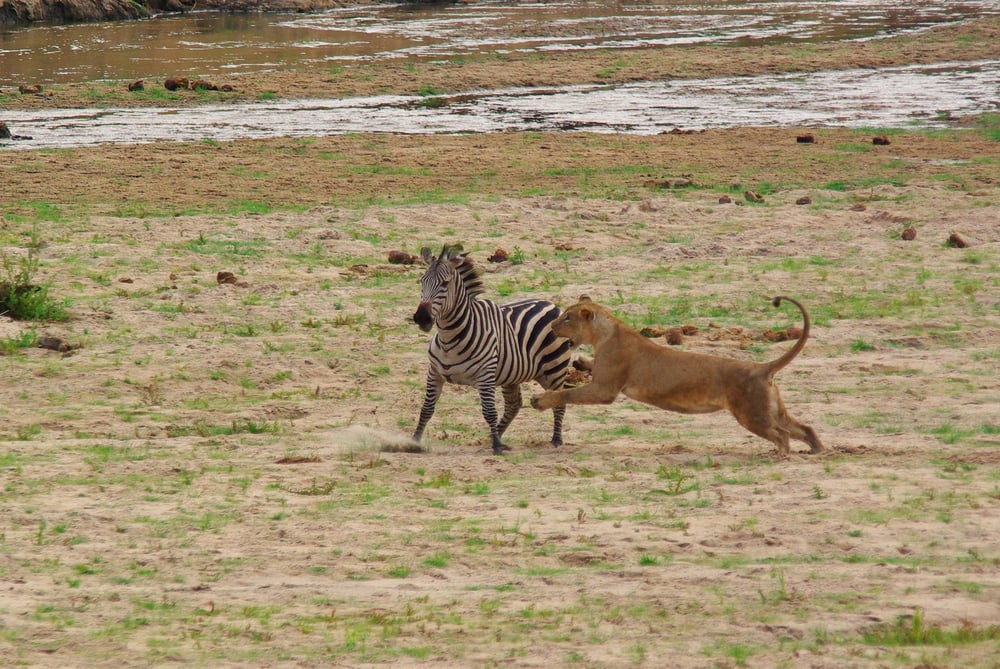
Despite their fearsome reputation, lions are not the most successful hunters, only catching their prey in about one out of every five attempts. This low success rate is precisely why they’ve evolved to be such efficient scavengers and why teamwork is so crucial to their survival.
Cubs Are Hidden for Their First Weeks
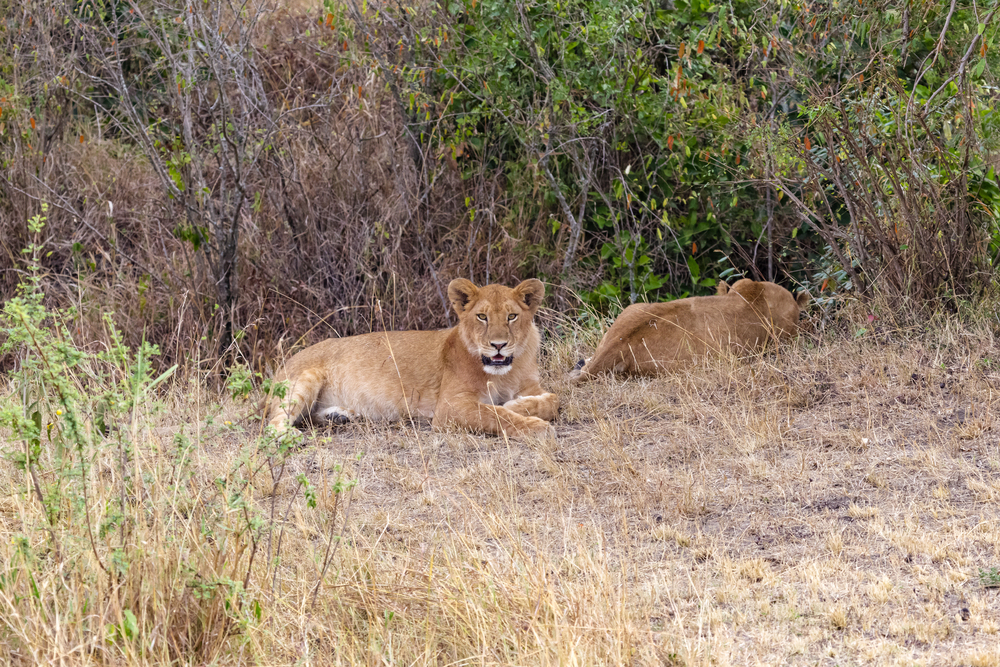
Lionesses tend to give birth to around 3 cubs, though litter sizes have been recorded with as many as 6 cubs. Once cubs are born, they’re kept hidden from the pride by the lioness until they gain strength and can keep up, returning when they’re around 4 to 6 weeks old.
They’re Incredible Water Conservationists
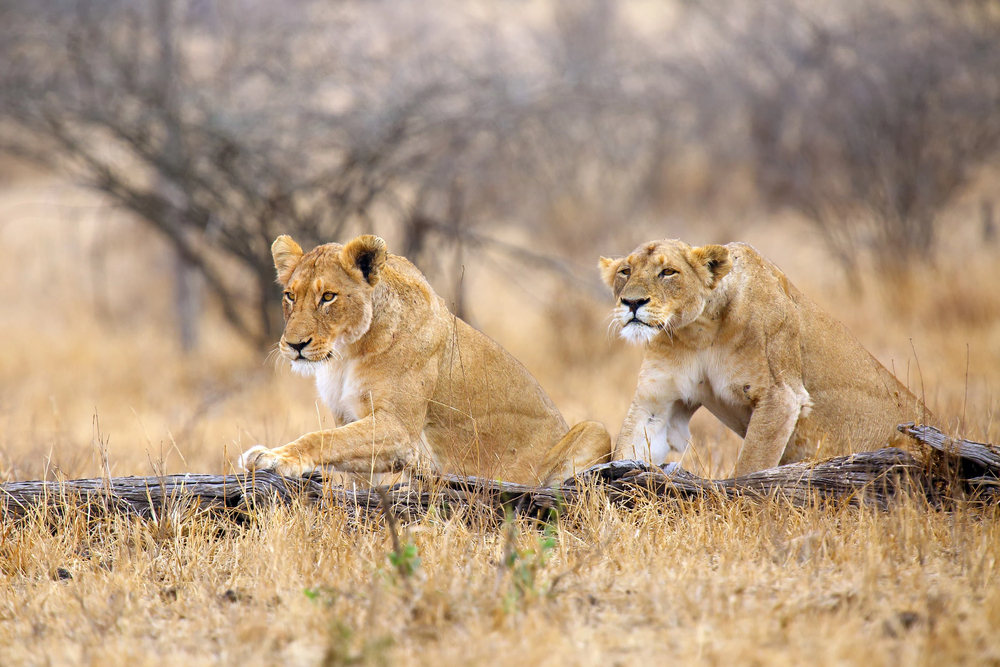
Lions can live in extremely dry places, including deserts, and can get some of the water they need from the prey they kill. Research has found that lions kill more prey found close to rivers and water sources than anywhere else, showing they understand their prey’s needs as well as their own.
Two Subspecies Exist
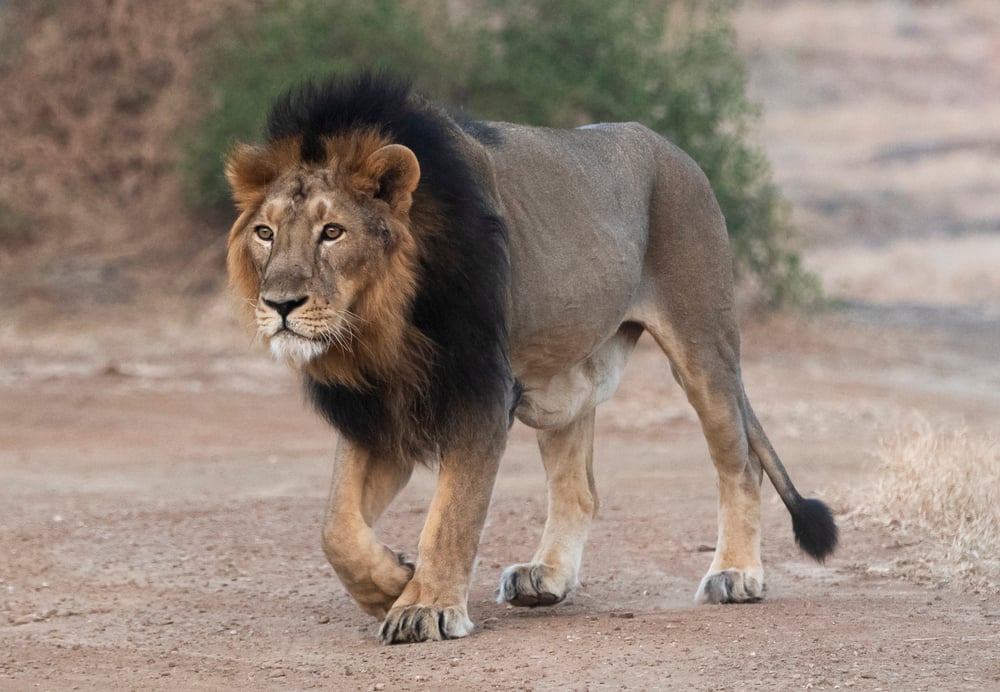
There are two subspecies of lions: the endangered Asiatic lion found only in Gir, India, with a 2020 population of 674 animals, and the African lion found throughout sub-Saharan Africa. Curiously, lions found in west and central Africa are genetically closer to the Asiatic subspecies than their sub-Saharan compatriots.
Their Numbers Are Critically Low
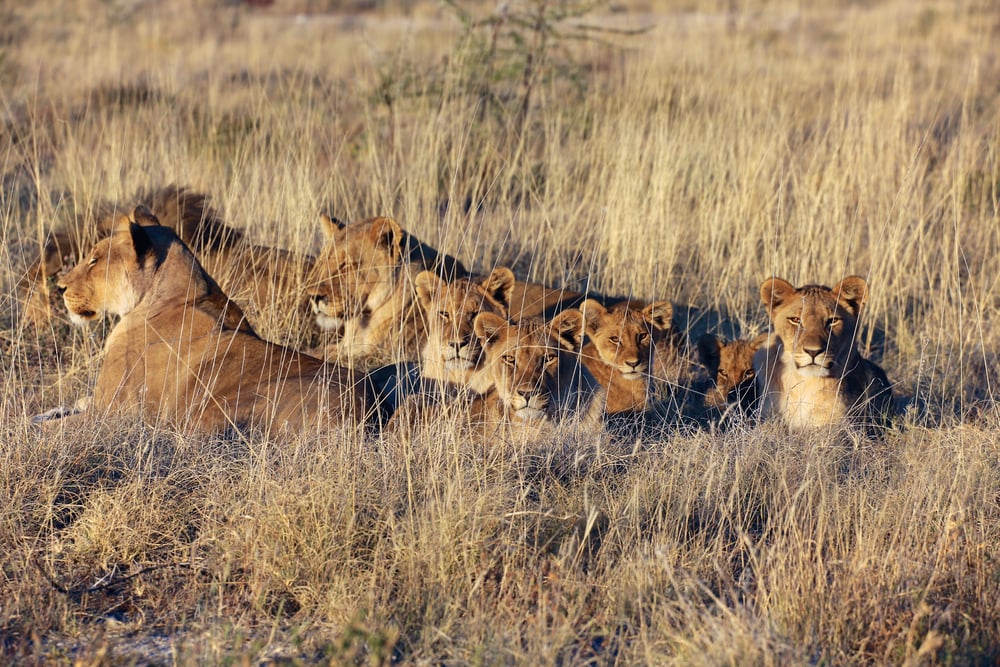
There are thought to be as few as 23,000 lions left in the wild, a shockingly small number when compared to other African wildlife. Lions have disappeared from over 90% of their historical range, with African lion numbers declining by over 40% in just three generations.
The main threats are retaliatory or pre-emptive killing to protect people and livestock, and decreasing natural prey populations.
The Crown Still Fits
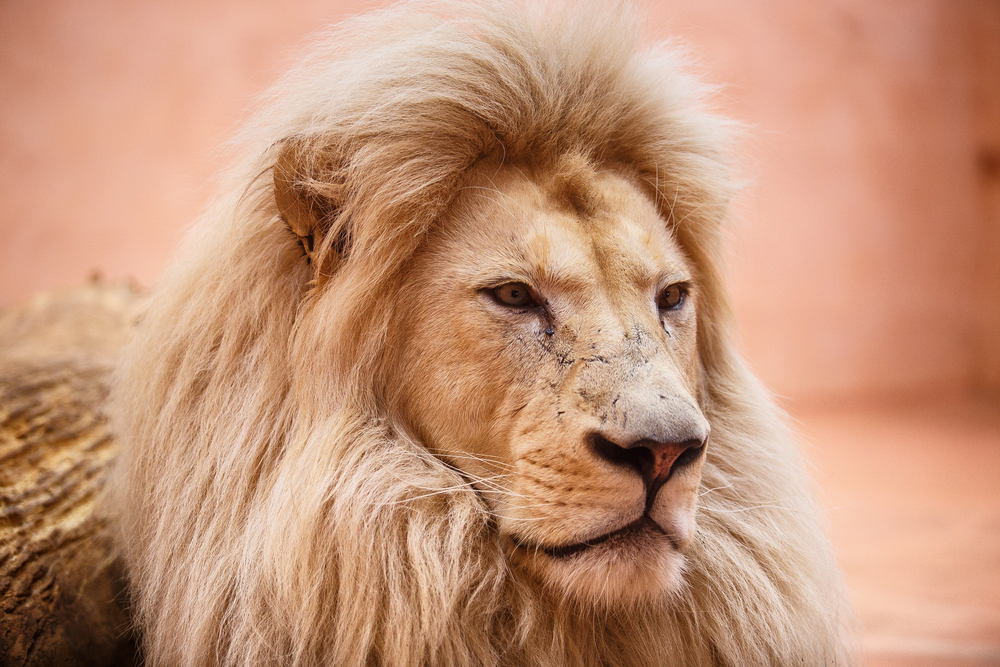
Lions earned their title as ‘King of Beasts’ not through size alone, but through a combination of social intelligence, hunting prowess, and raw power that continues to command respect today. While big cats like tigers, leopards and jaguars may duck into the undergrowth when they hear a safari vehicle approaching, lions may continue to lounge out in the open.
World Lion Day serves as a crucial reminder that these magnificent predators need our protection now more than ever. Their roars may echo across five miles of African wilderness, but their future depends on human choices made thousands of miles away.
More from Go2Tutors!

- The Romanov Crown Jewels and Their Tragic Fate
- 13 Historical Mysteries That Science Still Can’t Solve
- Famous Hoaxes That Fooled the World for Years
- 15 Child Stars with Tragic Adult Lives
- 16 Famous Jewelry Pieces in History
Like Go2Tutors’s content? Follow us on MSN.