World Records That Will Likely Never Be Broken
Some records stand as monuments to human achievement. Athletes push boundaries, scientists make breakthroughs, and performers reach heights that seem impossible.
But certain accomplishments feel different. They happened during unique moments in history when circumstances aligned in ways that won’t repeat.
The game has changed. The competition has shifted.
The world has moved on.These records sit frozen in time, protected by mathematics, physics, or the simple fact that modern systems won’t allow anyone to replicate the conditions that made them possible.
Wilt Chamberlain’s 100-Point Game
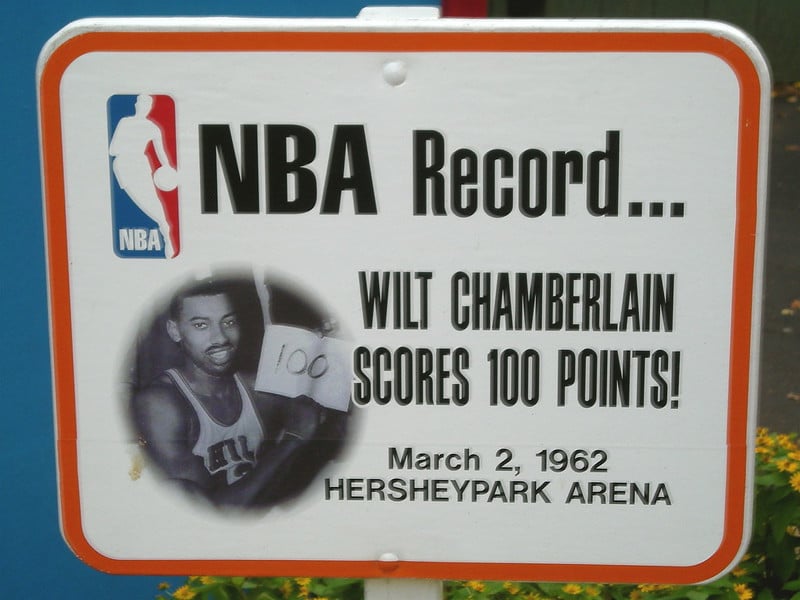
March 2, 1962. Wilt Chamberlain scored 100 points in a single basketball game.
Not 99. Not 95.
One hundred points.The pace of basketball in 1962 made this possible. Teams ran up and down the court constantly, and games featured far more possessions than modern contests.
Defense was different too. Zone defense rules have evolved, and teams now employ sophisticated defensive schemes that would make a 100-point performance nearly impossible.
Players today rarely even approach 70 points. The league’s scoring distribution has changed, and no single player dominates possessions the way Chamberlain did that night.
His teammates actively fed him the orb, determined to break the record. Modern coaching strategies would never allow such a one-sided offensive approach.
Joe DiMaggio’s 56-Game Hitting Streak

DiMaggio got at least one hit in 56 consecutive games during the 1941 season. The mathematical improbability alone makes this record remarkable.
Even the best hitters fail to get a hit roughly 65 percent of their at-bats. Stringing together 56 games requires not just skill, but absurd amounts of luck.
Baseball has changed dramatically since 1941. Pitchers now specialize.Relief pitchers enter games specifically to face certain hitters.
Teams employ defensive shifts based on data.Every possible advantage gets exploited.
The closest anyone has come in recent decades was Pete Rose’s 44-game streak in 1978. That was 45 years ago.
Modern players face tougher pitching, more advanced defensive positioning, and heightened pressure that makes sustaining such a streak nearly impossible.
Wayne Gretzky’s Career Points Record
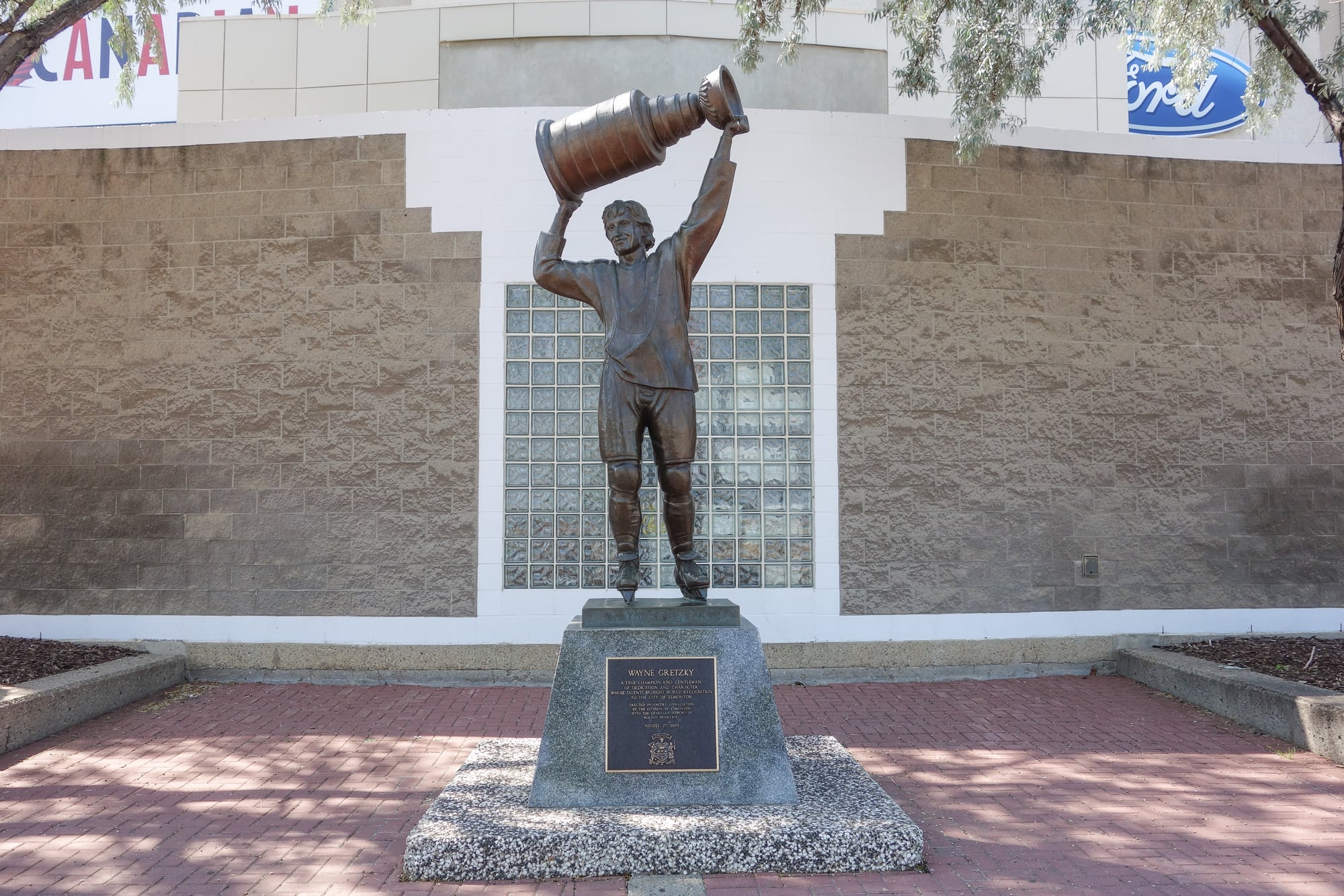
Gretzky retired with 2,857 points. Alex Ovechkin, one of the greatest goal scorers in hockey history, sits around 1,600 points after more than 18 seasons.
Even if Ovechkin played another five years at peak performance, he wouldn’t catch Gretzky.The gap exists for several reasons.
Gretzky played in an era when goalies wore smaller equipment and defensive systems were less sophisticated.He also stayed remarkably healthy throughout his career, missing very few games.
Modern players face more physical play, better goaltending, and defensive schemes designed specifically to shut down elite scorers.Perhaps more telling: Gretzky holds the record for career assists alone with 1,963.
That number by itself would rank him in the top 10 all-time in career points.You could remove every goal he scored and he’d still be one of the greatest players in history based on assists alone.
Cal Ripken Jr.’s Consecutive Games Played
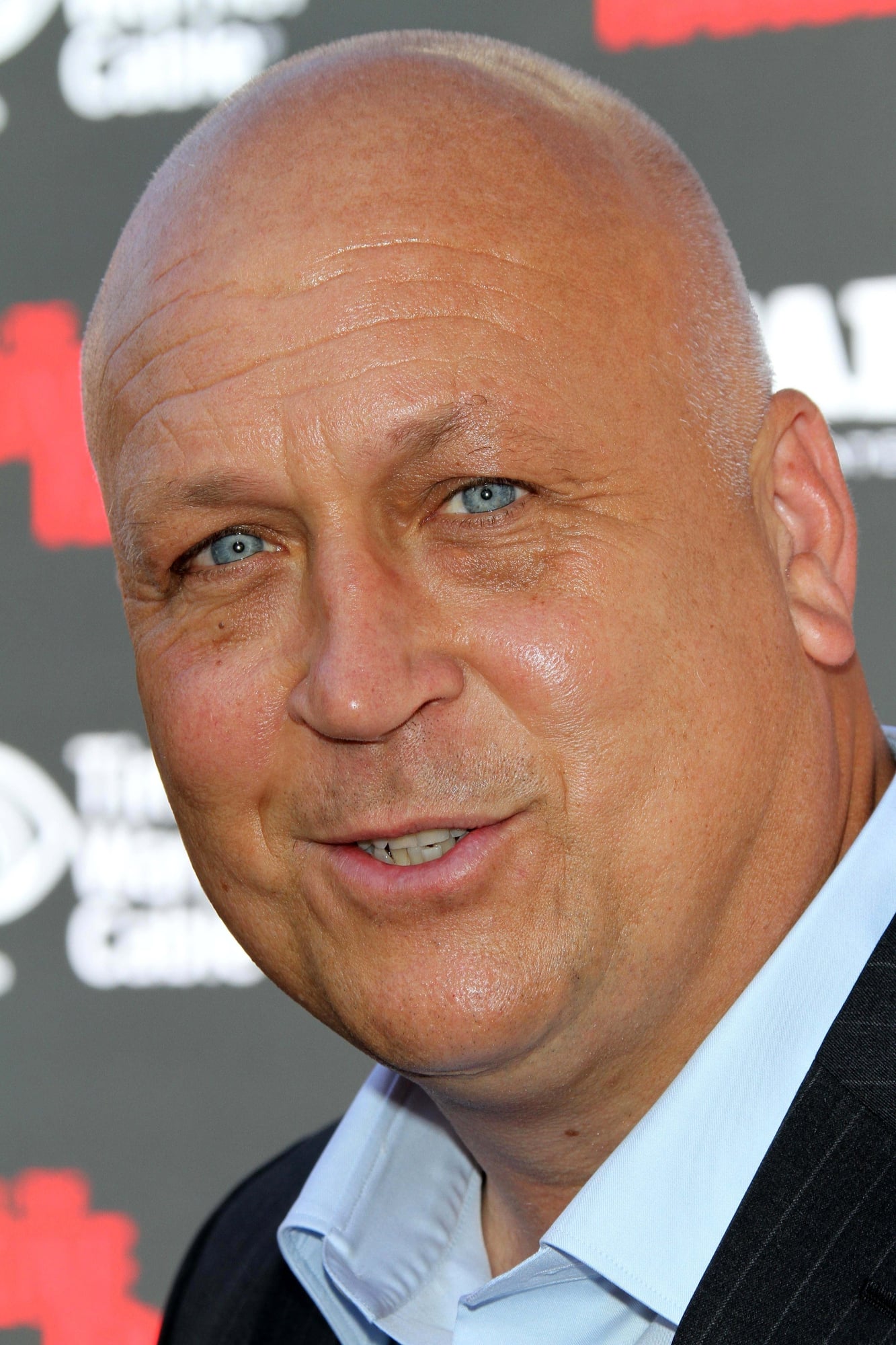
Ripken played in 2,632 consecutive games. That’s more than 16 straight seasons without missing a single game.
No rest days. No injuries serious enough to keep him out.
Just showing up, day after day, year after year.Modern sports medicine has actually made this record harder to break.
Teams now understand the importance of rest and recovery.They know that running players into the ground increases injury risk and decreases performance.
Load management has become a standard practice.Players today get scheduled rest days, even when healthy.
The culture has shifted.Breaking Ripken’s record would require not just incredible durability, but a complete rejection of modern training philosophy.
No team would allow it, even if a player wanted to try.
Michael Phelps’ 23 Olympic Gold Medals
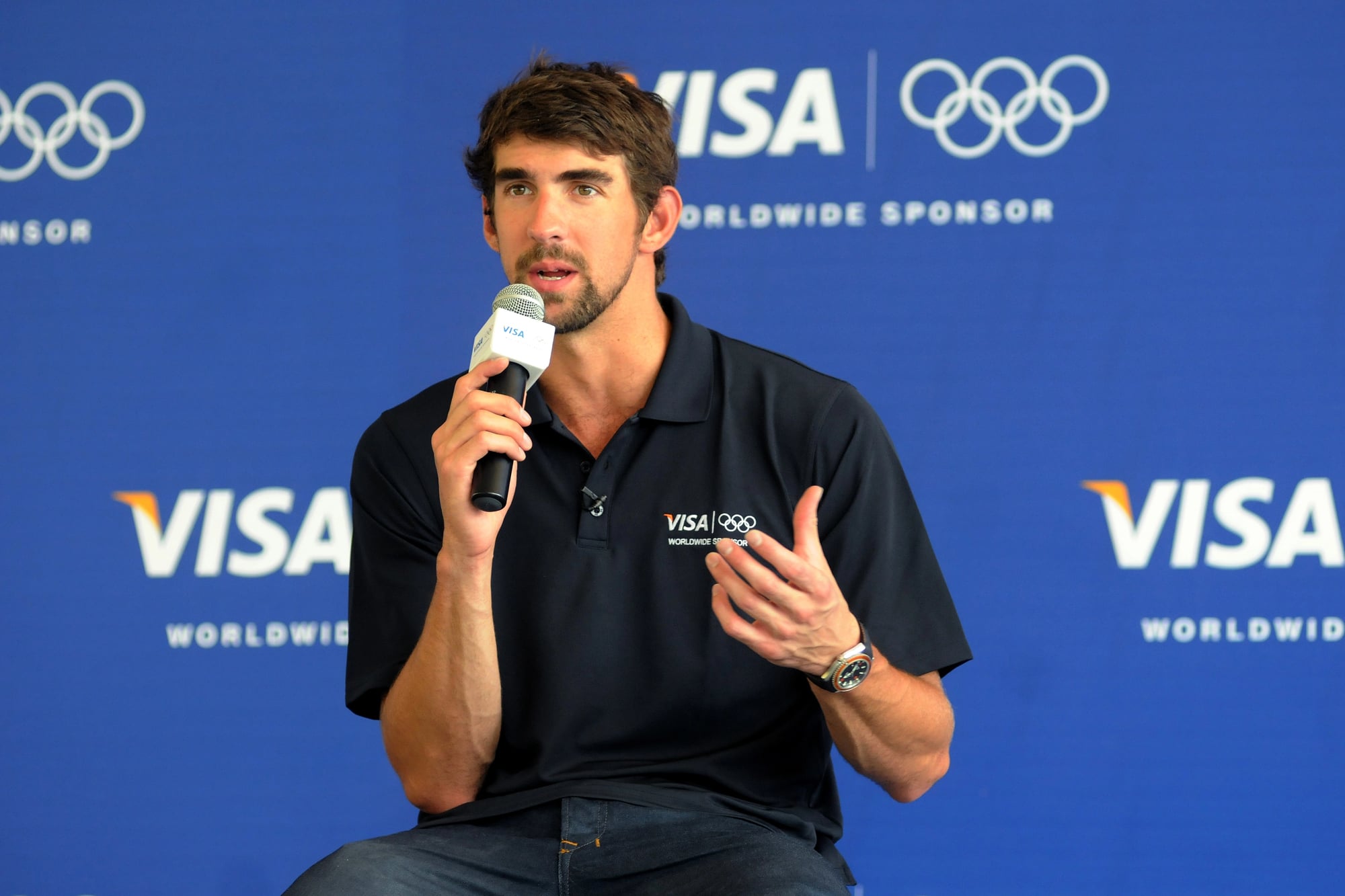
Phelps won 23 gold medals across four Olympic Games. The closest competitor, swimmer Mark Spitz, won nine.
No other athlete in any sport comes close to Phelps’ gold medal count.Swimming offers more medal opportunities than most Olympic sports, which helped Phelps accumulate his total.
But even accounting for that advantage, his dominance was absolute.He won multiple golds at four different Olympics, spanning 16 years.
For anyone to break this record, they’d need to dominate their sport at multiple Olympics, stay healthy across more than a decade, and compete in a sport that offers numerous medal opportunities.That combination of factors makes Phelps’ achievement unreachable.
Don Bradman’s Cricket Batting Average
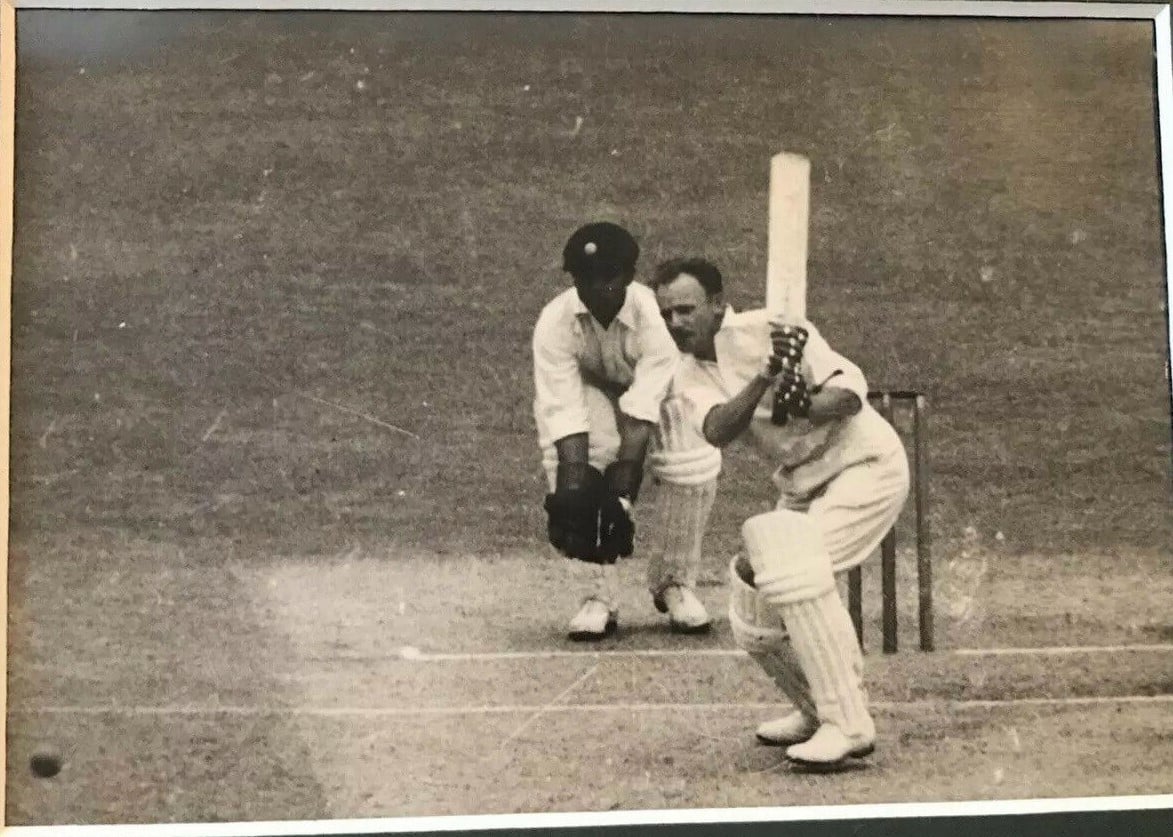
Don Bradman finished his Test cricket career with a batting average of 99.94. The next highest average belongs to someone in the 60s.
That gap is massive in cricket terms.Bradman played from 1928 to 1948, a different era of cricket.
But even adjusting for era, his statistical dominance stands alone.Modern cricket features better bowlers, more sophisticated field placements, and advanced analysis.
Players face relentless scrutiny and pressure.Cricket statisticians have calculated that Bradman’s average is the greatest statistical achievement in any major sport.
Breaking it would require someone to perform at an absurd level for their entire career, with almost no room for failure.
The Beatles’ Chart Dominance in 1964
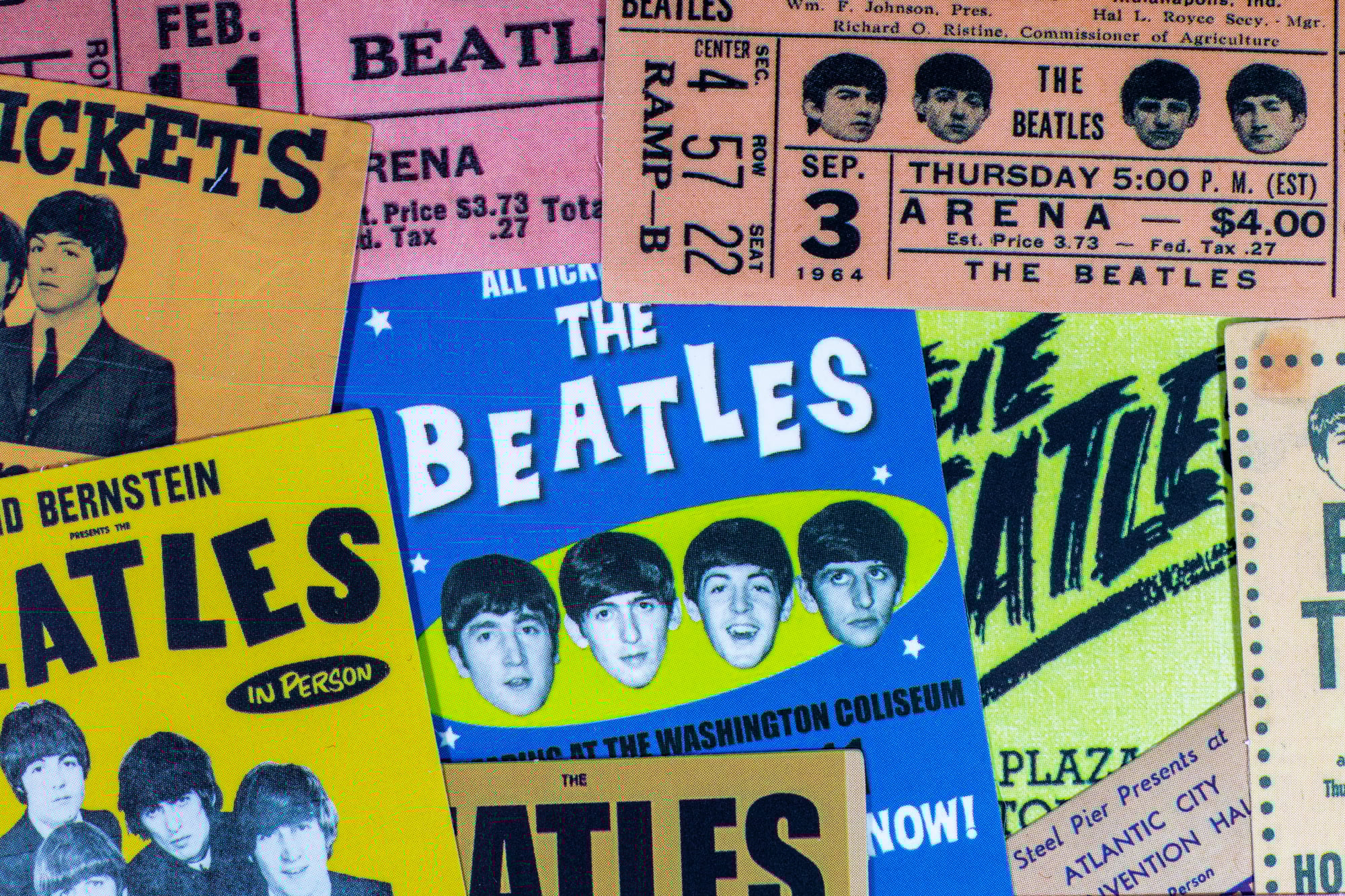
On April 4, 1964, The Beatles held the top five spots on the Billboard Hot 100 simultaneously. They also held 12 other positions on the chart that same week.
The music industry no longer functions in a way that would allow this to happen.Streaming has fragmented listening habits.
Billboard chart rules have changed multiple times.Radio doesn’t hold the same centralized power it did in 1964.
Even if an artist achieved The Beatles’ level of global popularity, the mechanics of chart tracking would prevent a repeat performance. Multiple versions of songs, different remix releases, and algorithm-driven playlists have changed how music gets consumed and measured.
Secretariat’s Belmont Stakes Victory

Secretariat won the 1973 Belmont Stakes by 31 lengths. Watch the video.
The other horses aren’t even in the frame by the time he crosses the finish line.His winning time of 2:24 for the 1.5-mile race still stands as the American record for that distance.
Secretariat didn’t just win races.He destroyed fields in a way that seemed to violate the normal limits of horse racing.
Modern horse breeding, training, and veterinary care have advanced dramatically since 1973. Yet no horse has come close to matching Secretariat’s Belmont performance.
The margin of victory alone seems impossible to replicate, let alone the record time.
Wilt Chamberlain’s 48.5 Minutes Per Game
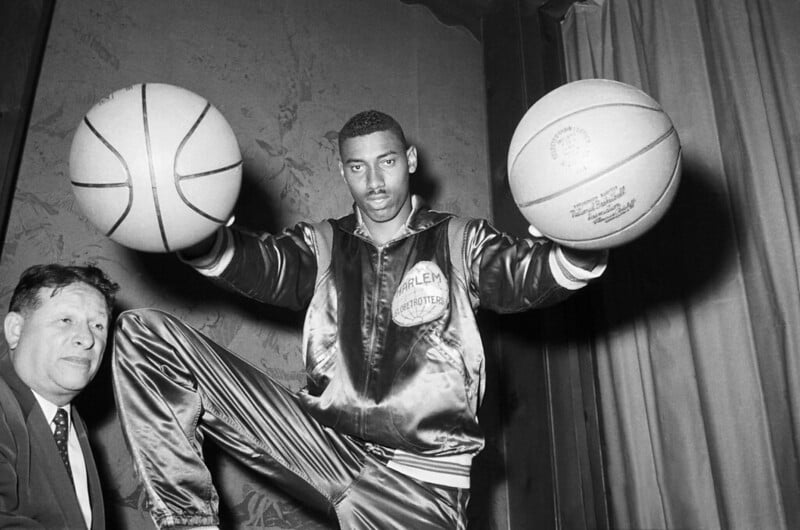
Yes, Wilt Chamberlain appears on this list twice. During the 1961-62 season, he averaged 48.5 minutes per game.
NBA games are 48 minutes long.He played every minute of most games, plus overtime periods, without rest.
His conditioning was superhuman, but even that doesn’t fully explain the record.Modern basketball strategy would never allow this.
Sports science has proven that fatigue degrades performance and increases injury risk.Coaches today carefully manage playing time.
Stars get regular rest.Teams use deeper rotations.
The incentive structure of the modern NBA makes this record untouchable, regardless of a player’s conditioning.
Byron Nelson’s 11 Consecutive PGA Tour Wins
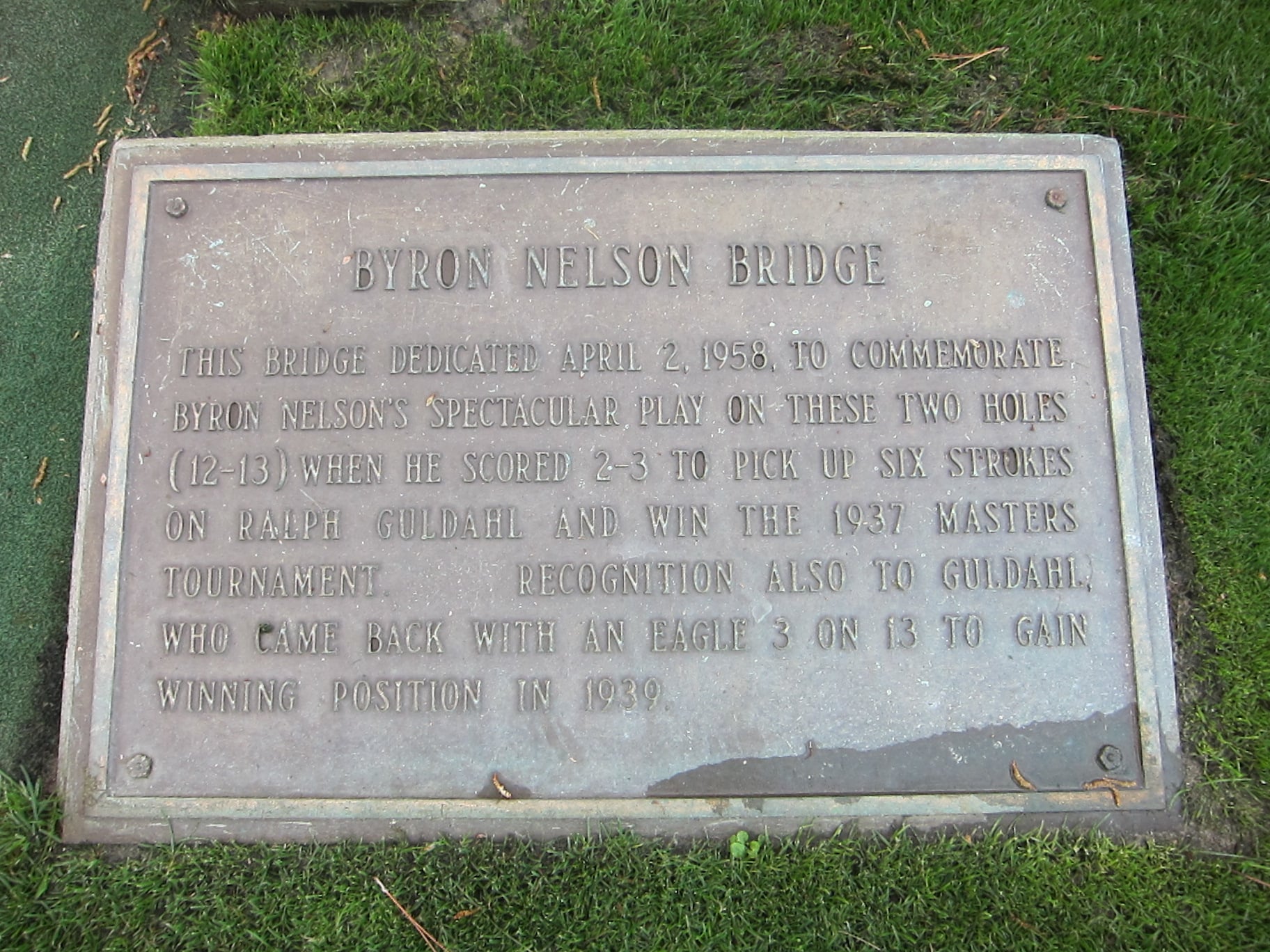
Byron Nelson won 11 straight PGA Tour events in 1945. The depth of competition in professional golf today makes this record unreachable.
Golf in 1945 looked very different.Many top players were serving in World War II.
The tour schedule was less demanding. Equipment was primitive by modern standards.
Nelson’s accomplishment remains remarkable, but the context matters.Today’s PGA Tour features hundreds of elite players from around the world.
Any given tournament might have 30 or 40 golfers capable of winning.Winning once takes skill and luck.
Winning 11 times in a row would require a level of dominance that the modern game’s depth won’t allow.
The Sound Barrier in Freefall

Felix Baumgartner jumped from 128,100 feet in 2012, reaching a maximum speed of 843.6 mph. He became the first person to break the sound barrier in freefall without vehicular power.
Breaking this record would require jumping from even higher.But there’s a practical limit to how high someone can go and still survive the freefall.
The atmospheric conditions, equipment requirements, and sheer risk make pushing this record much further nearly impossible.Alan Eustace later jumped from a slightly higher altitude in 2014, but Baumgartner remains the first to break the sound barrier.
The “first to achieve” aspect of his record is permanent, and the speed record itself sits near the practical limits of human survival.
Roger Bannister’s Four-Minute Mile (As a Record of “Firsts”)
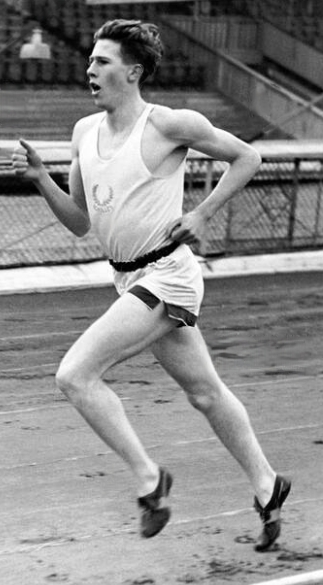
Roger Bannister ran a mile in 3:59.4 on May 6, 1954. Athletes have since run much faster miles.
But Bannister’s achievement as the first person to break the four-minute barrier can never be repeated.
The psychological barrier was immense. Many believed it was physically impossible for humans to run a mile in under four minutes.
Bannister proved them wrong, and within a year, several other runners broke the barrier too.
You can only be first once. That’s what makes this record special.
Modern runners chase faster times, but they can’t chase being first.
That moment in history belongs to Bannister alone.
Longest Time Between Siblings’ Births

Molly Gibson arrived in 2023, developing from an embryo kept frozen since 1996. One of her genetic siblings emerged from the same group of preserved embryos long before her, years in the past.
Though they have identical biological origins, their births are separated by nearly three decades.
This odd case sits in its own quiet corner. Thanks to better freezing methods, embryos now survive far longer delays before thawing.
Yet getting two brothers from one group, arriving almost thirty years apart, took an exact mix of decisions and luck.Such timing rarely lines up twice.
A person aiming to beat this record would first freeze embryos. More than two decades later – over twenty seven years – they’d need a successful birth from them.
Getting there means lining up medical steps, timing life changes.Choices about when to start a family mix with long-term planning.
That mix makes it tough to plan such a feat on purpose.
Standing At The Edge

A single mark on paper can say more than hours of talk. Moments define leaps forward, not just muscle or mind at work.
When timing aligns with place, something rare takes shape. Luck slips into legend now and then.
What sticks isn’t always what was strongest – just what stayed. What’s written here shows what people achieved, shaped by the times they lived in.
Those instances when everything clicked just right, impossible to repeat. Look at them closely.
Understand how they came to be. Take something away from their story.
Yet beating those marks? Unlikely ever again.
More from Go2Tutors!

- The Romanov Crown Jewels and Their Tragic Fate
- 13 Historical Mysteries That Science Still Can’t Solve
- Famous Hoaxes That Fooled the World for Years
- 15 Child Stars with Tragic Adult Lives
- 16 Famous Jewelry Pieces in History
Like Go2Tutors’s content? Follow us on MSN.



