16 Train Wrecks That Made History
Railways transformed civilization in ways nobody could’ve imagined. Suddenly people could cross entire continents in days rather than months. Yet this revolutionary technology came with deadly risks—when trains crashed, the devastation was often catastrophic.
Some railway disasters did more than fill newspaper headlines. They fundamentally changed how trains operate. Here’s a list of 16 train wrecks that made history.
Great Train Wreck of 1918

The morning of July 9, 1918, started like any other at Nashville’s Union Station. Two passenger trains departed on schedule—both tragically assigned to the same track through a communication error.
The head-on collision killed 101 people and injured 171 others, marking America’s deadliest train accident. This Nashville, Chattanooga and St. Louis Railway disaster forced railroad companies nationwide to overhaul their dispatching procedures.
Quintinshill Rail Disaster
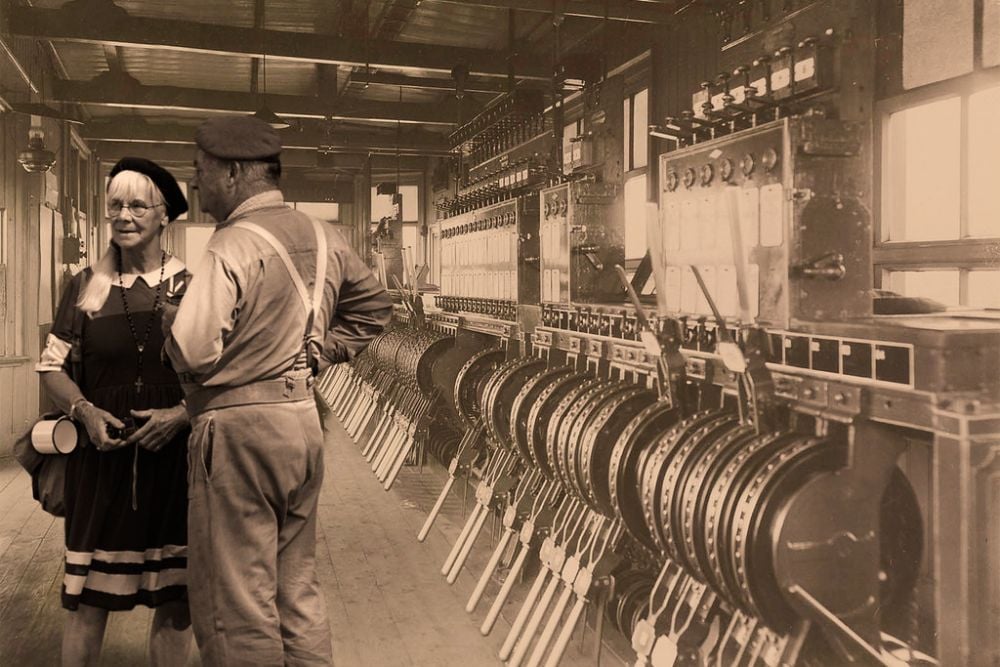
Morning fog shrouded the Scottish countryside near Gretna Green on May 22, 1915, when five trains became entangled in Britain’s worst rail disaster. A troop train carrying Royal Scots soldiers collided with other trains in a chain reaction that killed 226 people—injuring 246 more.
The catastrophe exposed fundamental flaws in railway signaling systems. Parliamentary investigations led to sweeping safety reforms across the British rail network.
Like Go2Tutors’s content? Follow us on MSN.
Saint-Michel-de-Maurienne Disaster
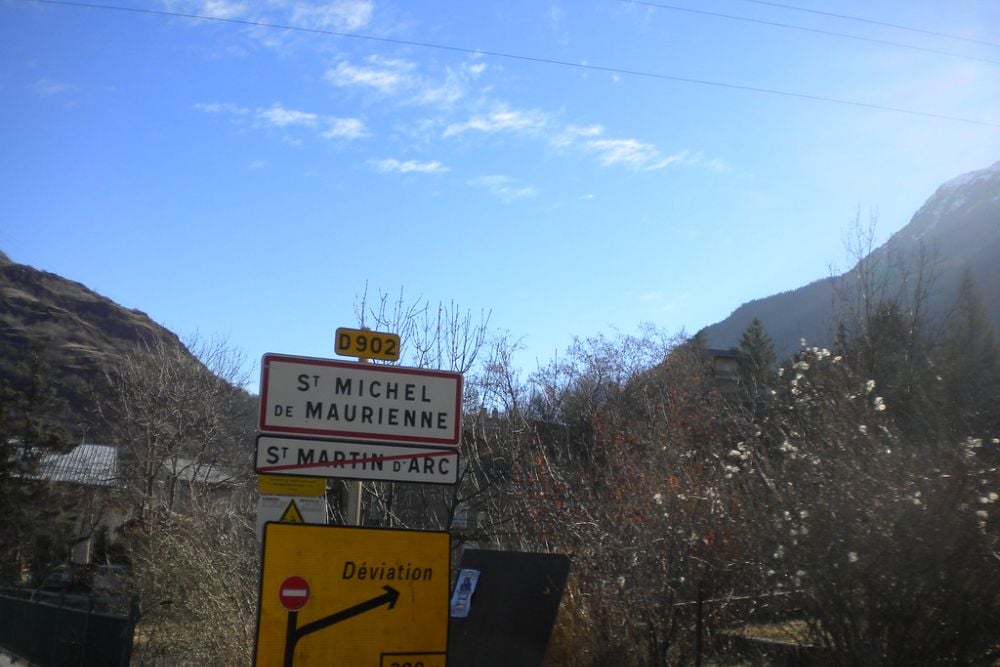
Wartime transportation pushed railways beyond their limits in 1917 when an overloaded train carrying French soldiers from Italy descended the treacherous Maurienne valley. The carriages—packed with over 1,000 men instead of their normal capacity—derailed on the steep grade.
More than 700 soldiers perished in what became history’s deadliest single train accident. Military transport protocols were completely restructured following this tragedy.
2004 Sri Lanka Tsunami Train Disaster

The Queen of the Sea was running its regular coastal route on December 26, 2004, when the Indian Ocean tsunami struck with unprecedented fury. Walls of water reaching 30 feet high engulfed the train—killing at least 1,700 passengers in the largest rail disaster by death toll in world history.
Unlike other train accidents caused by mechanical failure or human error, this catastrophe demonstrated how natural forces could overwhelm even the safest transportation systems.
Malbone Street Wreck
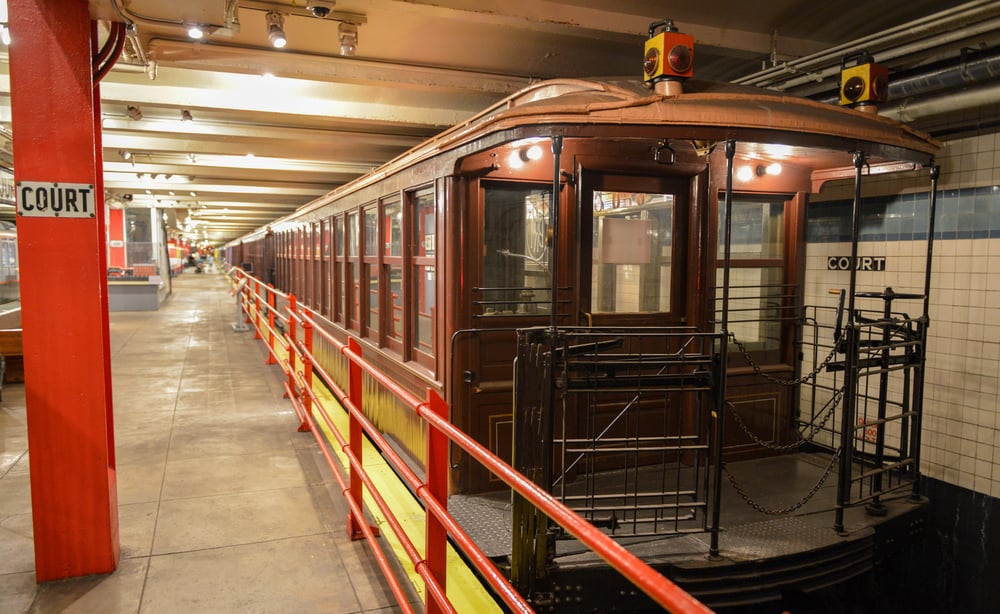
Brooklyn commuters heading home on November 1, 1918, couldn’t have known their substitute motorman was inexperienced and nervous. The operator took the sharp Malbone Street curve at dangerous speeds—causing wooden subway cars to splinter and catch fire.
Between 93 and 102 people died in the wreckage while over 100 suffered injuries. New York transit authorities immediately began constructing subway cars from steel rather than wood.
Like Go2Tutors’s content? Follow us on MSN.
1943 Frankford Junction Train Wreck
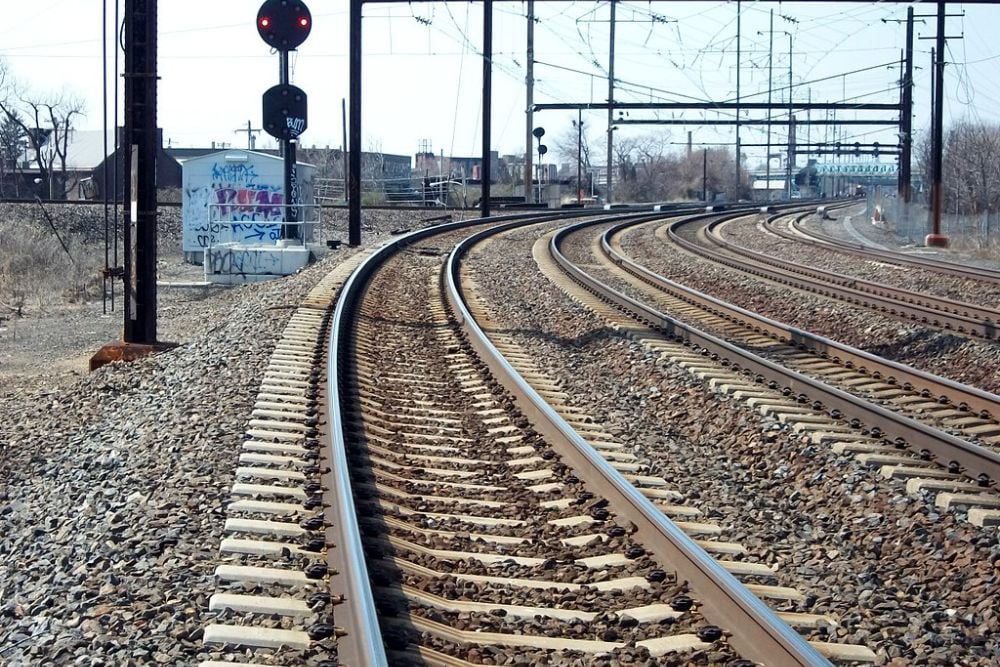
Frankford Junction in Philadelphia had always presented operational challenges—sharp curves combined with heavy rail traffic. A packed passenger train approached the junction at 80 mph that September day in 1943, exceeding safe speeds for the curve.
The derailment killed 79 people and injured 117 others, making it Pennsylvania’s deadliest rail disaster. Wartime overcrowding had made the accident’s impact even more severe—prompting Pennsylvania Railroad to install enhanced speed control systems.
1943 Rennert Railroad Accident
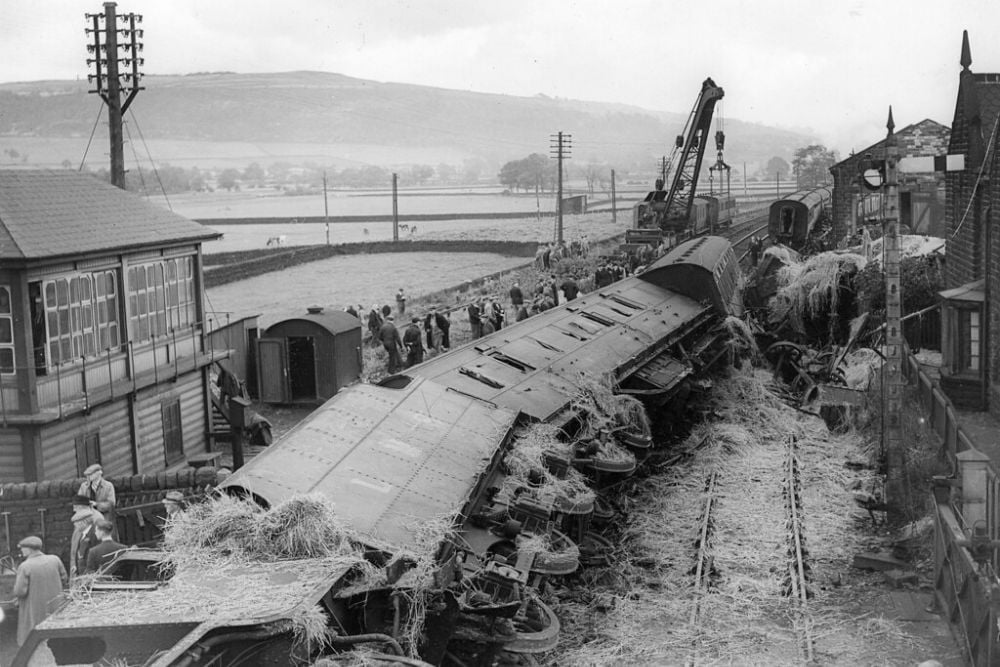
Communication breakdown proved fatal in Rennert, North Carolina, when two passenger trains occupied the same track simultaneously. The dispatcher had lost track of train locations—a mistake that cost 74 lives in a head-on collision.
This disaster became North Carolina’s deadliest rail accident while highlighting critical gaps in railway communication systems. Railroad companies invested heavily in improved dispatching technology and redundant safety protocols.
1944 Stockton Train Wreck

Military transportation during World War II operated under intense pressure—rushed schedules and overworked crews created dangerous conditions. The Stockton accident involved a troop train carrying military personnel, though specific details remain classified for security reasons.
This wartime disaster led to stricter safety protocols for military rail transport and better coordination between civilian and military railway operations.
Like Go2Tutors’s content? Follow us on MSN.
Torre del Bierzo Rail Disaster
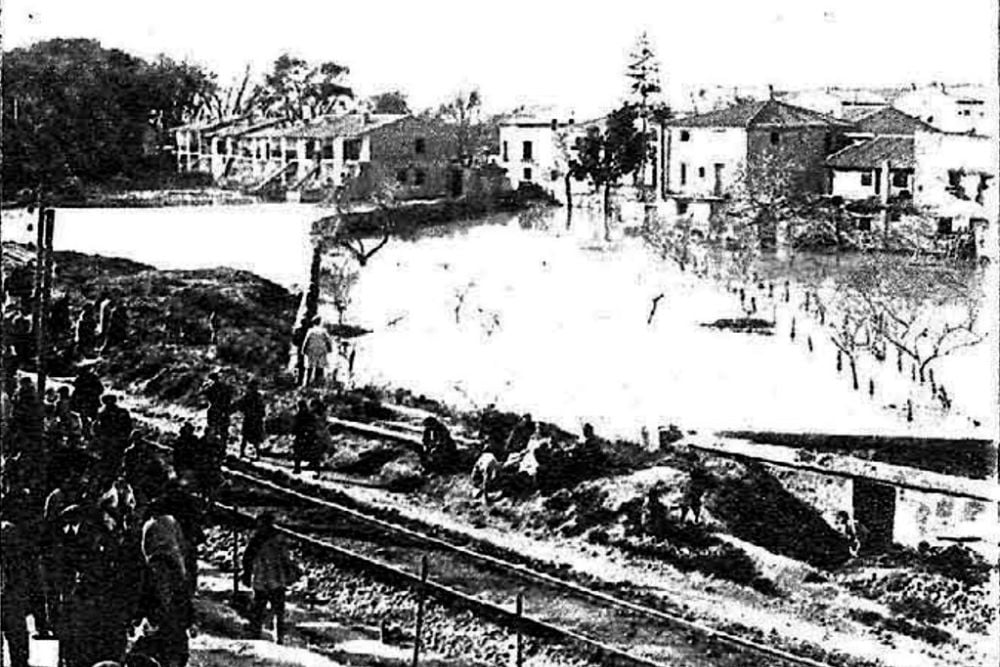
Spain’s deadliest railway accident unfolded on January 3, 1944, inside a tunnel near Torre del Bierzo village in León province. Three trains—a passenger express from Madrid to La Coruña, a shunting engine, and a coal train—collided within the confined tunnel space.
The crash ignited a devastating fire that trapped passengers in the smoke-filled tunnel. While official reports listed 78 deaths, modern estimates suggest the actual toll may have reached 500 people, making this collision and fire one of Europe’s worst railway disasters.
Eschede Train Disaster

Germany’s InterCity Express represented the pinnacle of railway engineering—sleek, fast, and supposedly foolproof. That confidence shattered on June 3, 1998, when an ICE train derailed at 125 mph near Eschede.
A fatigued wheel caused the catastrophic accident that killed 101 people and injured 88 others. The disaster prompted comprehensive changes to high-speed train maintenance procedures and wheel inspection protocols worldwide.
Granville Railway Disaster
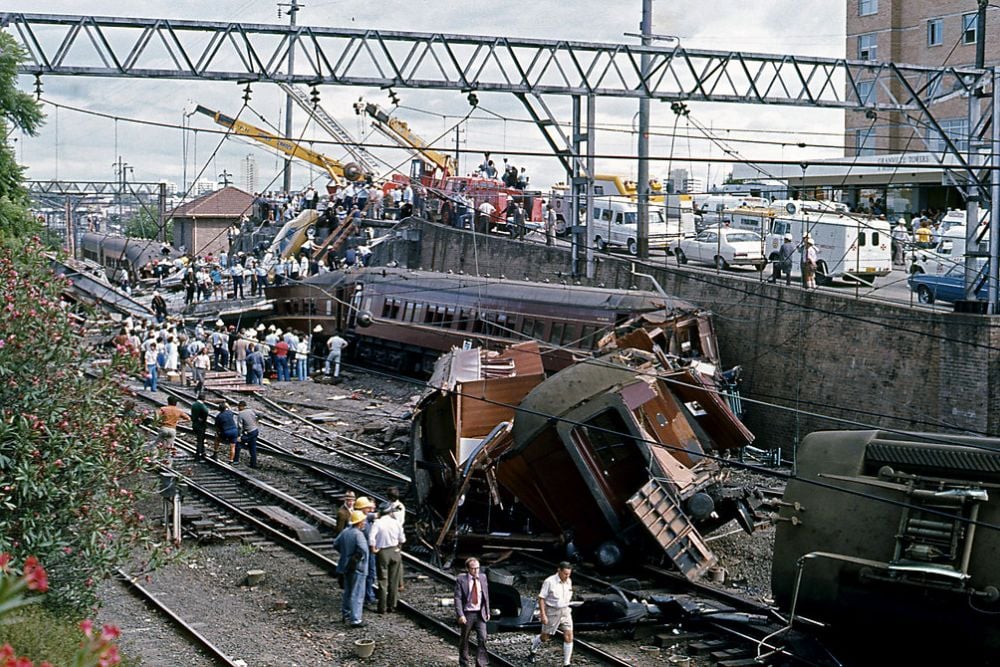
Sydney commuters were crossing the road bridge at Granville on January 18, 1977, when they heard the screech of derailing metal below. A passenger train had crashed into the bridge supports, causing the structure to collapse onto the train carriages.
Eighty-three people died while 213 suffered injuries in one of Australia’s worst rail accidents. The disaster led to significant changes in bridge design requirements near railway infrastructure.
Like Go2Tutors’s content? Follow us on MSN.
Tangiwai Disaster
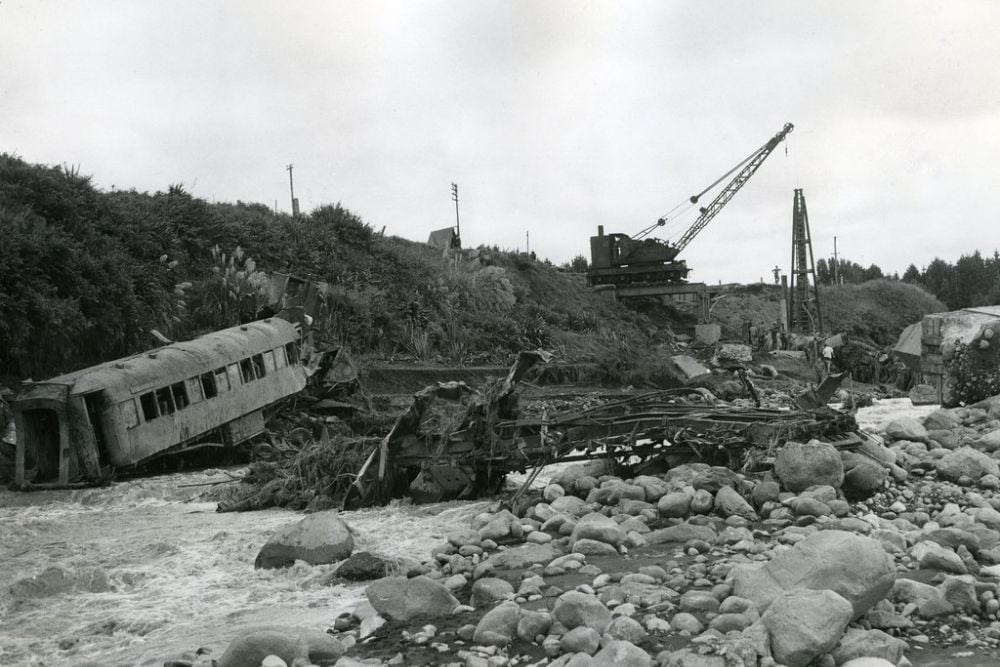
Mount Ruapehu had been showing signs of volcanic activity for weeks, though nobody connected this geological unrest to railway safety. The Wellington-Auckland express crossed the Whangaehu River on Christmas Eve 1953 when a volcanic lahar had severely weakened the bridge structure.
The train plunged into the water, killing 151 people in New Zealand’s worst railway disaster. This tragedy prompted better monitoring of volcanic activity near critical railway infrastructure.
Bagmati Express Derailment
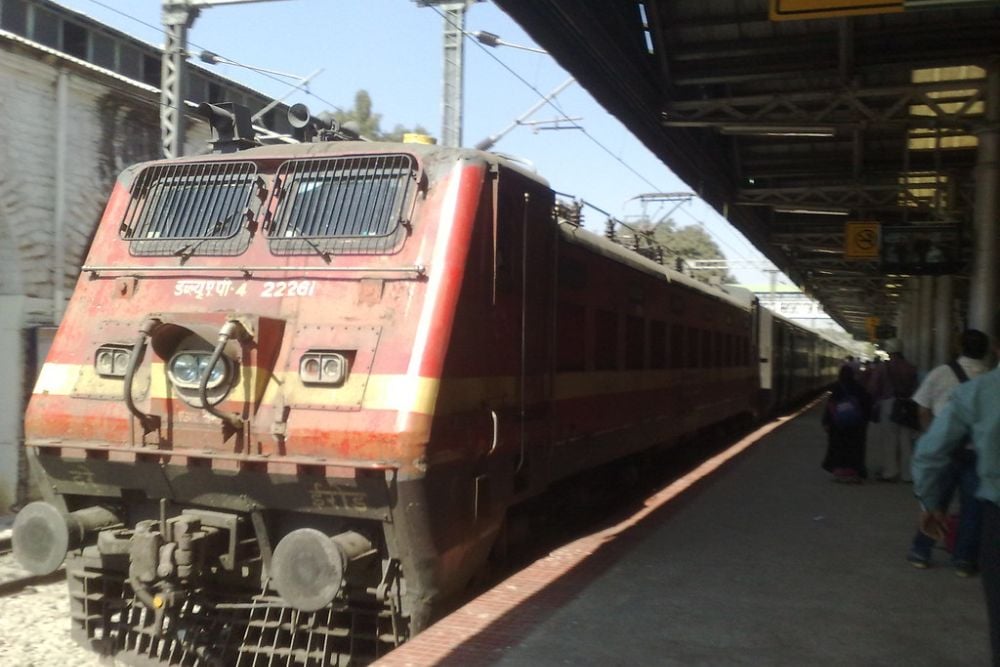
India’s railway safety concerns were highlighted again in the recent 2024 Tamil Nadu collision involving the Bagmati Express. The passenger train, traveling from Mysore to Darbhanga, collided with a stationary goods train near Kavaraipettai railway station due to suspected sabotage of switching equipment.
Thirteen coaches derailed in the impact, injuring 19 passengers while one coach caught fire. This incident demonstrated ongoing vulnerabilities in India’s vast railway network and led to enhanced security measures around critical railway infrastructure.
Gaisal Train Disaster
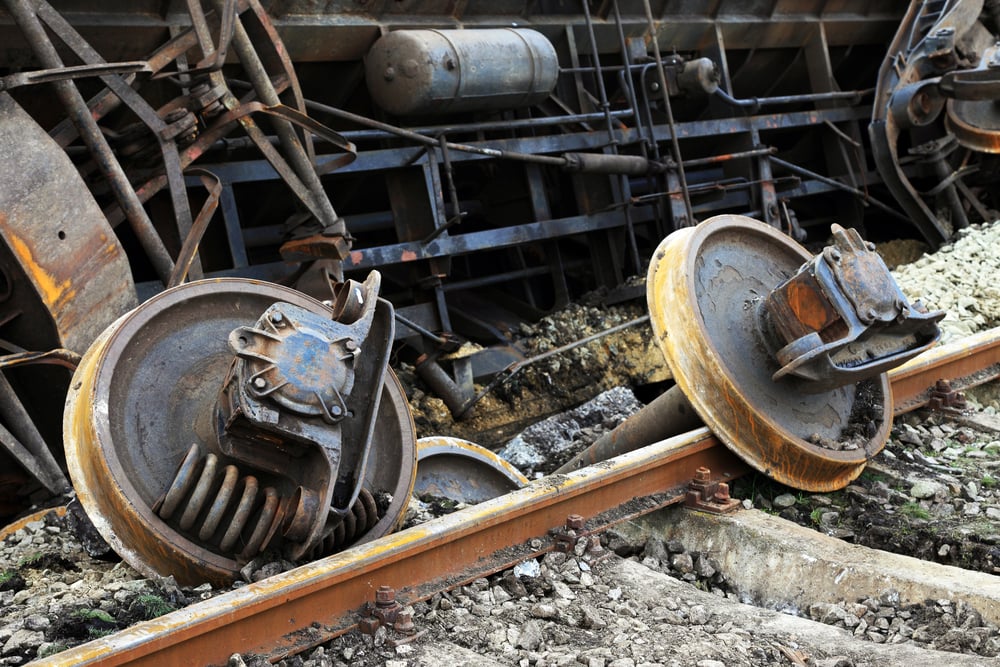
West Bengal witnessed one of India’s most devastating railway accidents on August 2, 1999, when two passenger trains collided head-on near Gaisal station. Signal failure combined with human error created the perfect conditions for disaster, killing 285 people in the process.
The tragedy exposed serious deficiencies in India’s signaling systems and prompted extensive retraining of railway personnel. Managing one of the world’s largest rail networks presents unique challenges that this accident brought into sharp focus.
Like Go2Tutors’s content? Follow us on MSN.
Ladbroke Grove Rail Crash
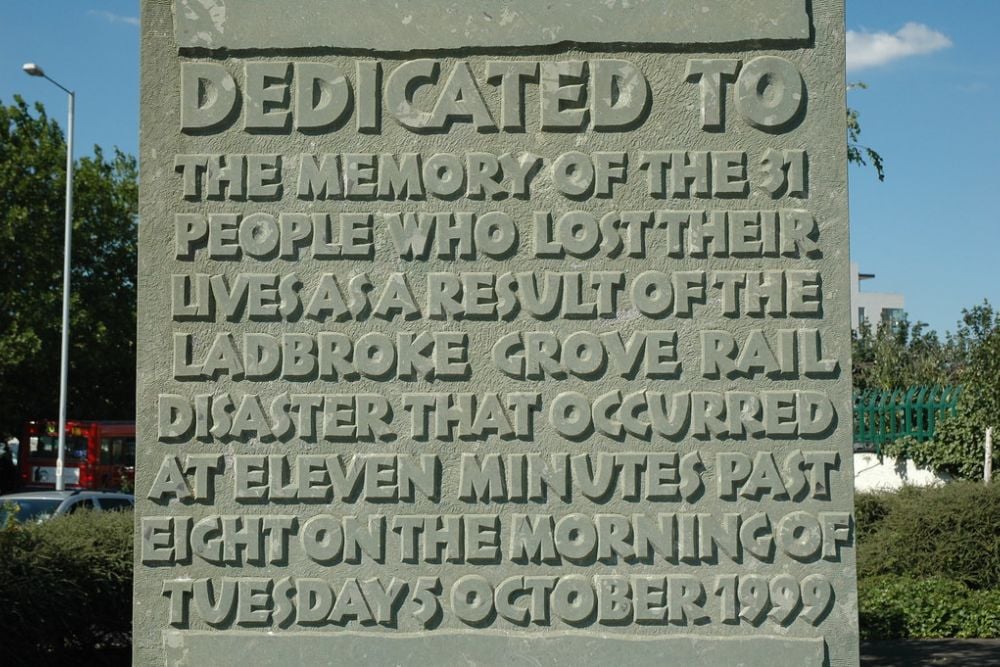
London’s morning rush hour turned deadly on October 5, 1999, when a Thames Trains driver passed a red signal and collided with an oncoming high-speed train. The accident killed 31 people and injured over 400, sparking intense debates about railway privatization and safety standards.
Critics argued that profit motives had compromised operational safety. Britain responded by implementing the Train Protection and Warning System across the entire rail network.
Chatsworth Train Collision
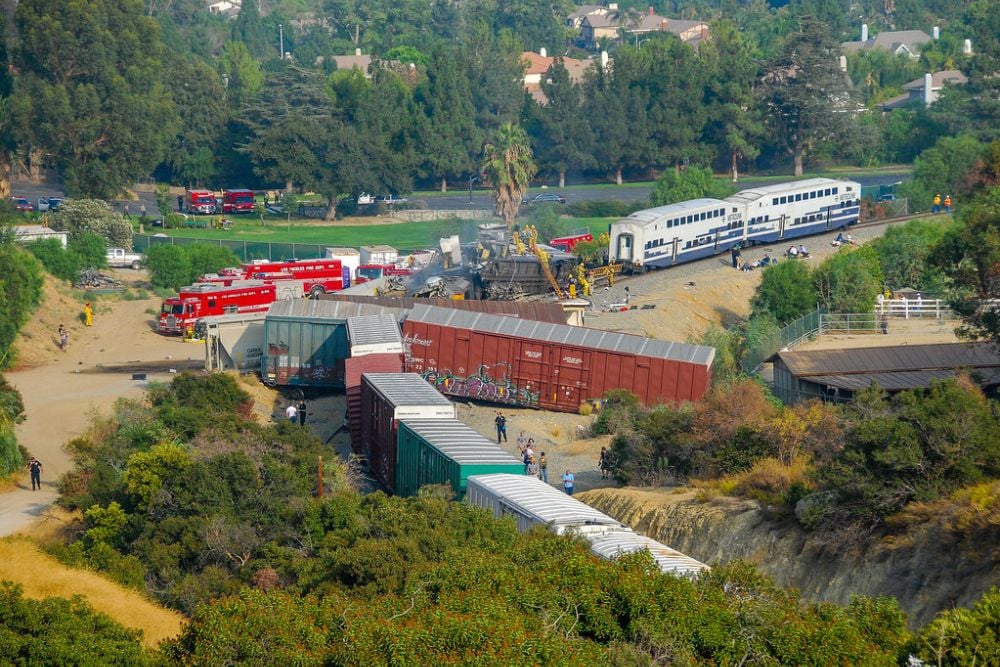
Personal electronic device use while operating trains became a deadly issue on September 12, 2008, when a Metrolink engineer in Los Angeles missed a red signal. The engineer was reportedly text messaging when his train collided head-on with a freight locomotive, killing 25 people and injuring 135 others.
This tragedy led to strict regulations prohibiting personal device use by train operators and accelerated implementation of Positive Train Control systems throughout the United States.
Steel Rails and Hard Lessons
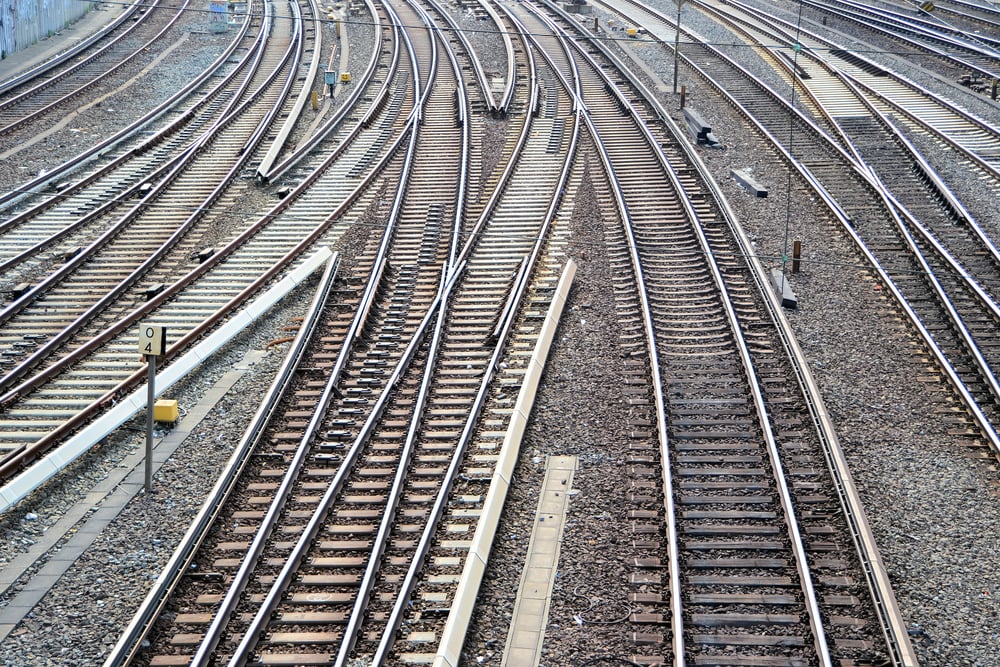
More than a century of railway disasters taught civilization some brutal truths about transportation safety. Every modern safety system exists because someone died when it wasn’t there—automatic brakes, sophisticated signaling, speed controls, and rigorous maintenance schedules all emerged from tragedy.
While trains remain among the safest forms of transportation, these historic disasters serve as permanent reminders that technological progress demands constant vigilance. Railway safety advances one accident at a time, and the human cost is always too high.
Like Go2Tutors’s content? Follow us on MSN.
More from Go2Tutors!

- 16 Historical Figures Who Were Nothing Like You Think
- 12 Things Sold in the 80s That Are Now Illegal
- 15 VHS Tapes That Could Be Worth Thousands
- 17 Historical “What Ifs” That Would Have Changed Everything
- 18 TV Shows That Vanished Without a Finale
Like Go2Tutors’s content? Follow us on MSN.