15 Record-Breaking Grammy Wins Of All Time
The Grammy Awards have been recognizing musical excellence for over six decades, and in that time, some victories have transcended mere recognition to become genuine cultural moments. These aren’t just wins that happened to break records — they’re the performances and achievements that redefined what was possible at music’s biggest night.
Some shattered long-standing barriers, others rewrote the history books with sheer volume, and a few managed to capture lightning in a bottle during live televised moments that millions still remember.
Beyoncé Becomes the Most Decorated Artist in Grammy History
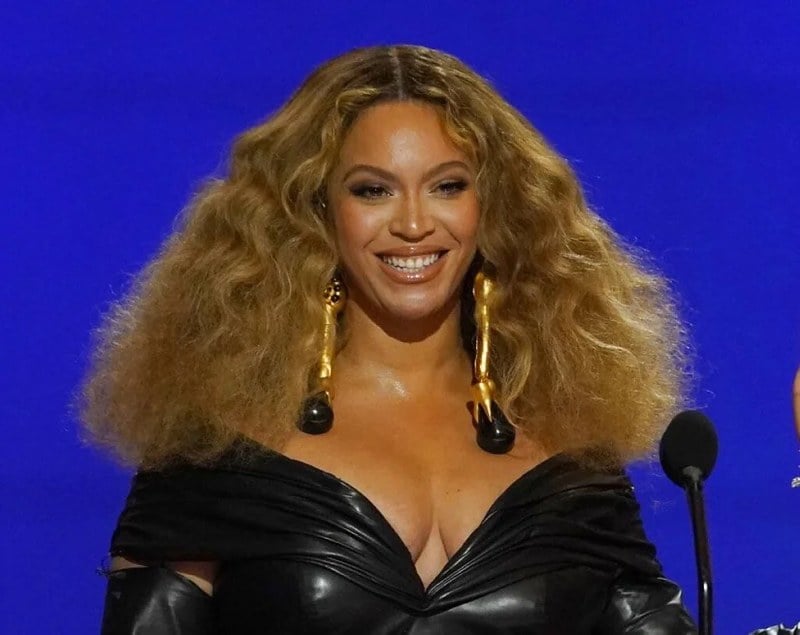
Beyoncé made Grammy history at the 65th Annual Grammy Awards in February 2023. With her win for Best Dance/Electronic Music Album for “Renaissance,” she surpassed classical conductor Georg Solti’s long-standing record of 31 Grammy wins.
The moment arrived quietly — no dramatic announcement, just the inevitable result of decades of excellence finally reaching its mathematical conclusion.
Michael Jackson’s Record-Breaking Night at the 26th Grammys
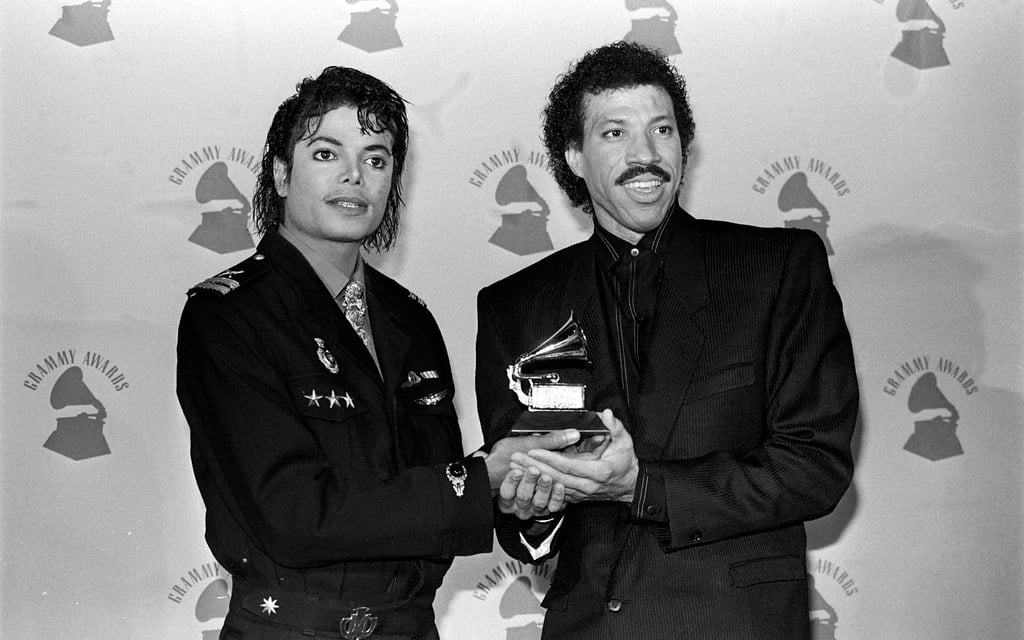
The 1984 Grammy ceremony belonged entirely to Michael Jackson, and everyone in that room knew they were watching something that would never happen again (which, as it turns out, was absolutely correct since no solo artist has managed to win eight Grammys in a single night since then, and most years barely produce eight truly great albums total). Jackson swept categories for “Thriller” — which was less an album than a cultural phenomenon that happened to be recorded on vinyl — taking home Record of the Year, Album of the Year, and Best Pop Vocal Performance, among others.
So complete was his dominance that other nominees probably started wondering why they bothered showing up.
Santana’s Supernatural Comeback
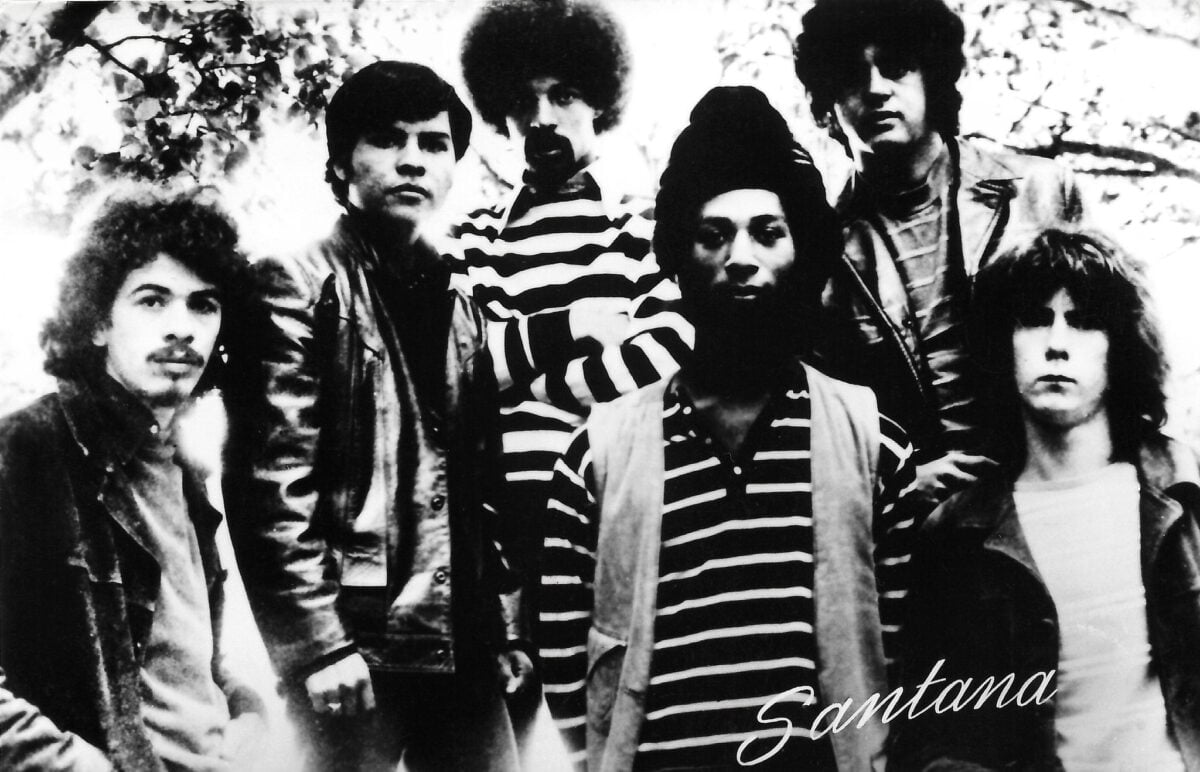
“Supernatural” wasn’t just an album title — it described what happened when Carlos Santana walked into the 1999 Grammy ceremony and collected eight awards in a single night. The album, featuring collaborations with artists like Rob Thomas and Lauryn Hill, tied Michael Jackson’s record for most Grammys won in one evening.
Santana had been making music for three decades at that point, but this felt less like recognition and more like the universe finally catching up to what guitar players had known all along.
Alison Krauss Claims Her Place Among Grammy Royalty

Alison Krauss holds the record for most Grammy wins by a female artist with 27 awards. Her voice carries the kind of precision that makes other singers quietly grateful they chose different genres.
She’s won Grammys as a solo artist, with Union Station, and through various collaborations, proving that excellence tends to be portable when it runs this deep.
Robert Plant and Alison Krauss Surprise Everyone

Their 2009 collaboration “Raising Sand” wasn’t supposed to happen, much less win six Grammy Awards including Album of the Year (and the fact that a folk-rock collaboration between a Led Zeppelin frontman and a bluegrass virtuoso somehow became the Grammy voters’ consensus choice says something interesting about how musical boundaries work when nobody’s paying attention to them). Plant and Krauss created something that belonged to neither of their established worlds, which turned out to be exactly what the Recording Academy was looking for.
But sometimes the most unexpected partnerships produce the most inevitable results.
Whitney Houston’s Debut Domination

Whitney Houston’s first Grammy win came in 1986 for “Saving All My Love for You,” but it was the way she won that broke new ground. She became one of the youngest artists to win Best Pop Vocal Performance, Female, and her performance that night reminded everyone why certain voices only come along once in a generation.
Houston’s win felt less like a surprise and more like the Recording Academy finally acknowledging what radio listeners already knew.
U2’s Multiple Album of the Year Wins

U2 has won Album of the Year twice — for “The Joshua Tree” in 1988 and “How to Dismantle an Atomic Bomb” in 2005. Few bands manage to capture the Grammy voters’ attention for Album of the Year even once.
U2 did it twice across different decades, which suggests their ability to reinvent themselves wasn’t just marketing speak.
The Beatles’ Posthumous Recognition
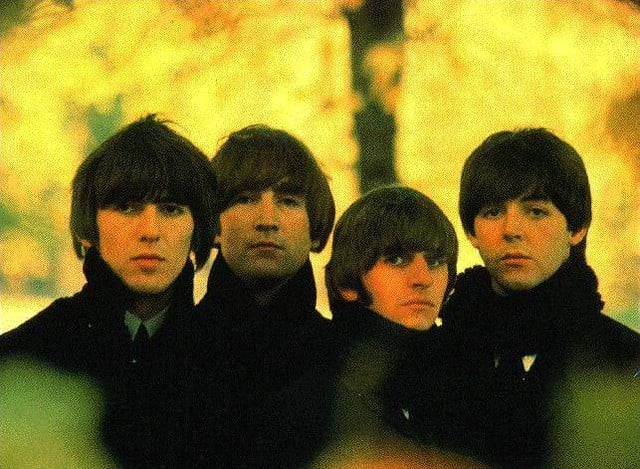
The Beatles won multiple Grammy Awards during their lifetime as an active band, including Best New Artist in 1965 — a recognition that came while they were still reshaping popular music. Yet it wasn’t until 1997 that “Anthology 1” won Best Historical Album, nearly three decades after they stopped recording together.
The gap between their greatest cultural impact and formal Grammy recognition might seem absurd, but it reflected the Recording Academy’s slow acknowledgment of what radio listeners had always understood: The Beatles had already redefined what was possible in popular music long before they officially joined the Grammy winners’ circle. And their influence on subsequent Grammy winners had been unmistakable from the moment they stopped recording.
Adele’s 21 Sweeps the Major Categories

At the 54th Grammy Awards in 2012, Adele’s “21” won all six categories in which it was nominated. The album took home Song of the Year, Record of the Year, and Album of the Year — the Grammy trifecta that most artists spend entire careers chasing.
Adele’s voice carries the kind of heartbreak that sounds like it was specifically designed for award shows, where emotional authenticity becomes a competitive advantage.
Norah Jones’ Surprise Clean Sweep

Norah Jones won five Grammy Awards at the 2003 ceremony, including Album of the Year for “Come Away With Me.” Her jazz-influenced debut came out of nowhere to dominate categories typically reserved for more established artists.
Jones proved that sometimes the Recording Academy gets it exactly right on the first try, which doesn’t happen often enough to be taken for granted.
Billie Eilish Makes History as the Youngest Artist to Win All Four General Field Categories

At 18, Billie Eilish became the youngest artist to win Record of the Year, Album of the Year, Song of the Year, and Best New Artist in the same year. “Bad Guy” and “When We All Fall Asleep, Where Do We Go?” swept the 2020 ceremony’s major categories.
Eilish’s whispered vocals and bedroom-produced tracks represented a complete departure from traditional Grammy winners, which made the sweep feel less like recognition and more like a changing of the guard.
Taylor Swift’s Folk Revolution

Taylor Swift’s “Folklore” won Album of the Year at the 2021 Grammy Awards, making her the first female artist to win the category two times. The album, recorded during pandemic lockdowns, abandoned Swift’s pop sound for introspective folk arrangements.
The win proved that artistic reinvention still matters more than commercial expectations, at least when the reinvention is this complete.
Arcade Fire’s Indie Rock Breakthrough

When Arcade Fire won Album of the Year for “The Suburbs” in 2011, many viewers had never heard of the band (which led to the amusing spectacle of confused tweets asking “Who is Arcade Fire?” trending alongside celebration of their victory, proving that Grammy surprise wins still have the power to expose the gap between critical consensus and popular awareness). Their win represented a rare moment when the Recording Academy chose artistic ambition over commercial appeal.
So naturally, everyone assumed it was a mistake until they actually listened to the album.
Bon Iver’s Unexpected Victory

Bon Iver’s self-titled album won Best Alternative Music Album at the 2012 Grammys, but it was Justin Vernon’s bewildered acceptance speech that made the moment memorable. He seemed genuinely surprised to be there, which felt appropriate for an album recorded in a remote Wisconsin cabin.
The win validated a new model of artistic success that had nothing to do with traditional industry structures.
H.E.R.’s R&B Renaissance
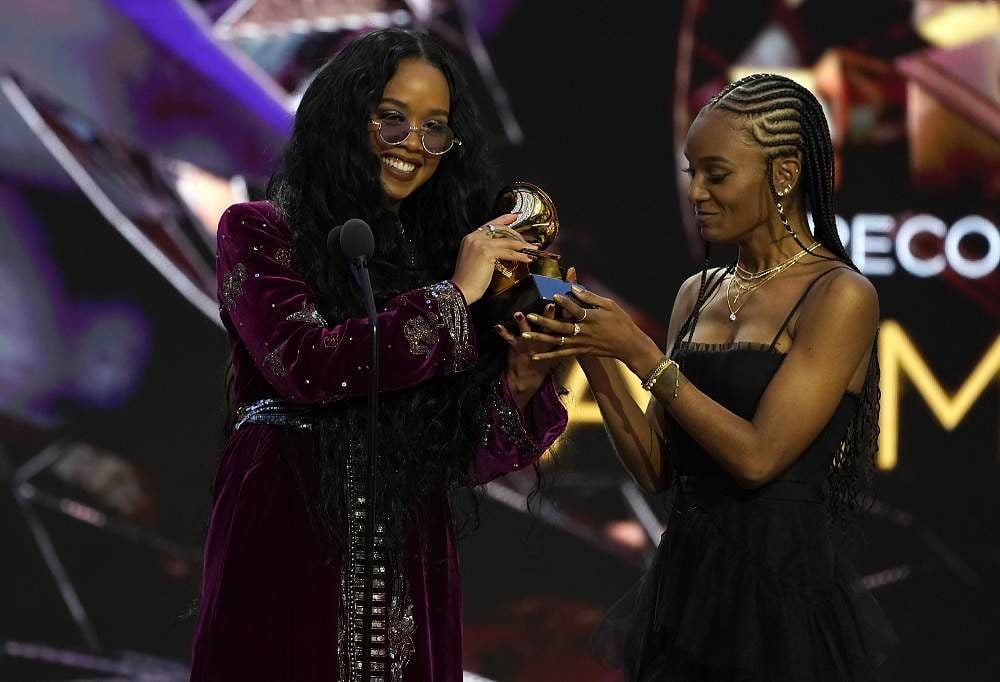
H.E.R. won Best R&B Performance and Best R&B Album at the 2019 Grammy Awards, but her impact extends beyond the specific categories. Her approach to R&B — guitar-driven, emotionally direct, unapologetically personal — helped redefine what the genre could sound like in the streaming era.
The wins felt like recognition of both individual excellence and broader musical evolution.
When Records Become Legacy

These Grammy moments share something beyond their record-breaking status — they captured artists at the precise intersection of artistic peak and cultural timing. The best Grammy wins don’t just recognize past achievement; they mark the moment when an artist’s work becomes unavoidable, when excellence demands acknowledgment regardless of industry politics or commercial considerations.
Some records are meant to be broken, but the performances and albums that set them tend to endure long after the numbers themselves become footnotes.
More from Go2Tutors!

- The Romanov Crown Jewels and Their Tragic Fate
- 13 Historical Mysteries That Science Still Can’t Solve
- Famous Hoaxes That Fooled the World for Years
- 15 Child Stars with Tragic Adult Lives
- 16 Famous Jewelry Pieces in History
Like Go2Tutors’s content? Follow us on MSN.



