15 Most Extravagant Royal Palaces Around the World
Royal palaces have always been more than just homes for kings and queens—they’re jaw-dropping displays of power, wealth, and artistic vision that took centuries to perfect. These magnificent structures showcase the finest craftsmanship, priceless artwork, and architectural innovations that still leave visitors speechless today.
From golden halls that stretch for football fields to rooms filled with enough treasure to fund small countries, these palaces represent the absolute pinnacle of human extravagance. Each palace tells a unique story of the civilization that built it, whether it’s the sun-soaked terraces of Spanish fortresses or the glittering ice-palace aesthetic of Russian imperial residences.
Here is a list of 15 of the most extravagant royal palaces that continue to dazzle millions of visitors each year.
Palace of Versailles
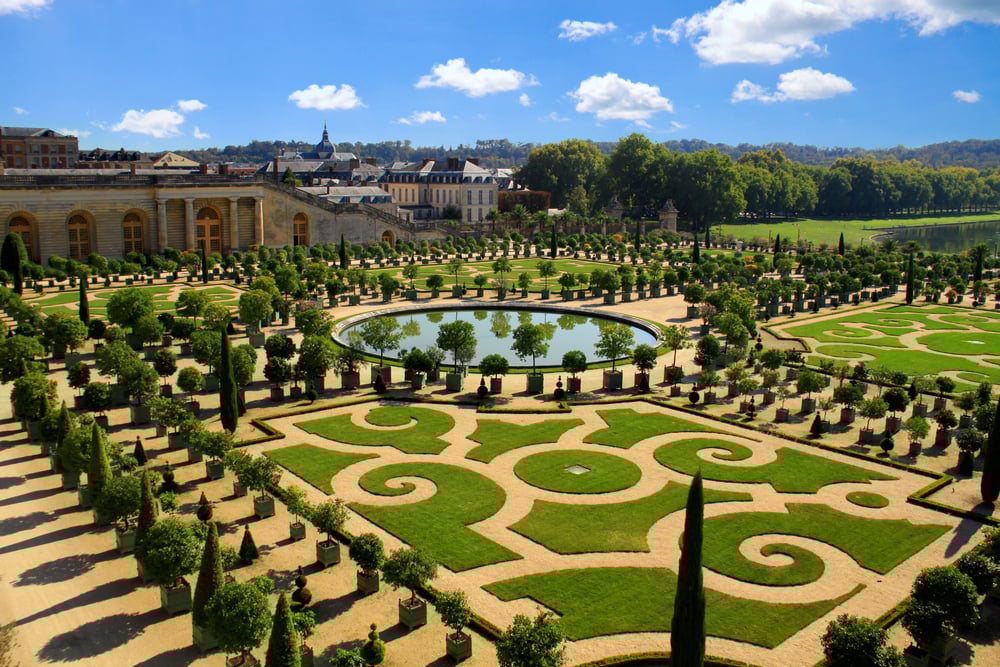
The Palace of Versailles stands as the ultimate symbol of royal excess, transforming from a simple hunting lodge into the most opulent residence in European history under King Louis XIV. The glittering Hall of Mirrors serves as the palace’s crown jewel, sparkling with chandeliers and housing around 5,000 pieces of antique furniture and 6,000 priceless paintings.
The palace became so synonymous with royal extravagance that angry peasants stormed it during the French Revolution, forever linking Versailles with the dangers of unchecked luxury.
Winter Palace
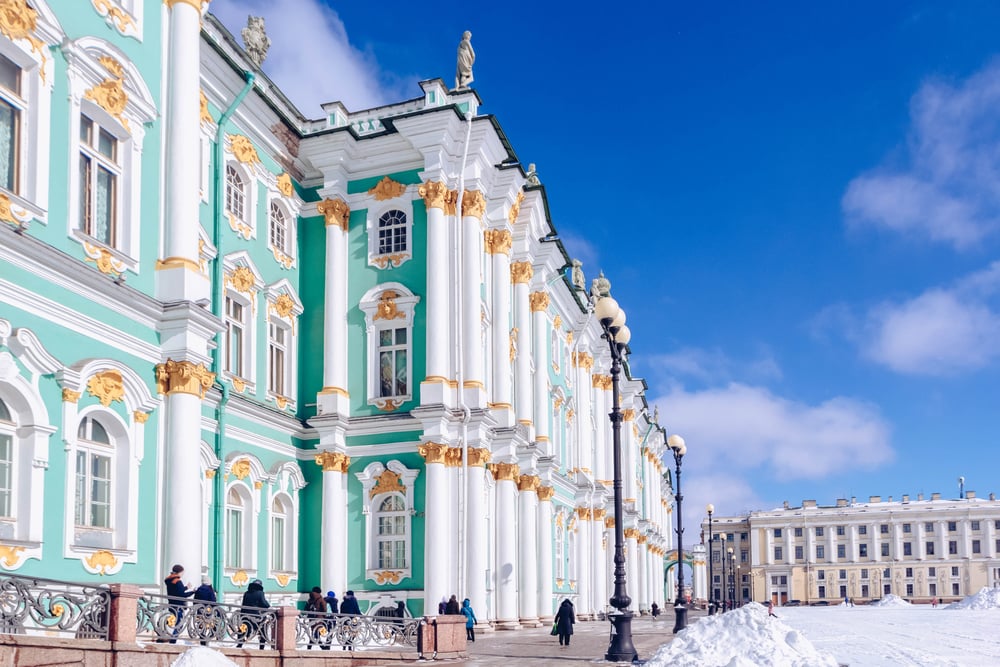
This Baroque masterpiece in St. Petersburg features a mint, gold and ivory exterior that looks like it popped straight out of a Wes Anderson movie, sprawling over 645,835 square feet. The interior contains a staggering 1,057 rooms, including the bold red Small Throne Hall dripping with velvet and gold, plus 1,945 windows and 1,786 doors.
The palace now houses Russia’s largest art museum, making it both a architectural wonder and a treasure trove of masterpieces.
Like Go2Tutors’s content? Follow us on MSN.
Forbidden City

According to the Guinness World Records, the Forbidden City holds the title of ‘largest palace in the world’. With almost 1,000 buildings and a rumored 9,999 rooms, this palace complex served as the exclusive domain of Chinese emperors for centuries.
The sheer scale becomes overwhelming when you realize that exploring every room would take you over 27 years if you spent just one day in each space.
Buckingham Palace

Beautiful Buckingham Palace remains one of the few working royal palaces in the world, serving as both office and residence for the British monarchy with its impressive 775 rooms. Visitors can explore the 19 State Rooms, which are furnished with treasures from the Royal Collection where grand ceremonies and events continue to take place.
The palace’s garden holds the distinction of being London’s largest private garden, creating a green oasis in the heart of the bustling city.
Neuschwanstein Castle

King Ludwig II of Bavaria commissioned this fairytale castle as a private retreat, building it with medieval aesthetics but equipped with the latest 19th-century technology including running water, flush toilets, and central heating. The Throne Room draws inspiration from Byzantine churches with its central dome and rich mosaics, while the Singers’ Hall showcases elaborate woodwork and vibrant frescoes.
Ironically, Ludwig only lived in his dream castle for 172 days before his mysterious death, leaving behind what would become one of the world’s most photographed buildings.
Like Go2Tutors’s content? Follow us on MSN.
Alhambra

The Alhambra served as a royal palace with exquisite gardens featuring beautiful walkways and fountains, showcasing an exuberant mixture of Moorish and Christian decorative styles. Its structures are elaborately decorated from floor-to-ceiling, making it easy to imagine royalty walking through the fragrant gardens.
The Court of the Lions remains the palace’s most famous feature, where intricate carvings and fountains create a mesmerizing blend of water, light, and Islamic artistry.
Topkapi Palace
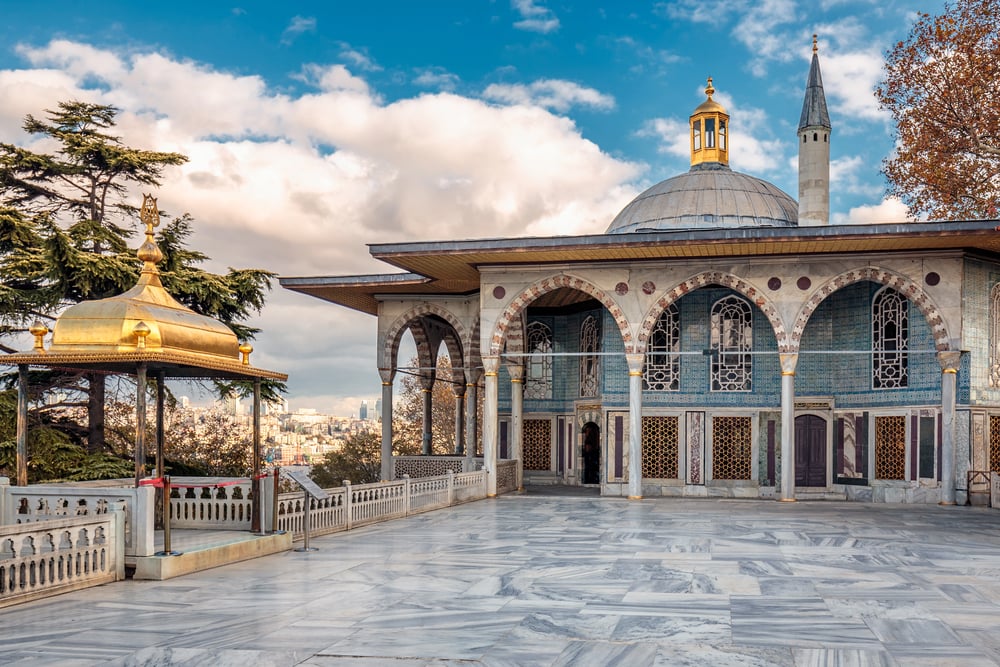
Set in a beautiful spot on the banks of the Bosphorus, Topkapi Palace served as the command center where sultans ruled over the Ottoman Empire for nearly 400 years. The palace boasts plenty of ornamented and ostentatious rooms featuring wonderful Islamic art and architecture, plus the glittering gems and jewels of the Imperial Treasury.
The Imperial Harem alone contains hundreds of rooms where the sultan’s wives and concubines lived in luxury that rivaled any European court.
Schönbrunn Palace

Painted a warm yellow color, this gorgeous Rococo palace served as the summer residence of the Habsburgs, with Emperor Franz Joseph I actually born within its walls. While only 40 of its 1,441 rooms are open to the public, these spaces are extravagantly decorated with beautiful ballrooms alongside resplendent artworks, tapestries, and sculptures.
The palace grounds include the world’s oldest zoo, which began as the imperial menagerie where Habsburg rulers collected exotic animals from across their vast empire.
Like Go2Tutors’s content? Follow us on MSN.
Grand Palace Bangkok
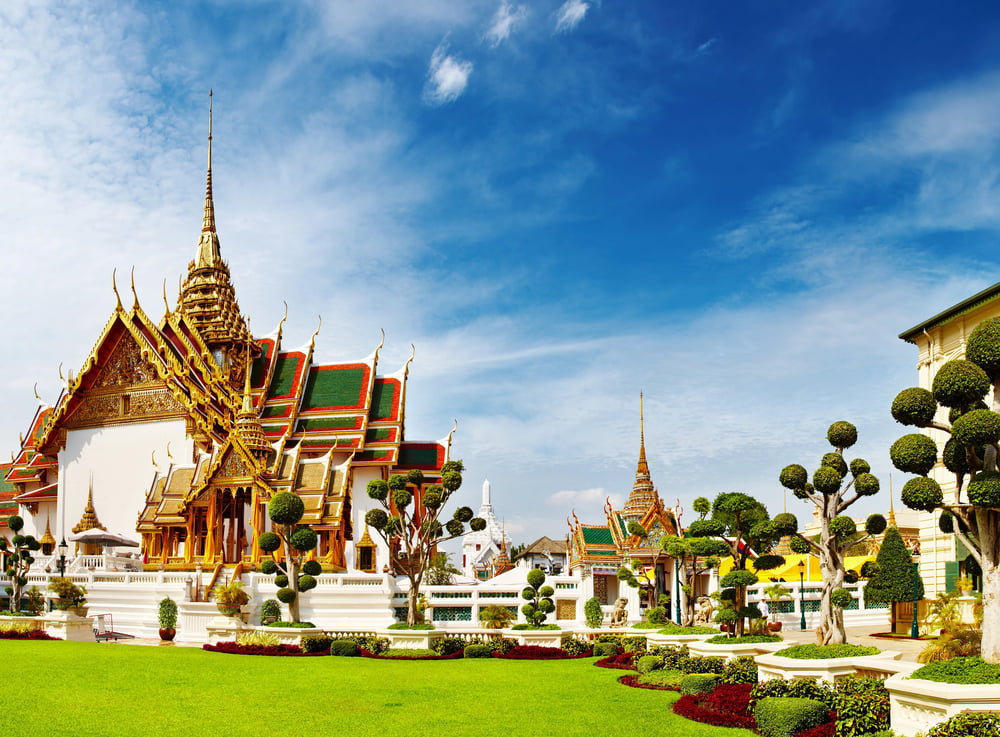
The Grand Palace has served as the official residence of Thai kings since 1782, though the royal family ceased living there in 1925. This sprawling complex of courts, temples and throne halls features as many as 100 buildings, most designed in traditional Ratanakosin style.
The Temple of the Emerald Buddha within the complex houses Thailand’s most sacred Buddhist sculpture, making the palace both a political and spiritual center.
Mysore Palace

Also known as Amba Vilas Palace, this stunning structure was constructed at a cost of Rs 41,47,913 in 1912 and now sees more than six million visitors annually. The palace is instantly identifiable with its grand archways flanked by rectangular pale-pink buildings and crowned with maroon-hued domes.
During the famous Dasara festival, the entire palace illuminates with nearly 100,000 light bulbs, creating a spectacle that transforms the night sky into a golden wonderland.
Peterhof Palace

Nicknamed ‘the Russian Versailles,’ Peterhof Palace certainly rivals the Sun King’s royal residence in terms of size, scale and splendor, sprawling over a vast area on the shores of the Gulf of Finland. Built between 1709 and 1756, the extravagant palace was commissioned by Peter the Great to symbolize the modernization and westernization of Russia.
The Grand Cascade fountain system contains 64 fountains and 255 bronze sculptures, creating a water display so magnificent that visitors often spend entire days just watching the choreographed streams.
Like Go2Tutors’s content? Follow us on MSN.
Royal Palace of Madrid
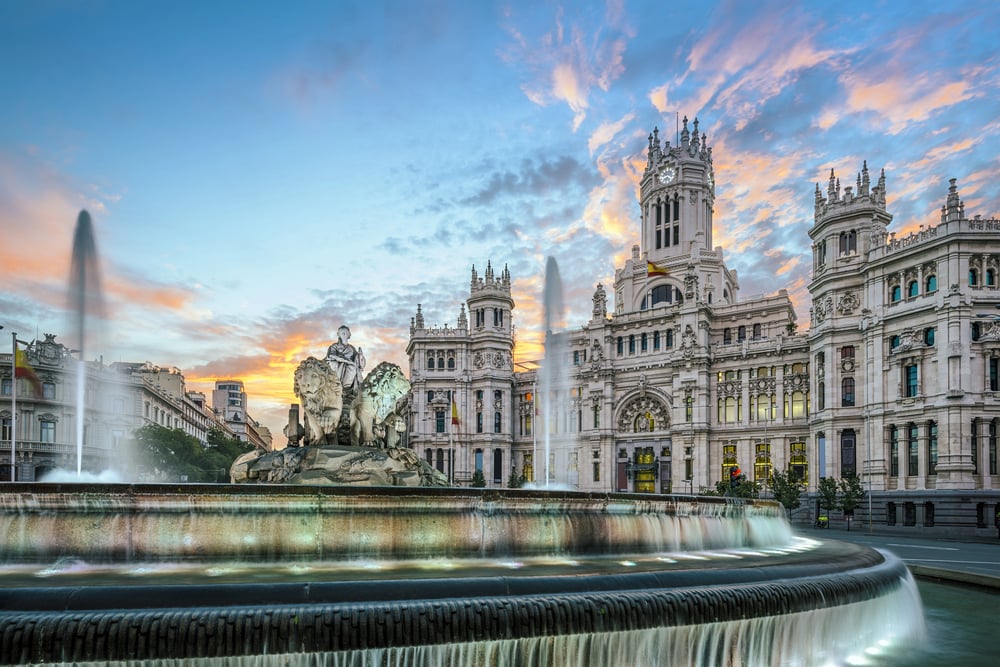
Nestled in the heart of Madrid, this majestic palace boasts an impressive 3,418 rooms, making it one of the largest palaces in Europe. Felipe V aimed to outdo every other European palace when he ordered its construction in the 1700s, though the baroque behemoth represents only a quarter of its originally planned size.
The palace’s interior showcases masterpieces by renowned Spanish artists including Velázquez, Goya, and Caravaggio, turning every room into a world-class art gallery.
Pena Palace

Emerging from a forest-clad hillside in the Sintra Mountains, this Romanticist-style palace features bright, Crayola-colored red and yellow buildings trimmed with refined white battlements. Built in the 19th century by King Ferdinand II, the palace represents the oldest European castle in the Romanticism style.
The palace’s wild color scheme and whimsical architecture make it look like something straight out of a children’s storybook, earning it recognition as one of Portugal’s most photographed landmarks.
Potala Palace

This iconic landmark of Tibet sits majestically on the Marpo Ri hill in Lhasa, serving as the winter residence of the Dalai Lamas until 1959. Built in the 7th century, the palace functioned as both the spiritual and temporal center of Tibetan Buddhism for over a millennium.
Rising 13 stories and containing over 1,000 rooms, the palace’s white and red buildings seem to grow organically from the mountain itself, creating one of the world’s most dramatic architectural silhouettes.
Like Go2Tutors’s content? Follow us on MSN.
Sanssouci Palace
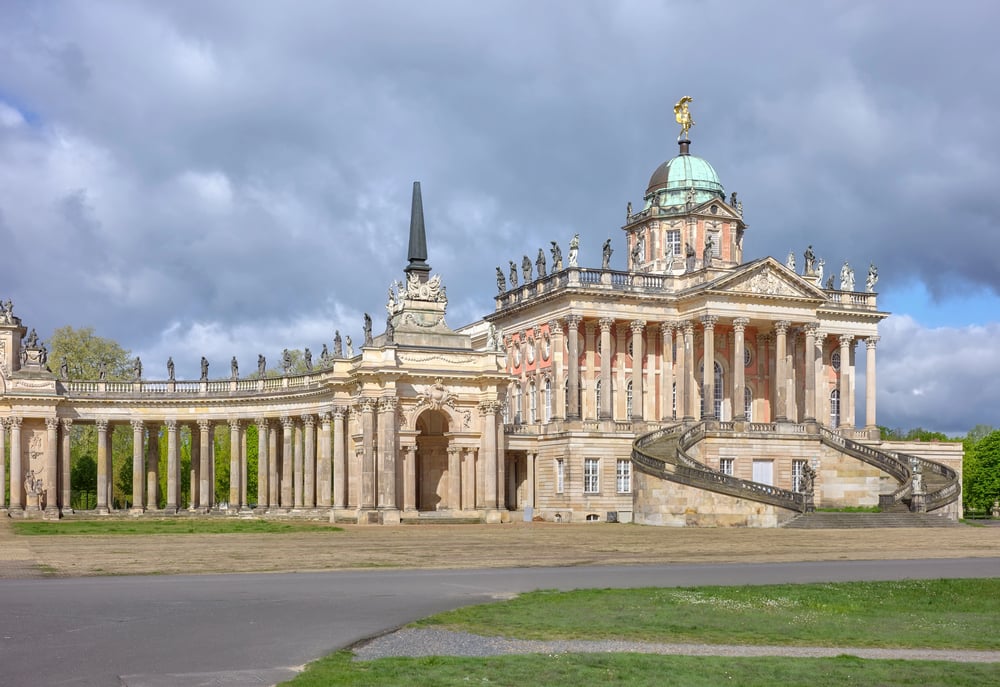
Translating to ‘without a care’ in French, Sanssouci served as exactly that for Prussian King Frederick the Great, who spent leisurely days here with his dogs. Built in an opulent Rococo style, the palace is often called the ‘Prussian Versailles,’ though it contains just ten main rooms compared to Versailles’ hundreds.
What the palace lacks in size, it makes up for in charm, with terraced vineyards cascading down the hillside and Frederick’s own grave positioned on the highest terrace overlooking his beloved retreat.
Royal Legacies in Modern Times

These extraordinary palaces represent more than just historical artifacts—they’re living testimonies to human ambition and artistic achievement that continue shaping our world today. Many still function as working government buildings, museums, or cultural centers, proving that their creators built for eternity rather than mere moments.
While the age of absolute monarchy has largely passed, these magnificent structures remind us that some human creations transcend their original purpose to become eternal sources of wonder and inspiration.
More from Go2Tutors!

- 16 Historical Figures Who Were Nothing Like You Think
- 12 Things Sold in the 80s That Are Now Illegal
- 15 VHS Tapes That Could Be Worth Thousands
- 17 Historical “What Ifs” That Would Have Changed Everything
- 18 TV Shows That Vanished Without a Finale
Like Go2Tutors’s content? Follow us on MSN.



