11 Once-Powerful Empires That Left Almost No Trace Behind
History remembers the mighty Roman Empire with its lasting roads and aqueducts, and the Egyptian dynasties with their imposing pyramids. Yet some empires that once controlled vast territories and millions of people have nearly vanished from our collective memory, leaving archaeologists and historians with mere fragments of their existence.
These forgotten powers shaped civilizations, controlled trade routes, and built magnificent cities—only to disappear so thoroughly that modern observers might doubt they ever existed. Here is a list of 11 once-dominant empires that left surprisingly little evidence of their former glory, despite their significant impact on the ancient world.
The Mitanni Kingdom
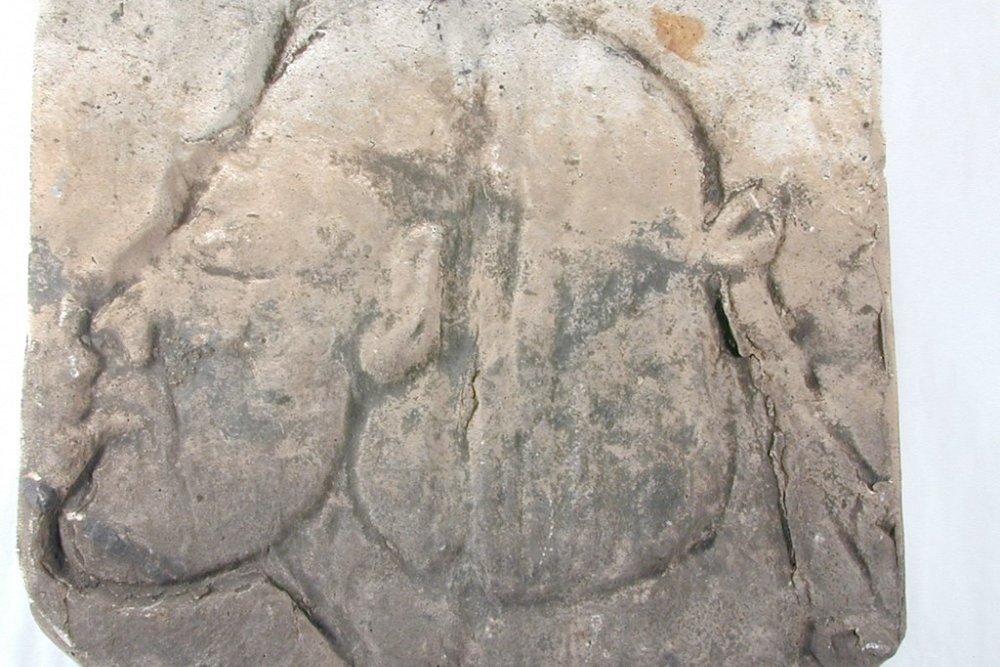
From 1500 to 1300 BCE, the Mitanni dominated most of what is now Syria, Iraq, and Turkey. They were strong enough at their height to keep control over important commercial routes linking Mesopotamia with the Mediterranean and trade diplomatic presents with Egyptian pharaohs.
Though much evidence of their existence comes from diplomatic correspondence kept in other empires’ archives and scattered archeological relics, the Mitanni left essentially no great architecture despite their significance. Scholars still find great gaps in knowledge about this once-great Bronze Age nation as their capital city of Washukanni is still missing today.
The Hephthalite Empire

Sometimes called the White Huns, the Hephthalites controlled territories stretching from eastern Iran to northwestern India between the 5th and 7th centuries CE. These nomadic conquerors were powerful enough to defeat the Sassanian Persian Empire repeatedly and extract enormous tributes.
They controlled the lucrative Silk Road trading network and influenced Central Asian politics for generations. Yet they left behind almost no written records of their own, and archaeological evidence is limited primarily to coins and scattered references in Chinese, Indian, and Persian texts.
Their language, culture, and even ethnic origins remain subjects of scholarly debate.
The Kingdom of Aksum

From the 1st to the 8th centuries CE, Aksum, then what is now Ethiopia and Eritrea, was a major commercial empire. It produced its own coins, oversaw Red Sea trade routes, and was cited as a major regional power in both Roman and Persian sources.
Even a Persian envoy called Aksum one of the four best empires in the world. Despite their importance, archaeological remains mostly consist of the ruins of the capital city and a few stone monuments known as stelae.
The unexpected fall of the empire about the eighth century CE has left historians with more puzzles than answers about this great African civilization.
The Xiongnu Confederation

Before the rise of the Mongol Empire, the Xiongnu dominated the eastern Eurasian Steppe from the 3rd century BCE to the late 1st century CE. These formidable nomadic warriors were such a threat that the Chinese built early sections of the Great Wall specifically to defend against them.
The Xiongnu controlled territories across modern Mongolia, Russia, and parts of China, creating a sophisticated political system that united diverse tribes. Despite their power and influence, they left almost no physical structures, with archaeological evidence limited to burial sites.
Some historians believe they may have been related to the later European Huns, but a definitive connection remains elusive.
The Khazar Khaganate

From the 7th to the 11th century CE, the Khazars controlled areas between the Black and Caspian Seas, building a strong commercial empire that shaped early medieval trade routes. Its religious tolerance and the conversion of its governing class to Judaism were especially remarkable.
The Khazars were rich enough to build brick fortifications all over their domain and developed sophisticated metropolitan cities. Though much knowledge comes from Arab, Byzantine, and Persian chronicles, very little archeological evidence of Khazar cities exists despite their regional predominance.
Their capital city, Atil, has never been exactly found; perhaps erased by shifting Caspian Sea water levels.
The Wari Empire

Before the rise of the Incas, the Wari controlled much of the Andean highlands in what is now Peru from 600 to 1000 CE. They built an extensive network of roads, terraced agriculture, and urban centers across difficult mountain terrain.
The Wari developed sophisticated textile arts and spread their distinctive architectural style across western South America. Despite controlling an area comparable to the later Inca Empire, the Wari left relatively few physical remains, and their collapse around 1000 CE remains poorly understood.
Most modern tourists visit Machu Picchu without realizing that an earlier Andean empire laid the groundwork for many innovations later adopted by the Incas.
The Tangut Western Xia Empire

Established in northwestern China in the 11th century, the Tangut created a sophisticated civilization with a unique writing system containing over 6,000 characters. Their empire controlled key sections of the Silk Road trading network and accumulated vast wealth from commerce.
The Tanguts produced numerous Buddhist texts and artwork showing a blend of Tibetan, Chinese, and Central Asian influences. When Genghis Khan’s Mongol forces destroyed their capital in 1227, they effectively erased most physical evidence of Tangut civilization.
Only in recent decades have archaeologists begun uncovering remnants of their cities, while linguists continue working to decipher their complex written language.
The Nabataean Kingdom
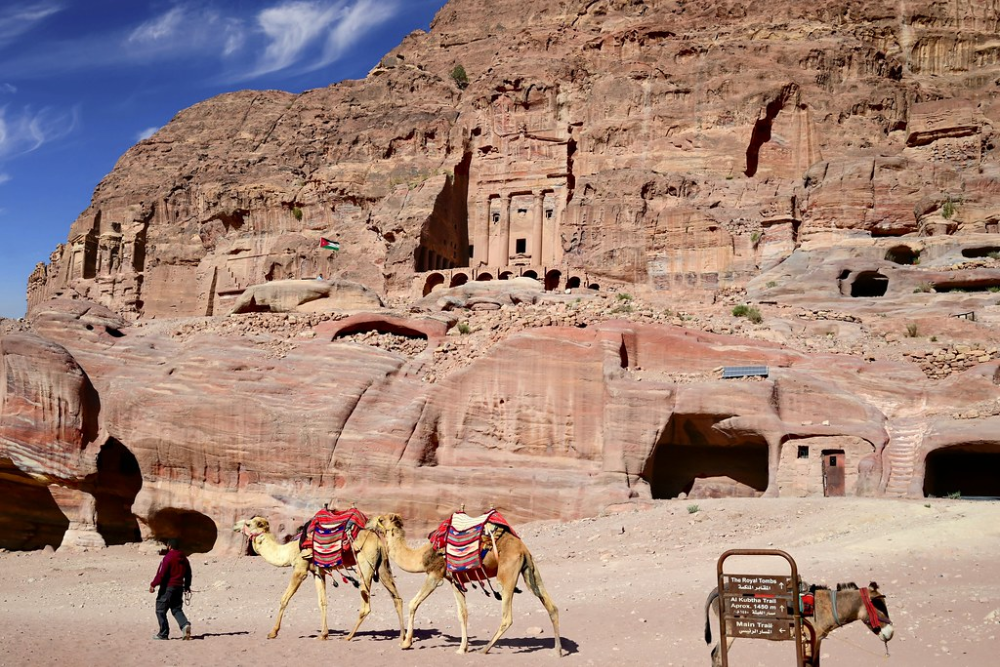
The Nabataeans controlled trade routes across the Arabian Peninsula from their capital at Petra from the 4th century BCE until Roman annexation in 106 CE. They grew fabulously wealthy by controlling the spice and incense trade, developing sophisticated water management systems that allowed them to thrive in desert environments.
Apart from the rock-cut monuments at Petra and a few other sites, much of Nabataean civilization has vanished. Their distinctive script evolved into Arabic writing, but most of their literature and records have been lost.
Their architectural and engineering achievements were so thoroughly incorporated into later Roman infrastructure that many visitors to the region remain unaware of Nabataean origins.
The Avars Khaganate

From the sixth to the ninth centuries CE, the Avars ruled over areas including modern Hungary, Romania, and the Balkans, so dominating Central Europe. Skilled riders, these wandering fighters paid respect to the Byzantine Empire and shaped Slavic migration.
Over 200 years, they ruled a sizable area yet left very little aside except for burial sites bearing gold ornaments. Their communities were mostly constructed of earth and wood, materials hardly likely to last centuries.
After losses by Charlemagne’s army in about 800 CE, their empire fell fast, and their cultural identity apparently disappeared over the years.
The Elam Civilization

Elam flourished in what is now southwestern Iran from approximately 3200 BCE to 539 BCE, making it one of the world’s oldest civilizations. At various points in their long history, the Elamites were powerful enough to sack Babylon and challenge Mesopotamian powers like Assyria and Babylon.
They developed a unique writing system and created distinctive architectural styles. Despite their longevity and cultural achievements, relatively little Elamite architecture remains, and their language and writing system are only partially understood.
Their cities were repeatedly destroyed by various conquerors, leaving modern archaeologists with tantalizing fragments of a once-mighty civilization.
The Kingdom of Van (Urartu)

Centered around Lake Van in eastern Turkey, the Kingdom of Van (known to Assyrians as Urartu) flourished between the 9th and 6th centuries BCE. They built impressive fortresses in mountainous terrain and developed sophisticated metalworking techniques that influenced later Persian designs.
The Urartians created an irrigation system so effective that some channels continued functioning until modern times. Despite these achievements, they left relatively few remains compared to contemporaries like Assyria.
Their sites were heavily looted in ancient times, and many mountain fortresses remain difficult for archaeologists to access. Their language, related to Hurrian, is only partially deciphered.
Whispers in the Wind

These vanished empires remind us that political and military might doesn’t guarantee historical remembrance. Some civilizations that once controlled vast territories and commanded armies of thousands have faded to mere footnotes in history books.
The factors behind their disappearance vary widely—from environmental catastrophes and changing trade patterns to deliberate destruction by conquerors and the simple decay of wooden or mud-brick structures. For modern archaeologists, these ghostly empires present both frustrating gaps in our understanding and exciting opportunities for discovery, as new technologies and excavations occasionally bring fragments of their stories back to light.
More from Go2Tutors!

- The Romanov Crown Jewels and Their Tragic Fate
- 13 Historical Mysteries That Science Still Can’t Solve
- Famous Hoaxes That Fooled the World for Years
- 15 Child Stars with Tragic Adult Lives
- 16 Famous Jewelry Pieces in History
Like Go2Tutors’s content? Follow us on MSN.



