12 Monastery Stays That Advanced Medical Knowledge
Throughout history, monasteries served as more than places of worship and contemplation. These religious communities became unexpected centers of medical innovation, where monks and nuns quietly revolutionized healthcare while the outside world remained largely illiterate and superstitious about medicine. Their dedication to caring for the sick—combined with access to ancient texts and a structured approach to learning—created the perfect environment for medical breakthroughs.
Here is a list of 12 monastery stays that significantly advanced medical knowledge and shaped the foundation of modern healthcare.
Monte Cassino Abbey
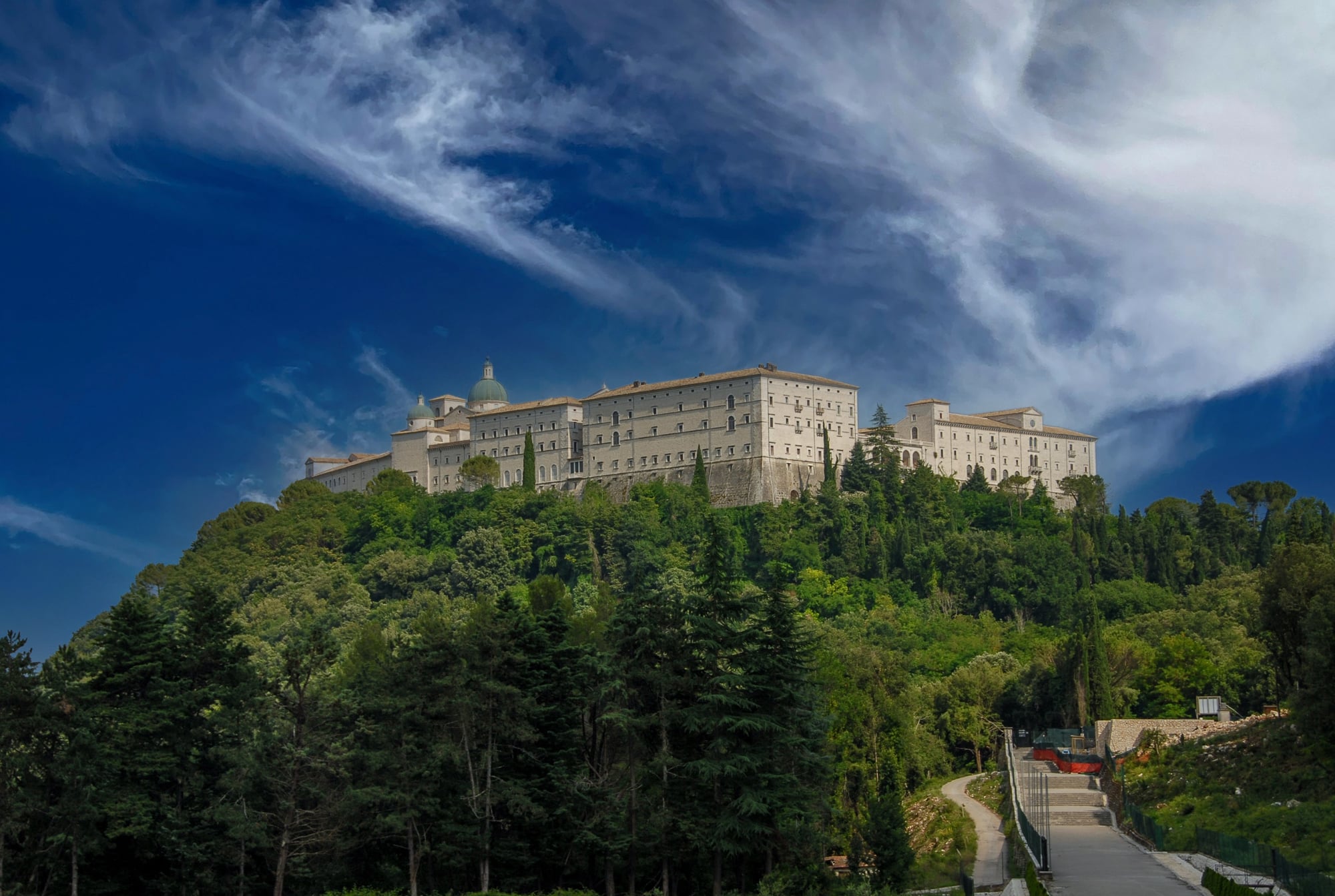
Monte Cassino Abbey in Italy became a powerhouse of medical learning during the early Middle Ages, though the Benedictine monks here weren’t just praying all day. They systematically studied Greek and Roman medical texts that had been lost to much of Europe.
Their library contained works by Hippocrates and Galen, carefully copied and preserved for future generations. The monastery’s infirmary became a testing ground for treatments—monks documented what worked with scientific precision that was rare for the time.
Cluny Abbey
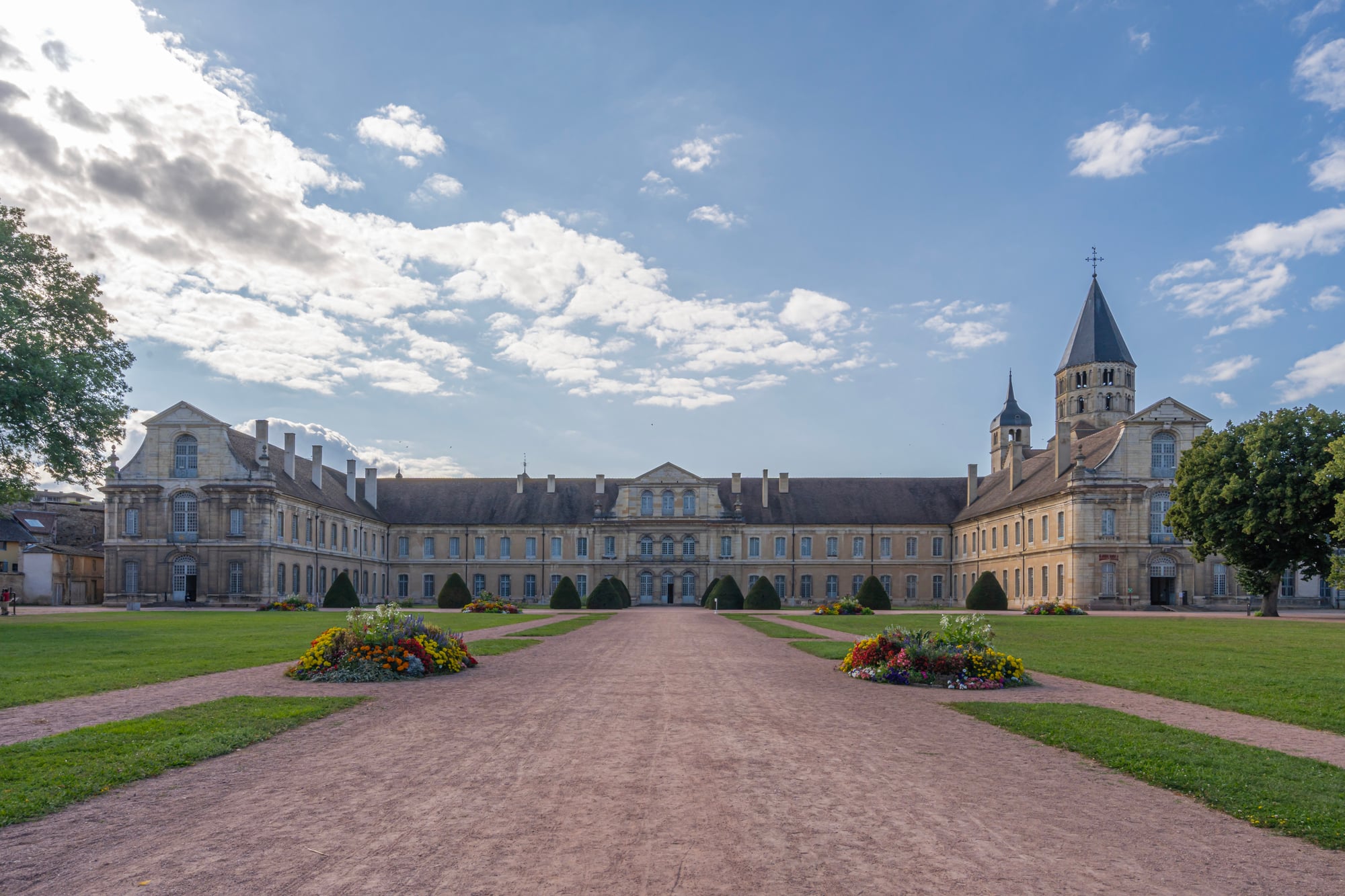
The French monastery of Cluny established one of Europe’s most sophisticated medical schools in the tenth century, yet its approach differed from typical medieval education. Monks here developed detailed anatomical knowledge through their care of fellow religious and local populations.
They created comprehensive herbal remedies while documenting surgical procedures that wouldn’t be matched in secular medicine for centuries. Their approach combined religious devotion with practical medical experimentation—producing treatments that actually worked rather than relying solely on prayer.
Reichenau Monastery

Located on an island in Lake Constance, Reichenau Monastery became famous for its medical manuscripts and innovative treatments. The monks cultivated extensive medicinal gardens—developing new techniques for preparing pharmaceutical compounds.
They were among the first to systematically document the effects of different herbs on various ailments, though they probably never imagined their careful notes would influence medicine centuries later. Their work laid the groundwork for modern pharmacology.
Like Go2Tutors’s content? Follow us on MSN.
St. Gall Abbey
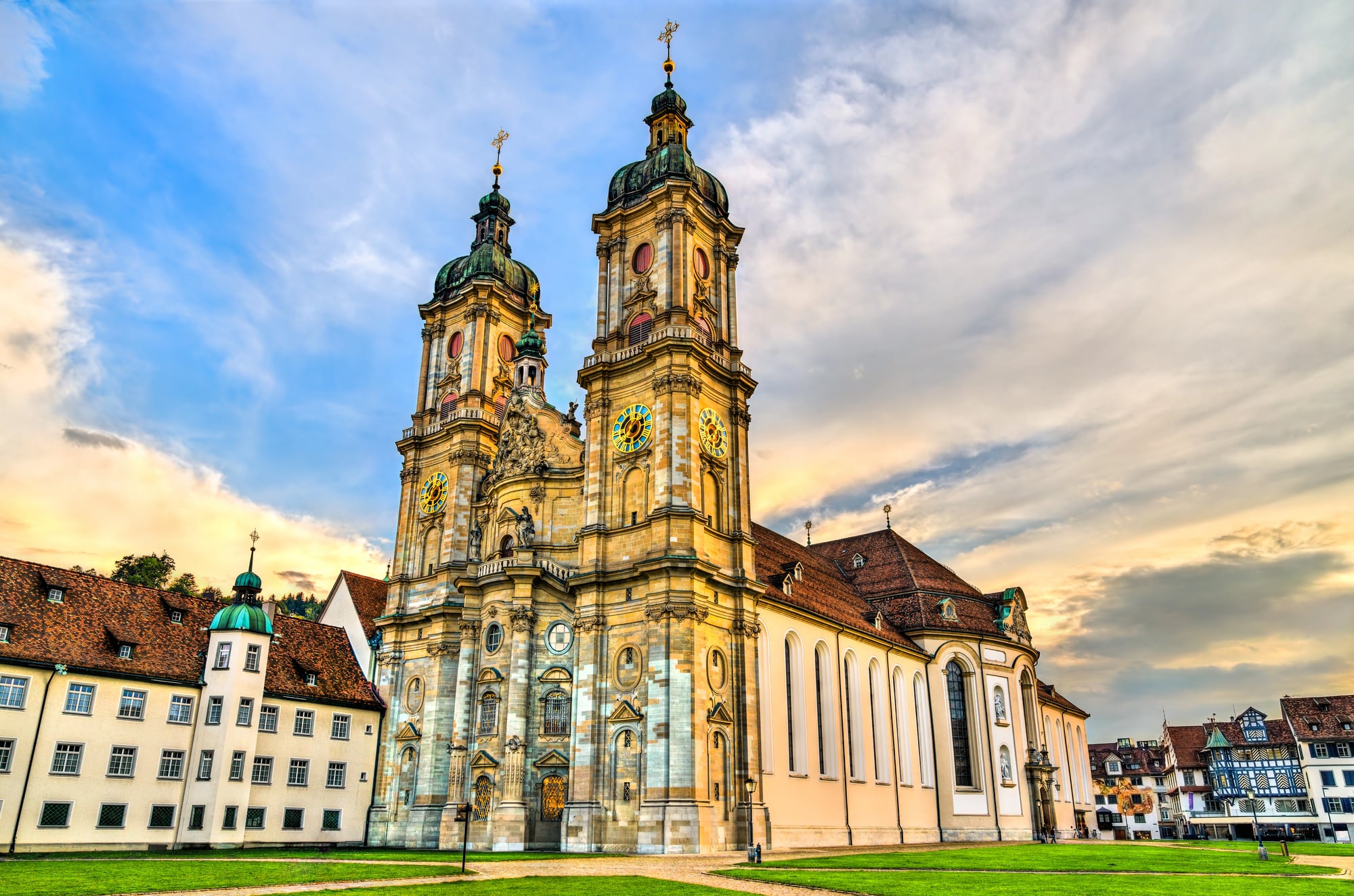
Swiss monastery St. Gall revolutionized medieval surgery through its practical approach to medical care, yet the monks here weren’t squeamish about getting their hands dirty. They performed complex operations and documented their techniques in detailed illustrated manuscripts.
Their library contained surgical texts that included step-by-step procedures for everything from cataract removal to bone setting—while the monastery’s plan even included a specialized hospital building. This showed how seriously they took medical care.
Fulda Abbey
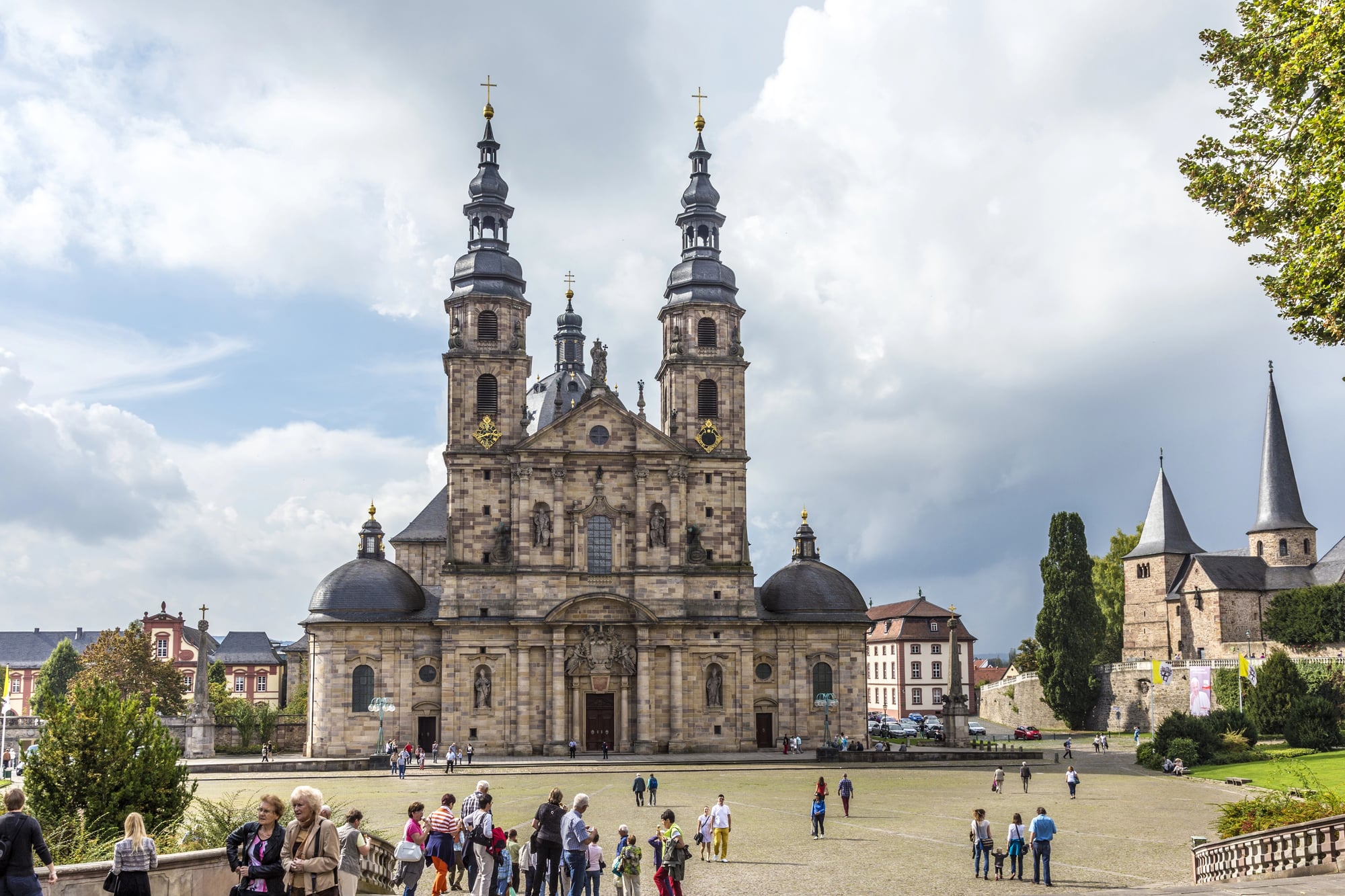
Fulda Abbey in Germany became a center for medical translation and innovation during the Carolingian Renaissance. The monks translated Arabic medical texts into Latin—bringing Islamic medical knowledge to Christian Europe.
They established one of the first systematic approaches to medical education, where younger monks learned through hands-on experience in the infirmary rather than just reading dusty texts. Their work bridged the gap between ancient medical knowledge and medieval practice.
Corbie Abbey

The French monastery of Corbie developed groundbreaking techniques in mental health treatment during the ninth century, though their methods differed drastically from harsh approaches used elsewhere. Unlike other institutions, the monks here treated mental illness with compassion and practical care.
They documented different types of mental conditions—developing therapeutic approaches that emphasized rest, proper nutrition, and gentle care. Their methods were remarkably modern, focusing on the patient’s overall well-being rather than punishment.
Like Go2Tutors’s content? Follow us on MSN.
Abbey of Saint-Denis

Near Paris, the Abbey of Saint-Denis became renowned for its innovative approach to eye surgery and vision problems that plagued medieval populations. The monks developed new techniques for treating cataracts and other eye conditions—creating specialized instruments with remarkable precision.
They documented their procedures so thoroughly that other monasteries sent monks to study their techniques, spreading medical knowledge across Europe.
Glastonbury Abbey

Glastonbury Abbey in England pioneered holistic medical approaches that combined physical treatment with psychological care, recognizing that healing involved more than just treating symptoms. The monks addressed the whole person—developing comprehensive treatment plans that included proper nutrition, exercise, and mental stimulation.
Their approach was centuries ahead of mainstream medicine, which typically focused on single symptoms rather than overall health.
Abbey of Bec

The Norman monastery of Bec advanced surgical knowledge through its systematic approach to medical documentation, though monks here went beyond simple record-keeping. They kept detailed records of every procedure—noting what worked and what failed.
The abbey developed new suturing techniques and improved methods for treating wounds, while their careful documentation created a body of surgical knowledge that influenced medical practice throughout medieval Europe.
Like Go2Tutors’s content? Follow us on MSN.
Hirsau Abbey

Hirsau Abbey in Germany became a leader in pharmaceutical development during the eleventh century. The monks established extensive medicinal gardens and developed new methods for extracting and concentrating active compounds from plants.
They created standardized preparations that ensured consistent dosing and effectiveness, working with mortars and pestles rather than industrial equipment. Their work laid the foundation for modern pharmaceutical manufacturing.
Melk Abbey

Austrian monastery Melk Abbey became famous for its advances in geriatric medicine and care of the elderly. The monks developed specialized treatments for age-related conditions while creating comprehensive care plans for aging members of their community.
They documented the progression of various diseases and developed palliative care techniques that emphasized comfort and dignity. Their approach to elder care was remarkably progressive for medieval times.
Sénanque Abbey

Located in Provence, Sénanque Abbey advanced aromatherapy and essential oil medicine through its lavender cultivation and processing. The Cistercian monks here didn’t just grow lavender for its pleasant scent.
They systematically studied its medicinal properties while developing extraction techniques and documenting the therapeutic effects of various aromatic compounds. Their work contributed to our understanding of how scents and oils can affect both physical and mental health.
Like Go2Tutors’s content? Follow us on MSN.
The Enduring Legacy of Monastic Medicine

These monastery stays created a medical revolution that quietly transformed healthcare across medieval Europe. While universities were still teaching outdated theories, monks and nuns were developing practical treatments based on careful observation and documentation.
Their combination of compassion, scientific curiosity, and systematic record-keeping established principles that continue to guide medical practice today. The next time you visit a modern hospital, remember that many of its founding principles were first developed by religious communities who saw healing as both a spiritual calling and a scientific discipline.
More from Go2Tutors!

- 16 Restaurant Chains That Went Too Fast
- 12 Things Sold in the 80s That Are Now Illegal
- 15 VHS Tapes That Could Be Worth Thousands
- 17 Historical “What Ifs” That Would Have Changed Everything
- 18 TV Shows That Vanished Without a Finale
Like Go2Tutors’s content? Follow us on MSN.



