Facts About Reindeer That Are Truly Fascinating
Reindeer live in some of the coldest places on Earth, yet they thrive where most animals would struggle to survive. These creatures have adapted to extreme conditions in ways that seem almost impossible.
From their unique physical features to their surprising behaviors, reindeer possess characteristics that set them apart from nearly every other animal on the planet. They’ve developed solutions to problems that would stump even the smartest engineers. Most people only think about reindeer during the holiday season, but these animals deserve attention year-round. Their real-life abilities are far more interesting than any story could make them.
Both male and female reindeer grow antlers

Reindeer stand out as the only deer species where females grow antlers alongside males. Most deer species reserve antlers exclusively for males, but reindeer females need them for a practical reason.
During harsh winter months when food becomes scarce, pregnant females use their antlers to compete for food by digging through snow to reach the lichen underneath. Male reindeer shed their antlers in late fall after mating season ends, while females keep theirs until spring after giving birth. This timing matters because it means Santa’s reindeer, if they have antlers in December, would technically all be female or young males.
Their eyes change color with the seasons

Reindeer eyes shift from gold in summer to blue in winter, a transformation that helps them survive in the Arctic. The color change happens because a tissue layer behind the retina called the tapetum lucidum changes its structure in response to light levels.
During the continuous darkness of Arctic winters, the blue reflection helps reindeer see better in dim conditions by capturing more light. This adaptation gives them about 1,000 times more sensitivity to light than humans have. The golden summer color returns when daylight becomes abundant again, protecting their eyes from the intense brightness of the midnight sun.
They can see ultraviolet light
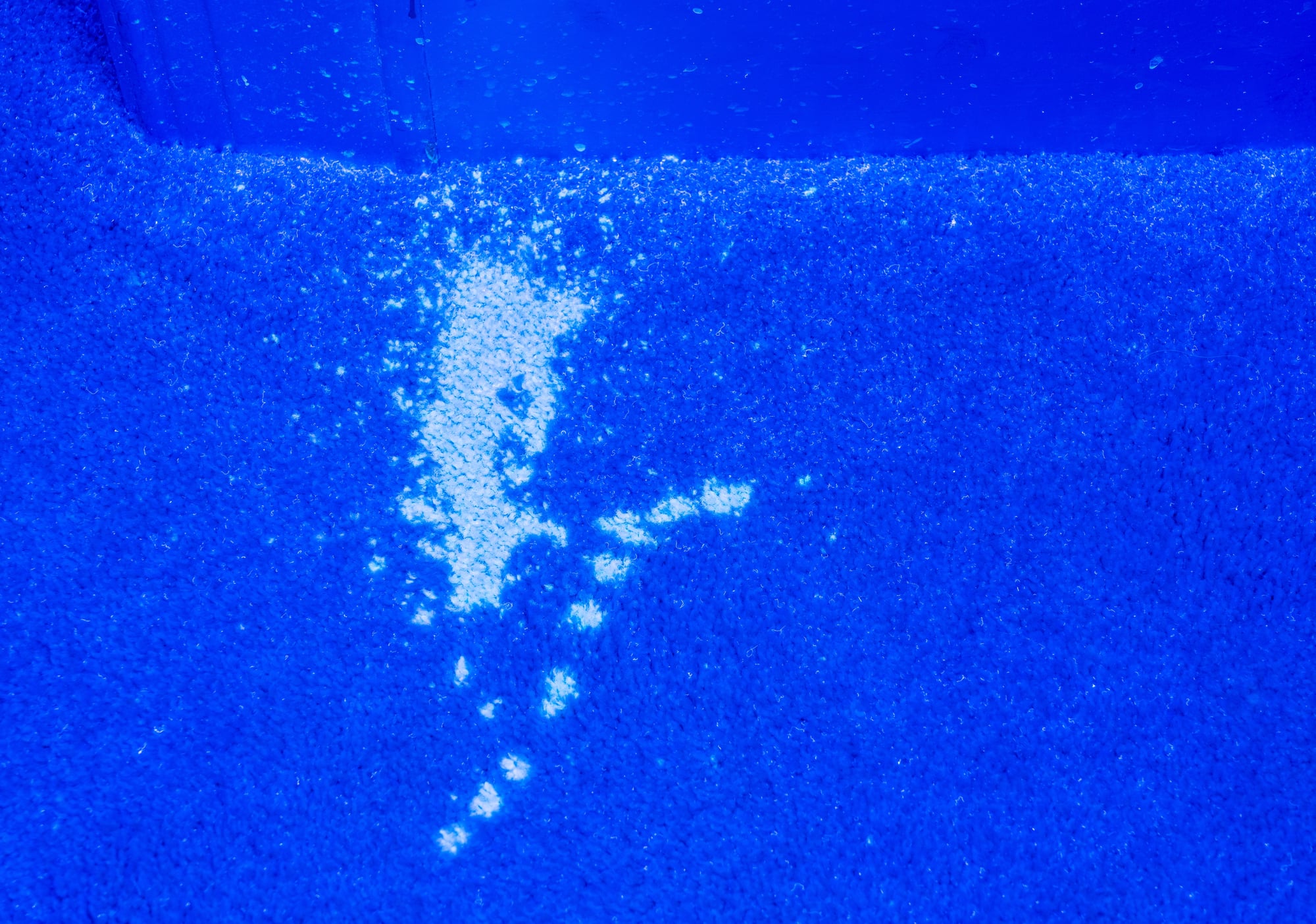
Reindeer possess the rare ability to detect ultraviolet light, which most mammals cannot see. This skill proves incredibly useful in their snowy environment where everything appears white to human eyes.
UV vision allows reindeer to spot predators like wolves, whose fur absorbs UV light and appears dark against the bright snow. They can also locate their favorite food, lichen, which absorbs UV light and stands out from the reflective snow. Arctic hares and urine trails from other animals also show up clearly in UV, giving reindeer information that remains invisible to most other creatures.
Their hooves change with the seasons

Reindeer hooves adapt to provide the right traction for different seasons. During summer, when the ground is soft and wet, their footpads become spongy and spread out to help them walk on muddy tundra without sinking.
When winter arrives and everything freezes solid, those same pads shrink and harden while the edges of their hooves become sharp. This transformation turns their feet into built-in ice picks that grip frozen ground and packed snow. The clicking sound reindeer make when walking comes from a tendon slipping over a bone in their feet, which helps herd members stay together in blizzards when visibility drops to zero.
They eat lichen as a primary food source

Lichen makes up about 90 percent of a reindeer’s winter diet, even though it provides relatively little nutrition. These animals have specialized digestive systems with bacteria that can break down lichen, something most animals cannot do.
A single reindeer might consume up to 12 pounds of lichen daily during winter. They use their hooves to dig through snow that can be several feet deep to reach the lichen growing on rocks and ground below. The relationship between reindeer and lichen is so important that traditional herders can predict herd health based on lichen abundance.
Reindeer can swim remarkably well
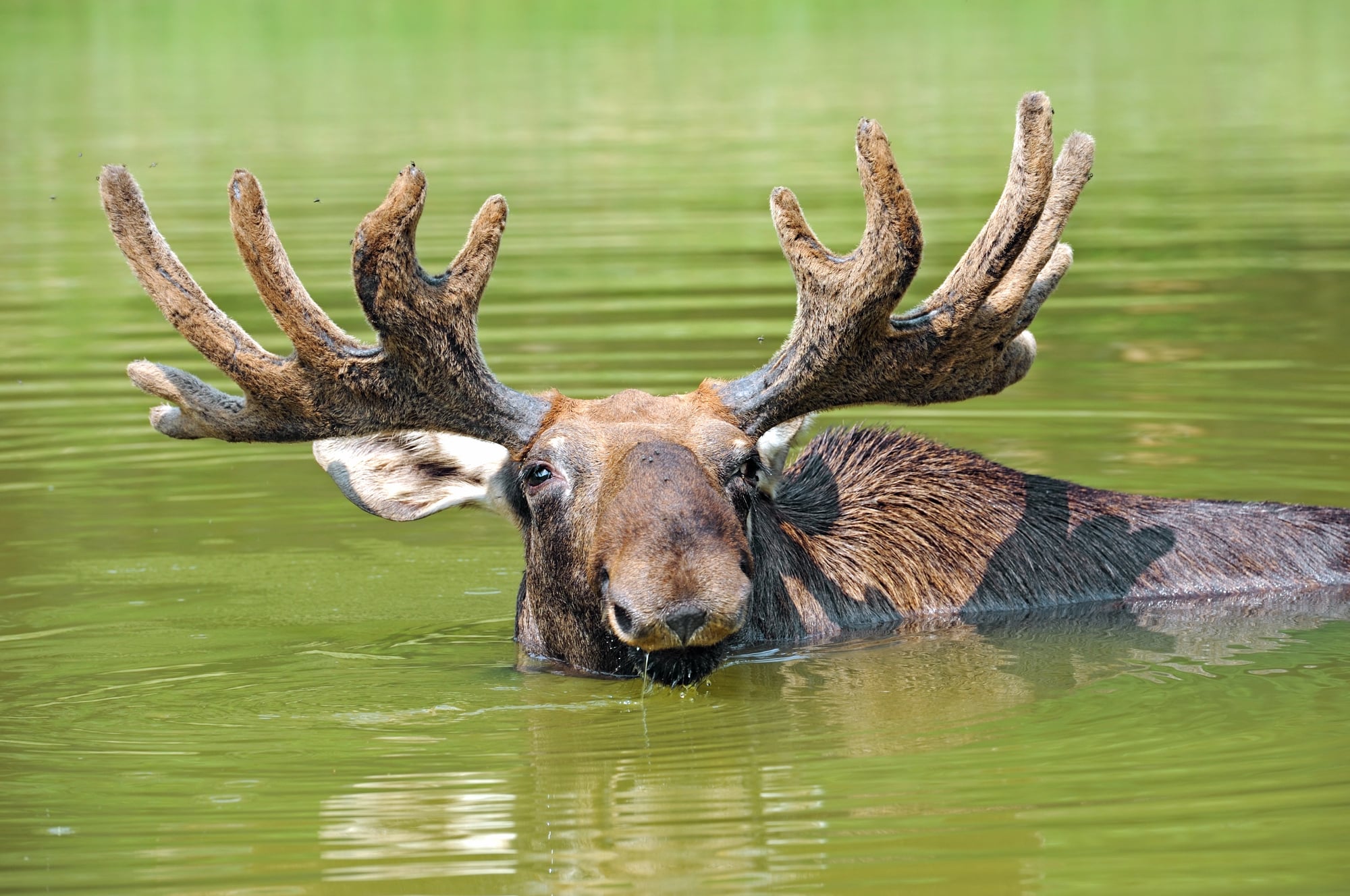
These animals take to water without hesitation and can swim for several miles if needed. Their hollow guard hairs trap air, which helps them float and provides insulation in frigid water.
Reindeer regularly swim between islands while migrating and have been spotted miles from shore in Arctic waters. Calves can swim within hours of being born, though mothers typically avoid water crossings with newborns when possible. The same adaptations that help them survive on land, including their wide hooves, also make them strong swimmers who can handle rough currents.
They have the longest migration of any land mammal
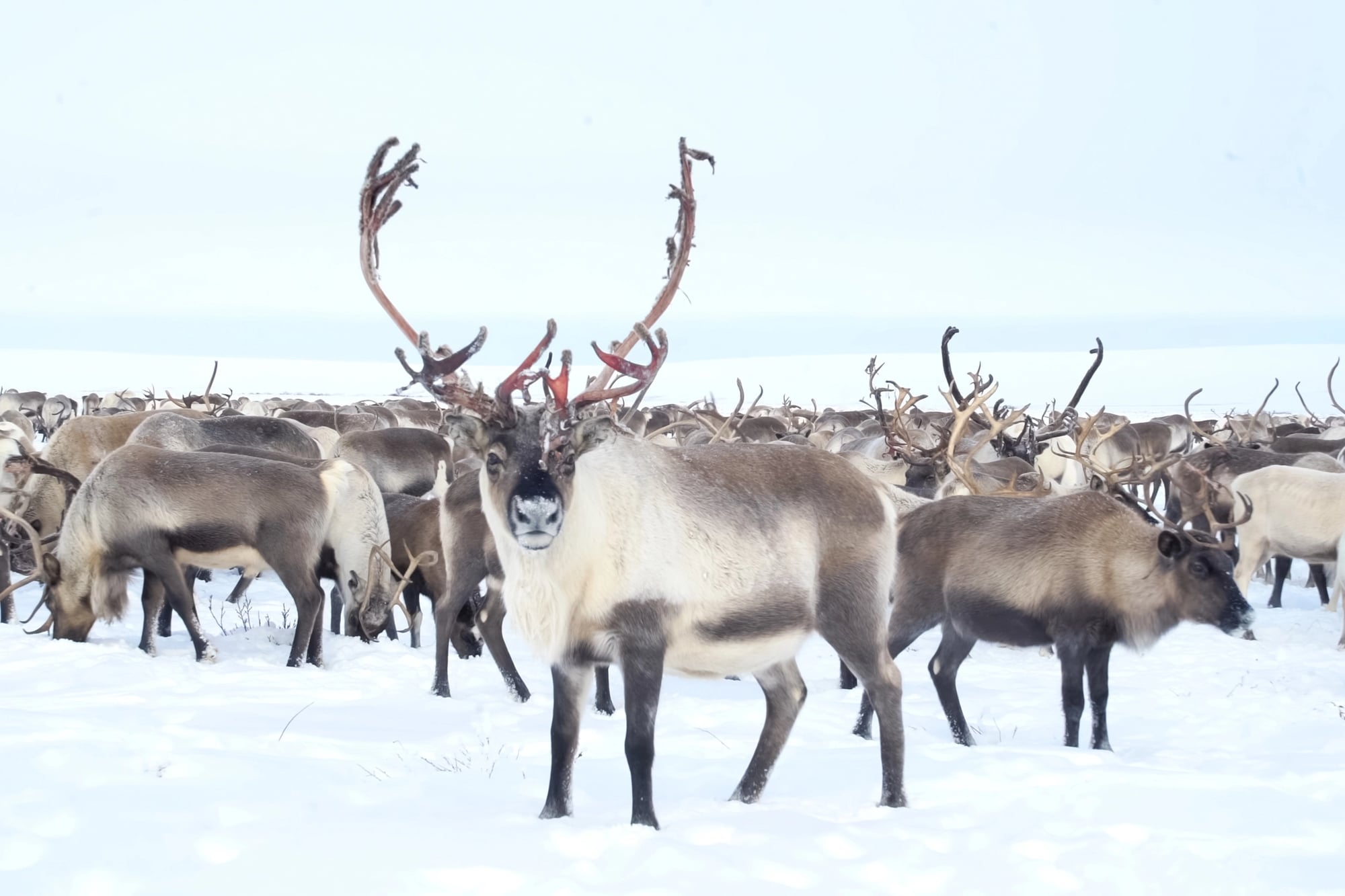
Some reindeer herds travel up to 3,000 miles annually, covering more distance than any other terrestrial mammal. The Western Arctic caribou herd in Alaska completes a round trip that rivals the length of the entire United States.
They migrate to find food, avoid parasites, and reach calving grounds where predators are less common. These journeys happen at a surprisingly fast pace, with herds sometimes covering 50 miles in a single day. Young calves keep up with the herd within days of being born, running alongside their mothers across vast tundra landscapes.
Their noses are specially designed to warm cold air
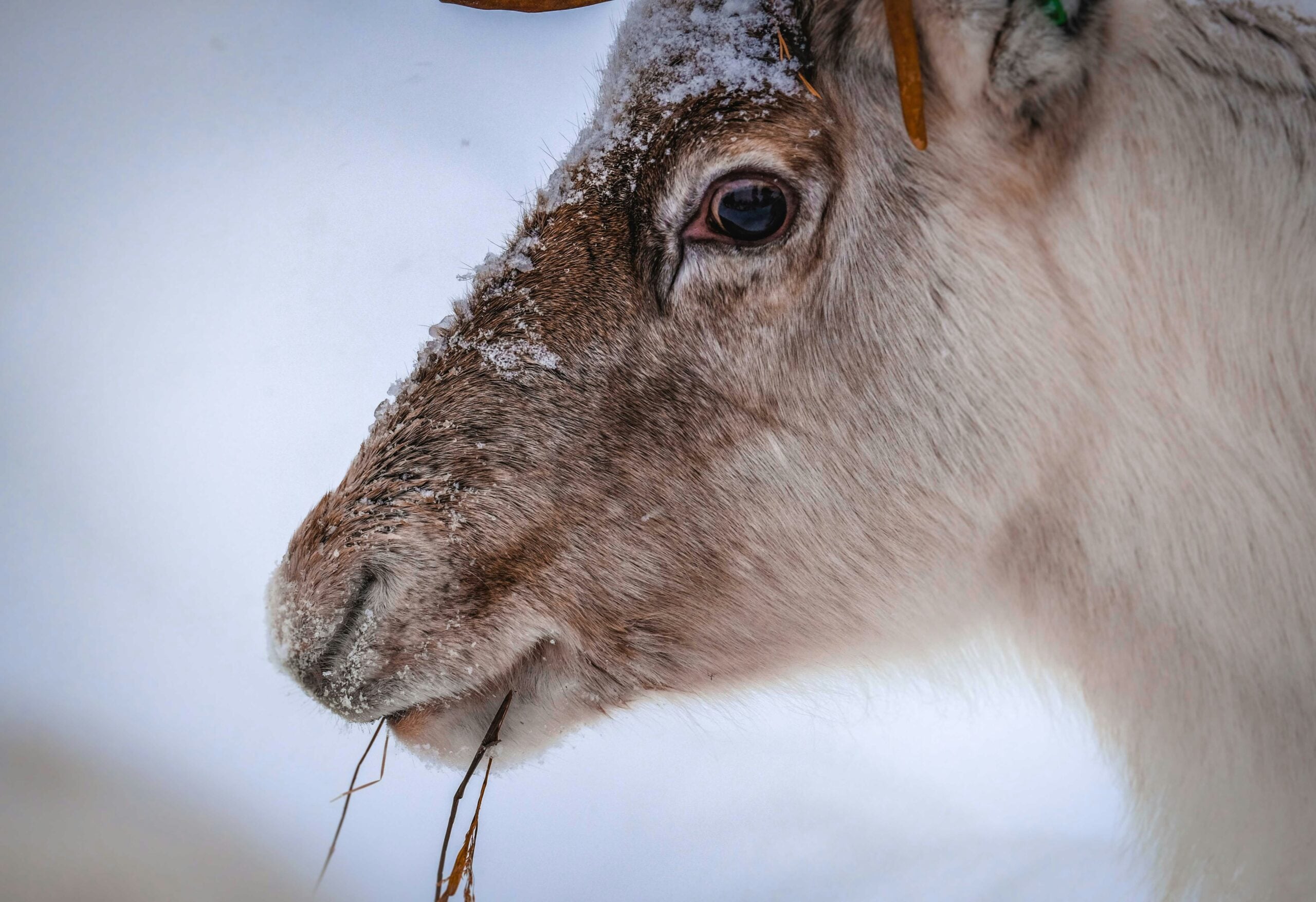
Reindeer possess an elaborate nasal structure that serves as a built-in heat exchanger. When they breathe in frigid Arctic air, it passes through a maze of bones and blood vessels that warm it to body temperature before it reaches their lungs.
This system also recaptures moisture from exhaled air, which helps prevent dehydration in the dry Arctic climate. The same structure cools down blood heading to the brain during exertion, preventing overheating even when running through snow. Their red noses in popular culture actually have some basis in reality, as increased blood flow to this area can make their noses appear slightly reddish.
Reindeer fur is incredibly insulating
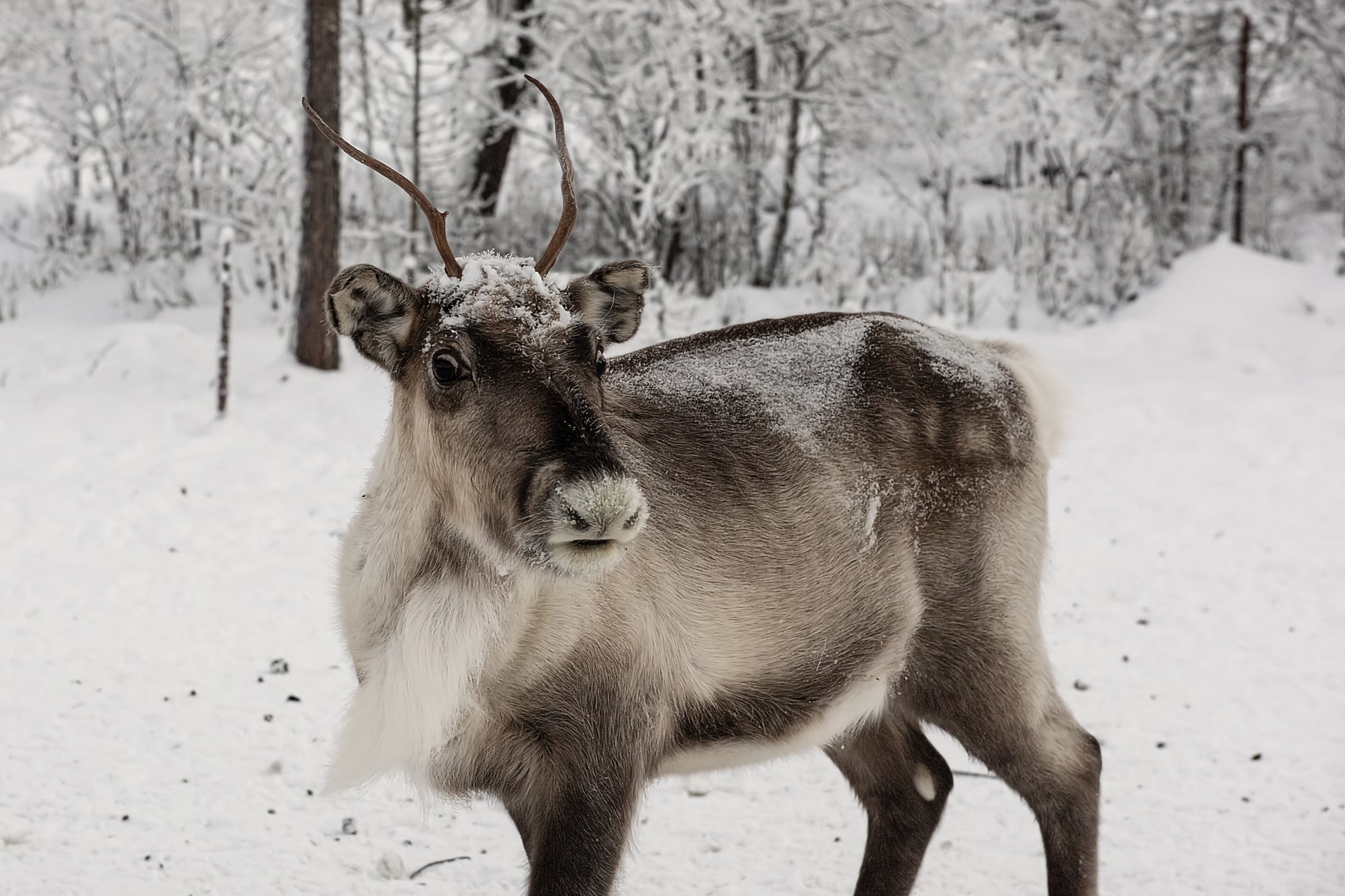
Each hair on a reindeer is hollow and filled with air, creating insulation that traps warmth better than almost any synthetic material. Their coat has two layers with up to 2,000 hairs per square inch, providing protection that keeps them comfortable in temperatures that drop to 50 degrees below zero.
The hollow hairs also help with buoyancy when swimming. Traditional Arctic peoples have used reindeer fur for clothing for thousands of years because nothing synthetic matches its warmth-to-weight ratio. Even the hair covering their faces and legs provides protection, with some of the shortest hairs being the densest.
Calves can outrun a human within a day of being born
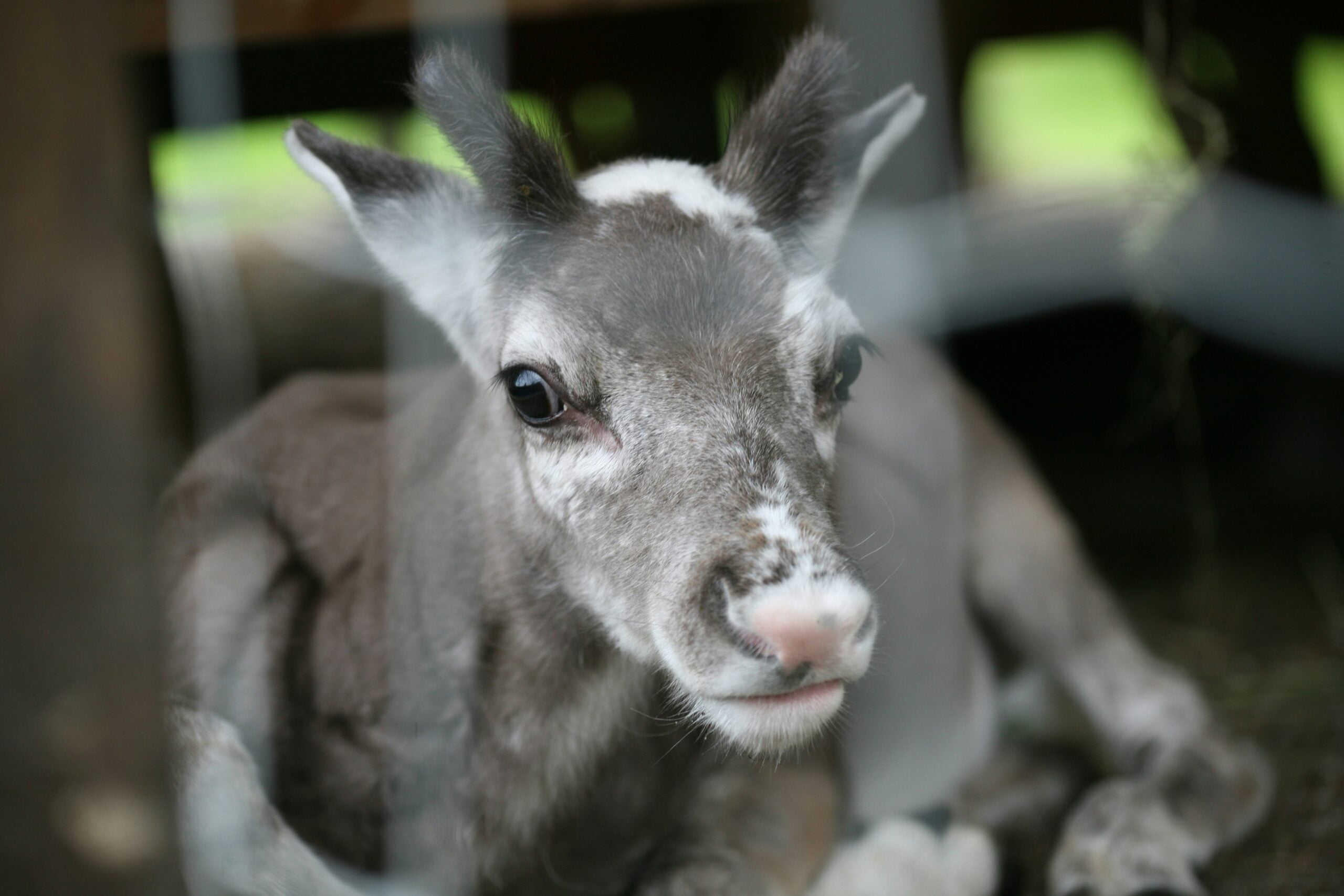
Newborn reindeer calves stand and nurse within an hour of birth, and by 24 hours old they can run faster than most humans. This rapid development is necessary because calves are born during migration season when the herd cannot stop moving for long.
Predators like wolves and bears target vulnerable calves, so the ability to keep pace with the herd means the difference between life and death. Calves gain about three pounds per day in their first weeks, growing at a rate that allows them to survive their first brutal Arctic winter. Mother reindeer can identify their specific calf among hundreds by scent alone.
They have bacteria in their stomachs that produces heat
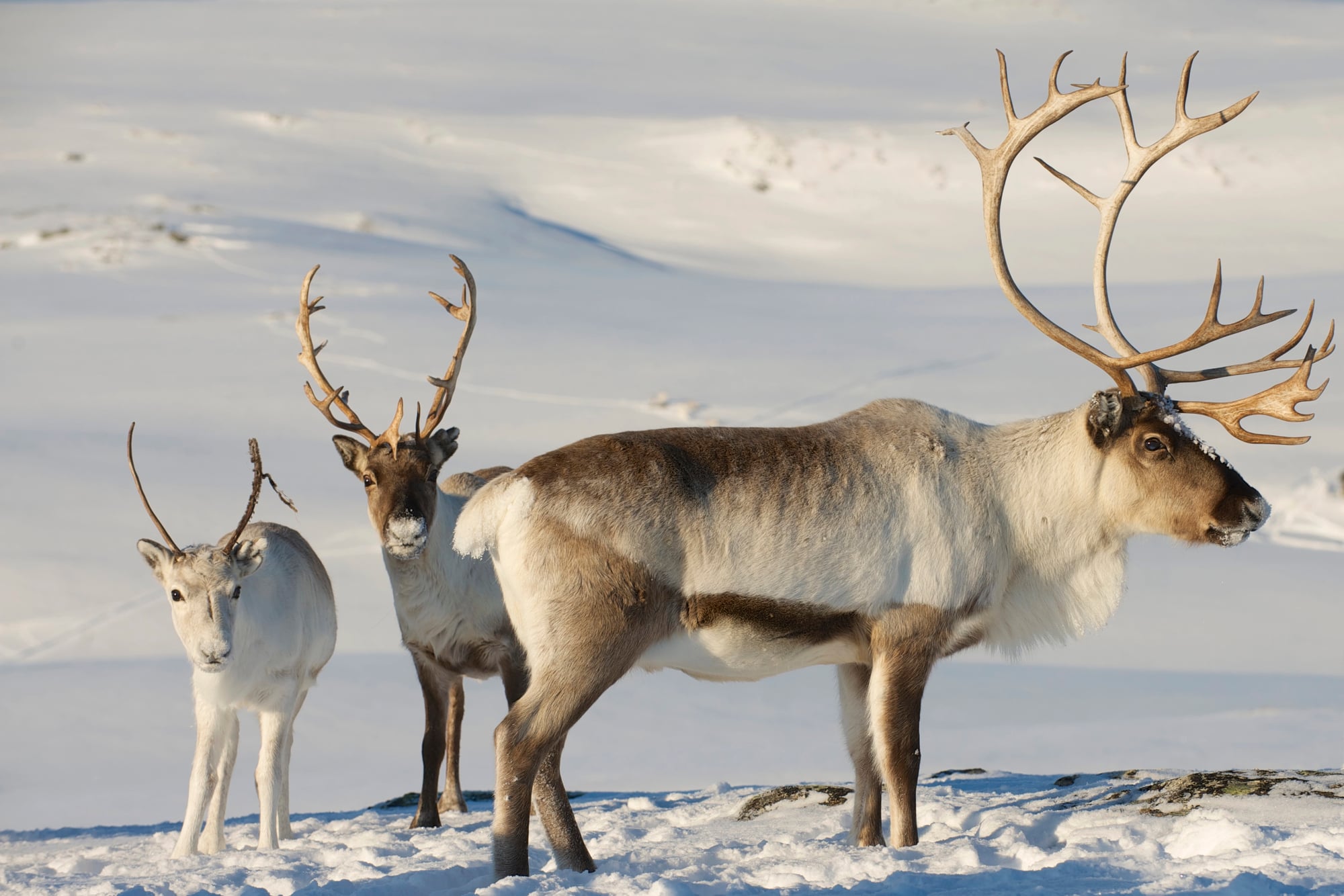
Reindeer host specialized gut bacteria that ferment their food and generate heat as a byproduct. This internal furnace helps them maintain body temperature during extreme cold when other heat sources are limited.
The fermentation process is so efficient that their stomach contents can reach temperatures around 100 degrees Fahrenheit. This adaptation means they’re essentially carrying a space heater in their belly that runs on grass and lichen. The bacterial ecosystem takes months to develop in calves, which is one reason why their first winter presents such a dangerous challenge.
Reindeer were tamed a very long time ago
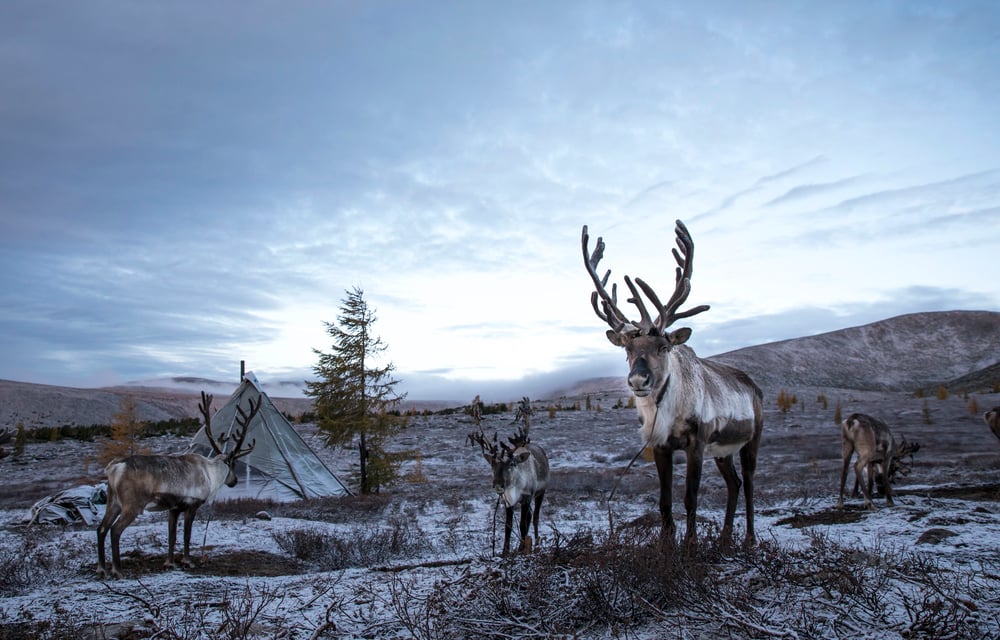
Humans started using reindeer around 3,000 years ago – so they’re among the most recent animals tamed by people. Across northern parts of Europe and Asia, native groups rely on these animals not just for rides but also for clothes, meals, and gear.
Compared to cows or horses, pet reindeer act more like wild ones, both in how they behave and their DNA. Instead of staying cooped up in pens, they need huge open areas to move around freely. Many herders trek alongside their herds every year, covering hundreds of miles, living much like their ancestors did long ago.
Their knees click every time they take a step

The odd clicking noise reindeer make happens when a tendon slips over a bone in their foot every time they take a step. Because of this sound, animals in the group can keep track of one another during blizzards or thick fog.
Scientists tell reindeer apart by how fast or slow their clicks come and the rhythm they follow. Since the noise travels easily over icy ground and open plains, it acts like an internal locator system keeping them linked. Baby reindeer pick up on their mom’s click style just a few days after being born.
Reindeer milk packs a serious punch when it comes to richness
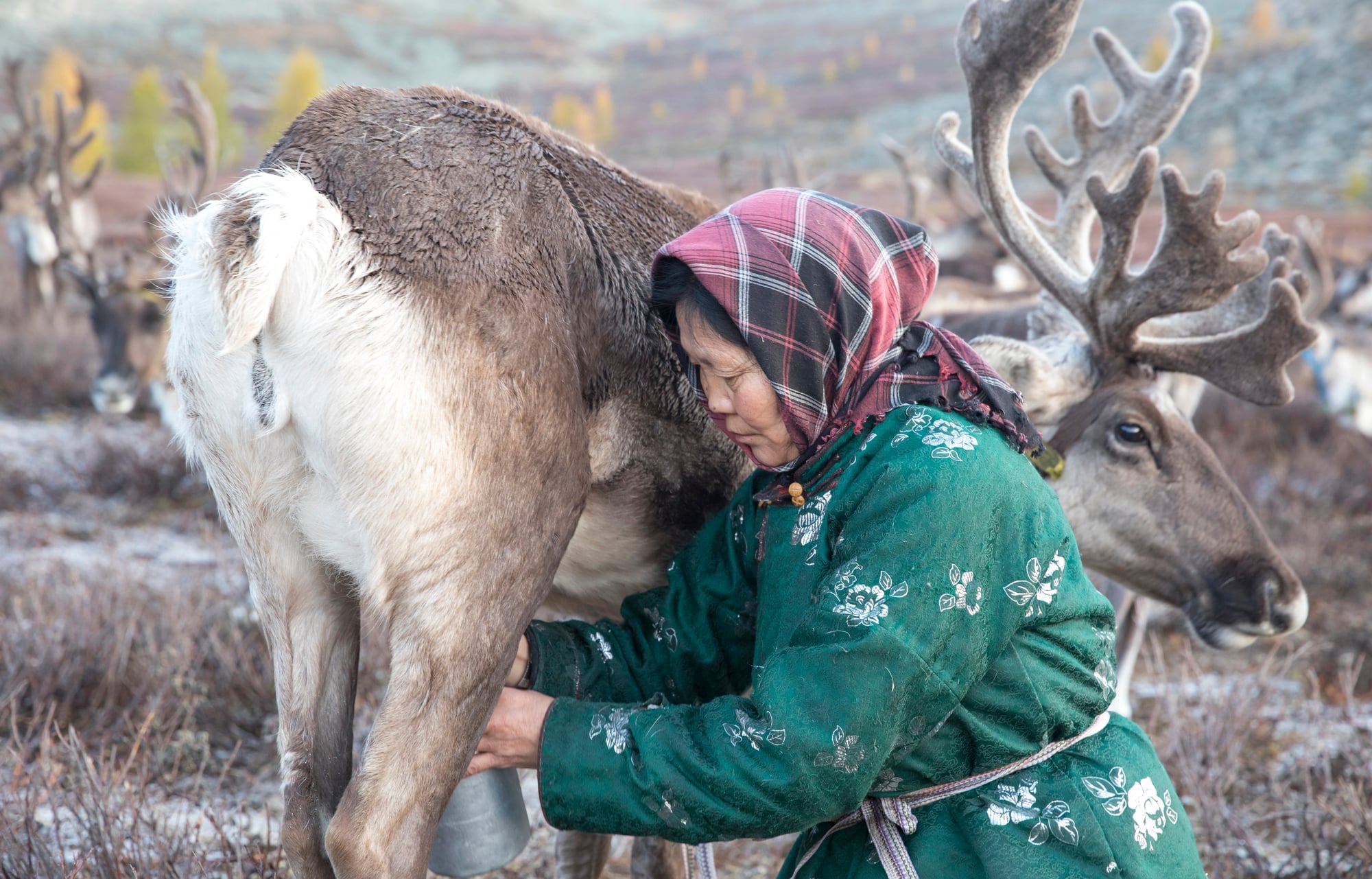
Reindeer milk packs around 22% fat – way richer than most land mammals’ milk. Cow milk? Just 4%. Because of this, young ones gain weight fast and stockpile energy ahead of harsh winters.
People in some far-north areas collect the milk to craft cheese, even if supply is limited. Thanks to its dense makeup, it stays fluid colder than typical milk, resisting freeze when others turn stiff.
They’re able to spot meals hidden beneath deep snow layers
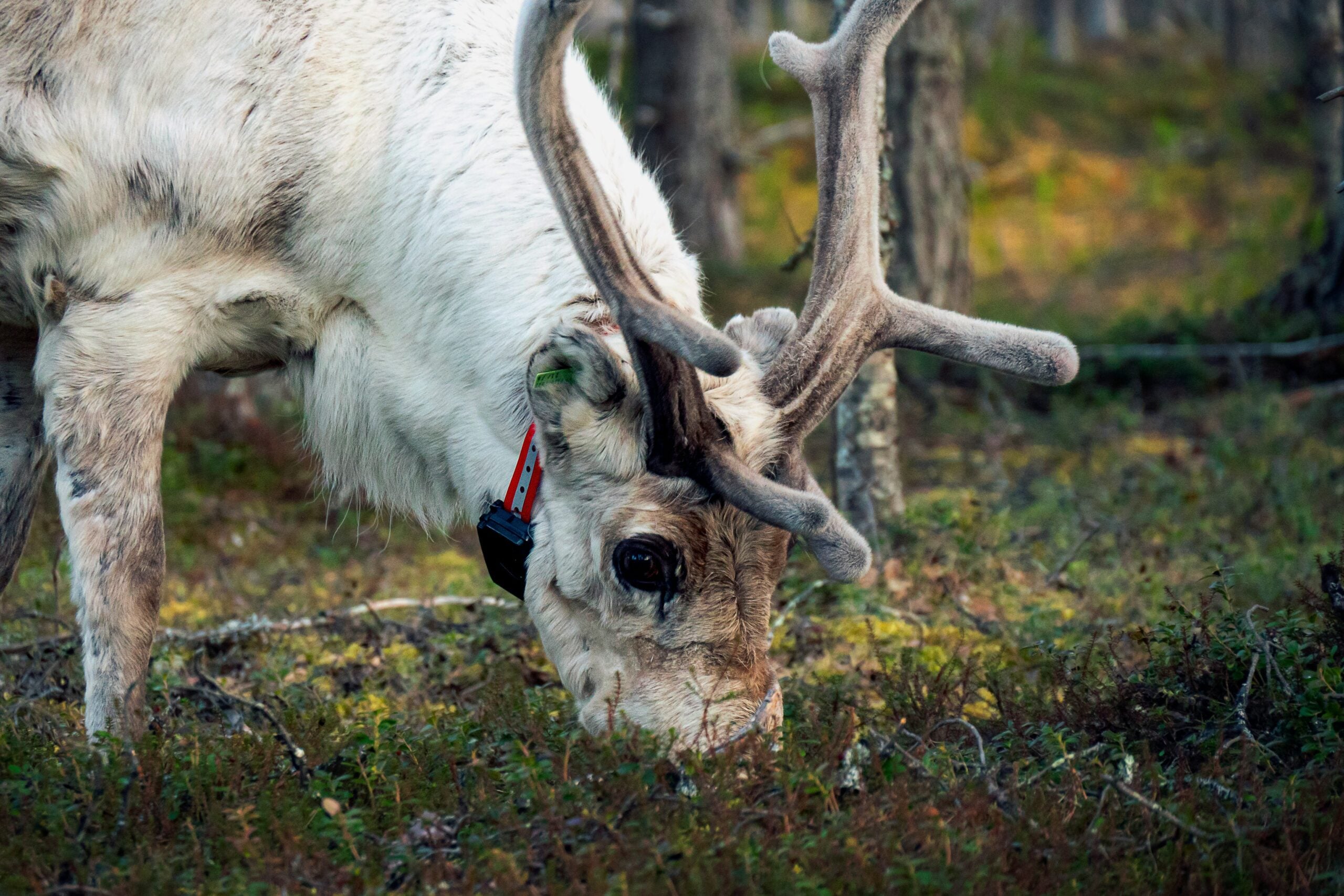
Reindeer sniff out lichen under thick snow layers. Smell helps them track meals beneath nearly five feet of ice-hard drifts, but they’d rather pick spots that need less digging.
When one finds a good place, it paws at the ground hard, clearing away snow with its front legs. Other creatures later sneak into these cleared pits to grab bits of leftover greenery. Over months, those trampled pits shift how plants spread across snowy fields, changing tiny weather zones right near the soil. Without this knack for locating hidden snacks, many wouldn’t last past freezing seasons once surface plants vanish.
Wild reindeer populations are declining significantly
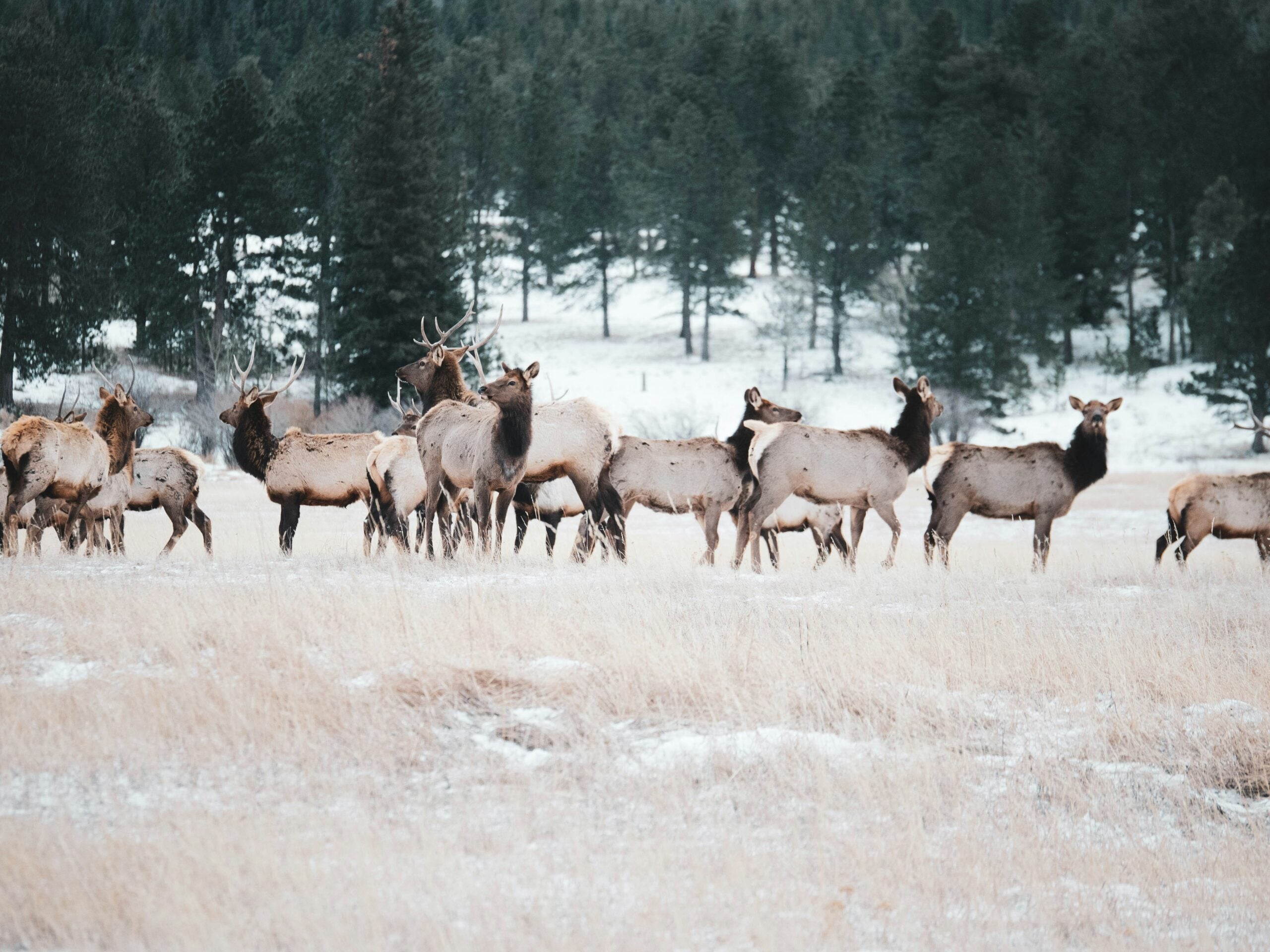
Reindeer populations have fallen by over half since the early 2000s in many areas. Changing weather messes up when and where they move, also harming the lichen they need to live.
When it gets warmer, winter rain turns to ice, sealing off their meals under a hard crust. Roads and drilling projects break apart their land while cutting off old travel paths. A few groups that used to be huge – like 200,000 or more – are now just small remnants, making experts worry how long they’ll last.
When life sets its own laws
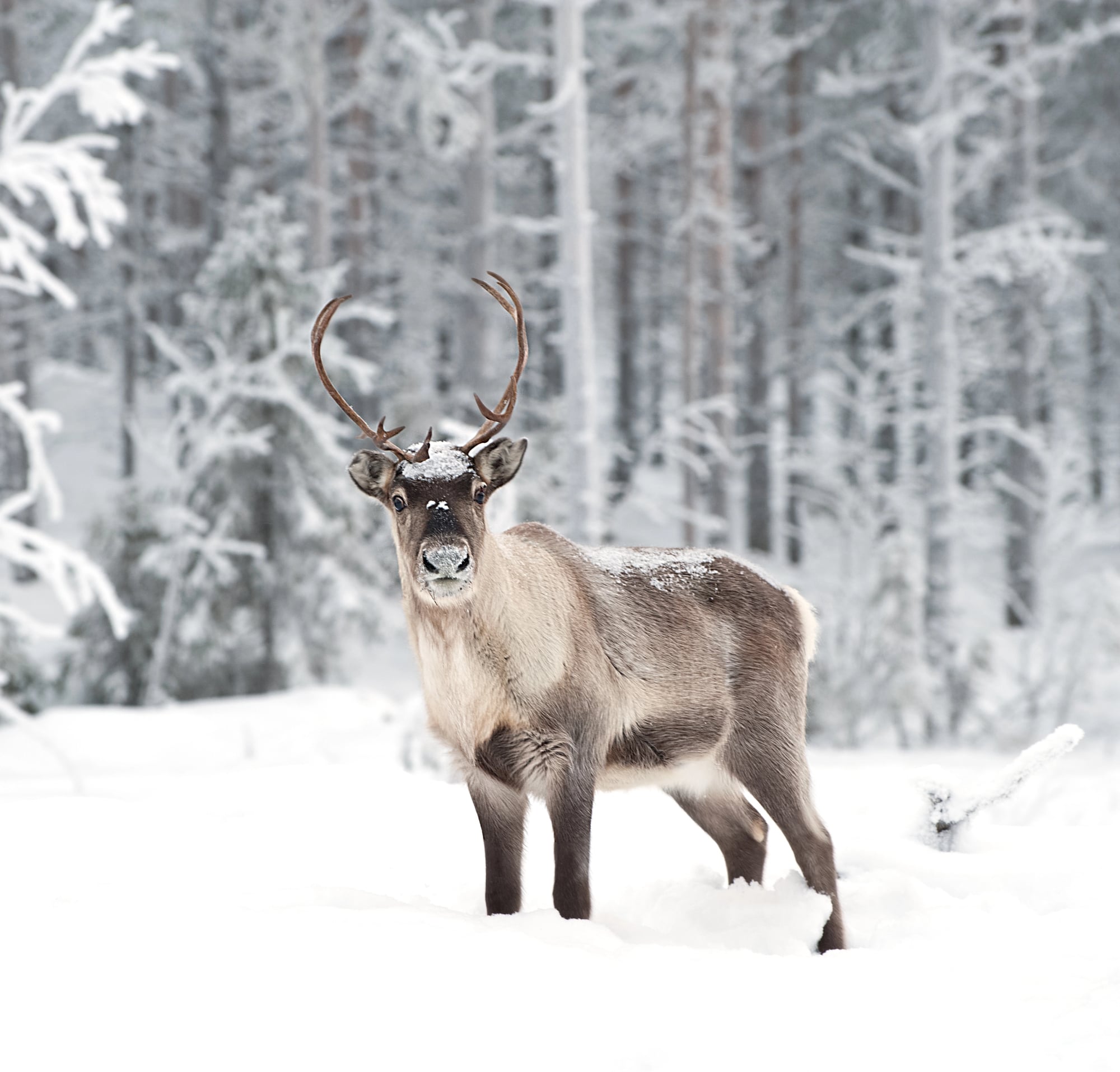
Reindeer show how nature solves problems we’re only beginning to grasp. Instead of just surviving freezing temps, their bodies use linked processes that look oddly precise.
Research into these creatures helps people make warmer gear, figure out eye function, or see how life holds up in brutal climates. On top of warming trends, disappearing living spaces puts pressure not only on reindeer but also the whole northern food web relying on them. Staying alive now ties into bigger issues – like what happens when habitats shift faster than slow-evolved species can handle.
More from Go2Tutors!

- The Romanov Crown Jewels and Their Tragic Fate
- 13 Historical Mysteries That Science Still Can’t Solve
- Famous Hoaxes That Fooled the World for Years
- 15 Child Stars with Tragic Adult Lives
- 16 Famous Jewelry Pieces in History
Like Go2Tutors’s content? Follow us on MSN.