12 Skyscrapers That Survived Massive Earthquakes
Though some skyscrapers have shown remarkable resilience in the face of nature’s most powerful forces, earthquakes remain one of the biggest threats to tall buildings. In addition to surviving devastating earthquakes, these architectural wonders proved the viability of contemporary engineering and seismic design concepts in harsh environments.
Their survival tales provide important insights into earthquake preparedness and building safety in urban settings. These 12 skyscrapers have withstood severe earthquakes.
Taipei 101 (Taiwan)

— Photo by sepavone
This 1,667-foot tower has weathered multiple strong earthquakes since its completion in 2004, including a 6.8 magnitude quake in 2022 that barely registered inside the building. The skyscraper’s massive tuned mass damper — a 660-ton steel pendulum suspended near the top — absorbs seismic energy and keeps the structure stable during ground motion.
Transamerica Pyramid (San Francisco)

— Photo by pandionhiatus3
San Francisco’s iconic pyramid-shaped tower survived the 1989 Loma Prieta earthquake with minimal damage, despite being located in one of America’s most seismically active regions. The building’s unique triangular design and flexible steel frame allowed it to sway safely — while its deep foundation system anchored it securely to bedrock beneath the city.
Like Go2Tutors’s content? Follow us on MSN.
U.S. Bank Tower (Los Angeles)

This 73-story downtown Los Angeles skyscraper has endured numerous earthquakes since 1989, including the devastating 1994 Northridge quake that measured 6.7 in magnitude. The tower’s advanced base isolation system allows the building to move independently of ground motion — effectively decoupling the structure from seismic forces that could cause damage.
Torre Mayor (Mexico City)
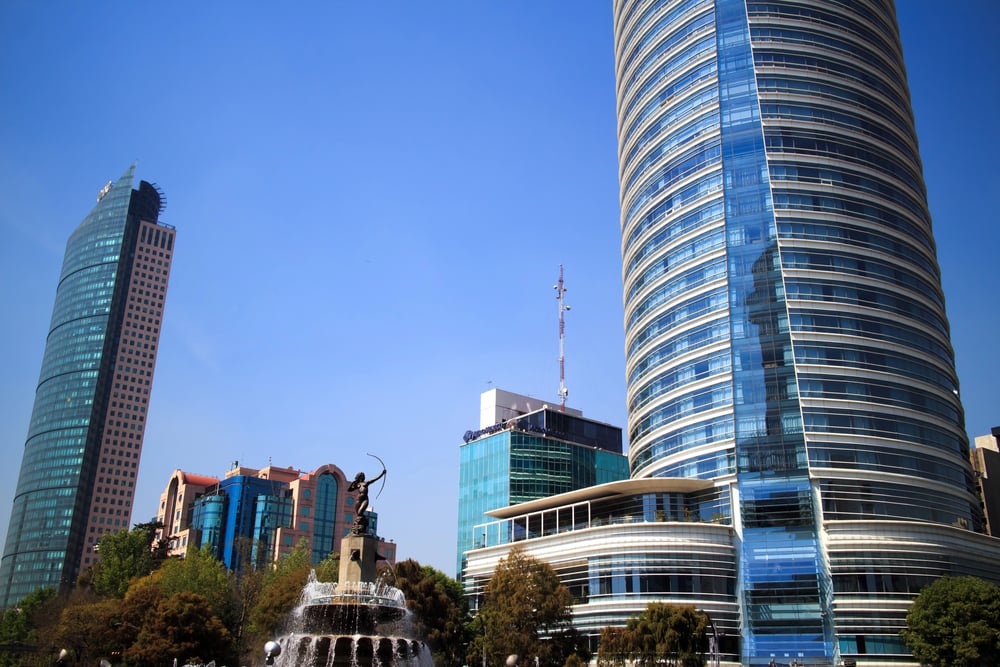
— Photo by ChepeNicoli
Mexico City’s tallest building proved its earthquake resistance during the 2017 Puebla earthquake, which measured 7.1 in magnitude and caused widespread damage throughout the capital. The 55-story tower incorporated advanced seismic dampers and flexible design elements — allowing it to withstand ground motion that toppled many older structures in the surrounding area.
Yokohama Landmark Tower (Japan)
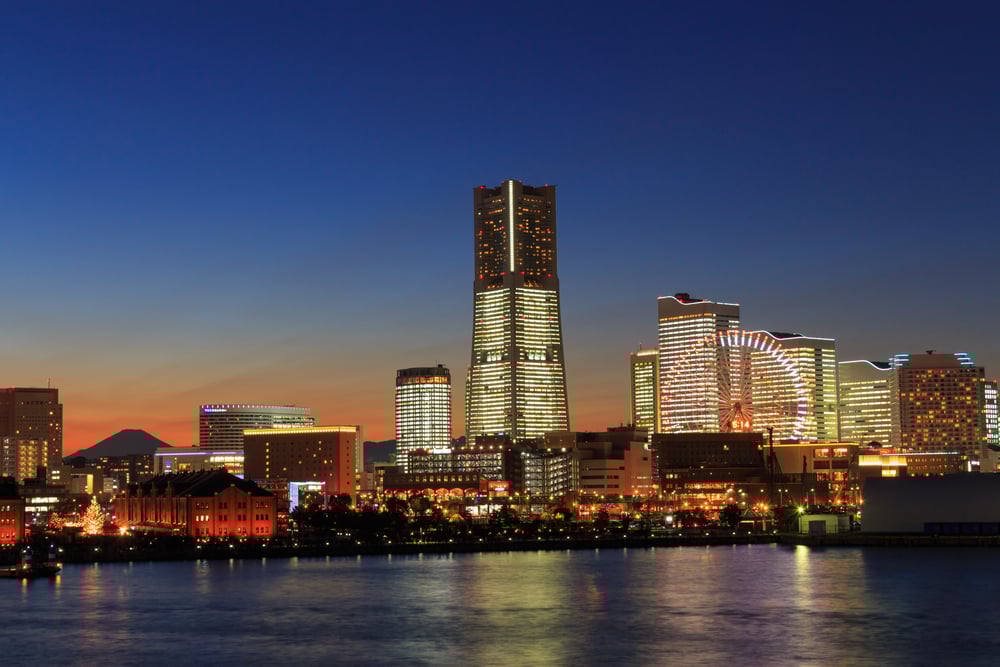
Japan’s second-tallest building survived the massive 2011 Tōhoku earthquake and tsunami, demonstrating the effectiveness of Japanese seismic engineering standards. The 973-foot tower swayed dramatically during the 9.0 magnitude quake — yet its advanced damping systems and flexible steel frame prevented structural damage while protecting thousands of occupants inside.
Like Go2Tutors’s content? Follow us on MSN.
One Rincon Hill (San Francisco)
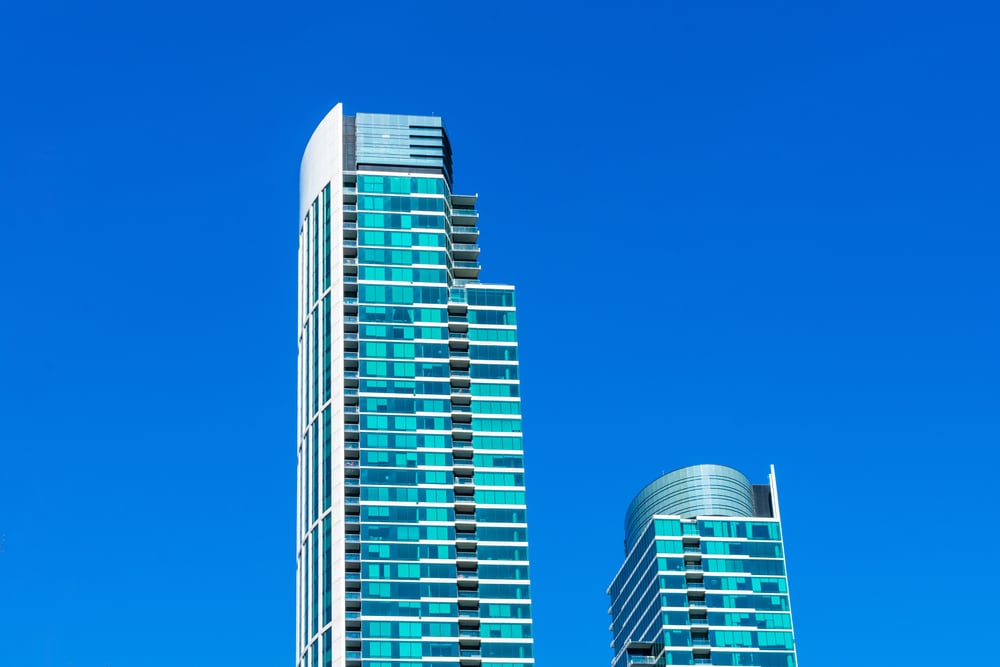
— Photo by MichaelVi
This luxury residential tower endured several significant earthquakes since its 2008 completion, including multiple tremors exceeding 5.0 in magnitude along nearby fault lines. The building’s innovative design includes base isolation bearings that allow the structure to slide horizontally during seismic events — reducing the forces transmitted to upper floors and residents.
Columbia Center (Seattle)

— Photo by johnsondavid329
Seattle’s tallest building has withstood numerous earthquakes in the Pacific Northwest, including the 2001 Nisqually earthquake that measured 6.8 in magnitude. The 76-story tower’s steel frame construction and deep foundation system kept it stable — while its flexible design allowed controlled movement that prevented catastrophic failure during intense ground shaking.
Salesforce Tower (San Francisco)

— Photo by tanerkaraguzel81@gmail.com
Since opening in 2018, this newly constructed supertall skyscraper has withstood multiple moderate earthquakes and uses the most recent seismic technology. In one of the most seismically active cities on earth, the 1,070-foot tower’s high-performance dampers and sophisticated base isolation systems mark the pinnacle of earthquake-resistant architecture.
Like Go2Tutors’s content? Follow us on MSN.
Torre Latinoamericana (Mexico City)
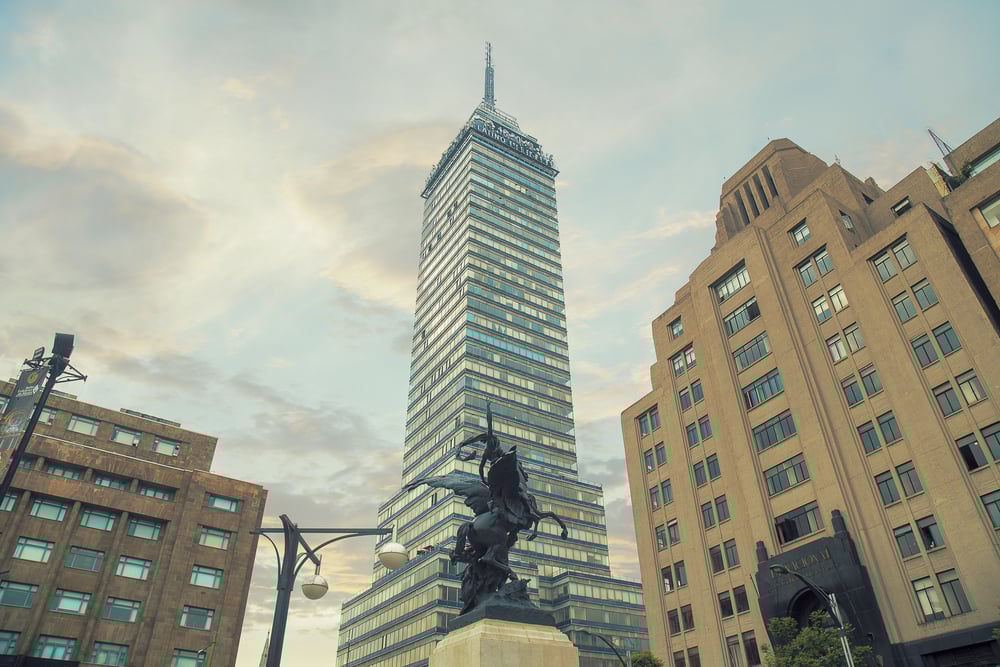
Built in 1956, this Art Deco skyscraper has survived multiple major earthquakes, including the devastating 1985 Mexico City earthquake that killed thousands and destroyed numerous buildings. The tower’s innovative foundation design and flexible steel frame allowed it to withstand seismic forces — making it a symbol of engineering resilience in the earthquake-prone capital.
Wilshire Grand Center (Los Angeles)
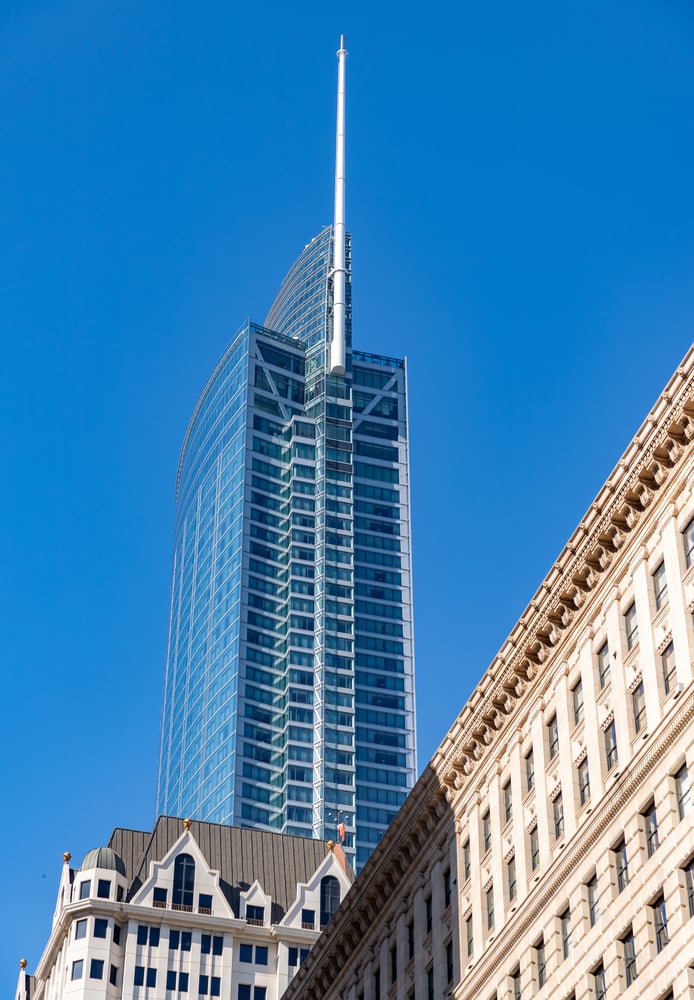
— Photo by brunocoelhopt
In order to incorporate lessons learned from past earthquake damage throughout California, the tallest building in Los Angeles underwent extensive seismic testing and simulation prior to construction. Modern base isolation technology is installed in the 73-story tower to safeguard the building and its occupants from the major earthquake that seismologists predict will occur in the area.
Sky Tower (Auckland)

Since it was completed in 1997, New Zealand’s tallest building has experienced multiple earthquakes, including several large ones that shook the North Island. The 1,076-foot tower’s deep foundation system guarantees stability even during extended ground motion, and its reinforced concrete core and adaptable design elements enable it to absorb seismic energy.
Like Go2Tutors’s content? Follow us on MSN.
Burj Khalifa (Dubai)
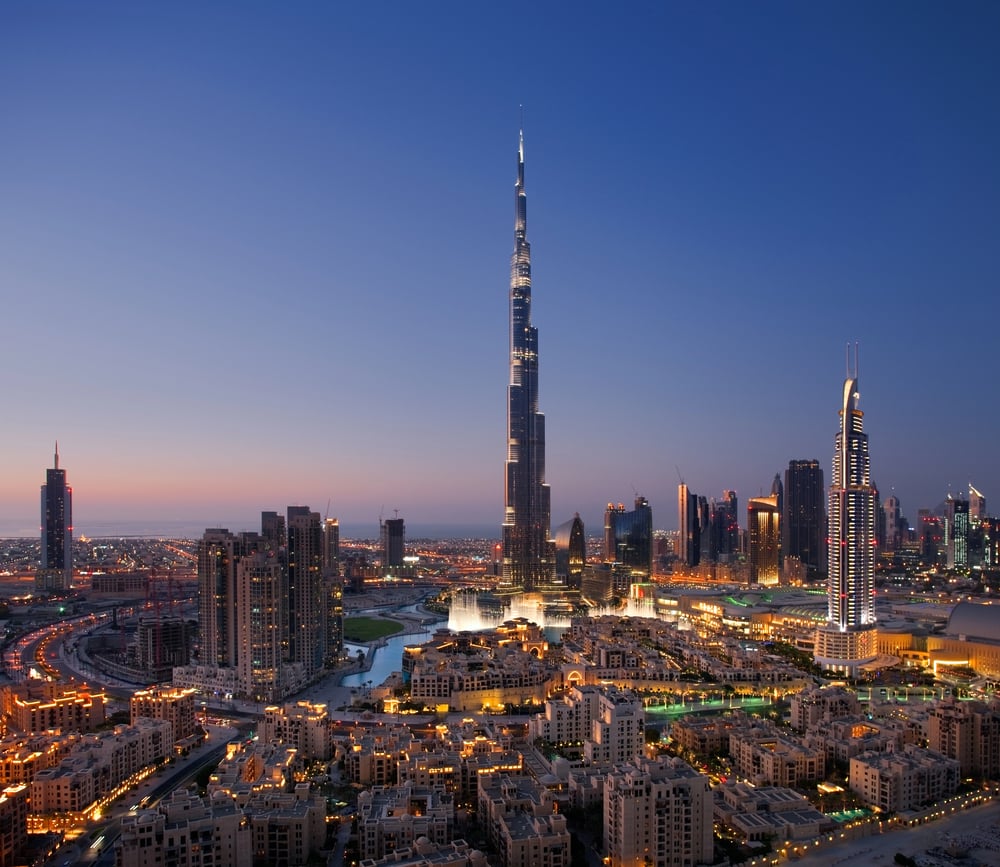
— Photo by Sophie_James
While not located in a highly seismic region, the world’s tallest building was designed to withstand earthquakes up to magnitude 7.0 using advanced engineering principles. The 2,717-foot tower’s reinforced concrete core and steel framework incorporate seismic design elements — demonstrating how modern supertall construction considers earthquake resistance even in relatively stable geological areas.
Engineering Triumphs Against Nature’s Force
These surviving skyscrapers showcase decades of advancements in seismic engineering, from early flexible designs to modern base isolation and damping systems. Every earthquake that these buildings survive provides valuable data that helps protect urban populations worldwide and sets the standard for future building codes.
These towers demonstrate that even the tallest structures can cooperate with seismic forces rather than against them, protecting both the buildings and the occupants, even though no building can be completely earthquake-proof.
More from Go2Tutors!

- 16 Historical Figures Who Were Nothing Like You Think
- 12 Things Sold in the 80s That Are Now Illegal
- 15 VHS Tapes That Could Be Worth Thousands
- 17 Historical “What Ifs” That Would Have Changed Everything
- 18 TV Shows That Vanished Without a Finale
Like Go2Tutors’s content? Follow us on MSN.