12 Times Translations Started Conflicts
Words carry enormous weight, especially when they’re mistranslated at crucial moments. Throughout history, seemingly minor translation errors have snowballed into diplomatic disasters, military confrontations, and international incidents that reshaped entire nations.
A single poorly chosen word has sometimes been enough to tip delicate situations into chaos. Language barriers present challenges under the best circumstances, yet when stakes run high, even tiny mistakes can trigger massive consequences.
Here is a list of 12 times when translation blunders transformed into serious conflicts.
The Treaty of Wuchale
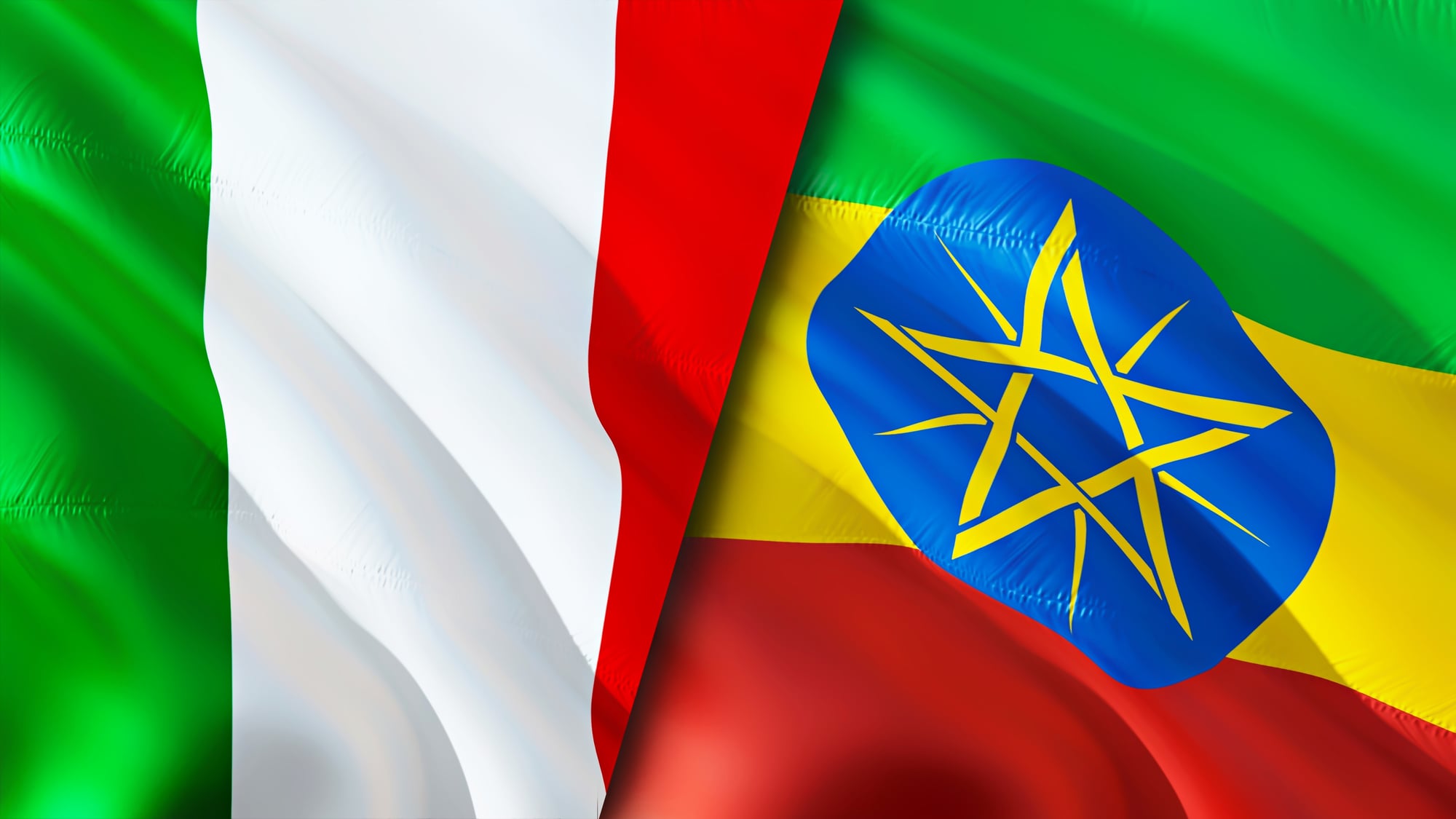
Italy and Ethiopia signed what appeared to be a straightforward agreement in 1889, though the real trouble lurked in the translation details. The Italian text declared that Ethiopia ‘must’ handle all foreign relations through Italy — essentially reducing it to a protectorate.
Meanwhile, the Amharic version suggested Ethiopia ‘could’ use Italy for diplomatic purposes if desired. When Emperor Menelik II caught this discrepancy, he rejected Italian control claims outright, sparking the First Italo-Ethiopian War in 1895.
Khrushchev’s Burial Threat
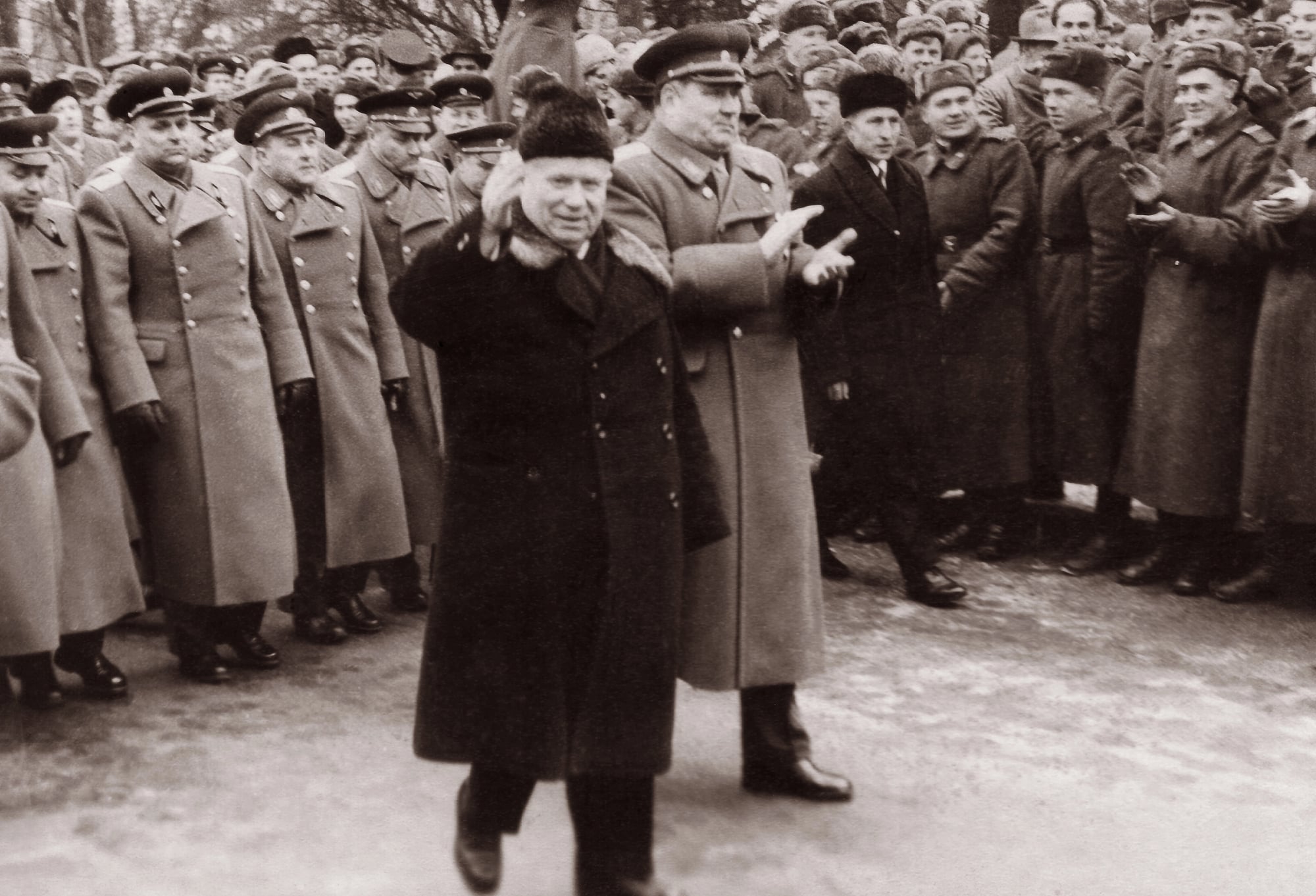
Soviet Premier Nikita Khrushchev delivered a statement in 1956 that terrified the Western world during the Cold War’s peak. Translators rendered his words as ‘We will bury you’ — making it sound like a direct military threat against America.
Khrushchev’s actual meaning was that communism would eventually outlast capitalism, a political prediction rather than a promise of destruction. This translation mishap escalated tensions dramatically and fueled years of nuclear fear.
Like Go2Tutors’s content? Follow us on MSN.
The Zimmermann Telegram
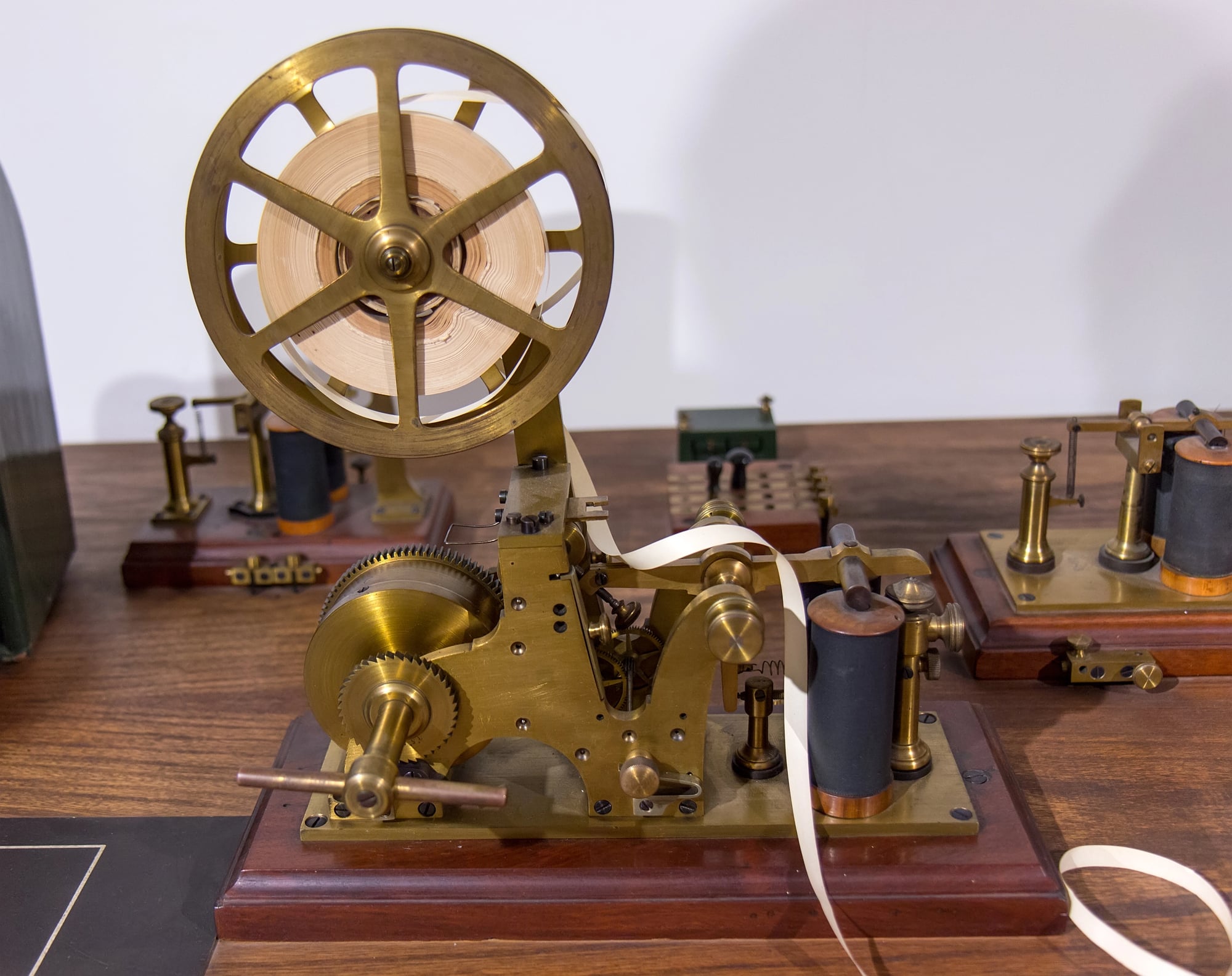
British intelligence intercepted a German diplomatic message in 1917 that would pull America into World War I, though translation choices made it sound even more menacing. The telegram proposed a German-Mexican alliance against the United States — promising to help Mexico reclaim Texas, New Mexico, and Arizona.
While translators got the core message right, they interpreted certain phrases in the most threatening manner possible, making the proposal seem more immediate and definite than intended.
Japan’s Mokusatsu Response
One Japanese word — ‘mokusatsu’ — might have determined the fate of Hiroshima and Nagasaki. After the Allies demanded Japan’s surrender in 1945, Prime Minister Kantaro Suzuki used this term during a press conference.
It carries multiple meanings, from ‘no comment’ to ‘ignore’ to ‘reject with contempt.’ American translators picked the harshest interpretation, understanding it as complete rejection. This translation likely influenced the decision to use atomic weapons instead of waiting for clarification.
The Opium War Translations
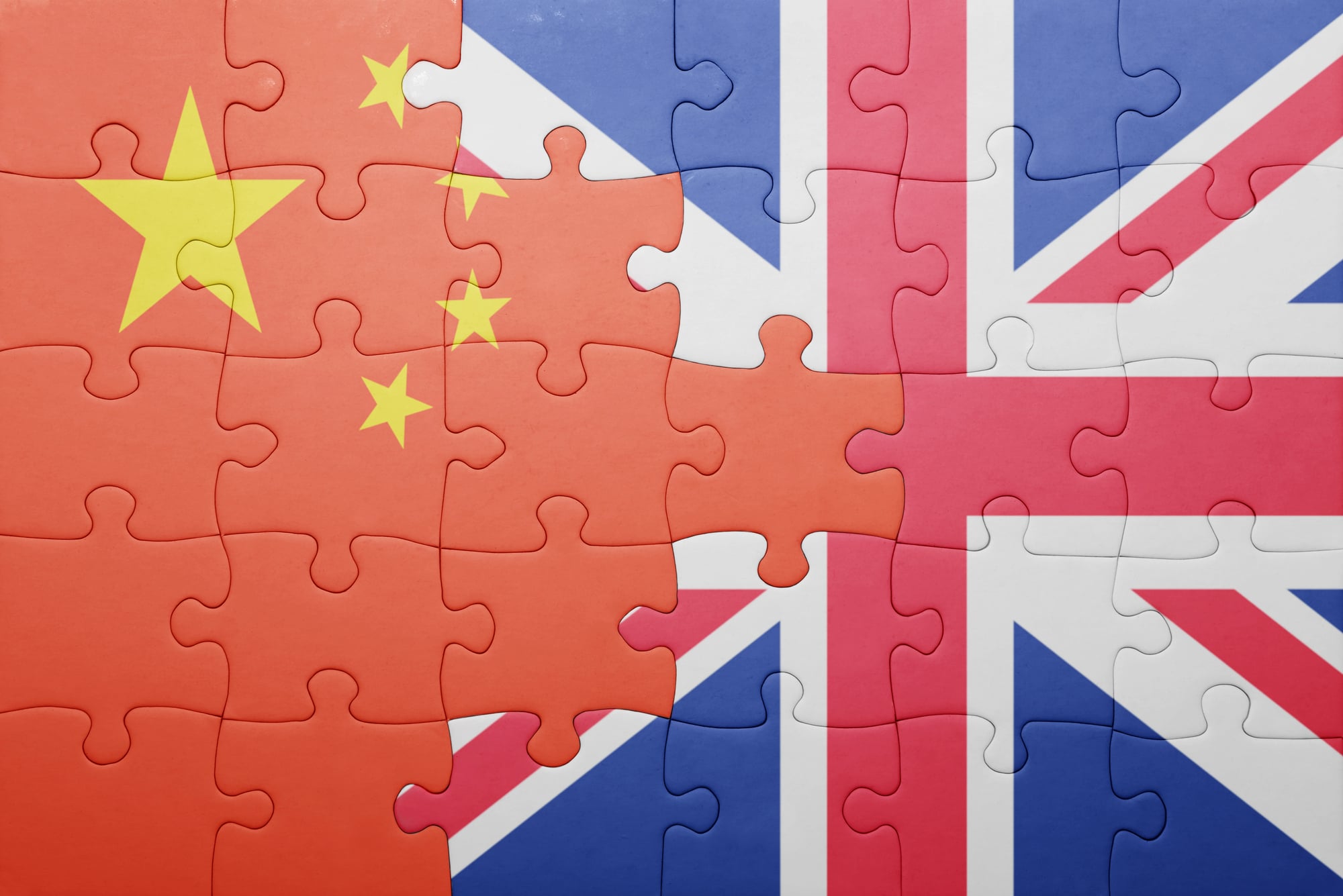
British and Chinese officials kept missing each other’s points throughout the 1830s because translation problems made diplomatic solutions nearly impossible. Chinese concepts about tribute and trade relationships didn’t convert well into English, while British legal and commercial terminology proved equally baffling in Chinese.
These communication breakdowns prevented both sides from grasping each other’s real positions — contributing to the First Opium War’s outbreak in 1839.
Like Go2Tutors’s content? Follow us on MSN.
Carter’s Polish Adventure
President Jimmy Carter’s 1977 Poland visit became a diplomatic disaster thanks to his interpreter’s questionable translation choices. The interpreter mistranslated Carter’s desire to ‘know the Polish people’ as wanting to know them in an intimate way — among other cringe-worthy errors.
Though this didn’t trigger warfare, it seriously damaged U.S.-Polish relations and made Carter appear foolish internationally.
The Korean War Armistice Confusion
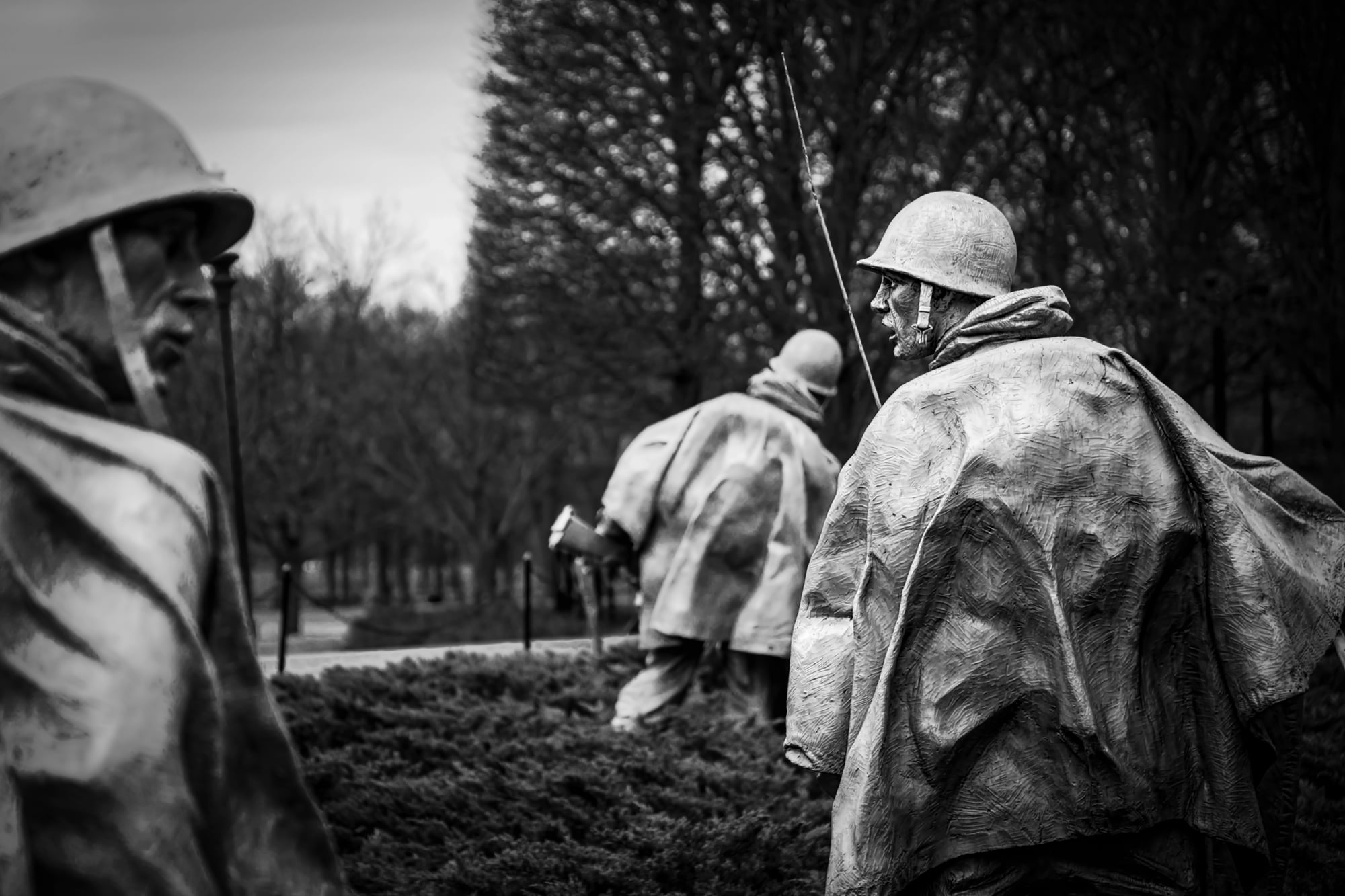
Translation disputes over prisoner repatriation nearly wrecked Korean War armistice negotiations in the early 1950s. Chinese and North Korean negotiators demanded ‘voluntary repatriation,’ yet their understanding of ‘voluntary’ differed vastly from the UN interpretation.
What looked like a simple translation issue actually reflected fundamental disagreements about human rights and political freedom — extending the conflict by several months.
The False Dmitrys Crisis
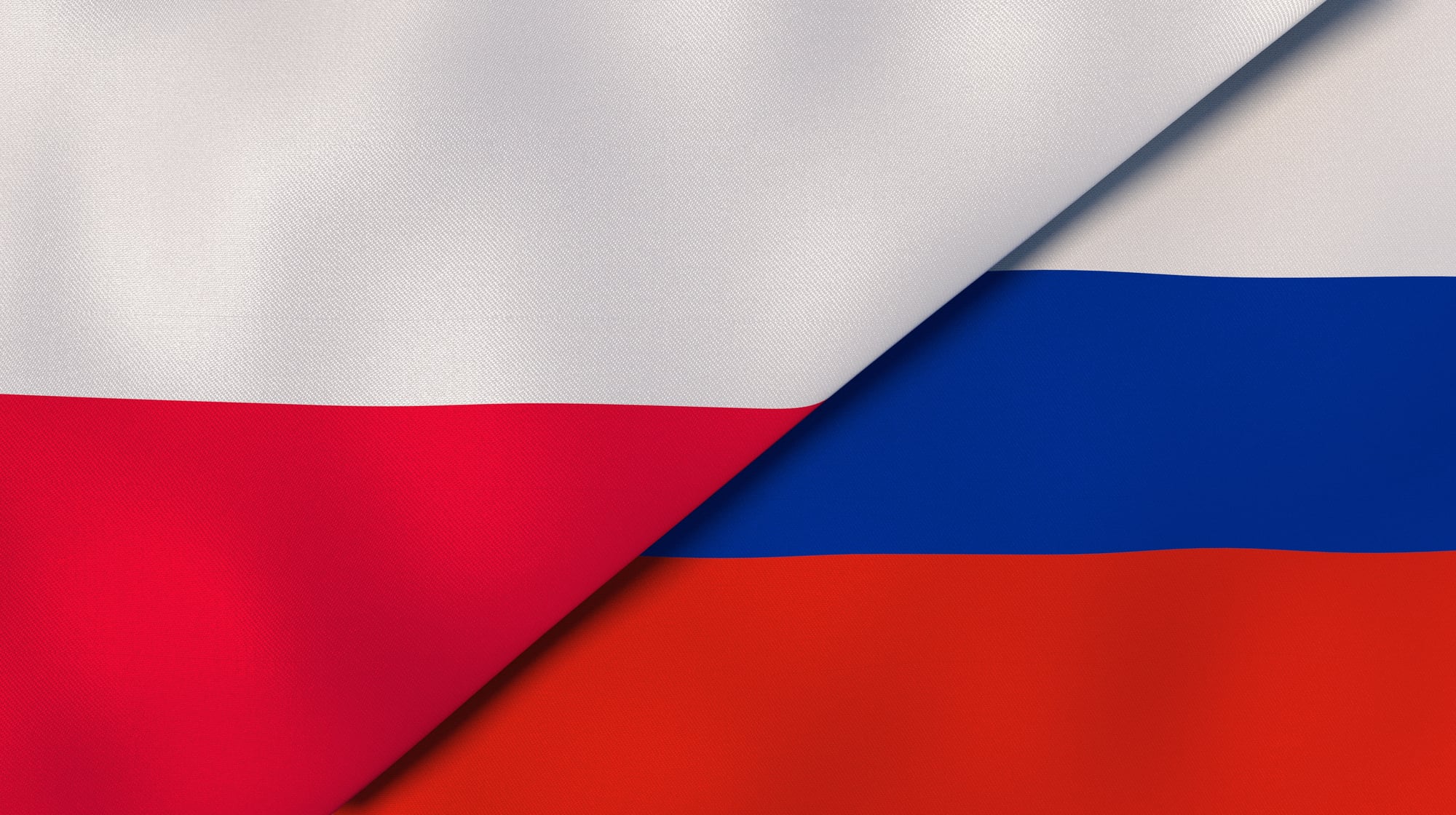
Translation errors in diplomatic correspondence helped fuel a Russian succession crisis that dragged on for over a decade in the early 1600s. Various throne claimants sent letters to foreign courts, but inconsistent translations of titles and claims created widespread confusion about legitimate authority.
Polish and Russian translators often emphasized different aspects of identical documents — making it unclear who actually held valid power claims.
Like Go2Tutors’s content? Follow us on MSN.
The War of Jenkins’ Ear Translation

British Captain Robert Jenkins claimed Spanish officials severed his ear in 1731, though the incident report’s translation from Spanish to English may have amplified the encounter’s brutality. Spanish records suggest a more routine boarding and search, while English translations highlighted violence and humiliation.
These competing narratives — shaped by translation decisions — helped justify British military action against Spain in 1739.
The Pueblo Incident Miscommunication
When North Korea captured the USS Pueblo in 1968, translation problems during negotiations kept the crew captive for nearly a year. American negotiators couldn’t grasp North Korean concepts of face-saving and formal apologies, while North Korean translators viewed American legal language as continued aggression.
Simple misunderstandings about ‘regret’ versus ‘apologize’ imprisoned 82 American sailors far longer than necessary.
The Fashoda Incident Escalation
French and British colonial officials nearly sparked a European war in 1898 over a remote Sudanese outpost, partly because of translation issues in their home government instructions. French orders emphasized ‘maintaining position’ while British commands stressed ‘securing territory,’ but these phrases carried different implications when translated.
Local commanders, working with imperfect translations of their government’s intentions, adopted more aggressive stances than their capitals actually desired.
Like Go2Tutors’s content? Follow us on MSN.
The Gulf of Tonkin Translation
Communication intercepts that helped justify American escalation in Vietnam were influenced by translation assumptions that may have misrepresented North Vietnamese intentions. American translators, lacking cultural context, interpreted certain Vietnamese military communications as more aggressive than intended.
These translation choices contributed to perceptions that North Vietnam was planning major attacks, supporting the case for expanded U.S. involvement.
Words That Echo Through Time
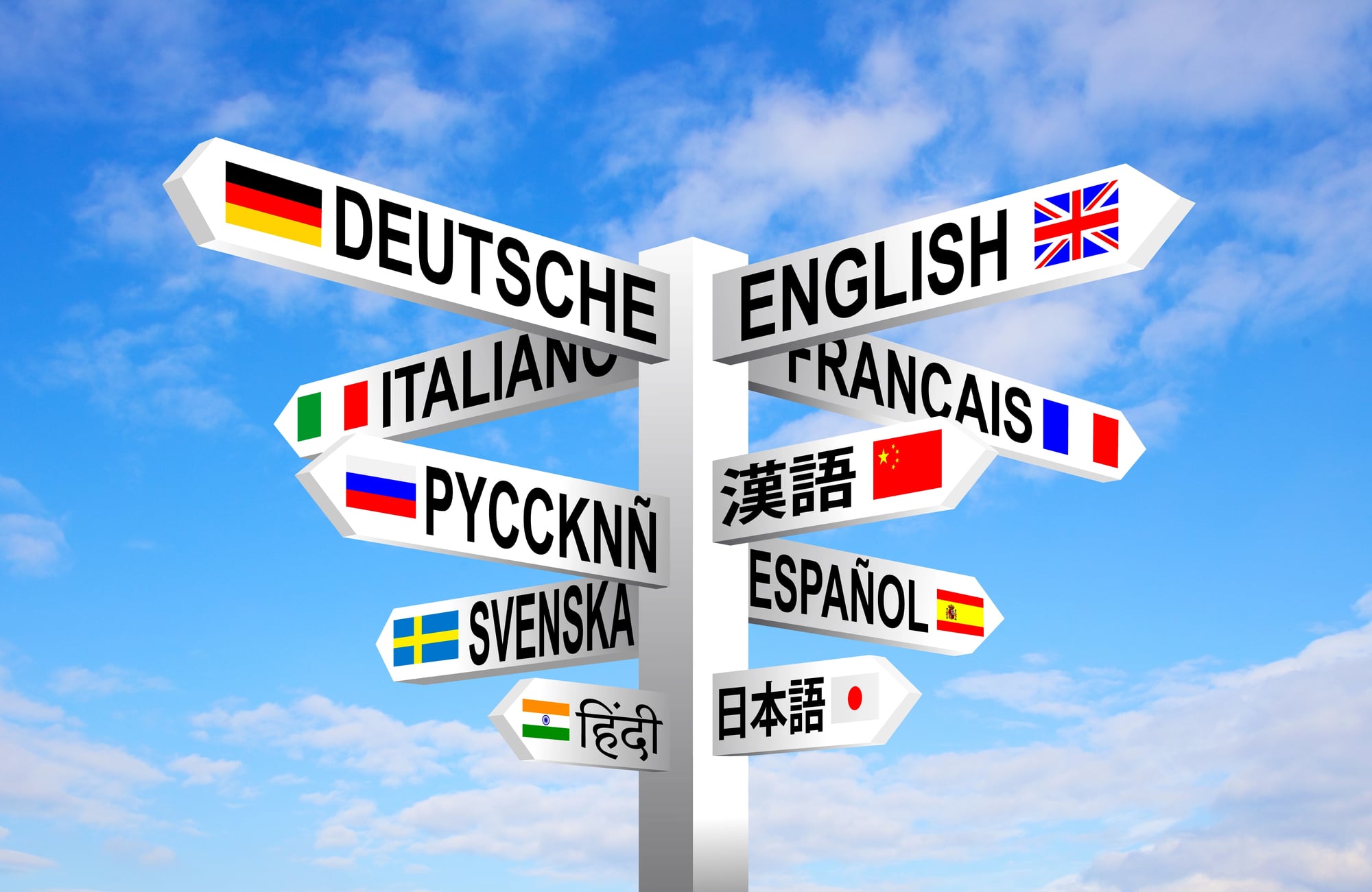
These translation failures demonstrate that language involves much more than converting words from one tongue to another. It’s about bridging entire worldviews and cultural contexts.
When translators make interpretive choices, they’re often deciding between war and peace, understanding and conflict. The stakes have grown even higher in today’s interconnected world, where a mistranslated tweet or diplomatic cable can circle the globe within minutes.
Every interpreter and translator bears the weight of history in their decisions, knowing that the next major international crisis might depend on whether they choose one synonym over another.
More from Go2Tutors!

- 16 Historical Figures Who Were Nothing Like You Think
- 12 Things Sold in the 80s That Are Now Illegal
- 15 VHS Tapes That Could Be Worth Thousands
- 17 Historical “What Ifs” That Would Have Changed Everything
- 18 TV Shows That Vanished Without a Finale
Like Go2Tutors’s content? Follow us on MSN.



