12 Weird Ways Ancient Civilizations Stored Their Wealth
Back in the day—long before vaults, banks, or crypto wallets—people had to get creative about where and how they kept their wealth. And creative they were. Ancient civilizations didn’t just stash valuables under beds or bury treasure chests. They used animals, rocks, and even food to hold onto their riches.
Here is a list of 12 weird ways ancient civilizations stored their wealth that’ll make modern safes seem boring.
Cowry Shell Hoards
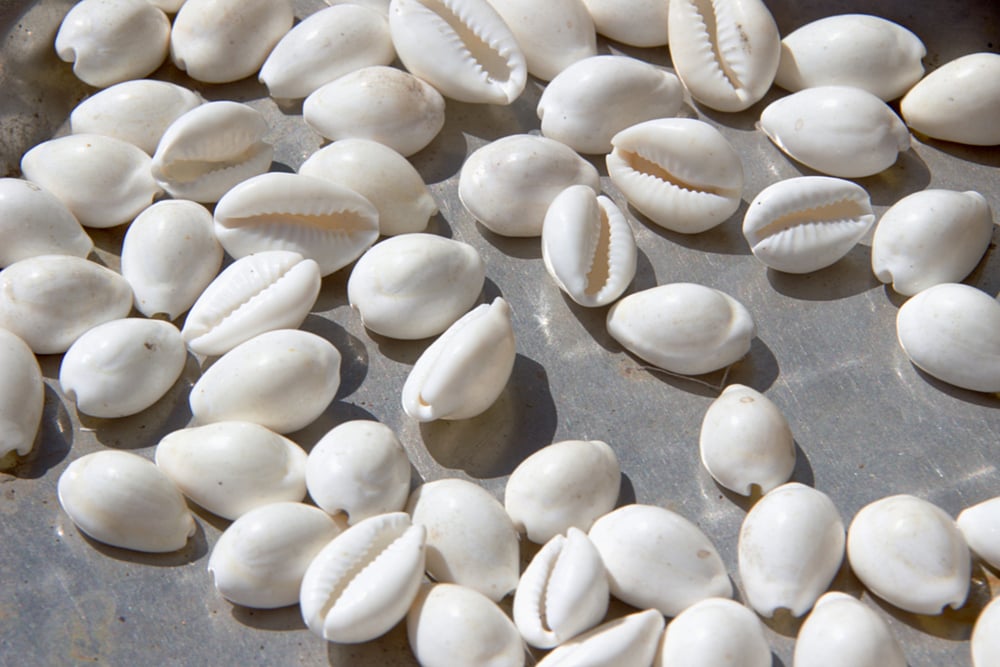
In many parts of Africa and Asia, cowry shells weren’t just decorative—they were currency. People kept them tied in long strings, stored in pots, or buried in clay jars beneath their homes for safekeeping.
Because the shells were light and uniform, they could be carried in bulk but still needed secure hiding spots. Wealthy households sometimes had entire back rooms dedicated to storing these tiny treasures.
To outsiders, it probably just looked like a weird obsession with seashells, but to those communities, it was cold hard cash.
Livestock Pens as Living Banks

For pastoral societies, livestock was more than food—it was currency. Cows, goats, and sheep were living, breathing banks that could reproduce, grow in value, and be traded at a moment’s notice.
Wealth wasn’t hidden under floorboards; it walked around the village, mooing and grazing. Fenced pens acted as vaults, and herders became wealth managers, carefully tracking lineage and conditions like financial advisors track stock portfolios.
Like Go2Tutors’s content? Follow us on MSN.
Grain Silos as Financial Fortresses
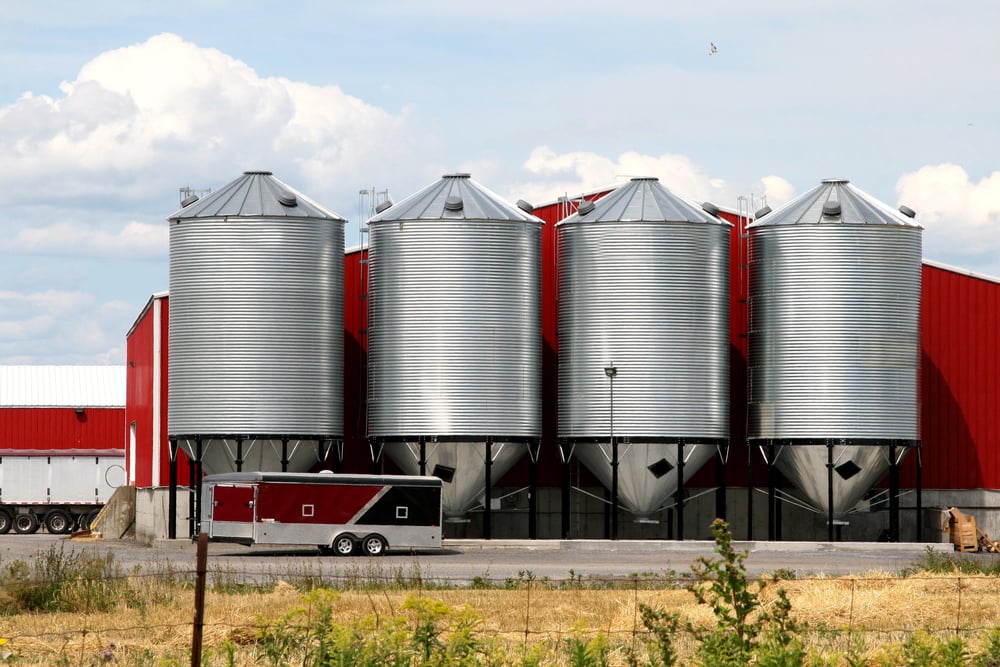
In the Fertile Crescent and across ancient Egypt, massive grain silos doubled as food reserves and wealth storage. Grain was currency in many cases, so controlling a silo meant controlling economic power. These silos were often guarded and kept dry with complex ventilation systems.
Losing a grain stash wasn’t just a famine risk—it was like your bank account getting wiped out overnight. Power often came down to who had the fullest silo.
Yap Stone Displays
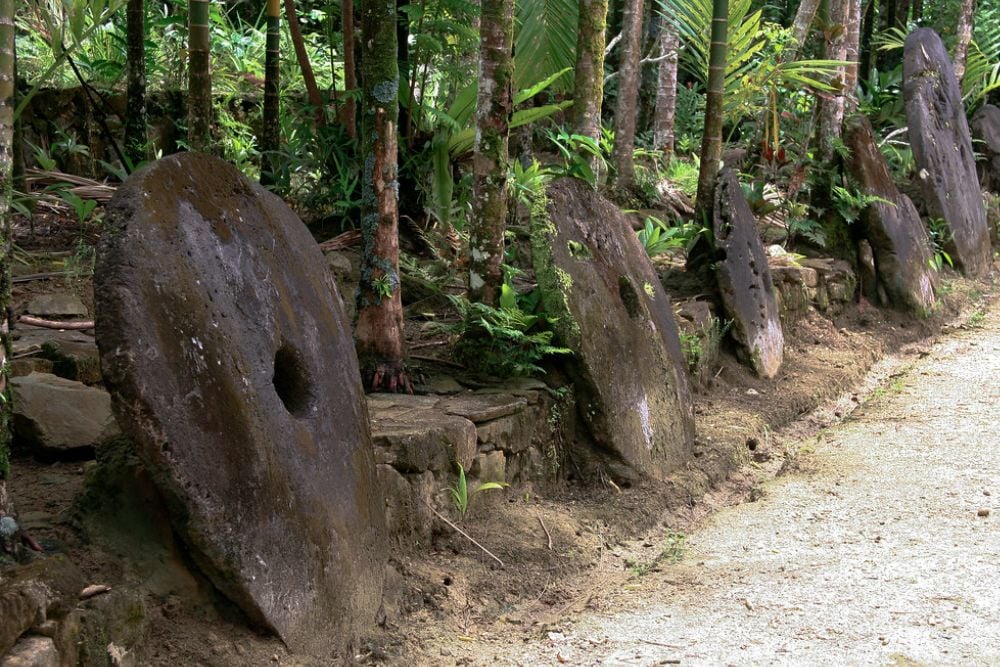
On the Micronesian island of Yap, enormous carved limestone discs were used as money—and the larger the stone, the higher the value. These giant coins weren’t moved around; they stayed put, sometimes leaning against trees or half-buried along pathways.
Ownership was passed verbally, meaning everyone in the village just knew who owned what. It’s the most passive-aggressive wealth storage imaginable—impressive and unstealable because nobody wanted to lug a four-ton coin through the jungle.
Burial Chambers Full of Treasure

Pharaohs weren’t the only ones to stash valuables in their tombs. Across many ancient cultures, wealth was buried with the dead—jewelry, tools, weapons, and food included.
These weren’t just funerary traditions; they were high-stakes safes meant to carry wealth into the afterlife or protect it from theft. Ironically, tomb raiders ended up making these burial vaults some of history’s worst-kept secrets.
Like Go2Tutors’s content? Follow us on MSN.
Tea Brick Vaults in Ancient China

Compressed tea bricks were used like money in parts of Asia and were often stored in specially sealed rooms or wall niches. Households would stack them like bricks and guard them as closely as silver or gold.
Since tea was both valuable and perishable, storage required constant care—too much moisture and your fortune literally went moldy. The phrase ‘worth their weight in tea’ wouldn’t have sounded strange at the time.
Bead Necklaces as Portable Banks

In regions of ancient North America, beadwork wasn’t just for fashion—it was money. Wampum belts and necklaces stored social and economic value and were often passed down like inheritance.
These items could be worn for protection or ceremony but were also used to buy land, settle disputes, or cement alliances. Hanging your wealth around your neck might not fly today, but back then, it was both practical and symbolic.
Obsidian Caches in Mesoamerica

Sharp-edged obsidian tools were highly prized in Mesoamerican cultures and often stored in hidden caches beneath homes or temples. Because obsidian was rare and came from specific volcanic regions, having a stockpile meant having both wealth and bargaining power.
These stashes were often wrapped in cloth and sealed in clay pots, making them look more like magical relics than a savings account. But make no mistake—they were treasure chests.
Like Go2Tutors’s content? Follow us on MSN.
Bronze Cowrie Replicas in Ancient China

In addition to using real cowry shells, early Chinese societies created bronze versions as symbolic and durable stand-ins for currency. These were kept in wooden boxes, buried in the ground, or hidden in temple vaults.
While the bronze pieces didn’t circulate like coins, they represented stored wealth or offerings and were often found in royal tombs. Think of it like ancient savings bonds—more ceremonial than spendable, but packed with meaning.
Gold-Leaf Burial Masks
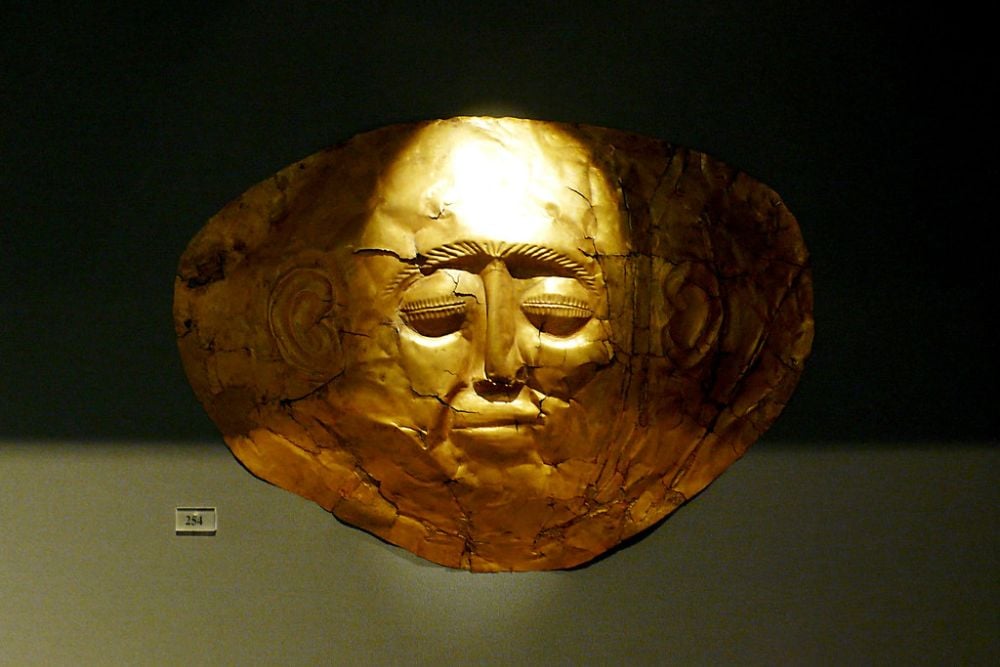
In various parts of the ancient world, especially in the Balkans and Egypt, wealth was stored directly on the bodies of the dead. Gold-leaf masks, chest plates, and adornments were crafted not just for vanity but as a way to lock wealth into a single, sacred place.
These weren’t just expressions of art—they were banks sealed by ritual and superstition. Tampering with one was risky business, spiritually and legally.
Coral Beads in Pacific Communities
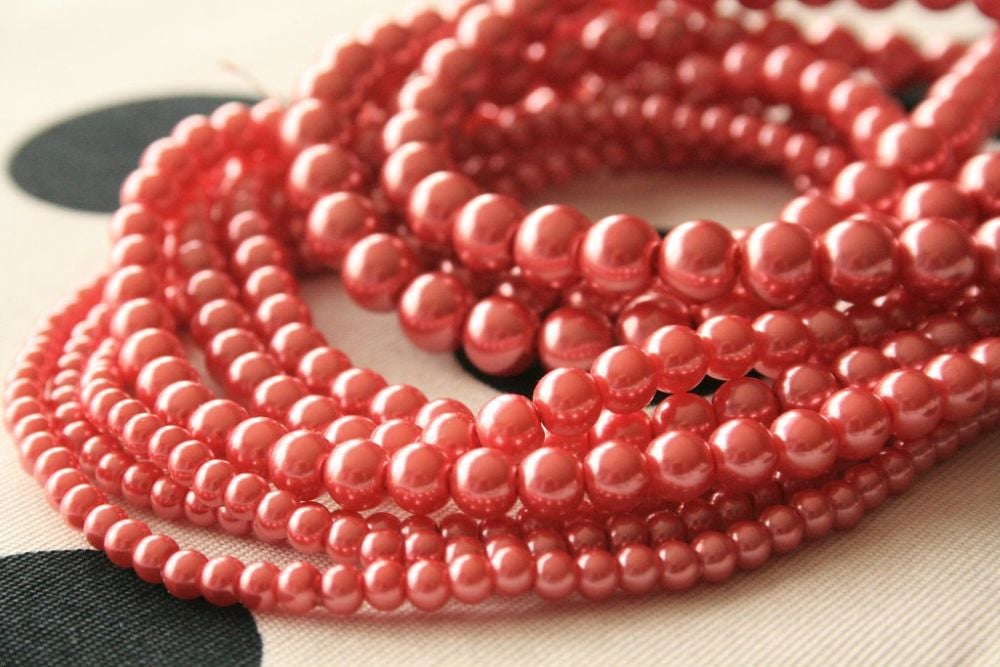
In coastal Pacific societies, red and pink coral beads were seen as precious and often stored in family heirloom boxes or buried near sacred sites. Because coral could only be harvested with great effort and risk, it had built-in value.
People stored it carefully, often wrapping it in cloth and keeping it dry to prevent fading. Entire clans measured their status in coral weight, not coin stacks.
Like Go2Tutors’s content? Follow us on MSN.
Salt Vaults in the Sahara

Salt might seem ordinary now, but in ancient trade cities along the Sahara, salt was white gold. Massive slabs were stacked in guarded rooms and covered to keep moisture out.
Controlling a salt cache meant controlling trade routes and political alliances. Losing a vault wasn’t just about losing seasoning—it was like watching your empire melt in the sun.
Wealth Woven into Culture

These storage methods weren’t just clever—they reflected each society’s values, environment, and priorities. From livestock to limestone, ancient people found ways to protect what mattered most, even if it meant hiding riches in plain sight.
While modern banking may seem more efficient, it’s missing a bit of that wild creativity. It turns out that wealth, like culture, is always tied to how people choose to protect and pass it on.
More from Go2Tutors!

- 16 Historical Figures Who Were Nothing Like You Think
- 12 Things Sold in the 80s That Are Now Illegal
- 15 VHS Tapes That Could Be Worth Thousands
- 17 Historical “What Ifs” That Would Have Changed Everything
- 18 TV Shows That Vanished Without a Finale
Like Go2Tutors’s content? Follow us on MSN.