15 Roman Inventions We Still Use
The Roman Empire didn’t just conquer territories—it revolutionized how people lived, worked, and organized society. From engineering marvels that still stand today to everyday conveniences we take for granted, Roman innovations shaped the foundation of modern civilization.
Their genius lay not just in creating new things, but in perfecting and spreading practical solutions across their vast empire. While we often credit more recent inventors for many modern conveniences, the truth is that Romans pioneered countless innovations over two millennia ago.
Here is a list of 15 Roman inventions that continue to influence our daily lives.
Concrete

Roman concrete wasn’t just strong—it was revolutionary. Unlike modern concrete that weakens over time, Roman concrete actually gets stronger when exposed to seawater, thanks to volcanic ash from Mount Vesuvius.
The Pantheon in Rome, built nearly 2,000 years ago, still stands as proof of their mastery. Engineers today are studying Roman concrete recipes to create more durable infrastructure.
Aqueducts
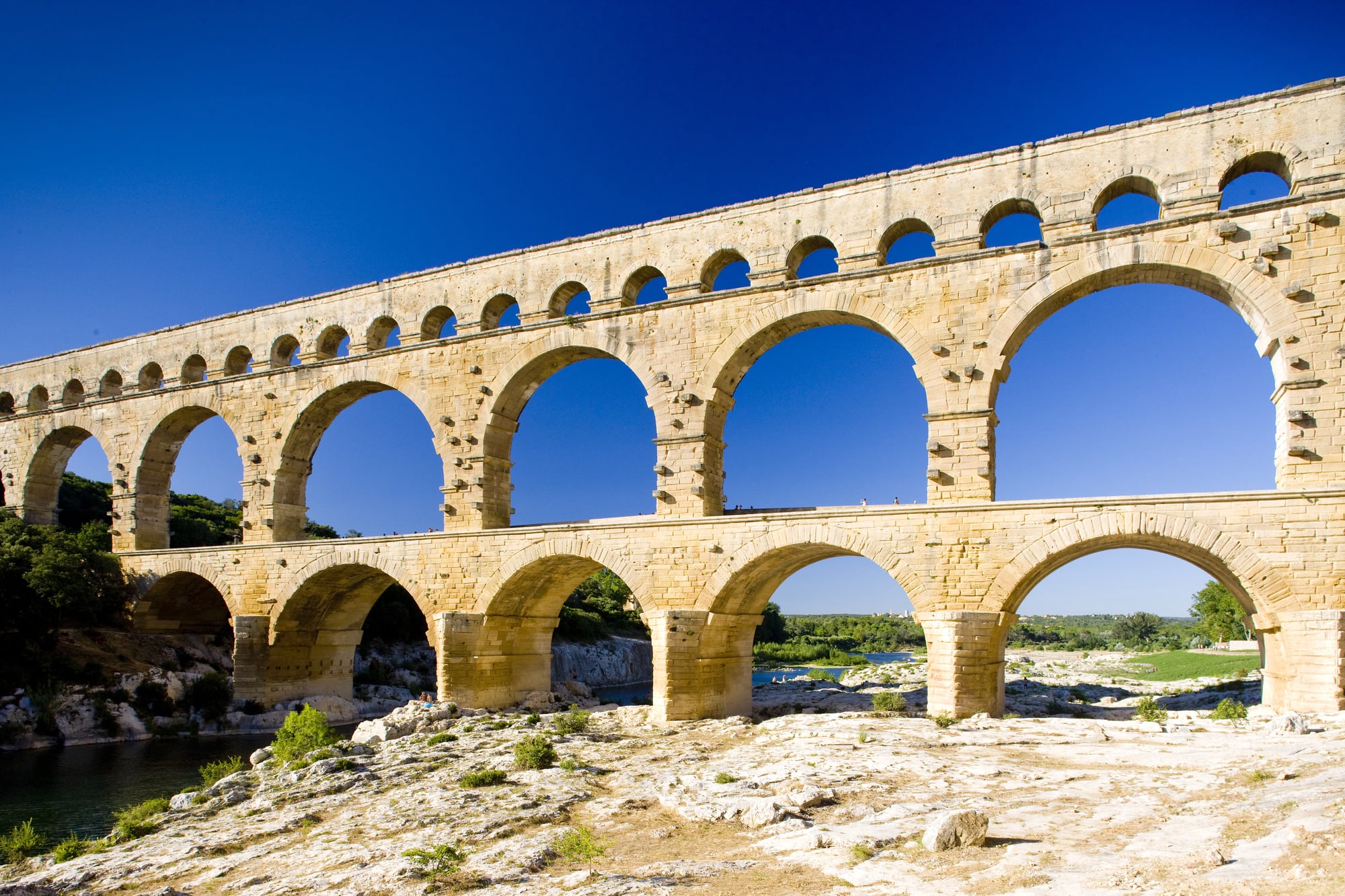
Romans didn’t invent water transport, though they perfected it on a massive scale. Their aqueduct system moved fresh water across hundreds of miles using nothing but gravity and precise engineering—no pumps required.
The Pont du Gard in France still carries water today. Modern water distribution systems follow the same basic principles Romans established centuries ago.
Like Go2Tutors’s content? Follow us on MSN.
Roads

“All roads lead to Rome” became a saying for good reason. Romans built over 250,000 miles of roads across their empire, creating the layered construction method we still use today, with deep foundations, drainage systems, and durable surfaces.
Roman roads were so well-built that many European highways follow the exact same routes laid down by Roman engineers. Their roadwork literally paved the way for future civilizations.
Sewers
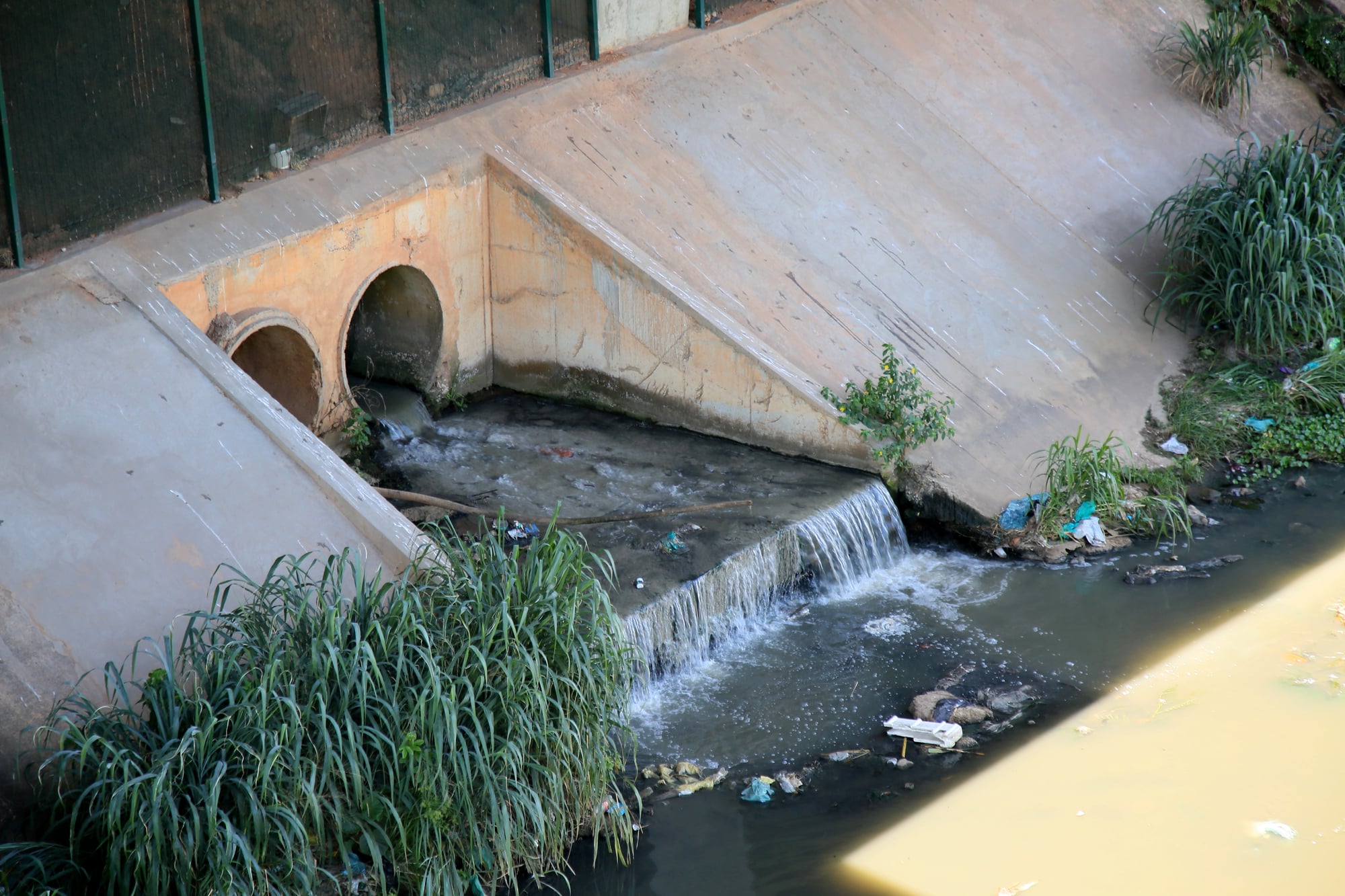
The Cloaca Maxima—Rome’s great sewer system—began construction in the 6th century BC, yet parts of it still function today. Romans understood that proper waste management was crucial for public health in dense urban areas.
Their underground sewer networks became the model for every major city’s waste management system. It proves that some problems require the same solutions regardless of the century.
Central Heating

Roman hypocaust systems heated entire buildings by circulating warm air through walls and floors. Wealthy Romans enjoyed radiant floor heating in their homes and public baths—a luxury that didn’t become common again until the 20th century.
Modern underfloor heating systems work on the same principle Romans perfected 2,000 years ago. Their thermal innovations were centuries ahead of their time.
Like Go2Tutors’s content? Follow us on MSN.
Glass Windows

While glass existed before Romans, they were the first to use it widely for windows in homes and public buildings. Roman glassmakers developed techniques for creating larger, clearer panes that let in light while keeping out weather—quite an innovation for the time.
Every window in your house traces its lineage back to Roman innovations in glassmaking. Their transparency truly changed how people lived indoors.
Newspapers

Romans created the “Acta Diurna” or daily acts, which were carved notices posted in public spaces to inform citizens about government decisions, military victories, plus social events. These daily updates served the same function as modern newspapers—keeping the public informed about current affairs.
The concept of regular, organized news distribution started in Roman forums. Today’s media culture has roots in these ancient bulletins.
Surgical Tools

Roman military surgeons developed sophisticated medical instruments that look remarkably similar to modern surgical tools. They created forceps, scalpels, bone saws—even cataract surgery needles.
Many Roman surgical techniques were so advanced that they weren’t improved upon until the Renaissance. Some of their tool designs remain virtually unchanged today.
Like Go2Tutors’s content? Follow us on MSN.
Welfare System

The Roman “annona” system provided free grain distributions to citizens, creating the world’s first large-scale welfare program. This system fed hundreds of thousands of people in Rome along with other major cities throughout the empire.
Modern social safety nets follow the same basic principle—government-provided assistance during times of need. Roman welfare laid the groundwork for contemporary public aid.
Fire Department

After the Great Fire of Rome in 64 AD, Romans organized the first professional fire brigade with trained firefighters, specialized equipment, plus coordinated response procedures. The “vigiles” patrolled neighborhoods, responded to emergencies, and enforced fire safety regulations.
Every modern fire department operates using organizational structures Romans established nearly 2,000 years ago. They were among the first to professionalize emergency response.
Apartment Buildings

Romans invented the apartment building out of necessity as cities grew crowded and expensive. Their “insulae” were multi-story residential buildings that housed working-class families, complete with shared courtyards and commercial spaces on ground floors.
Modern urban apartment living follows the same space-efficient model Romans created to house dense populations. They pioneered vertical living long before it became a trend.
Like Go2Tutors’s content? Follow us on MSN.
Bound Books

While scrolls dominated the ancient world, Romans developed the “codex”—pages bound together on one side, creating the first recognizable books. This format proved more durable and easier to reference than scrolls, making books more practical for everyday use.
Every book on your shelf uses the same basic binding concept Romans perfected centuries ago. Their contribution shaped how we record and share knowledge.
Postal System

The Roman “cursus publicus” created the first organized postal service, with relay stations, mounted messengers, and standardized delivery routes across the empire. Government officials and merchants could send messages across thousands of miles with reasonable reliability.
Modern postal services still use the same hub-and-spoke distribution model Romans established back then. They made long-distance communication possible for the first time.
Calendars

Julius Caesar reformed the chaotic Roman calendar system, creating the Julian calendar with 365 days and leap years every four years. This calendar was so accurate that it remained in use for over 1,500 years, though our current Gregorian calendar is just a minor adjustment to Caesar’s system.
The names of our months still reflect Roman gods and emperors today. Their calendar helped humanity organize time with lasting precision.
Like Go2Tutors’s content? Follow us on MSN.
Corporation

Romans created the “societas publicanorum,” the first business corporations that could own property, enter contracts, and continue operating beyond the lives of individual owners. These early corporations built roads, collected taxes, and managed large-scale projects across the empire.
Modern corporate structures and business law trace directly back to Roman legal innovations from centuries past. Their economic foresight shaped the global marketplace.
The Roman Legacy Lives On

Every time you turn on a faucet, walk on a paved road, or read a bound book, you’re using technology Romans perfected centuries ago. Their practical approach to problem-solving created solutions so effective that we’ve never needed to replace them—only refine them.
The Romans proved that the best inventions aren’t always the flashiest ones, though they’re certainly the ones that make daily life better for everyone. Today’s world would be unrecognizable without the foundation Romans laid, showing that true innovation stands the test of time.
More from Go2Tutors!

- 16 Historical Figures Who Were Nothing Like You Think
- 12 Things Sold in the 80s That Are Now Illegal
- 15 VHS Tapes That Could Be Worth Thousands
- 17 Historical “What Ifs” That Would Have Changed Everything
- 18 TV Shows That Vanished Without a Finale
Like Go2Tutors’s content? Follow us on MSN.