13 Animals That Create Beautiful Natural Structures
Nature’s architects don’t need blueprints or engineering degrees to create some of the most stunning structures on Earth. From towering termite mounds that could rival skyscrapers to delicate spider webs that put human engineering to shame, animals have been building masterpieces for millions of years. These creatures use nothing but instinct, available materials, and remarkable ingenuity to construct homes, traps, and gathering places that often leave us wondering how something so small could create something so incredible.
The animal kingdom is packed with talented builders who put their own unique spin on construction. Here’s a list of 13 animals that create some of the most beautiful and impressive natural structures you’ll ever see.
Beavers
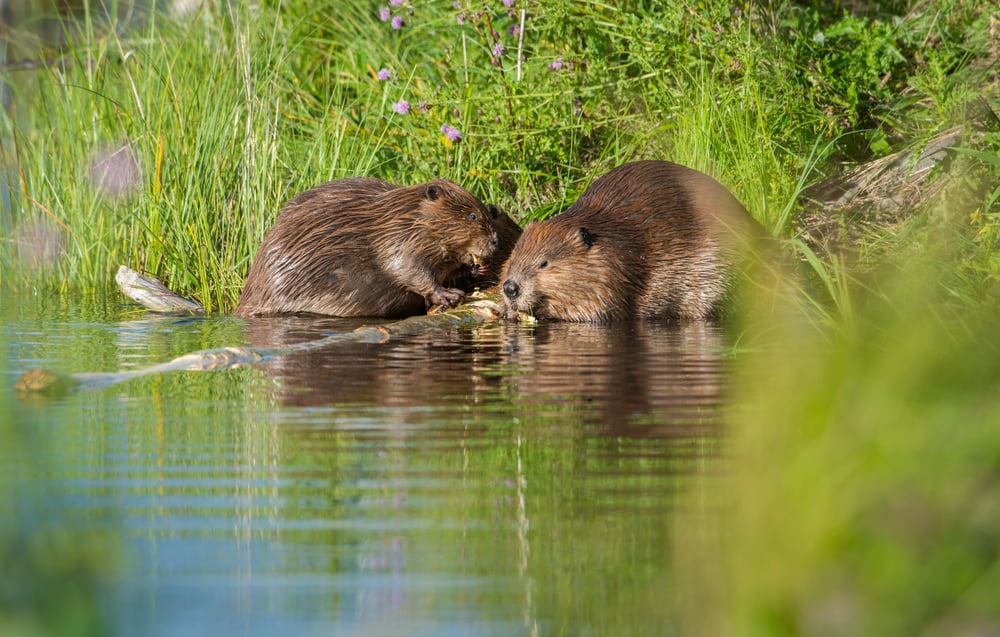
Beavers are the ultimate home improvement enthusiasts of the animal world. These industrious rodents can completely reshape entire landscapes with their impressive dam-building skills.
A single beaver family can construct dams stretching over 100 feet long, using nothing but sticks, rocks, and mud held together with their own saliva and anal gland secretions as natural cement.
Termites
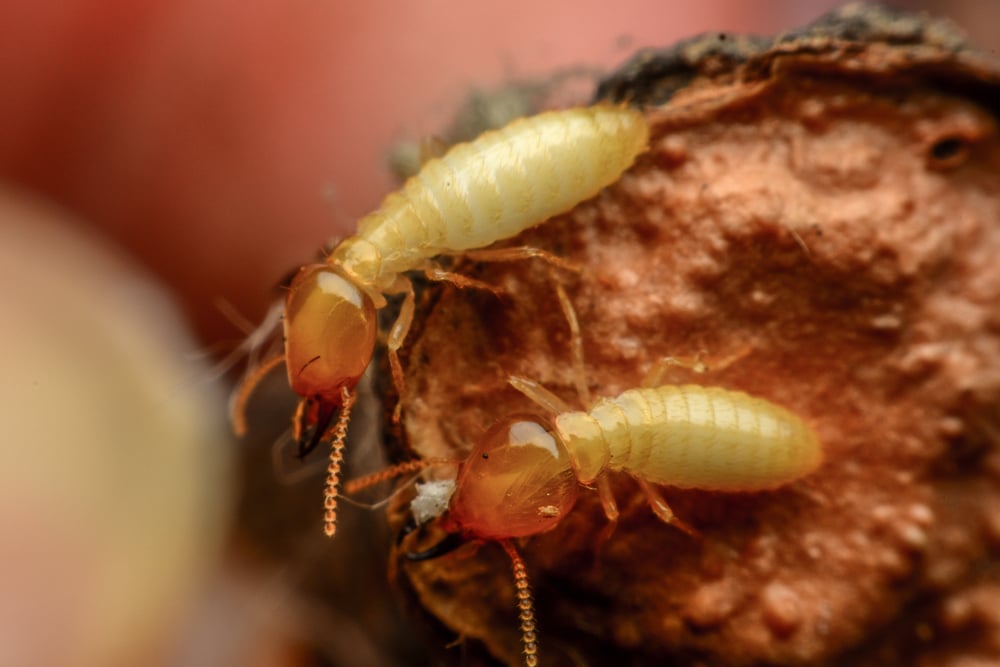
Termite mounds are like underground cities that rise from the earth in towering spires. Some African termite species build mounds that reach heights of 30 feet or more, complete with intricate ventilation systems that maintain perfect temperature and humidity levels.
These structures are so well-designed that architects study them to improve building efficiency in human constructions.
Like Go2Tutors’s content? Follow us on MSN.
Honeybees
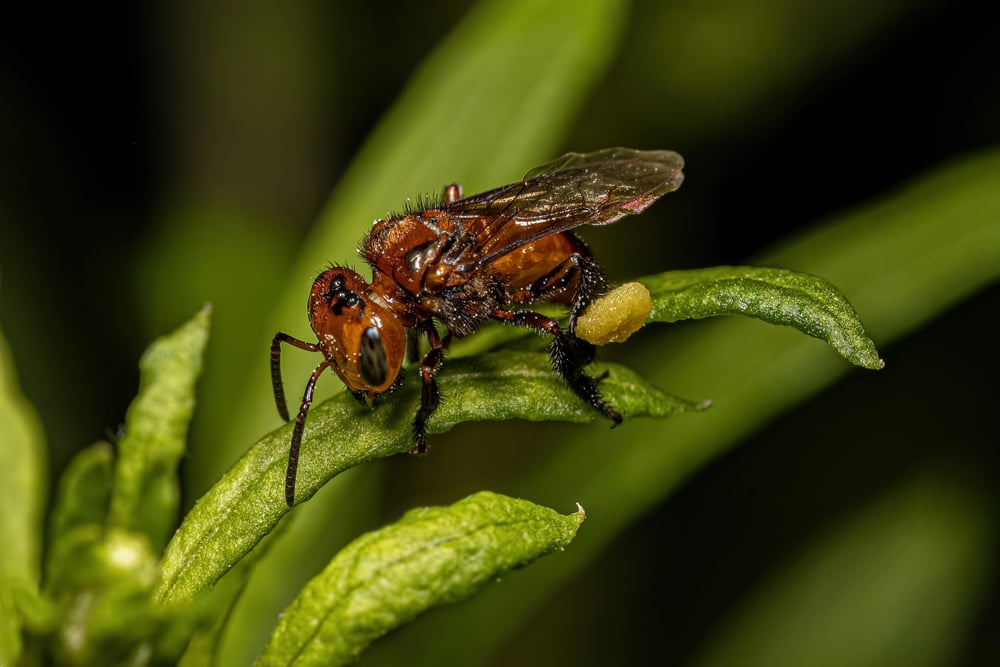
The hexagonal cells of a honeycomb represent mathematical perfection in nature. Bees instinctively create these six-sided chambers because they use the least amount of wax while providing maximum storage space.
Each cell is angled at exactly 13 degrees to prevent honey from dripping out, and the entire structure can support 25 times its own weight.
Weaver Birds
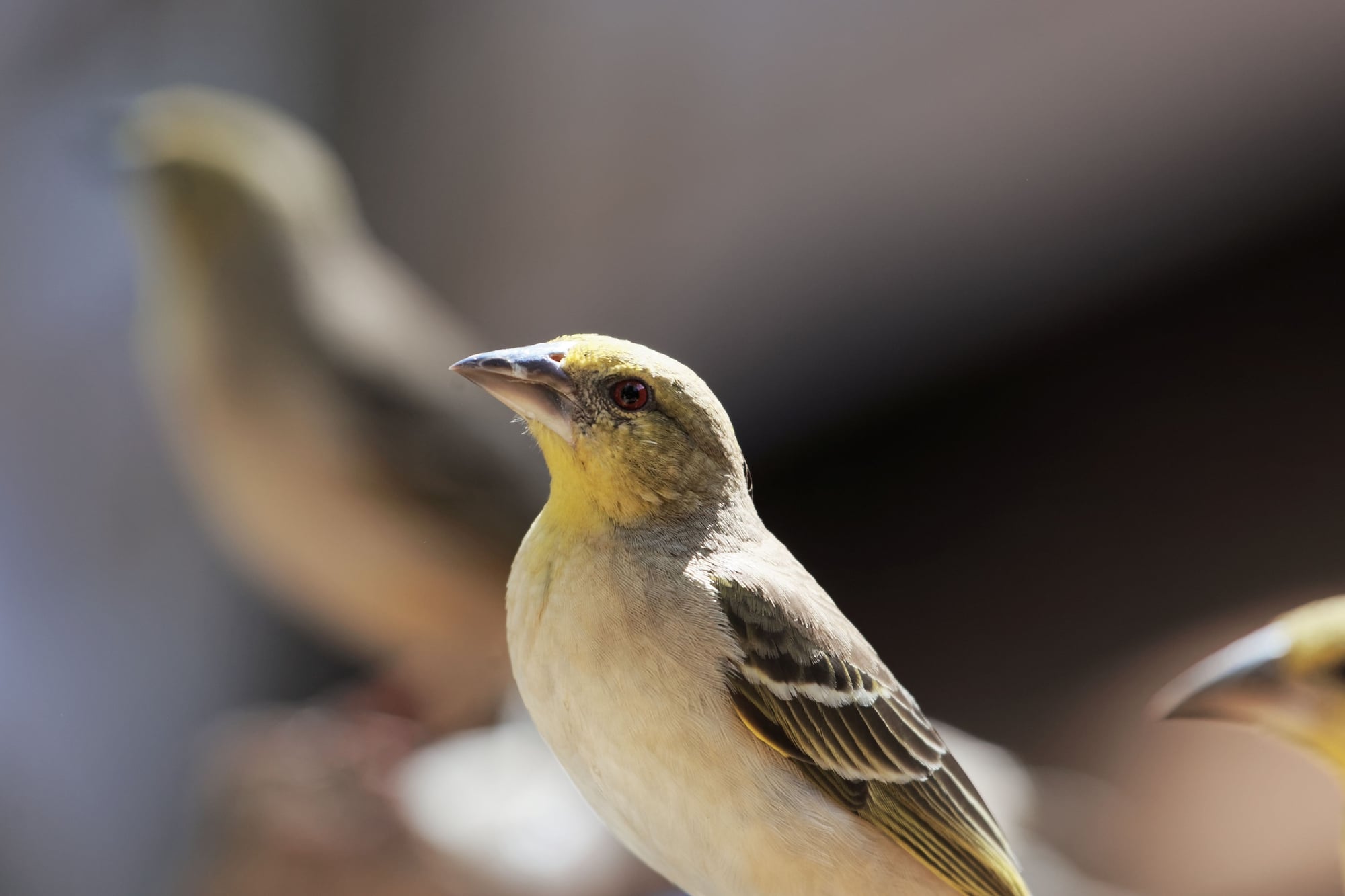
Weaver birds are the master tailors of the avian world, creating elaborate hanging nests that look like woven baskets. Male weavers spend weeks carefully interlacing grass strips and palm fronds to create these suspended masterpieces, often building multiple nests in a single season to attract mates.
The entrance is typically placed at the bottom with a tunnel leading upward to keep eggs and chicks safe from predators.
Caddisfly Larvae
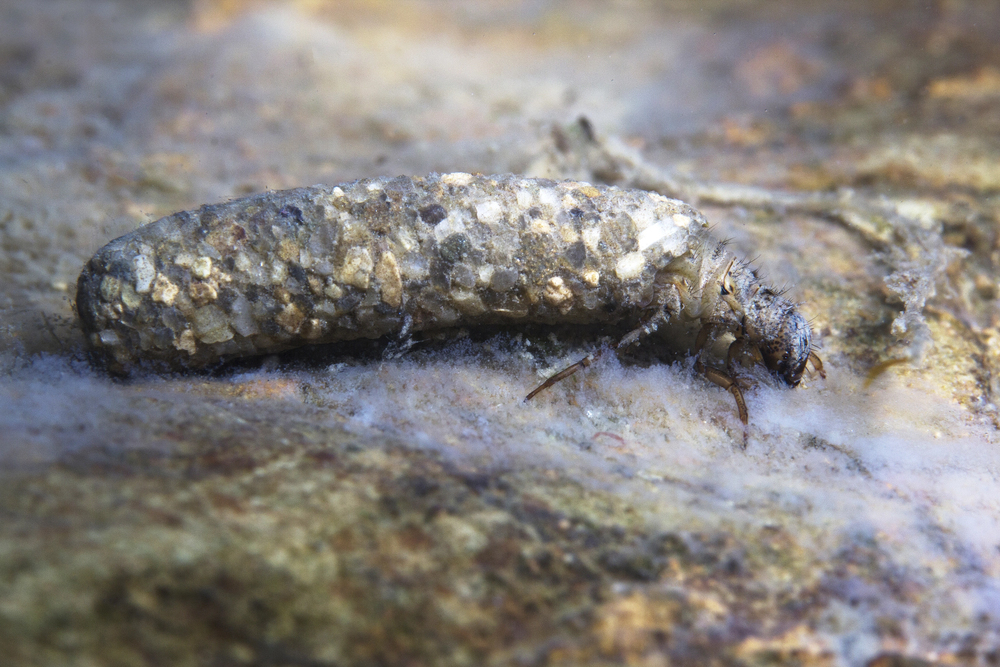
Caddisfly larvae are underwater architects that build portable homes from whatever materials they can find. These aquatic insects glue together tiny pebbles, twigs, shells, and even bits of glass to create protective cases around their soft bodies.
Each species has its own preferred building materials and design style, making them look like tiny underwater artists with distinct signatures.
Like Go2Tutors’s content? Follow us on MSN.
Orb Weavers
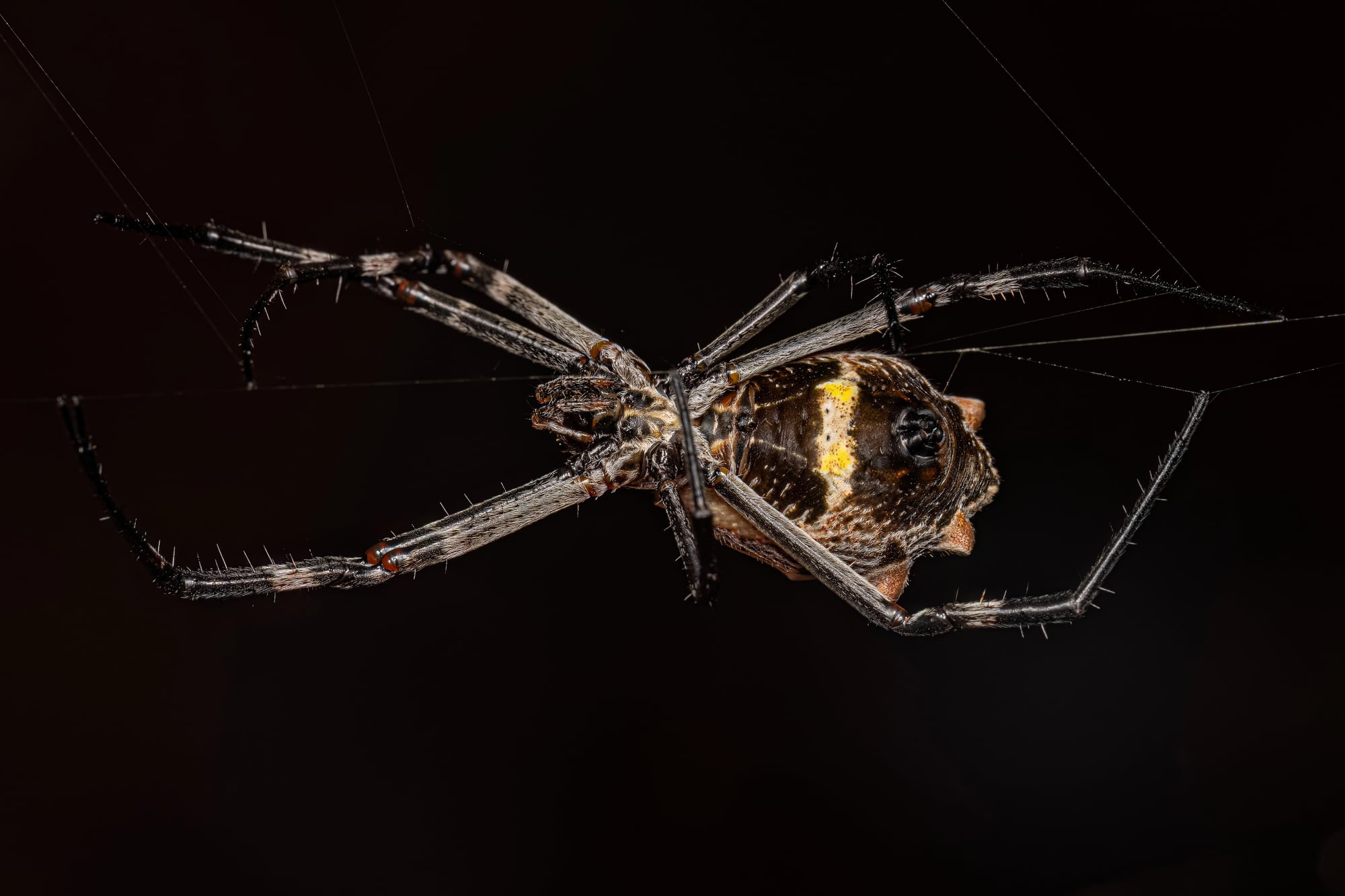
Orb weaver spiders create some of nature’s most geometrically perfect structures with their circular webs. These eight-legged engineers start with a basic framework, then spiral outward in mathematically precise patterns to create sticky capture zones.
A single orb web can contain over 1,000 feet of silk thread, all produced from the spider’s own body and stronger than steel by weight.
Paper Wasps
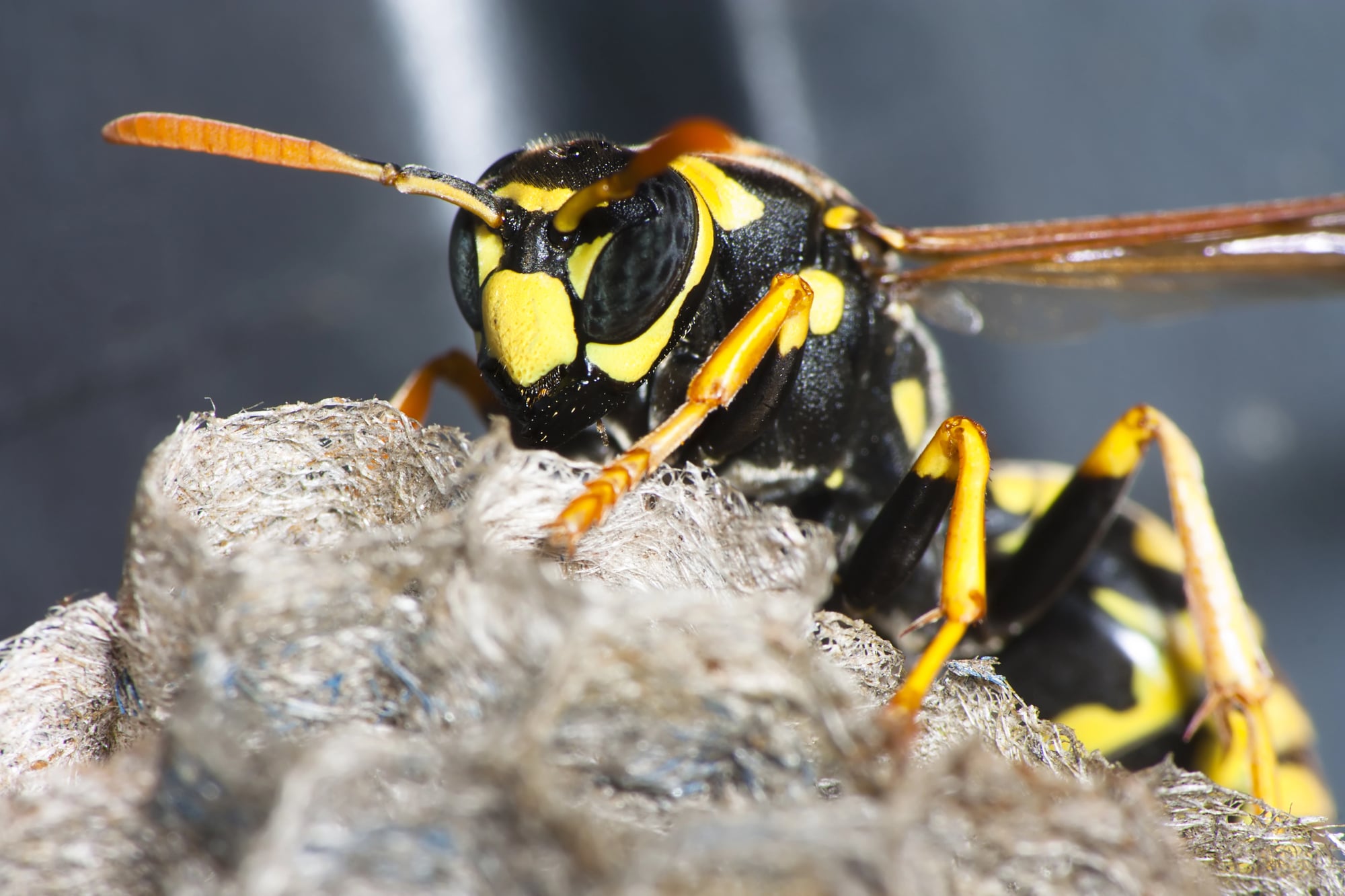
Paper wasps are the original recycling experts, chewing up wood fibers and mixing them with saliva to create a papery building material. Their umbrella-shaped nests feature dozens of hexagonal cells arranged in perfect geometric patterns.
The wasps even add layers of different colored paper based on the wood sources they use, creating natural works of art with subtle color variations.
Mud Daubers
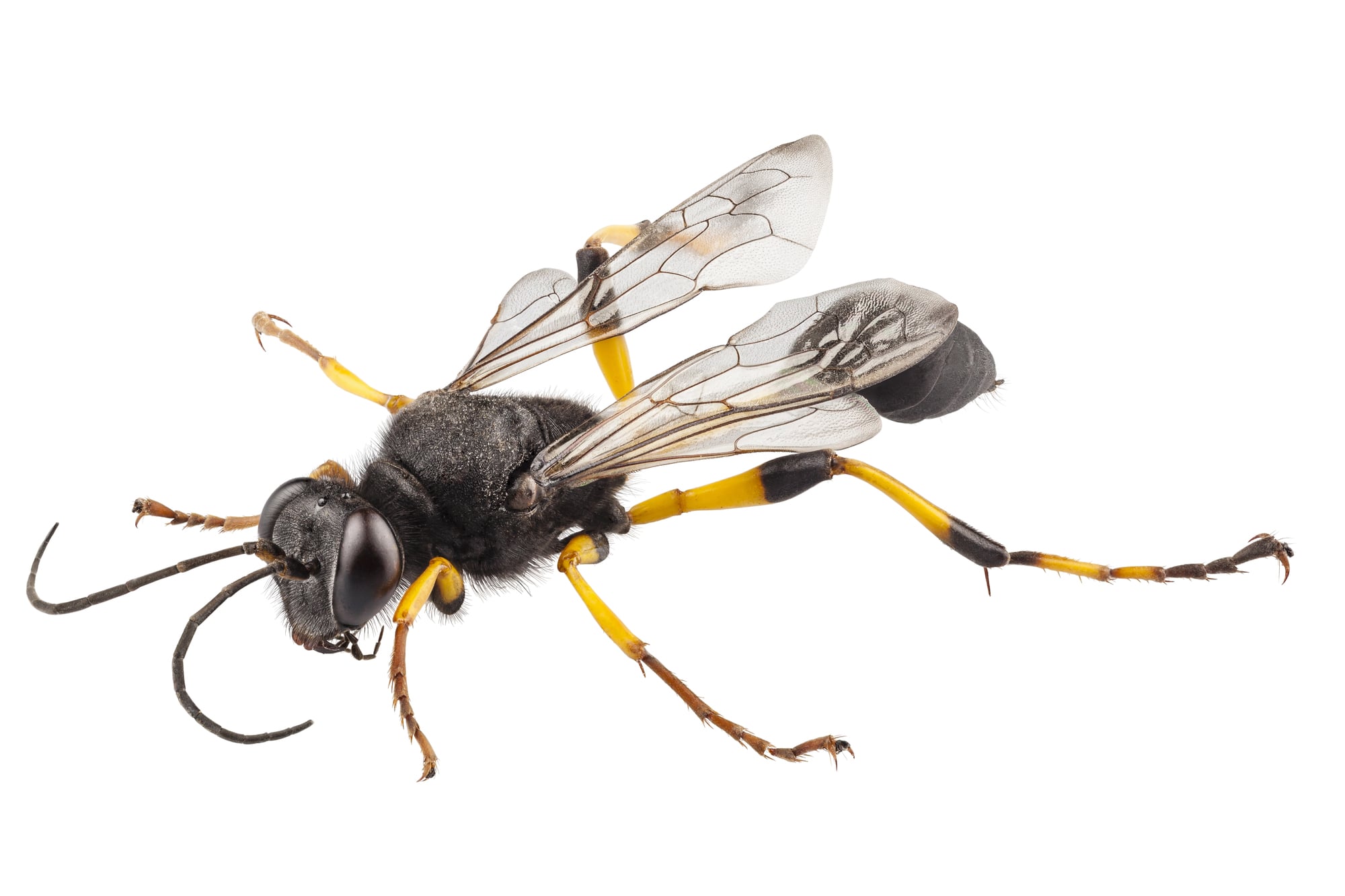
Mud dauber wasps are skilled pottery makers, collecting mud and water to construct smooth, cylindrical nests that look like miniature clay pots. These solitary wasps carefully shape each cell by rolling mud into perfect spheres, then molding them into chambers.
They stock each chamber with paralyzed spiders before laying a single egg inside, creating a ready-made nursery and food supply.
Like Go2Tutors’s content? Follow us on MSN.
Cliff Swallows
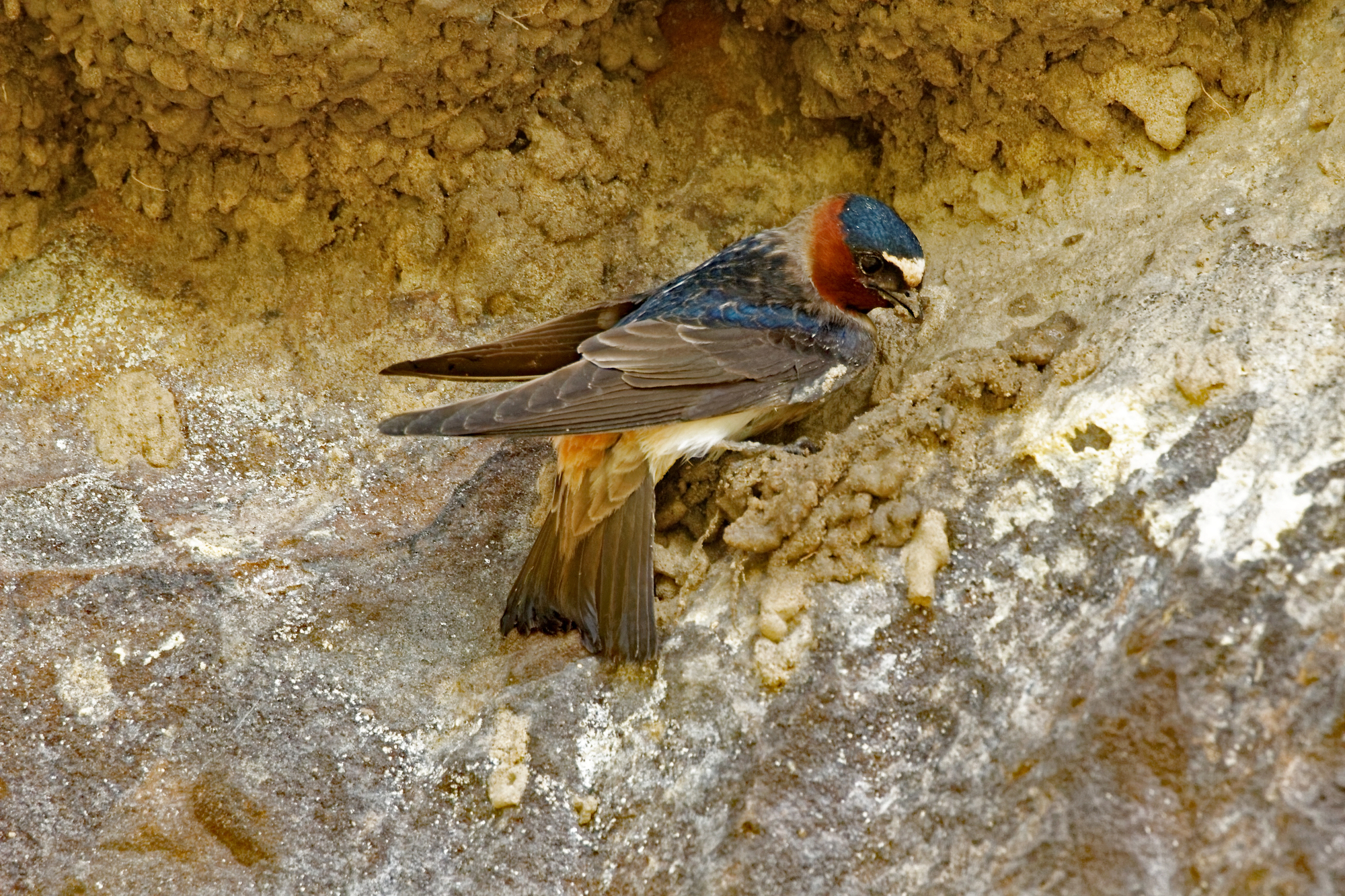
Cliff swallows are master masons, building gourd-shaped nests from hundreds of tiny mud pellets. These birds make thousands of trips to collect mud, carefully layering each pellet to create smooth, curved walls with a narrow entrance tunnel.
Entire colonies can cover cliff faces with these adobe-like structures, creating natural apartment complexes that house hundreds of families.
Trapdoor Spiders
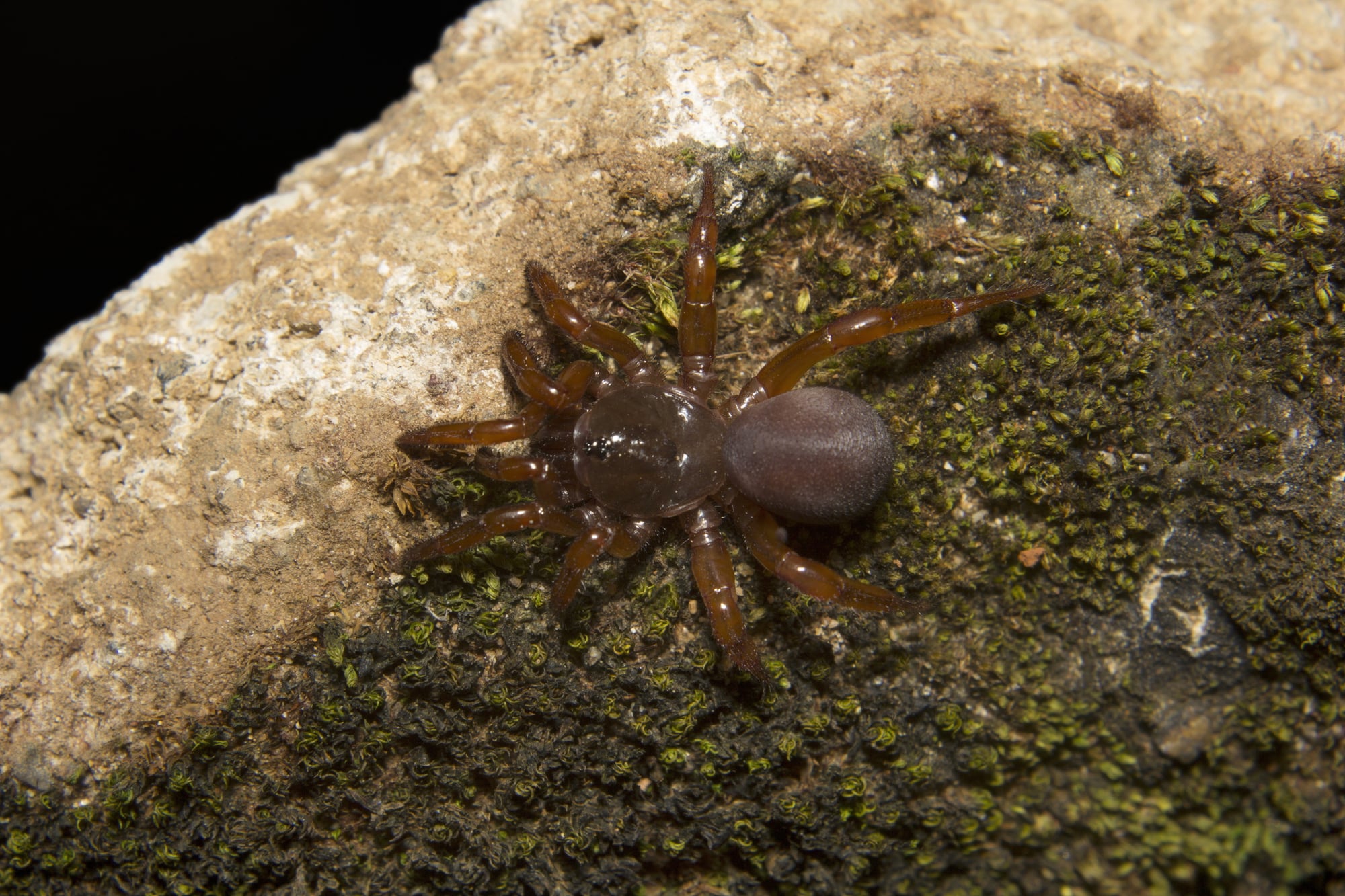
Trapdoor spiders are the ultimate home security specialists, creating underground burrows with perfectly camouflaged hinged doors. These spiders line their tunnels with silk and construct a lid that blends seamlessly with the surrounding ground.
The door is held shut by the spider’s strong legs and opens on silk hinges when prey walks overhead, creating a trap that’s both invisible and incredibly effective.
Fairy Wrens
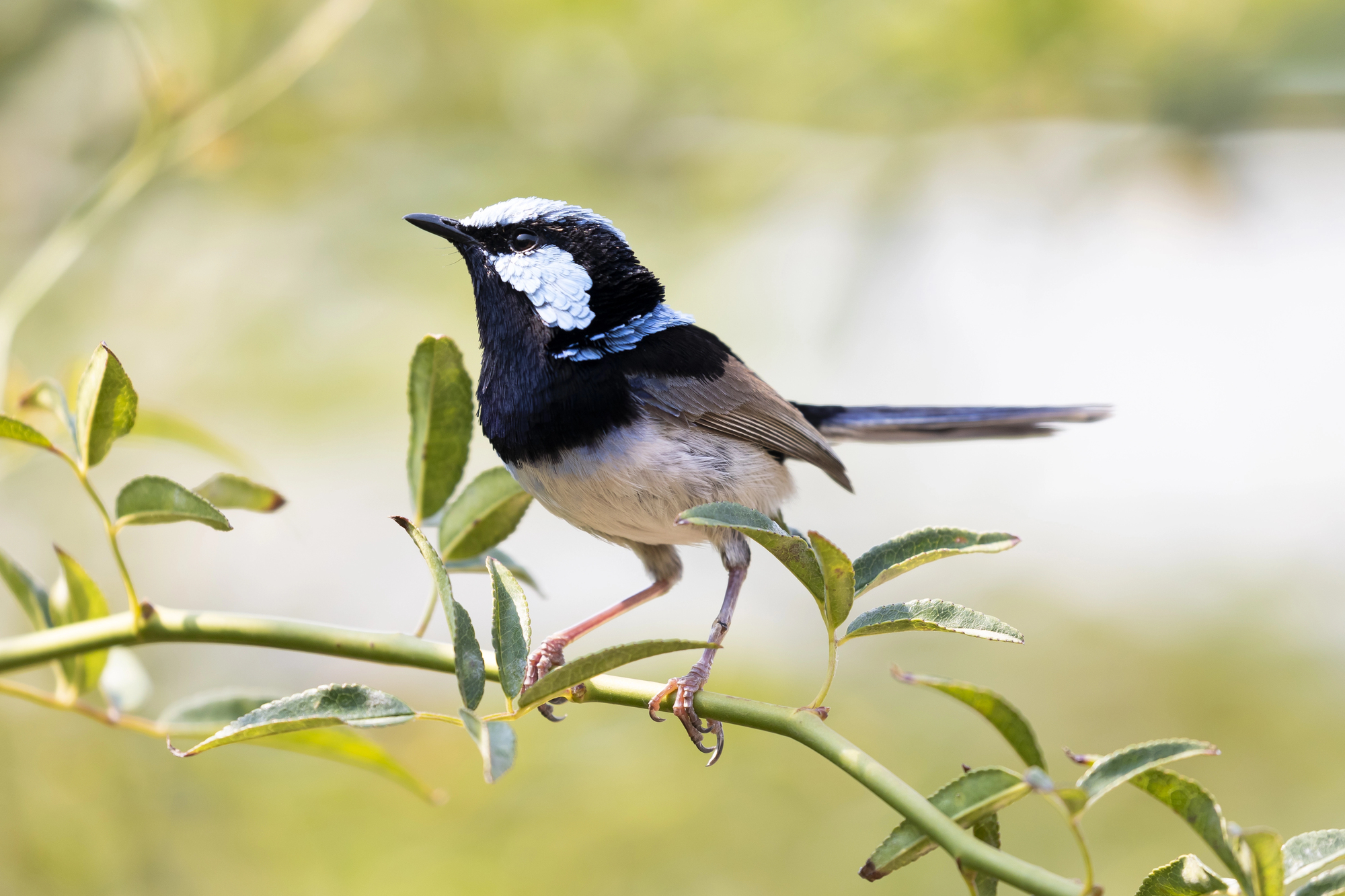
Fairy wrens build some of the most architecturally sophisticated nests in the bird world, creating domed structures with side entrances that look like tiny igloos. These Australian birds weave grass and spider webs together to form the basic structure, then camouflage the outside with bark, lichen, and moss.
The result is a nest so well-hidden that it’s nearly impossible to spot even when you’re looking directly at it.
Like Go2Tutors’s content? Follow us on MSN.
Cactus Wrens
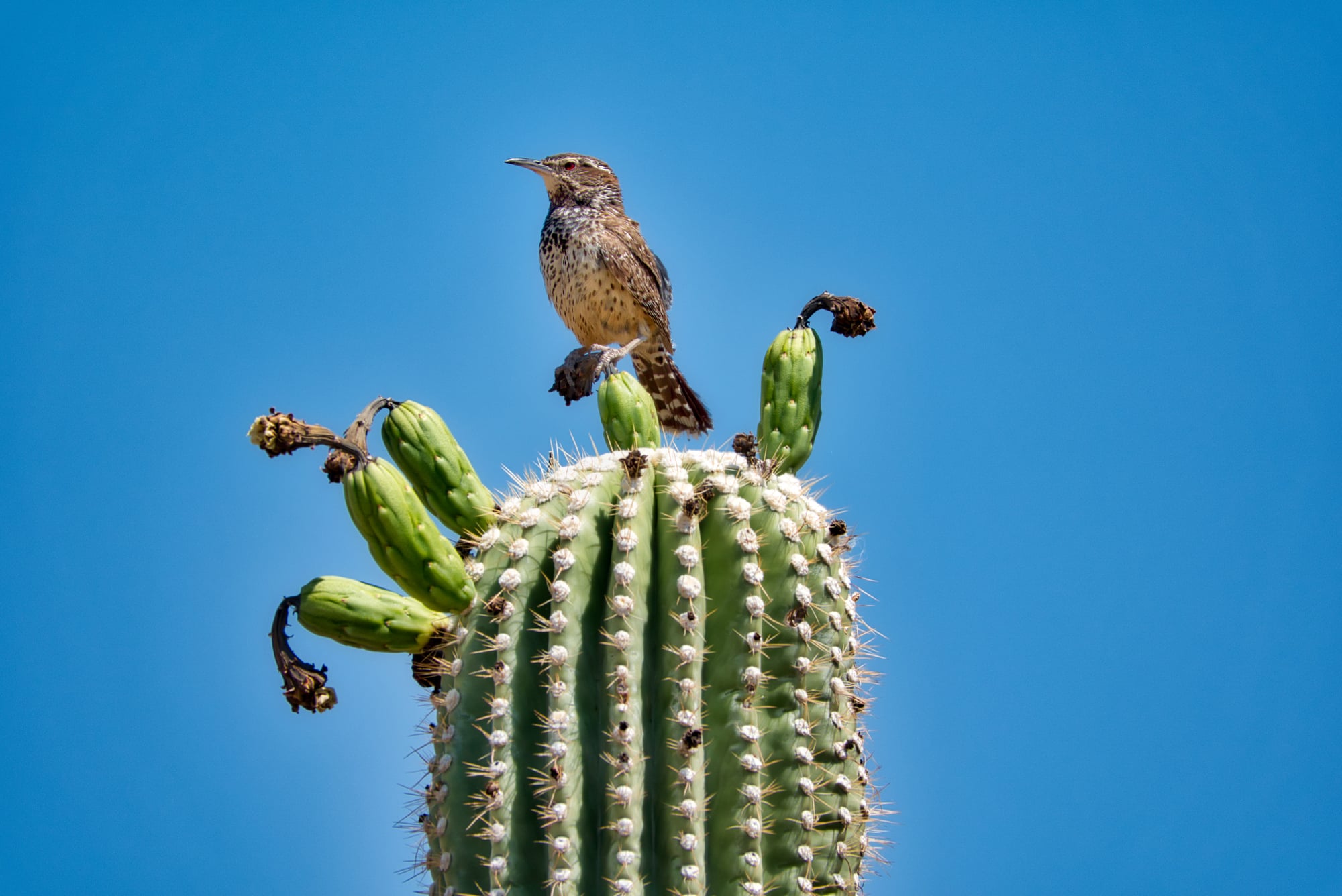
Cactus wrens turn the desert’s most forbidding plants into fortress-like homes. These birds build their nests deep inside cholla cacti, using the plant’s spines as natural security systems.
The nest itself is a hollow chamber lined with soft materials like feathers and plant down, accessible only through a narrow tunnel that winds between the cactus spines.
Social Spiders
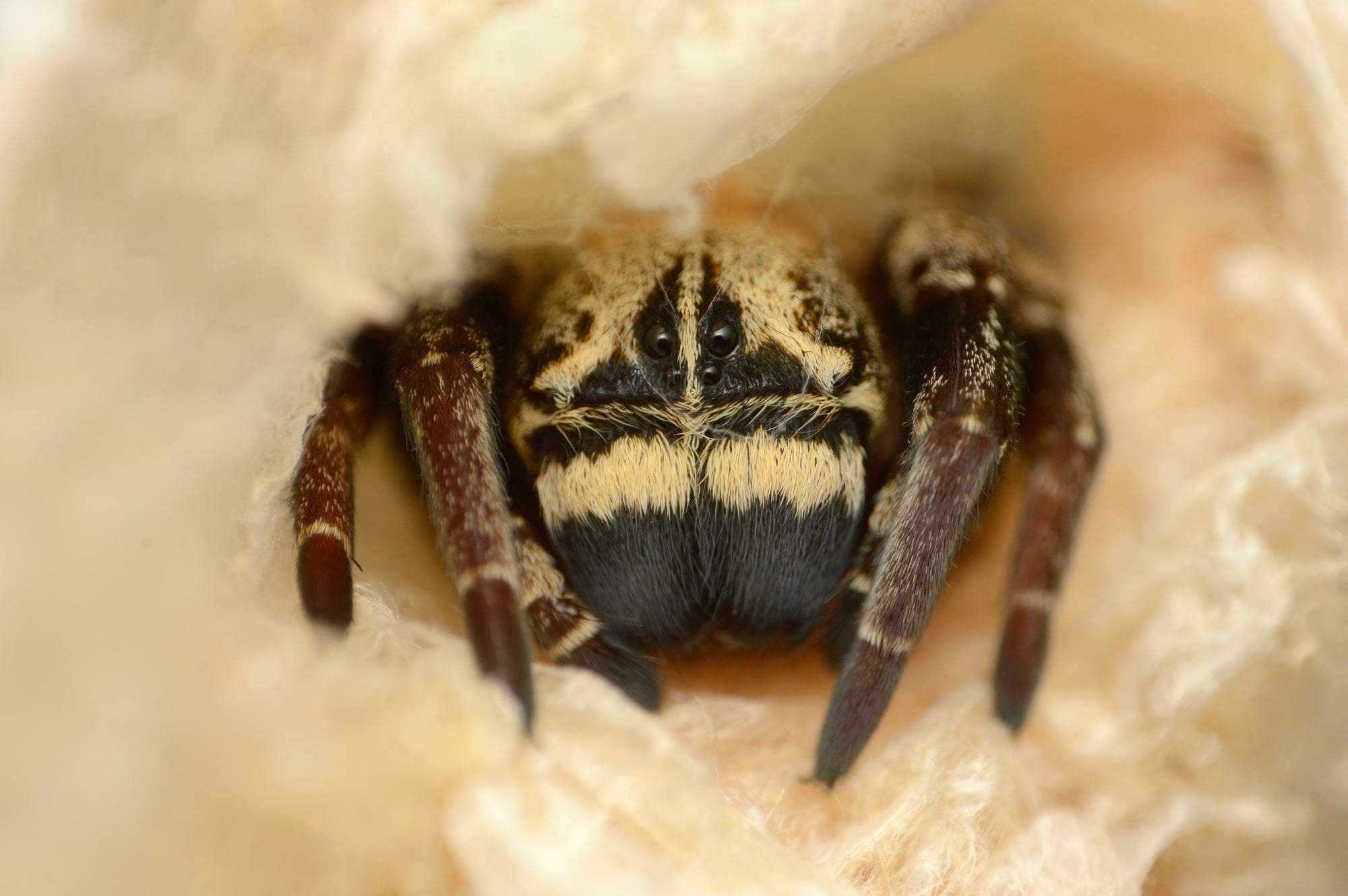
Some spider species have figured out that teamwork makes the dream work, creating massive communal webs that can cover entire trees. These social spiders work together to build and maintain sheet webs that can span over 25 feet in length.
The webs look like giant silk tents draped over vegetation, and the spiders inside cooperate to catch prey and raise their young together.
Nature’s Architects Continue to Amaze
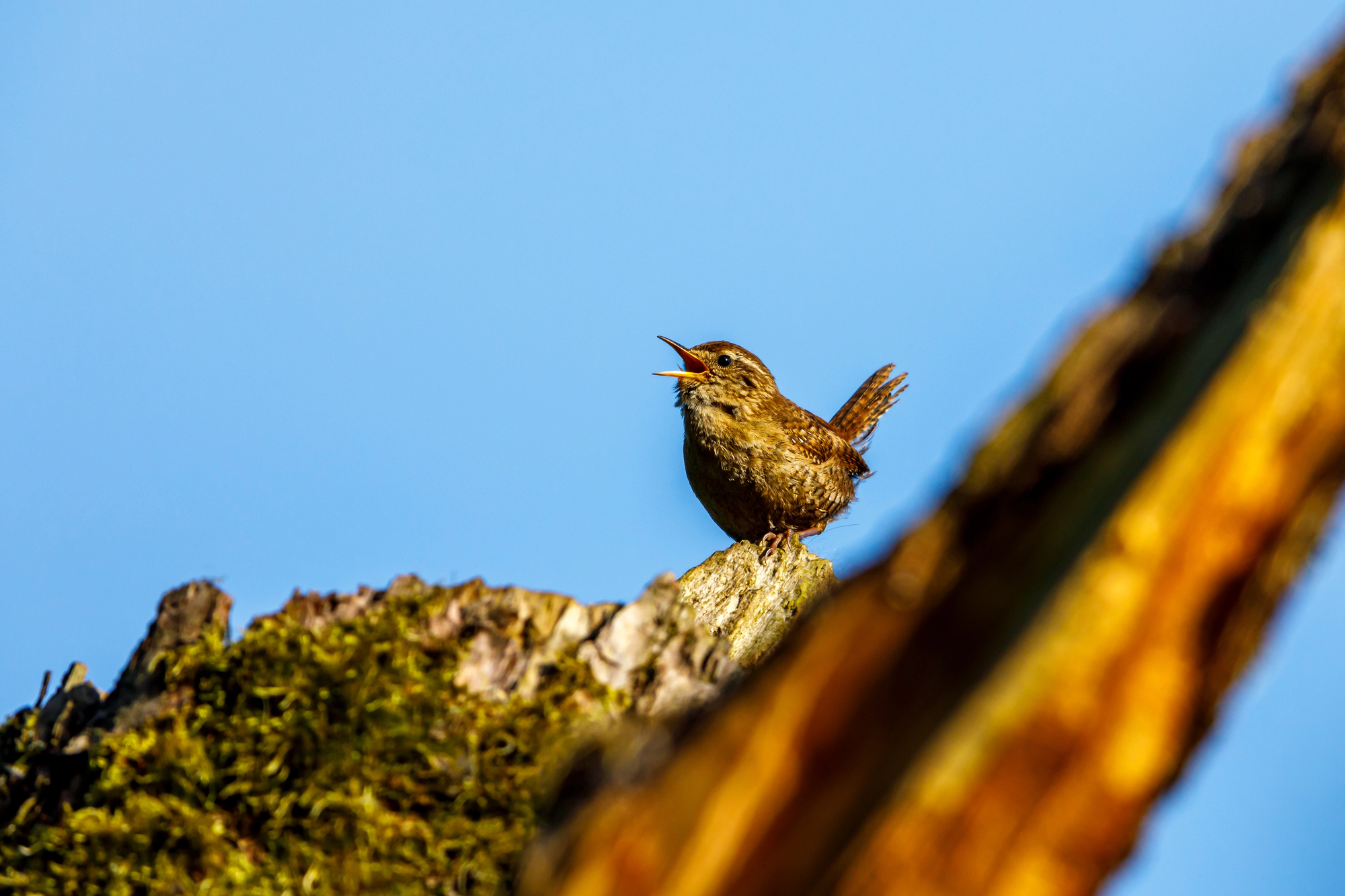
These remarkable builders remind us that intelligence and creativity aren’t limited to humans. Each species has evolved unique solutions to life’s challenges, creating structures that are both functional and beautiful.
From the mathematical precision of honeycomb to the artistic flair of bower bird displays, these natural architects continue to inspire human designers and engineers. The next time you spot a spider web glistening with morning dew or notice a mud dauber nest under your eaves, take a moment to appreciate the incredible engineering skills of these tiny but talented builders.
Like Go2Tutors’s content? Follow us on MSN.
More from Go2Tutors!

- 16 Historical Figures Who Were Nothing Like You Think
- 12 Things Sold in the 80s That Are Now Illegal
- 15 VHS Tapes That Could Be Worth Thousands
- 17 Historical “What Ifs” That Would Have Changed Everything
- 18 TV Shows That Vanished Without a Finale
Like Go2Tutors’s content? Follow us on MSN.