13 Classic Video Games Built in Under a Week
The video game industry often involves months or even years of development time for a single title. Teams of dozens or hundreds of people meticulously craft every aspect of modern games, from graphics to gameplay mechanics.
Yet throughout gaming history, some of the most influential and beloved titles came together in astonishingly short timeframes. These rapid development stories reveal how creativity, passion, and necessity can produce extraordinary results under pressure.
Here is a list of 13 classic video games that were built in less than a week, proving that sometimes the most memorable experiences come from the most constrained circumstances.
Flappy Bird

Vietnamese developer Dong Nguyen created this addictive mobile phenomenon in just 2-3 days using simple tools. The game’s straightforward tap-to-flap mechanic hid a brutally difficult challenge that frustrated and captivated millions of players worldwide.
At its peak, Flappy Bird was earning around $50,000 daily in advertising revenue before Nguyen famously removed it from app stores due to concerns about its addictive nature.
Tetris
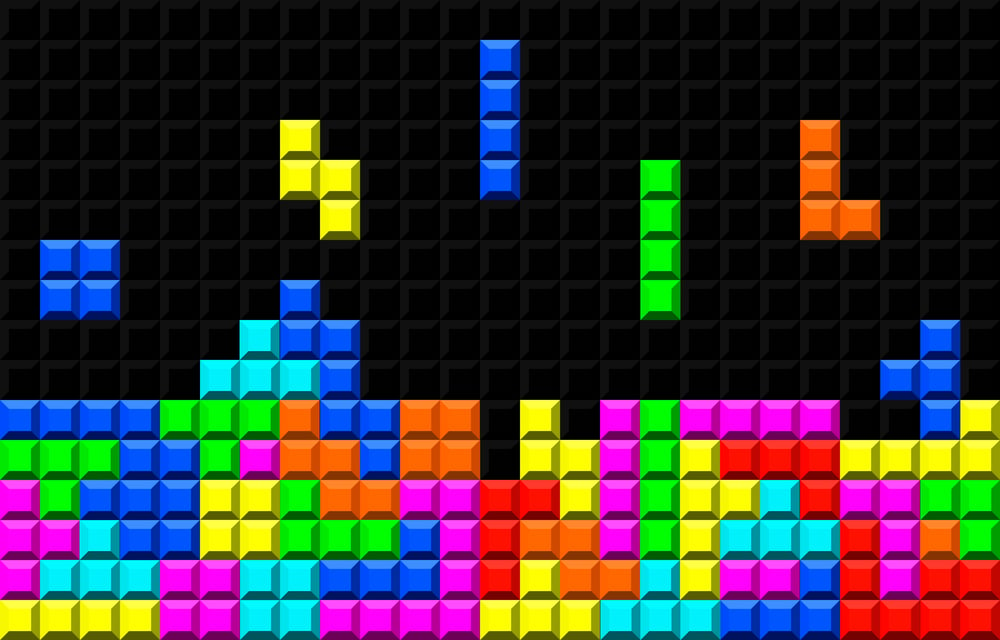
While the complete development of Tetris took longer, the core gameplay was programmed by Alexey Pajitnov in just five days on an Elektronika 60 computer in 1984. The Soviet programmer created the falling block puzzle game during his spare time at the Moscow Academy of Science, initially without any graphics or scoring system.
This deceptively simple concept became one of the most recognizable and commercially successful games in history, selling hundreds of millions of copies across virtually every gaming platform.
Like Go2Tutors’s content? Follow us on MSN.
Polybius

This legendary arcade game was supposedly developed in under a week in Portland, Oregon around 1981. According to urban legend, the game caused psychoactive effects in players and was monitored by men in black suits who collected data from the machines.
While most evidence suggests Polybius never actually existed, the myth has become a fascinating piece of gaming folklore and inspired numerous modern recreations and references in popular media.
Canabalt
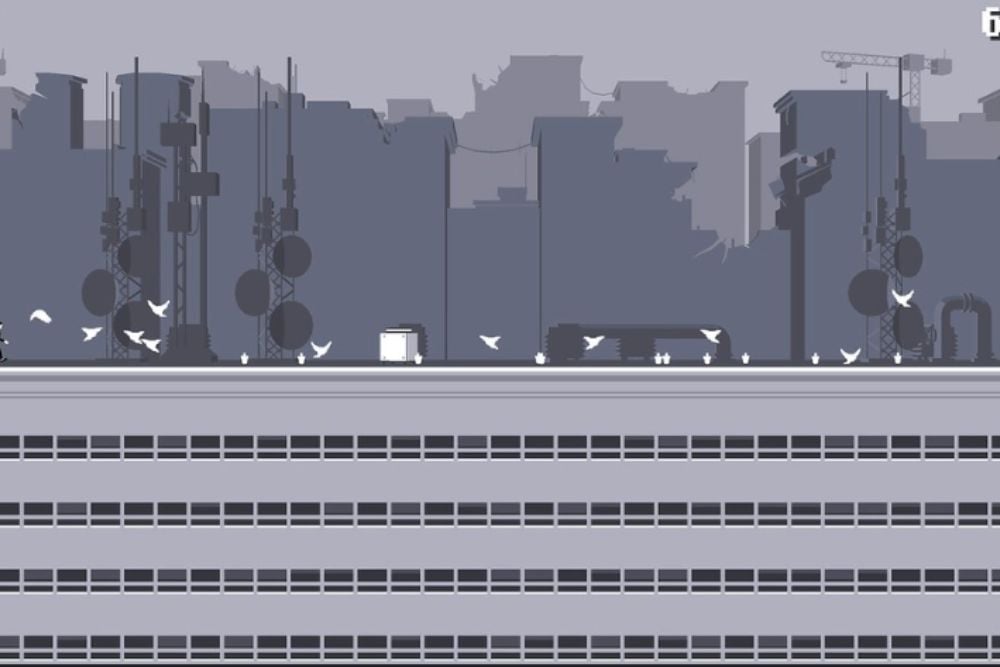
Adam Saltsman created this pioneering endless runner in just five days for a game jam in 2009. The one-button gameplay of a running figure automatically jumping between rooftops perfectly captured the essence of simplicity in game design.
Canabalt helped establish the endless runner genre that would later dominate mobile gaming and inspired countless imitators with its minimalist approach to both visuals and controls.
Super Hexagon

Independent developer Terry Cavanagh created the initial version of this hypnotic action game in just 24 hours for a game jam. The dizzying, pulsating gameplay involves navigating a triangle through closing geometric patterns at increasing speeds.
While Cavanagh spent several more months polishing Super Hexagon before its commercial release, the core gameplay that made it a cult hit was built in that initial frenzied day of development.
Like Go2Tutors’s content? Follow us on MSN.
Cave Story
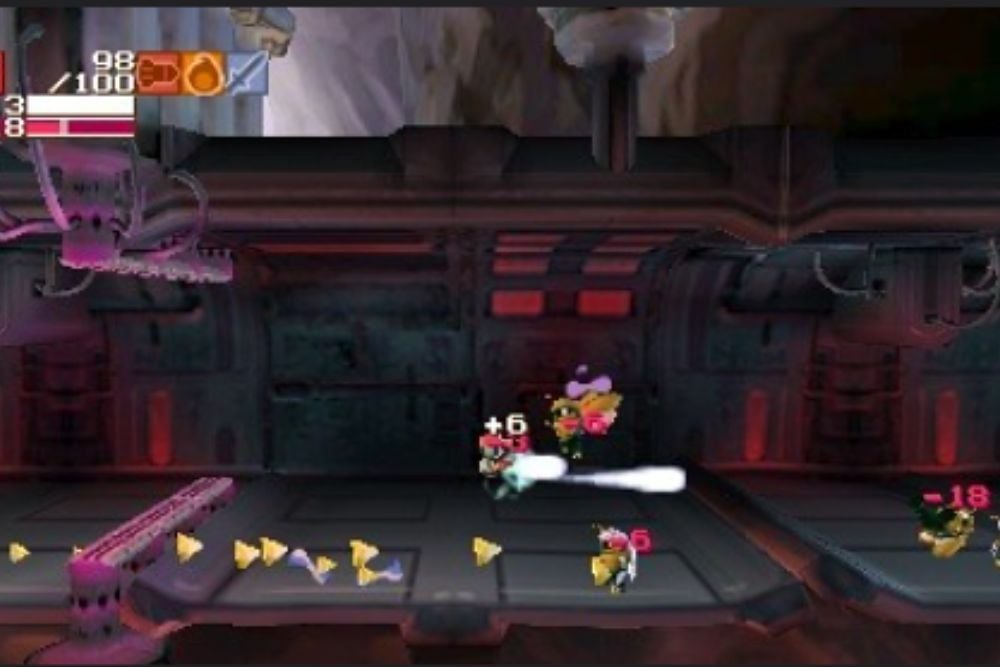
Though the complete version took five years as a passion project, developer Daisuke Amaya (Pixel) built the original prototype of this beloved indie platformer in less than a week. This initial version established the charming visual style and fluid movement mechanics that would make the final game an indie landmark.
Cave Story’s eventual free release in 2004 helped inspire the independent game development movement that transformed the industry.
Minecraft Classic
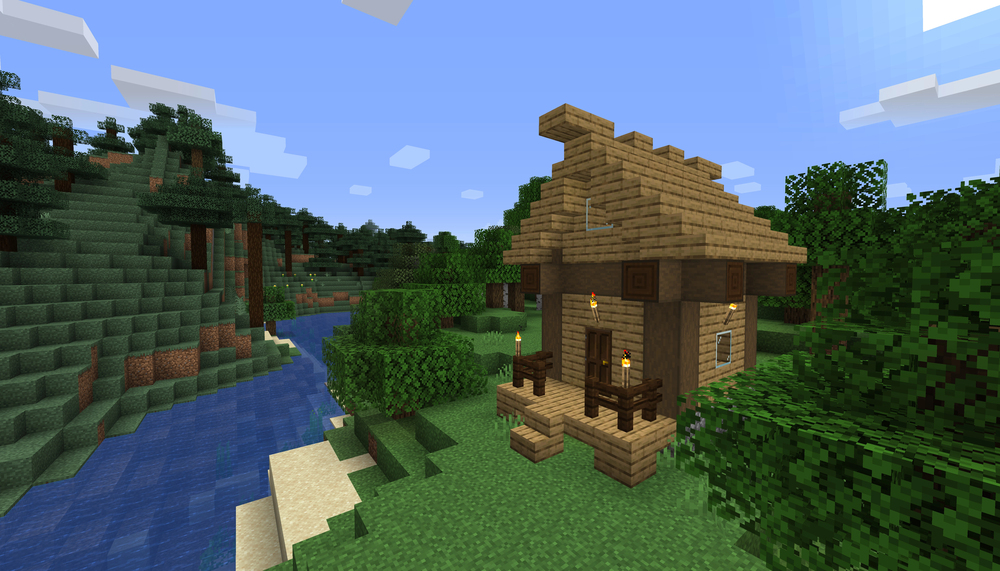
Markus Persson (Notch) created the first playable version of what would become the world’s best-selling video game in just six days. This early version included only the basic block placement and destruction mechanics but established the foundation for a game that would eventually sell over 238 million copies.
The rapid initial development of Minecraft demonstrates how powerful even the simplest interactive systems can be when they tap into fundamental creative impulses.
Thomas Was Alone
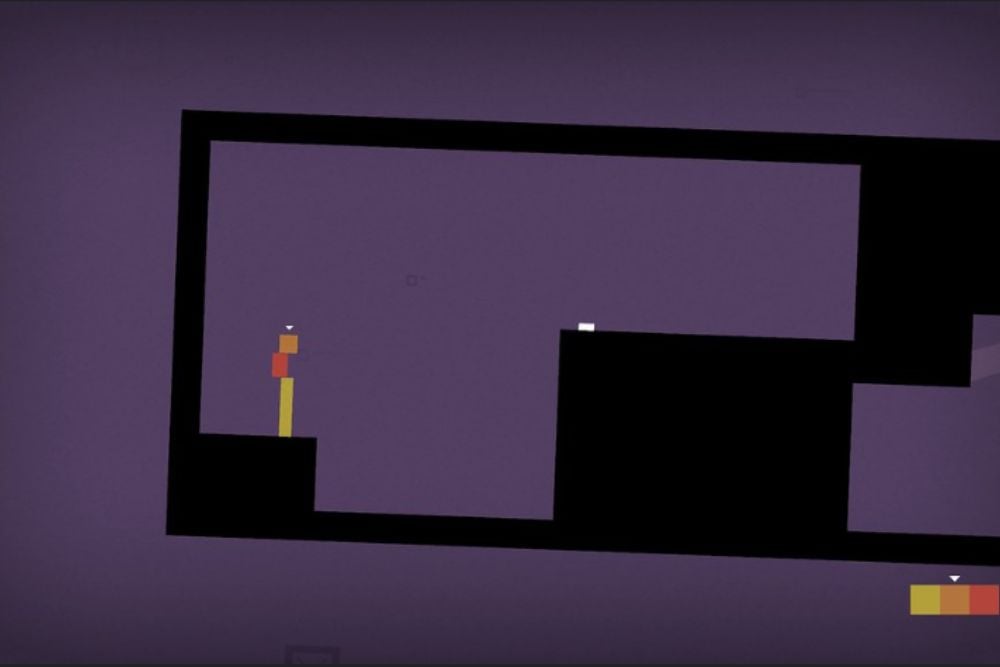
Mike Bithell developed the prototype for this narrative platformer during a 24-hour game jam. The game presents simple geometric shapes with distinct personalities and abilities, creating surprising emotional investment with minimal visual elements.
While Bithell spent additional months refining the game before its commercial release, the core mechanics and concept emerged from that intense initial development period.
Like Go2Tutors’s content? Follow us on MSN.
Superhot

The core time-manipulation mechanic of this innovative first-person shooter was created in just seven days for a game jam in 2013. The concept—time moves only when you move—created a uniquely tactical experience that felt like controlling an action movie.
The full commercial version took years to complete, but the distinct visual style and central mechanic that made Superhot revolutionary were established in that first week of development.
Surgeon Simulator
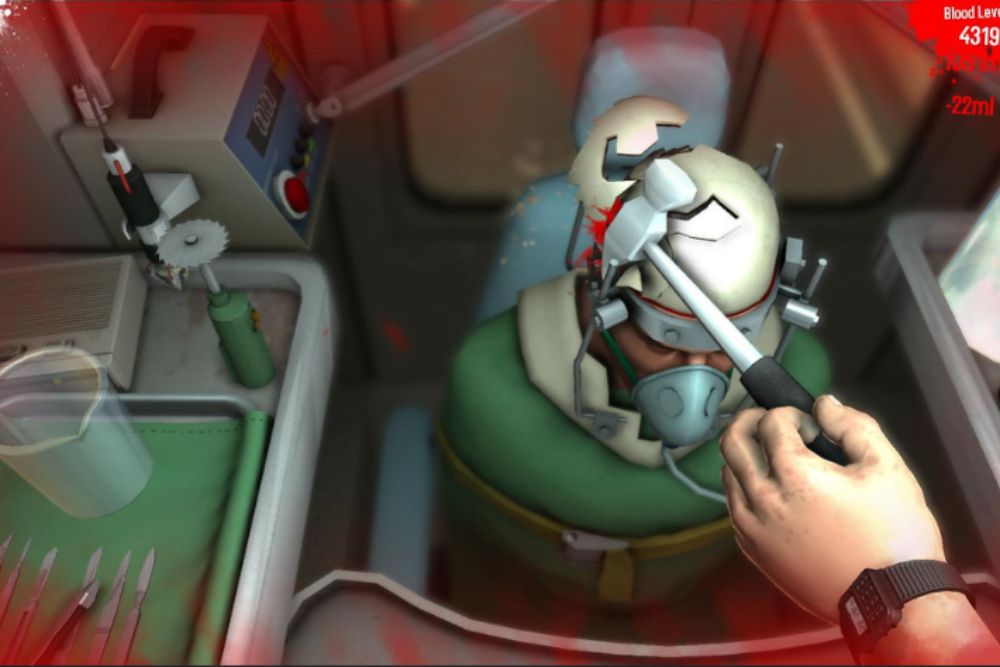
Bossa Studios created the original version of this intentionally awkward operation game in just 48 hours during the 2013 Global Game Jam. The hilariously difficult control scheme, where players must manually manipulate each finger of the surgeon’s hand, emerged from the constraints of rapid development.
What began as a joke about poor controls became a defining feature that helped the game sell millions of copies in its more polished commercial form.
VVVVVV
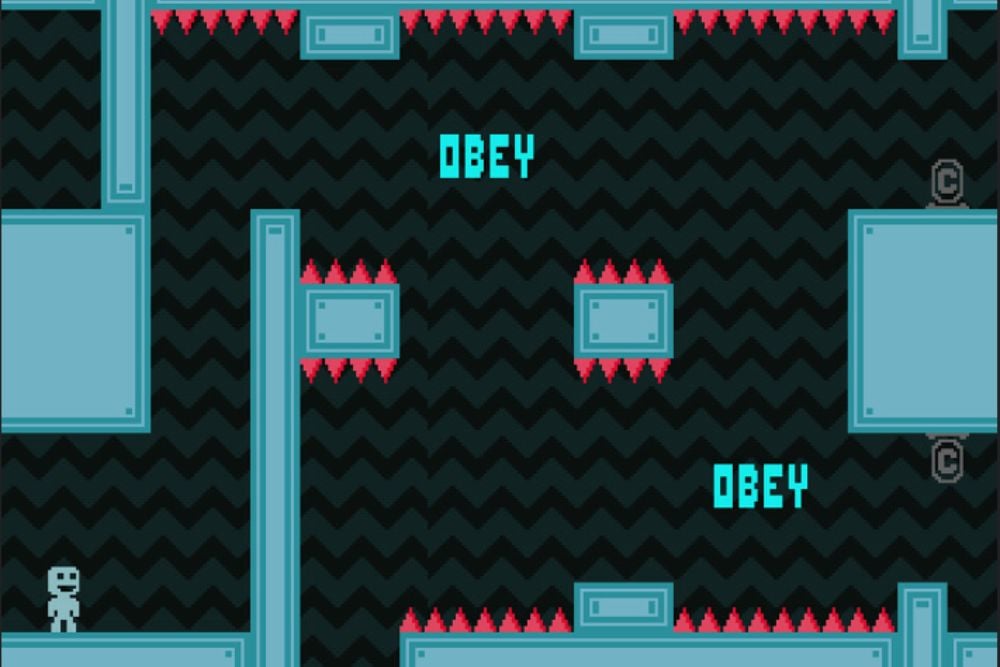
Terry Cavanagh built the initial prototype of this gravity-flipping platformer in just three days. The distinctive visual style and core mechanic of reversing gravity instead of jumping provided a unique twist on traditional platforming.
While the commercial version required additional months of level design and polishing, the fundamental innovation that made VVVVVV special was created during that initial rapid development sprint.
Like Go2Tutors’s content? Follow us on MSN.
Ludum Dare Games
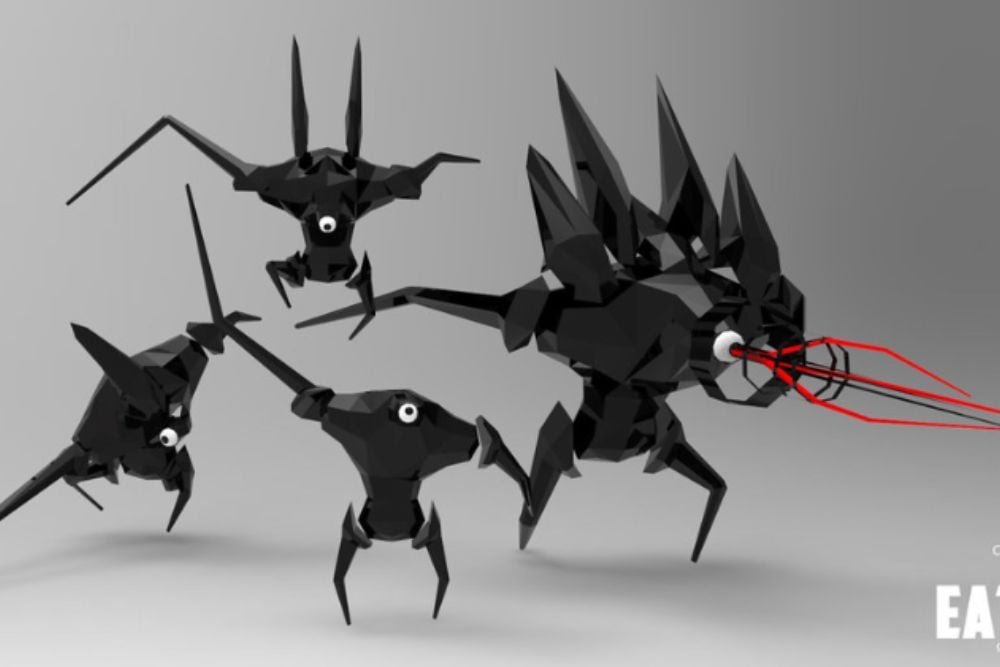
The Ludum Dare game jam has produced numerous classics that were built in just 48 or 72 hours. Notable examples include Titan Souls (which later expanded into a full commercial release) and the original versions of games like Evoland and Gods Will Be Watching.
These competitions demonstrate how creative constraints often lead to innovative solutions, with developers focusing on one or two strong mechanics rather than complex systems.
Howard & Nester
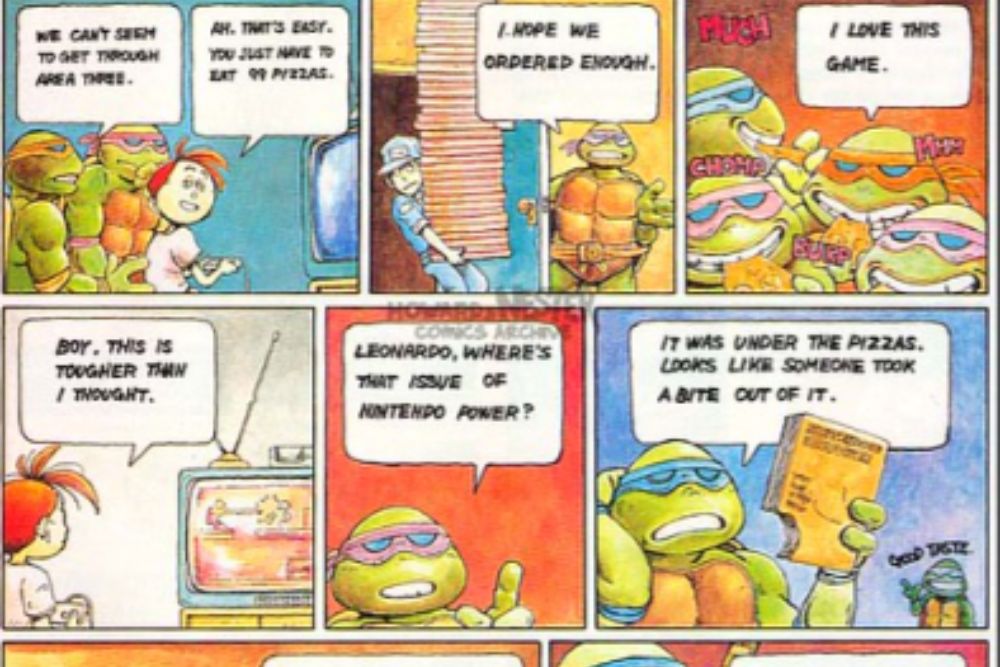
This obscure Nintendo promotional game was reportedly coded in just four days by a small team at Nintendo Power magazine. Based on the comic characters from the magazine, the game was never commercially released but became a fascinating piece of Nintendo history.
Created primarily as a trade show demonstration, it represents how even major companies sometimes relied on rapid development for promotional materials during gaming’s earlier eras.
Rapid Innovation in Gaming’s History

These hastily created games remind us that innovation often thrives under constraints. Many developers used tight deadlines to focus on a single strong concept rather than complex features, resulting in elegantly simple designs.
While modern game development typically involves years of careful iteration, these examples prove that sometimes the magic happens in those first few days of inspired creation. The tradition continues today with game jams and rapid prototyping sessions that still produce remarkable experiences.
When developers have only hours or days to create something playable, they often discover the purest expression of their ideas—proving that in game development, limitations can be the mother of invention.
Like Go2Tutors’s content? Follow us on MSN.
More from Go2Tutors!

- 18 Unexpectedly Valuable Collectibles You Might Have Lying Around
- 15 Things Every Teenager in the ’70s Did That Teens Today Wouldn’t Understand
- 15 Strange Things People Have Tried to Ban (And Failed)
- 15 Inventions That Were Immediately Banned After Being Created
- 20 Actors Who Were Almost Cast in Iconic Roles
Like Go2Tutors’s content? Follow us on MSN.