13 Fascinating Facts About Countries That No Longer Exist
Many of today’s established nations have existed for centuries, their borders shifting only slightly through wars and treaties. Yet the map of the world we know today is dramatically different from even a century ago. Countless nations have risen and fallen throughout history, some leaving behind powerful legacies while others have faded into obscurity.
Here is a list of 13 fascinating facts about countries that once commanded territory, issued passports, and played significant roles on the world stage before disappearing entirely.
Prussia’s Educational Revolution

Once a powerful European nation, Prussia influenced the development of modern-day Germany. Prussia established the world’s first compulsory education system in 1763 before dissolving following World War II.
Decades before other countries adopted standardized testing and professional teacher preparation, this ground-breaking idea established the model for public education systems around the world. Delegations from Japan and America went thousands of miles to learn and implement these teaching strategies since the Prussian model proved to be so effective.
Sikkim’s Transition from Kingdom to State

Before becoming India’s 22nd state in 1975, the little Himalayan kingdom of Sikkim maintained its independence for more than three centuries. This historic Buddhist empire, about the size of Rhode Island, was tucked away between Tibet, Bhutan, and Nepal and served as an important trading route between China and India.
With the overwhelming backing of the electorate in a public referendum, Sikkim was absorbed into India in a relatively peaceful manner. One of the rare occasions in contemporary history when a country willingly ceded its sovereignty was during the transition.
Yugoslavia’s Olympic Legacy
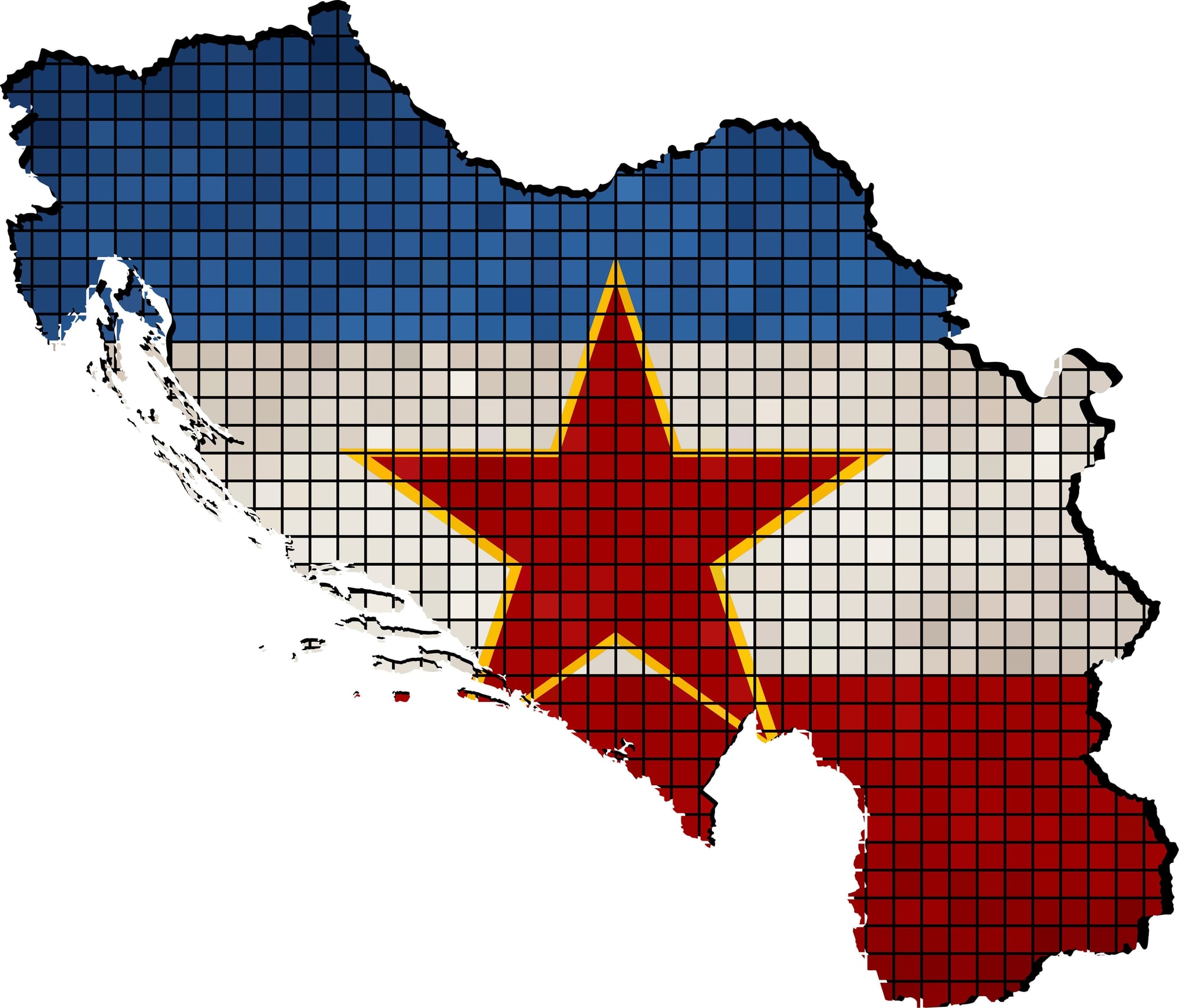
Before fracturing into seven different countries in the 1990s, Yugoslavia built a surprising sports powerhouse. Despite having a population smaller than Texas, Yugoslavian athletes claimed over 80 Olympic medals between 1948 and 1988.
The country’s basketball teams regularly challenged American dominance, even defeating the original U.S. Dream Team in exhibition play. This athletic prowess continued even after dissolution, with successor states like Croatia and Serbia continuing to produce world-class athletes in disproportionate numbers compared to their populations.
The Republic of Texas’ Independent Foreign Policy

Before joining the United States, Texas existed as an independent republic for nearly ten years. During this brief period from 1836 to 1845, the Republic of Texas established embassies in London and Paris, maintained its own navy, and negotiated international treaties with France, Britain, and the Netherlands.
Texas even launched independent diplomatic missions to Mexico despite ongoing border conflicts. The republic’s currency, known as the ‘redback,’ became so devalued that Texans often joked it was more valuable as wallpaper than money.
East Germany’s Olympic Chemistry

The German Democratic Republic (East Germany) became an athletic superpower through its infamous State Plan 14.25. Despite having a population of just 16 million people, East German athletes won more Olympic medals than powerhouses like the United States in several Games.
The country invested about 2% of its national budget in sports programs, roughly equivalent to its defense spending. This athletic dominance came at a high cost, as state-sponsored doping programs affected thousands of unknowing young athletes, many of whom still suffer health consequences today.
Gran Colombia’s Brief Pan-American Dream

Gran Colombia represented Simon Bolívar’s ambitious vision of a unified South American nation. Existing for just 12 years (1819-1831), this federation encompassed territories of modern Venezuela, Colombia, Panama, and Ecuador.
At its height, Gran Colombia was the fourth largest country in the world by land area. The nation collapsed primarily due to regional differences and the challenge of governing such a vast territory with primitive communication systems. Messages between distant provinces often took weeks to arrive, making effective administration practically impossible without modern technology.
Czechoslovakia’s Peaceful Dissolution

Unlike many countries that broke up in conflict, Czechoslovakia split into the Czech Republic and Slovakia through the remarkably named ‘Velvet Divorce’ in 1993. The separation was so amicable that the two nations completed the division of assets within months, even splitting their national anthem, which had verses in both languages.
Perhaps most impressively, not a single person lost citizenship in the process. This peaceful dissolution stands in stark contrast to Yugoslavia’s violent breakup happening simultaneously just a few hundred miles south.
Tibet’s Isolation Policies

Before Chinese annexation in 1951, Tibet maintained one of the world’s most isolated societies. Foreign visitors needed special permits that were rarely granted, and most Tibetans had never seen foreigners or modern technology.
The country deliberately restricted outside influence, with laws forbidding most citizens from traveling abroad. The national government didn’t establish diplomatic relations with any Western powers until the 1940s, preferring isolation in its mountainous fortress. This seclusion was so complete that many Tibetans first encountered automobiles and aircraft only after their country ceased to exist.
The Ottoman Empire’s Multicultural Governance
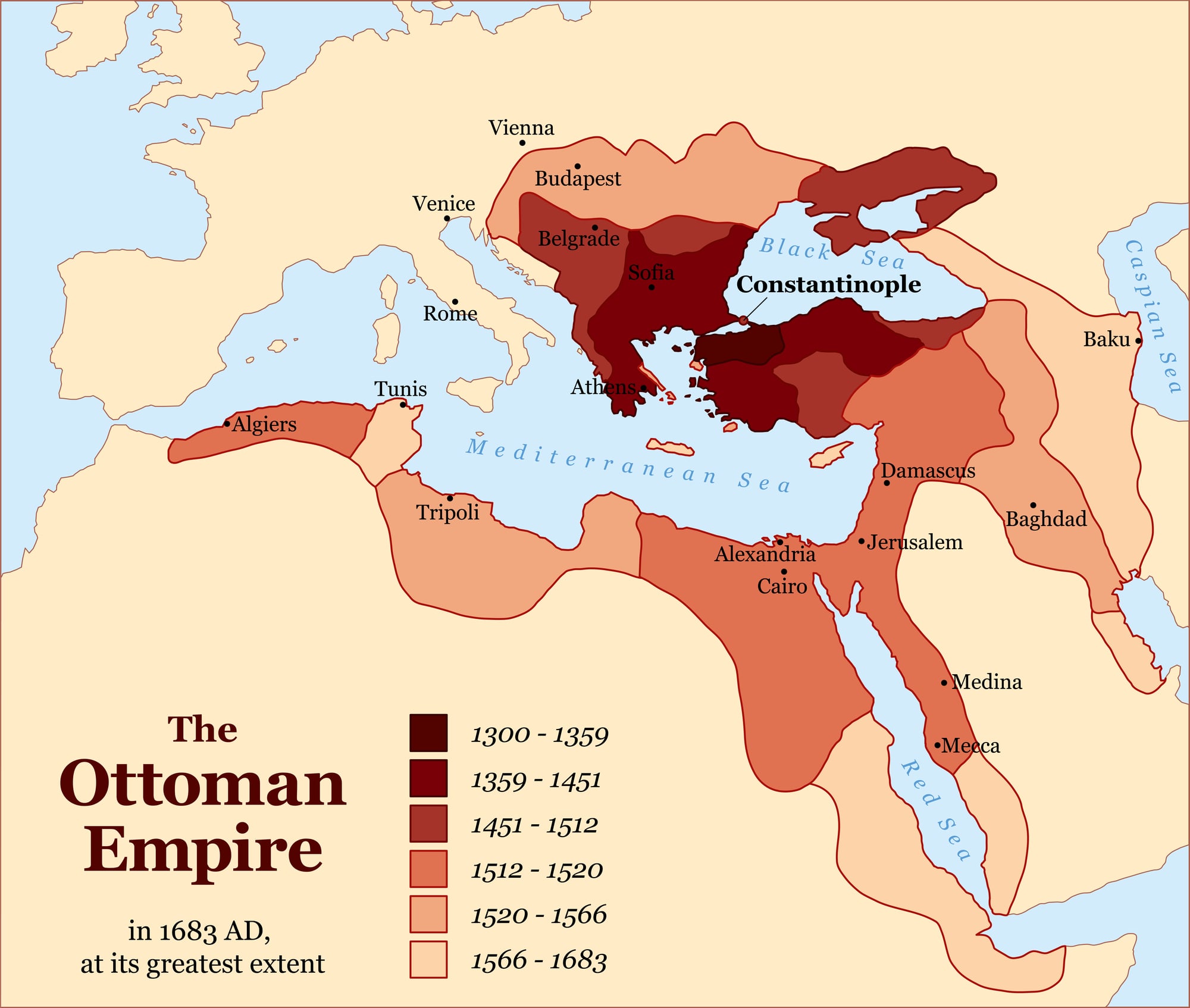
The Ottoman Empire ruled over three continents at its height and demonstrated unusual religious tolerance for the time. The ‘millet’ system used by the empire permitted religious communities to have their own courts and laws for civil cases.
The degree of liberty enjoyed by Christians, Jews, and other religious groups was unprecedented in the majority of modern European monarchies. Long after the empire disbanded after World War I, Ottoman postal networks, administrative divisions, and legal codes remained to shape Middle Eastern governance; some former areas continued to use modified versions of civil laws from the Ottoman Empire.
Zanzibar’s Brief Independence

Zanzibar holds the record for one of the shortest periods of independence in modern history. After gaining independence from Britain in December 1963, the island nation existed for exactly 33 days before merging with Tanganyika to form Tanzania.
During this brief period, Zanzibar experienced a violent revolution that overthrew the Arab-dominated government. The island’s strategic importance in the Indian Ocean and its complex ethnic makeup made it a focal point in Cold War politics, with both Soviet and American interests competing for influence in this tiny nation during its month of sovereignty.
The Neutral Zone Between Saudi Arabia and Iraq

For 65 years, a country-sized neutral territory existed between Saudi Arabia and Iraq. Established in 1922, this 7,000 square-mile region contained no permanent settlements or government but was used by nomadic Bedouin tribes who moved freely across its borders.
The Neutral Zone functioned essentially as a buffer state without any formal government, police force, or infrastructure. Oil was discovered there in the 1960s, leading to the unusual arrangement of Saudi Arabia and Iraq splitting petroleum revenues 50/50 until they finally agreed to divide the territory evenly in 1981.
The United Arab Republic’s Pan-Arab Experiment

Egypt and Syria merged in 1958 to form the United Arab Republic in an unprecedented experiment in pan-Arab unity. Despite the enthusiasm surrounding its formation, the union collapsed after just three years when Syria withdrew following a military coup.
Curiously, Egypt continued using the name ‘United Arab Republic’ until 1971, despite being just a single country. The failed union demonstrated the practical challenges of merging nations with different political systems and economies despite shared language and cultural heritage. This short-lived country represents one of history’s most ambitious attempts at voluntary political integration between independent nations.
Newfoundland’s Financial Sacrifice

Before joining Canada in 1949, Newfoundland existed as both an independent dominion and a directly-governed British territory. During the Great Depression, Newfoundland made the extraordinary decision to surrender its self-governance due to financial insolvency voluntarily.
The nation’s debt had reached about $100 million (equivalent to over $1.5 billion today), forcing it to request direct British administration. Newfoundland remains the only known example of a self-governing territory willingly surrendering its autonomy due to economic hardship in modern history.
The Legacy of Lost Nations
The countries that vanish from maps don’t truly disappear—they transform. Their cultural contributions, technological innovations, and political systems continue influencing our world long after their borders have been redrawn.
These extinct nations remind us that political boundaries are surprisingly fluid despite appearing permanent on modern maps. Nations rise and fall, but their imprints endure through language, architecture, cuisine, and customs that outlast the governments that created them. The study of these vanished countries provides valuable insights into how societies evolve and how even the mightiest empires eventually transform into something new.
More from Go2Tutors!

- The Romanov Crown Jewels and Their Tragic Fate
- 13 Historical Mysteries That Science Still Can’t Solve
- Famous Hoaxes That Fooled the World for Years
- 15 Child Stars with Tragic Adult Lives
- 16 Famous Jewelry Pieces in History
Like Go2Tutors’s content? Follow us on MSN.