13 Foods Normal in One Culture, Weird in Others
Food connects us all, yet it also divides us in the most fascinating ways. What makes your mouth water might make someone else’s stomach turn, and that’s perfectly normal. Every culture has developed its own relationship with ingredients, flavors, and cooking methods based on geography, history, and necessity.
Travel anywhere in the world and you’ll quickly discover that ‘normal’ is entirely relative when it comes to what people eat. Here’s a list of 13 foods that are completely ordinary in their home cultures but might raise eyebrows elsewhere.
Century Eggs

In China, these preserved duck, chicken, or quail eggs are considered a delicacy and a sign of culinary sophistication. The eggs are preserved in clay, ash, salt, quicklime, and rice hulls for weeks or months until the yolk becomes dark green and cheese-like while the white turns brown and jelly-like.
To many Chinese people, they’re as normal as scrambled eggs are to Americans, often served as appetizers or added to congee for breakfast.
Haggis
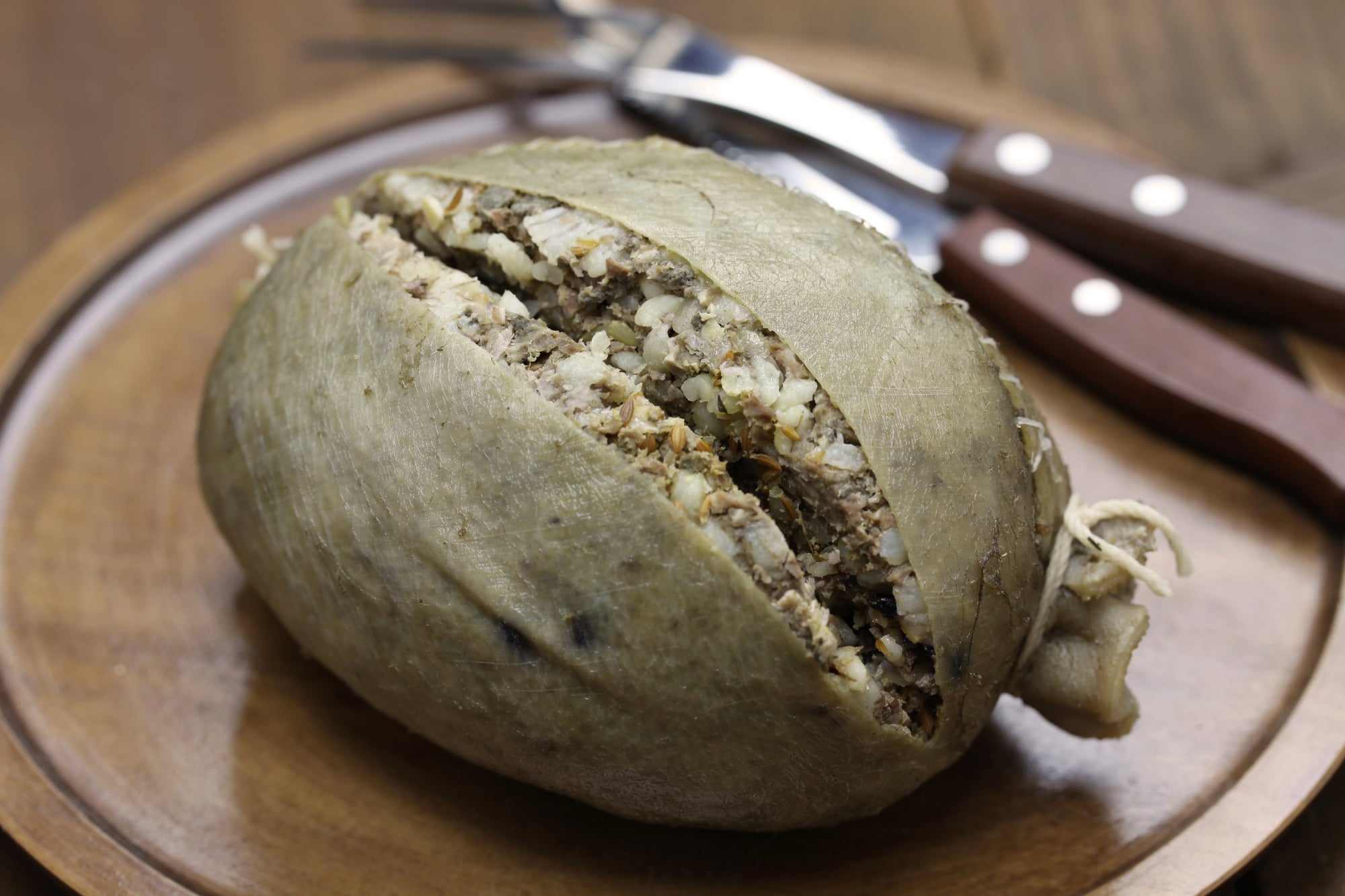
Scotland’s national dish combines sheep’s heart, liver, and lungs with onion, oatmeal, suet, and spices, all stuffed into the animal’s stomach lining. It’s traditionally served with neeps and tatties (turnips and potatoes) during Burns Night celebrations.
While Scots celebrate this dish as a cornerstone of their heritage, many visitors find the concept unsettling before they actually taste it.
Like Go2Tutors’s content? Follow us on MSN.
Balut
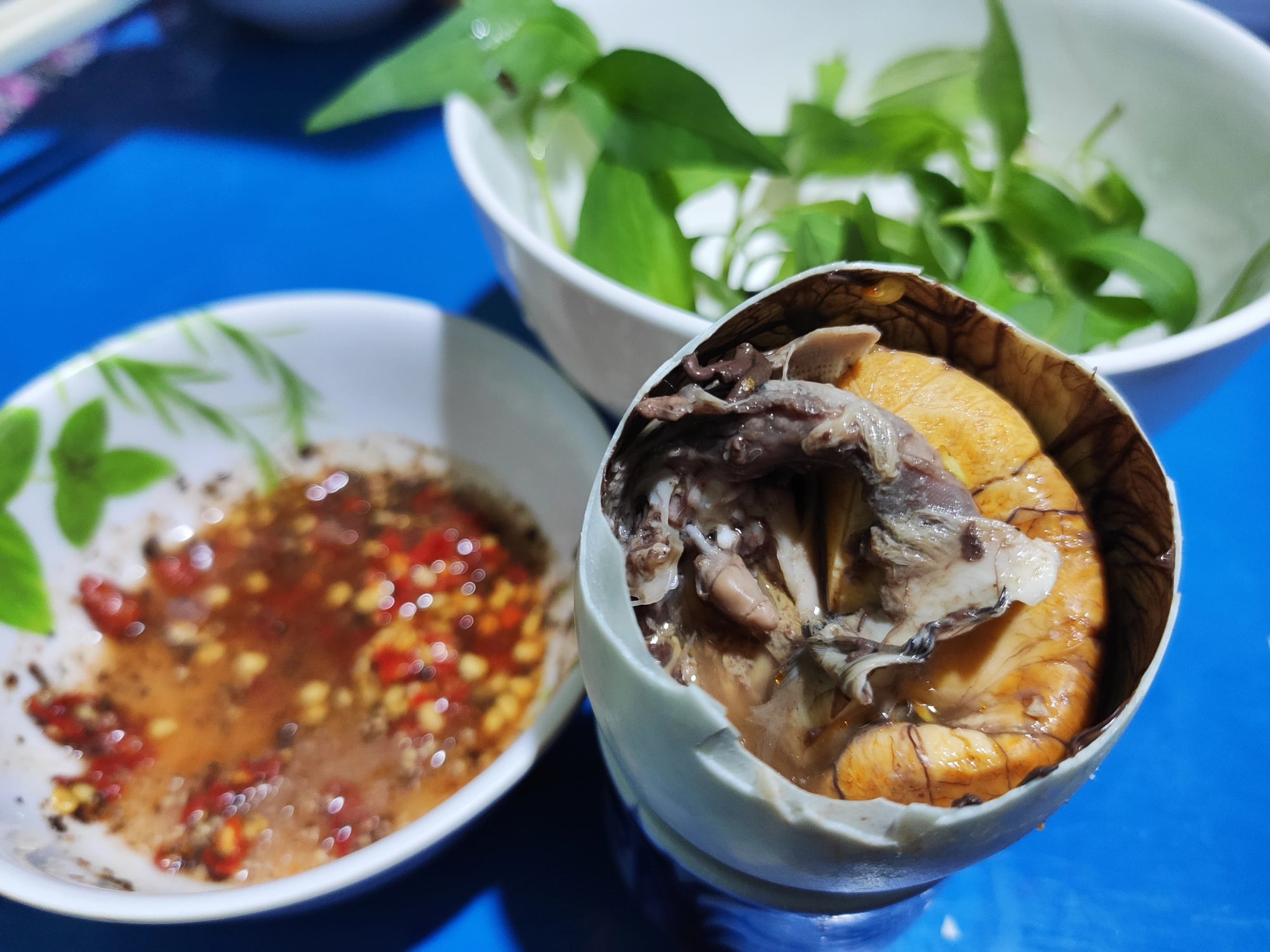
This Filipino street food consists of a partially developed duck embryo that’s been incubated for fourteen to twenty-one days before being boiled and eaten from the shell. Filipinos often enjoy balut with salt, chili, or vinegar as an evening snack, considering it both nutritious and an aphrodisiac.
The combination of textures and the visible embryo can be challenging for those unfamiliar with this traditional food.
Surströmming
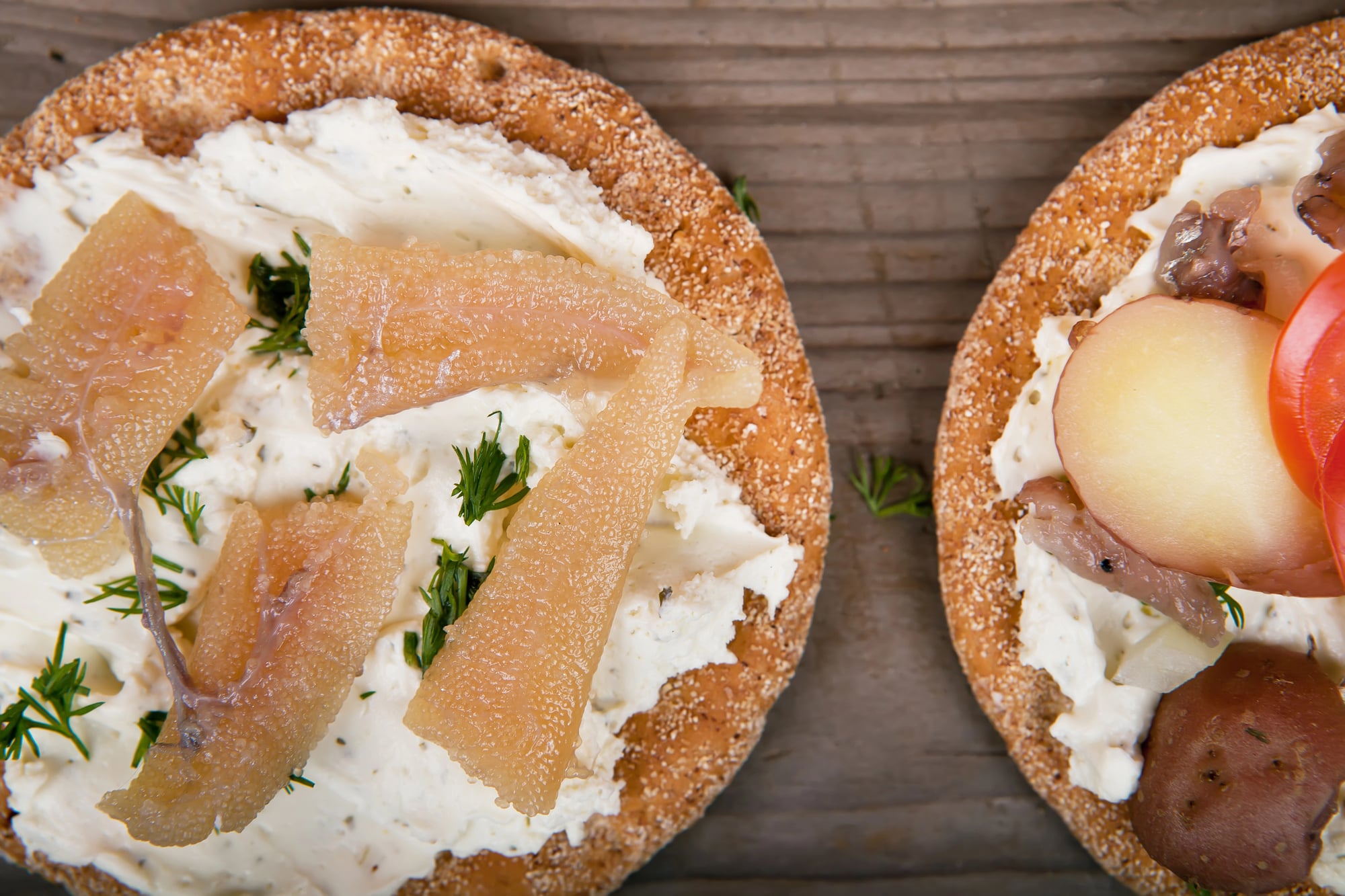
Sweden’s fermented herring is often called the world’s smelliest food, with an odor so intense that it’s typically eaten outdoors. The fish undergoes months of fermentation, creating a pungent aroma that can clear a room in seconds.
Swedes usually pair it with flatbread, potatoes, and strong alcohol, treating it as a special occasion food that brings people together despite its challenging smell.
Rocky Mountain Oysters
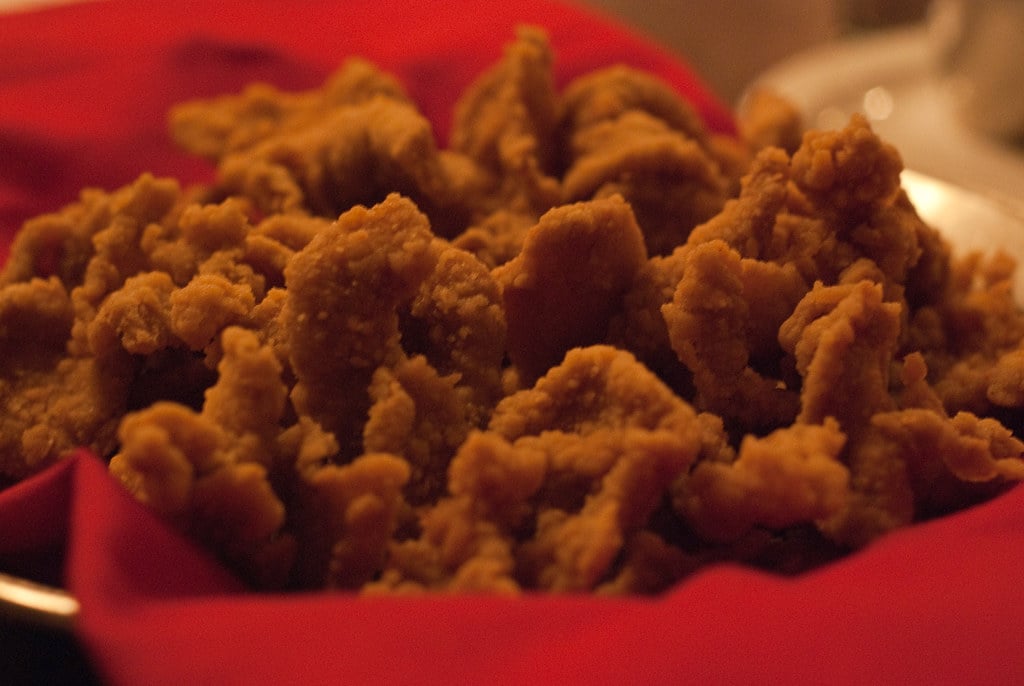
Despite their name, these American Western delicacies are actually deep-fried reproductive glands from bulls, pigs, or sheep. They’re typically breaded and served with cocktail sauce or ranch dressing at festivals and restaurants throughout the Rocky Mountain region.
While locals treat them as a fun, traditional food often associated with ranching culture, visitors are usually surprised to learn what they’re actually eating.
Like Go2Tutors’s content? Follow us on MSN.
Blood Sausage
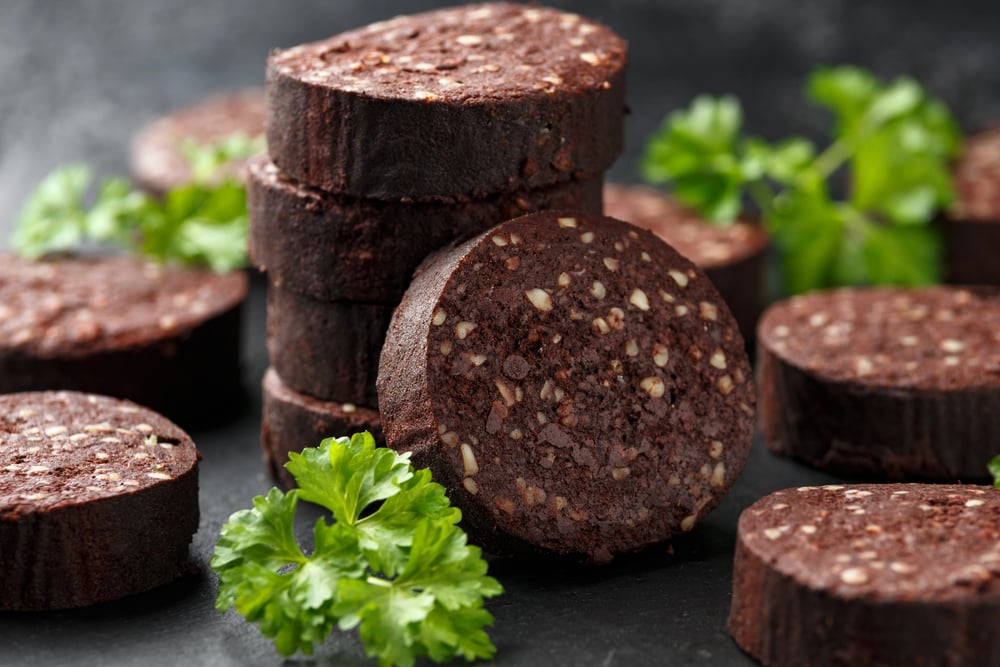
Popular across Europe, Asia, and Africa, blood sausage combines pig’s blood with fat, meat, and fillers like oatmeal or rice. In the UK, it’s called black pudding and is a staple of the full English breakfast, while Spain has morcilla and Germany offers blutwurst.
The idea of eating blood-based products can be unsettling to those from cultures where this practice isn’t common.
Tête de Veau
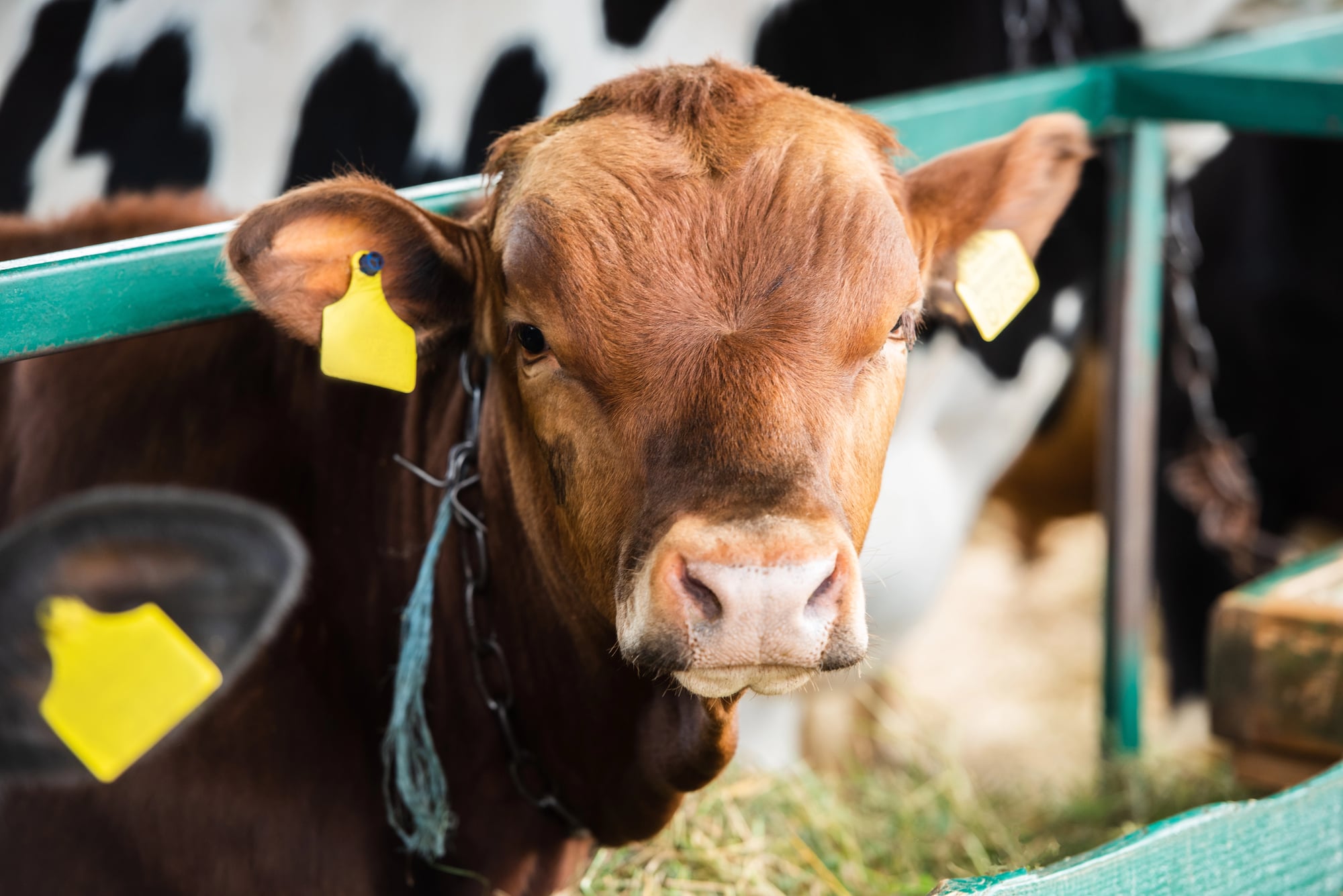
This classic French dish consists of an entire calf’s head, including the brain, tongue, and cheeks, often served with a white sauce. French chefs consider it a test of culinary skill, and diners appreciate the variety of textures and flavors from different parts of the head.
The presentation can be startling to those accustomed to meat that doesn’t resemble its original form.
Shirako
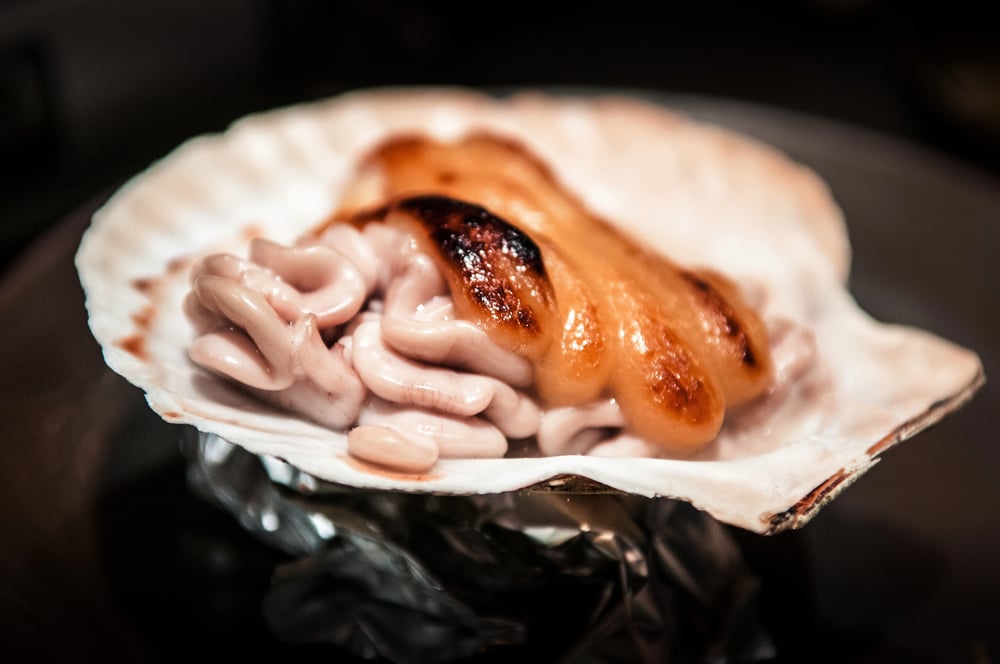
In Japan, this delicacy refers to the reproductive organs of various animals, typically served grilled, fried, or in hot pot dishes. Japanese diners prize shirako for its creamy texture and mild flavor, often comparing it to soft tofu or custard.
The dish appears regularly on izakaya menus and is considered a normal part of Japanese cuisine’s nose-to-tail eating philosophy.
Like Go2Tutors’s content? Follow us on MSN.
Escamoles
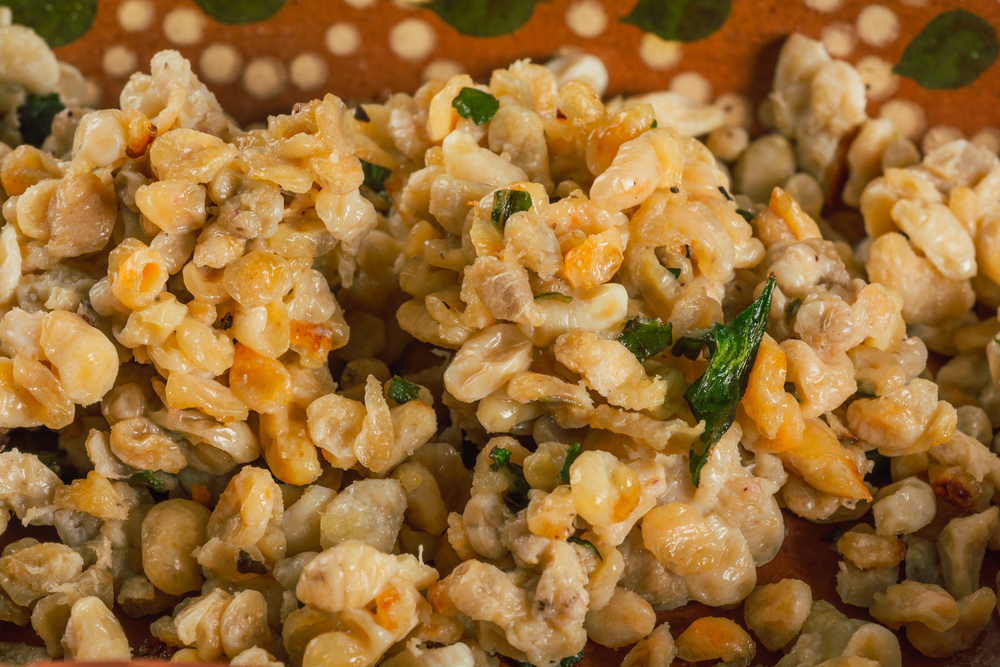
Known as insect caviar in Mexico, these ant larvae are harvested from agave plant roots and are considered a luxury ingredient. They have a buttery, nutty flavor and are often served in tacos, with butter and spices, or as a garnish for upscale dishes.
While Mexicans, particularly those in central regions, view them as a prized delicacy, many people find the idea of eating ant larvae off-putting.
Hákarl

Iceland’s fermented shark meat undergoes months of burial underground, followed by air-drying for several more months. The fermentation process removes toxins from the Greenland shark’s naturally poisonous meat, resulting in a strong ammonia-like taste and smell.
Icelanders often consume it during winter celebrations with brennivín (local schnapps), treating it as a cultural rite of passage.
Durian
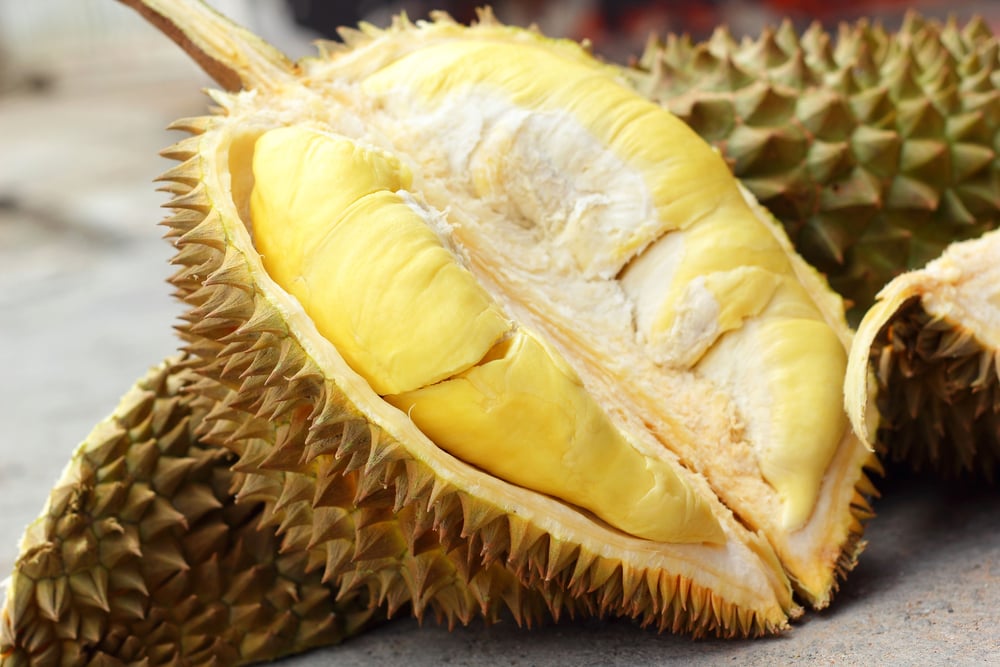
This Southeast Asian fruit is beloved in countries like Thailand, Malaysia, and Indonesia for its rich, custard-like texture and complex flavor profile. However, its intensely pungent smell has led to bans in many hotels and public transportation systems throughout the region.
While locals often consider it the king of fruits and pay premium prices for quality specimens, many foreigners find the odor overwhelming.
Like Go2Tutors’s content? Follow us on MSN.
Chitlins
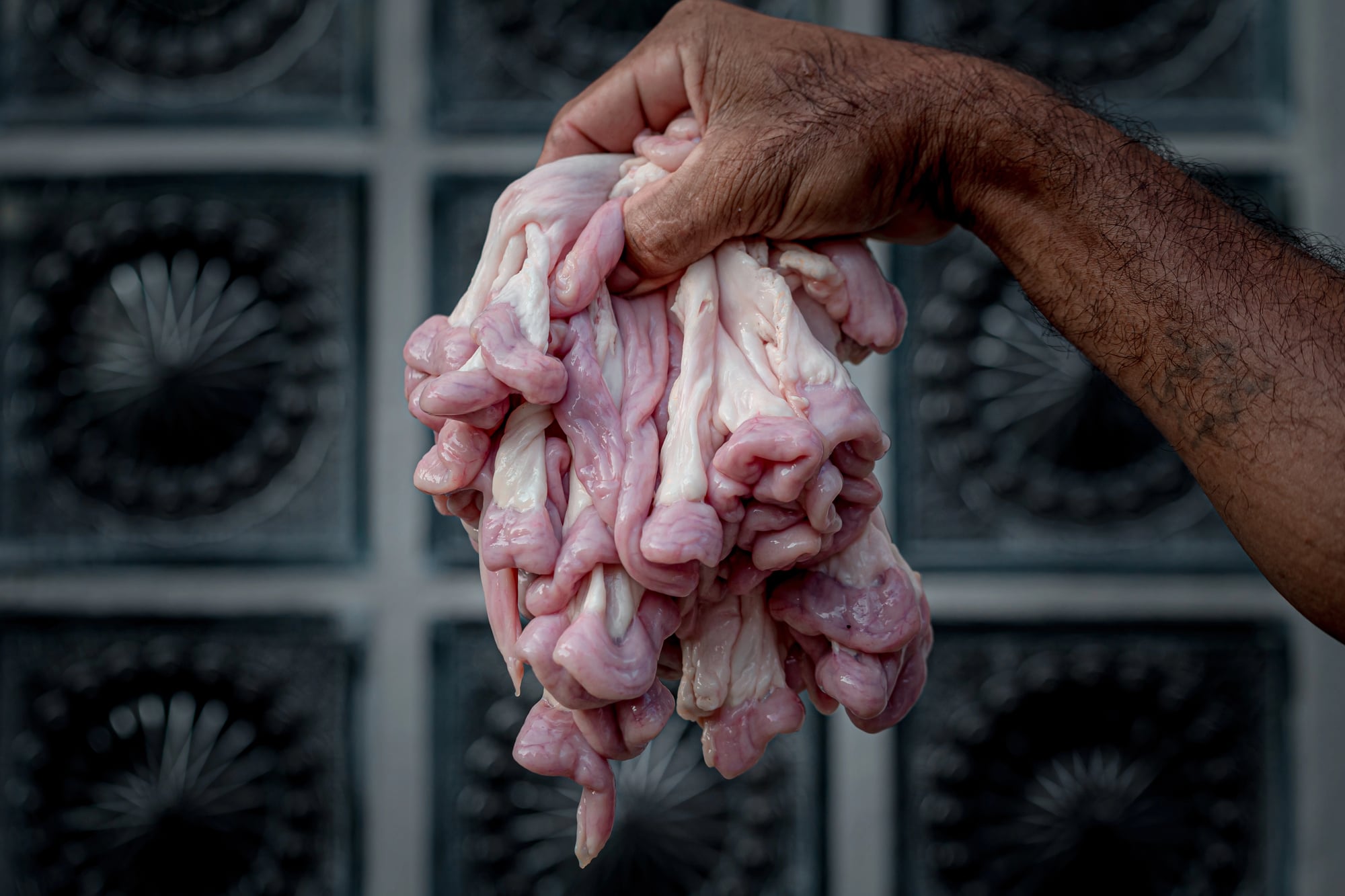
Popular in the Southern United States, chitlins (chitterlings) are pig intestines that are thoroughly cleaned and then boiled or fried. They’re often served during holidays and special occasions, particularly in African American communities, where they represent both tradition and resourcefulness.
The lengthy preparation process and strong smell during cooking can be off-putting to those unfamiliar with this soul food staple.
Cuy
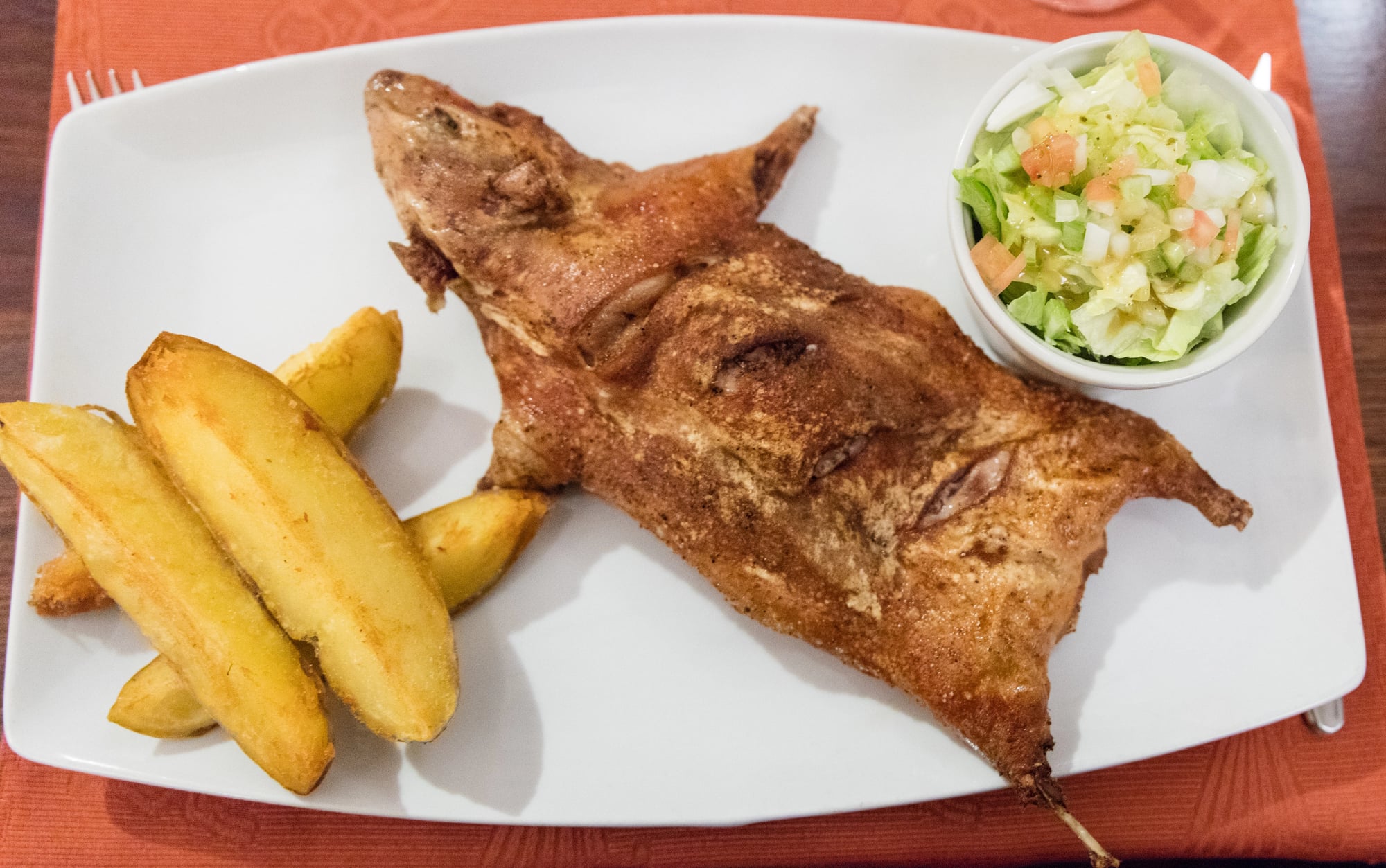
In Peru and other Andean countries, guinea pig is a traditional protein source that’s been consumed for over five thousand years. Cuy is typically roasted whole and served during special occasions, prized for its tender meat and cultural significance.
While it’s completely normal fare in highland communities, the idea of eating what many consider a pet can be emotionally challenging for visitors from other cultures.
Food Brings Us Together, Even When It Divides Us
These culinary traditions remind us that food is never just about nutrition—it’s about identity, history, and belonging. What seems strange to outsiders often carries deep cultural meaning and represents generations of adaptation to local ingredients and conditions.
The next time you encounter an unfamiliar dish, remember that somewhere in the world, people are probably puzzled by your own favorite foods. Food adventures, whether successful or not, always teach us something about the beautiful diversity of human experience.
Like Go2Tutors’s content? Follow us on MSN.
More from Go2Tutors!

- 16 Restaurant Chains That Went Too Fast
- 12 Things Sold in the 80s That Are Now Illegal
- 15 Strange Things People Have Tried to Ban (And Failed)
- 16 Collectibles People Tossed Out Too Soon
- 17 Myths from Your Childhood That Were Actually Based on Real Things
Like Go2Tutors’s content? Follow us on MSN.