13 Ghost Towns With Stranger-Than-Fiction Backstories
Abandoned buildings, empty streets, and eerie silence – ghost towns stand as haunting monuments to once-thriving communities. While many faded due to economic shifts or natural disasters, some vanished under circumstances so bizarre they seem plucked from fantasy novels.
Here is a list of 13 ghost towns with origin stories and demises so peculiar that even fiction writers might consider them too far-fetched.
Centralia, Pennsylvania
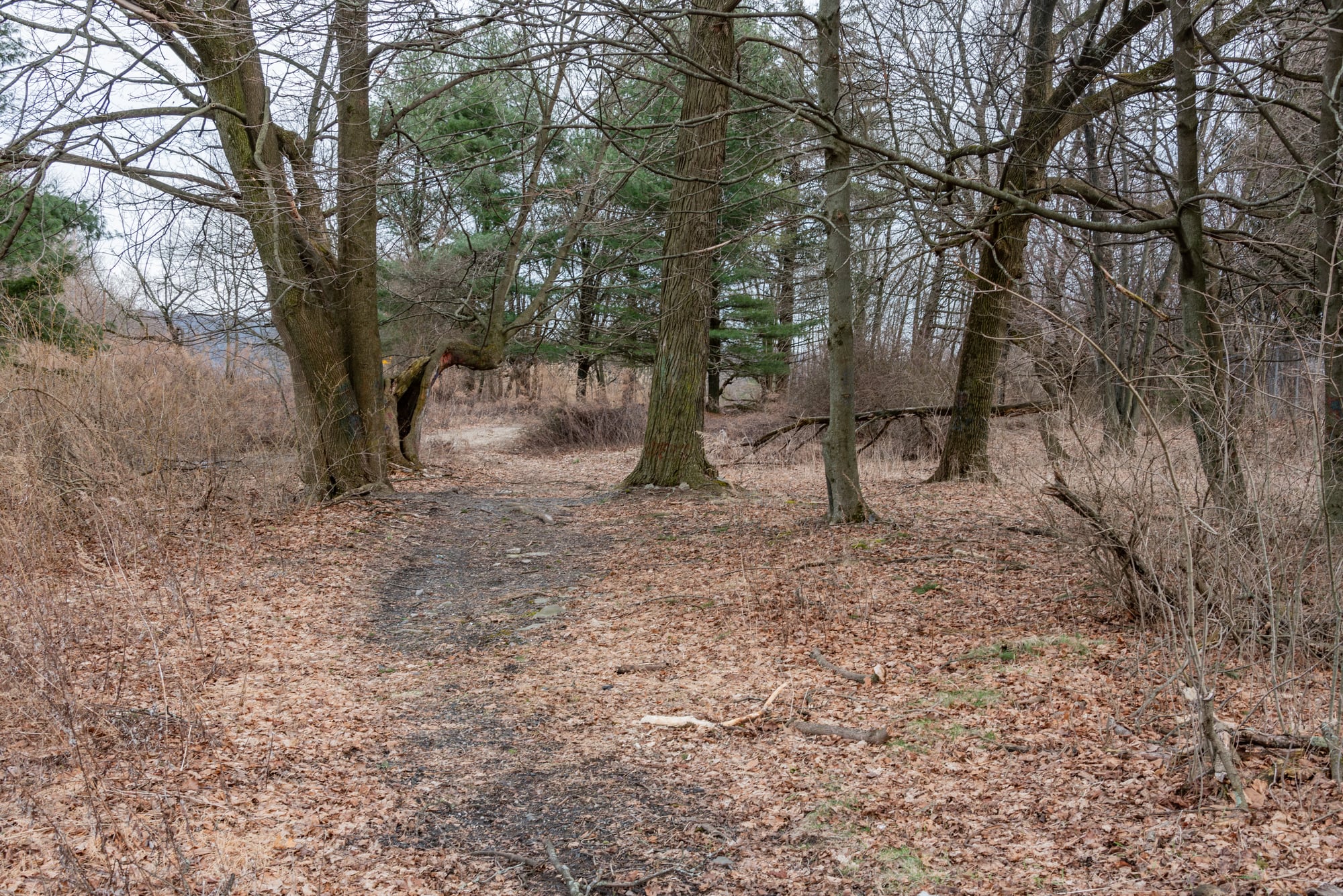
Centralia transformed from a bustling coal mining town to a smoking wasteland after an underground mine fire ignited in 1962 – and continues burning today, over six decades later. What began as a controlled trash burn near an abandoned strip mine somehow reached exposed coal veins beneath the surface.
Despite multiple expensive attempts to extinguish the flames – including excavation efforts that cost millions – the fire spread through interconnected mines beneath the entire town. Most residents evacuated by the 1980s when toxic gases began seeping through cracks in their basements, though incredibly, a handful of stubborn locals still call this apocalyptic landscape home.
Wittenoom, Australia
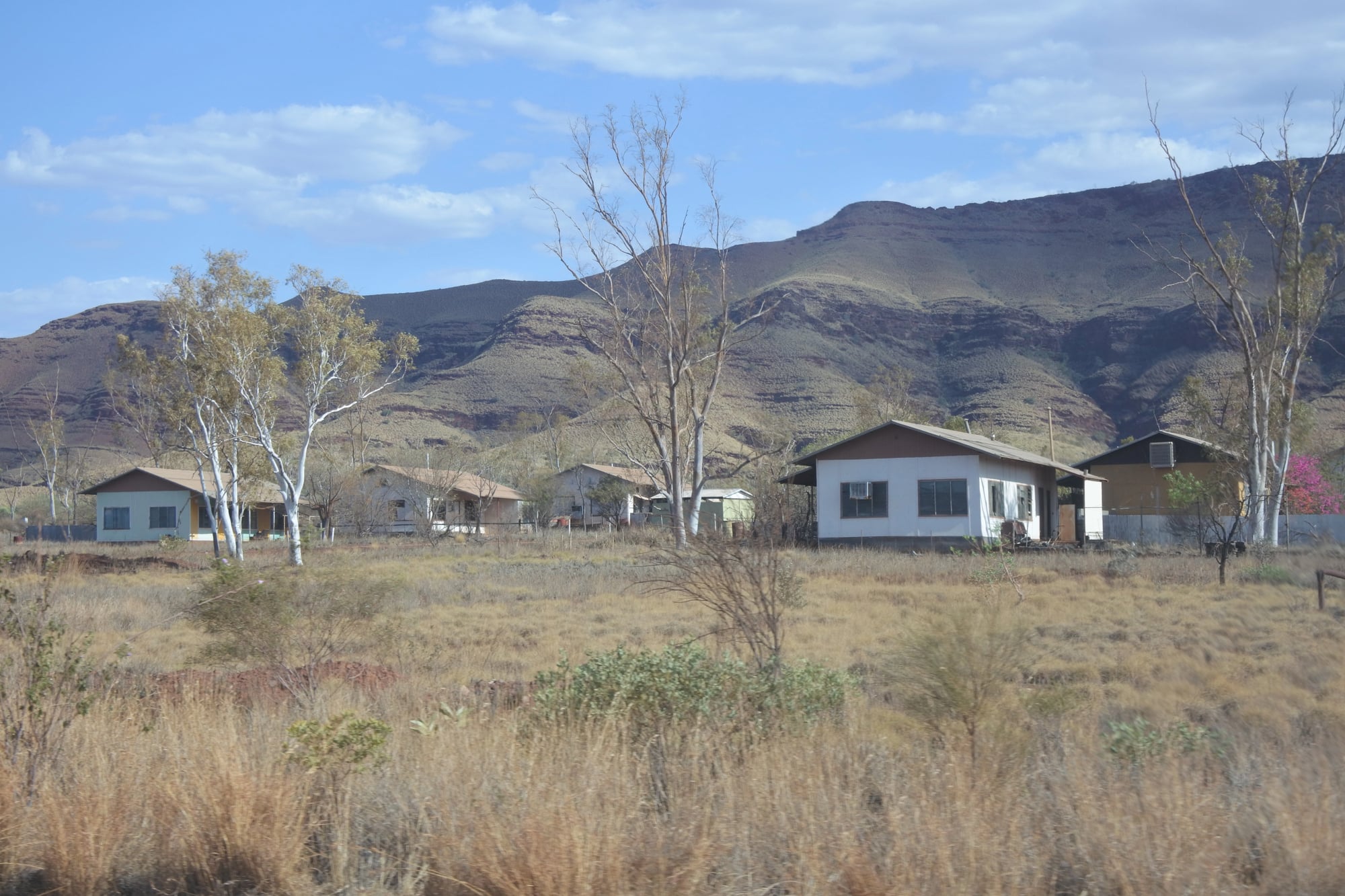
Wittenoom stands as perhaps the most toxic ghost town on Earth – officially removed from maps and subject to government warnings against even brief visits. This former blue asbestos mining community boomed in the mid-20th century despite mounting evidence that asbestos caused fatal lung diseases.
Company executives ignored medical reports while workers and their families breathed in deadly fibers daily – even children played in piles of asbestos tailings near the processing plant. When operations finally ceased in 1966, the town had already accumulated enough airborne contamination to doom its future.
Today, roads leading to Wittenoom display stark warning signs, though amazingly, two residents still refused to leave as recently as 2022.
Like Go2Tutors’s content? Follow us on MSN.
Craco, Italy

Perched dramatically atop a steep hill, medieval Craco survived eight centuries of wars, plagues, and political upheavals – only to be defeated by geology. This ancient settlement – dating to 1060 – began experiencing strange land movements in the 1960s that progressively worsened until 1991, when authorities forcibly evacuated the remaining population.
Researchers later discovered the town had been unwittingly built upon layers of geologically unstable clay that gradually shifted beneath buildings over centuries. Today, its precariously tilting structures attract filmmakers seeking authentic post-apocalyptic backdrops, though visitors must wear hard hats due to continuing structural collapses.
Pripyat, Ukraine

Pripyat achieved global notoriety through catastrophe – evacuated permanently just three days after the 1986 Chernobyl nuclear disaster. Unlike most ghost towns that decline gradually, this once-model Soviet community emptied in just three hours when authorities finally acknowledged the radiation danger.
Nearly 50,000 residents left behind virtually everything they owned, creating an unintentional time capsule of late-Soviet life. The hastily abandoned amusement park – scheduled to open just days after the evacuation – never welcomed a single visitor and now stands as one of the world’s most photographed monuments to sudden abandonment.
Kolmanskop, Namibia

German diamond miners transformed barren desert into a bizarre slice of European luxury – complete with a ballroom, hospital, and Africa’s first X-ray station – after a worker discovered gems literally lying on the ground in 1908. This surreal settlement featured amenities virtually unheard of anywhere in colonial Africa, including an ice factory and bowling alley.
When richer diamond deposits emerged elsewhere in the 1930s, residents departed almost overnight – leaving their European-style mansions to slowly fill with desert sand. Today, rooms sit half-buried in dunes, creating dreamlike scenes where ornate wallpaper and sand drifts coexist.
Like Go2Tutors’s content? Follow us on MSN.
Oradour-sur-Glane, France

Oradour-sur-Glane remains frozen in the exact moment of its demise – June 10, 1944 – when Nazi troops massacred 642 villagers and torched every building. Unlike most war-damaged towns, French authorities made the extraordinary decision to preserve the ruins precisely as they stood after the atrocity – including burned vehicles still parked where their owners left them.
Even melted household objects remain untouched as a permanent memorial. The site – officially protected as the “Village Martyr” – stands completely separate from the new town rebuilt nearby, creating a permanent reminder of wartime brutality preserved in haunting detail.
Kennecott, Alaska

Remote Kennecott produced copper ore worth billions in today’s dollars from deposits so rich that miners sometimes extracted nearly pure copper chunks weighing several tons. This isolated boomtown – built around what was then the world’s richest copper deposit – operated one of early-20th century America’s most advanced industrial operations despite sitting 200 miles from the nearest railroad.
When the main ore body suddenly depleted in 1938, the company ceased operations with just 10 days’ notice – abandoning entire trainloads of equipment now frozen in time. The preserved mill building still contains massive machinery exactly where workers left it, creating an industrial museum that nature gradually reclaims.
Plymouth, Montserrat

Plymouth holds the unusual distinction of being a ghost capital city – abandoned when the long-dormant Soufrière Hills volcano unexpectedly erupted in 1995 after remaining quiet for centuries. The volcano that scientists considered essentially extinct stunned experts by roaring back to life without warning, burying much of this Caribbean island’s capital under pyroclastic flows reaching temperatures over 1,000°F.
Though initially evacuated as a temporary measure, Plymouth remains buried under approximately 40 feet of volcanic ash and mud – still legally the capital despite being completely uninhabitable. The clock on the town’s central building remains frozen at the moment disaster struck.
Like Go2Tutors’s content? Follow us on MSN.
Hashima Island, Japan

Hashima transformed from tiny fishing outpost to an ultra-dense industrial powerhouse after massive coal deposits were discovered beneath the surrounding seabed in 1887. Development eventually covered nearly every square foot of the island with concrete apartments and industrial facilities, reaching population densities among the highest ever recorded on Earth.
When petroleum replaced coal in Japan’s energy mix during the 1970s, the entire island emptied practically overnight – creating a perfectly preserved concrete time capsule. Abandoned so quickly that cups still sit on tables in some apartments, this eerie concrete jungle jutting from the sea later served as inspiration for the villain’s lair in a James Bond film.
Val Verde, California

Val Verde began as something extraordinary – one of America’s earliest planned communities for middle-class African Americans seeking escape from oppressive segregation laws in 1920s Los Angeles. Often called the “Black Palm Springs,” this resort community attracted prominent entertainers and professionals who were unwelcome at white establishments.
The town’s decline came through an unexpected path to equality – when segregation laws were struck down, residents gained access to previously forbidden areas and gradually abandoned their separate community. Today, little remains beyond foundations and the swimming pool where many African American Olympians once trained when excluded from other facilities.
Fordlândia, Brazil

Deep in the Amazon rainforest sits perhaps history’s most ambitious failed corporate town – automobile magnate Henry Ford’s attempt to create a slice of the idealized American Midwest in the jungle. Established in 1928 to secure rubber supplies for tire production, Fordlândia imposed strict Midwestern values on workers – including mandatory square dancing, prohibition of alcohol, and American-style houses completely unsuited to tropical conditions.
The project failed spectacularly when Ford’s agriculturalists planted rubber trees in tight rows – perfect for factory efficiency but creating ideal conditions for leaf blight that decimated plantations. After workers revolted against cultural restrictions, Ford abandoned the multi-million-dollar experiment without ever producing a single usable tire.
Like Go2Tutors’s content? Follow us on MSN.
Tyneham, England
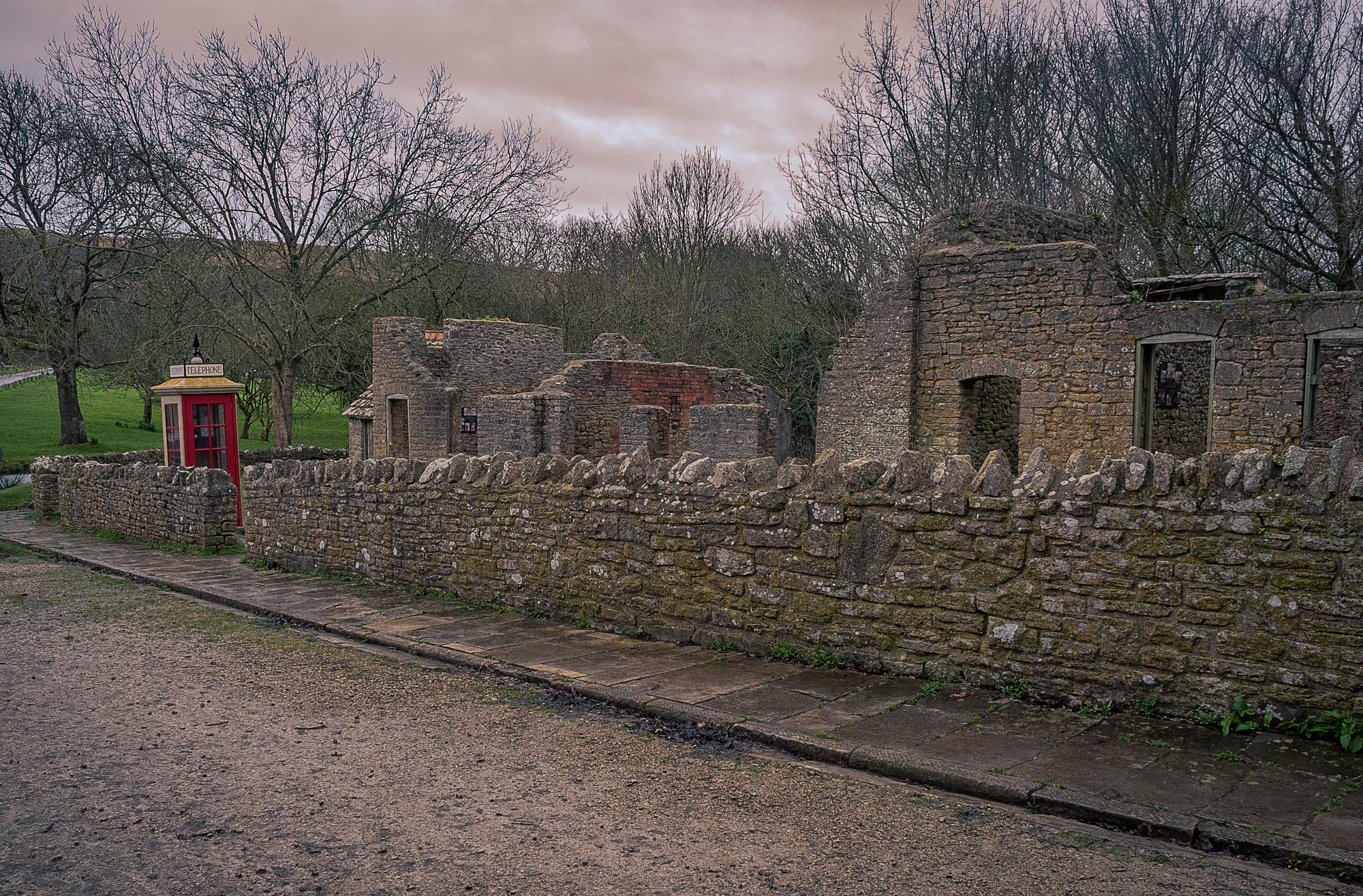
Tyneham residents received eviction notices giving them just days to leave their centuries-old village in December 1943 – with military officials promising they could return once World War II ended. The British government commandeered this coastal hamlet for D-Day landing practice, requiring immediate evacuation of all 225 residents.
Despite the war ending in 1945, authorities never permitted villagers to return – continuing to use the area as a military training ground. The church and schoolhouse remain preserved as they stood during evacuation, including a poignant note on the church door from departing villagers: “Please treat the church and houses with care. We have given up our homes where many of us lived for generations to help win the war.”
Bodie, California
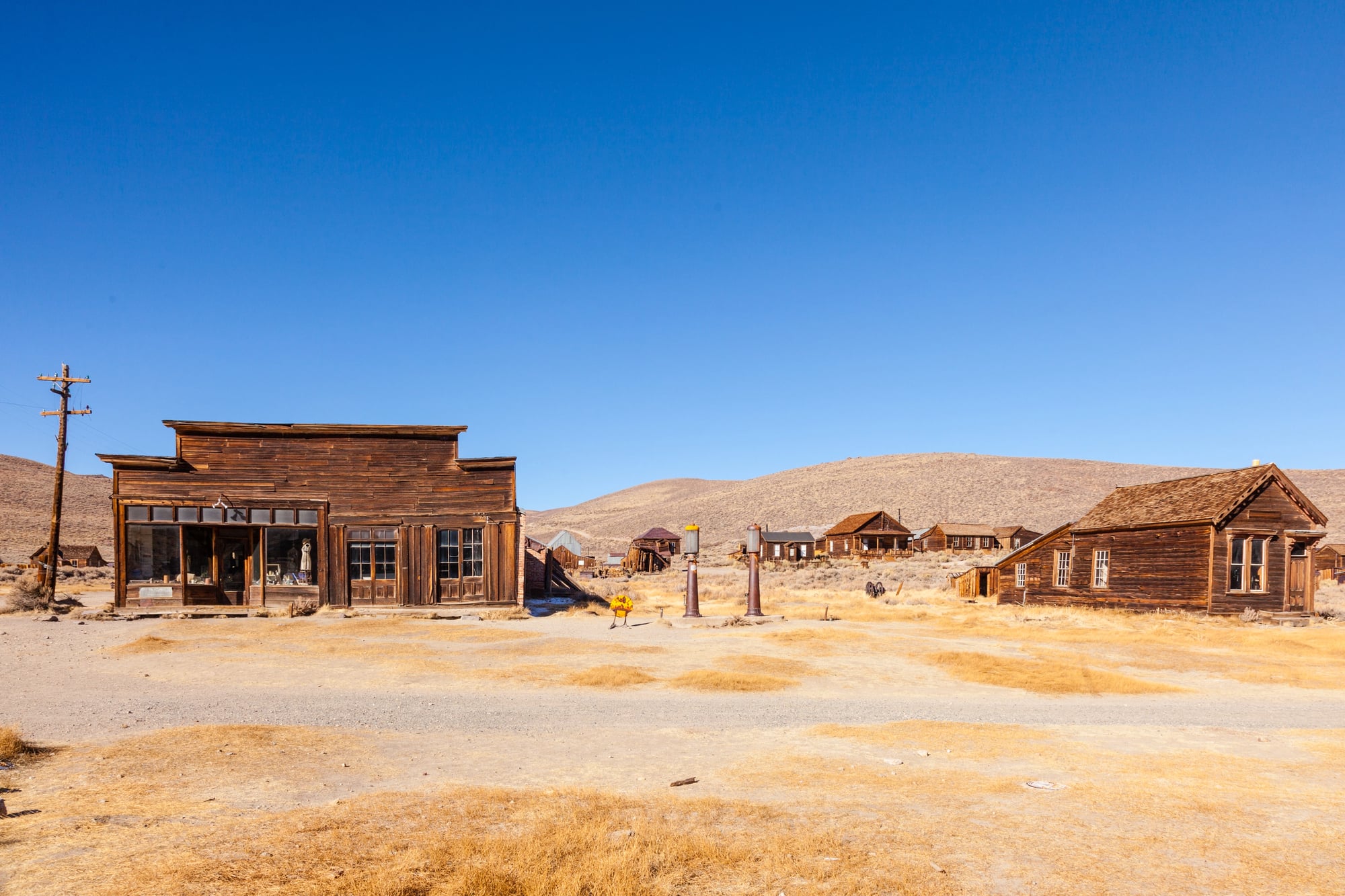
Bodie transformed from tiny mining camp to notoriously lawless boomtown after major gold discoveries in 1876 sparked a population explosion to nearly 10,000 residents. During its peak, the town reputedly averaged one murder daily along its mile-long main street lined with 65 saloons.
When mining declined, residents departed with remarkable speed – leaving buildings with tables still set for meals and stores stocked with inventory. California park officials maintain the site in a state of “arrested decay” – preserving buildings exactly as found rather than restoring them.
This policy creates the unsettling illusion that residents simply vanished mid-activity, leaving possessions exactly where they stood when the last person departed.
Towns Beyond Memory
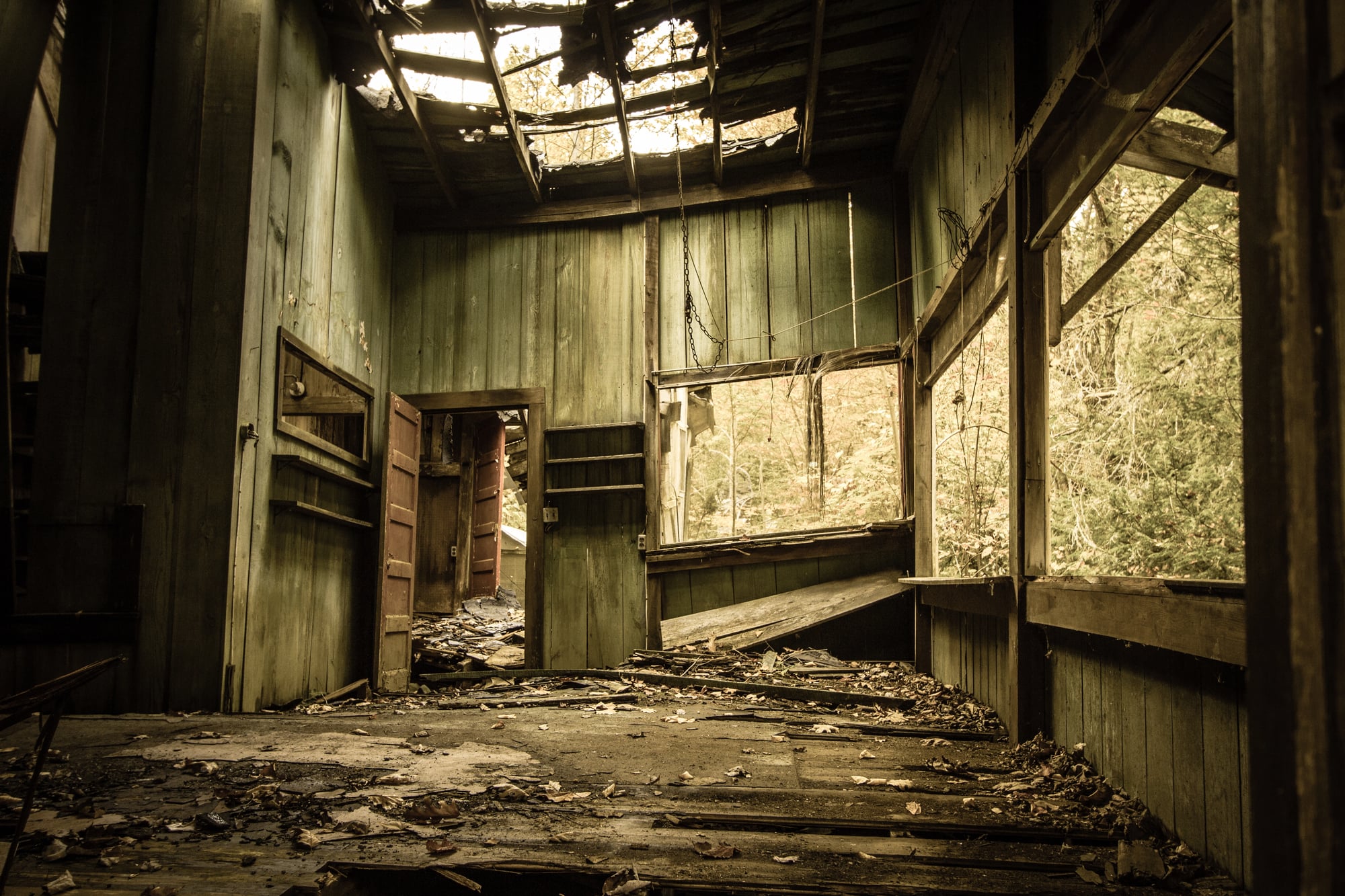
These abandoned places remind us how quickly human settlements can transition from bustling communities to historical footnotes. Their peculiar demises – whether through environmental disaster, economic collapse, or human conflict – offer glimpses into how fragile our civilizations truly are.
Yet something about these empty streets continues to fascinate us beyond mere historical curiosity. Perhaps these ghost towns resonate because they represent something fundamentally unsettling: tangible evidence that everything we build, no matter how permanent it seems, might someday stand empty, with nature slowly reclaiming what we once called home.
Like Go2Tutors’s content? Follow us on MSN.
More from Go2Tutors!

- 18 Unexpectedly Valuable Collectibles You Might Have Lying Around
- 15 Things Every Teenager in the ’70s Did That Teens Today Wouldn’t Understand
- 15 Strange Things People Have Tried to Ban (And Failed)
- 15 Inventions That Were Immediately Banned After Being Created
- 20 Actors Who Were Almost Cast in Iconic Roles
Like Go2Tutors’s content? Follow us on MSN.