Places Planes Cannot Fly
When you look up at a plane crossing the sky, it seems like aircraft can go anywhere they want. But the truth is far more complicated.
Pilots face countless restrictions on where they can and cannot fly, and these limitations range from the obvious to the surprisingly strange. Some areas are off-limits for safety reasons, others for politics, and some because the laws of physics simply say no.
The Obvious One: Space

Planes need air to fly. This sounds basic, but it’s the fundamental limit on how high aircraft can go.
Commercial jets typically cruise around 35,000 to 42,000 feet, but even the highest-flying planes can’t break free from the atmosphere. The air gets thinner as you climb, and eventually there’s just not enough of it to keep the engines running or the wings generating lift.
Military reconnaissance aircraft like the SR-71 Blackbird pushed up to 85,000 feet, but that’s still well within Earth’s atmosphere. True space starts around 330,000 feet, and no plane can reach it.
Directly Over the White House

If you fly a plane—or even a drone—over the White House, you’ll find yourself in serious trouble fast. Washington, D.C. has one of the most restricted airspaces in the world, with a permanent no-fly zone extending roughly 15 miles around the capital.
This zone is called the Washington, D.C. Special Flight Rules Area, and it’s enforced by military aircraft ready to intercept anything that strays into the restricted space. The same rules apply to Camp David and several other sensitive government locations.
Most of Tibet

China has designated large portions of Tibet as restricted airspace. Foreign airlines need special permission to fly over these areas, and the Chinese government rarely grants it.
The restrictions stem from both military concerns and political sensitivity about the region. When airlines plan routes between Asia and Europe or the Middle East, they often have to navigate around these zones, adding time and fuel costs to their flights.
The North and South Poles

Flying over the poles presents unique challenges. The magnetic compass goes haywire near the poles because the magnetic field lines converge there, making navigation difficult.
Communication systems also struggle because most satellites orbit in ways that leave polar regions with spotty coverage. Weather conditions are brutal, and if something goes wrong, rescue becomes nearly impossible.
Some modern aircraft do fly polar routes with special equipment and training, but for most planes, the poles remain off-limits.
Active War Zones

When conflicts break out, airspace above war zones closes to civilian traffic. Ukraine’s airspace shut down completely when the war started in 2022.
Syria’s airspace became a maze of restricted zones during its civil war. Commercial airlines avoid these areas because of the risk of being shot down by anti-aircraft weapons—either intentionally or by mistake.
The 2014 downing of Malaysia Airlines Flight 17 over eastern Ukraine killed 298 people and proved just how dangerous flying through conflict zones can be.
Disney World and Disneyland

Both Disney parks in the United States have no-fly zones above them. The Federal Aviation Administration created these restrictions after the September 11 attacks.
The zones extend three miles around each park and go up to 3,000 feet. Disney requested these restrictions for security reasons, and now pilots must avoid the happiest places on Earth.
If you’re flying a small plane in Florida or California, you need to check your charts carefully to stay clear.
North Korea

North Korea doesn’t just restrict its airspace—it essentially closes it. Almost no foreign aircraft are allowed to fly over North Korean territory.
The country operates as a black box, and unauthorized flights risk being shot down without warning. Airlines traveling between Asia and North America plan routes that swing wide around North Korea’s borders.
Even research aircraft and weather balloons avoid the area.
Nuclear Power Plants
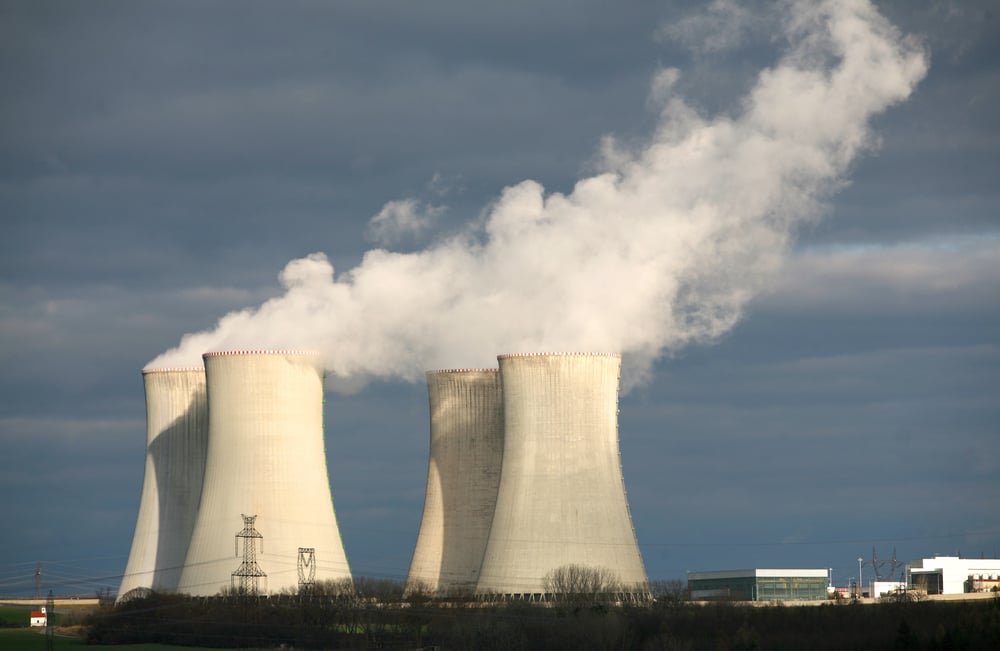
Most countries establish no-fly zones around nuclear power facilities. The restrictions vary, but they typically create a circular area several miles across where aircraft cannot fly below a certain altitude.
After the Fukushima disaster in Japan, these restrictions became even stricter in many places. The concern is both security-related and safety-related—officials want to prevent both deliberate attacks and accidental crashes into nuclear facilities.
The Bermuda Triangle
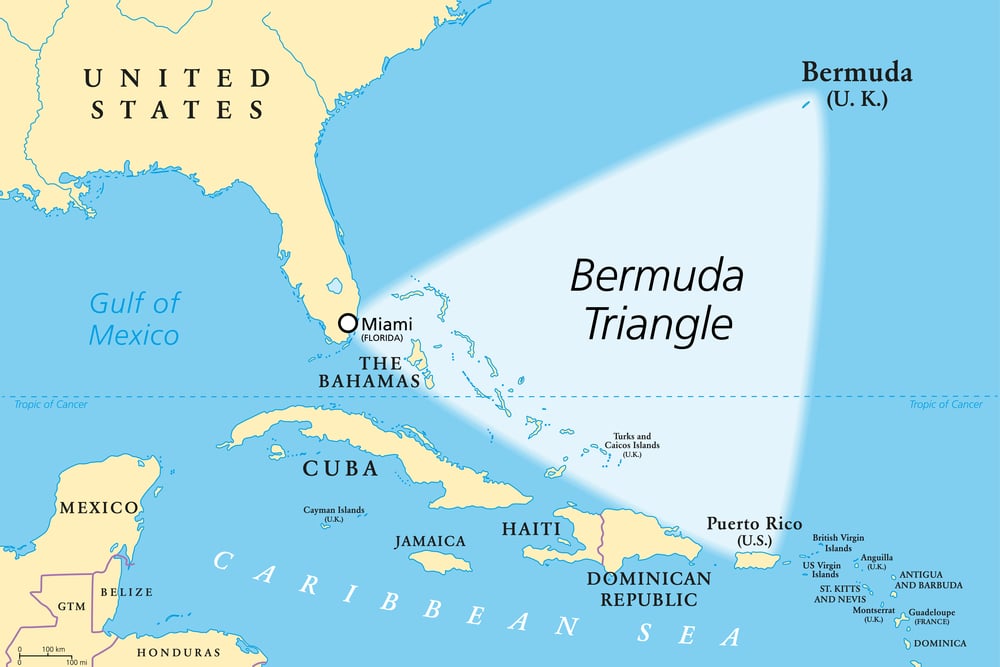
Okay, this one’s a myth. Planes can and do fly over the Bermuda Triangle all the time without incident.
The area between Florida, Bermuda, and Puerto Rico has a reputation for mysterious disappearances, but statistics show it’s no more dangerous than any other part of the ocean. Still, the legend persists, and some pilots joke about avoiding it, even though there’s no actual restriction in place.
Mecca
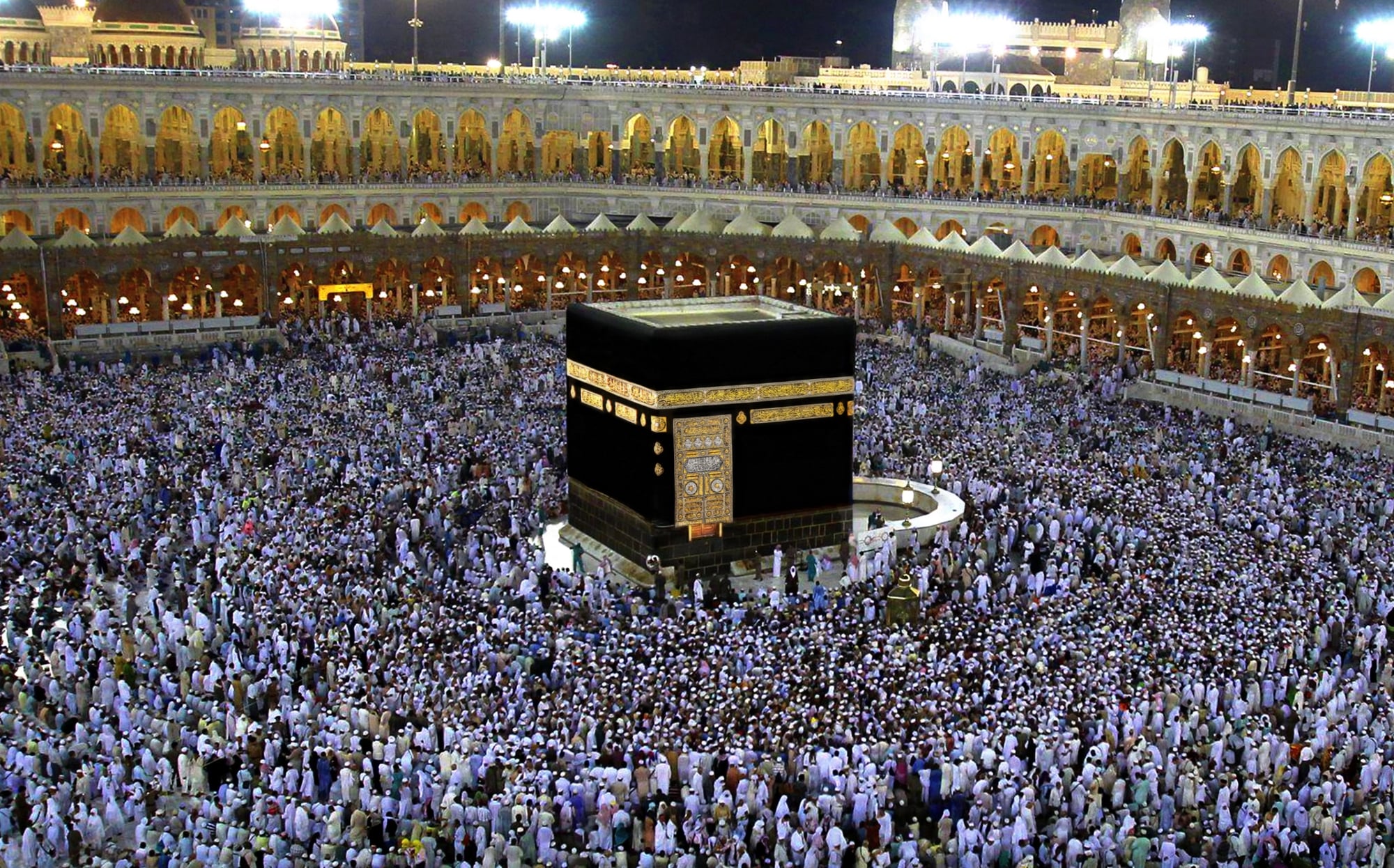
Saudi Arabia restricts the airspace over Mecca and Medina to Muslim pilots only. Non-Muslim crew members cannot fly over these holy cities.
Airlines adjust their routes accordingly, and the restriction is taken seriously by international aviation authorities. This is one of the few places where religious requirements directly affect flight paths.
Too Close to the Ground

You can’t just fly a plane anywhere at any altitude you want. Minimum altitude rules exist almost everywhere, requiring pilots to stay at least 500 feet above the ground in rural areas and 1,000 feet above the highest obstacle within a 2,000-foot radius in urban areas.
These rules exist for safety—both for people on the ground and for the aircraft. Flying too low over populated areas can result in fines, license suspension, or worse.
Royal Residences

Several countries maintain no-fly zones over royal palaces and residences. Buckingham Palace in London sits under restricted airspace.
So do other royal properties across Europe. These restrictions typically extend a few miles and prevent aircraft from flying too low.
Security concerns drive these rules, but they also help reduce noise over historically significant buildings.
Certain Military Bases

Beyond the obvious no-fly zones over active military installations, some bases have restrictions that extend surprisingly far. Area 51 in Nevada has a no-fly zone that covers a massive swath of desert.
The official reason is classified testing, and the Air Force enforces the restriction aggressively. Other military research facilities around the world have similar protected airspace, though few are as famous.
Large Gatherings and Sports Events

Out of nowhere, big gatherings like the Super Bowl or a president taking office bring sudden airspace shutdowns. Stretching across many miles, these blocks stay active for long stretches.
Safety drives it: stopping possible threats from above plus keeping media choppers clear of packed spaces. Constant shifts mean flyers must look closely each time they plan to take off.
Rules appear fast, vanish faster, yet matter deeply when in place.
The Edge of What Can Happen

High above Earth, thin air stops flights dead – machinery struggles where mountains scrape the sky. Over open water, fury builds fast; skies turn hostile beneath roiling storm fronts.
Ash rides wind currents after eruptions, turning whole regions into off-limits zones midair. Not laws, but nature draws these invisible borders in the atmosphere.
Up there, space feels endless, yet real flyers know invisible lines exist. Machines push far, still they cannot beat what nature holds firm.
Wise aviators understand – some edges refuse to bend.
More from Go2Tutors!

- The Romanov Crown Jewels and Their Tragic Fate
- 13 Historical Mysteries That Science Still Can’t Solve
- Famous Hoaxes That Fooled the World for Years
- 15 Child Stars with Tragic Adult Lives
- 16 Famous Jewelry Pieces in History
Like Go2Tutors’s content? Follow us on MSN.



