15 Inventions That Were Immediately Banned After Being Created
Numerous inventions that have enhanced our lives have been made possible by human creativity throughout history. Not all inventions, nevertheless, are warmly received. Some works of art are considered too disruptive, hazardous, or immoral to be accepted in society.
The following is a list of 15 innovations that were little used before being outlawed by the government.
Flying Cars
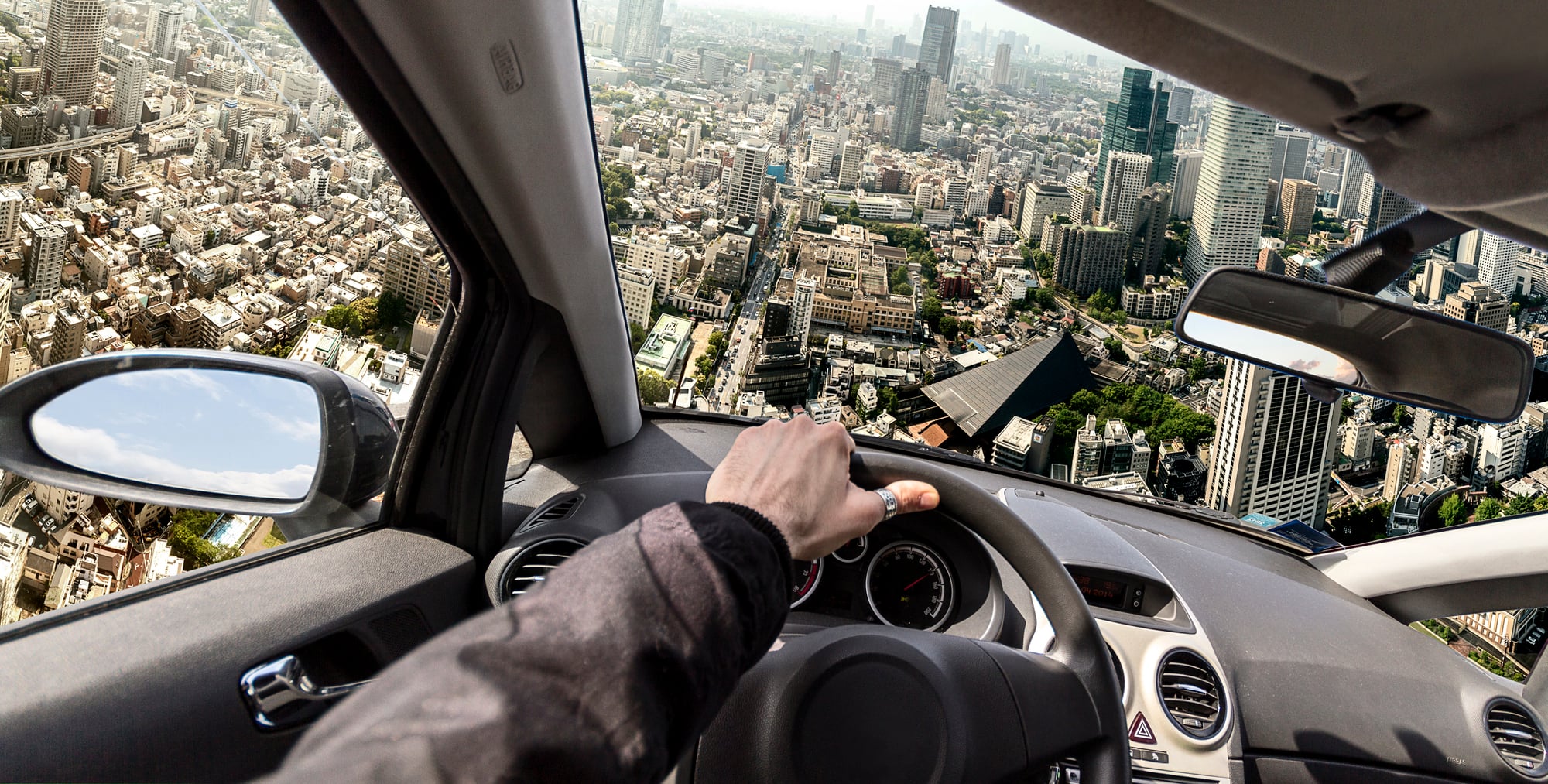
When the street-legal airplane, the Terrafugia Transition, was unveiled in 2013, it immediately encountered regulatory obstacles. Its commercial release was swiftly restricted by the FAA and Department of Transportation because of safety concerns about inexperienced pilots flying over populous areas.
The manufacturer was forced to change their strategy completely and give up on the initial concept.
Baby Cages

In the 1930s, “baby cages” were briefly marketed as a solution for apartment dwellers wanting to give their infants fresh air. These wire contraptions hung from window ledges, suspending babies hundreds of feet above city streets.
City officials in New York and London promptly banned these death-defying devices after photographs of them caused public outrage.
Lawn Darts
Lawn darts (Jarts) were heavy metal projectiles with sharp tips that players would toss toward targets on the ground. After causing numerous injuries and the death of a 7-year-old in 1987, the Consumer Product Safety Commission immediately banned their sale in the United States.
The decision came just months after a concentrated effort to market them as a family-friendly backyard game.
Shoe-Fitting X-Ray Machines

In the 1940s, shoe stores introduced fluoroscopes allowing customers to see the bones in their feet when trying on shoes. These machines emitted dangerous levels of radiation, exposing users to serious health risks.
By the 1950s, most states had banned these devices after research revealed the harmful effects of repeated radiation exposure.
Radar Jammers

Several companies developed radar jammers designed to prevent police from detecting speeding drivers. These devices were banned almost immediately after hitting the market in most states, as they interfered with legitimate law enforcement activities.
The FCC classified them as illegal signal jammers that could potentially disrupt emergency communications.
Automatic Knives

In 1958, the Switchblade Knife Act banned the manufacture and import of automatic opening knives in the United States. Several European knife manufacturers had just begun marketing their spring-loaded designs in America when the legislation passed.
The swift ban came in response to sensationalized reports of youth violence and effectively ended the commercial prospects for these tools.
Synthetic Drugs

Numerous synthetic drugs have faced immediate bans after their creation. For example, synthetic cannabinoids marketed as “Spice” or “K2” were banned in 2012 shortly after becoming commercially available.
The DEA issued emergency scheduling orders when hospital emergency rooms reported alarming adverse reactions among users.
Crib Bumpers

Plush padding designed to line baby cribs faced immediate regulatory restrictions after safety studies linked them to suffocation risks. Maryland became the first state to ban their sale in 2013, with other states following quickly afterward.
Manufacturers had spent millions developing “breathable” versions, only to have those banned as well.
Self-Balancing Scooters
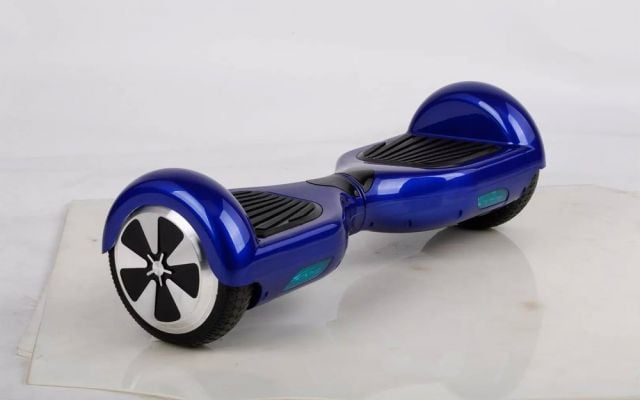
In 2015, hoverboards or self-balancing scooters became an overnight sensation and were quickly banned from public spaces in major cities worldwide. The combination of battery fire hazards and pedestrian collision risks led to immediate restrictions.
Airlines uniformly prohibited them from flights, and many college campuses banned them within weeks of their appearance on the market.
Three-Wheeled ATVs

In 1988, three-wheeled all-terrain vehicles (ATVs) were banned from production after a flood of injuries and fatalities. Manufacturers had just invested heavily in production facilities when the Consumer Product Safety Commission negotiated a consent decree halting sales.
The inherent instability of the three-wheel design made them prone to rollovers, leading to their rapid removal from the market.
Privacy Coins

Several countries including Japan, South Korea, and Australia have banned or severely restricted privacy-focused cryptocurrencies like Monero almost immediately after they gained popularity.
Financial regulators cited concerns about untraceable transactions enabling illicit activities. The coins were technically innovative but ran afoul of anti-money laundering regulations within months of their widespread adoption.
Autonomous Weapons

Prior to deployment, a number of autonomous weapon systems in prototype form were prohibited by international agreements. Fully autonomous lethal systems were preemptively limited by the Convention on Certain Conventional Weapons after early prototypes showed that they could choose and engage targets without human assistance.
Before any nation could completely deploy these weapons, the prohibition was imposed.
Deepfake Technology
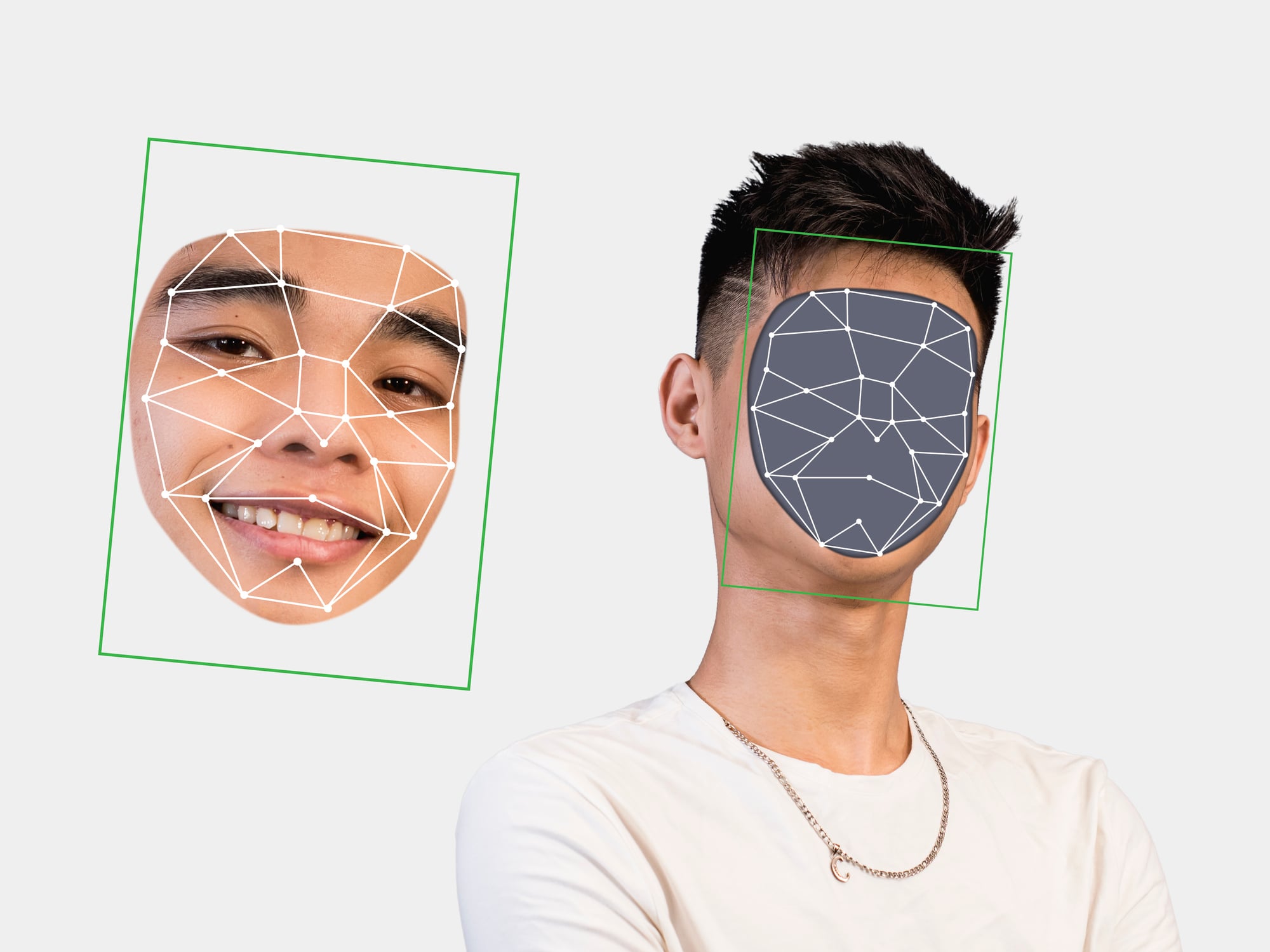
Soon after deepfake technology was developed, several states outlawed certain uses of it. In 2019, California outlawed political deepfakes within 60 days of elections, while Virginia passed laws making it illegal to utilize deepfake technology to produce non-consensual fake videos.
The technology was subject to severe legal constraints only after it left research labs.
Private DNA Databases

Several countries including France and Germany immediately restricted or banned private DNA collection and analysis services after their introduction.
Privacy concerns about the potential misuse of genetic information led to swift regulatory action. Companies had to withdraw their services from these markets shortly after launching them.
Facial Recognition Systems
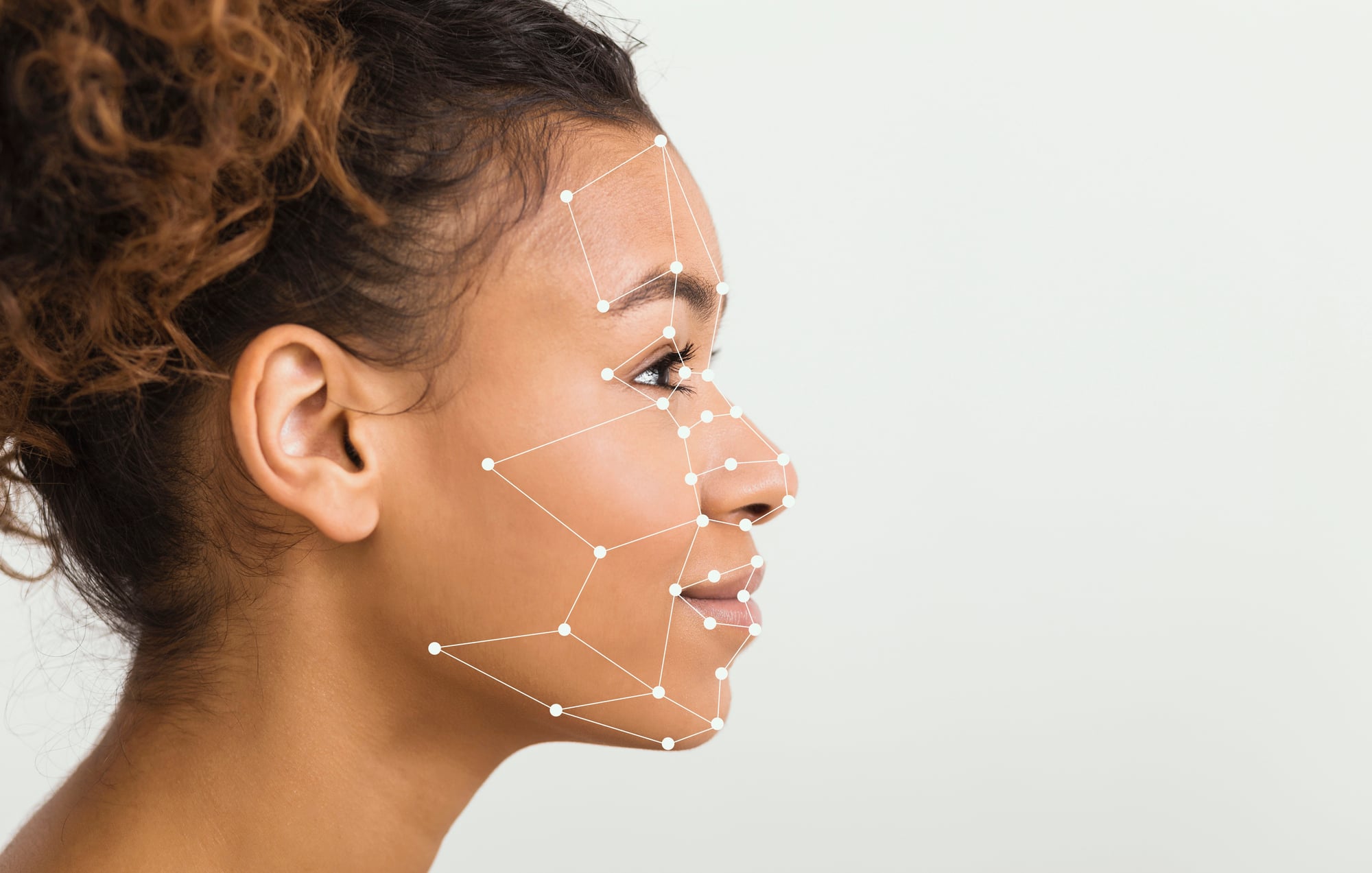
In 2019, several cities including San Francisco and Boston banned governmental use of facial recognition technology almost immediately after companies began marketing it to police departments.
The rapid ban came in response to concerns about inaccuracies, bias, and privacy implications before the systems could be widely implemented.
The Legacy of Banned Inventions

These banned inventions serve as cautionary tales in the history of innovation. Many represented technological achievements that pushed boundaries but failed to account for safety, ethics, or social implications.
Today’s inventors often study these cases to better understand the delicate balance between innovation and responsibility.
The immediate banning of these inventions demonstrates society’s willingness to draw lines when technology outpaces its safety measures or ethical frameworks. As we continue to develop new technologies, these historical examples remind us that not every creation deserves a place in our world, no matter how clever its design.
More from Go2Tutors!

- 16 Historical Figures Who Were Nothing Like You Think
- 12 Things Sold in the 80s That Are Now Illegal
- 15 VHS Tapes That Could Be Worth Thousands
- 17 Historical “What Ifs” That Would Have Changed Everything
- 18 TV Shows That Vanished Without a Finale
Like Go2Tutors’s content? Follow us on MSN.