Photos Of Rare Animal Mutations
Out of nowhere, life finds strange ways to grow. When cells divide, mistakes slip in – leading to beings unlike anything seen before.
Mutations twist what should be familiar into something odd, even startling. Still, these forms survive, hidden in forests or watched behind glass.
Not every creature fits a pattern; some rewrite the blueprint entirely.
Take a moment to consider a few standout cases where genes take an unusual turn. These rare shifts reveal themselves in surprising ways.
Two-Headed Turtle
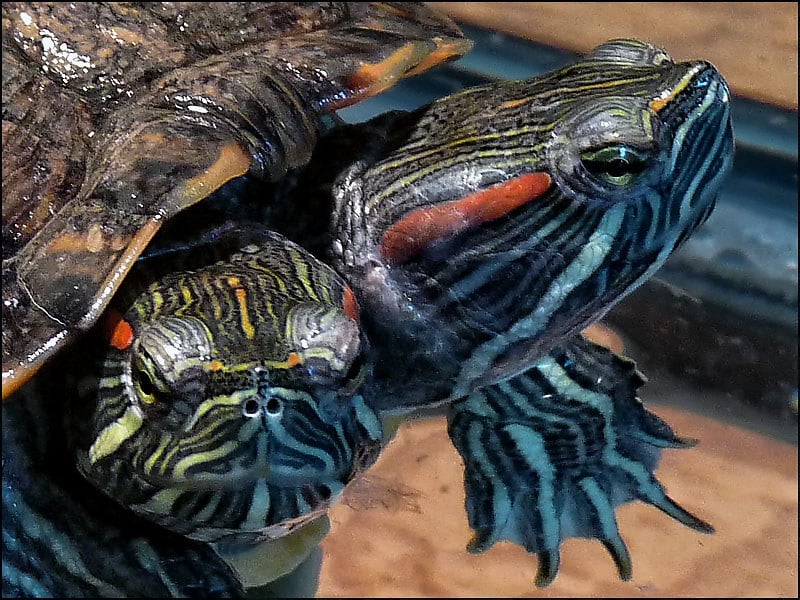
Strange as it sounds, two-headed turtles exist outside legend – incomplete division of an embryo leads to the condition. One mind per head often results in clashing impulses on how to move forward.
Their unusual shape draws attention, making escape harder when danger approaches. Life outdoors becomes nearly impossible due to sluggish motion and poor coordination.
Survival usually depends on human care, where eating routines are adjusted and surroundings stay safe.
Melanistic Penguin
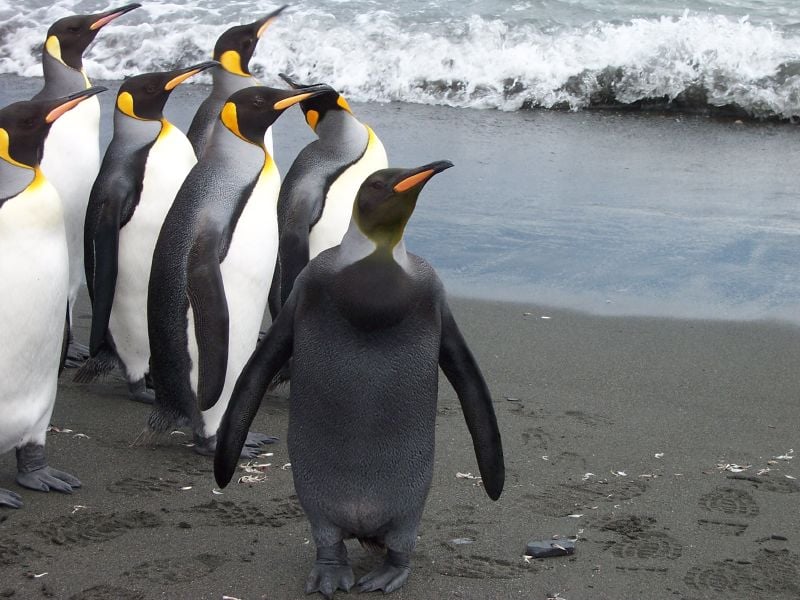
Most penguins wear black backs and white chests like little suits. Yet this odd one appears mostly deep gray across its whole body.
Too much dark color forms because of a shift in how pigment develops, staining feathers close to solid black. A team snapped pictures of such a creature near South Georgia Island more than ten years ago.
Roughly just one out of two hundred fifty thousand penguins shows anything similar. That heavy shade works against survival, as light bellies usually hide swimmers from hunters watching upward through waves.
Albino Peacock
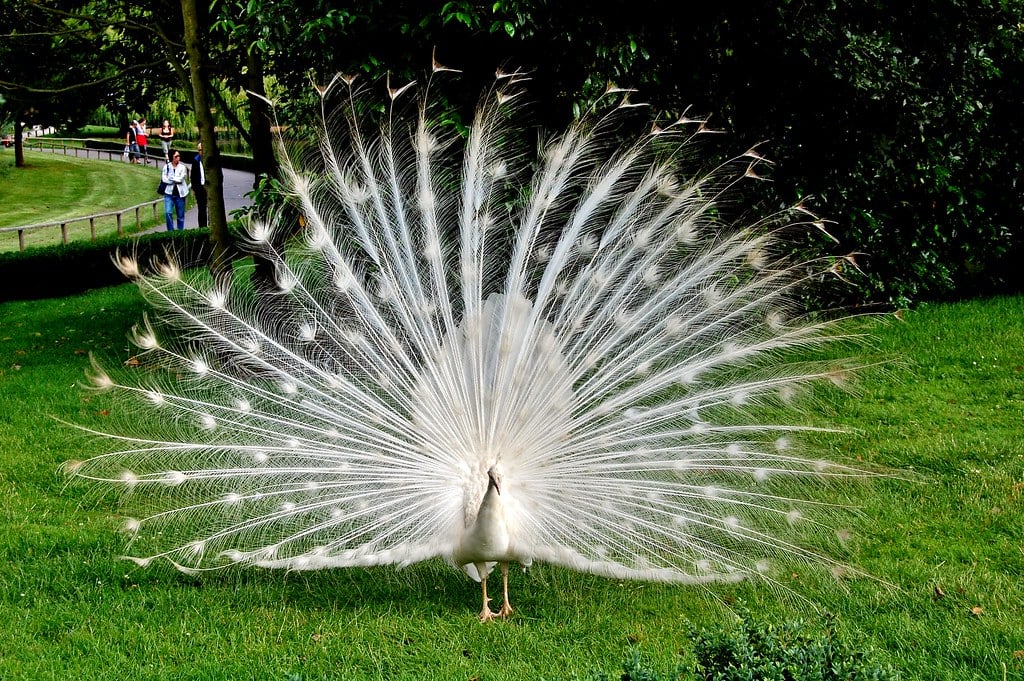
White where there should be blue. A rare sight, these feathered forms glow without a hint of green or gold.
Instead of colors blending into iridescence, bare light takes over – clean, sharp, almost unreal. When spread wide, the plumes mirror the usual show, yet feel ghostlike in daylight.
Same movements, same rhythm during mating rituals. Calls pierce air just as loudly despite silent hues.
Pigment missing does not stop instinct. Eyes struggle though, vision dulled by genetic shift.
Out in the wild, shadows move faster than they can see.
Pink Katydid
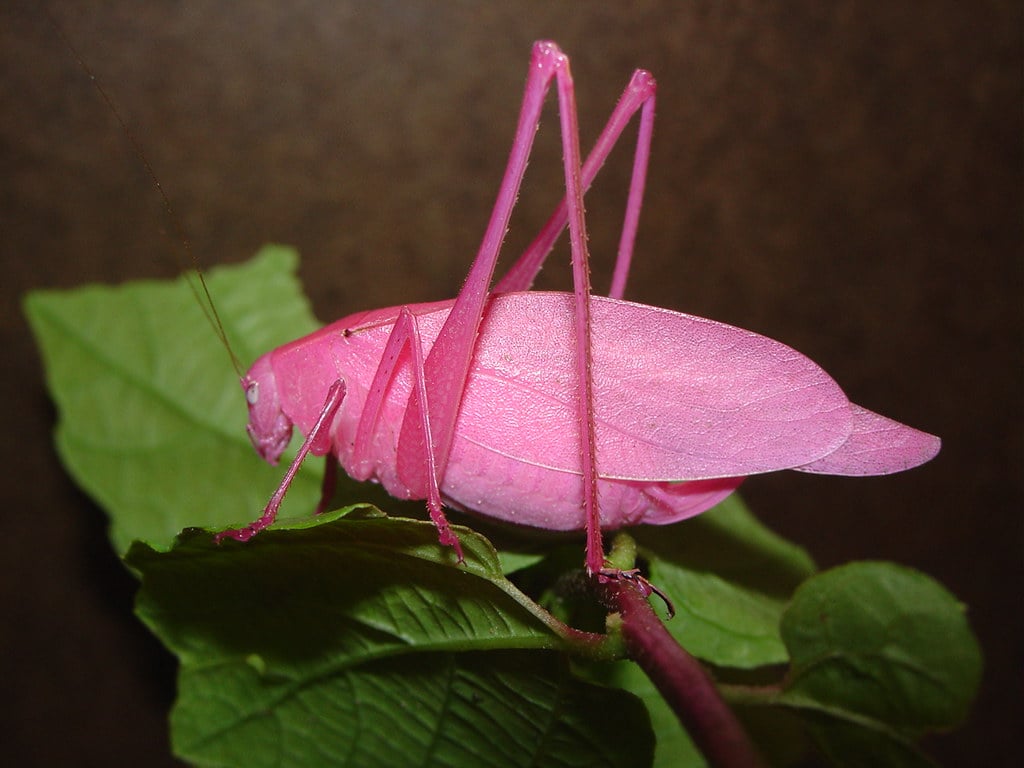
Bright pink katydids stand out sharply against leafy backdrops, even though most stay hidden by mimicking green foliage. A rare shift in their genes – one in roughly five hundred – triggers this vivid color change.
Erythrism, a trait behind the look, floods their bodies with red-toned pigment. Birds catch sight of them fast, snatching them up before they last long outdoors.
Scientists remain split on whether there’s value in being this colorful or if nature just stumbled into it by mistake. Their fate often leans toward an early end.
Golden Zebra
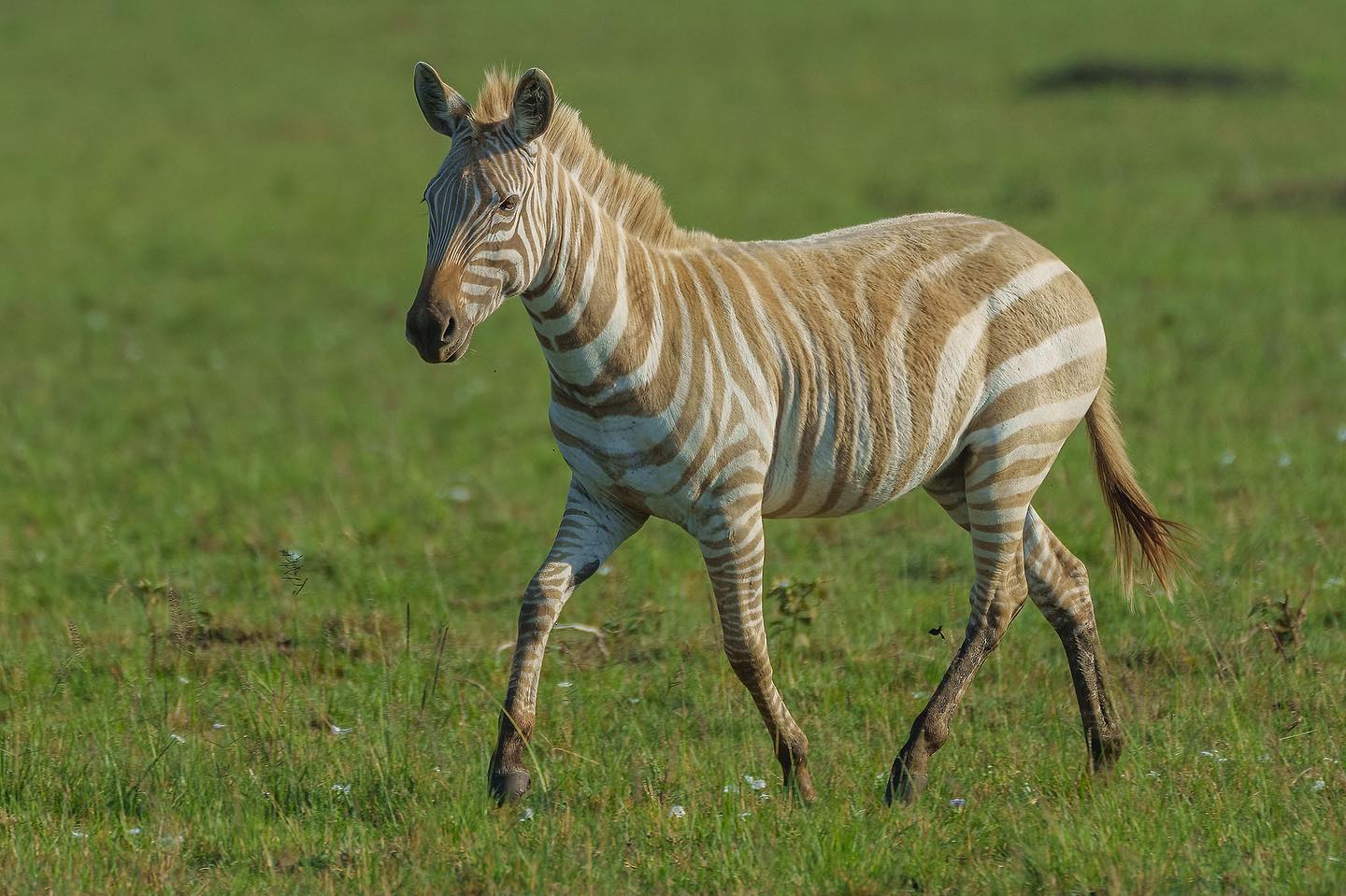
Stripes define zebras, yet now and then a foal arrives coated in golden blonde where black ought to show. Amelanism causes this shift – pigment for dark fur fails to form, though lighter tones remain untouched.
Picture a familiar zebra seen under old photographs’ glow: warm browns and pale creams replace sharp blacks and whites. Predators spot these variants just as easily as others in daylight savannas.
Herd behavior shows no difference either; they mingle without pause among peers who look nothing like them.
Cyclops Shark
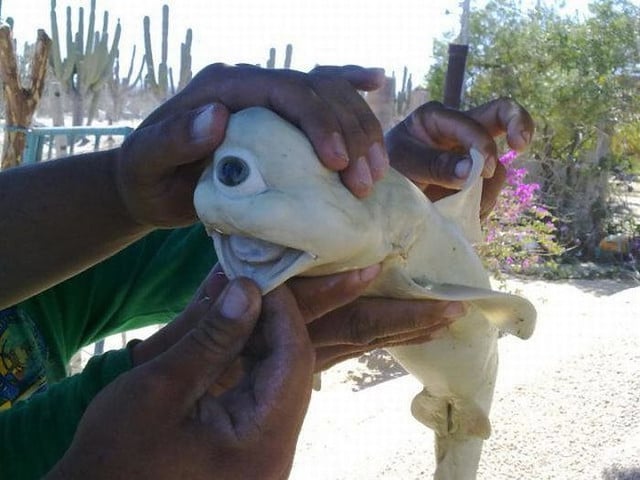
Fishermen occasionally pull up shark fetuses with a single eye in the center of their face, looking exactly like the mythical Cyclops. This happens when a developmental disorder called cyclopia prevents the eye socket from dividing into two during early growth.
These sharks never survive to birth since the condition comes with severe internal abnormalities that make life impossible. Scientists have documented fewer than 50 cases across all shark species, making it one of the rarest mutations in marine life.
Leucistic Alligator
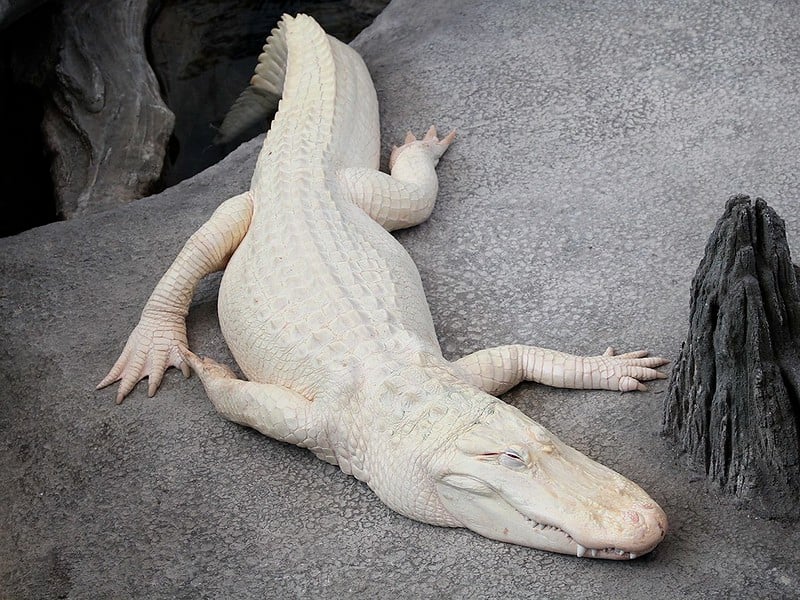
White alligators exist in two forms, and the leucistic version keeps its blue eyes while losing most of its color. Unlike albino alligators that have pink eyes and no pigment at all, leucistic gators retain some pigmentation in their eyes and occasionally show faint patterns on their scales.
Only about 100 of these pale reptiles exist worldwide, mostly in captivity where they’re protected from the sun damage their light skin makes them vulnerable to. Their white appearance makes hunting nearly impossible in the wild since prey can spot them from far away in murky swamp water.
Chimera Cat

Some cats look like two different animals merged down the middle of their face, and that’s essentially what happened genetically. Chimera cats develop when two embryos fuse together very early in development, creating one animal with two distinct sets of DNA.
The result often shows as a perfect split down the face with different colored eyes and fur on each side. This isn’t just unusual coloring; different parts of the cat’s body literally have different genetic codes, though the animal functions as one individual.
Piebald Deer
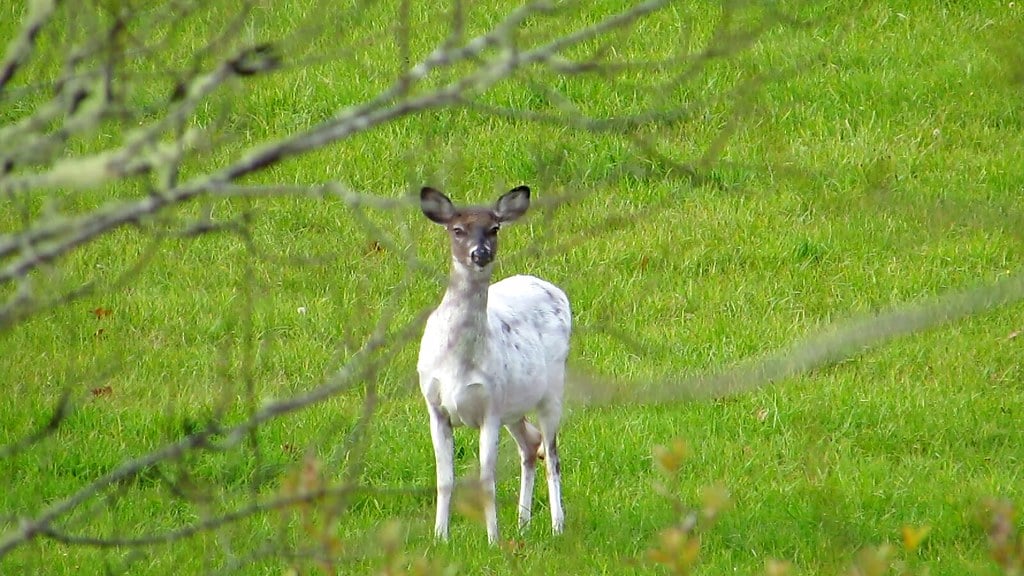
These deer look like someone splashed white paint across their brown coats in random patterns. The piebald trait causes irregular patches of white fur mixed with normal coloring, sometimes covering just a few spots or taking over most of the body.
Deer with extensive white patches often have other problems like curved spines, short legs, or internal organ issues since the genes causing the white coloring link to other developmental concerns. Native American tribes traditionally considered piebald deer sacred, though some modern hunting regulations actually protect them due to their rarity.
Split Lobster
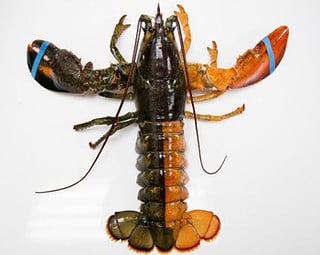
About one in 50 million lobsters comes out of its shell half male colored and half female colored, split right down the middle. This happens when the lobster is a gynandromorph, meaning it’s literally half male and half female at the cellular level.
The male side typically shows the brownish color common in male lobsters while the female half displays the orangish tint females usually have. Commercial fishermen who catch these rare specimens usually donate them to aquariums rather than selling them for dinner since they’re so uncommon.
Transparent Frog
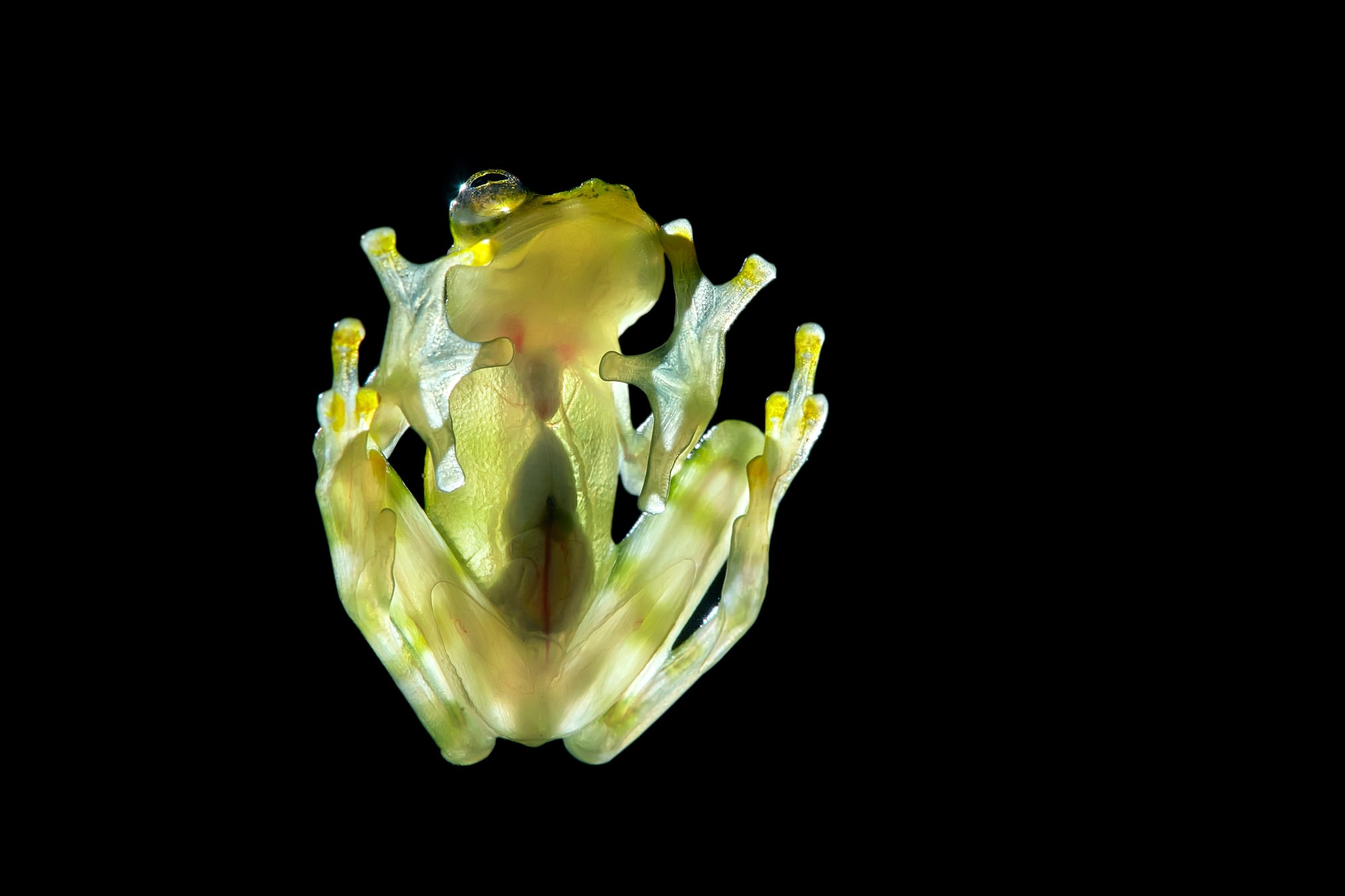
Glass frogs from Central and South America have skin so clear on their bellies that you can watch their organs function in real time. Their heart beats visibly through their chest, and you can trace their digestive system as food moves through their transparent body.
The top side of these frogs stays greenish to help them blend with leaves, but flip them over and it’s like looking at a living anatomy diagram. Scientists still study these frogs to understand how their bodies achieve this clarity without affecting their survival.
Winged Cat
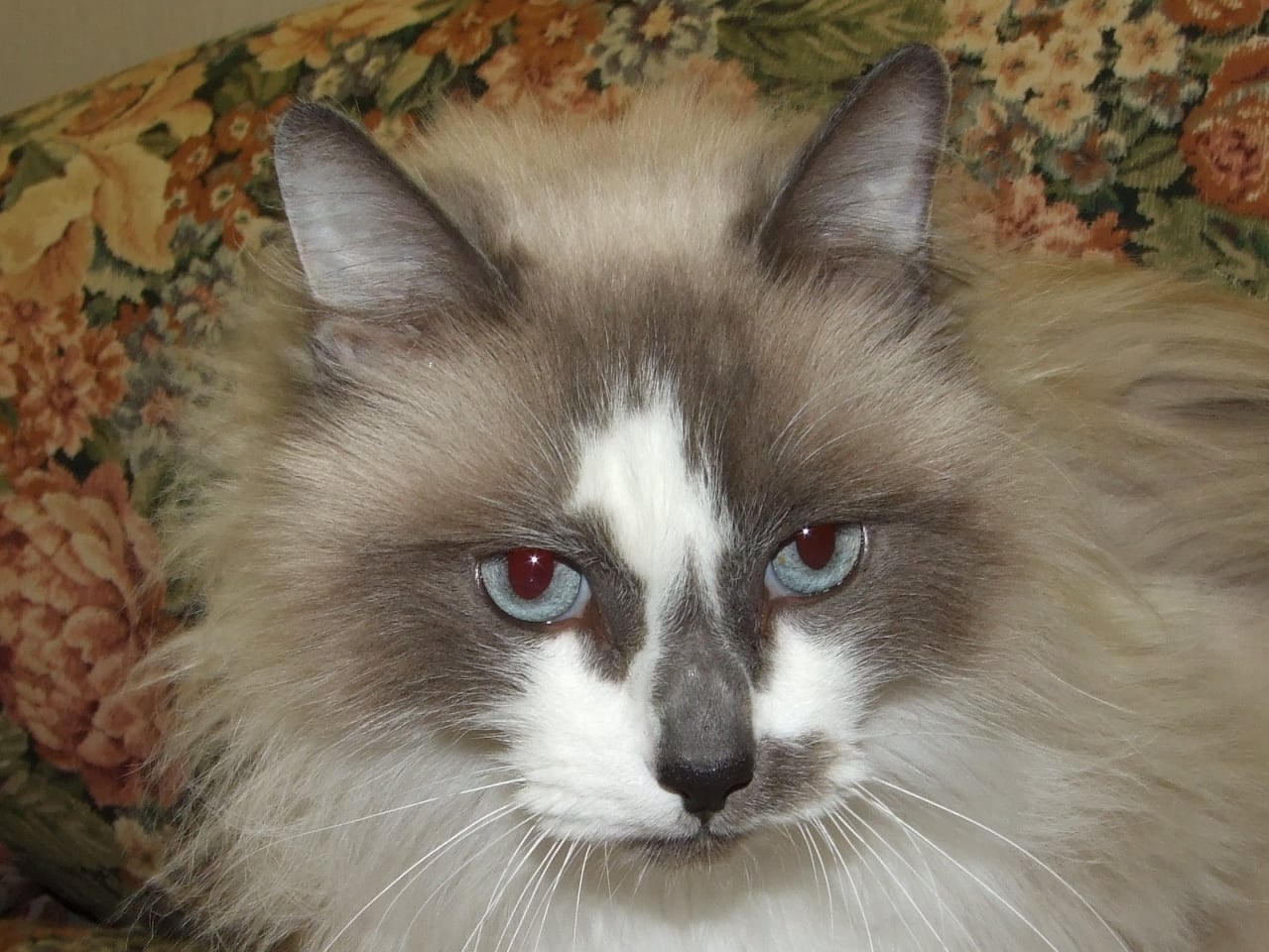
Cats sometimes grow what looks like wings on their backs, though they’re actually matted fur or a skin condition called feline cutaneous asthenia. The matted fur version happens when a cat’s coat tangles into wing-shaped structures that move when the cat walks, creating the illusion of flight capability.
The rarer medical condition causes the skin to be extremely elastic and form flaps that resemble wings. Either way, these cats can’t actually fly, and the growths usually need grooming or veterinary attention to prevent discomfort.
Purple Polar Bear
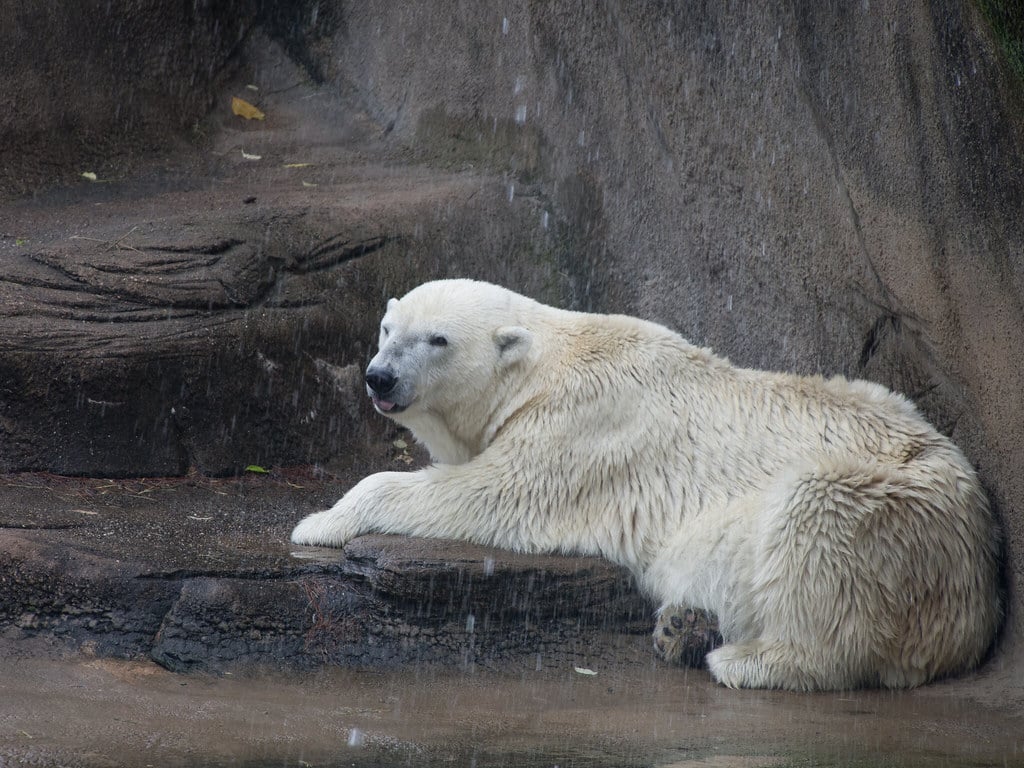
Polar bears in captivity sometimes turn purple or green, though it’s not a genetic mutation but rather algae growing in their hollow hair shafts. The bear’s actual skin stays dark underneath, but the algae growing inside the transparent hairs tints the white fur strange colors.
This happens most often in warm, humid climates where polar bears live in zoos far from their natural Arctic habitat. A good cleaning usually returns the bear to its normal white appearance, proving this isn’t a permanent color change.
King Cheetah
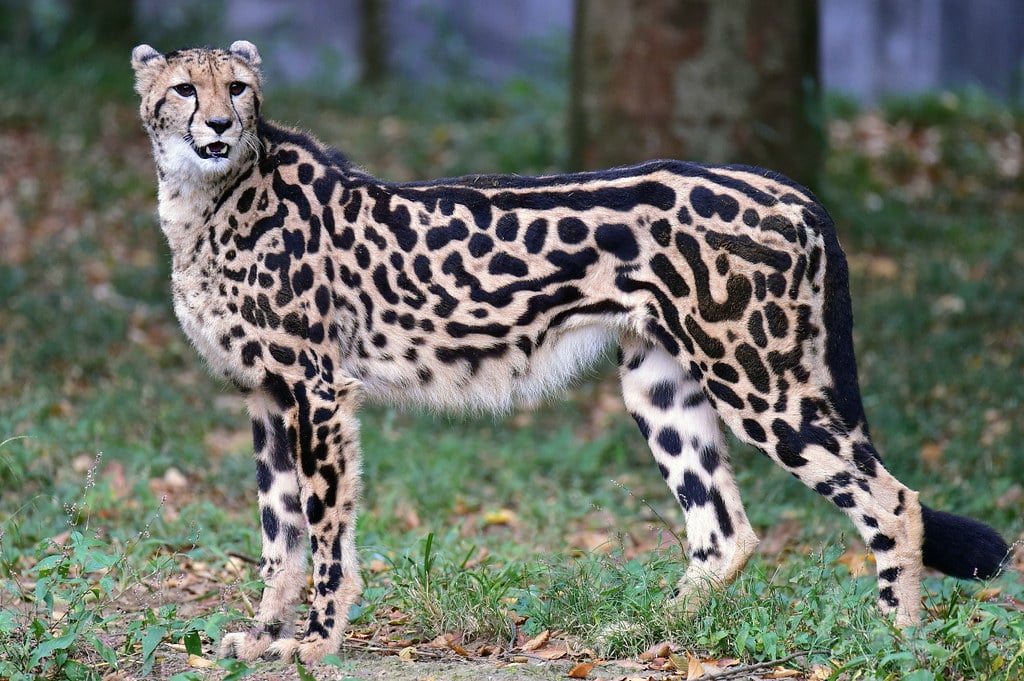
Cheetahs normally have small spots scattered across their coats, but the king cheetah sports thick stripes and large blotches instead. This pattern comes from a recessive gene that dramatically alters how the spots develop during fetal growth.
People once thought king cheetahs were a separate species or a cheetah-leopard hybrid, but genetic testing proved they’re just regular cheetahs with unusual markings. Only a handful of king cheetahs exist in the wild, mostly in South Africa and Zimbabwe, making them incredibly difficult to spot even for researchers specifically looking for them.
Bald Bear
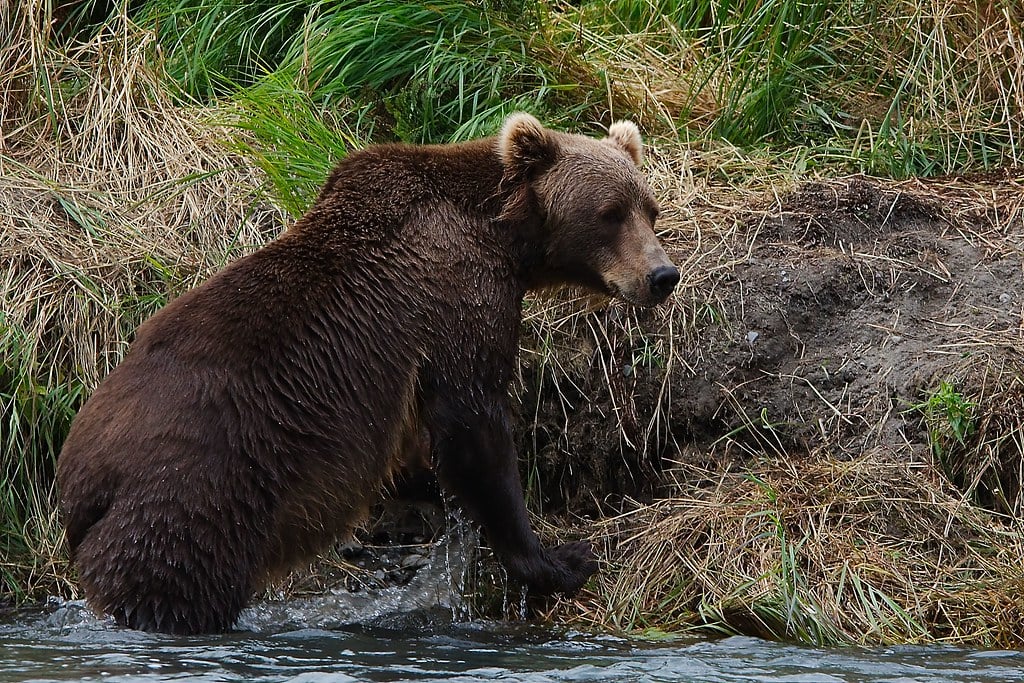
Black bears normally have thick fur coats, but a group of bears in Germany lost almost all their hair to a mysterious condition that left them nearly bare. The hair loss wasn’t mange or any known disease, and it affected multiple bears in the same area around the same time.
Scientists investigated but never definitively determined what caused the baldness, though theories ranged from genetic issues to environmental factors. The bears survived and functioned normally despite their exposed skin, proving that even without their famous fur they could still be bears.
Snake With Legs
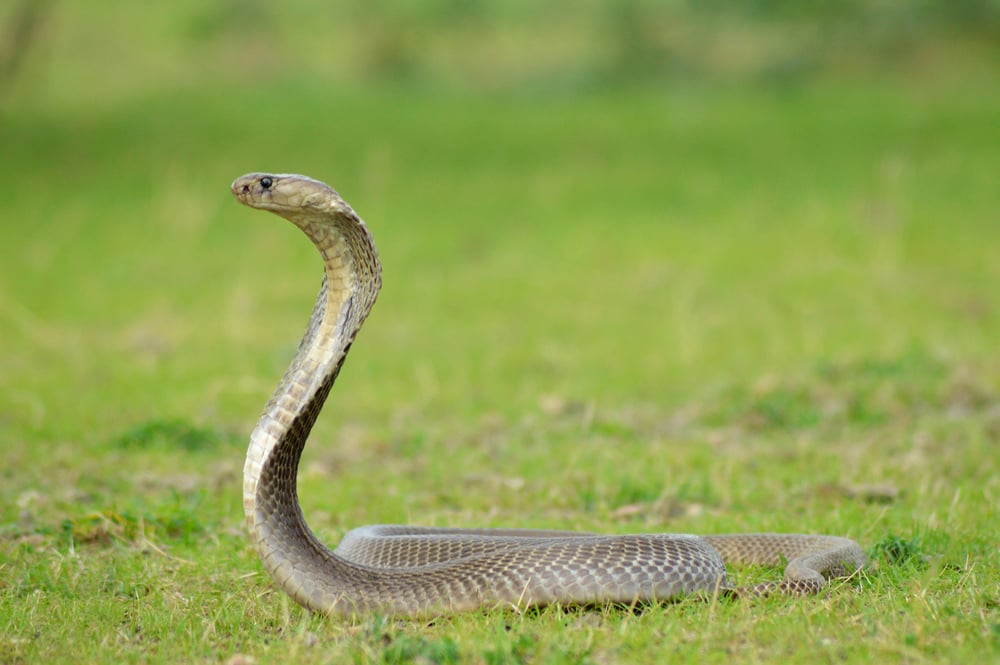
Snakes occasionally develop leg buds during embryonic development, creating tiny limb protrusions near their tail area. These aren’t functional legs, just small stumps that hint at the evolutionary past when snake ancestors had four limbs.
The mutation happens when genes that normally stay switched off during snake development accidentally activate and begin forming leg structures. Most snakes with these vestigial limbs live normal lives since the tiny legs don’t interfere with their slithering, though they look decidedly odd among their smooth-bodied relatives.
Where Genetic Dice Land
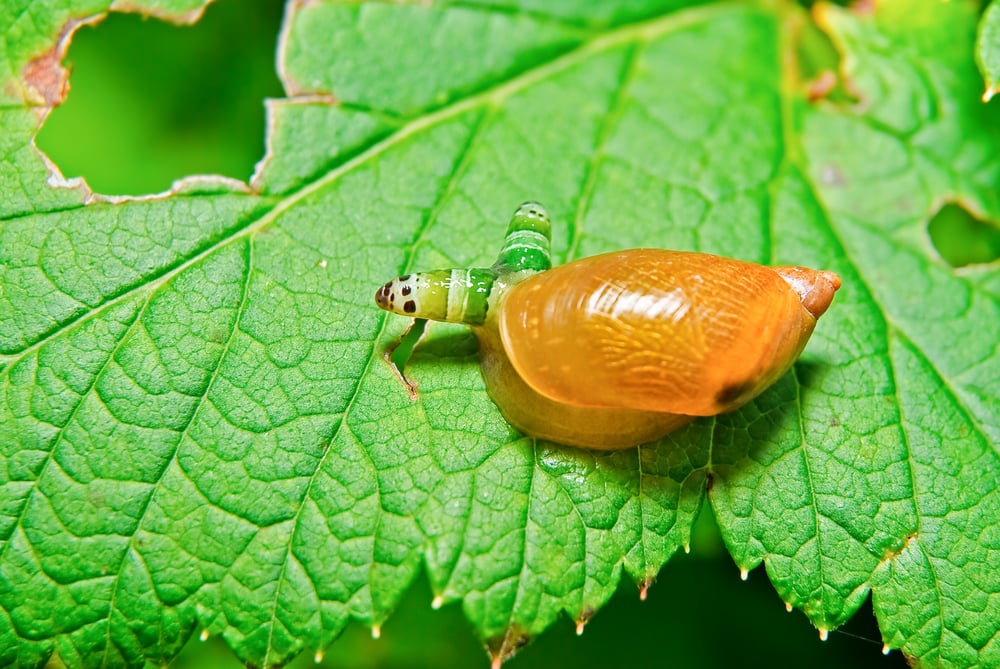
These unusual animals remind us that DNA sometimes takes unexpected turns. The same processes that create these rare variations also drive evolution forward over millions of years, testing new combinations and occasionally producing something that actually works better than the original.
Most mutations put animals at a disadvantage, but every once in a while, nature stumbles onto something that becomes the new normal for an entire species down the road.
More from Go2Tutors!

- The Romanov Crown Jewels and Their Tragic Fate
- 13 Historical Mysteries That Science Still Can’t Solve
- Famous Hoaxes That Fooled the World for Years
- 15 Child Stars with Tragic Adult Lives
- 16 Famous Jewelry Pieces in History
Like Go2Tutors’s content? Follow us on MSN.