13 Most Expensive Inventions Ever Created
Humanity has always been willing to pay astronomical sums to push the boundaries of what’s possible. From launching laboratories into space to smashing particles at nearly the speed of light, some inventions cost more than the entire GDP of many countries. These mind-boggling price tags reflect our species’ relentless drive to explore, discover, and create the impossible.
The numbers we’re about to explore aren’t just large—they’re so massive they challenge our ability to comprehend them. When you consider that some of these projects cost more than entire wars or could fund small nations for decades, you begin to appreciate the extraordinary ambition behind human innovation. Here is a list of 13 most expensive inventions ever created that showcase humanity’s willingness to invest everything in the pursuit of knowledge and progress.
International Space Station

The International Space Station is the most expensive man-made object ever created, with costs reaching an astronomical level. This orbiting laboratory represents a collaboration among many nations, led by NASA along with Russia, Europe, Japan, and Canada.
It circles high above Earth at remarkable speed while serving as humanity’s permanent foothold in space. The expense comes from the extreme engineering challenges of building a habitable structure in microgravity, launching multiple modules, and maintaining life-support systems.
Large Hadron Collider
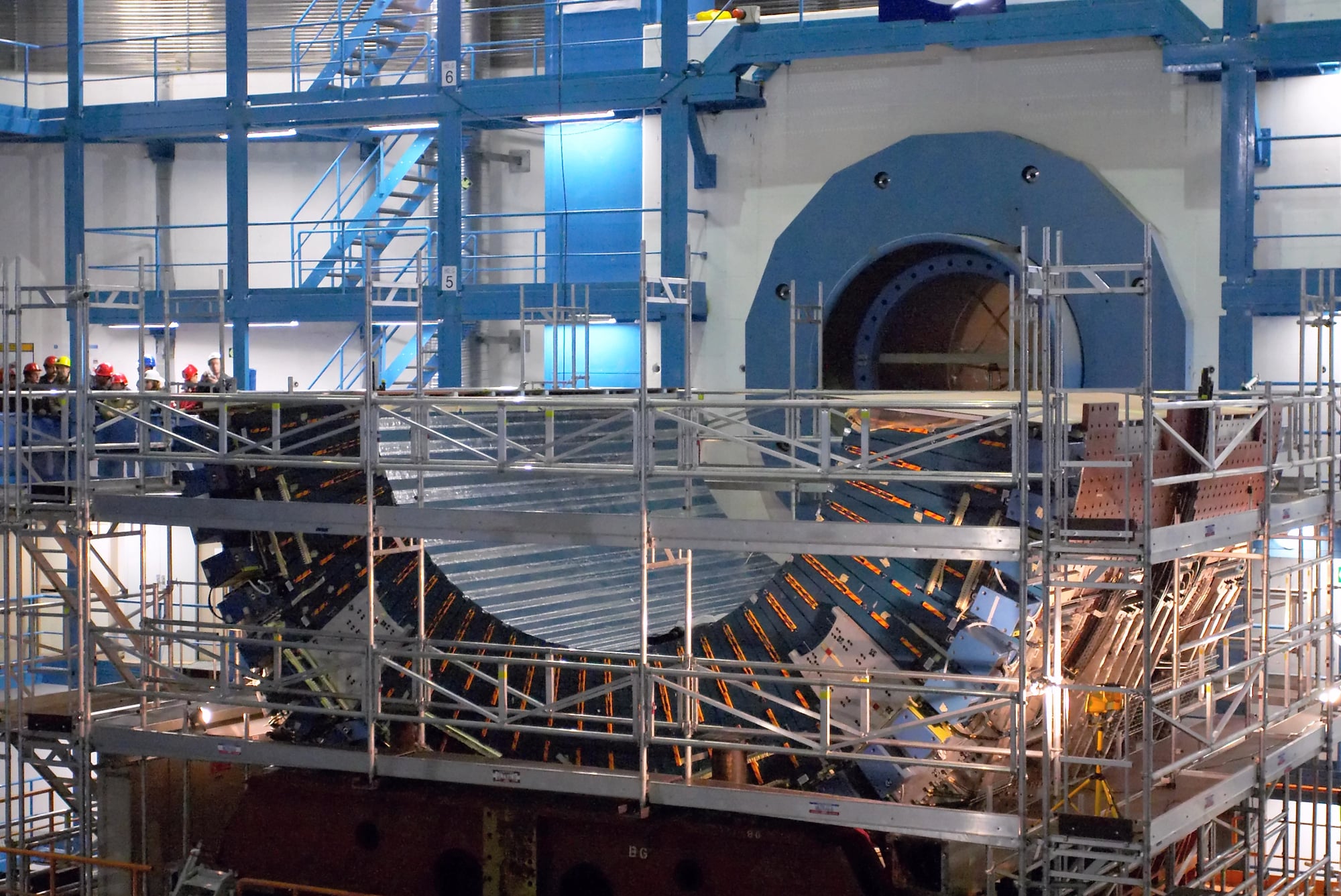
The Large Hadron Collider represents the largest precision instrument ever built. Its purpose is to smash particles together at nearly the speed of light.
The construction required thousands of superconducting magnets along with complex cooling systems colder than outer space. Its discovery of the Higgs boson alone justified much of the enormous expense by advancing our understanding of the universe.
Like Go2Tutors’s content? Follow us on MSN.
Apollo Moon Program
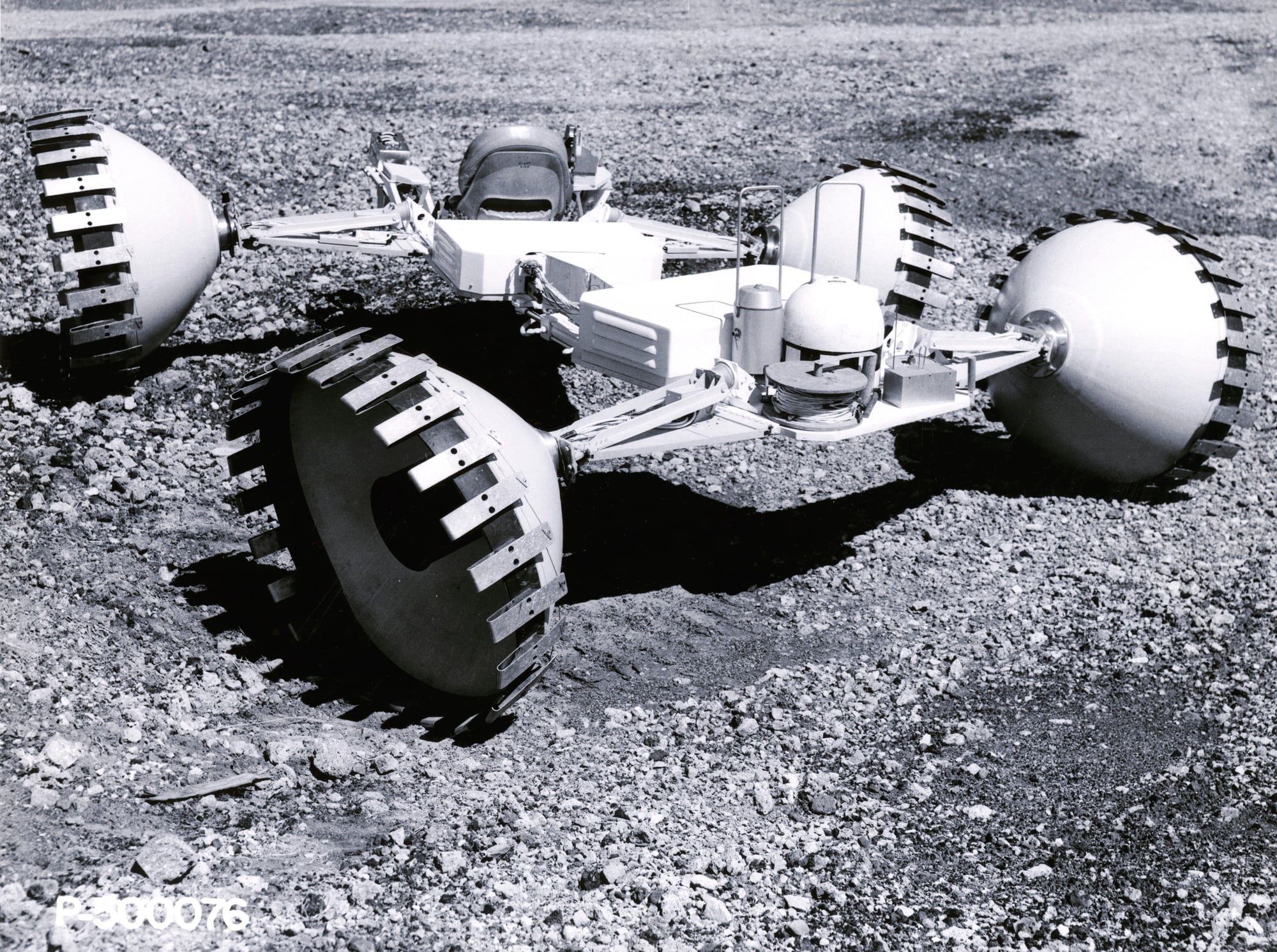
The Apollo program consumed a vast budget during its years of operation. At its peak, it accounted for a significant portion of the federal budget and employed hundreds of thousands of people.
The program’s cost peaked years before the first moon landing, reflecting massive upfront investment in research and development. Each mission carried immense costs, with the first lunar landing becoming one of the most historic and expensive endeavors ever achieved.
Manhattan Project

The Manhattan Project was a top-secret development program for the atomic bomb. It employed thousands of workers across multiple sites in the United States, United Kingdom, and Canada.
Most of its expense went toward building facilities to produce enriched uranium and plutonium. The project’s true cost was concealed from Congress and represented one of the largest research efforts in history.
Three Gorges Dam
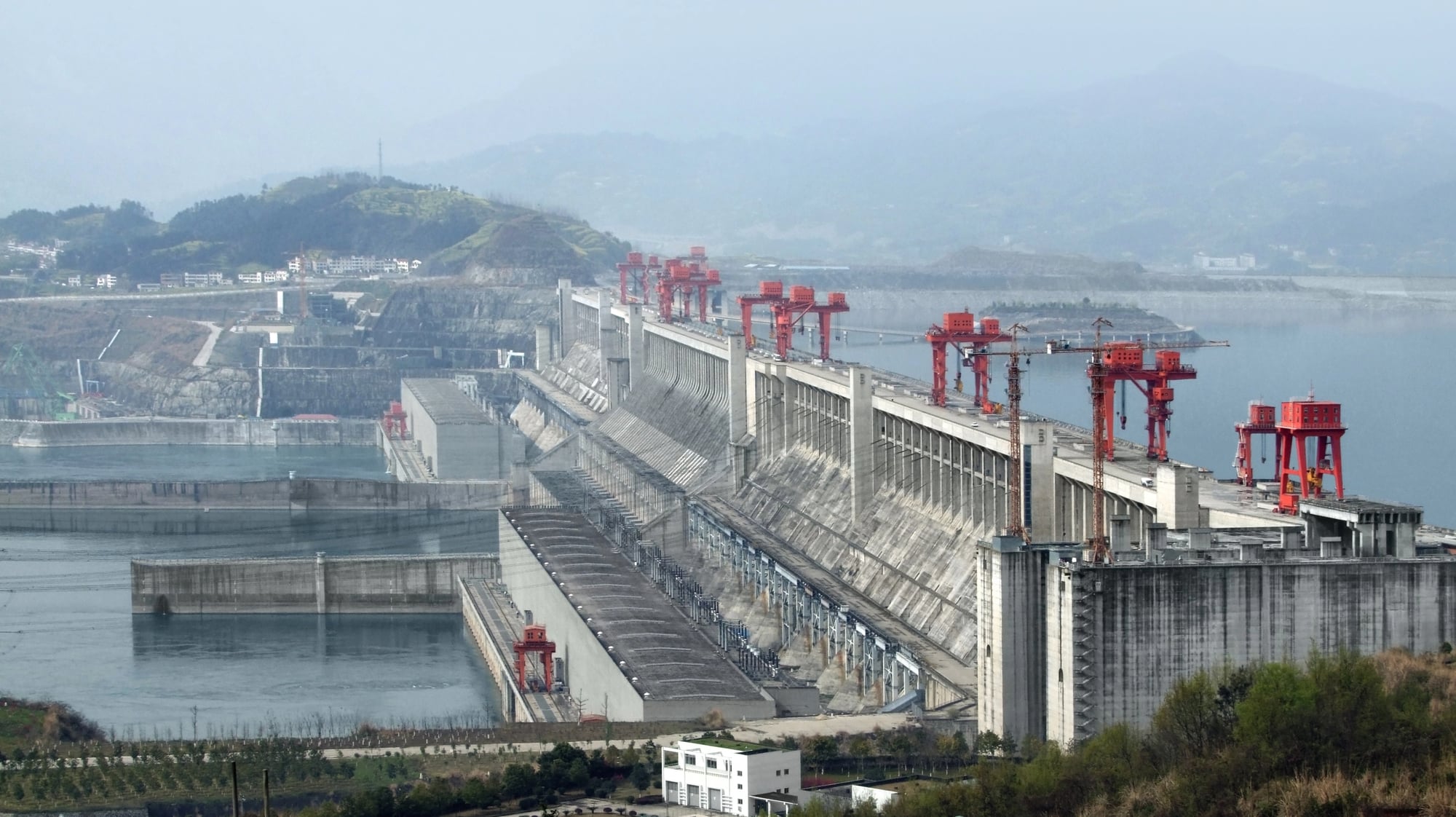
The Three Gorges Dam in China stands as one of the costliest infrastructure projects ever built. It required enormous quantities of concrete, steel, and advanced hydroelectric equipment.
The expense also came from relocating over a million people whose communities were submerged by the reservoir. The dam created a massive water body and incorporated ship locks to maintain river navigation.
Like Go2Tutors’s content? Follow us on MSN.
James Webb Space Telescope

The James Webb Space Telescope is the most expensive space telescope ever developed. It required revolutionary new technologies, including a massive sunshield and a gold-coated primary mirror.
Its development spanned decades due to technical challenges and engineering limits. Positioned far from Earth, it demanded flawless precision to operate successfully.
Itaipu Dam
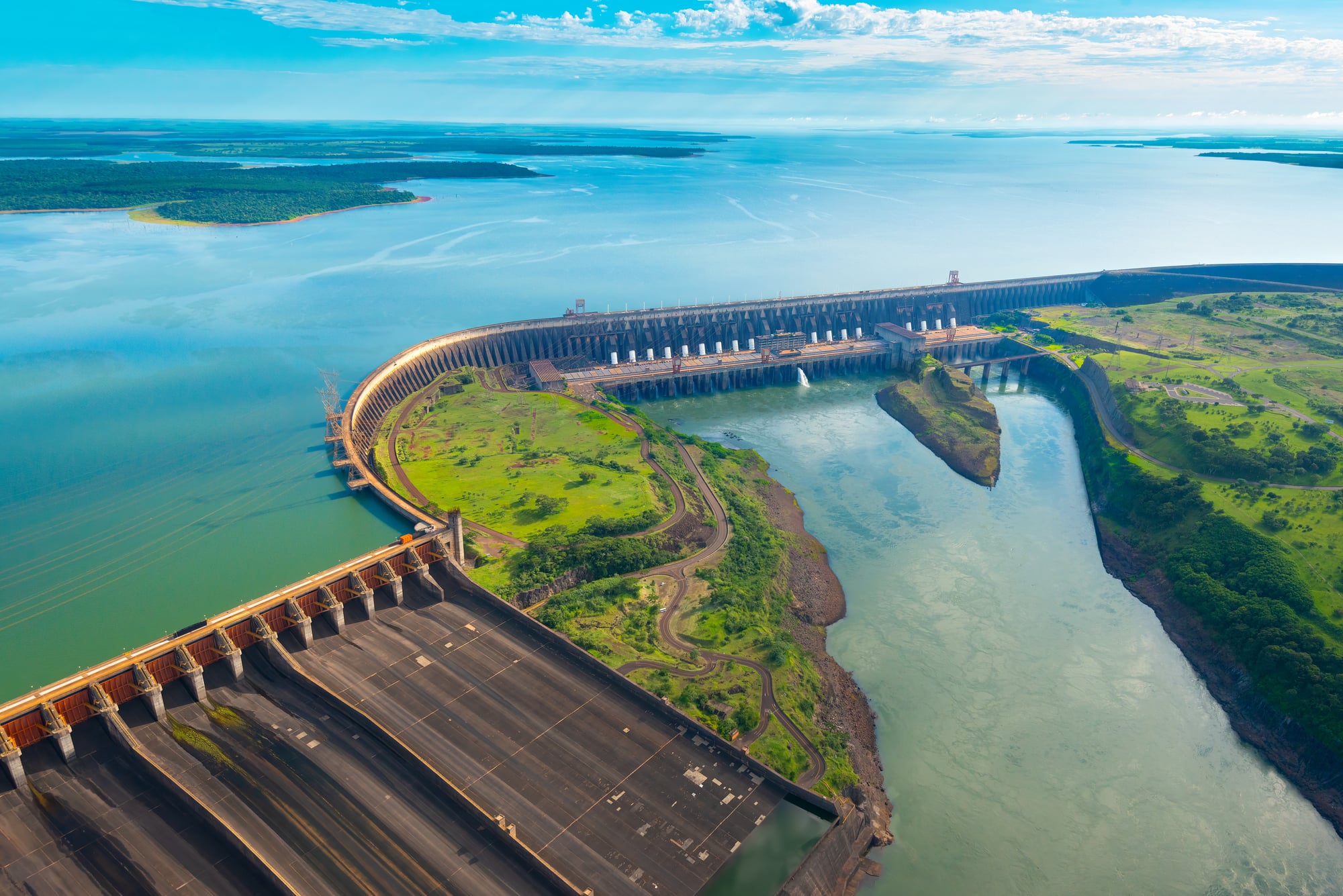
The Itaipu Dam was a joint project between Brazil and Paraguay. It required moving an immense amount of concrete and created one of the largest reservoirs on Earth.
Its generating units provide vast amounts of electricity for both nations. Environmental mitigation and complex engineering added significantly to the overall expense.
B-2 Spirit Stealth Bomber
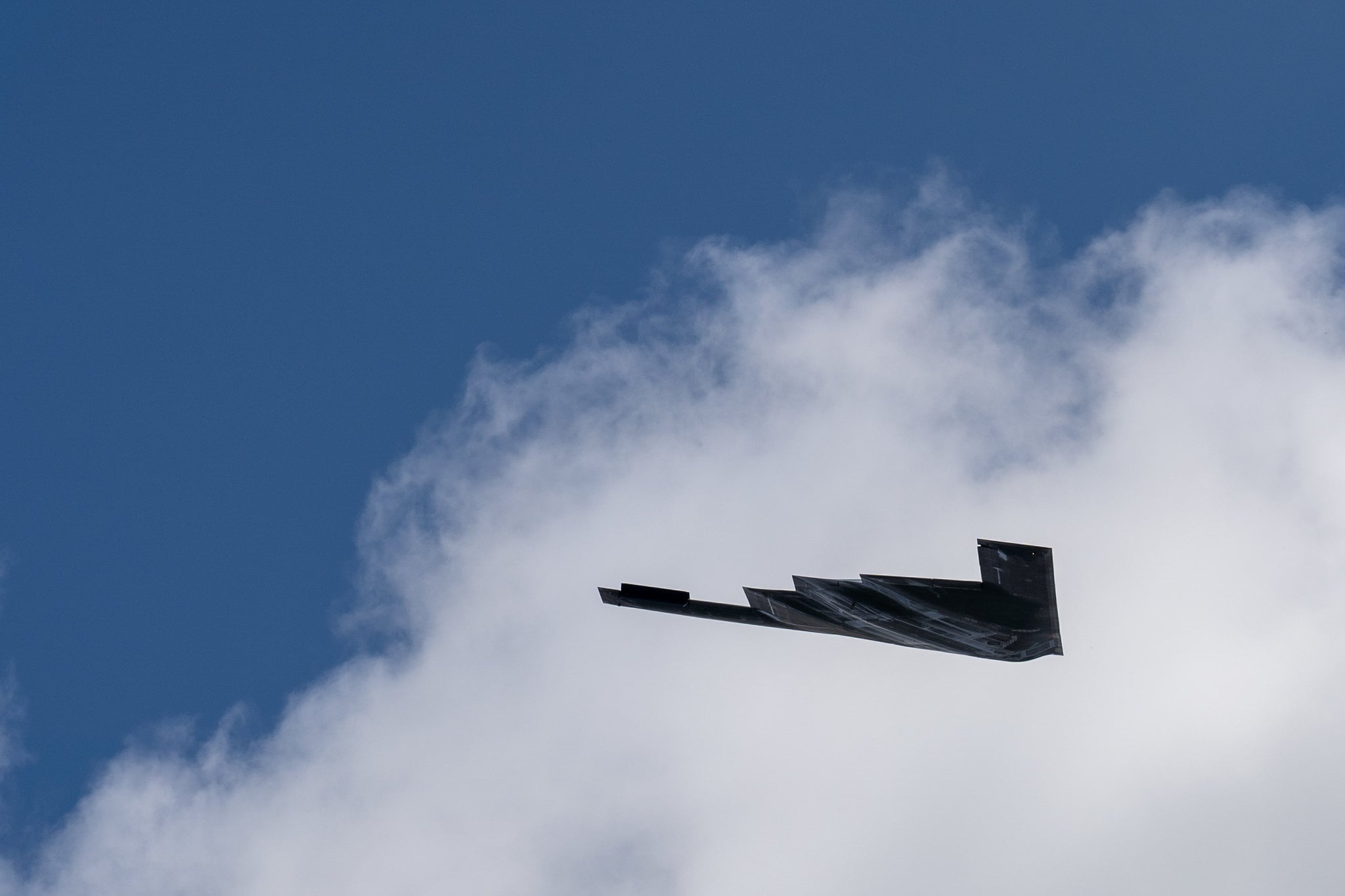
The B-2 Spirit bomber program produced one of the most expensive aircraft ever built. Its stealth design required entirely new materials and manufacturing methods.
The unique flying wing shape demanded precision tolerances measured in fractions of millimeters. Development pushed stealth technology beyond previous limits, raising overall costs dramatically.
Curiosity Mars Rover

The Curiosity rover mission is one of the costliest robotic explorers ever sent to another planet. This car-sized rover was engineered to survive the harsh conditions of Mars.
It used an innovative sky crane landing system that became a highlight of the mission. Advanced scientific instruments and nuclear power also added greatly to the cost.
Cassini-Huygens Mission
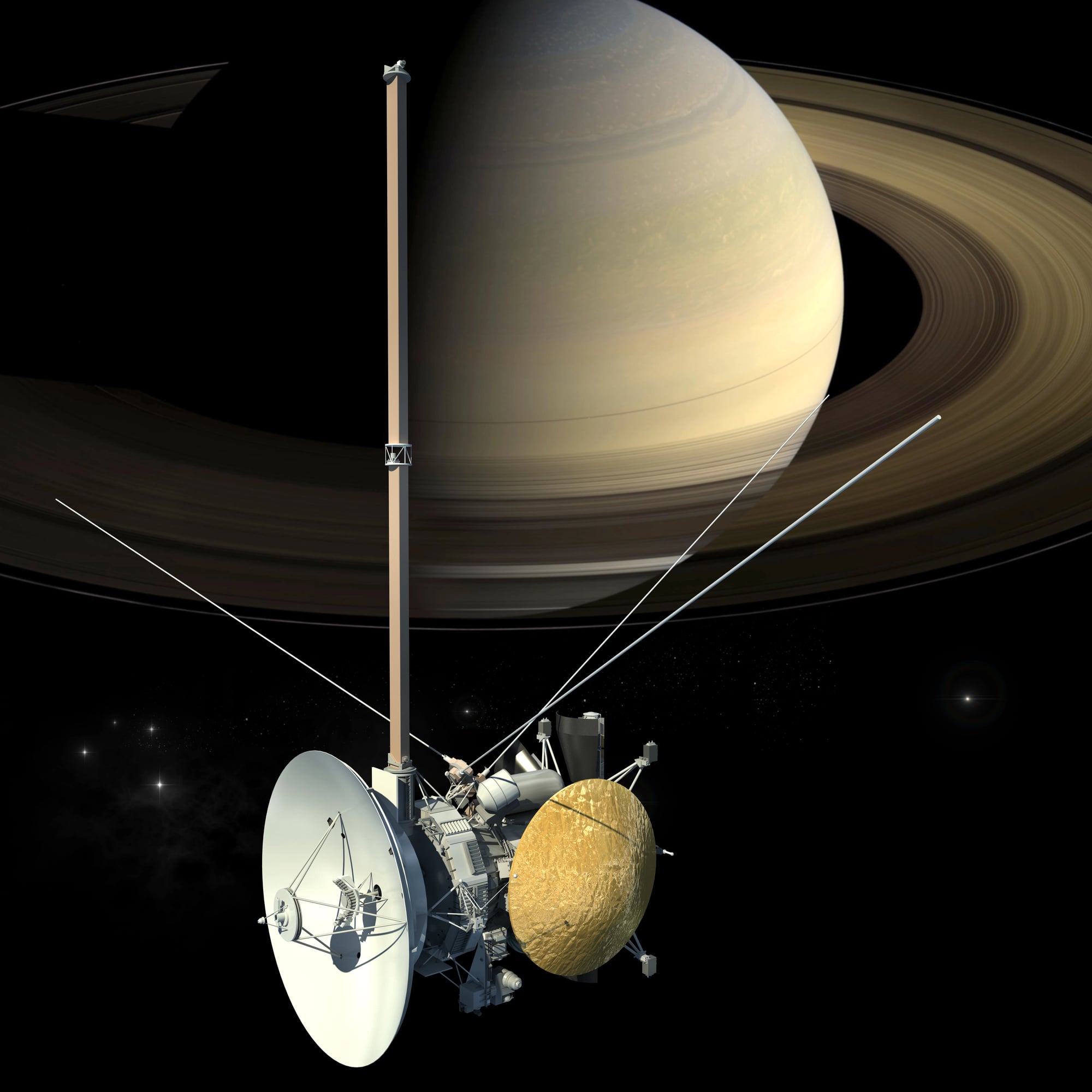
The Cassini-Huygens mission to Saturn was a joint effort of NASA and ESA. It took years of development and required spacecraft to endure long travel and harsh planetary conditions.
The mission included the successful landing of the Huygens probe on Titan. Its complexity, longevity, and advanced instruments made it one of the most scientifically productive yet expensive missions.
Hubble Space Telescope
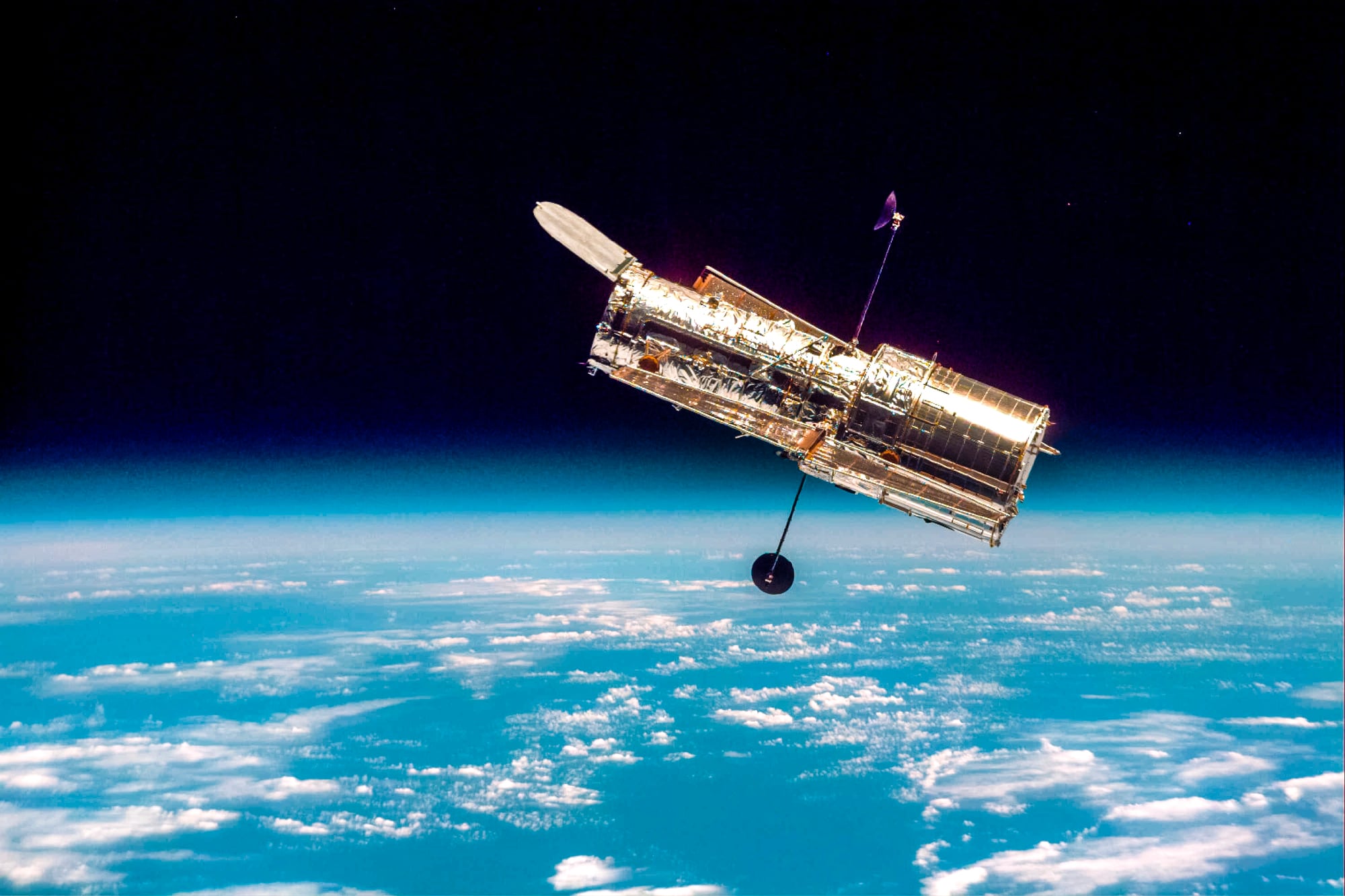
The Hubble Space Telescope required enormous investment in development, launch, and ongoing maintenance. Its optics and pointing systems needed extreme precision to function properly in orbit.
Early problems with its primary mirror necessitated an expensive repair mission. Additional servicing extended its life and contributed further to overall costs.
ITER Fusion Reactor

The ITER project is one of the most ambitious scientific collaborations in history. It represents humanity’s attempt to replicate the energy of the sun through nuclear fusion.
The cost reflects the challenge of containing plasma at unimaginable temperatures. Involving dozens of nations, the project aims to prove that fusion can create more energy than it consumes.
National Ignition Facility

The National Ignition Facility is the world’s most powerful laser system. It uses nearly two hundred beams to compress hydrogen fuel in attempts to achieve nuclear fusion.
The requirements for precision are staggering, with beams needing to arrive within trillionths of a second. Its construction required the invention of new laser technologies and manufacturing processes.
Beyond the Price Tag

These investments in human ingenuity represent far more than just costly projects. They showcase our determination to push past known boundaries.
From space exploration to clean energy, these endeavors have changed our understanding of the world and the universe. Though their price tags are immense, the knowledge and capabilities they bring continue to benefit humanity.
Like Go2Tutors’s content? Follow us on MSN.
More from Go2Tutors!

- The Romanov Crown Jewels and Their Tragic Fate
- 13 Historical Mysteries That Science Still Can’t Solve
- Famous Hoaxes That Fooled the World for Years
- 15 Child Stars with Tragic Adult Lives
- 16 Famous Jewelry Pieces in History
Like Go2Tutors’s content? Follow us on MSN.



