15 Little-Known Human Instincts That Get Exploited Every Day
For thousands of years, human behavior has been shaped by a complex network of instinctive drives that lurk beneath our meticulously built rational minds. Most of us are unaware of how much these archaic tendencies affect our choices.
Even while we take pleasure in our ability to reason and exercise free will, these long-standing evolutionary shortcuts always work in the background, influencing our decisions to favor others over ourselves. These 15 little-known human instincts are frequently used by businesses, marketers, and even our peers in day-to-day interactions.
The Zero-Risk Bias
Humans have a powerful instinct to completely eliminate risk in one area, even when it would be more rational to reduce overall risk across many areas. This explains why people often pay excessive premiums for extended warranties that eliminate the financial risk of a product breaking down.
Retailers exploit this instinct by offering overpriced protection plans that provide psychological comfort rather than actual value. The emotional relief of eliminating one specific worry often overrides the mathematical calculation that would reveal the poor investment.
The Spotlight Effect

We naturally overestimate how much others notice our appearance and behavior, creating an imaginary spotlight that follows us everywhere. The fashion and beauty industries ruthlessly target this instinct by suggesting that minor flaws are glaringly obvious to everyone around us.
Social media platforms amplify this effect by creating environments where we feel constantly observed and judged. This exaggerated sense of being watched drives the consumption of products that promise to help us perform better under this perceived scrutiny.
The Mere Exposure Effect
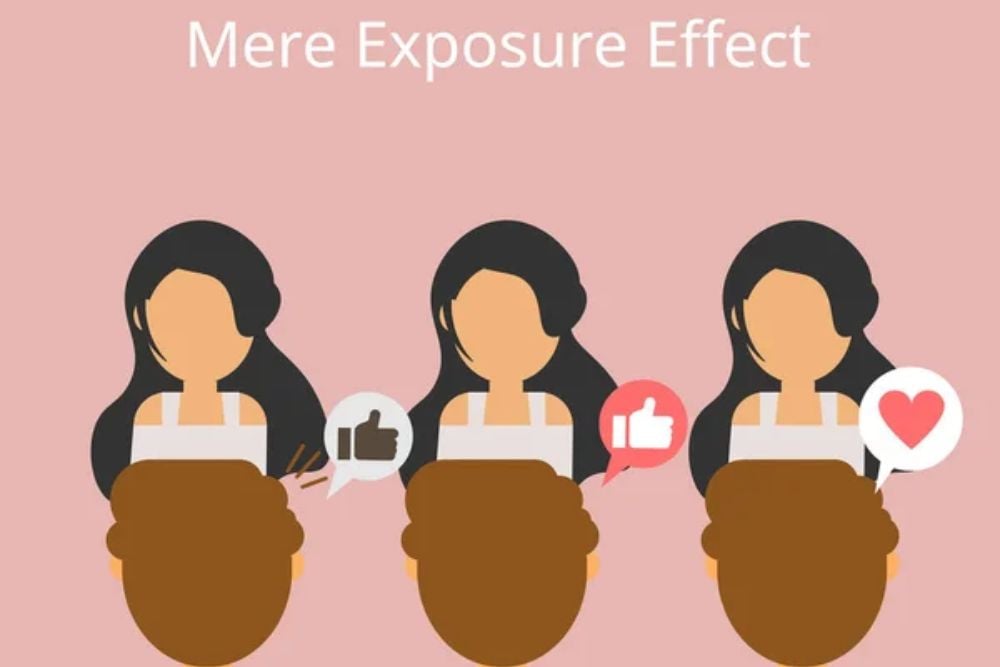
Our brains are wired to develop preferences for things simply because they’re familiar, regardless of their actual qualities. Advertisers leverage this instinct through repetitive exposure that creates artificial familiarity with their products.
Political campaigns exploit this by ensuring candidates appear everywhere, knowing that mere recognition builds trust subconsciously. The brain’s tendency to interpret familiarity as safety creates a powerful tool for making us prefer options that we’ve simply encountered more often.
The Scarcity Instinct
Humans are programmed to value resources that appear limited or declining in availability. Retailers regularly manipulate this instinct with ‘limited time offers’ and ‘while supplies last’ messaging that triggers acquisitive urgency.
Online booking sites show messages like ‘3 rooms left’ to accelerate decision-making by activating our fear of missing out. This ancient survival mechanism that once helped our ancestors secure vital resources now drives us to purchase items we don’t need simply because they might become unavailable.
The Dunbar Number Constraint

Our brains evolved to manage relationships with roughly 150 people—an instinctual limitation known as Dunbar’s number. Social media platforms exploit this constraint by creating artificial environments where we can maintain superficial connections with thousands, overwhelming our natural social processing abilities.
This mismatch between our evolved capacity and modern social demands creates anxiety that drives continued platform engagement. The discomfort of trying to process too many relationships keeps us checking notifications and seeking validation.
The Authority Bias

Humans have an innate tendency to trust and obey authority figures, even when their instructions contradict personal judgment. Marketers exploit this instinct by featuring people in lab coats, uniforms, or business attire to trigger automatic compliance.
Phishing scams leverage official-looking communications that bypass our critical thinking. This deference to perceived authority evolved as a social shortcut that streamlined group decision-making but now leaves us vulnerable to manipulation by anyone who can project authoritative signals.
Unit Bias
We instinctively perceive a unit as the appropriate amount to consume, regardless of its actual size. Food manufacturers exploit this by gradually increasing portion sizes while maintaining the illusion of a single serving.
Subscription services bundle features to make consumers pay for more than they need by presenting the package as the natural unit. This evolutionary shortcut that once helped us distribute resources fairly now drives overconsumption as marketers continually redefine what constitutes a ‘normal’ amount.
The Bandwagon Effect
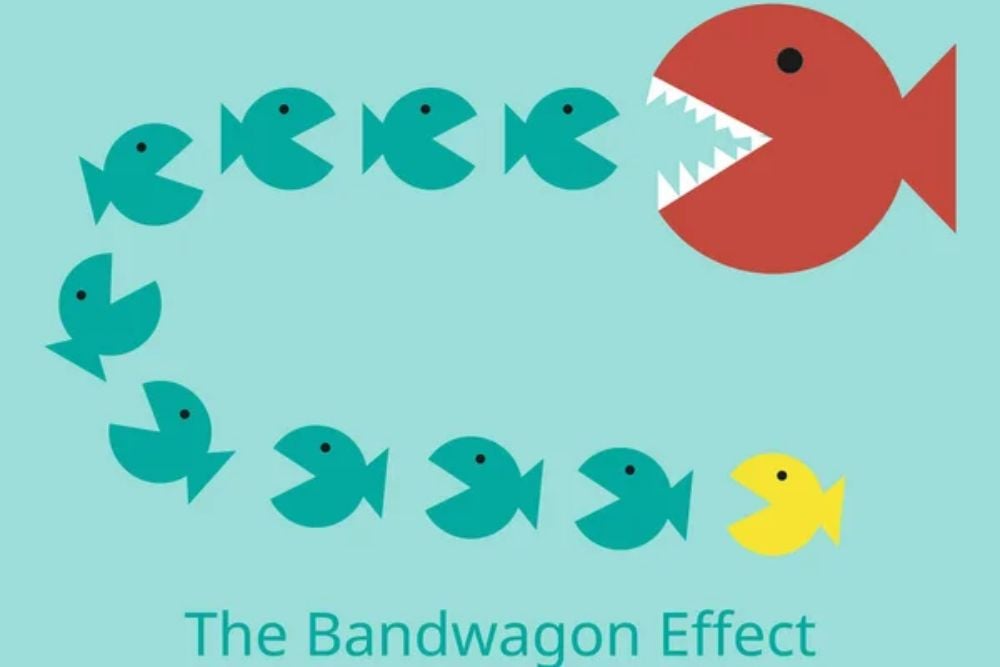
Our ancestors survived by following the group, and this instinct remains powerful today. Marketers trigger this instinct with claims about product popularity or testimonials suggesting that everyone else has already made the choice.
Social media platforms exploit this by highlighting trending topics and popular content that create an artificial consensus. This deep-seated survival mechanism makes isolation feel physically threatening, driving conformity that benefits those who can create the impression of majority action.
The Weber-Fechner Law
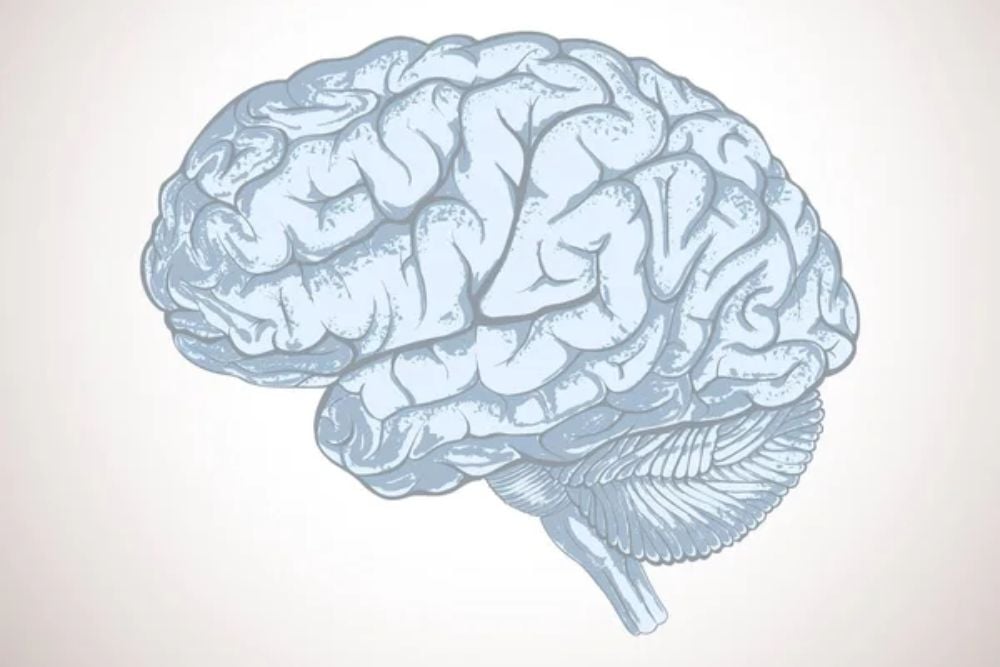
Our brains perceive relative rather than absolute changes in stimuli, making us insensitive to proportional differences. Retailers exploit this with pricing strategies like raising a $100 item to $160 then offering a ‘$30 discount’ that still leaves us paying more than the original price.
Subscription services gradually increase fees in small percentages that fly beneath our perceptual radar. This neurological limitation evolved to help us process environmental information efficiently but now blinds us to manipulations that occur through gradual adjustment.
The Endowment Effect
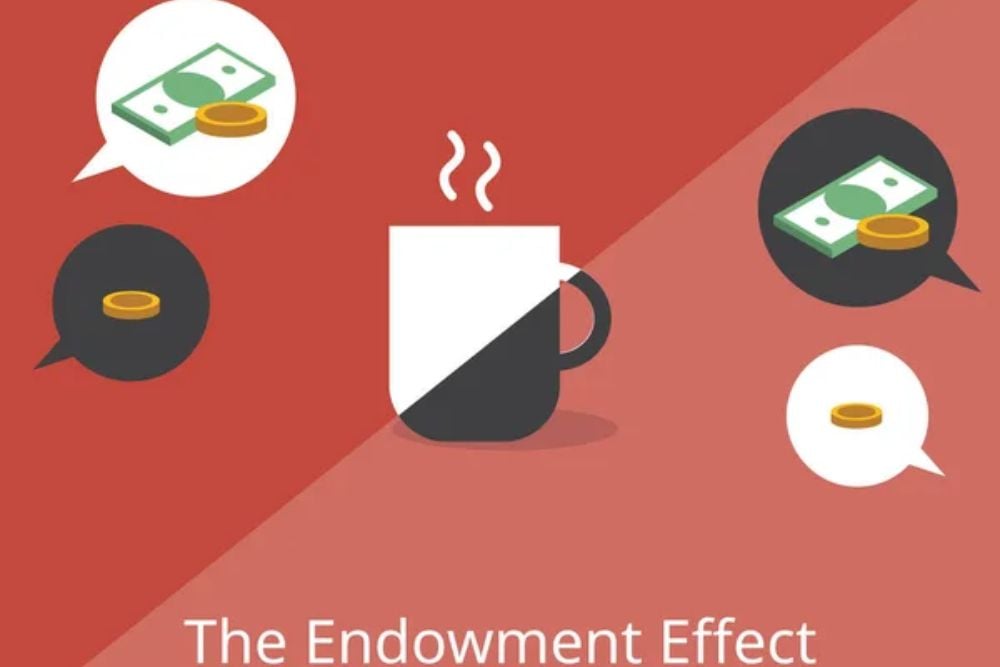
We instinctively overvalue things simply because we own them. Free trial periods exploit this by creating a sense of ownership that makes cancellation feel like a loss.
Digital platforms leverage this by encouraging users to build profiles and accumulate content that becomes psychologically difficult to abandon. This cognitive bias evolved to help us protect our limited resources but now creates irrational attachment to products and services we’ve merely temporarily possessed.
The Reciprocity Instinct

Humans have a deep instinctual drive to repay debts and return favors. Salespeople exploit this by offering small gifts or concessions that create a powerful urge to reciprocate through purchasing.
Freemium services provide value upfront, activating our reciprocity instinct to monetize the relationship. This social bonding mechanism evolved to strengthen community ties but now creates obligations to brands and organizations that strategically provide minor benefits.
The Hyperbolic Discounting Bias

We instinctively value immediate rewards far more heavily than future benefits, even when the latter are objectively larger. Credit card companies exploit this with high-interest loans that trade long-term financial health for immediate gratification.
Streaming services offer instant entertainment at the expense of activities with greater long-term value. This time-preference distortion evolved when future uncertainty made immediate resource acquisition crucial but becomes problematic in a world requiring long-term planning.
The Pareidolia Effect

Pareidolia is the ability of humans to automatically recognize faces and patterns in seemingly random stimuli. By fabricating near-miss experiences on slot machines that our pattern-seeking brains read as almost winning, casinos take advantage of this.
This inclination to weave disparate occurrences into coherent stories is how conspiracy theories proliferate. Our capacity to recognize patterns evolved to help us locate food supplies and predators, but today leaves us open to making connections where none exist.
The Anchoring Bias

Our brains instinctively use the first information encountered as a reference point for subsequent judgments. Retailers exploit this by placing high-priced items at the beginning of displays, making moderately expensive options seem reasonable by comparison.
Salary negotiations are influenced by whoever provides the first number, establishing the range of discussion. This mental shortcut evolved to help us make quick assessments but creates a powerful lever for anyone who can control the initial information we receive.
The Compression Satisfaction Response

Humans experience a distinct pleasure response to things that fit perfectly or click into place, an instinct that likely evolved from tool-making. Product designers exploit this with packaging that opens with satisfying precision or components that snap together with tactile feedback.
Mobile games leverage this instinct with satisfying visual and auditory cues when items combine or clear. This deep neurological reward system originally motivated the creation of effective tools but now drives engagement with products engineered to trigger these satisfaction circuits.
The Psychological Mechanisms Behind Exploitation
These impulses are only a small portion of the unconscious forces that influence the choices we make on a daily basis. Their exploitation isn’t always malevolent; occasionally it produces truly helpful goods and services or aligns our actions with our best interests.
The main distinction is in intent and transparency. Knowing these covert factors enables us to make more thoughtful decisions in a world that is set up to take advantage of our most primal desires and to spot instances in which our outdated programming is being used against our contemporary goals.
\Although being conscious of these innate weaknesses does not make us impervious to them, it does provide us with the opportunity to consider whether our actions are the result of automatic reactions or well-considered decisions. This knowledge may be our best defense in a world that is increasingly designed to get past our logical defenses.
More from Go2Tutors!

- The Romanov Crown Jewels and Their Tragic Fate
- 13 Historical Mysteries That Science Still Can’t Solve
- Famous Hoaxes That Fooled the World for Years
- 15 Child Stars with Tragic Adult Lives
- 16 Famous Jewelry Pieces in History
Like Go2Tutors’s content? Follow us on MSN.