24 Fountain Pens Left in Desks Worth Real Money
Fountain pens were once a genuine status object, gifted for graduations and kept in desk drawers long after ballpoints took over daily writing. Many of those drawers still hold pens their owners assumed were worthless, when in fact certain models have only grown more sought after.
Parker Duofold
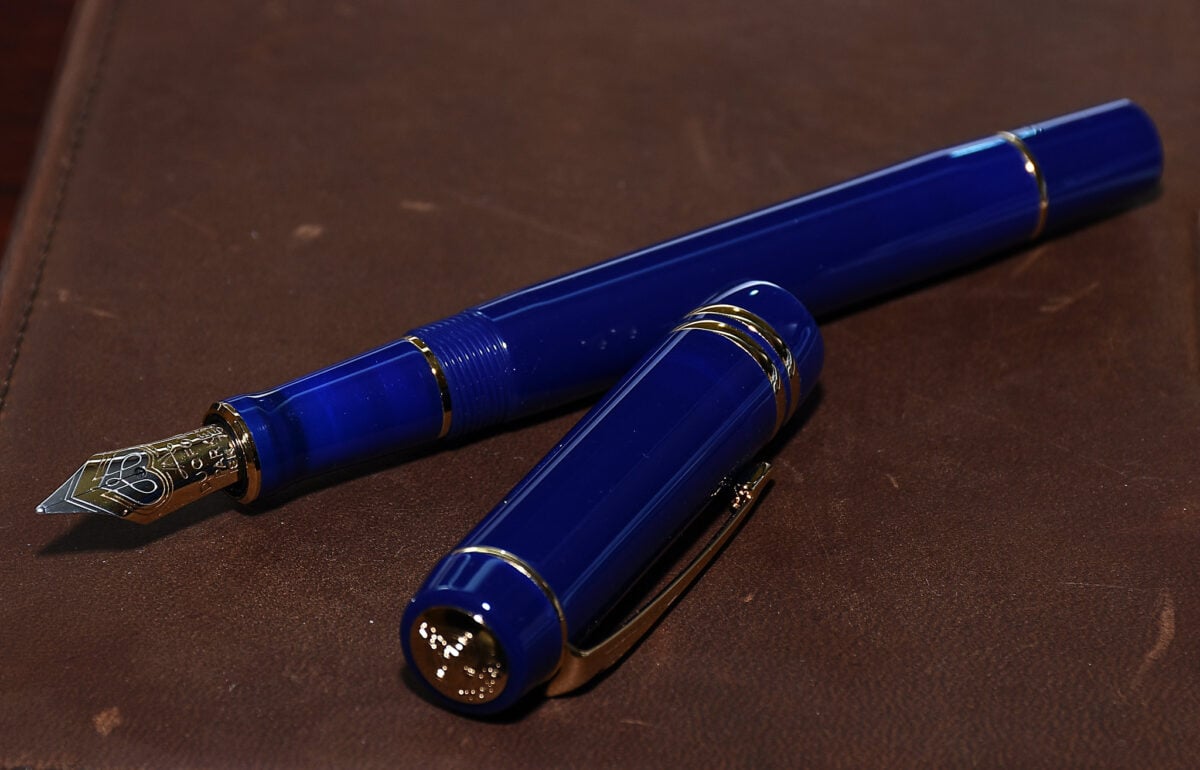
Introduced in the 1920s, the Parker Duofold became one of the defining luxury pens of its era, known for its bold orange “Big Red” color and oversized nib. Well-preserved examples with the original clip and undamaged barrel material remain among the most consistently valuable vintage Parkers.
Waterman Man 100
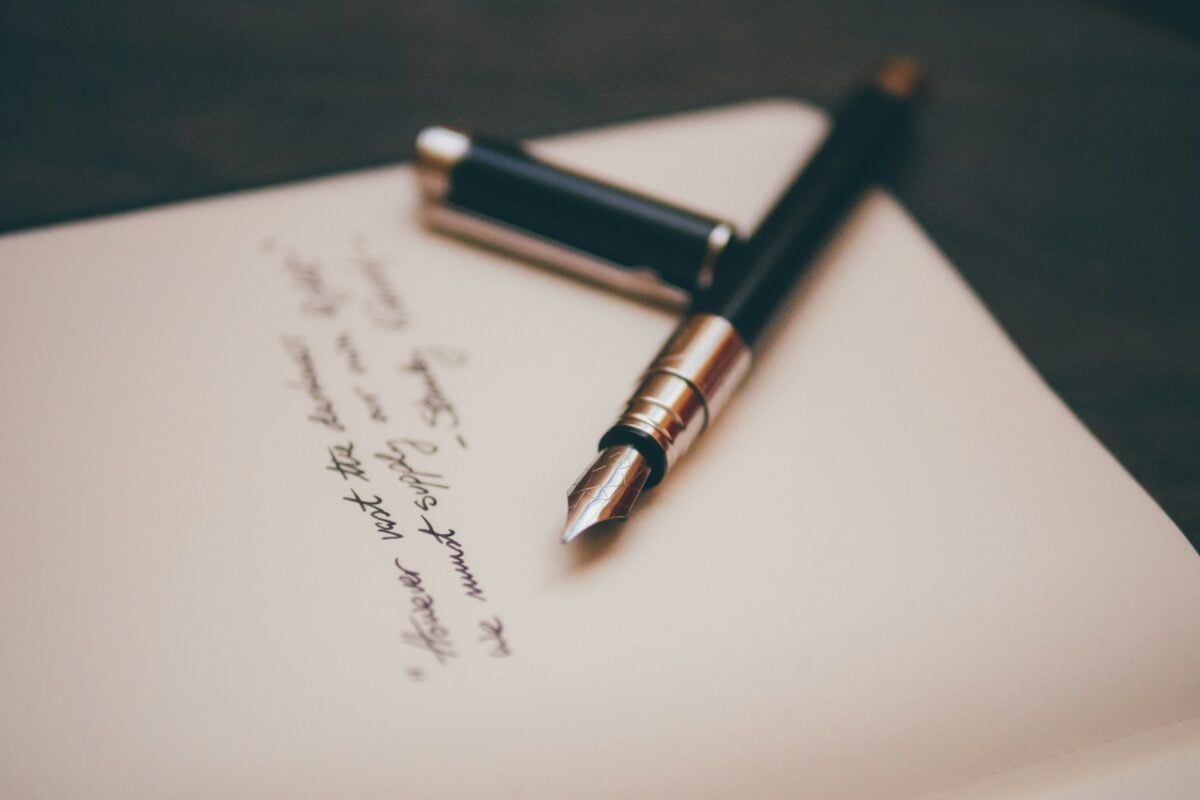
Waterman’s Man 100 line, produced in the early-to-mid 20th century, is known for its sizable 18-karat gold nibs and refined design aimed at professional writers. Nibs in smooth working condition significantly affect resale value more than cosmetic wear on the barrel.
Montblanc Meisterstuck 149
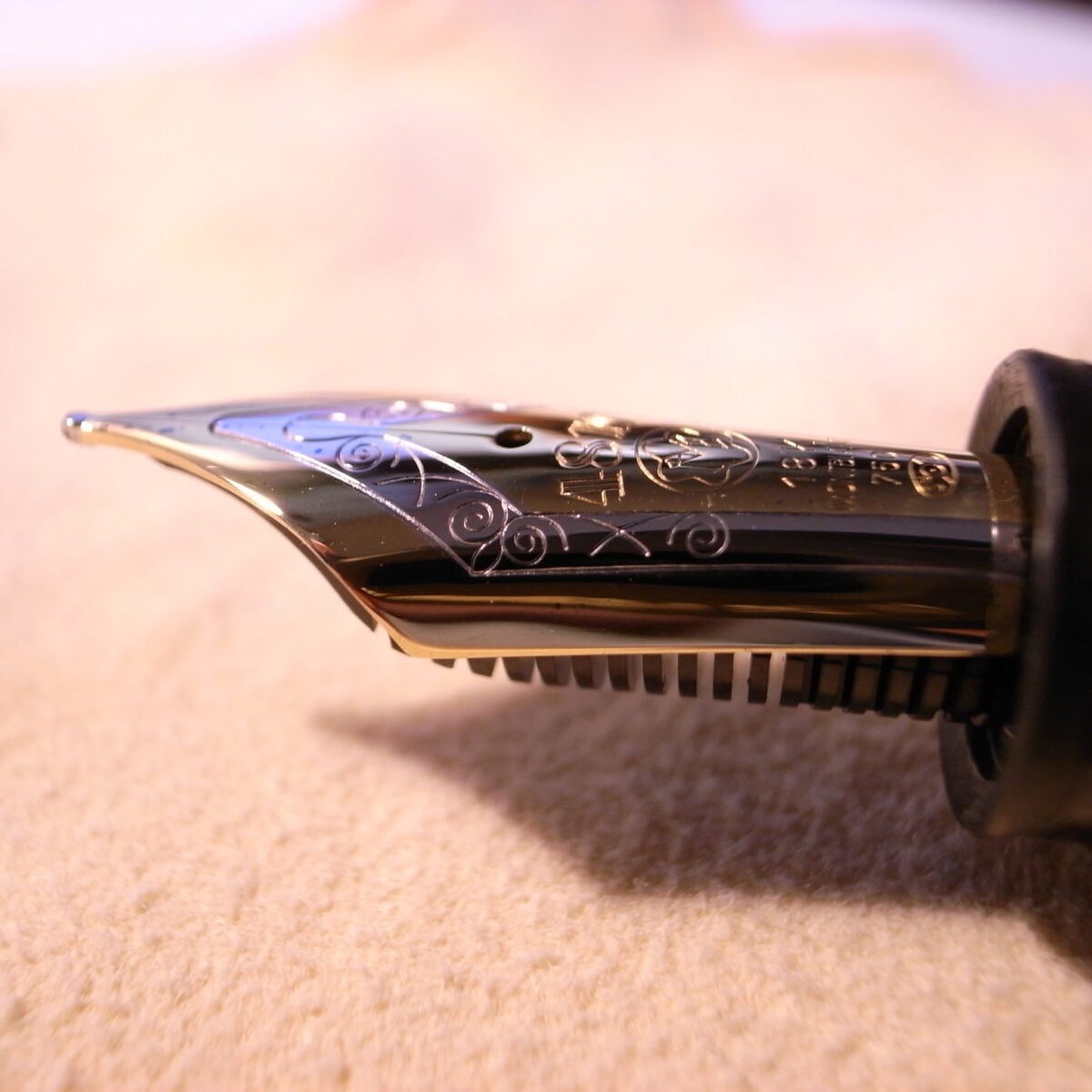
Montblanc’s Meisterstuck 149, first produced in 1930 and still in production today, is widely regarded as one of the most recognizable luxury fountain pens ever made. Vintage examples from earlier production decades, identifiable by specific nib and clip variations, are actively distinguished from current-production models by collectors.
Sheaffer Balance
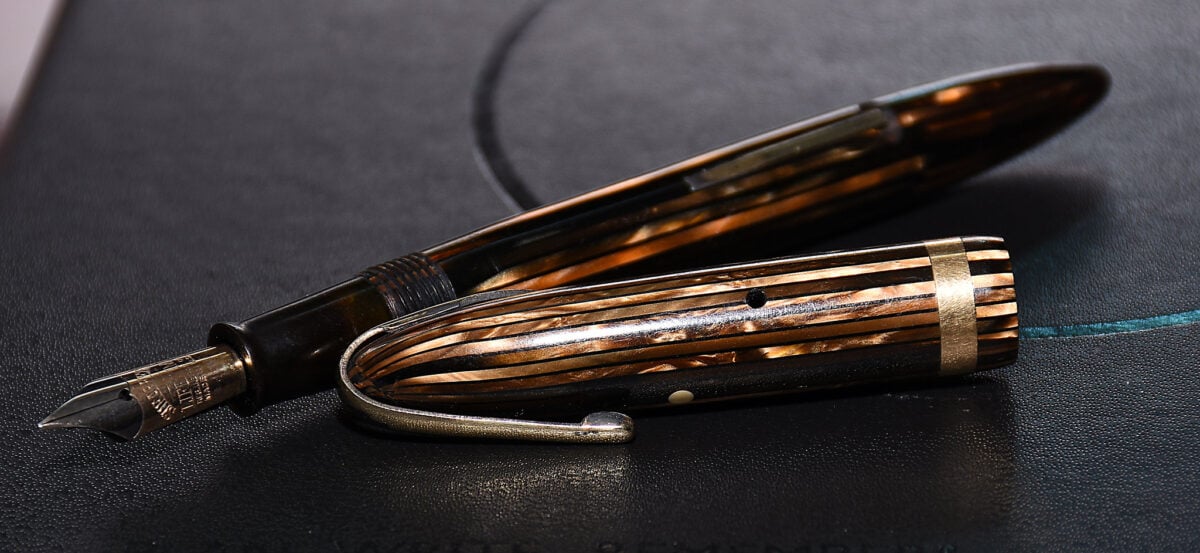
Sheaffer’s Balance series, introduced in the 1920s, was named for its deliberately weighted, ergonomic design intended to reduce hand fatigue during long writing sessions. Original lever-fill mechanisms in working order are a key factor collectors check before valuing a piece.
Parker 51
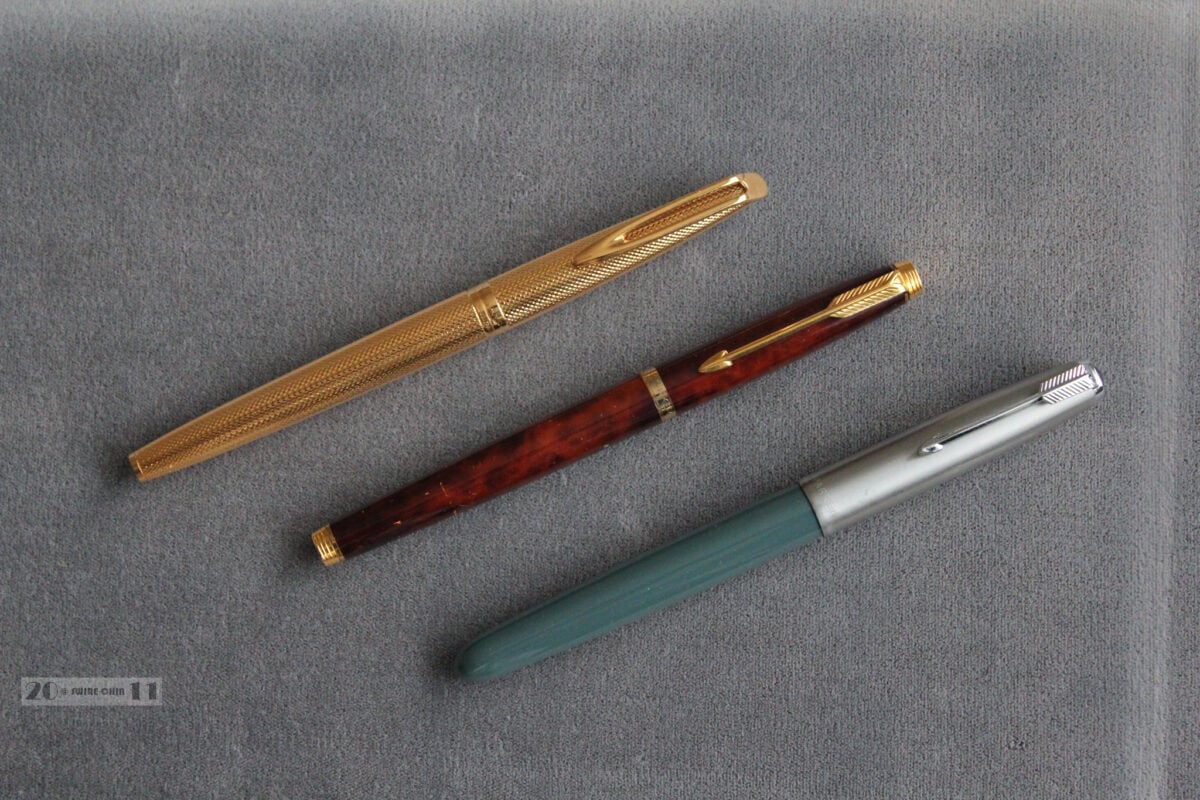
Widely regarded as one of the most successful pen designs of the 20th century, the Parker 51 featured a hooded nib that helped prevent ink from drying out. Its enormous original production numbers mean common colors are affordable, while rarer color and cap combinations command real premiums.
Conklin Crescent Filler
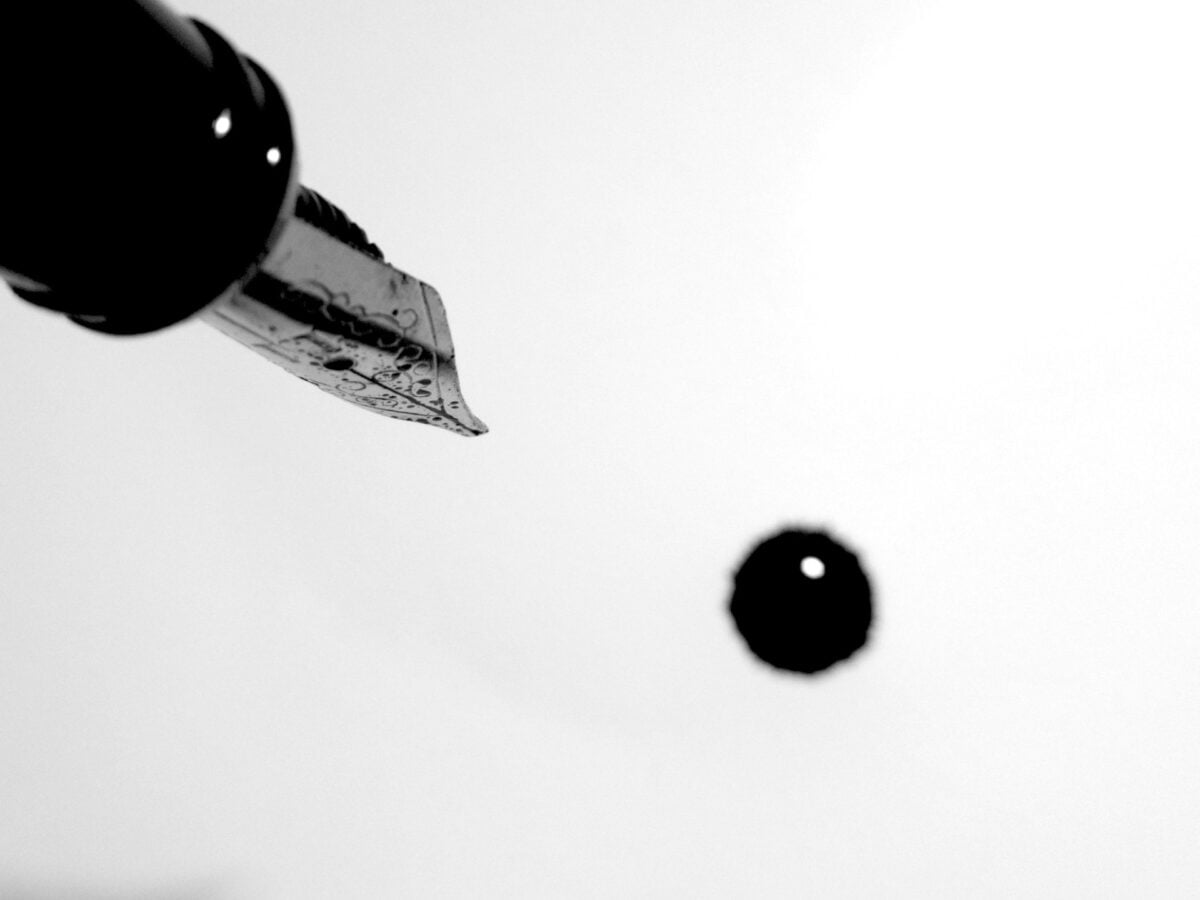
Conklin’s Crescent Filler mechanism, patented in the early 1900s, used a distinctive curved lever to fill the pen with ink, a genuinely novel engineering solution for its time. Mark Twain was a documented user and endorser of Conklin pens, a historical footnote that adds to the brand’s collector appeal.
Wahl-Eversharp Doric
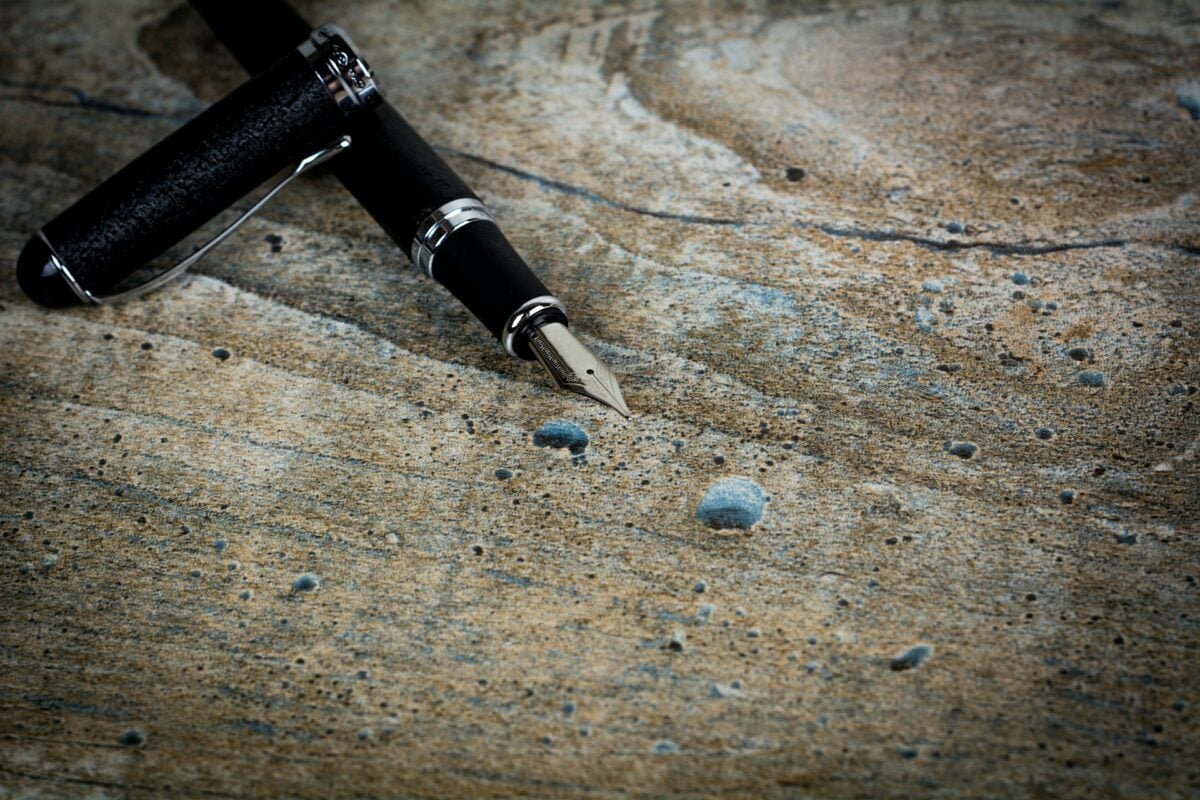
The Wahl-Eversharp Doric, produced in the 1930s, featured a distinctive faceted barrel design inspired by Art Deco architectural styling. Its angular shape makes it visually distinct from the rounder pens common in the same era, which collectors specifically seek for design variety.
Pelikan 100
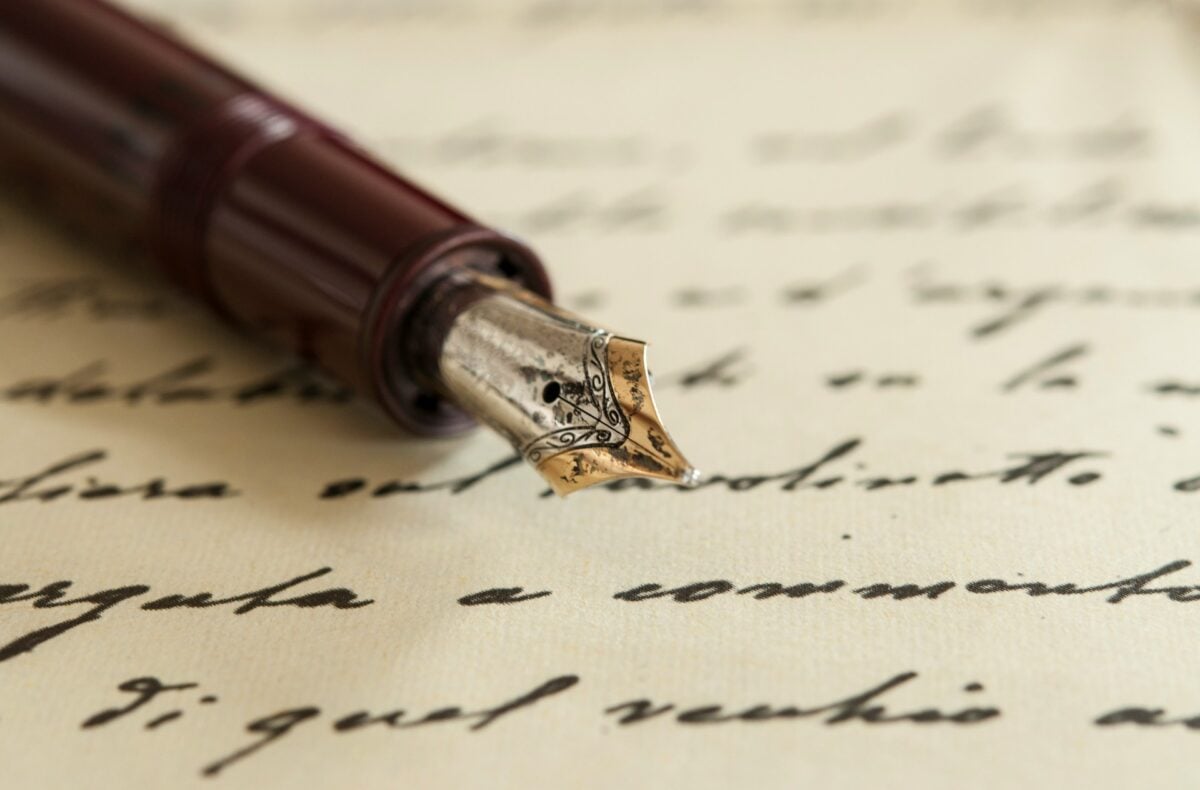
German manufacturer Pelikan’s Model 100, introduced in the 1930s, established the brand’s signature striped celluloid design that remains recognizable in Pelikan pens today. Early production examples with strong, unfaded striping patterns are considerably more valuable than later or damaged pieces.
Waterman Patrician
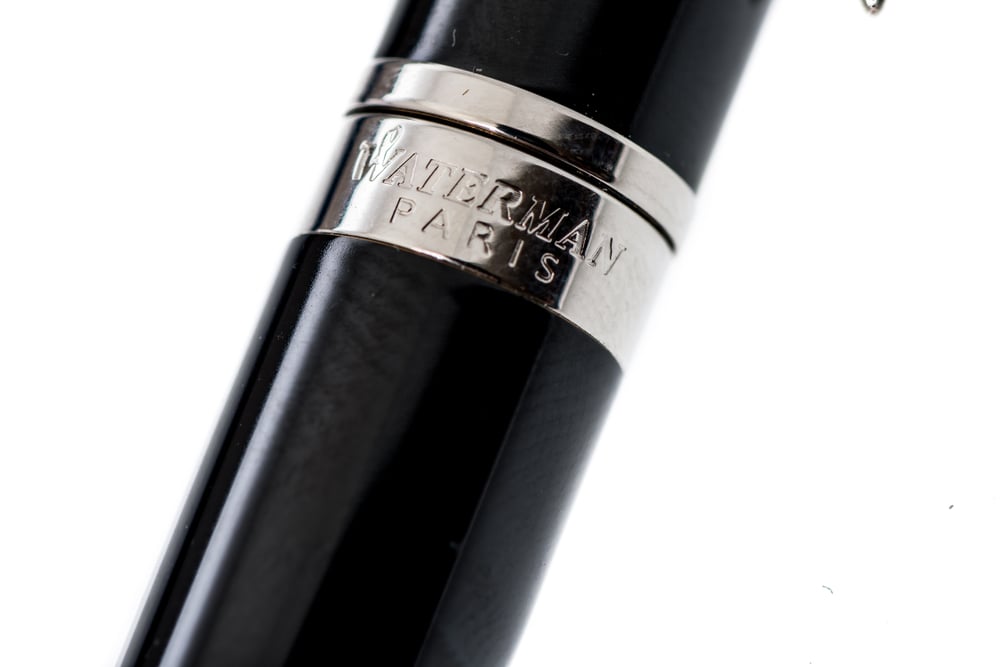
Produced during the Art Deco era, the Waterman Patrician featured a bold, streamlined design and was marketed as one of the company’s premium offerings. Its relatively short original production run compared to longer-running Waterman lines makes clean examples harder to source.
Parker Vacumatic
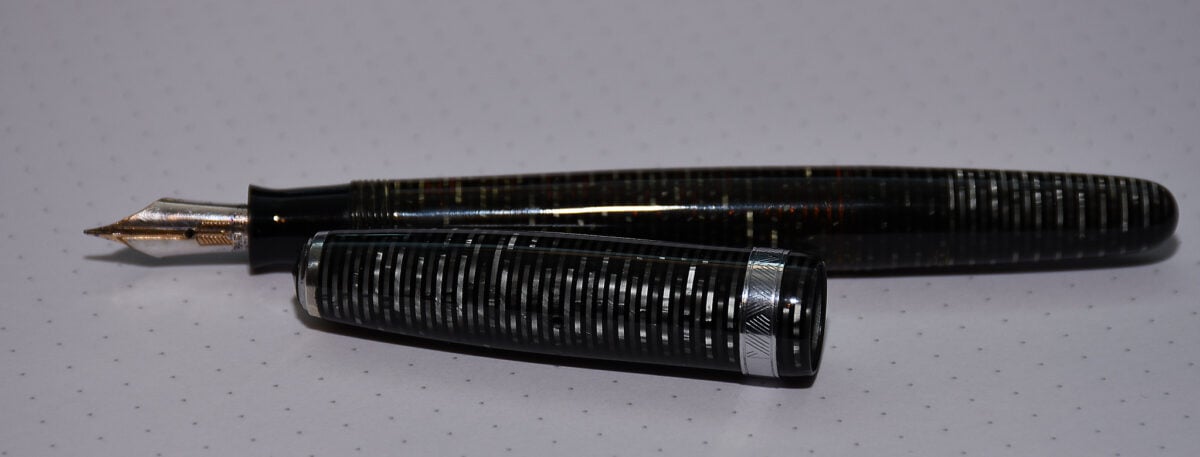
Parker’s Vacumatic, produced through the 1930s and 1940s, used a novel vacuum-filling mechanism visible through the pen’s distinctive laminated, translucent barrel. The visible ink level was a genuine selling point at the time, and barrels with clear, undamaged lamination remain the most valuable examples.
Sheaffer PFM (Pen for Men)
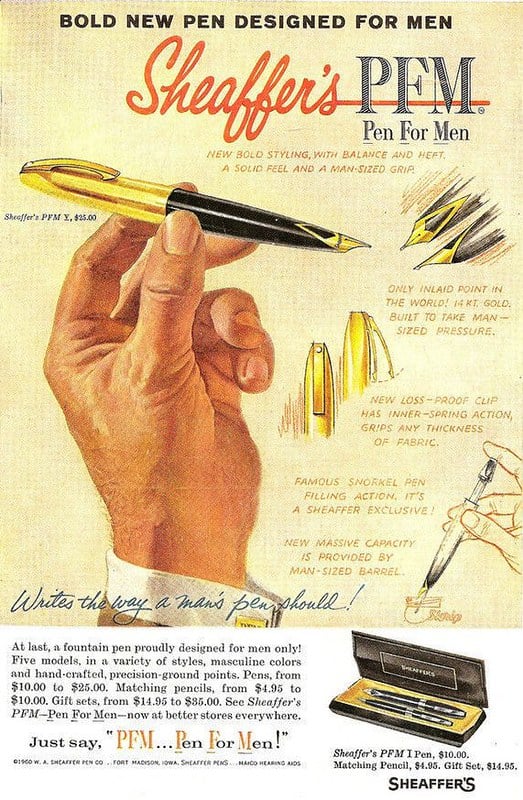
Sheaffer’s PFM, released in the late 1950s, was marketed with an unusually large nib and bold design aimed at a specifically masculine consumer identity for the era. Its distinctive inlaid nib design sets it apart mechanically from most other pens on this list.
Esterbrook J
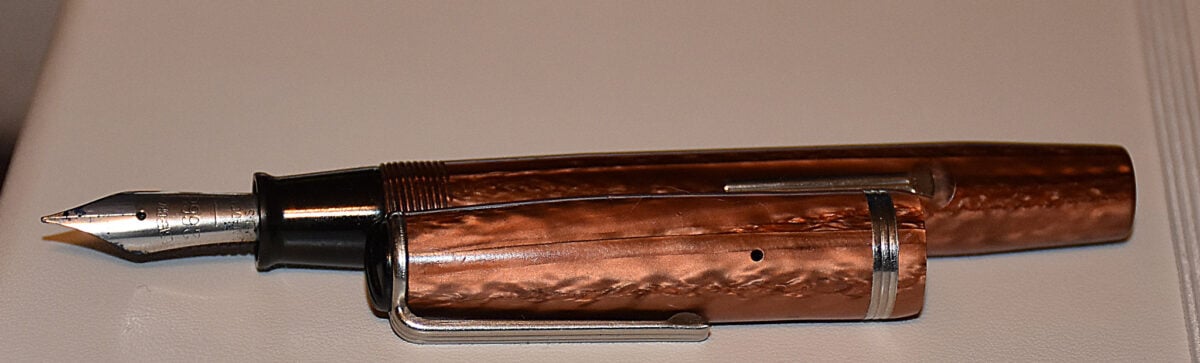
The Esterbrook J was notable for its interchangeable nib system, allowing owners to swap nib units to suit different handwriting styles or tasks. This modularity means collectors often seek out specific rare nib variants independently of the pen body itself.
Aurora 88
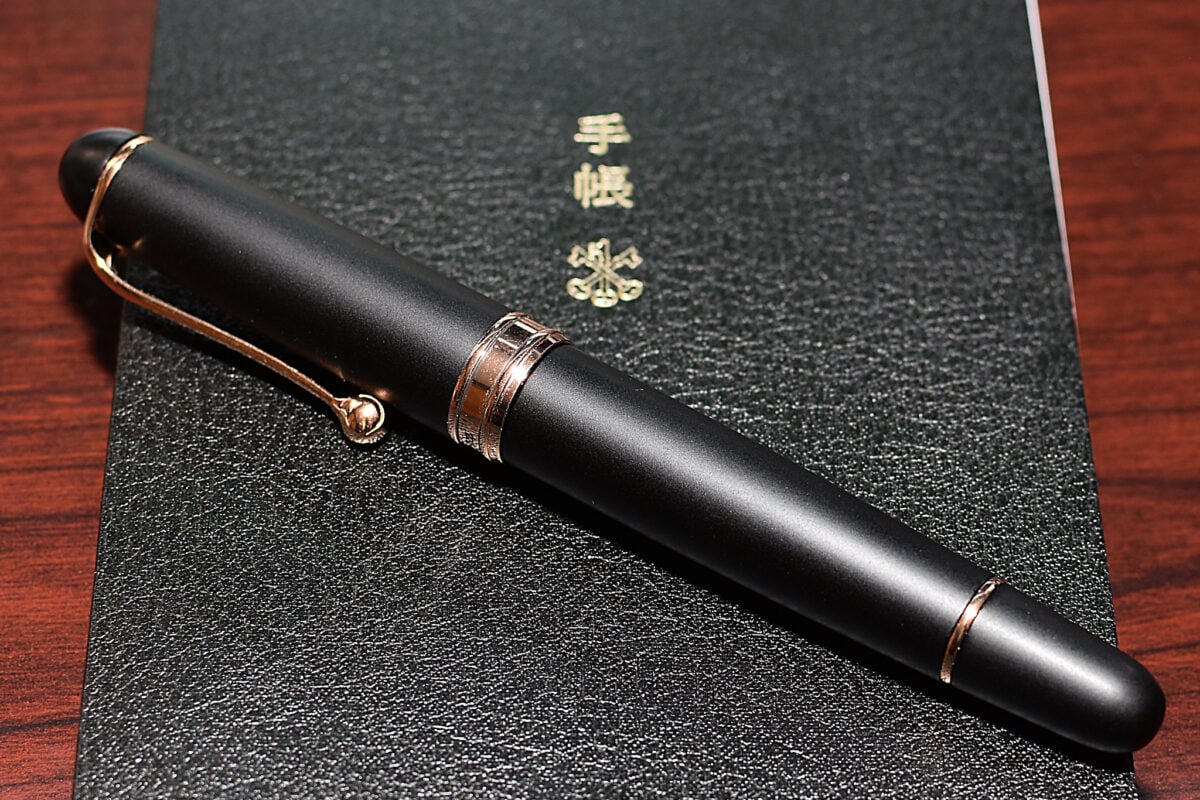
Italian manufacturer Aurora’s Model 88, introduced in the 1940s, is considered one of the brand’s defining designs and remains a benchmark for Italian fountain pen craftsmanship. Original examples from Aurora’s earliest production years are especially sought by collectors focused on Italian pen history.
Omas Extra
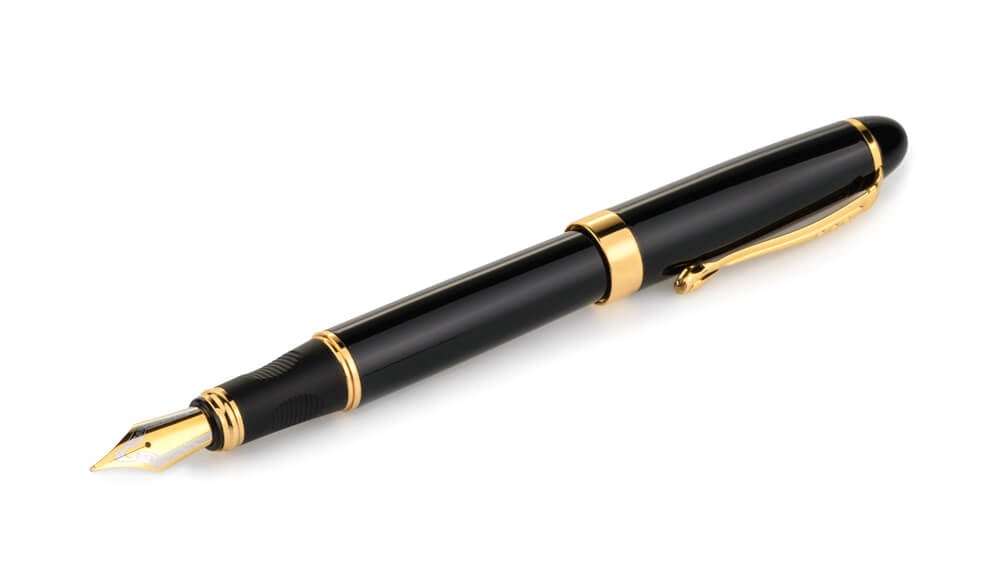
Omas, another prominent Italian manufacturer, produced the Extra line with a distinctive faceted barrel design reminiscent of certain Art Deco American pens. The brand’s eventual closure in the 2010s has made vintage Omas pens increasingly collectible as remaining supply diminishes.
Visconti Homo Sapiens
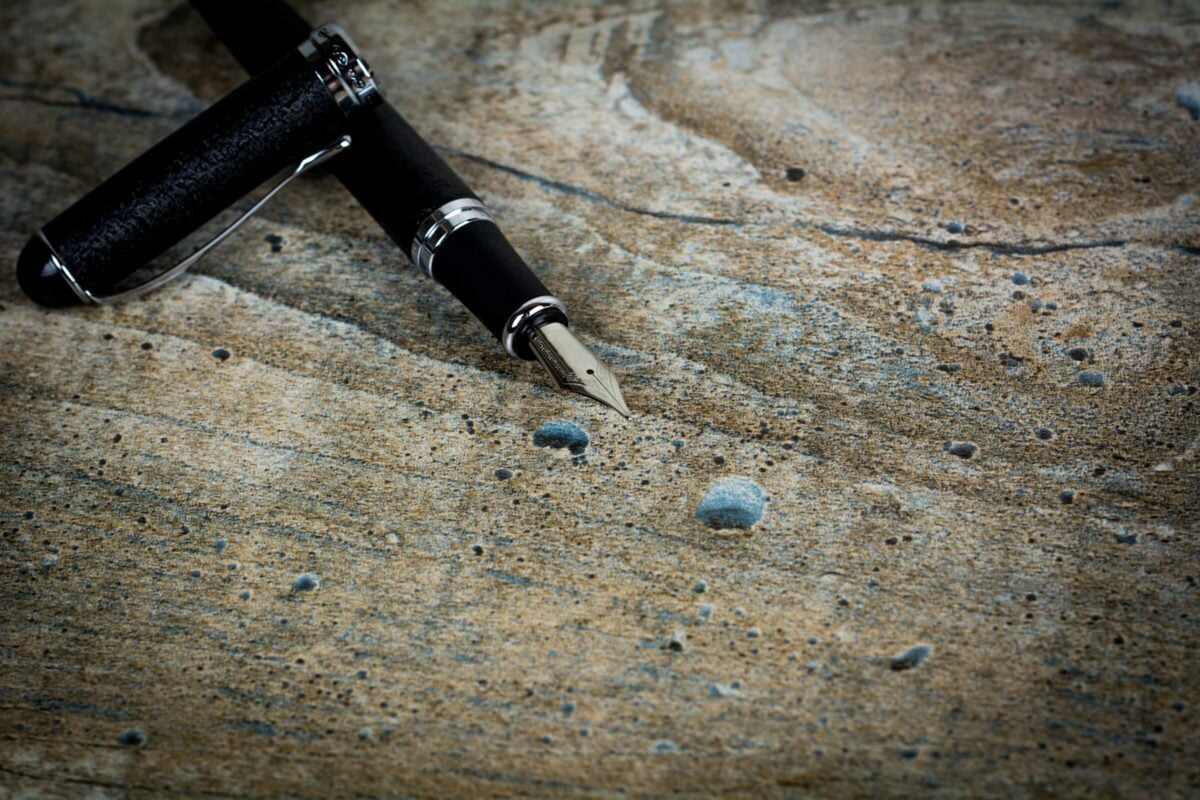
Visconti’s Homo Sapiens line, known for using a lava-based resin material in its construction, represents a more modern but already collectible entry in the fountain pen market. The unusual material composition is a genuine talking point that sets it apart from traditional celluloid or resin pens.
Pilot Namiki Emperor
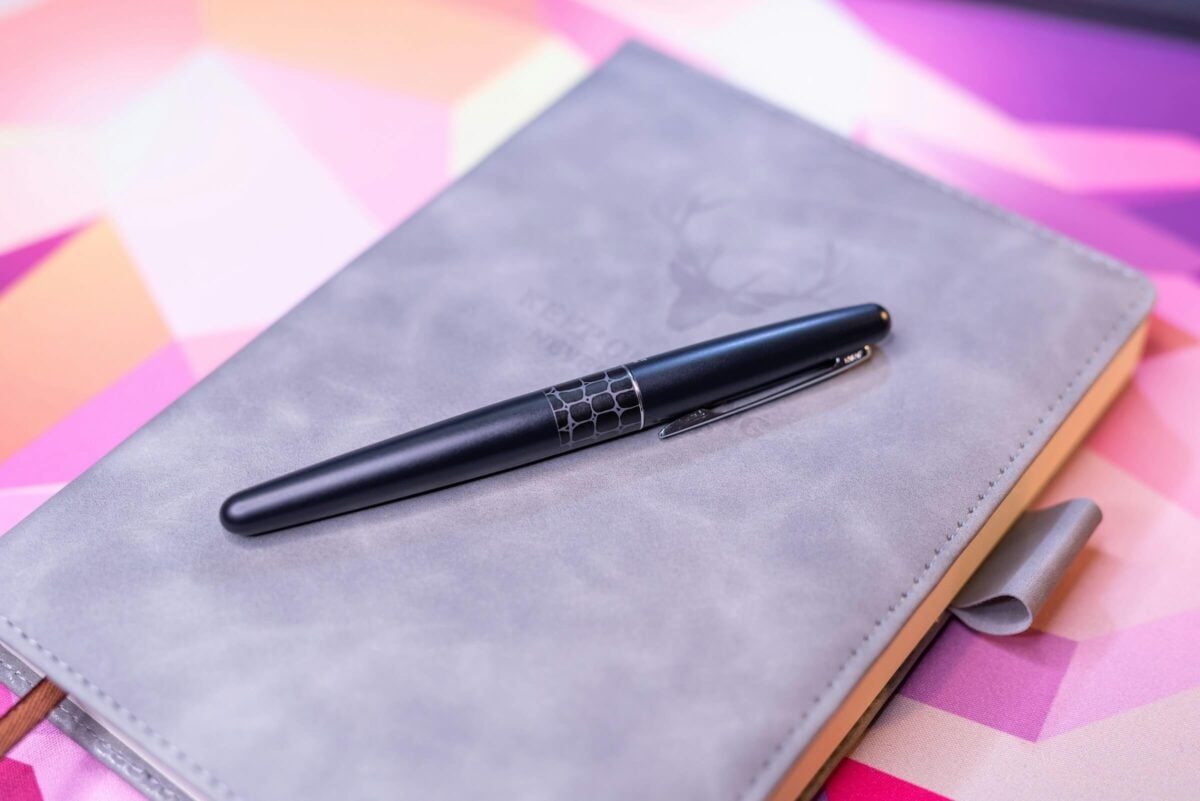
Pilot’s Namiki Emperor line represents some of the most elaborate fountain pens produced in Japan, often featuring hand-applied maki-e lacquer artwork. Pens with documented, signed maki-e artist work carry substantially more value than undecorated production models.
Parker 75
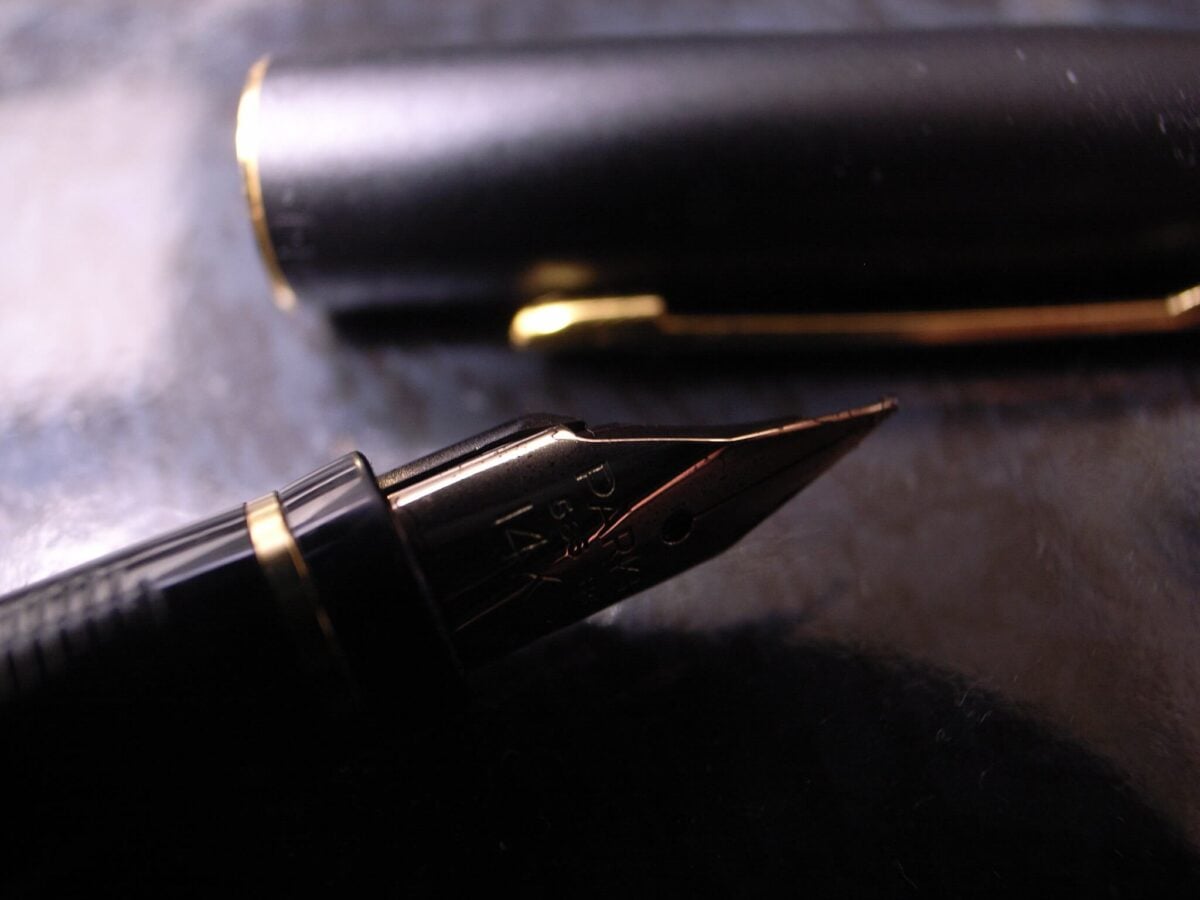
The Parker 75, introduced in the 1960s, featured a distinctive sterling silver grid pattern barrel and became known for its interchangeable nib system. Limited-edition variants produced for specific anniversaries or markets are particularly sought after by dedicated Parker collectors.
Sheaffer Snorkel
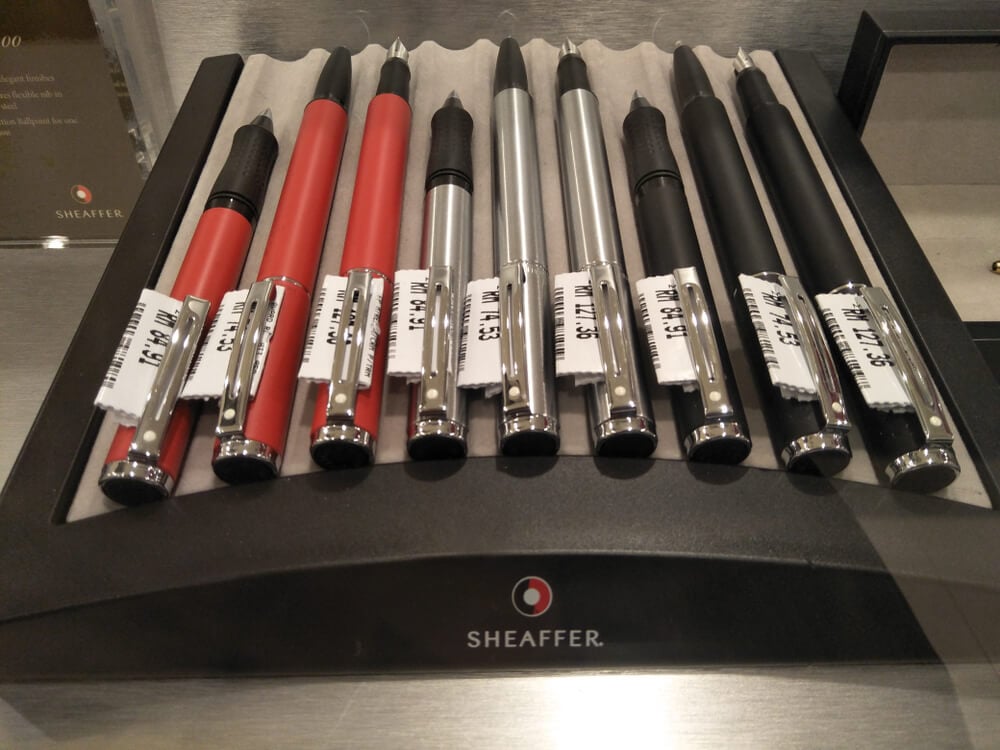
Sheaffer’s Snorkel, introduced in the early 1950s, used a unique extending tube mechanism to fill the pen without getting ink on the nib itself. That distinctive filling mechanism, unlike anything else on this list, makes it a specific target for collectors focused on mechanical pen innovation.
Waterman 52
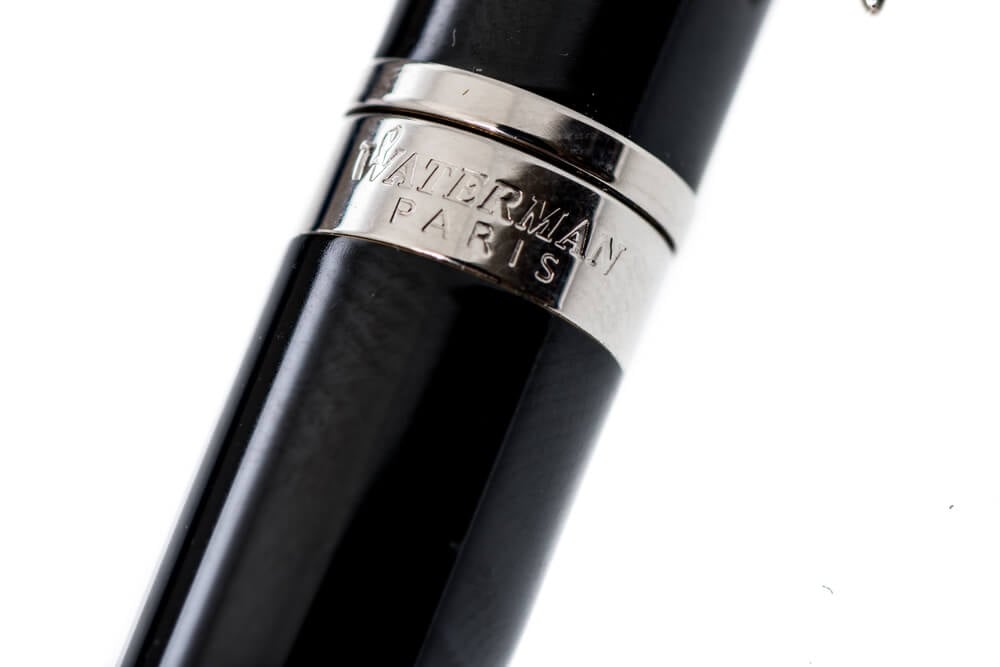
An earlier Waterman model from the 1910s and 1920s, the 52 helped establish the company’s reputation before later flagship lines like the Patrician and Man 100 arrived. Its comparatively simple, elegant design appeals to collectors focused on early 20th-century pen aesthetics.
Montblanc 146 Legrand
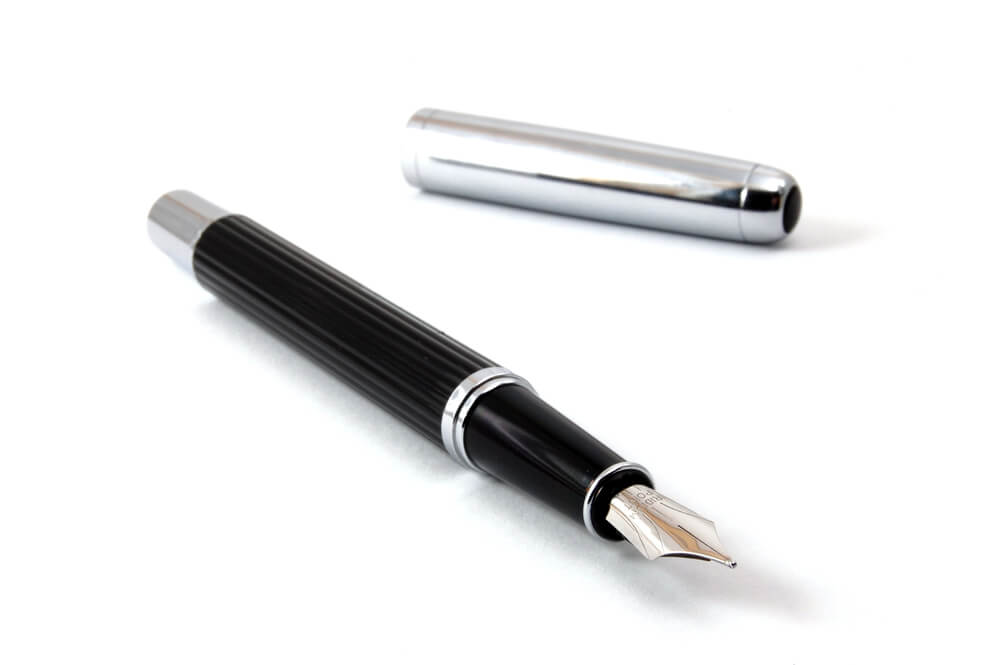
A slightly smaller sibling to the Meisterstuck 149, the Montblanc 146 Legrand offers many of the same design cues in a more compact size favored by some collectors for everyday handling. Vintage examples predating certain modern manufacturing changes are specifically tracked by long-time Montblanc collectors.
Conway Stewart Dinkie
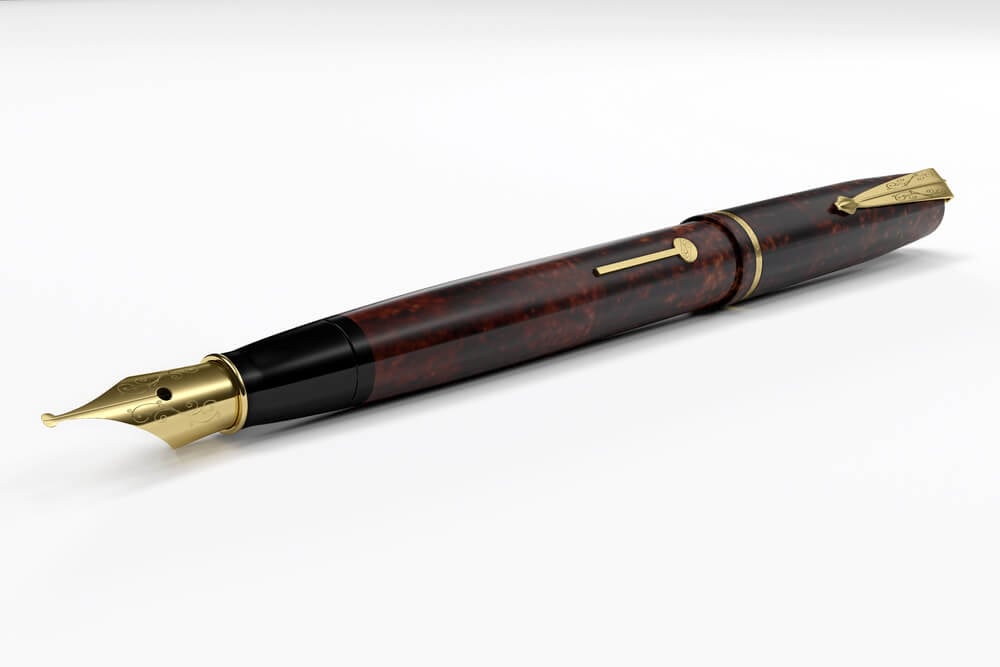
British manufacturer Conway Stewart’s Dinkie line offered a smaller, more portable pen aimed at everyday carry rather than desk use. Its compact size and colorful marbled celluloid patterns make it a popular entry point for collectors focused on British vintage pens.
Sailor King of Pens
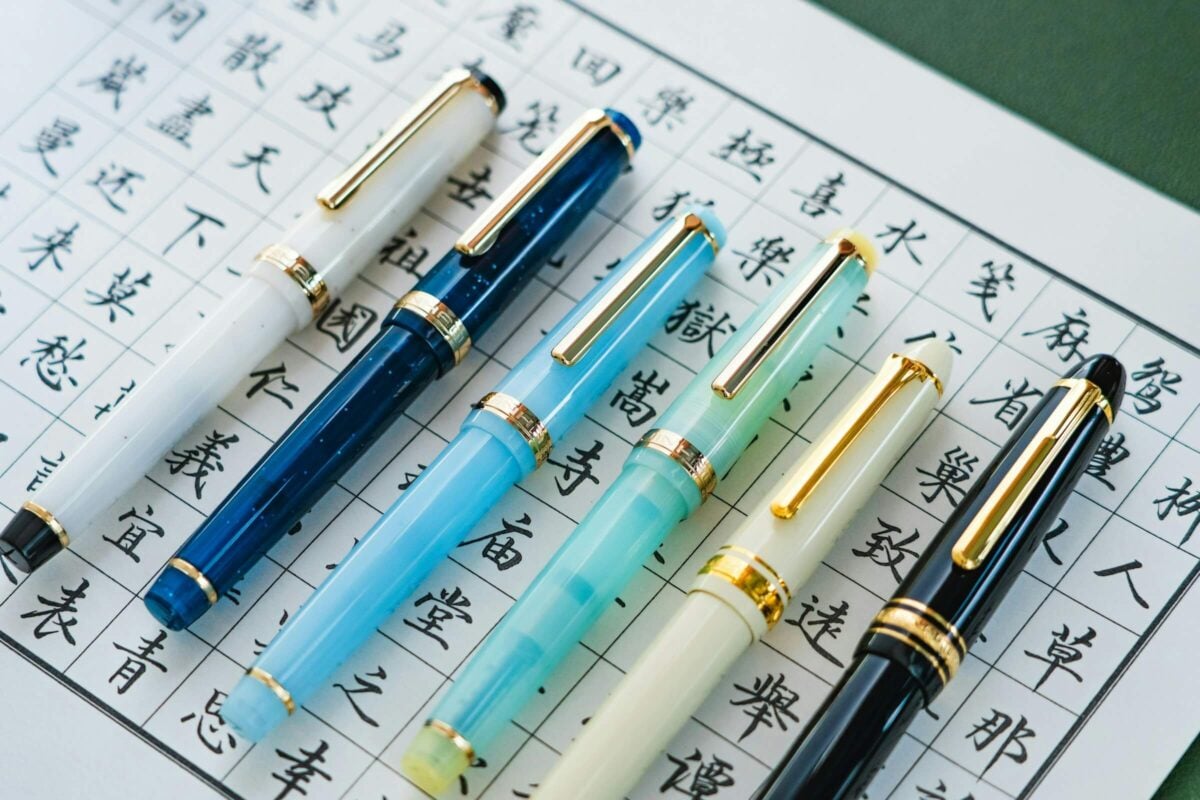
Sailor’s King of Pens line represents the Japanese manufacturer’s flagship offering, known for exceptionally large gold nibs and refined build quality. Vintage examples predating the company’s more recent production changes are increasingly sought by international collectors.
Cross Century II
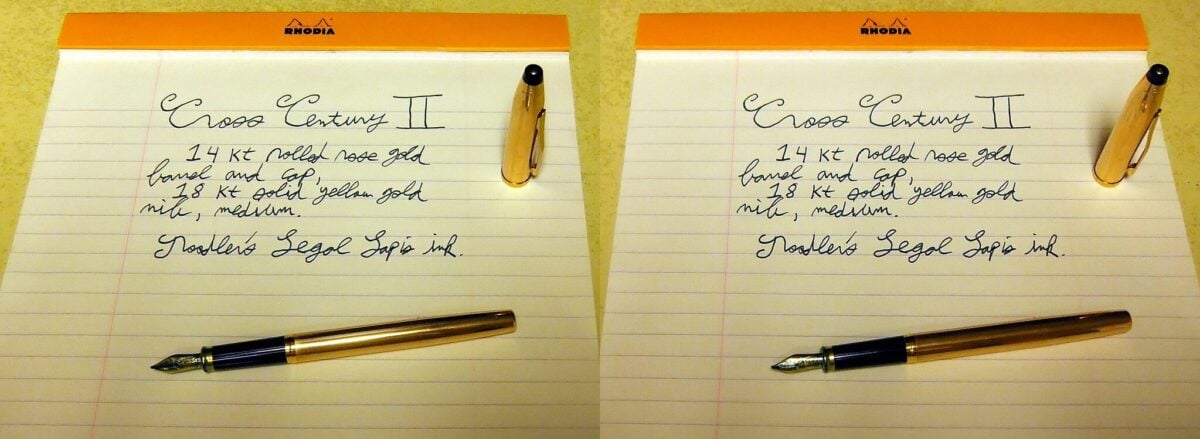
Cross’s Century II line, an evolution of the brand’s original slim Century design, became a widely recognized American-made fountain pen through the mid-to-late 20th century. While generally more affordable than European luxury brands, limited or gold-filled editions still draw solid collector interest.
Lamy 2000
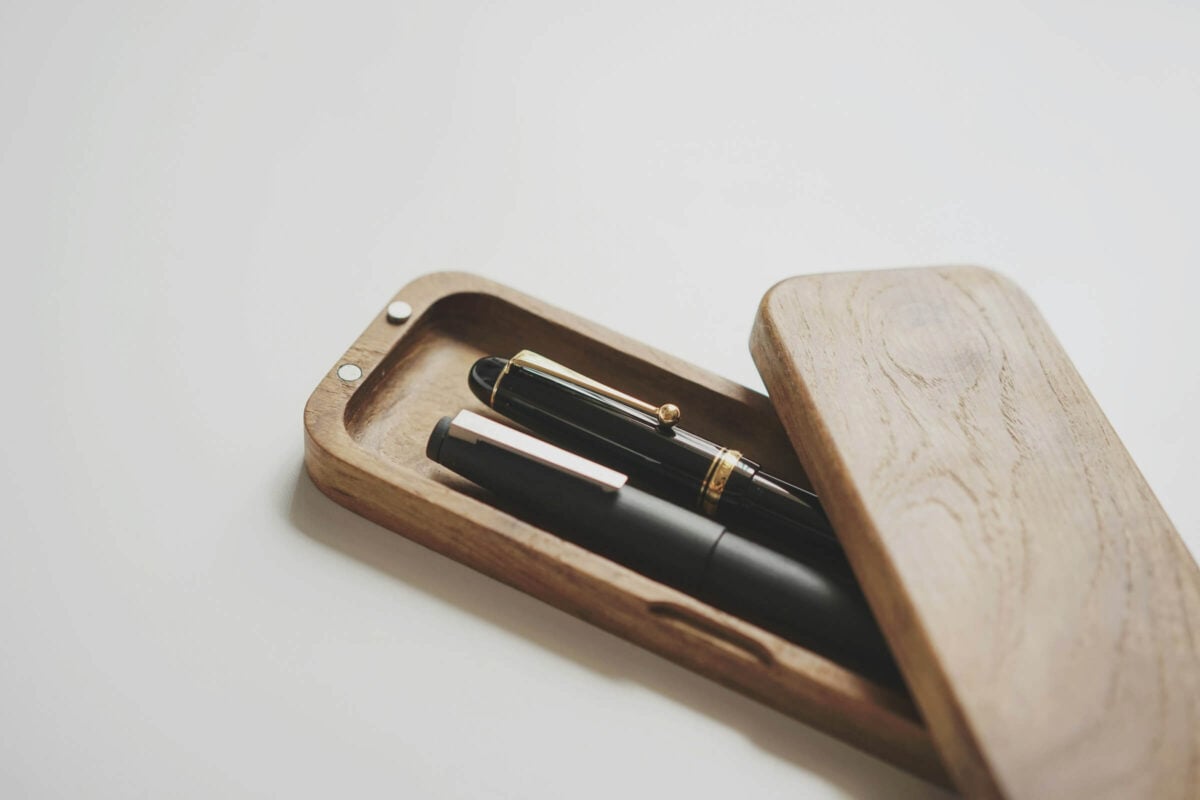
Introduced in the 1960s and still in production today, the Lamy 2000 is frequently cited by design historians for its minimalist, function-first Bauhaus-influenced styling. Its long, largely unchanged production run means condition and specific manufacturing-era details matter more to value than rarity alone.
The Ink That Outlasted the Habit
Almost nobody writes daily correspondence by hand anymore, which makes the sheer mechanical care put into these pens feel slightly absurd in retrospect. A fountain pen requires patience: the right angle, the right pressure, a willingness to occasionally get ink on your fingers.
That inconvenience is exactly what collectors are paying for now. In a world of disposable ballpoints, a pen designed to be refilled, repaired, and passed down reads less like an office supply and more like an argument for slowing down.
More from Go2Tutors!

- The Romanov Crown Jewels and Their Tragic Fate
- 13 Historical Mysteries That Science Still Can’t Solve
- Famous Hoaxes That Fooled the World for Years
- 15 Child Stars with Tragic Adult Lives
- 16 Famous Jewelry Pieces in History
Like Go2Tutors’s content? Follow us on MSN.