Longest-Running TV Shows in History
Television changed everything about how people relax at home.
Some shows stuck around so long that multiple generations watched them together.
These weren’t just programs—they became habits, something you expected to be there every week without thinking about it.
The really successful ones figured out how to stay interesting while holding onto whatever made them work from the start.
Let’s look at the shows that absolutely refused to disappear, lasting way longer than anyone thought possible.
Guiding Light
This soap opera started on the radio in 1937, then jumped to TV in 1952.
It ran for 72 years straight, which seems crazy when you really think about it.
People in some fake town called Springfield had relationship problems, kept secrets, and created drama that viewers ate up decade after decade.
CBS finally ended it in 2009, but by then it had smashed every record you could imagine.
Turns out watching other people’s disasters never gets boring.
Meet the Press
NBC started this political show in 1947, and it’s actually the oldest program still running on television.
The format couldn’t be simpler—journalists sit down with politicians and ask them about current events.
It switched from radio to TV and just never stopped, showing up every Sunday morning like clockwork.
The hosts changed plenty of times, but what the show does stayed exactly the same.
Americans still want to watch their government officials squirm under tough questions.
CBS Evening News

Walter Cronkite made this news show famous, though it actually launched way back in 1948.
Different anchors have taken the chair over the years, updating things for new times while keeping the main goal intact.
It’s one of three major evening broadcasts that people have depended on for information for decades now.
The show basically invented the template for how TV news operates.
Millions of people still watch it every night to find out what happened during the day.
Panorama
The BBC started this investigative program in 1953, and it hasn’t gone anywhere since.
The show really digs into major news stories, government corruption, and stuff that actually affects people’s lives.
Journalists spend months working on one story, which almost never happens with today’s rush-rush news cycle.
Tons of other documentary shows copied what Panorama figured out.
British viewers learned they could trust Panorama to get past the surface-level stuff.
The Tonight Show
Steve Allen launched this late-night show in 1954 and basically invented a whole new type of television.
Johnny Carson turned into the legendary host, though the show survived switching to Jay Leno, that messy Conan O’Brien situation, and now Jimmy Fallon runs it.
The basic formula doesn’t change much—jokes up front, celebrities talking, music performances, comedy sketches.
None of the late-night shows people watch today would exist if this one hadn’t come first.
People still stay up way too late watching the newest episodes.
General Hospital

ABC launched this medical drama in 1963, and it became massive with the soap opera crowd.
The hospital stuff didn’t last too long before the writers threw in crime plots, love triangles, and completely bonkers adventures.
Actors stayed for decades, with some playing the same character for 30 or 40 years straight.
The show turned daytime actors into legitimate celebrities.
Fans keep watching every weekday to track all the insanity happening in Port Charles.
Days of Our Lives

This NBC soap started in 1965 and built up fans who passed their obsession down through families.
The show got known for absolutely wild storylines—demon possession, evil twins, characters who died and somehow came back.
Whole families would drop everything each afternoon to catch the latest episode.
That opening line about sand through the hourglass became instantly recognizable to everyone.
The show moved to Peacock streaming in 2022 but keeps churning out new stuff.
Coronation Street

British TV struck gold with this show in 1960 by focusing on regular working-class people instead of rich socialites.
The program tracks folks living on one street in Manchester, handling everyday problems that normal people actually face.
Unlike American soaps that run daily, this one airs a few times each week.
The actors became incredibly famous throughout the UK just from playing these characters.
It still ranks as one of the most-watched things on British TV.
60 Minutes

CBS created this newsmagazine in 1968, with that instantly recognizable ticking clock sound everyone knows.
The show gave journalists actual breathing room to investigate properly instead of cramming everything into two minutes.
Each episode typically covers three completely different topics that have nothing to do with each other.
The concept worked so perfectly that every other network tried ripping it off.
The show still gets massive ratings after more than 50 years.
Sesame Street

PBS brought this kids’ show to life in 1969 and completely revolutionized how children could learn from watching TV.
Big Bird, Elmo, and the rest of the Muppets taught several generations how to read, count, and be decent to other people.
The show tackled difficult topics like death and divorce in ways small kids could actually understand.
Parents were happy to let their children watch because it taught them real things.
The show evolved with changing times but never abandoned what worked.
Monday Night Football
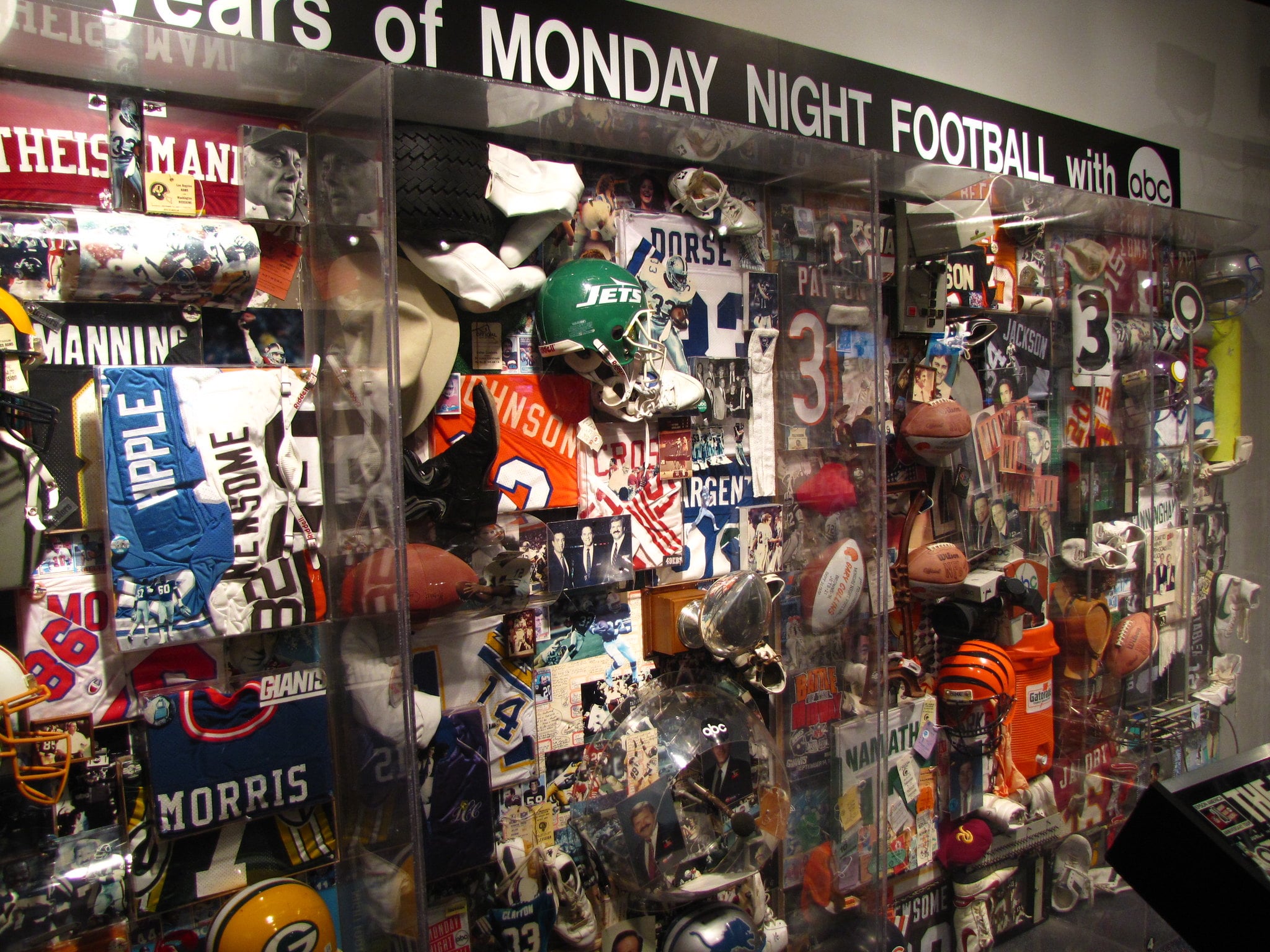
ABC shifted football to prime time in 1970, pulling games from Sunday afternoons to Monday nights instead.
The broadcast made game commentary into actual entertainment, with the announcers becoming celebrities in their own right.
ESPN grabbed it in 2006, but the show stayed hugely important in American culture.
Millions of people plan their entire Monday night around watching the game.
Sports broadcasting completely transformed after this show rewrote all the rules.
The Price Is Right
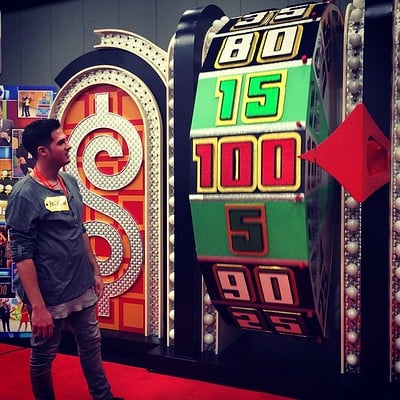
Bob Barker hosted this game show for 35 years and made it into something practically everyone recognizes.
The current version kicked off in 1972, though there was an earlier version back in the 1950s and 1960s.
Contestants guess the prices of regular products to win stuff ranging from kitchen appliances to brand new cars.
The format works because everyone assumes they’re pretty good at knowing what things cost.
Drew Carey grabbed the hosting job in 2007, and new episodes still air every weekday morning.
Saturday Night Live

Lorne Michaels created this sketch comedy show in 1975 and launched the careers of countless comedians.
The live aspect means screw-ups happen right there on camera, which somehow makes the whole thing better.
Every week brings different celebrity hosts and musical guests, with the cast performing a bunch of comedy sketches.
The show became mandatory conversation material for people at work every Monday morning.
Certain characters and bits became absolute legends in American comedy.
Wheel of Fortune

This game show launched in 1975 and turned into appointment viewing for families across the country.
Pat Sajak and Vanna White worked side by side for over 40 years, becoming as familiar as their own family members.
Contestants spin a giant wheel and call out letters to solve word puzzles, competing for cash and prizes.
The straightforward setup translates well to other countries, with versions running all over the globe.
People still shout out answers from their living rooms every single night.
20/20

ABC launched this newsmagazine in 1978 to go head-to-head with 60 Minutes, and it carved out its own space over time.
The show focuses more on human interest stories, true crime mysteries, and thorough investigations.
Barbara Walters and Hugh Downs became the most famous hosts, though plenty of others have sat in that chair.
The program showed there was definitely room for multiple long-form news shows on television.
People continue tuning in on Friday nights to see what stories the show uncovered.
This Morning
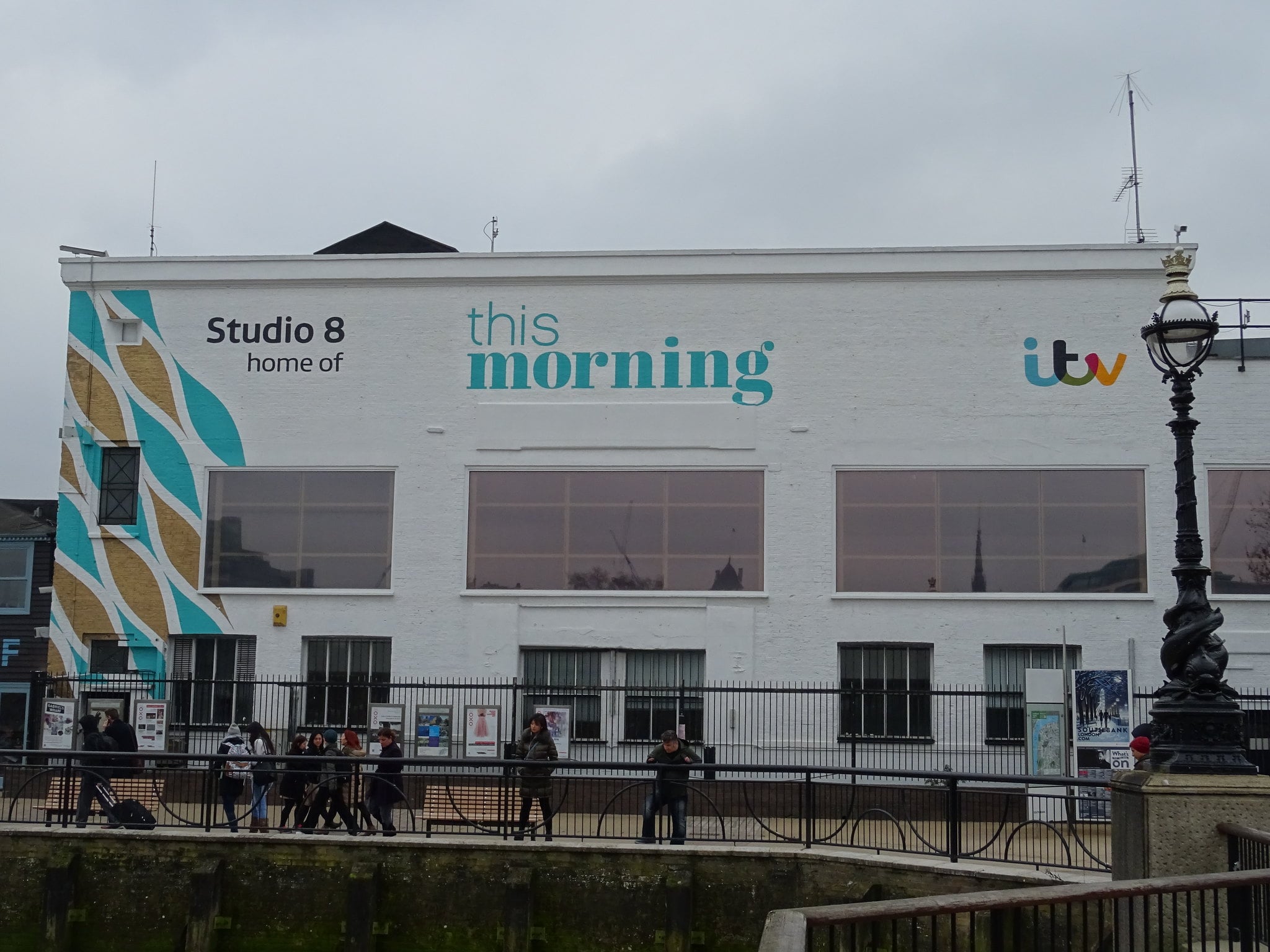
ITV kicked off this British breakfast show in 1988 and nailed a formula that still works decades later.
The program mixes news updates, celebrity chats, cooking segments, and lifestyle advice into one easygoing package.
Hosts talk with famous people and regular folks who have compelling stories to tell.
The show helped define what morning television should look like across Britain.
British audiences keep starting their mornings with it more than 35 years later.
America’s Most Wanted

John Walsh hosted this crime show from 1988 to 2012 and legitimately helped catch over 1,200 criminals while it was on the air.
The program showed recreations of unsolved crimes and profiles of fugitives the police were tracking.
Viewers phoned in with tips that resulted in actual arrests and convictions.
The show demonstrated that television could genuinely help law enforcement catch criminals.
Fox revived it in 2021 with a different host.
Law & Order

Wolf created this crime show in 1990 and established a formula that spawned a whole franchise of spin-offs.
Every single episode follows the same structure—police investigate a crime for the first half, then prosecutors take it to trial for the second half.
The show ripped storylines straight from real news headlines, making episodes feel relevant and timely.
That signature ‘dun-dun’ sound became instantly identifiable to anyone.
NBC actually brought the show back in 2022 after canceling it in 2010, proving audiences still wanted more.
Why These Shows Lasted

These programs succeeded because they delivered something viewers couldn’t find anywhere else—daily entertainment, important news, or just a reliable way to relax.
They adapted when necessary but refused to abandon their core identity when it counted.
More from Go2Tutors!

- The Romanov Crown Jewels and Their Tragic Fate
- 13 Historical Mysteries That Science Still Can’t Solve
- Famous Hoaxes That Fooled the World for Years
- 15 Child Stars with Tragic Adult Lives
- 16 Famous Jewelry Pieces in History
Like Go2Tutors’s content? Follow us on MSN.



