13 Popular Foods That Taste Different Abroad
Have you ever reached for your favorite snack while on the road and felt that something didn’t taste right? You’re not dreaming. When purchased abroad, the same name-brand foods that we enjoy at home can taste remarkably different. Businesses modify their recipes according to regional preferences, laws, and ingredient availability, so the neon-orange version of Fanta that Americans are accustomed to is hardly present in Italy.
You may be totally unprepared for these differences. These 13 common foods have distinct flavors in other countries.
Fanta
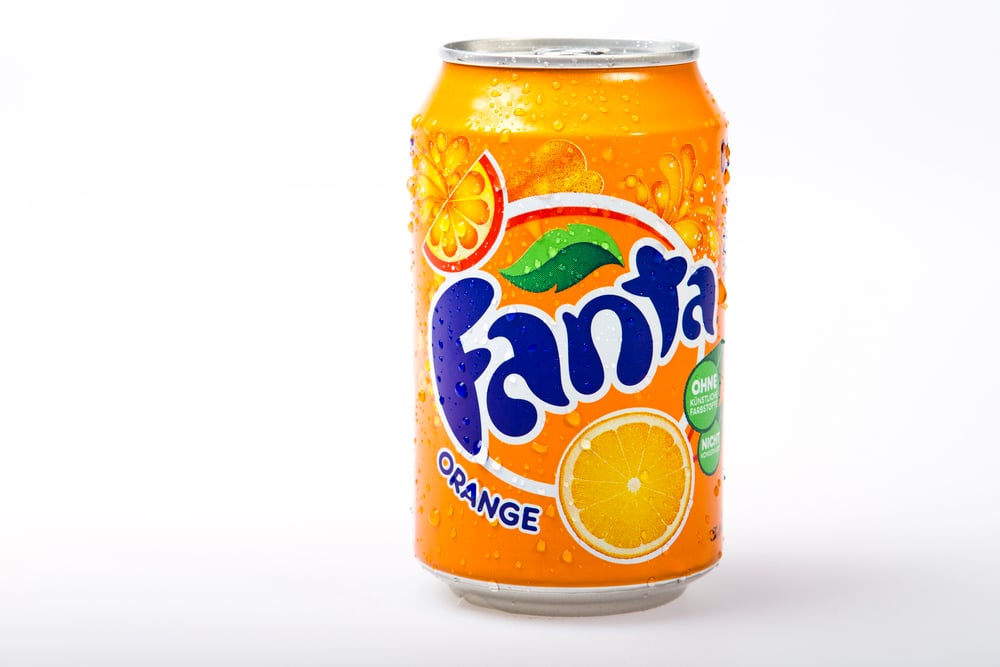
Fanta’s recipe changes dramatically depending on where you buy it. The UK version had its sugar content reduced in 2017 to 4.6 grams per 100ml to meet sugar tax thresholds, while Italian Fanta contains roughly 11.8 grams per 100ml according to product labeling.
The UK version uses only 3.7% orange juice from concentrate, while Greek Fanta contains 20% juice and Italian Fanta includes 12% real orange juice. The U.S. version relies on high-fructose corn syrup with no actual orange juice, creating that artificial orange flavor Americans recognize instantly, while European versions often use vegetable extracts for coloring instead of synthetic dyes.
Chocolate bars

British Cadbury Dairy Milk and American Cadbury taste nothing alike, even though they share the same name. Hershey’s produces the U.S. version and lists sugar as the first ingredient, while UK Cadbury starts with milk as its primary component.
The texture differs too—British chocolate melts smoothly in your mouth with a creamy finish, but the American version tastes grainier and sweeter with what some describe as a slightly tangy aftertaste. Reports attribute this to butyric acid present in American chocolate formulations. FDA regulations also play a role since the U.S. prohibits vegetable oils in milk chocolate, forcing manufacturers to use only cocoa butter.
Coca-Cola
Coke’s recipe stays mostly consistent worldwide, but subtle differences in sweeteners and water sources create noticeable taste variations. Mexican Coke has achieved legendary status among American fans because it uses cane sugar instead of high-fructose corn syrup, giving it a cleaner and less processed taste.
The water used in local bottling plants can also affect the flavor profile slightly. Some people swear Coke tastes better on vacation, though that might just be the relaxation talking rather than any real difference.
Potato chips

Lay’s (known as Walkers in the UK, Sabritas in Mexico, and Smith’s in Australia) creates wildly different flavors for different markets. Americans stick to classics like barbecue and sour cream, but Asian markets get adventurous with flavors like wasabi, spicy crayfish, and Kobe steak.
For example, Canada offers ketchup-flavored chips that are practically a national staple, along with fries and gravy varieties. The UK favors prawn cocktail and salt and vinegar options. The base chip itself can vary too—some countries fry them harder for extra crunch, and Asian versions tend to be spicier with fewer calories per gram than Western versions.
McDonald’s menu items

McDonald’s adapts its menu so thoroughly to local tastes that you might not recognize some items. India’s menu skips beef entirely and offers the McSpicy Paneer with breaded fried cheese and tandoori sauce, while Japan serves teriyaki burgers and even fried chicken buckets.
Canada has poutine and the McLobster, Germany keeps the McRib as a permanent menu item, and Spain offers the McExtreme with pulled pork piled on top of a regular burger. The Philippines serves fried chicken with rice or spaghetti, and Malaysia offers chicken porridge for breakfast.
Bread
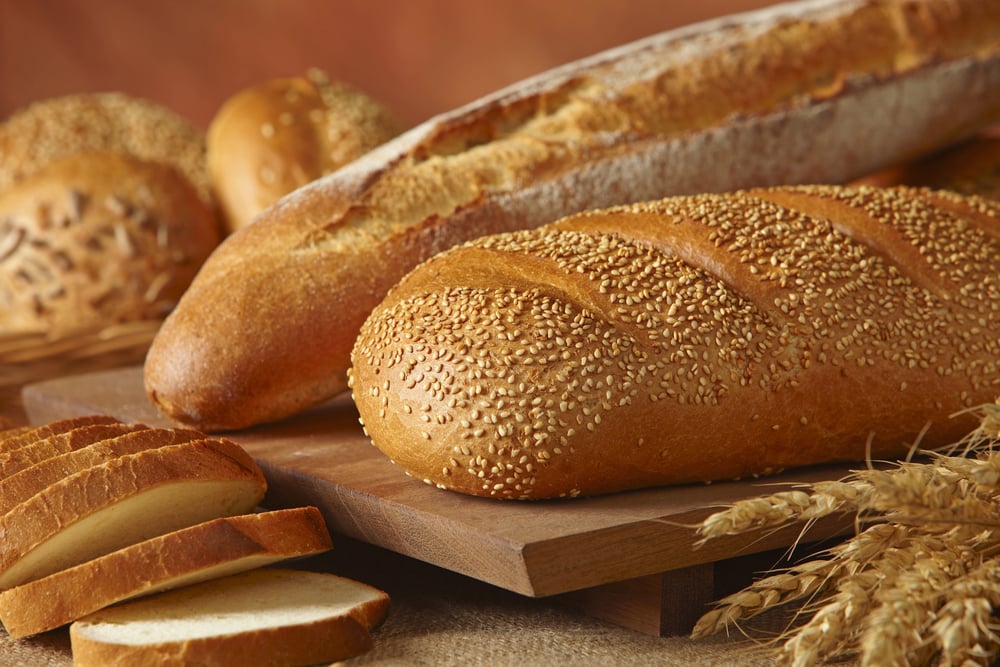
American sandwich bread tastes noticeably sweeter and softer than bread in most other countries. French and German bakeries produce crusty, dense loaves with complex flavors, while British bread falls somewhere in the middle with both fluffy white slices and hearty brown options.
The difference comes down to ingredients—American bread often contains added sugar and preservatives to keep it shelf-stable, whereas European bread focuses on simpler recipes with fewer additives. Your morning toast genuinely becomes a different experience depending on which country you’re eating it in.
Mayonnaise

Japanese mayonnaise contains more egg yolks and extra sugar compared to American mayo, creating a richer and slightly sweeter taste. This happened because when mayonnaise first arrived in Japan in the 1920s, that’s how the original manufacturer liked it, and the flavor profile stuck.
Now if an American company wants to sell mayo in Japan, they typically adjust their recipe to match local expectations. The difference is noticeable enough that Japanese expats living abroad often seek out imported mayo from home rather than settling for local brands.
Ice cream

Italian gelato and American ice cream are technically the same dessert but taste completely different. Gelato contains less air and lower fat content, making it denser and more intensely flavored than the fluffier American style.
British soft-serve stands apart as its own tradition, especially the seaside cones. Production methods matter too—American ice cream churns more air into the mixture, creating that light and creamy texture, while gelato stays thick and smooth.
Tea

Tea preparation varies so wildly across cultures that the same tea leaves produce completely different drinks. British builders prefer strong black tea with milk, Chinese tea drinkers sip delicate loose-leaf green teas without additions, and Indian chai simmers with milk, sugar, and warming spices.
The way people brew, steep, and serve tea reflects deep cultural traditions. One country’s perfect cup might taste completely wrong to someone from another culture, even when they’re using similar base ingredients.
Fresh produce

Tomatoes in Europe often taste richer and more flavorful than their North American counterparts, but this has nothing to do with soil quality or climate. Industry observers note that North American growers prioritize size and shelf life over flavor, picking produce early so it survives long shipping times.
European consumers demand better-tasting fruits and vegetables and pay premium prices for quality, which encourages growers to focus on flavor. The same tomato seeds grown in North America can produce intensely flavored tomatoes when farmers prioritize taste over quantity and durability.
Pepsi
Pepsi adjusts its flavor profile for different regions, though the company doesn’t publicize specific country recipes. Reports suggest that Pepsi in Iraq has a spiced aftertaste, likely from additional aromatics that suit Middle Eastern palates where spices play a prominent role in cuisine.
Sources indicate the Iraqi version also uses real sugar instead of high-fructose corn syrup. Japan occasionally gets exclusive flavors like Salted Caramel Pepsi, which bombed with consumers despite the country’s love of sweet treats.
Honey

Honey’s flavor depends entirely on what flowers the bees visit, making it a product that genuinely tastes different based on geography. Clover honey from the American Midwest tastes mild and sweet, while Greek thyme honey carries a stronger, more aromatic flavor.
New Zealand’s manuka honey tastes earthy and almost medicinal due to the unique manuka bush. These aren’t just subtle differences—the honey on your toast in Athens will taste nothing like the honey you spread in Ohio.
Meat products
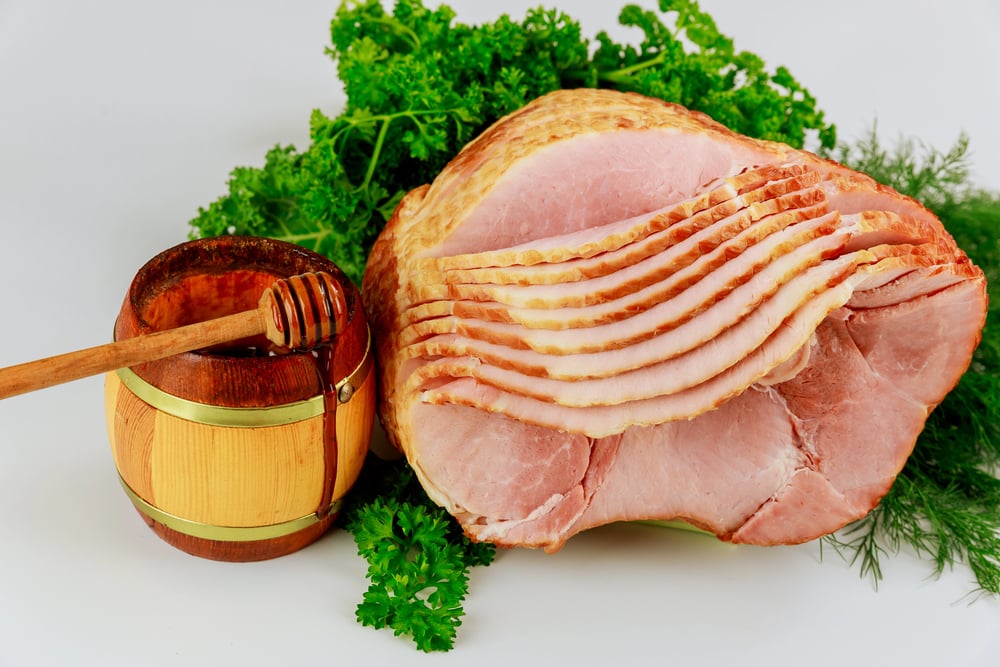
The same cut of meat tastes different across countries because of what the animals eat. European cows graze on diets less concentrated in corn and grains compared to American cattle, which affects the flavor of the beef.
Local plants, flowers, and even soil composition influence how meat tastes as animals consume the vegetation around them. Italian-raised pork tastes different from American pork, and Australian lamb carries distinct flavors compared to New Zealand lamb, even when prepared identically.
From farm to table

Food manufacturers have discovered that consumers favor flavors they were exposed to as children. Businesses carefully research each market and customize products to meet local standards and laws rather than making haphazard changes to recipes.
While some changes are a result of government regulations regarding sugar content and additives, others are a reflection of true cultural preferences that have grown over many generations. As a result, familiar foods can become either delightful surprises or disappointing letdowns when traveling, with the same brand name potentially indicating entirely different taste experiences depending on where you open the package.
More froMore from Go2Tutors!

- The Romanov Crown Jewels and Their Tragic Fate
- 17 Halloween Costumes Once Considered Taboo
- Famous Hoaxes That Fooled the World for Years
- 15 Child Stars with Tragic Adult Lives
- 16 Famous Jewelry Pieces in History
Like Go2Tutors’s content? Follow us on MSN.