15 Facts About the Mariana Trench That Show How Little We Know
The Mariana Trench is as much the world’s greatest enigma now as it ever was, an unknown world as strange to man as the moon itself. We’ve achieved technologies that allow us to travel through space, yet the bottom of our oceans is a relatively untouched, uncharted place. The incredible pressure, absolute blackness, and impenetrability have remained firmly beyond our capabilities.
Below are 15 fascinating facts about the Mariana Trench that reveal to us just how much this sea border still continues to amaze scientists and push the limits of what we know about deep-sea environments.
It’s Deeper Than Mount Everest Is Tall
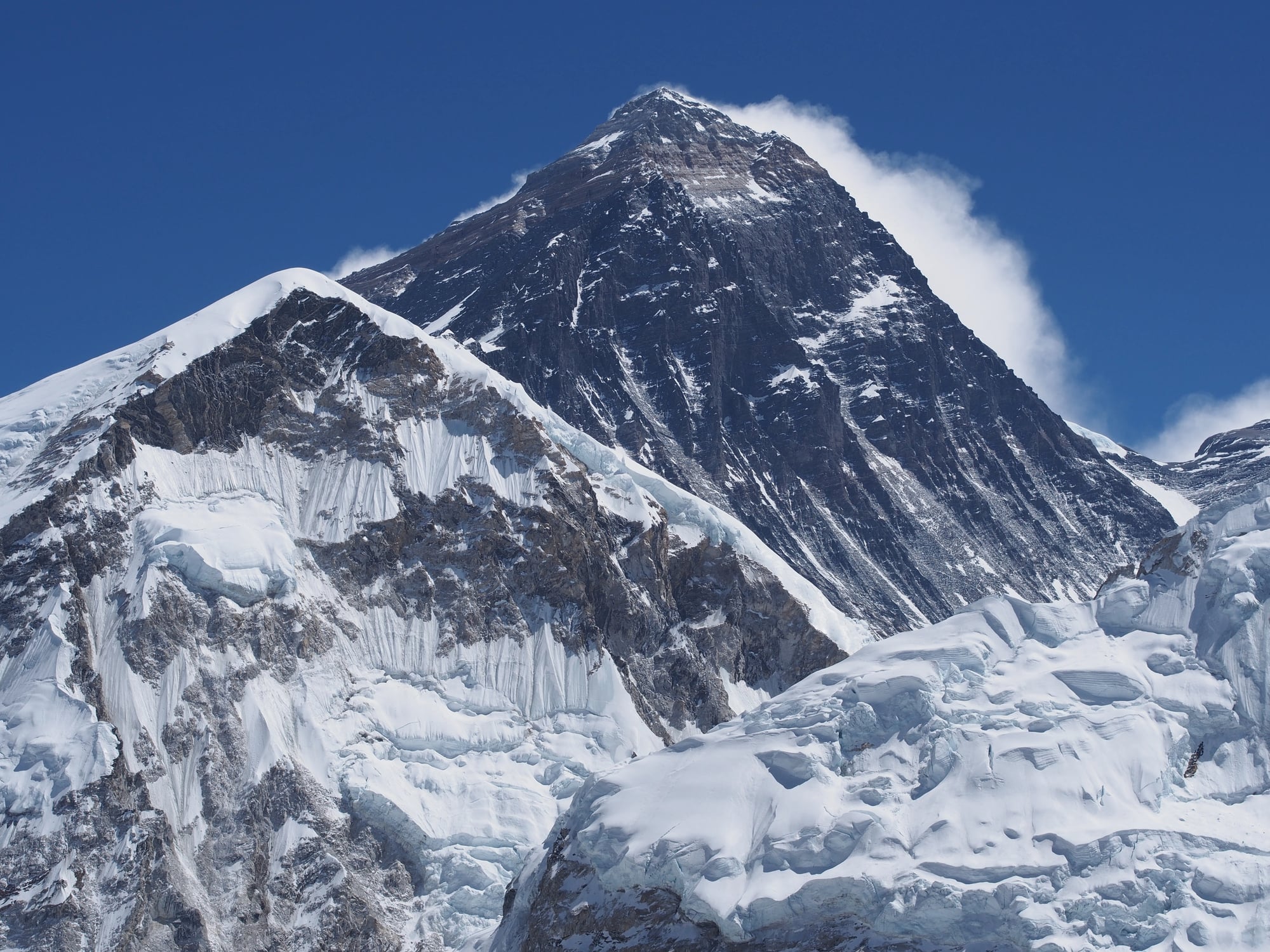
The deepest confirmed point in the Mariana Trench, Challenger Deep, measures approximately 36,070 feet (about 7 miles) below sea level. If Mount Everest were placed at the bottom of the trench, its peak would still be more than a mile underwater.
This extreme depth creates an environment so hostile that it’s easier for humans to travel to space than to reach the deepest parts of our own planet.
Only Three People Have Ever Reached The Bottom
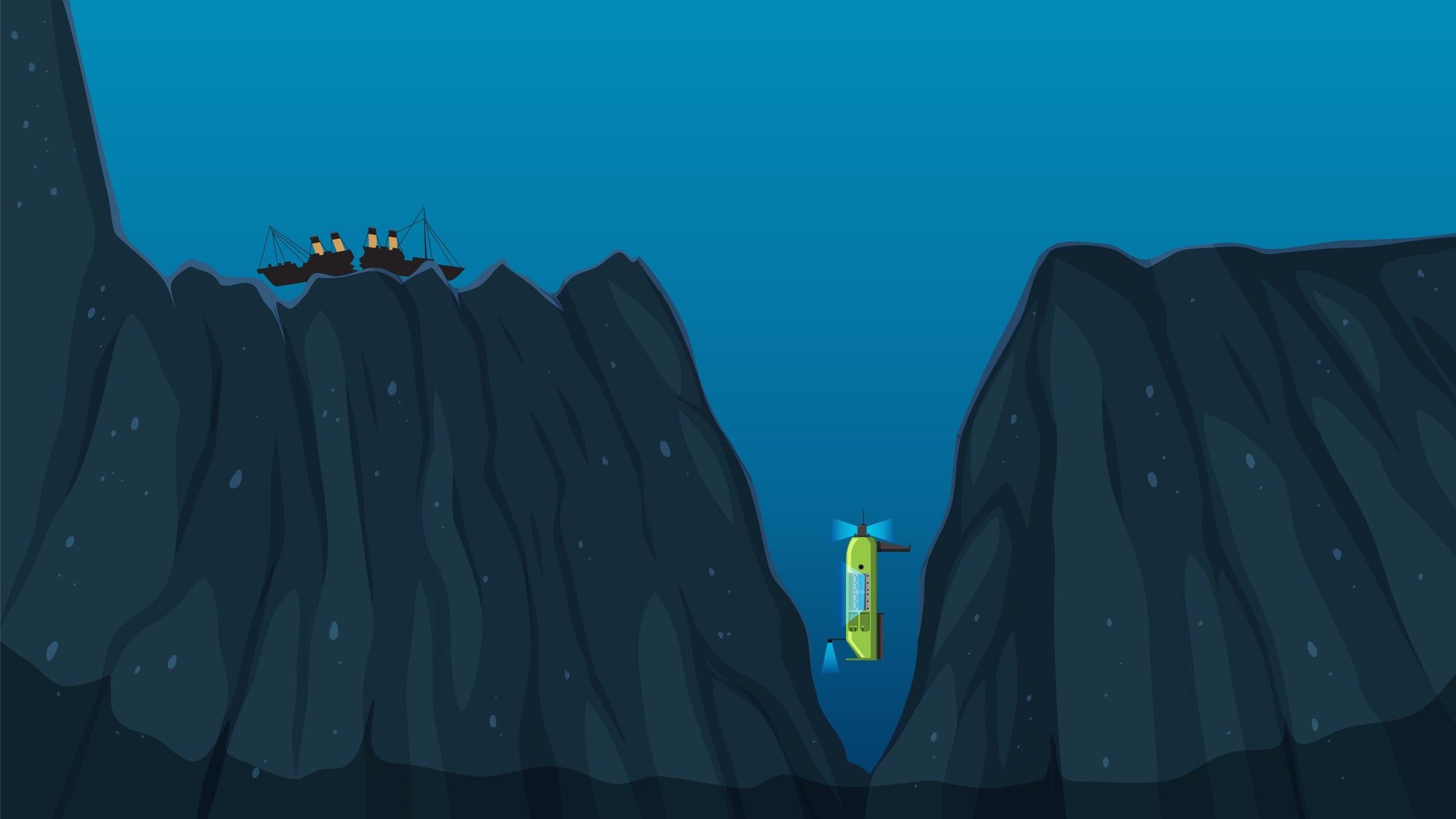
Even though it’s been over a century since they were found, only three men have reached the bottom of the Mariana Trench. James Cameron went down alone in 2012, and Don Walsh and Jacques Piccard were the first men to go down in 1960.
This is compared to the hundreds who have ventured into space, and one sees how much effort is still needed in deep-sea exploration despite how far we have come technologically.
Like Go2Tutors’s content? Follow us on MSN.
The Pressure Is Equivalent To 50 Jumbo Jets
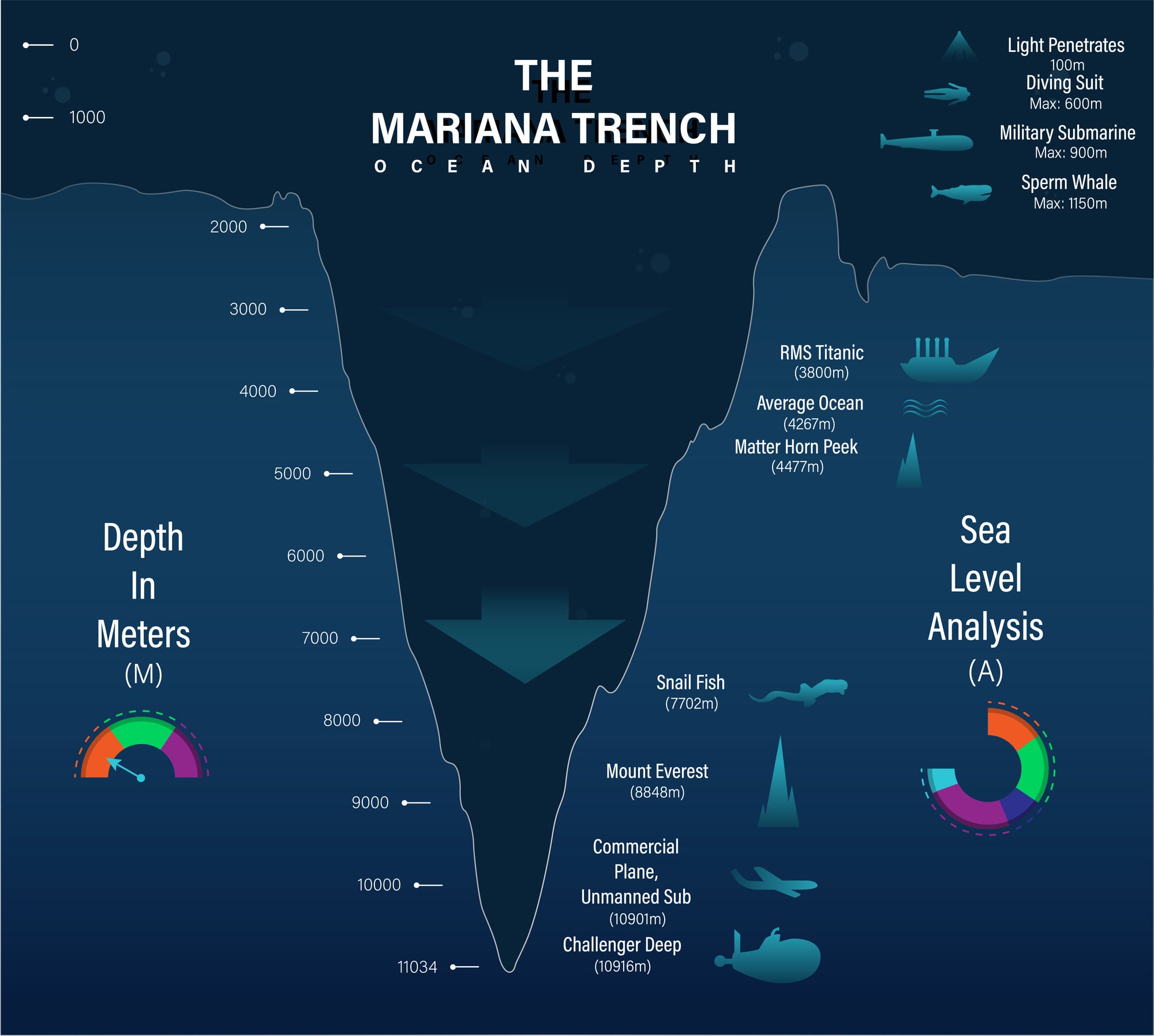
At the bottom of the Mariana Trench, the water pressure exceeds 16,000 pounds per square inch—approximately 1,000 times the standard atmospheric pressure at sea level. This crushing force is equivalent to having 50 jumbo jets stacked on top of a person.
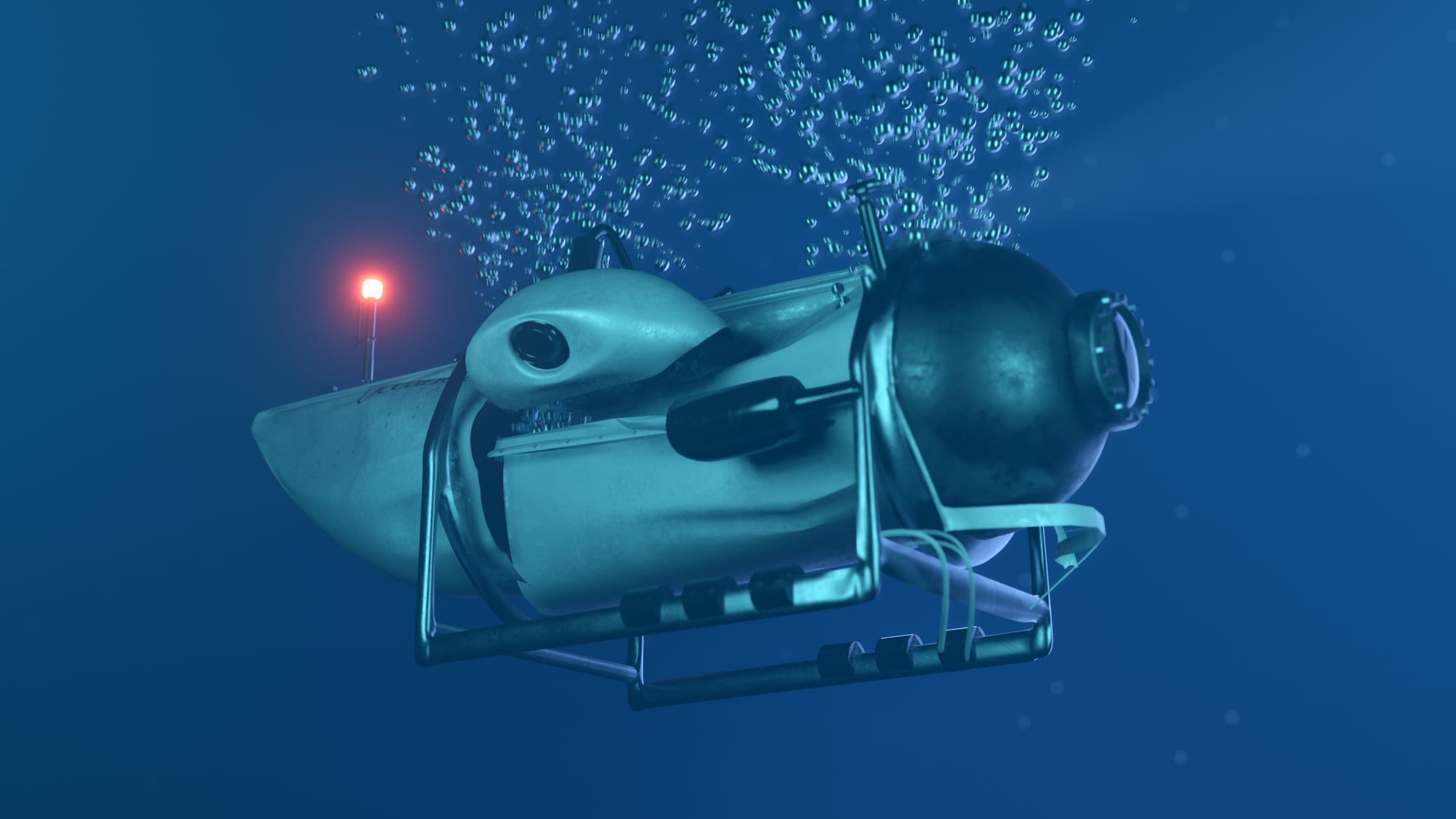
Most submarines would be crushed long before reaching these depths, requiring specially designed vessels with incredibly strong hulls for exploration.
It’s Home To Living Fossils
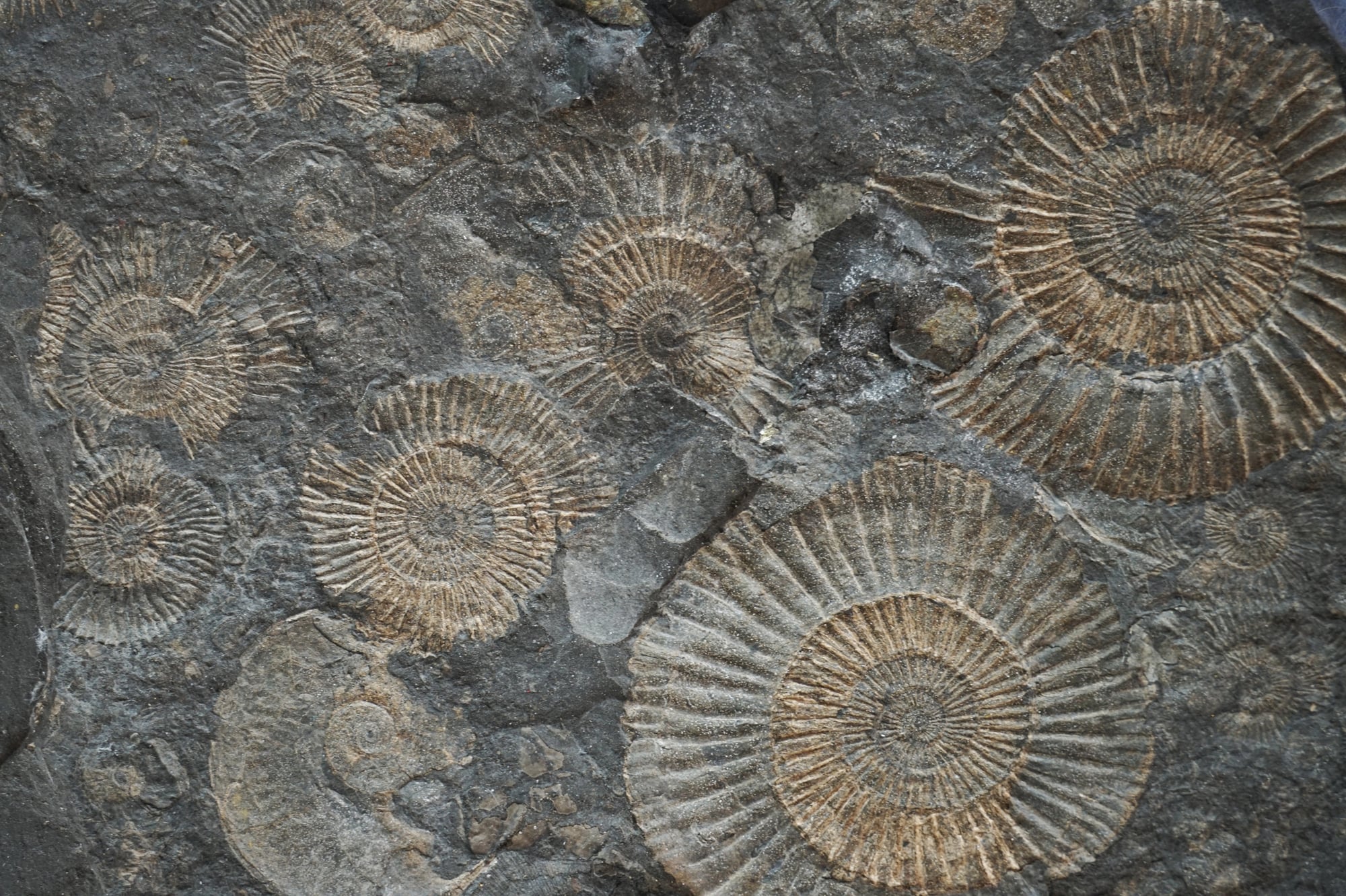
Scientists discovered animals in the trench that have been considered for millions of years to have gone extinct. They are commonly referred to as ‘living fossils’ and include some species of ancient fish and invertebrates that have not altered much since prehistoric periods.
Their presence in such an isolated area offers scientists an opportunity to study evolutionary history and adaptation to extreme conditions that would otherwise be impossible to study.
It Contains Thriving Bacterial Colonies
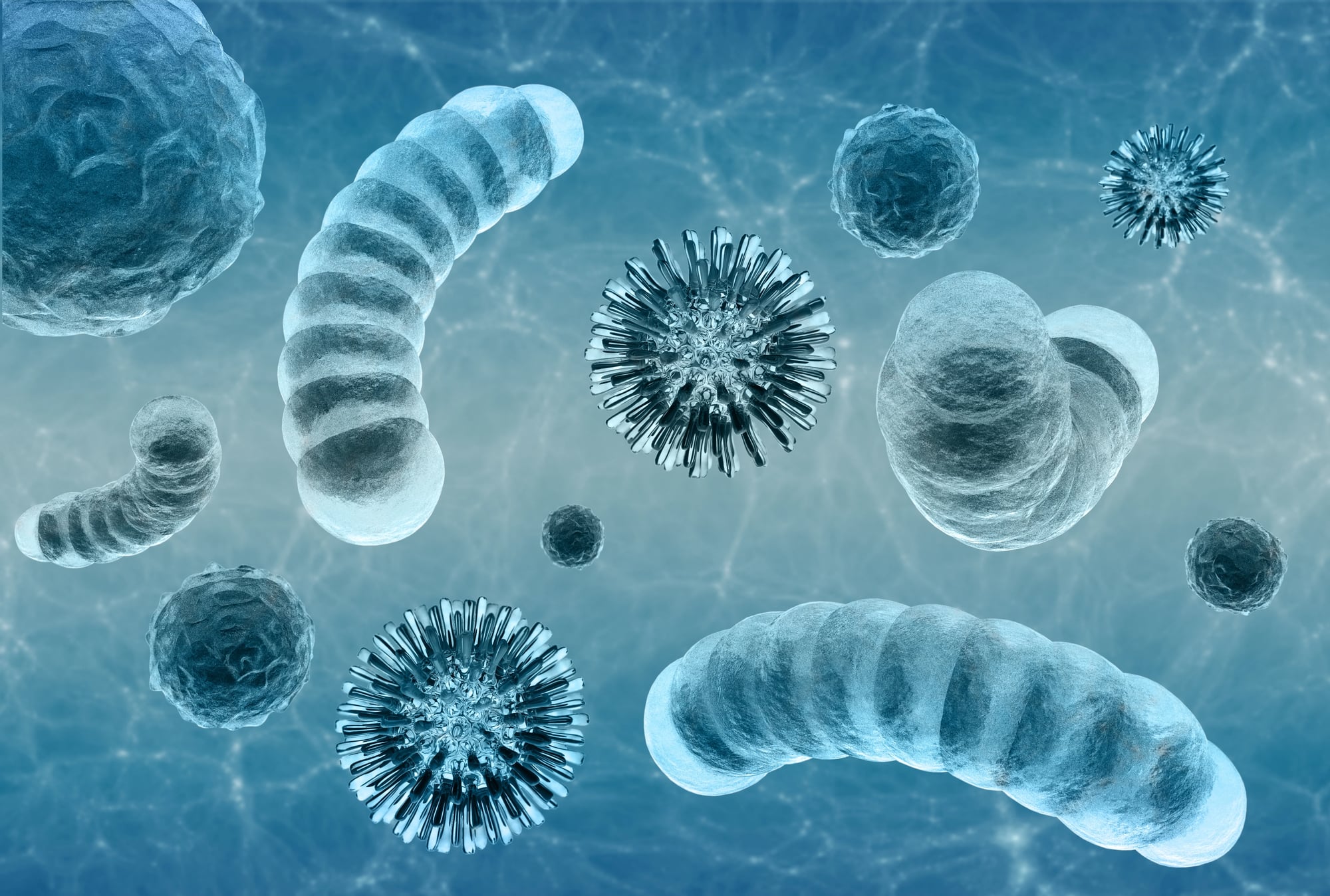
Despite the immense pressure, near-freezing temperatures, and complete absence of sunlight, the Mariana Trench hosts abundant microbial life. These microorganisms have evolved unique metabolic pathways that allow them to survive in conditions that would instantly kill surface-dwelling organisms.
Some bacteria even feed on chemicals seeping from the Earth’s crust rather than depending on sunlight-based food chains.
Like Go2Tutors’s content? Follow us on MSN.
Plastic Pollution Has Reached The Deepest Point
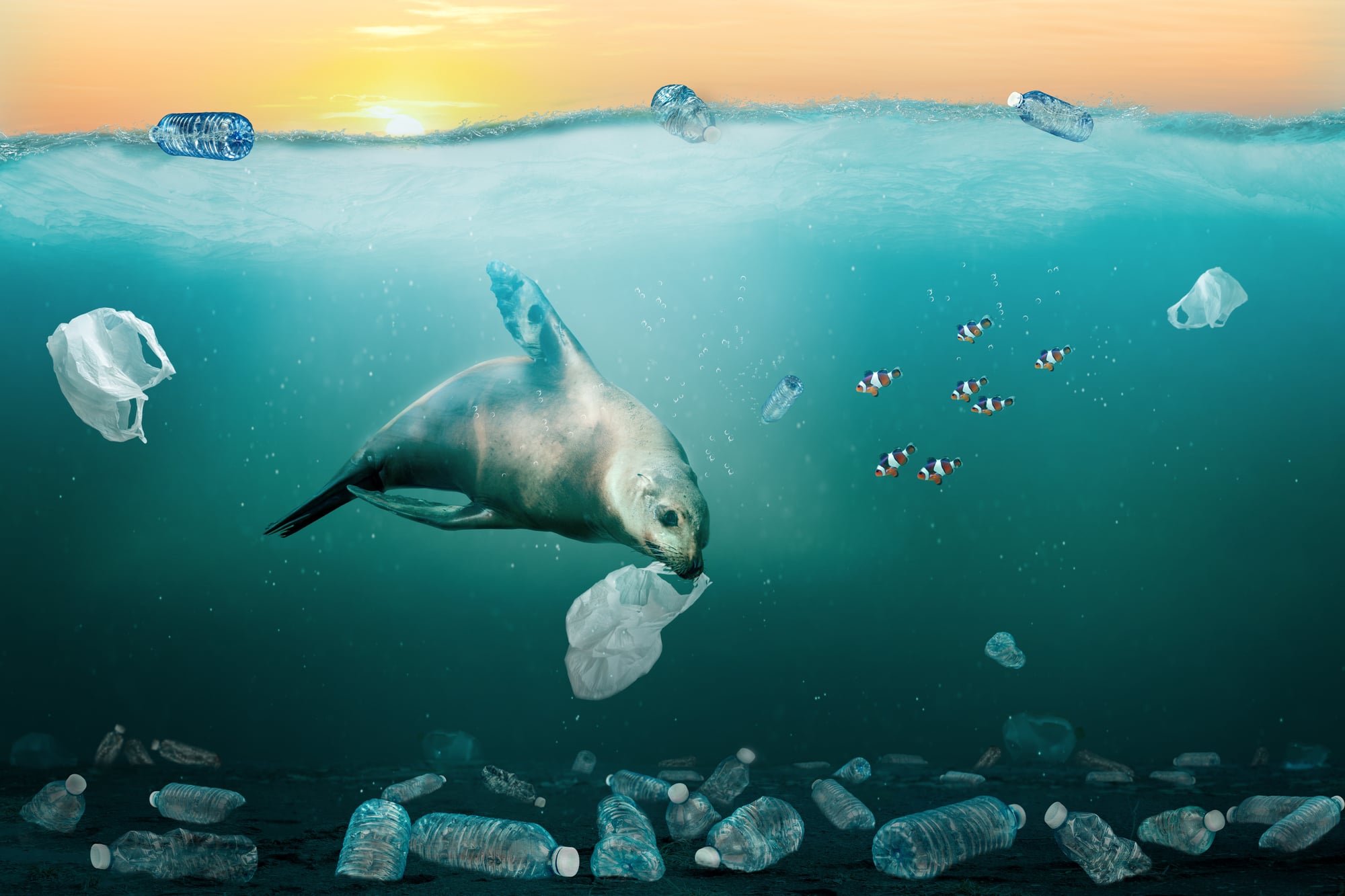
Recent expeditions have discovered plastic bags and candy wrappers polluting the seafloor of the Mariana Trench. This disturbing finding confirms that human environmental impact has reached even the most remote parts of our planet.
The discovery of these contaminants nearly seven miles below the surface demonstrates the far-reaching consequences of our consumption patterns and waste management practices.
It Contains Mysterious Sounds

In 1997, scientists recorded an ultra-low frequency sound originating from the region of the Mariana Trench, nicknamed ‘The Bloop.’ While eventually attributed to ice calving in Antarctica, numerous other unexplained sounds have been detected in the deep ocean.
These acoustic mysteries highlight how little we understand about deep-sea environments and the creatures that inhabit them.
It’s Expanding Slowly

The Mariana Trench exists because the Pacific tectonic plate is slowly sliding beneath the Philippine plate in a process called subduction. This ongoing geological activity means the trench is actually growing slightly deeper over time.
The gradual movement of these massive crustal plates continues to reshape the ocean floor, though at a pace imperceptible to human observation.
Like Go2Tutors’s content? Follow us on MSN.
It Has Its Own Weather Systems
The extreme depth of the trench creates localized current patterns and temperature variations that essentially function as underwater weather systems. These deep currents can be powerful and unpredictable, creating challenges for research equipment and submersibles.
Our understanding of these deep-ocean currents remains rudimentary compared to our knowledge of atmospheric weather patterns.
It May Hold Medical Breakthroughs

Organisms living in the trench have developed unique adaptations to survive extreme pressure, which could potentially lead to medical advances. Certain proteins found in these deep-sea creatures remain functional under conditions that would denature human proteins.
Researchers are studying these adaptations for potential applications in pressure-resistant medications and treatments for pressure-related human conditions.
It Has Hydrothermal Vents With Unique Ecosystems
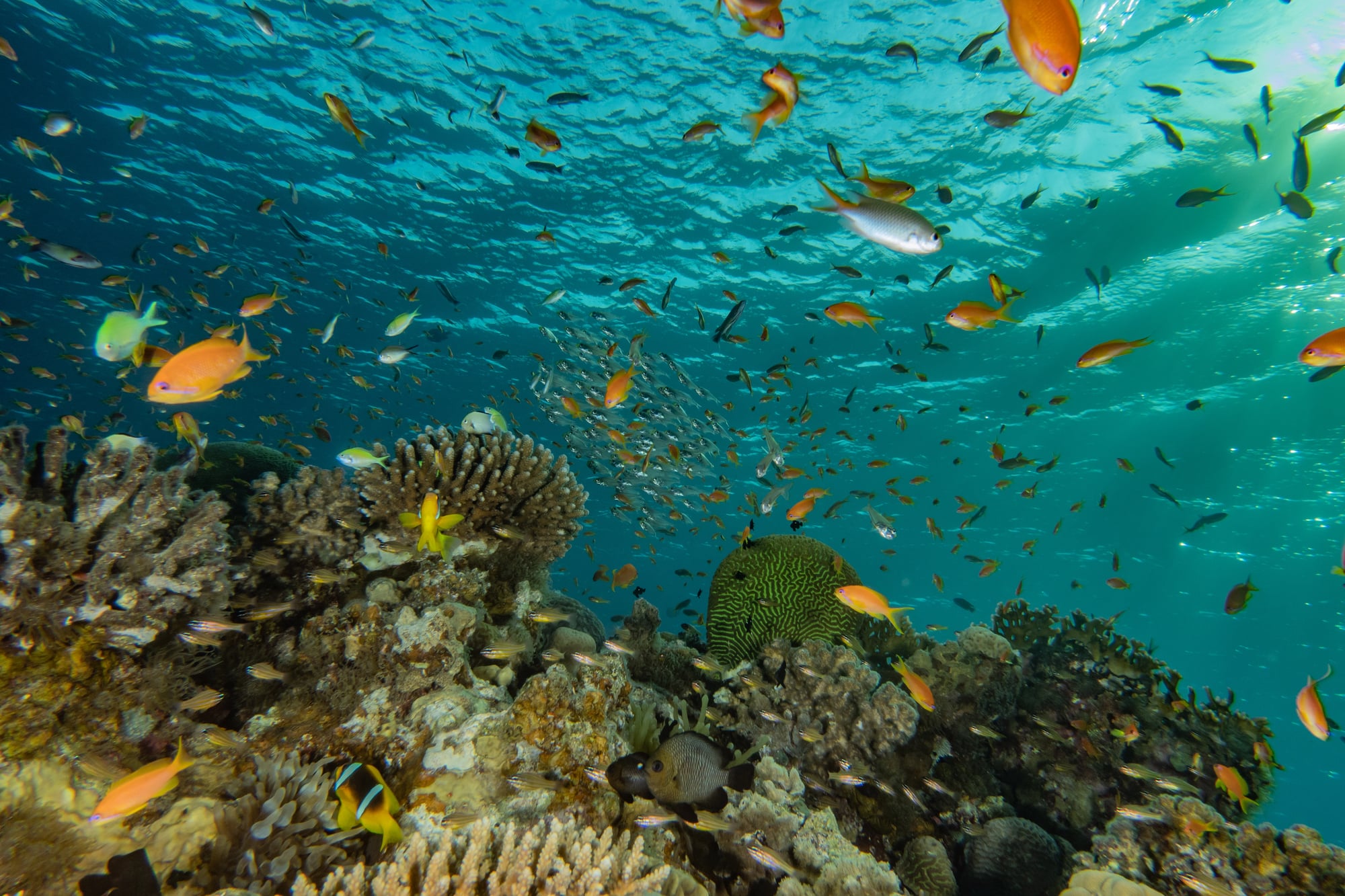
The Mariana Trench contains hydrothermal vents where superheated water erupts from the seafloor, creating oases of life in the deep sea. These vents support communities of organisms that exist completely independent of sunlight, deriving energy from chemicals in the Earth’s crust instead.
These chemosynthetic ecosystems challenge our traditional understanding of what environments can support life.
Like Go2Tutors’s content? Follow us on MSN.
Much Of It Remains Unmapped
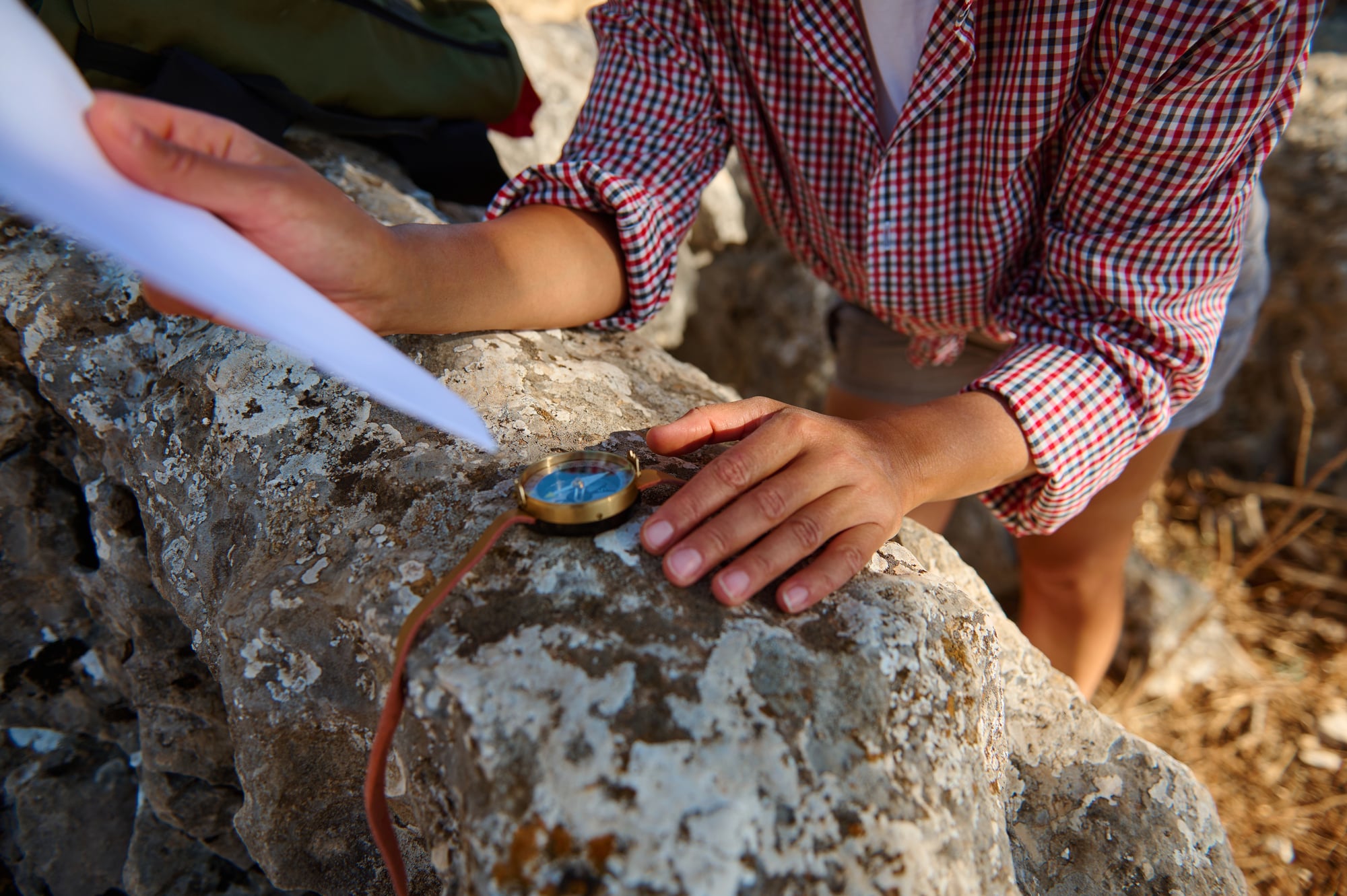
Despite advanced sonar and mapping technologies, large portions of the Mariana Trench remain poorly characterized or completely unmapped. The extreme depth and vast expanse make comprehensive surveys technically challenging and prohibitively expensive.
Many potential discoveries, including new species, geological features, and perhaps even resources, likely await in these unexplored regions.
It’s A Natural Carbon Sink
The Mariana Trench plays an important role in Earth’s carbon cycle by acting as a natural carbon sink. Organic matter that sinks to these extreme depths becomes effectively sequestered from the atmosphere for geological timescales.
Understanding these natural carbon sequestration processes could provide insights for addressing climate change, though our knowledge of deep-ocean carbon cycling remains limited.
It Contains Areas With Different Depths
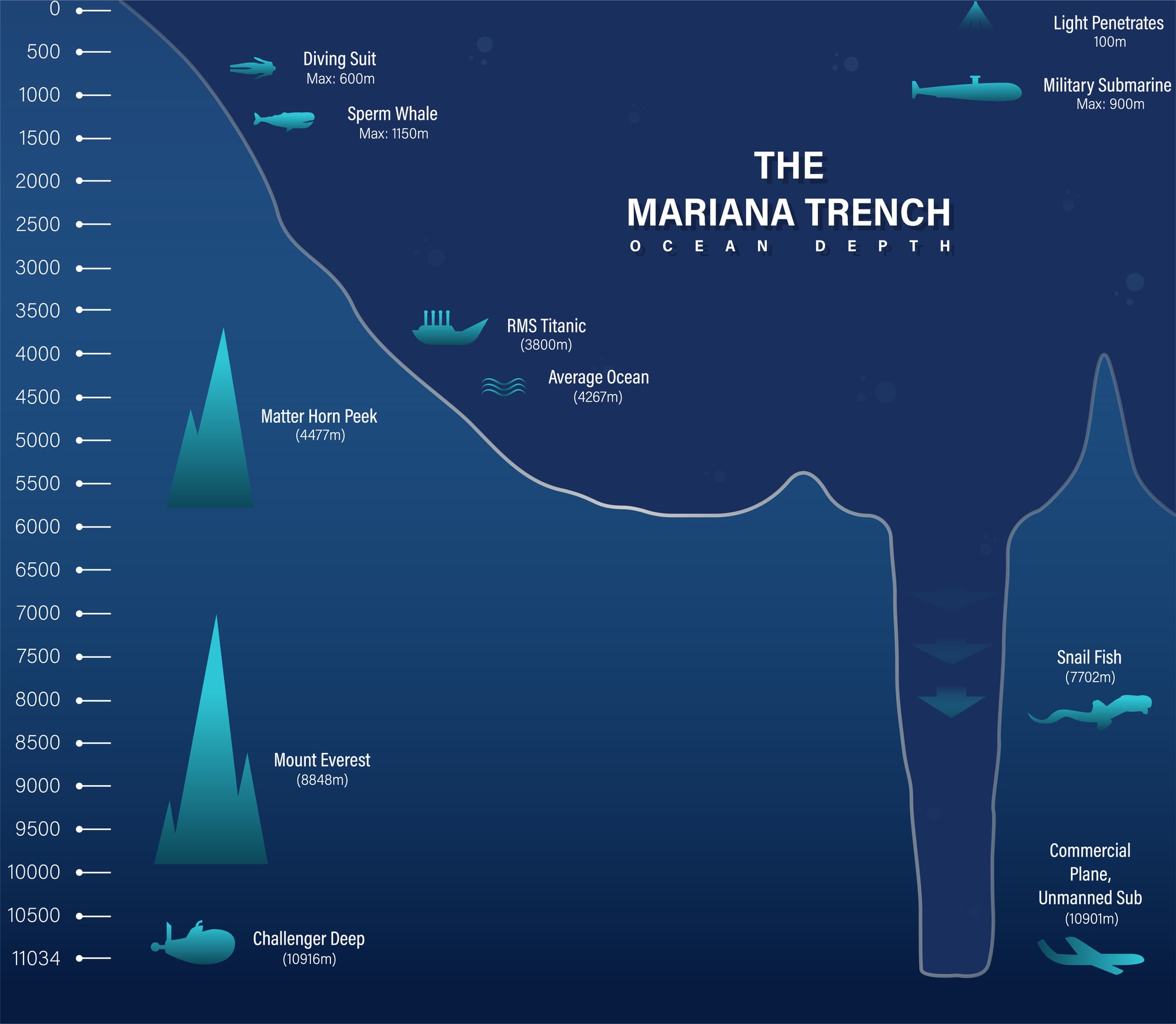
Contrary to popular belief, the Mariana Trench isn’t uniformly deep throughout its length. Its depth varies considerably across its 1,580-mile expanse, with several distinct depressions and elevated areas.
Scientists continue to discover new features as mapping technology improves, revealing a complex underwater landscape with diverse habitats and geological formations.
Like Go2Tutors’s content? Follow us on MSN.
It’s Home To Fish That Can Ward Off Predators With Light
Recently discovered fish species in the Mariana Trench have evolved the ability to produce their own light through bioluminescence, despite living in an environment without sunlight. Some use this ability to attract prey, while others use it to confuse predators or communicate with potential mates.
These remarkable adaptations demonstrate the incredible ingenuity of evolutionary processes in extreme environments.
Depths Still Conceal Countless Mysteries
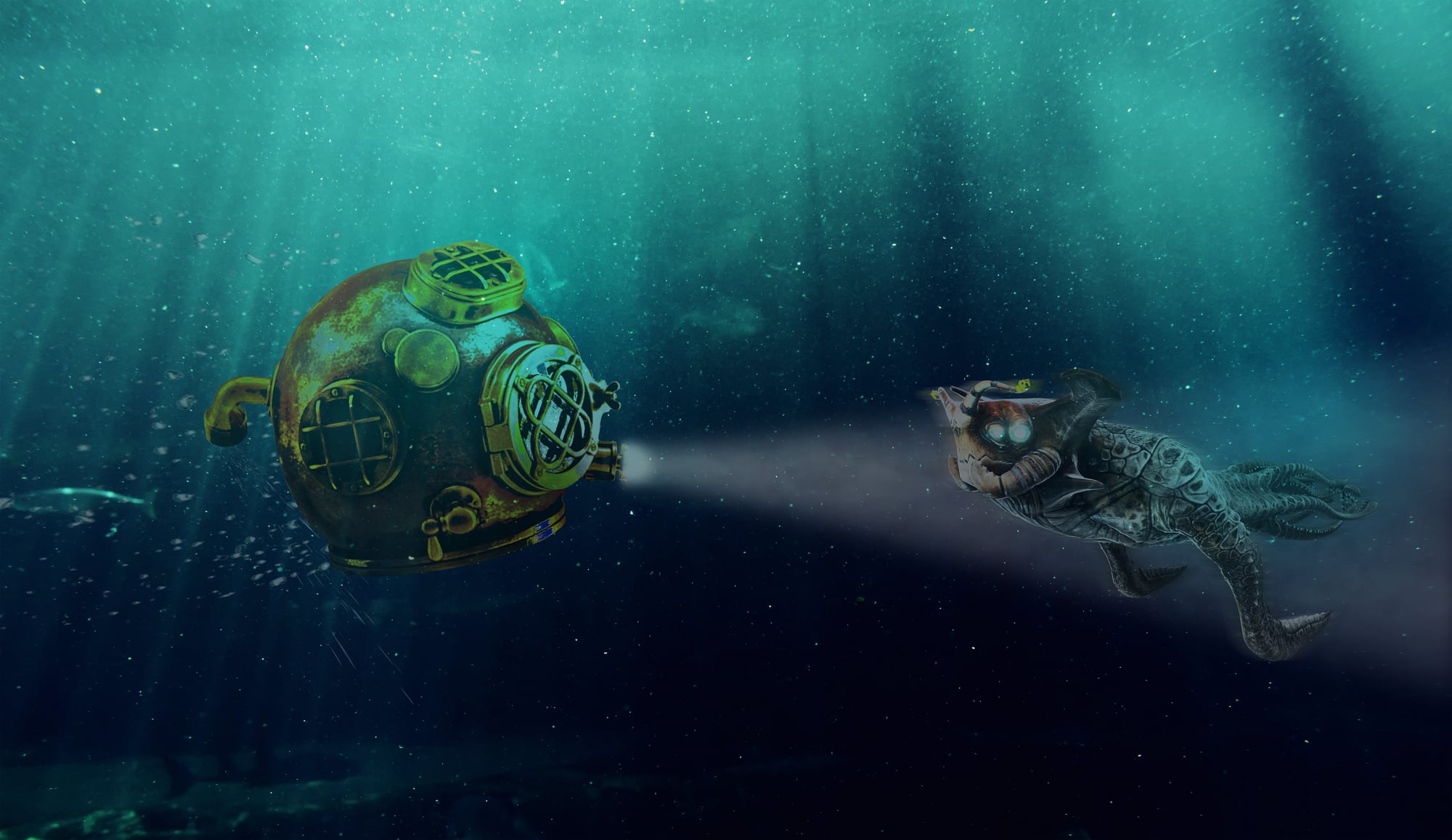
Despite all we’ve learned about the Mariana Trench, scientists estimate that we’ve explored less than 20% of its total area with any degree of detail. New research missions continue to reveal surprising discoveries, from unknown species to unexpected geological features.
With each expedition, researchers uncover new questions about how life adapts to such extreme conditions and what other secrets might lie hidden in Earth’s deepest waters.
The Mariana Trench stands as a humbling reminder of nature’s complexity and the frontiers that remain even on our own planet. As exploration technology continues to advance, this underwater chasm promises to yield more insights about our world’s geological history and the remarkable adaptability of life.
Yet even as we push the boundaries of what we can explore, the trench’s sheer scale and hostility ensure it will likely keep many of its secrets for generations to come.
More from Go2Tutors!

- 20 Historical Artifacts That Scientists Can’t Explain
- 20 Little-Known Historical Battles That Had Huge Consequences
- 20 Weapons from the Past That Were Deemed Too Barbaric for War
- 20 Abandoned Military Bases and the Stories Behind Them
- 20 Discontinued Snacks from the 70s and 80s That We Still Miss
Like Go2Tutors’s content? Follow us on MSN.



