17 Deadliest Volcanic Eruptions in Recorded History
Natural disasters have a way of reminding humans just how small they really are. Earthquakes last minutes. Hurricanes blow through in days.
But volcanic eruptions? They can reshape entire continents and alter the course of civilizations. Some eruptions are violent spectacles that end quickly.
Others simmer and smolder, slowly poisoning the air and ground for months. The deadliest ones in recorded history didn’t just kill people in the immediate blast zone — they starved entire populations, triggered tsunamis that crossed oceans, and changed global weather patterns for years.
These 17 eruptions stand apart not just for their raw destructive power, but for the sheer scale of human suffering they caused.
Mount Tambora, Indonesia (1815)
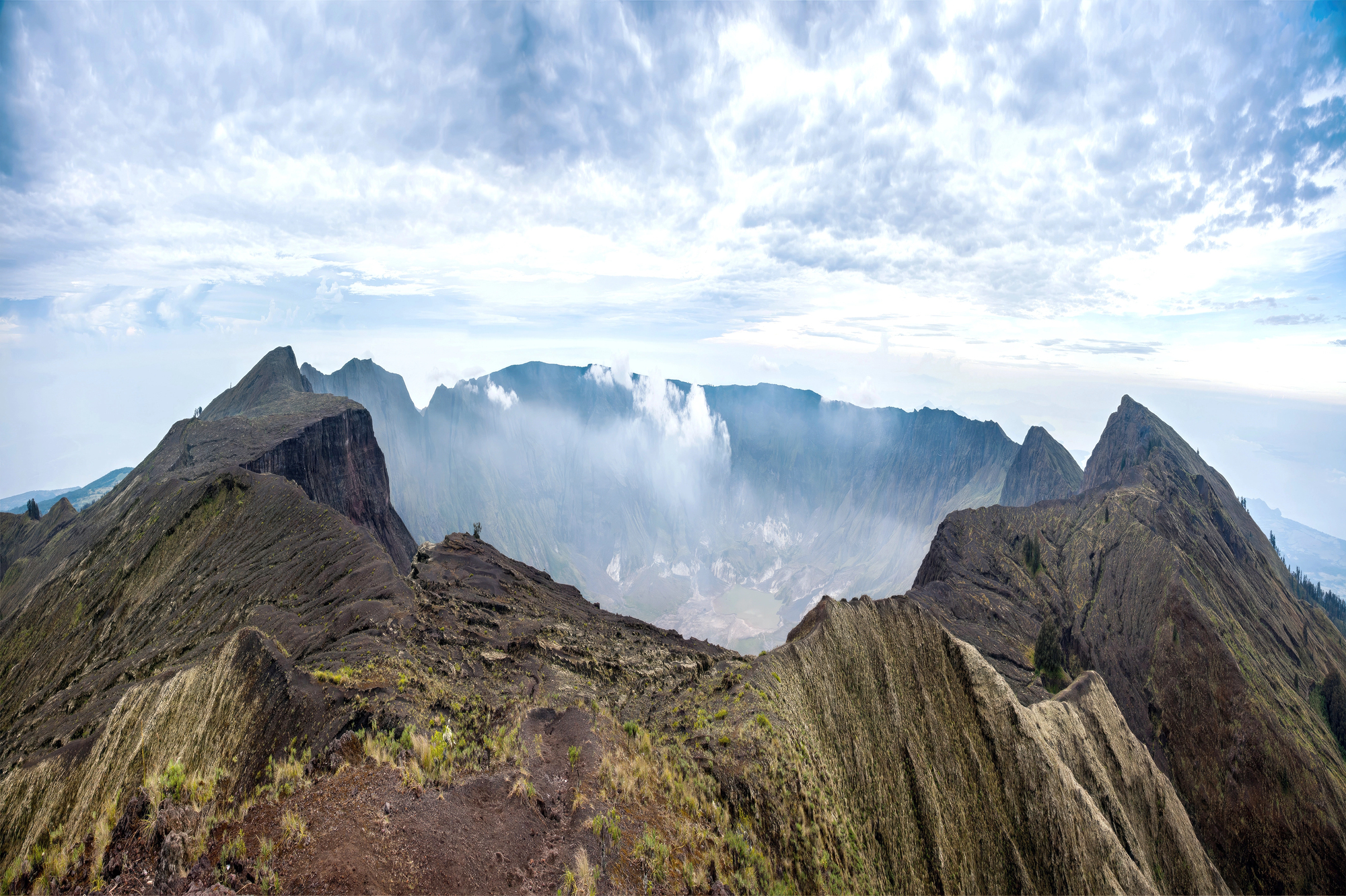
The year 1816 became known as the “Year Without a Summer.” Mount Tambora caused that.
The eruption killed roughly 10,000 people immediately. Then the real dying began.
Ash blocked sunlight across the globe. Crops failed from New England to China.
Famine spread like a slow plague, claiming another 61,000 lives in Indonesia alone. Weather patterns shifted so dramatically that snow fell in June across parts of North America and Europe.
People starved because their harvests rotted in the ground.
Krakatoa, Indonesia (1883)
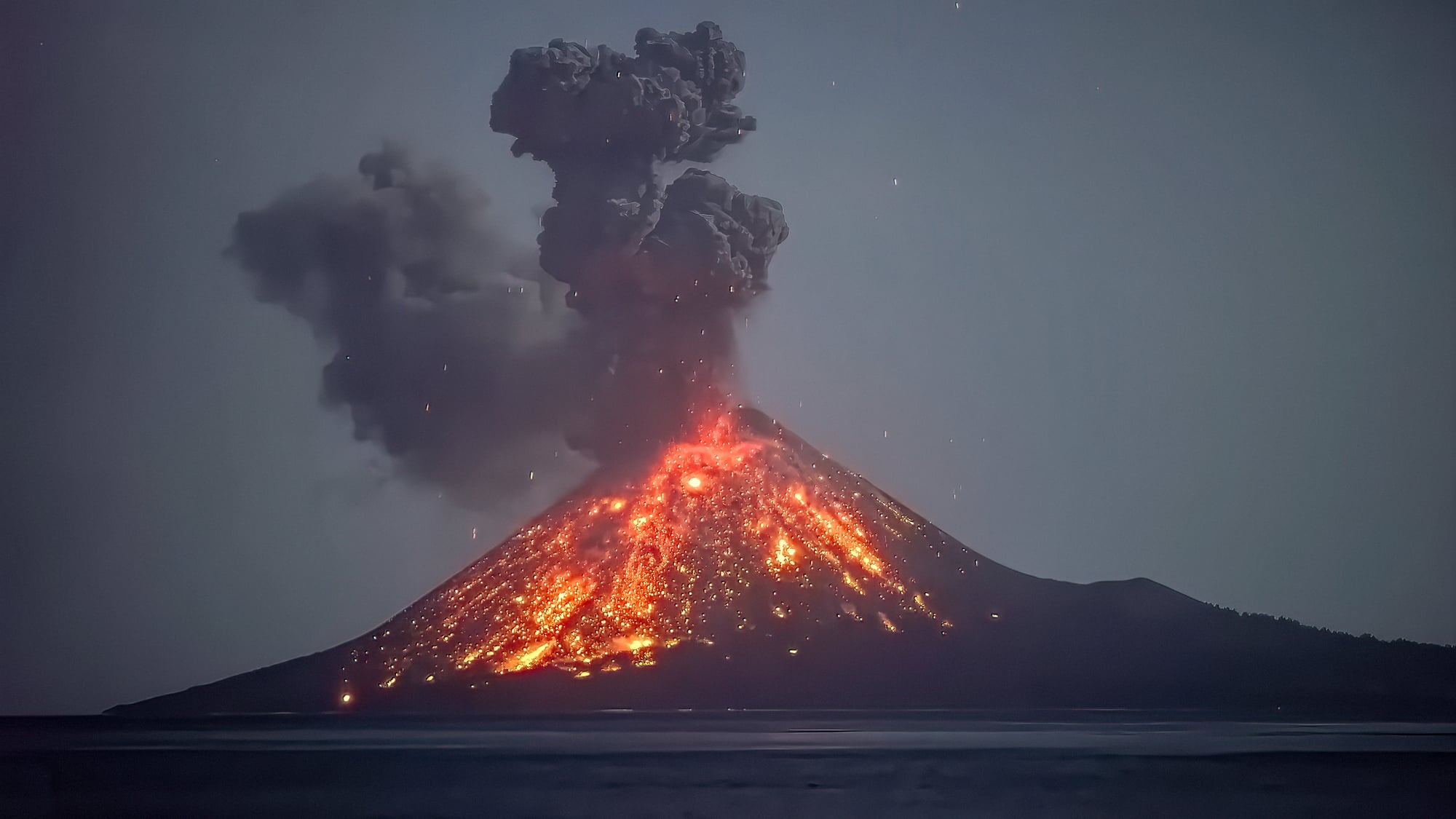
The sound of Krakatoa’s eruption traveled around the world four times — which sounds impossible until you consider that the explosion (and here’s where the physics gets genuinely unsettling) registered as loud as a 15-megaton nuclear bomb going off, except this wasn’t contained in any way, just raw volcanic fury hurled skyward with enough force to be heard 3,000 miles away. The immediate death toll reached about 36,000 people, but most didn’t die from the eruption itself.
They drowned. The explosion triggered tsunamis that reached heights of 130 feet — imagine a wall of water taller than a ten-story building racing across the ocean at 400 mph, and you start to understand why entire coastal towns simply vanished.
So complete was the destruction that some islands were permanently erased from maps, their very existence wiped clean by waves that moved with the force of liquid mountains.
Galunggung, Indonesia (1822)
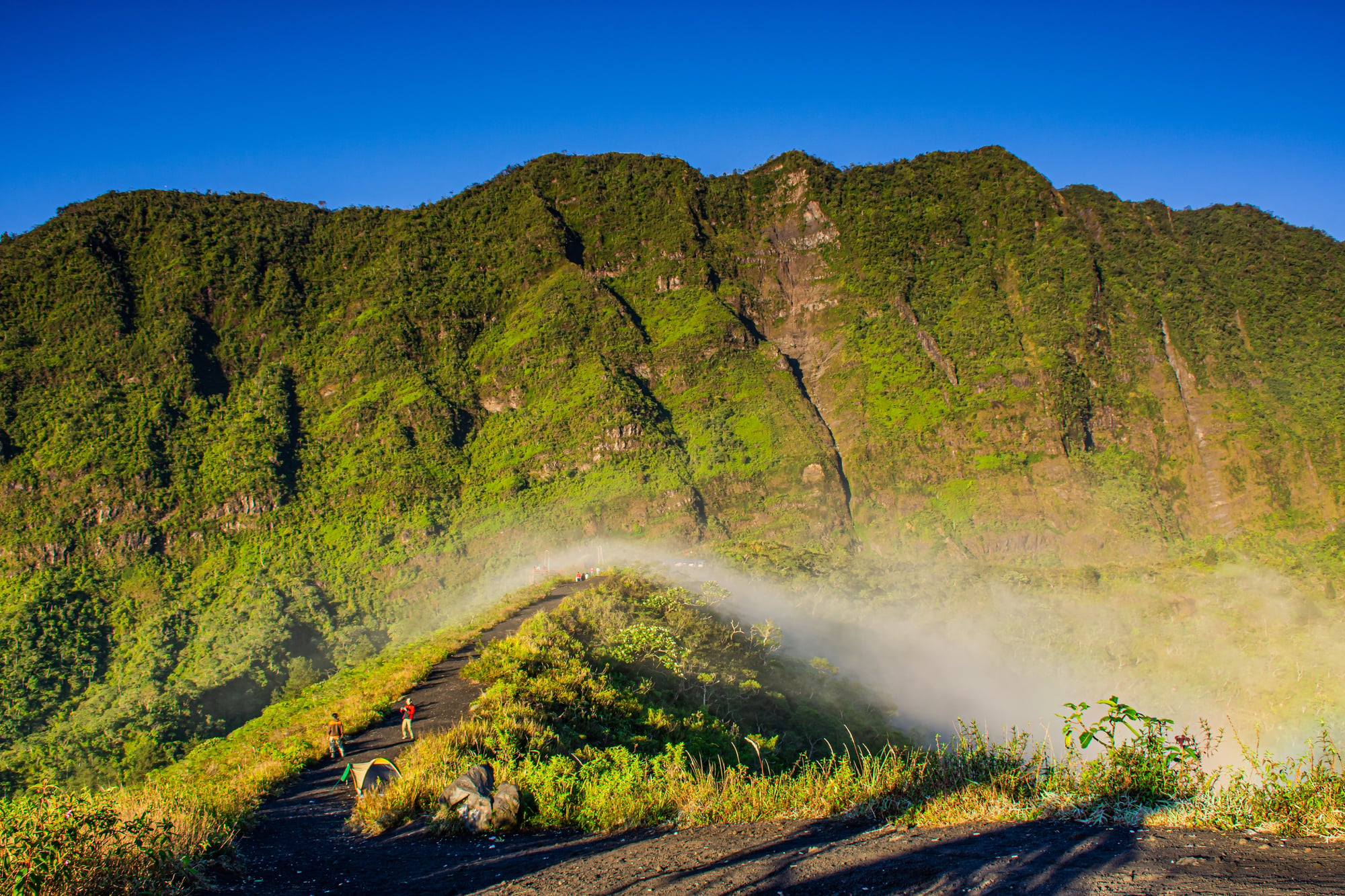
There’s something particularly cruel about the way Galunggung killed people. The mountain didn’t announce itself with a single catastrophic blast.
Instead, it simmered and spewed for months, methodically poisoning everything within reach. The eruption lasted from October 1822 to January 1823.
Ash fell like toxic snow, coating rice fields and contaminating water sources. Villages that seemed safe, miles from the crater, found themselves slowly suffocating under layers of volcanic debris.
By the time the mountain finally went quiet, 4,011 people had died — not in a moment of terror, but through the grinding persistence of ash and acid rain that made survival impossible.
Cotopaxi, Ecuador (1877)
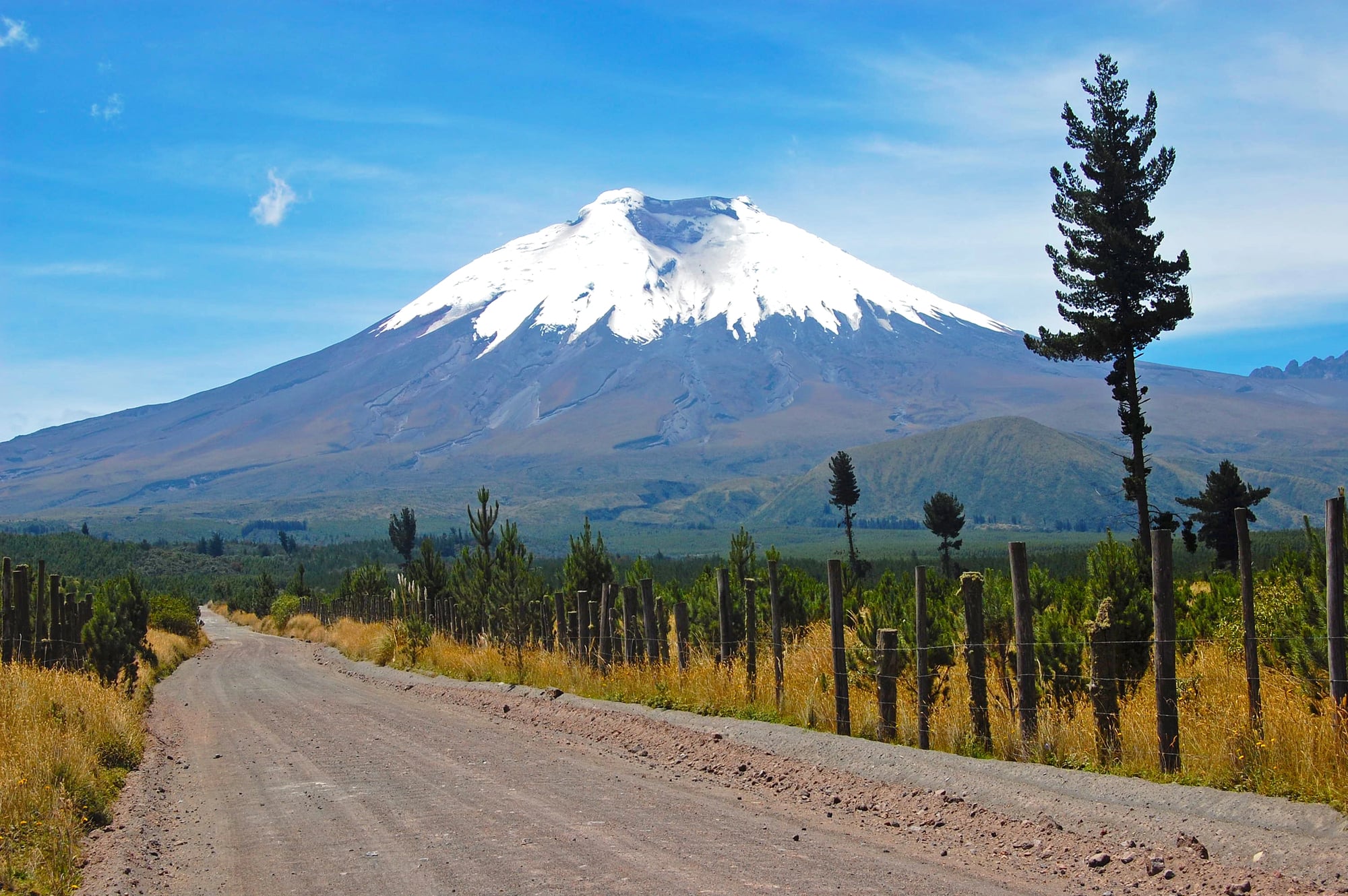
Cotopaxi proves that timing can be everything when it comes to volcanic disasters. The eruption happened to coincide with the rainy season, which turned what might have been a manageable ash fall into something far more sinister.
The mountain’s peak, covered in glacial ice, melted instantly when the eruption began. Water mixed with ash and debris to create lahars — volcanic mudflows that moved like concrete rivers down the mountain slopes.
These flows traveled over 60 miles from the volcano, sweeping away entire communities. The official death toll reached 1,000 people, though the actual number was likely higher.
Many victims were never found, buried under layers of hardened mud that turned into permanent tombs.
Cosigüina, Nicaragua (1835)
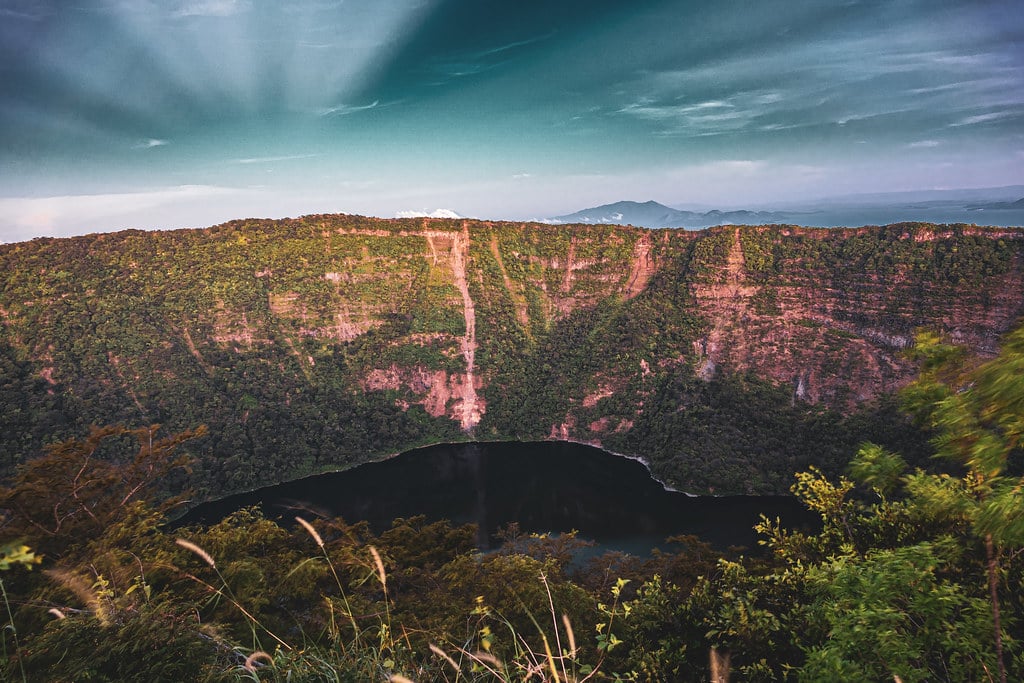
Cosigüina’s eruption was heard across an area larger than the entire continental United States, which tells you something about the sheer violence of what happened on that January morning in 1835. The explosion (because that’s really what it was — less an eruption than a detonation) sent ash columns so high into the atmosphere that they blocked sunlight across Central America for days, and the acoustic shock waves were so powerful that they shattered windows in Colombia, nearly 1,000 miles away.
But here’s what makes this eruption particularly haunting: many of the estimated several thousand deaths (exact numbers were never recorded, which is itself telling) occurred not from the initial blast but from people who suffocated slowly in their own homes as ash accumulated on rooftops until the structures collapsed, trapping families inside what became their burial chambers.
Mayon, Philippines (1814)
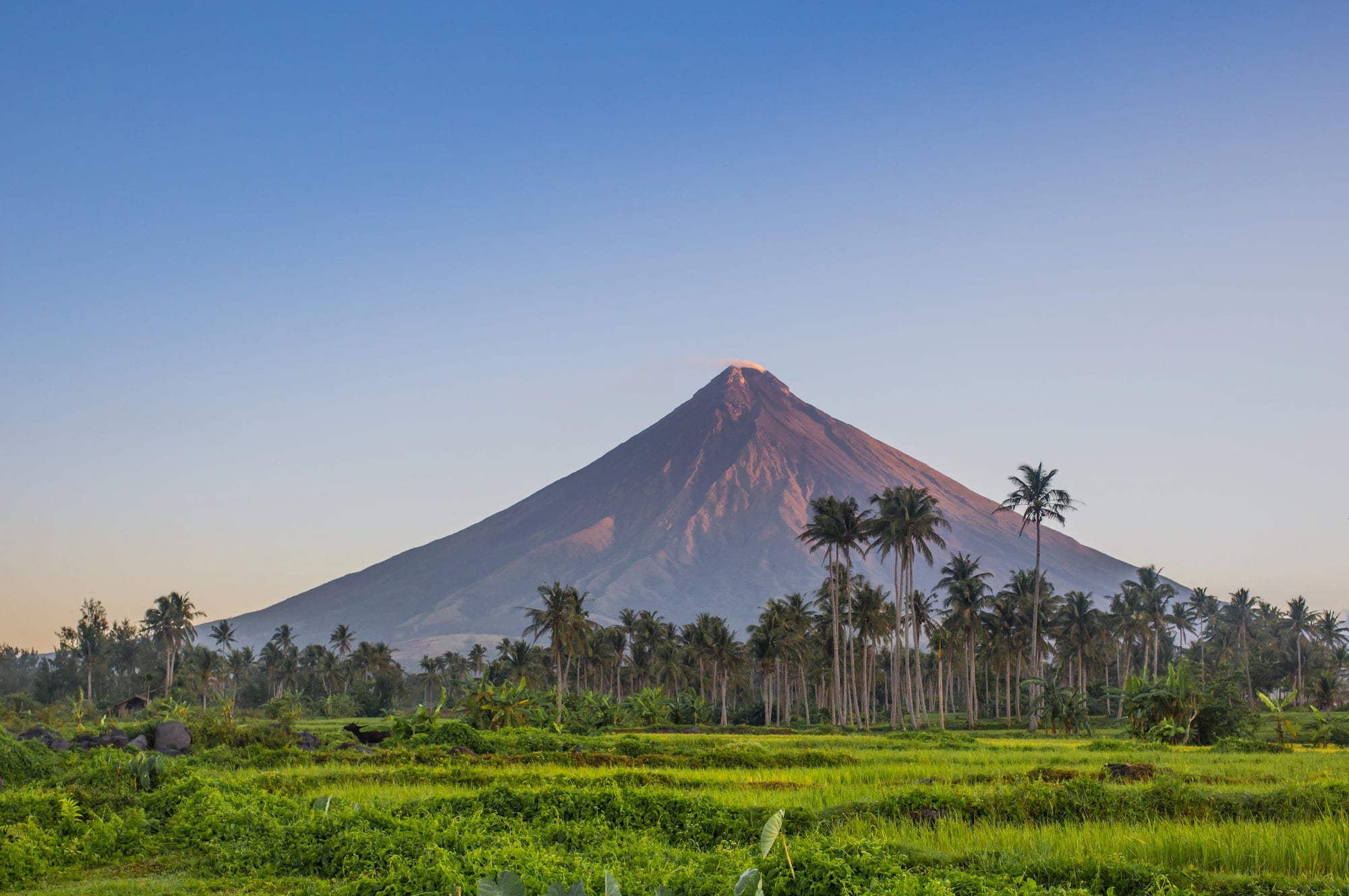
Mayon sits like a perfect cone against the Philippine sky, so geometrically beautiful that it almost seems engineered. That beauty is deceptive.
On February 1, 1814, Mayon erupted with little warning. The blast sent pyroclastic flows — superheated gas and rock fragments — racing down its slopes at speeds approaching 450 mph.
These flows incinerated everything they touched, including five entire towns that simply vanished. The death toll reached 2,200 people.
Most died instantly, which was probably a mercy given the alternative of slow suffocation under volcanic ash that continued falling for days afterward.
Laki, Iceland (1783)
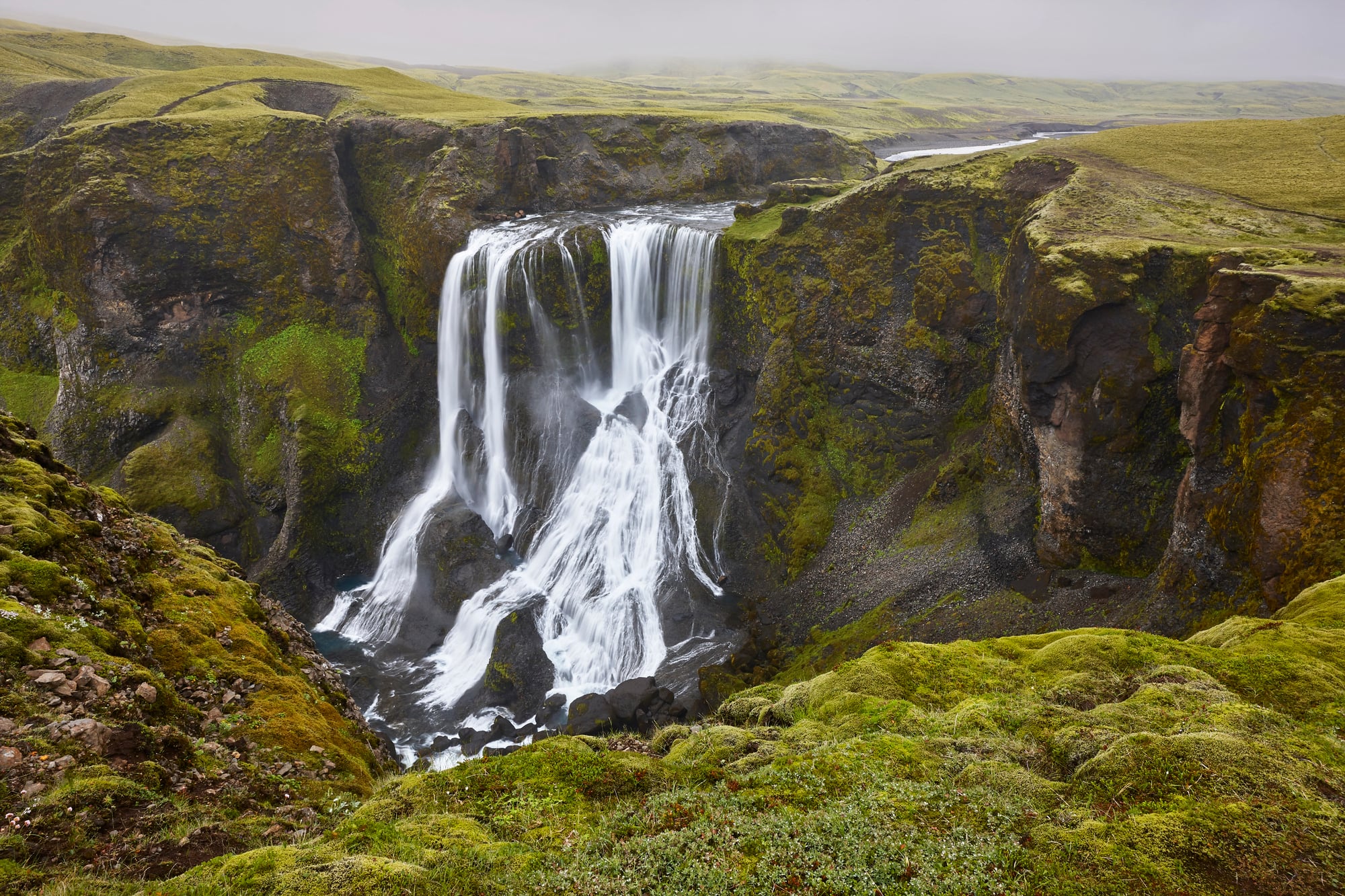
Laki didn’t kill with drama. It killed with persistence and poison, the way carbon monoxide kills — quietly, steadily, without mercy.
The eruption began in June 1783 and continued for eight months. Instead of one massive explosion, Laki produced a continuous outpouring of lava and toxic gases that spread across Iceland and beyond.
The fluorine gas poisoned livestock and crops. The sulfur dioxide created acid rain that burned through everything it touched.
In Iceland alone, the eruption killed 20% of the population — about 10,000 people. The toxic haze drifted across Europe, causing respiratory deaths from England to Italy.
The total death toll likely exceeded 23,000 people across multiple countries.
Unzen, Japan (1792)
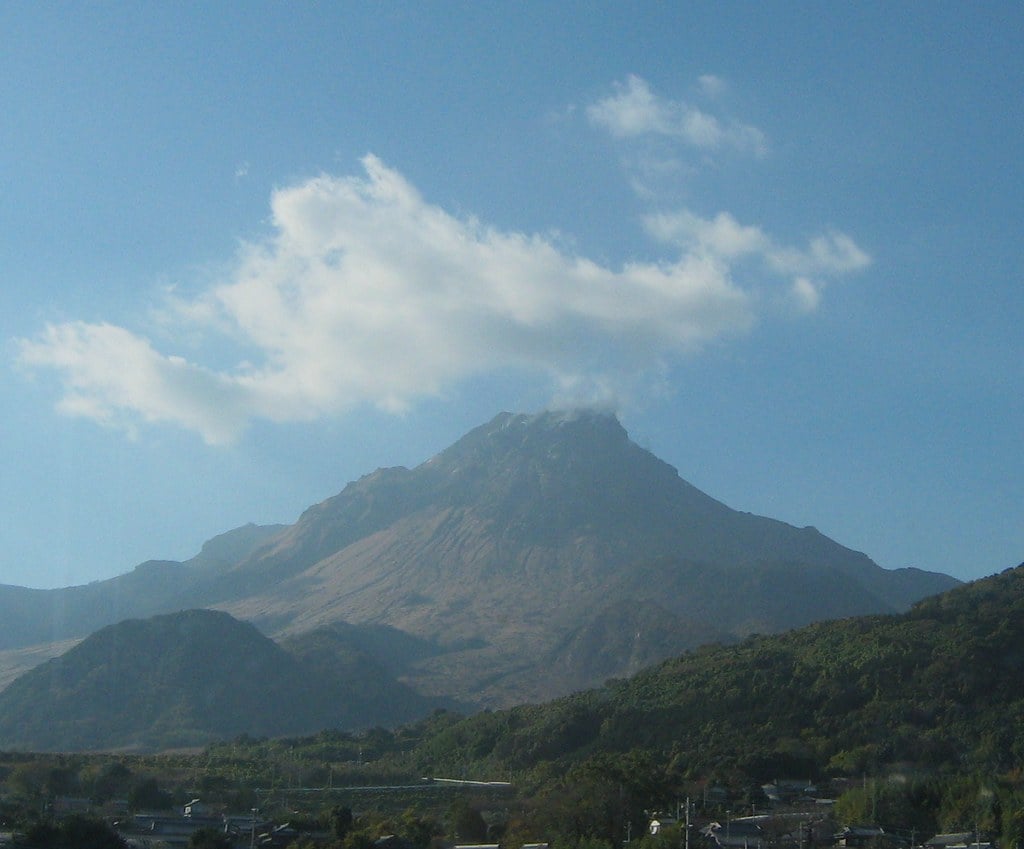
The mountain itself didn’t kill most of the victims at Unzen (which is the kind of detail that sticks with you once you learn it, because it means something else did the actual killing, something the eruption set in motion but didn’t directly control). What happened was this: the eruption destabilized an entire section of the volcano’s eastern flank, which then collapsed into the sea with enough force to displace massive volumes of water — and when that much earth hits the ocean that quickly, the ocean responds by sending the energy right back toward shore in the form of a tsunami that reached heights of nearly 200 feet.
The wave struck the Shimabara Peninsula with such violence that it erased entire coastal communities, and the death toll reached 15,000 people, making this not just one of Japan’s deadliest volcanic disasters but one of its deadliest tsunamis as well.
Kelud, Indonesia (1919)
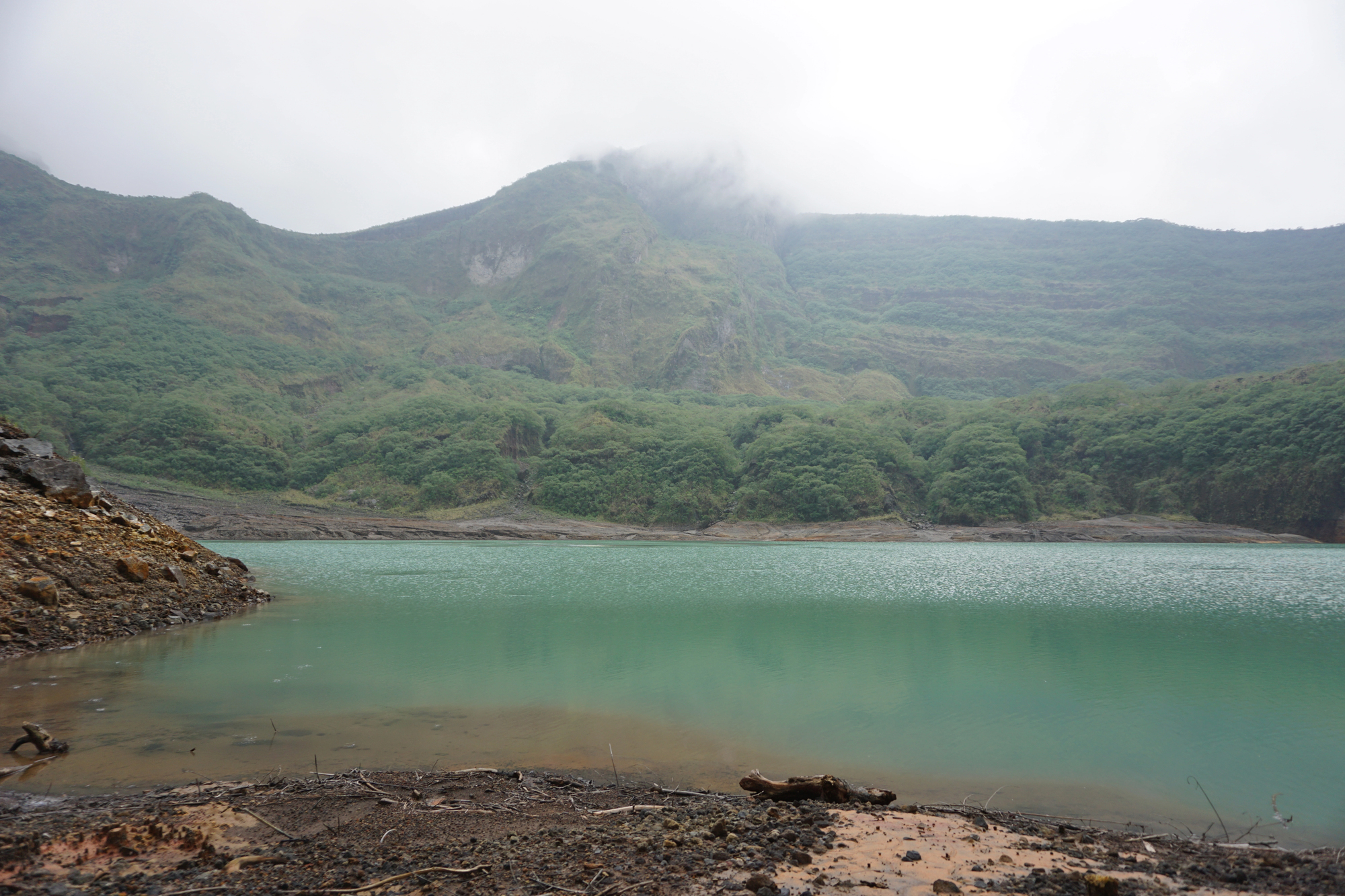
Kelud’s crater lake turned into a weapon when the mountain erupted. The explosion launched millions of gallons of boiling acidic water that had been sitting in the volcanic crater.
This superheated water mixed with volcanic debris to create lahars that flowed down the mountain like rivers of liquid cement. The flows moved fast enough to outrun most people trying to escape on foot.
The mudflows traveled over 20 miles from the crater, destroying 104 villages and killing 5,110 people. The Indonesian government later built tunnels to drain Kelud’s crater lake, hoping to prevent similar disasters in the future.
Papandayan, Indonesia (1772)
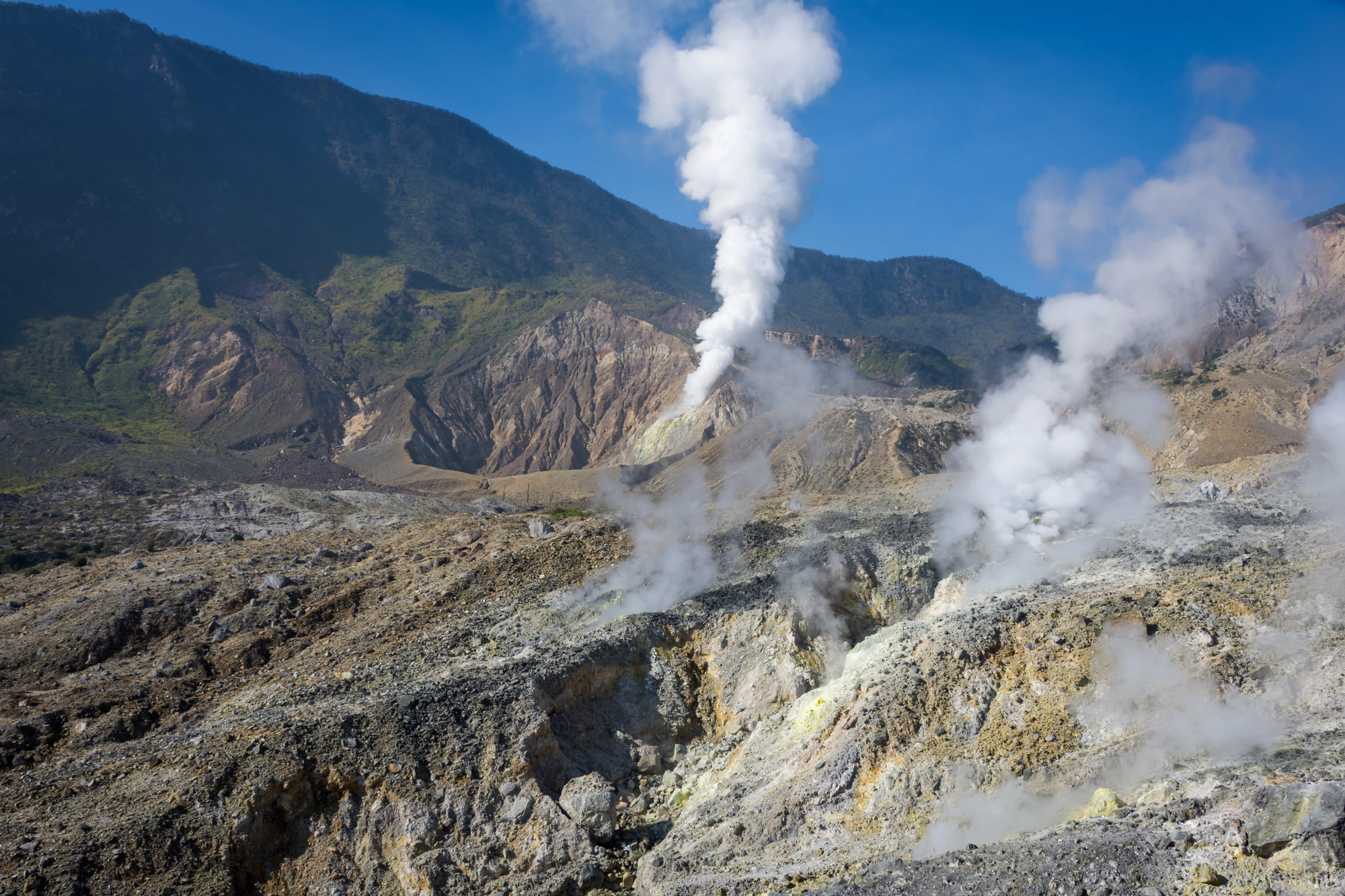
Papandayan collapsed rather than simply erupted. On August 11, 1772, roughly one-third of the mountain suddenly gave way and slid into the surrounding valleys below.
The collapse happened so quickly that 2,957 people died before they could react. Entire villages disappeared under millions of tons of debris that buried the landscape so completely that the local geography was permanently altered.
Rivers were dammed, valleys were filled, and new hills appeared where flat ground had been moments earlier.
Ruiz, Colombia (1985)
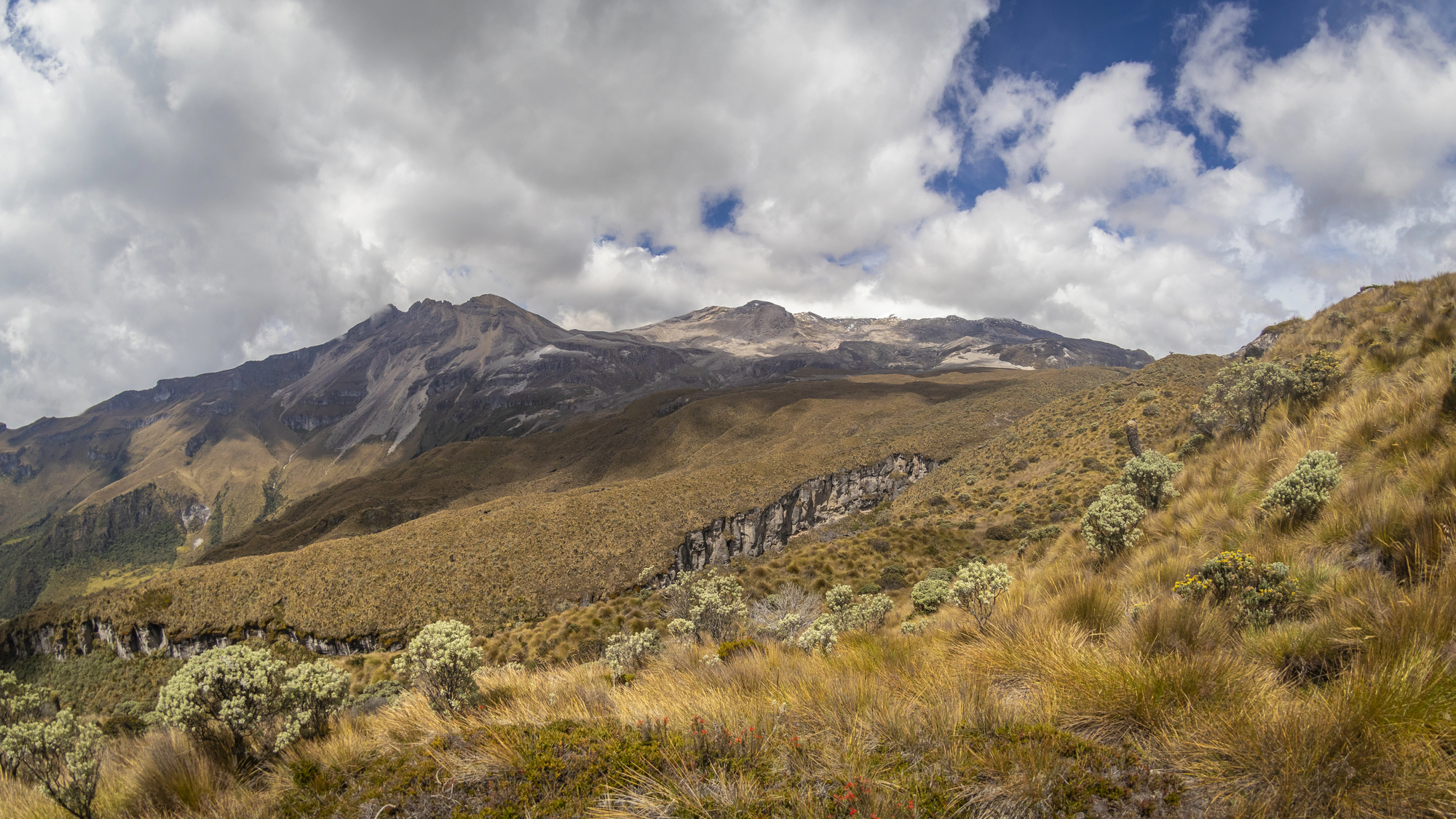
The Armero tragedy remains one of the most documented volcanic disasters in modern history. Nevado del Ruiz erupted on November 13, 1985, melting the mountain’s ice cap and creating lahars that raced down river valleys toward populated areas below.
The town of Armero, built on an old lahar deposit, sat directly in the path of the mudflows. Despite volcanic monitoring and early warning systems, evacuation orders came too late.
23,000 people died, most of them in Armero. The mudflows were only about 10 feet deep in most places, but they moved with enough force to demolish buildings and carried enough debris to trap people who might otherwise have survived.
Santa Maria, Guatemala (1902)
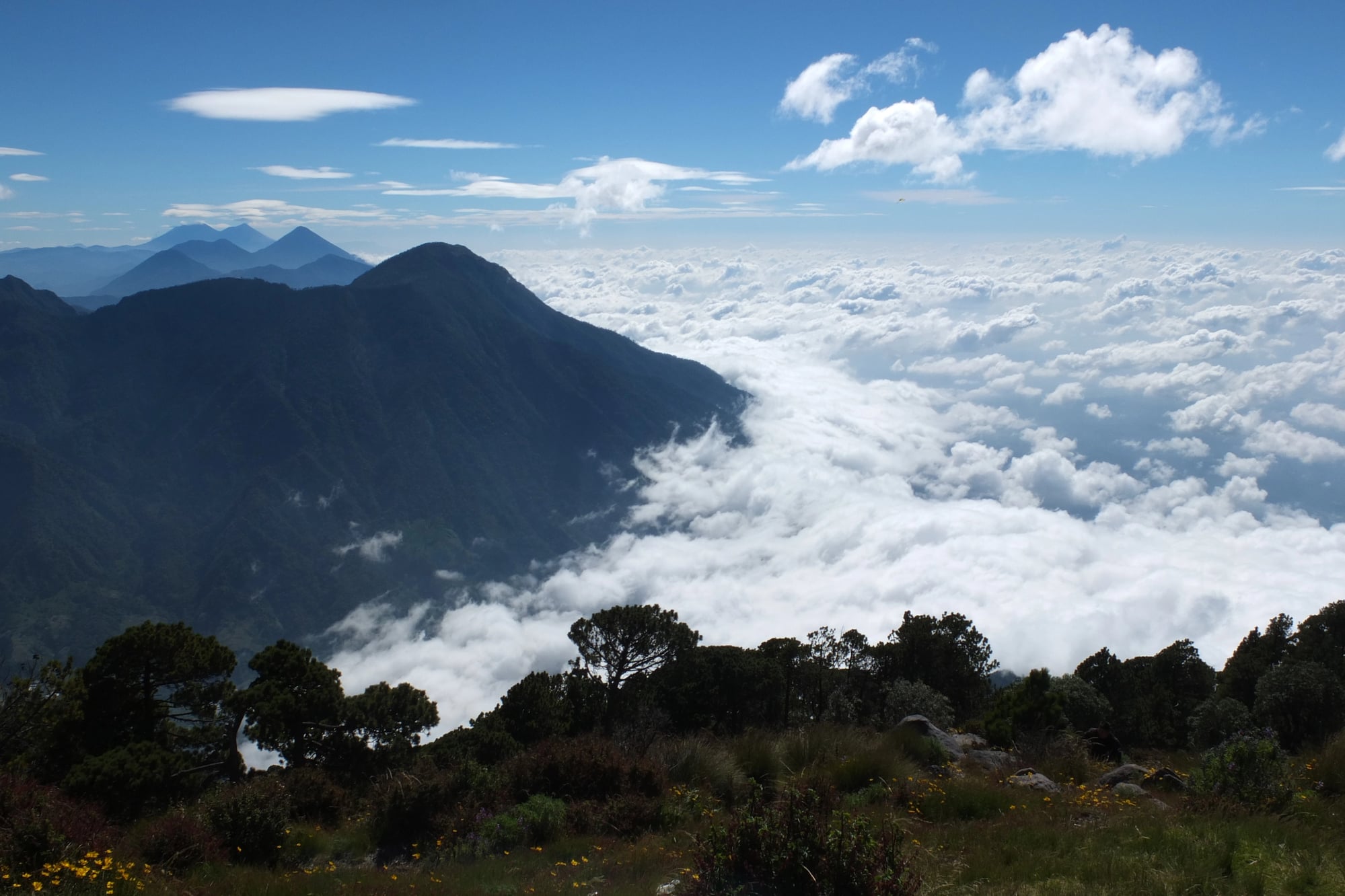
Santa Maria had been quiet for roughly 500 years when it decided to announce its presence with what became one of the largest eruptions of the 20th century. The blast was so violent that it could be heard 1,000 miles away, and the ash column reached an estimated height of 17 miles above sea level (which puts it well into the stratosphere, where it would remain suspended for months, affecting global weather patterns).
The eruption created a crater nearly a mile wide on the mountain’s southwest flank and killed approximately 6,000 people, though the actual number remains uncertain because many remote villages were completely buried under ash deposits that reached depths of several feet. What makes Santa Maria particularly significant is that it marked the beginning of an ongoing period of volcanic activity in the region that continues to this day, with the growth of a new lava dome called Santiaguito that formed in the original blast crater.
La Soufrière, St. Vincent (1902)
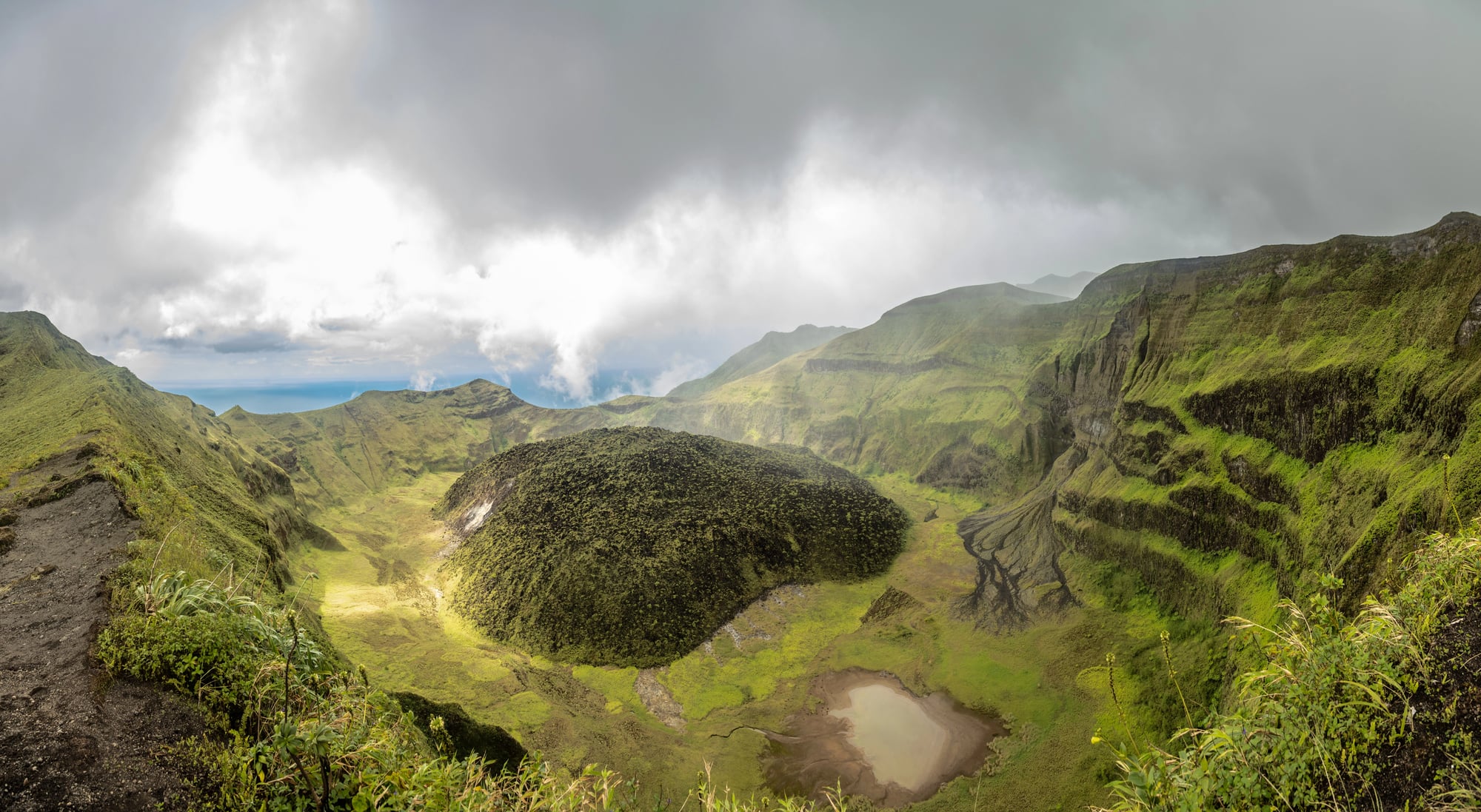
La Soufrière chose its timing poorly. The eruption began on May 7, 1902 — just one day before Mount Pelée devastated Martinique, just 90 miles to the north.
With global attention focused on the larger disaster at Pelée, the destruction on St. Vincent received far less notice. The eruption killed 1,680 people on St. Vincent, mostly from pyroclastic flows that incinerated everything in their path.
Ash fall was so heavy that it collapsed roofs across the northern part of the island, burying entire families in their homes. The timing meant that rescue efforts were delayed and international aid was slower to arrive.
Many survivors suffered for weeks without adequate food, water, or medical attention while the world focused on the more dramatic disaster unfolding on Martinique.
Hibok-Hibok, Philippines (1951)
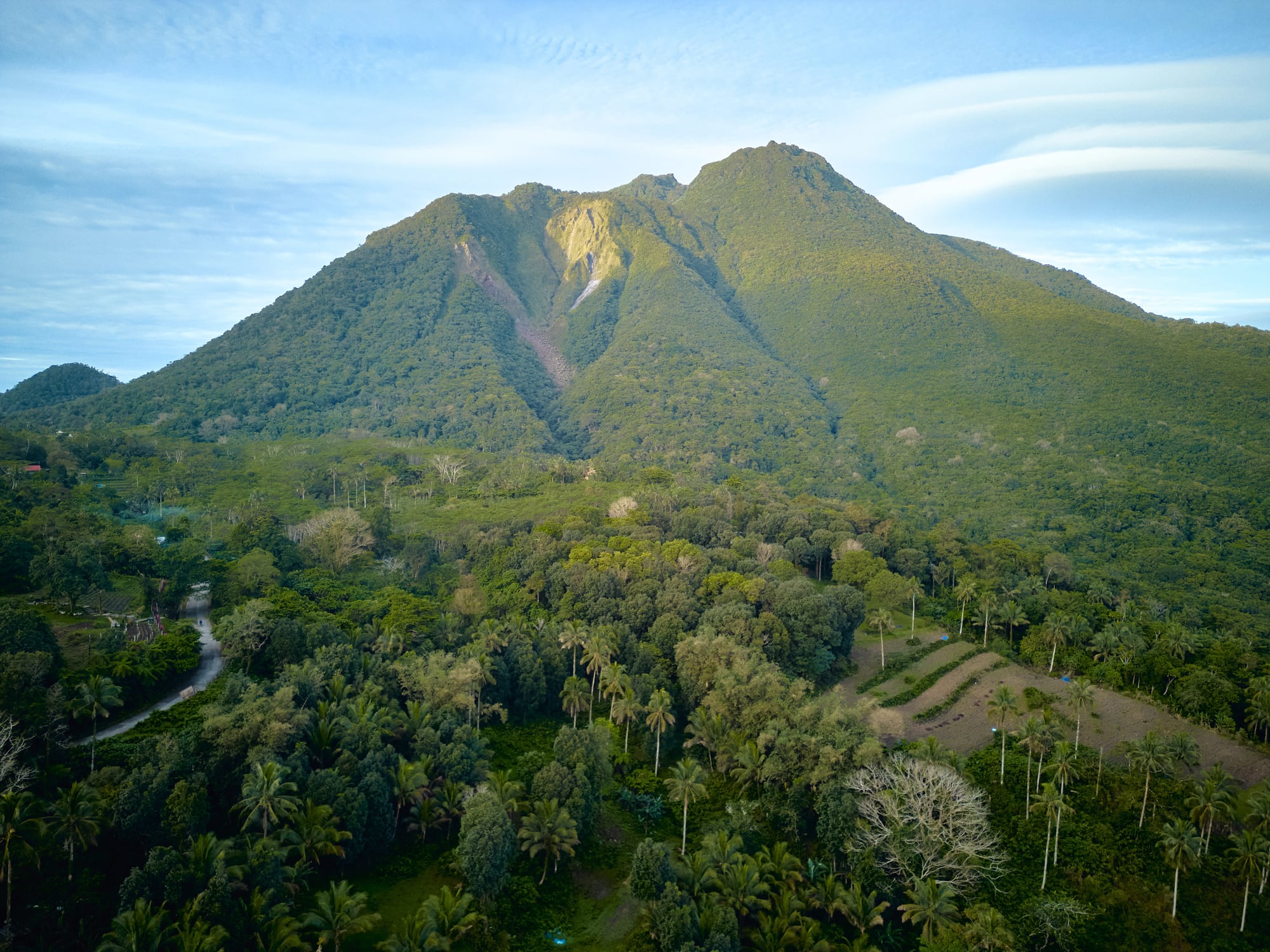
Hibok-Hibok gave plenty of warning before it erupted, which makes the death toll more tragic. The mountain had been showing signs of unrest for months, with earthquakes and steam emissions that clearly indicated something major was building beneath the surface.
On December 4, 1951, the volcano finally erupted with a series of pyroclastic flows that devastated the island of Camiguin. The flows moved at speeds of over 60 mph and reached temperatures of nearly 1,500 degrees Fahrenheit.
500 people died, mostly from burns and suffocation. Many of the victims were found in positions suggesting they had tried to run from the advancing flows but were overtaken within sight of what they thought would be safety.
Lamington, Papua New Guinea (1951)
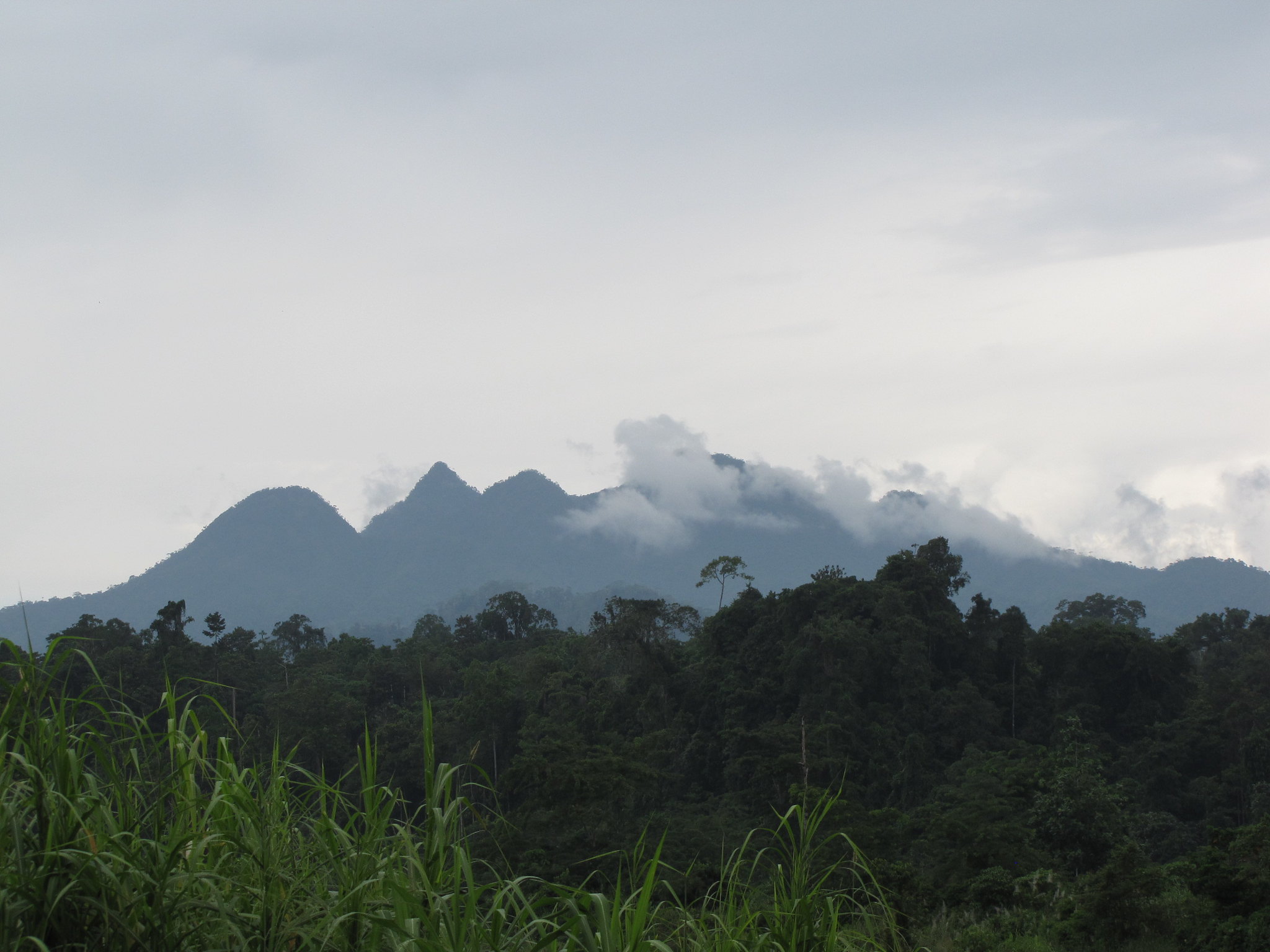
Mount Lamington wasn’t even recognized as a volcano until it erupted and killed 2,942 people (which says something disturbing about how little was understood about the geological dangers in remote regions of the world during the mid-20th century, but also explains why so many people were living and working in what turned out to be an extraordinarily dangerous location). The mountain had been dormant for so long that thick jungle covered its slopes, and local communities had established plantations and settlements throughout the area without realizing they were essentially living inside a volcanic blast zone.
On January 21, 1951, Lamington erupted with almost no warning, producing pyroclastic flows that moved at hurricane speeds down its slopes, incinerating everything they encountered and creating a disaster that was particularly horrific because it was so completely unexpected.
Agung, Indonesia (1963)
Agung’s 1963 eruption unfolded like a slow-motion catastrophe that gave people just enough hope to make the eventual devastation more cruel. The mountain began showing signs of activity in February, with increasing earthquakes and steam emissions that suggested something significant was building.
The major eruption finally came in March, but it wasn’t the initial blast that did most of the killing. Agung continued erupting intermittently for nearly a year, producing pyroclastic flows and lahars that made normal life impossible across much of eastern Bali.
1,584 people died, many of them from starvation and disease rather than direct volcanic violence. Crops were destroyed, water sources were contaminated, and entire communities were displaced for months.
The eruption showed how volcanic disasters can kill long after the mountain goes quiet.
El Chichón, Mexico (1982)
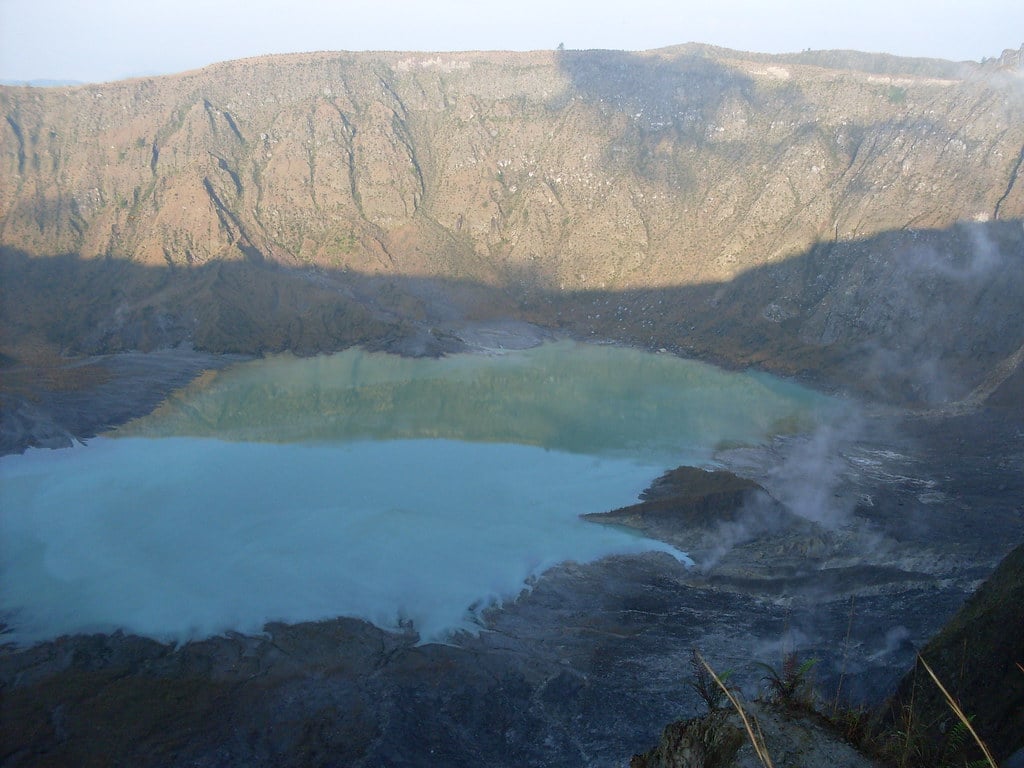
El Chichón had been quiet for over 600 years when it suddenly exploded on March 28, 1982. The eruption caught everyone off guard — including scientists, who had classified the mountain as potentially inactive.
Three major explosions over the course of a week destroyed nine villages and killed approximately 2,000 people. The eruptions produced pyroclastic flows that traveled over 5 miles from the crater, moving fast enough to overtake people trying to flee by vehicle.
The disaster was made worse by the remote location, which delayed rescue efforts and made it difficult to get accurate casualty counts. Many victims were never found, buried under deposits of volcanic debris that reached depths of over 15 feet in some areas.
When Mountains Remember How to Kill
The deadliest volcanic eruptions share a common thread that has nothing to do with the size of the blast or the height of the ash column. They killed so many people because they happened where humans had forgotten — or never learned — that the ground beneath their feet was capable of such violence.
Tambora had been quiet for centuries before it changed global climate. Krakatoa seemed like just another tropical island until it erased itself from the map.
These mountains teach the same lesson over and over: dormant doesn’t mean dead. The longer a volcano sleeps, the more violently it tends to wake up.
The 17 eruptions listed here claimed over 200,000 lives. They also claimed the illusion that humans can predict or control the forces that built the very ground we live on.
More from Go2Tutors!

- The Romanov Crown Jewels and Their Tragic Fate
- 13 Historical Mysteries That Science Still Can’t Solve
- Famous Hoaxes That Fooled the World for Years
- 15 Child Stars with Tragic Adult Lives
- 16 Famous Jewelry Pieces in History
Like Go2Tutors’s content? Follow us on MSN.



