13 Things to Know About the One-Minute Outer Space Trip
The most accessible option may surprise you with how short it is, and space tourism has officially transitioned from science fiction to reality. In trips that take only a few minutes from launch to landing, companies such as Virgin Galactic and Blue Origin are now providing civilians with the opportunity to experience space.
Without the months-long missions and years of training that traditional astronauts must endure, these suborbital flights offer a true taste of space travel.The experience offers passengers weightlessness, breathtaking views of the Earth, and bragging rights that very few people on the planet can claim.
It packs an amazing amount of information into a very short amount of time. The impact on passengers seems to last a lifetime, even though the actual time spent in space is measured in minutes rather than hours.
These 13 key facts about these brief but remarkable trips to the edge of space are provided here.
It’s Actually About Four Minutes in Space

Despite being called a ‘one-minute trip,’ the actual time spent in space is closer to four minutes, though this depends on which definition of space you use. Blue Origin flights cross the internationally recognized Kármán line at 62 miles above Earth, while Virgin Galactic flights peak around 50-55 miles, which the U.S. counts as space but falls short of the international standard.
The entire flight from takeoff to landing lasts about 11 minutes, but only a fraction of that time is spent in the weightless environment that defines the space experience.
The View Is Life-Changing

Passengers consistently report that seeing Earth from space fundamentally changes their perspective on life and humanity. The thin blue line of atmosphere becomes starkly visible, showing just how fragile our planet’s protective layer really is.
From space, national borders disappear entirely, and Earth appears as a single, unified sphere floating in the vast darkness of space, creating what many astronauts call the ‘overview effect.’
Like Go2Tutors’s content? Follow us on MSN.
Training Takes Just a Few Days
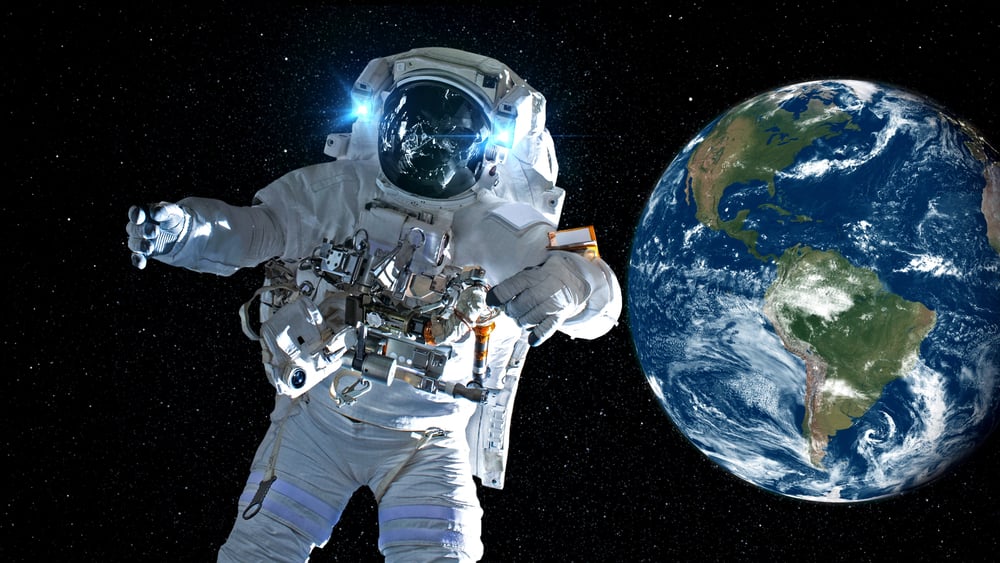
Training requirements vary by company, with Virgin Galactic typically requiring three to five days of preparation while Blue Origin usually needs just one to two days. The training covers basic safety procedures, what to expect during launch and reentry, and how to move around safely in the microgravity cabin.
Most of the preparation focuses on emergency protocols and helping passengers mentally prepare for the intense G-forces they’ll experience during the rapid acceleration and deceleration phases.
G-Forces Hit You Hard

The G-forces vary depending on which company you fly with, but they pack a serious punch either way. Virgin Galactic passengers experience about 3.5 to 4 G’s, while Blue Origin flights can hit up to 5 G’s during reentry, which feels like having several people sitting on your chest.
The acceleration pushes you deep into your seat, making it difficult to lift your arms or even speak clearly, and these forces last only about 30 seconds each way.
It Costs Around $450,000

The current price varies by company, with Virgin Galactic selling tickets for around $450,000 while Blue Origin’s prices have ranged from $250,000 to $450,000 depending on the specific flight. This cost covers the flight itself, training, flight suit, and the exclusive experience of joining fewer than 700 people who have ever been to space.
Companies hope to eventually reduce prices as technology improves and flights become more routine, but significant cost reductions are likely still years away.
Like Go2Tutors’s content? Follow us on MSN.
No Bathroom Breaks Allowed
The flight is too short and the logistics too complex for bathroom facilities, so passengers must take care of all personal needs before strapping in. The combination of pre-flight nerves, excitement, and the body’s natural response to stress means this can be a genuine concern for some passengers.
Companies recommend limiting fluid intake before the flight and using the restroom multiple times before boarding.
You Launch Vertically Like a Rocket

Blue Origin’s New Shepard launches straight up like a traditional rocket, accelerating passengers from zero to over 2,000 miles per hour in just a few minutes. The vertical takeoff creates an immediate sense of power and speed that’s completely different from airplane travel.
Passengers are pushed back into their seats with tremendous force as the rocket engines fire, creating an experience that feels like being shot out of a cannon.
The Capsule Separates From the Booster
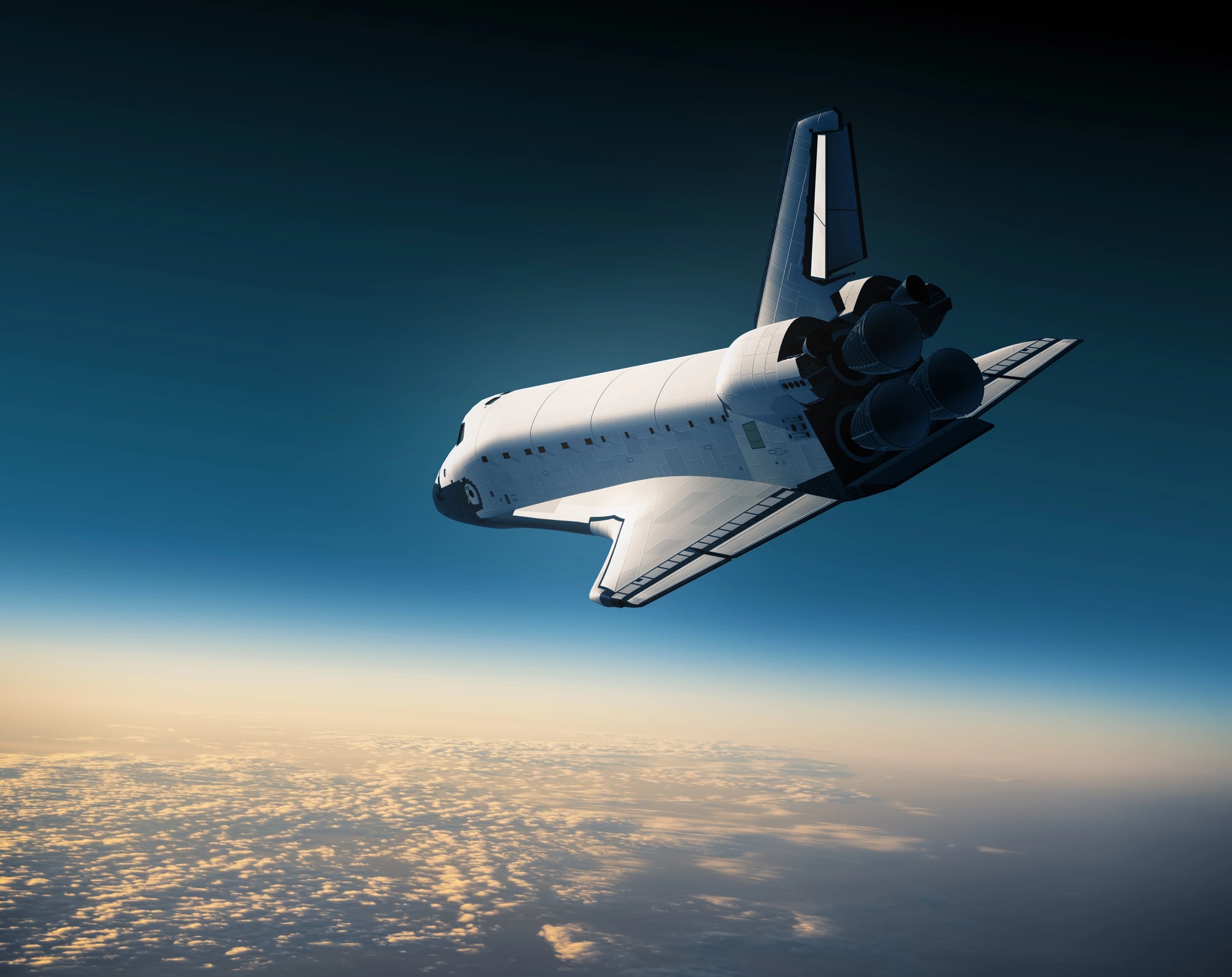
About halfway through the flight, the passenger capsule separates from the rocket booster, which returns to Earth and lands itself for reuse. This separation happens so smoothly that passengers barely notice it, but it marks the transition from powered flight to the coasting phase where weightlessness begins.
The reusable booster technology makes these flights more economical and environmentally sustainable than single-use rockets.
Like Go2Tutors’s content? Follow us on MSN.
Windows Are Huge for Maximum Views

The passenger capsules feature the largest windows ever flown in space, designed specifically to give tourists the best possible views of Earth and space. These windows are about three feet tall and two feet wide, much larger than airplane windows, ensuring every passenger gets spectacular photo opportunities.
The crystal-clear views allow passengers to see the curvature of Earth, the blackness of space, and the thin atmosphere that protects our planet.
You Can Bring Small Personal Items

Passengers are allowed to bring small, lightweight personal items that will float around the cabin during weightlessness, creating memorable photo and video opportunities. Popular choices include family photos, small toys, or meaningful objects that will have the distinction of having been to space.
Everything must be secured during the high-G portions of the flight, but during weightlessness, these items create magical floating displays.
The Return Is the Roughest Part

Reentry subjects passengers to the highest G-forces of the entire trip, as the capsule slows from over 2,000 mph to landing speed in just a few minutes. The deceleration feels like being pressed into your seat by an invisible giant, and some passengers find this phase more challenging than the launch.
The parachute deployment provides a gentler final descent, but the initial reentry can be physically demanding.
Like Go2Tutors’s content? Follow us on MSN.
Medical Screening Is Required

All passengers must pass medical examinations to ensure they can handle the physical stresses of space flight, including G-forces, rapid pressure changes, and the excitement of the experience. The screening process eliminates people with certain heart conditions, pregnancy, or other medical issues that could be dangerous during the intense phases of flight.
However, the requirements are much less stringent than those for professional astronauts.
Weather Can Delay Your Flight
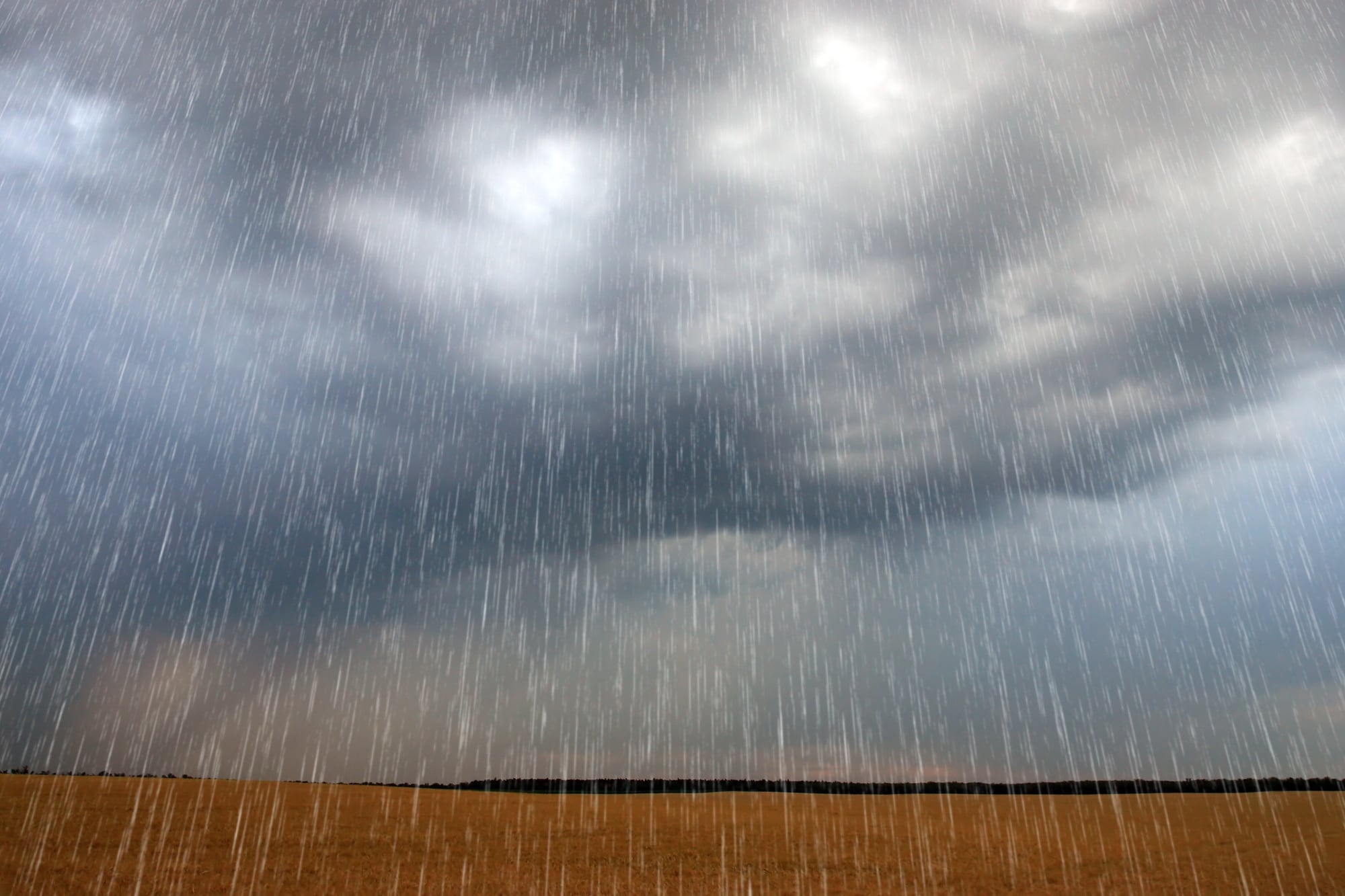
Space tourism flights are highly weather-dependent, with wind, clouds, and precipitation potentially grounding flights for safety reasons. Passengers might wait days or even weeks for suitable weather conditions, as companies prioritize safety over schedule adherence.
The rocket and capsule systems are designed to handle some weather, but conditions must be nearly perfect for passenger flights to proceed.
A New Chapter in Human Space Exploration
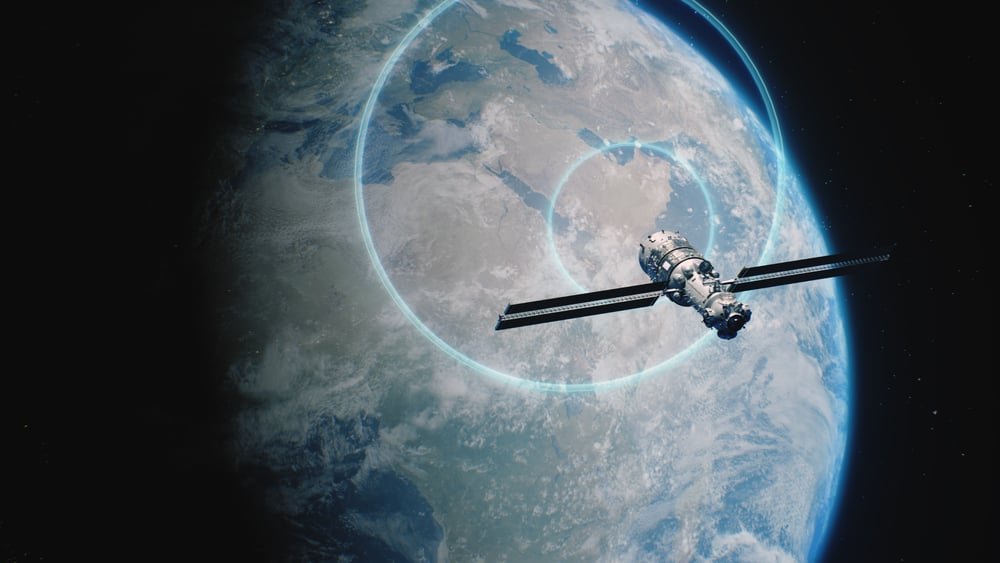
These short trips mark the start of a new era in which the general public, not just highly skilled professionals, will be able to travel to space. Although four minutes may not seem like much for such a costly and intense experience, all passengers agree that it is incredibly meaningful and well worth the money.
These brief glimpses of space could be the first step toward making space travel as commonplace as international air travel in the future, opening the last frontier to regular people with extraordinary dreams as technology develops and costs come down.
Like Go2Tutors’s content? Follow us on MSN.
More from Go2Tutors!

- 16 Historical Figures Who Were Nothing Like You Think
- 12 Things Sold in the 80s That Are Now Illegal
- 15 VHS Tapes That Could Be Worth Thousands
- 17 Historical “What Ifs” That Would Have Changed Everything
- 18 TV Shows That Vanished Without a Finale
Like Go2Tutors’s content? Follow us on MSN.



