13 Things We Got Wrong About Ancient Rome
Hollywood’s version of ancient Rome comes packed with gladiators battling to the death every weekend and emperors casually tossing people to hungry lions. The actual reality of Roman civilization was far more nuanced — and honestly much more fascinating than anything you’ll see in the movies.
Recent archaeological discoveries and scholarly research have systematically dismantled decades of popular misconceptions about Roman society. Here is a list of 13 things we got completely wrong about ancient Rome.
Romans Ate Lying Down All the Time

That famous image of Romans sprawled across couches while servants pop grapes into their mouths? It’s only partially true.
Wealthy Romans did recline during elaborate dinner parties, though this practice was reserved for special occasions and the social elite. Ordinary citizens sat at regular tables for their daily meals, just as people do today.
Even affluent Romans typically stood or sat for routine dining — they saved the theatrical reclining performance for times when impressing guests really mattered.
Gladiators Were Expendable Slaves

Gladiators represented substantial financial investments rather than disposable entertainment. Think of them more like today’s professional athletes than cannon fodder.
Training a skilled gladiator required enormous resources, so losing one meant losing that entire investment. Most gladiatorial contests weren’t death matches at all — they were carefully orchestrated displays of technique and courage.
Survival rates remained surprisingly high, while many gladiators achieved celebrity status with passionate fan bases.
Like Go2Tutors’s content? Follow us on MSN.
Vomitoriums Were for Purging Food
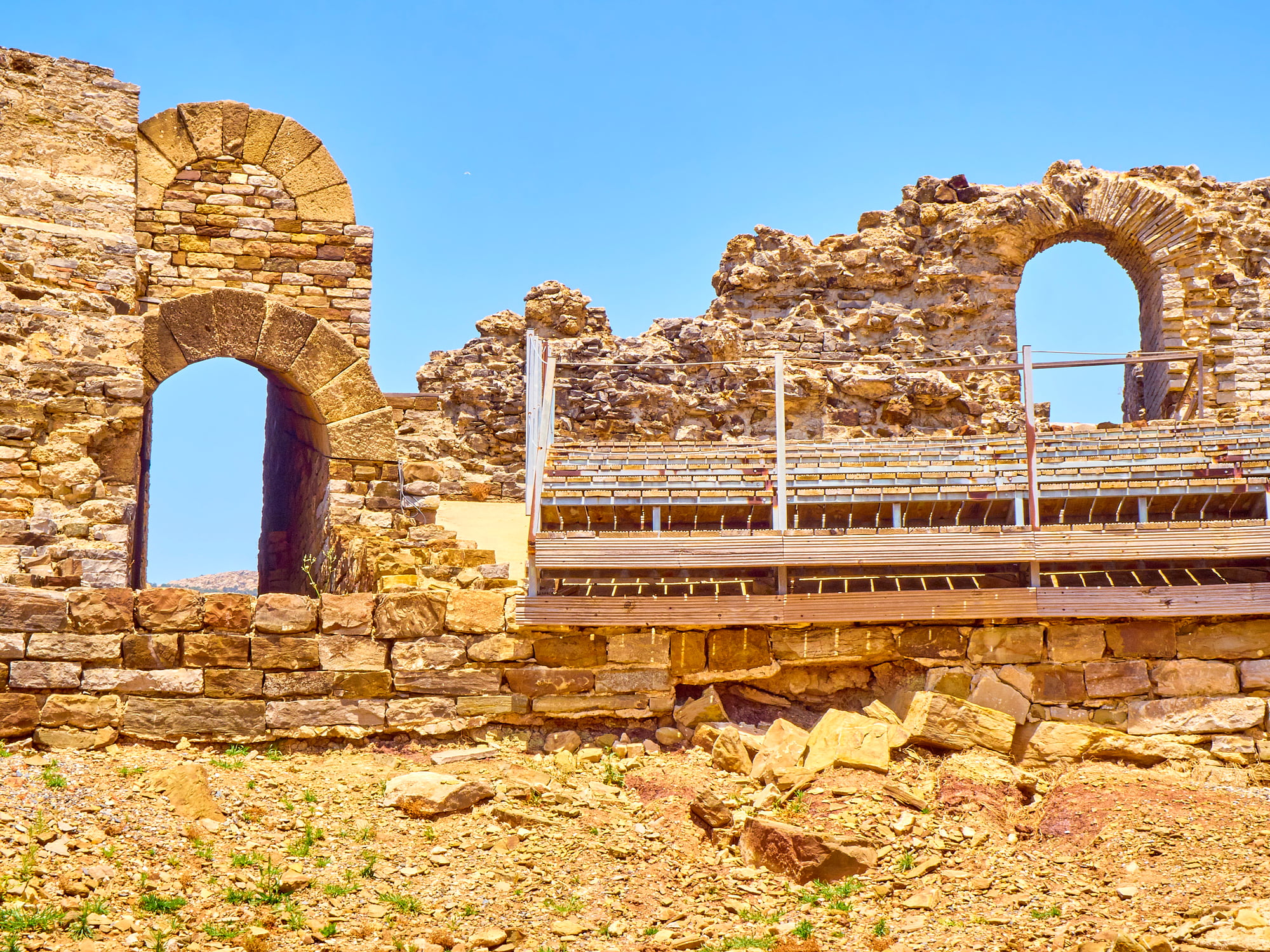
The term ‘vomitorium’ has absolutely nothing to do with regurgitating excess food. These architectural features were simply exit passages in Roman theaters and amphitheaters where crowds would ‘pour forth’ after events concluded.
Consider them ancient traffic management systems designed to handle thousands of spectators departing simultaneously. Romans were pragmatic engineers, not designers of disgusting dining customs.
All Roads Lead to Rome

While Rome constructed an impressive transportation network, this familiar saying carries more metaphorical weight than literal truth. The Roman road system primarily served military purposes — facilitating efficient troop movement and supply distribution.
Many thoroughfares connected major cities and strategic outposts without necessarily routing through Rome itself. The empire’s sheer size made it impractical for every roadway to funnel through the capital.
Romans Gave Thumbs Down for Death

The thumbs up or thumbs down signal at gladiatorial games represents pure Hollywood fiction. Historians remain uncertain about the actual hand gestures Romans employed, though it definitely wasn’t our modern thumb system.
Some evidence suggests they used a closed fist to spare a gladiator — with a different thumb motion signaling death — yet the precise movements remain historically ambiguous.
Like Go2Tutors’s content? Follow us on MSN.
Romans Were Always Clean

Romans certainly appreciated their public baths, though personal hygiene practices weren’t quite what modern people might expect. Public latrines functioned as social hubs where people sat together and conversed during their business.
They utilized communal sponges attached to sticks instead of toilet paper — rinsing these implements in vinegar or salt water between uses. Even their cherished bathhouses became bacterial breeding grounds since water wasn’t replaced regularly.
Nero Fiddled While Rome Burned

Nero couldn’t possibly have fiddled during Rome’s Great Fire because fiddles wouldn’t be invented for several more centuries. More significantly, Nero wasn’t even present in Rome when the devastating fire of 64 AD began.
He was staying in Antium, approximately 35 miles away — then rushed back to coordinate relief efforts. He actually opened his personal palace to displaced fire victims while helping organize reconstruction initiatives.
Romans Only Ate Exotic Foods

Though wealthy Romans did sample unusual delicacies, most citizens consumed relatively simple cuisine. Bread, olive oil, wine, and vegetables constituted the foundation of typical Roman diets.
Meat remained expensive — reserved for special occasions by ordinary families. Those exotic dishes we read about, such as stuffed dormice or peacock tongues, were luxury items enjoyed exclusively by the ultra-wealthy — not standard Roman fare.
Like Go2Tutors’s content? Follow us on MSN.
Latin Was Spoken Everywhere

Latin served as the official language for governmental and educational purposes, yet the Roman Empire maintained incredible linguistic diversity. Most people conversed in their native regional languages during daily life.
Greek continued as the language of culture and scholarship throughout eastern provinces. Celtic languages persisted in Britain and Gaul.
Latin functioned more like English in today’s global business environment rather than serving as the universal tongue of common citizens.
Romans Lived in Fancy Villas

The majority of Romans resided in cramped, multi-story apartment buildings called insulae instead of spacious villas with elegant courtyards. These ancient residential complexes were frequently poorly constructed and vulnerable to fires or structural collapse.
The luxurious villas displayed in museums and films belonged to a small elite minority. Typical Roman families managed with limited space, shared facilities, and constant noise from neighboring tenants.
Roman Women Had No Rights

Roman women possessed more legal privileges than women in numerous other ancient civilizations. They could own property, operate businesses, and receive inheritances.
Upper-class women often exercised considerable behind-the-scenes political influence. Though they couldn’t vote or hold public office, they weren’t entirely powerless within society.
Many tombstone inscriptions honor women for their business expertise and community contributions.
Like Go2Tutors’s content? Follow us on MSN.
Romans Conquered Through Brute Force

Roman military success resulted more from superior organization, engineering capabilities, and diplomatic skill than raw aggression. They excelled at integrating conquered populations into their administrative system, frequently granting citizenship and local autonomy.
Roman legions demonstrated exceptional discipline and logistical support, yet they also understood when negotiation trumped warfare. Many territories voluntarily joined the empire to access economic opportunities and security benefits.
The Colosseum Was Always Full of Water

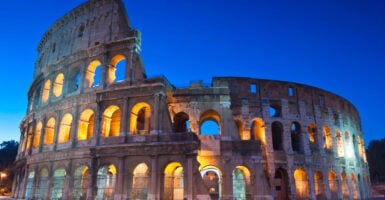
The Colosseum could indeed be flooded for elaborate naval battle recreations, though this occurred only occasionally and demanded enormous logistical coordination. Most events featured standard gladiatorial contests and animal hunts on regular arena flooring.
The extensive underground network of tunnels and chambers made frequent flooding highly impractical. These naval spectacles were rare demonstrations of imperial power rather than routine entertainment offerings.
Time Reveals Truth

The authentic ancient Rome was considerably more complex and relatable than popular mythology suggests. Romans grappled with urban planning dilemmas, stressed about employment security, and attempted to balance family obligations with social expectations — much like contemporary society.
Recognizing these realities helps illuminate that history encompasses more than dramatic episodes; it represents the chronicle of ordinary people navigating their circumstances with available resources and knowledge.
Romans weren’t fundamentally different from modern humanity after all.
Like Go2Tutors’s content? Follow us on MSN.
More from Go2Tutors!

- 16 Historical Figures Who Were Nothing Like You Think
- 12 Things Sold in the 80s That Are Now Illegal
- 15 VHS Tapes That Could Be Worth Thousands
- 17 Historical “What Ifs” That Would Have Changed Everything
- 18 TV Shows That Vanished Without a Finale
Like Go2Tutors’s content? Follow us on MSN.