Most Expensive Corporate Campuses Operating Today
When companies spend billions on their headquarters, they’re not just buying real estate—they’re making a statement about their values, ambitions, and how they see the future of work. These corporate campuses represent some of the most ambitious architectural and financial investments in business history, transforming entire neighborhoods and setting new standards for what a workplace can be.
The numbers behind these projects can be staggering, often rivaling the GDP of small nations. But beyond the price tags, these campuses reveal something deeper about corporate culture in the 21st century: the belief that extraordinary spaces can foster extraordinary innovation.
Apple Park
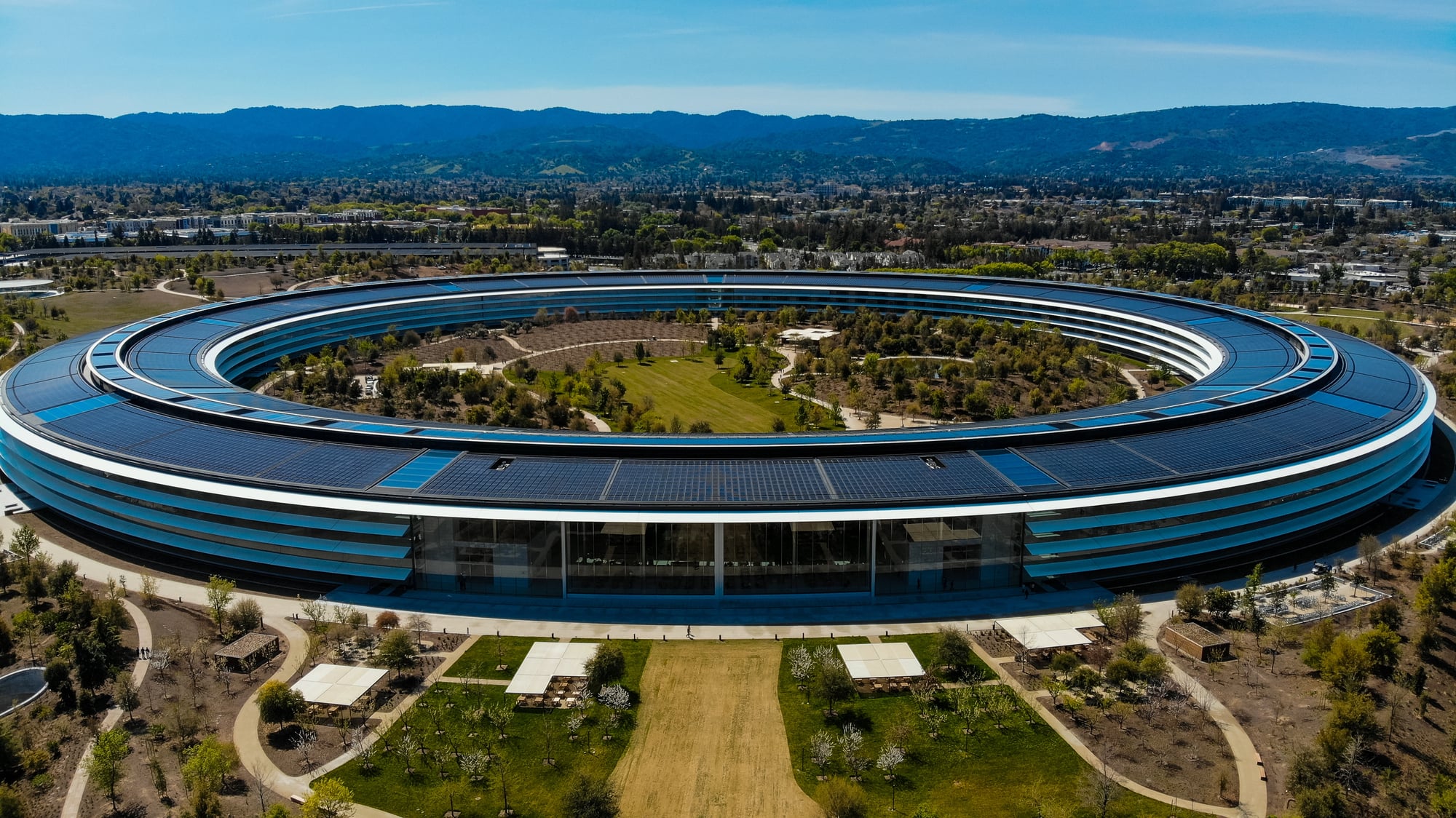
Apple’s headquarters cost $5 billion. No hedging, no approximations.
Five billion dollars for a single building and its surrounding campus in Cupertino, California.
The ring-shaped structure houses 12,000 employees under one roof. Steve Jobs’ obsession with perfection shows in every detail, from the custom door handles to the world’s largest naturally ventilated building design.
Amazon Spheres And Headquarters
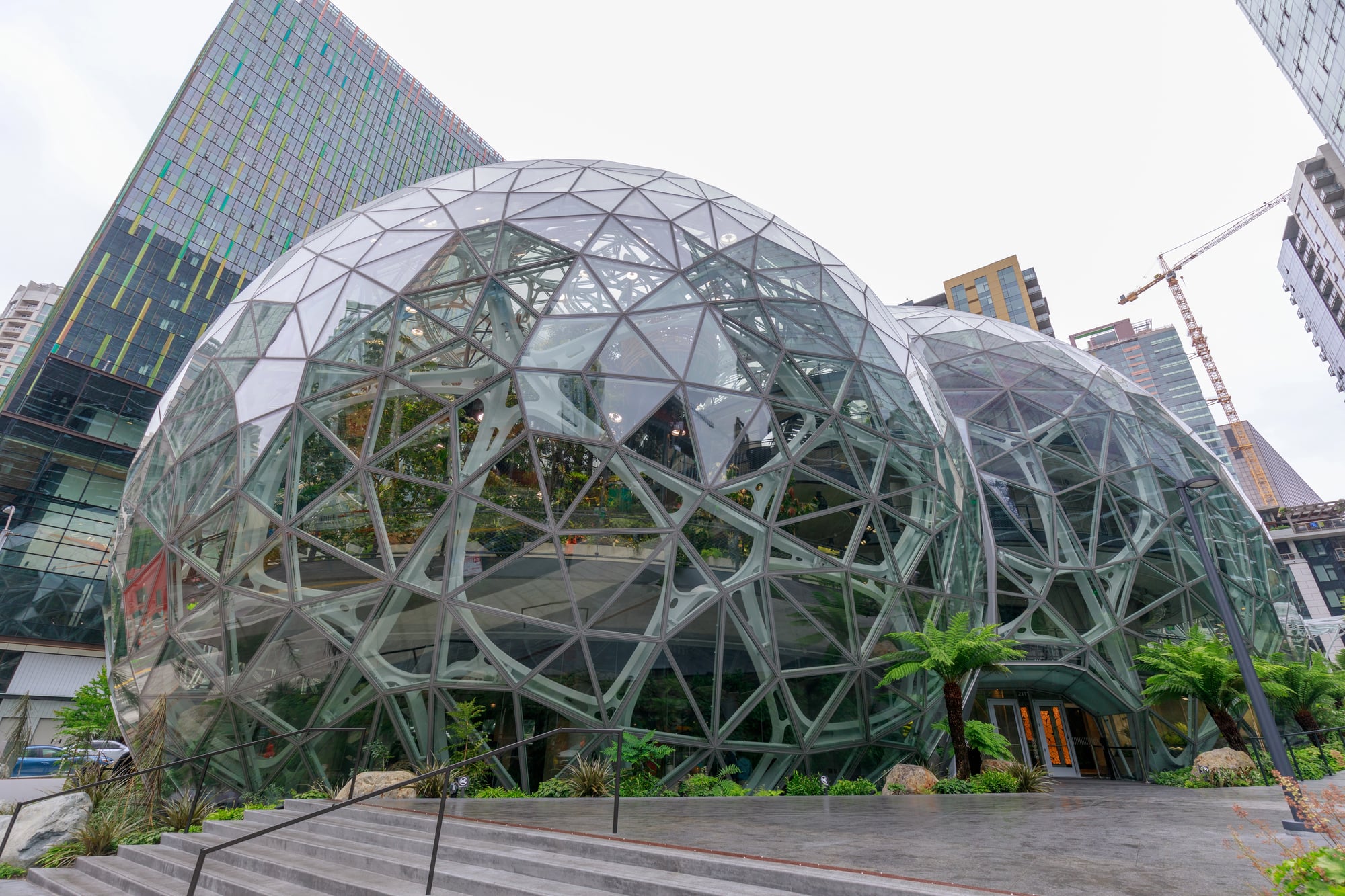
Amazon’s Seattle campus sprawls across multiple city blocks, but the real showstopper is the trio of glass spheres that cost over $4 billion to complete. These aren’t your typical office buildings—they’re climate-controlled biodomes housing over 40,000 plants from around the world.
The spheres serve as meeting spaces where employees can sit among rare ferns and towering trees while discussing quarterly projections. Amazon’s bet: that bringing nature indoors would spark the kind of creative thinking that built their empire.
Google Googleplex
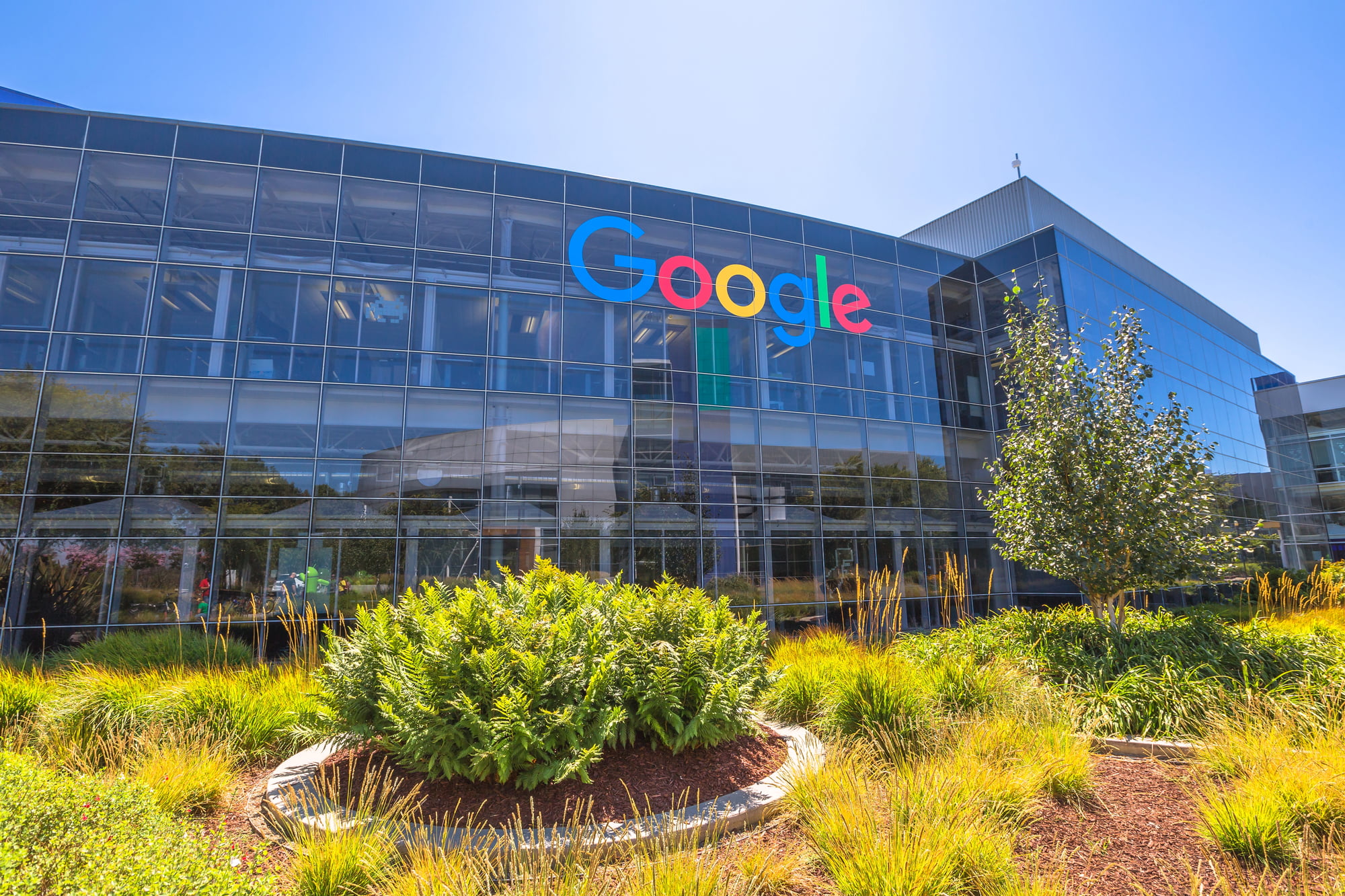
There’s something almost stubborn about how Google approaches office design—as if the company looked at every conventional workspace rule and decided to do the opposite. The Mountain View campus, which has consumed over $2.8 billion in development costs, feels less like a corporate headquarters and more like a small city where work happens to occur.
And maybe that’s the point.
Walking through the Googleplex (a name that sounds both playful and slightly ominous, which seems appropriate for a company that organizes the world’s information) you encounter volleyball courts nestled between server farms, cafeterias that serve free gourmet meals, and nap pods positioned like art installations throughout the complex.
But here’s what strikes you: none of it feels accidental. Every amenity, every colorful wall, every recreational space exists because someone calculated that happiness could be engineered—and that engineering happiness might be the most profitable investment of all.
Facebook Menlo Park Campus
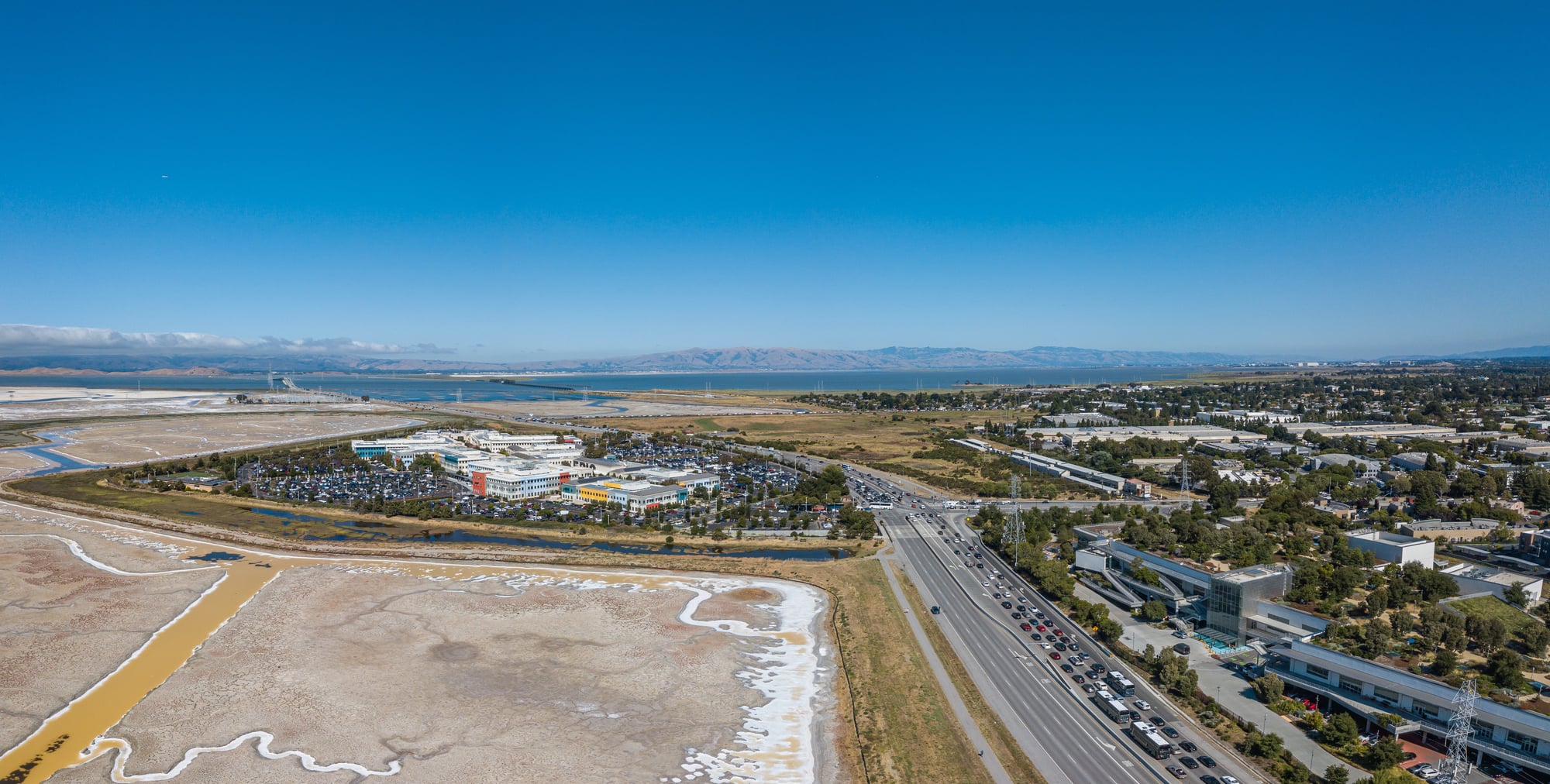
Facebook’s campus represents pure ambition disguised as casual California cool. The company spent $2.5 billion creating what feels like a small town designed by people who never quite left college.
The centerpiece is a massive open-plan building topped by a 9-acre rooftop park. Mark Zuckerberg wanted employees to “bump into each other” throughout the day, so the entire campus is designed to make chance encounters inevitable.
Whether this creates innovation or just really expensive small talk remains to be seen.
Microsoft Redmond Campus
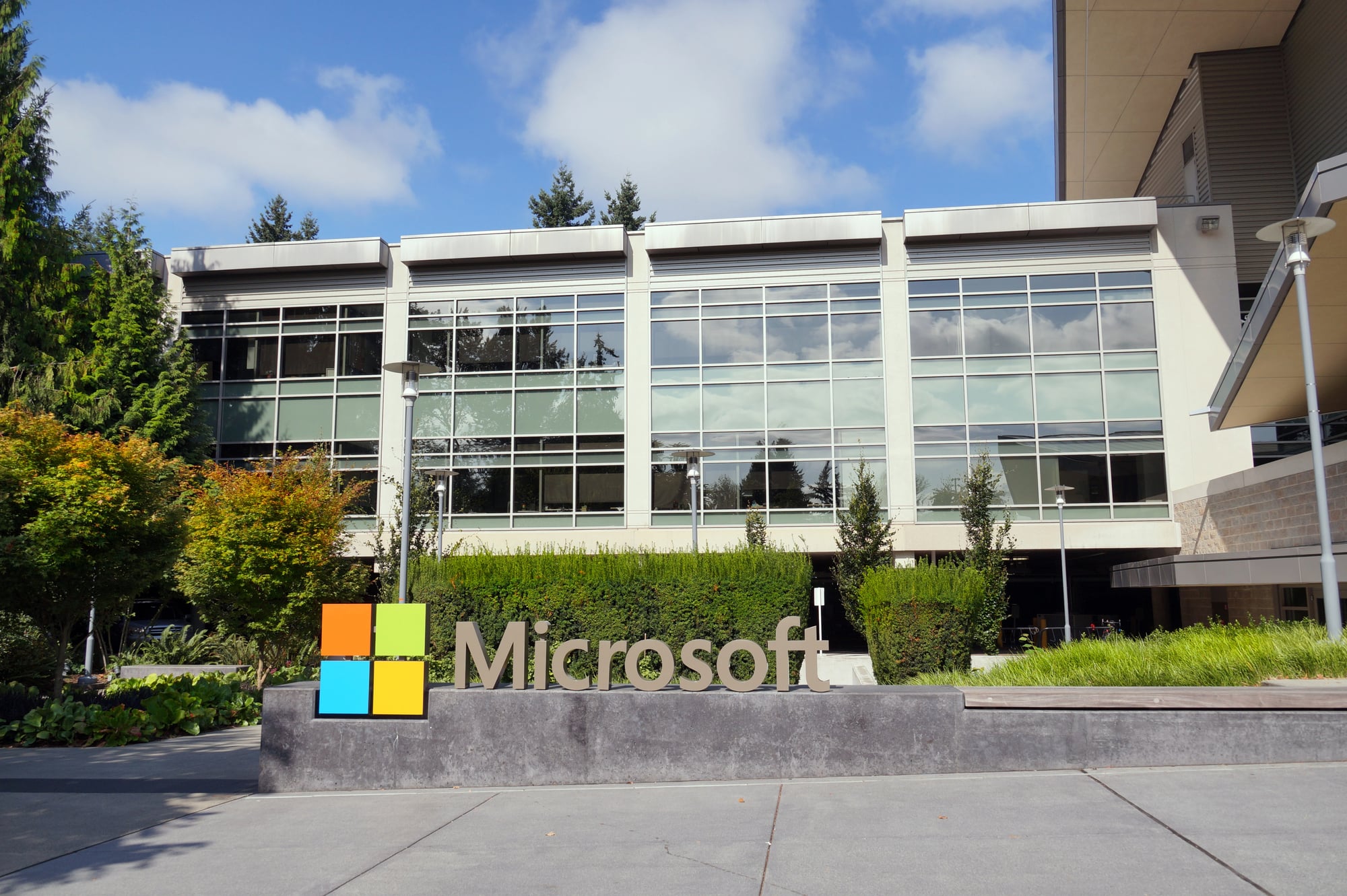
Microsoft’s headquarters in Redmond, Washington represents something like corporate archaeology—if you know how to read the buildings, you can trace the company’s evolution from scrappy software startup to global empire. The campus, which has absorbed roughly $2.2 billion in construction and renovation costs over the decades, tells the story of a company that never quite decided whether it wanted to be IBM or Google, so it became something else entirely.
The newest buildings lean into the kind of sleek minimalism that suggests Microsoft has finally made peace with its reputation for being efficient rather than cool (and realized that efficiency, done well, has its own kind of appeal). Open collaborative spaces flow into quiet work areas, while outdoor terraces overlook the Pacific Northwest landscape—because even the most determined software engineers need to remember that a world exists beyond their screens.
So they built spaces that make that world impossible to ignore.
Tesla Gigafactory
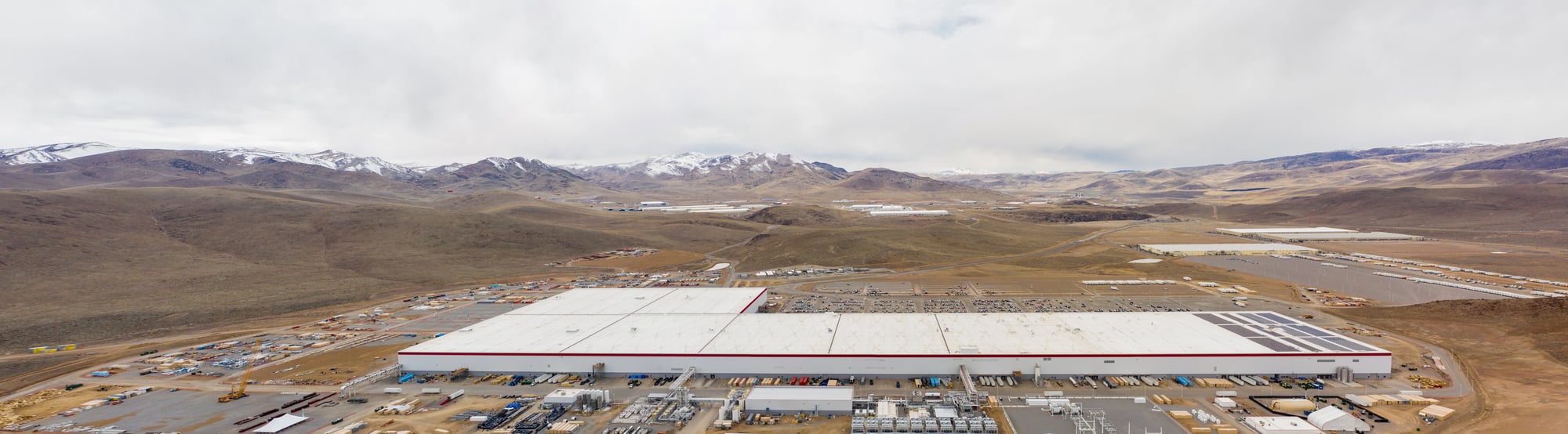
Picture a building so large it can be seen from space, sitting in the Nevada desert like some kind of industrial mirage. Tesla’s Gigafactory represents Elon Musk’s particular brand of audacity—the belief that if you’re going to build something, you might as well build it bigger than anyone thought possible.
The $2.1 billion facility produces batteries on a scale that didn’t exist before Tesla decided it needed to exist. When completed, it will cover 5.8 million square feet, making it one of the largest buildings in the world by footprint.
The desert location isn’t accidental; it’s powered entirely by renewable energy, because Musk apparently decided that saving the world required building in the middle of nowhere first.
Salesforce Tower And Campus
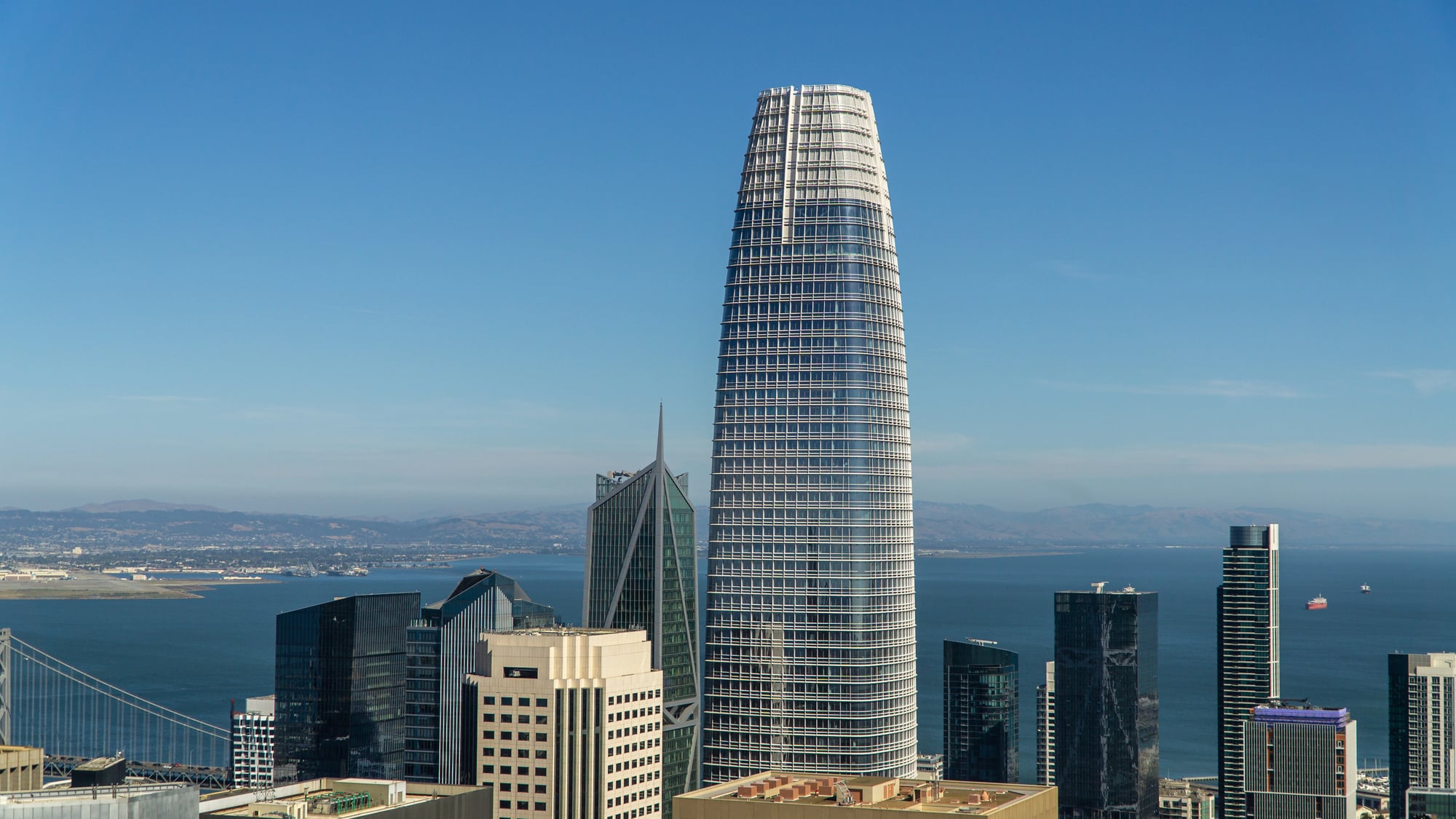
Salesforce built the tallest building in San Francisco because subtlety has never been their strong suit. The $2 billion tower dominates the city’s skyline, which seems entirely appropriate for a company that built an empire by convincing other businesses they needed better customer relationship management.
The tower includes 61 floors of office space, but the real statement is the LED light installation that turns the entire building into a beacon visible for miles. It’s corporate architecture as performance art, assuming performance art paid enterprise software licensing fees.
Intel Campus
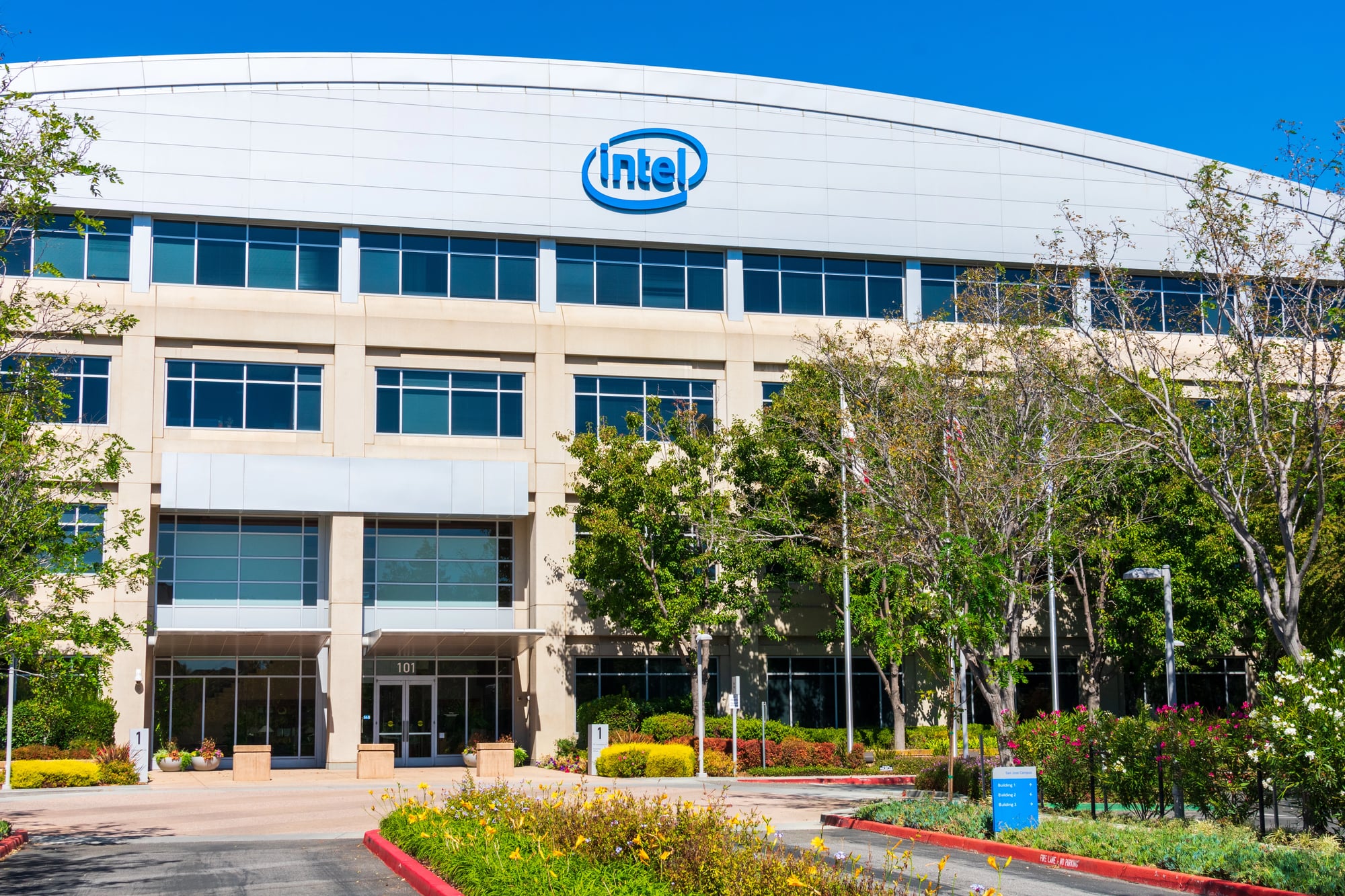
Intel’s sprawling campus in Santa Clara reflects the methodical, engineering-focused culture that built the semiconductor industry (and, by extension, the modern world, though Intel rarely bothers to mention that last part). The company has invested approximately $1.8 billion in their California facilities, creating a complex that feels more like a small university than a traditional corporate headquarters—which makes sense for a company where most employees hold advanced degrees in disciplines that didn’t exist fifty years ago.
The buildings favor function over flash: clean lines, abundant natural light, and laboratories that can accommodate the precise environmental controls required when you’re manufacturing products measured in nanometers. But there’s something almost poetic about the way the campus is laid out, with walking paths that connect different divisions and outdoor spaces designed for the kind of casual conversations that sometimes lead to breakthrough innovations.
And yet the real magic happens in the fabrication facilities, where silicon wafers become the processors that power everything from smartphones to supercomputers. Those spaces look nothing like traditional offices—they’re closer to operating rooms, requiring bunny suits and air filtration systems that cost more than most companies’ entire real estate budgets.
Oracle Headquarters

Oracle’s headquarters in Austin represents Larry Ellison’s vision of what a tech campus should be: sleek, expensive, and designed to make competitors feel inadequate. The $1.6 billion complex sprawls across 560 acres, with buildings that look like they were designed by someone who studied Apple Park very carefully.
The campus features multiple lakes, hiking trails, and outdoor amphitheaters. Oracle calls it a “destination workplace,” which is corporate speak for “we built something so nice you’ll never want to leave.”
Given the Austin traffic, employees might not have much choice.
Adobe San Jose Campus
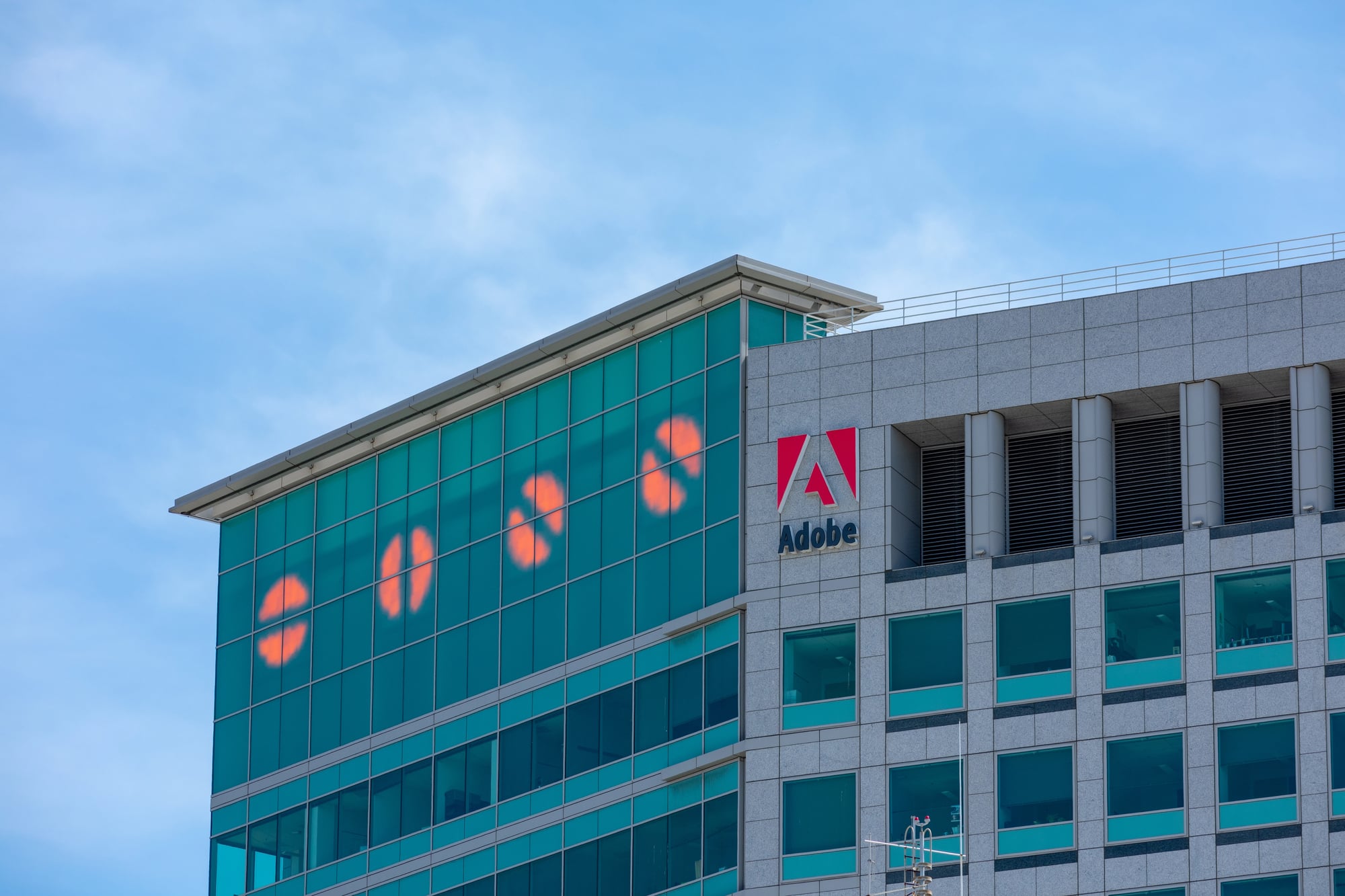
Adobe’s towers in San Jose rise from the Silicon Valley landscape like glass and steel monuments to creativity—which sounds pretentious until you remember that Adobe actually did democratize creative tools for millions of people worldwide. The company spent $1.5 billion on facilities that blur the line between workspace and art installation.
The buildings feature some of the most advanced sustainable design elements in corporate architecture. Living walls filter air naturally, while solar panels and smart glass systems regulate temperature and lighting throughout the day.
Twitter Headquarters
Twitter’s San Francisco headquarters occupies a restored Art Deco building in the city’s Mid-Market neighborhood, representing a $1.4 billion investment in both real estate and urban revitalization (though recent ownership changes have complicated that particular narrative somewhat). The building itself tells an interesting story about adaptive reuse: what was once a wholesale furniture mart became the nerve center for a platform that fundamentally changed how humans communicate.
The interior design reflects Twitter’s original ethos—open, transparent, designed to facilitate the kind of rapid information sharing that the platform was built around. Floor-to-ceiling windows flood the workspace with natural light, while common areas encourage the sort of casual interactions that might spark the next viral feature (or at least a decent tweet).
But walking through the space now feels oddly nostalgic, like touring a museum exhibit about an optimistic vision of social media that history has complicated beyond recognition. So the building endures while the culture it was designed to house continues evolving in ways its architects never anticipated.
Netflix Los Gatos Campus
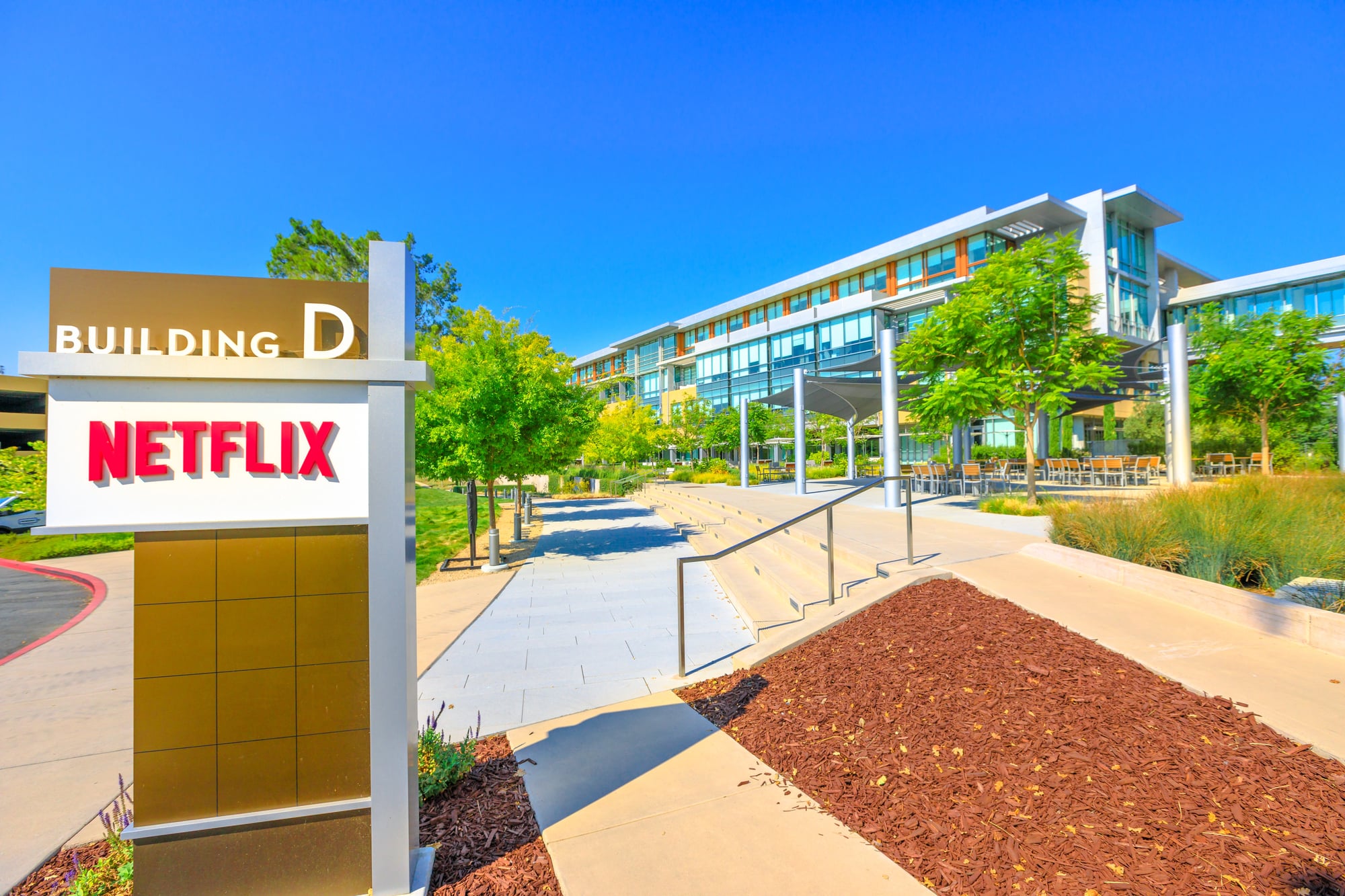
Netflix built their Los Gatos campus for $1.3 billion, and it shows in every carefully curated detail. The company that revolutionized entertainment created a headquarters that feels like a cross between a luxury resort and a film studio backlot.
The campus includes multiple restaurants, fitness facilities, and even a replica of the Oval Office used for filming political dramas. Netflix understood early that content creation requires different spaces than traditional tech development—so they built accordingly.
Uber Headquarters
Uber’s San Francisco headquarters cost $1.2 billion to develop, which seems fitting for a company that spent years burning through venture capital while trying to reinvent transportation. The building occupies an entire city block, with facades designed to reflect the urban environment that rideshare services were meant to serve.
The interior emphasizes collaboration and transparency—ironic for a company that spent years operating in regulatory gray areas. Glass walls and open meeting spaces suggest a culture of openness that contrasts sharply with Uber’s historically secretive approach to business development.
Airbnb Headquarters
Airbnb’s headquarters in San Francisco represents the company’s core philosophy made manifest in physical space: the idea that belonging can be designed, engineered, and scaled globally. The $1.1 billion complex features meeting rooms that replicate actual Airbnb listings from around the world—a conference room modeled after a Balinese villa here, a workspace designed like a Brooklyn loft there.
The approach reveals something both charming and slightly unsettling about Silicon Valley’s relationship with authenticity: the belief that genuine human experiences can be reverse-engineered and mass-produced. Each replica room is meticulously crafted to capture the spirit of its original, complete with local artwork, authentic furnishings, and carefully curated details that tell a story about place and culture.
But experiencing these spaces within a corporate headquarters creates a strange cognitive dissonance—like staying in a hotel room themed around the concept of staying in someone’s home.
The Architecture Of Ambition
These campuses represent more than real estate investments—they’re physical manifestations of corporate ambition, bets on the future of work, and attempts to solve the fundamental challenge of scaling human creativity. Whether they succeed in fostering innovation or simply provide expensive backdrops for the same office dynamics that have always existed remains an open question.
But walking through these spaces, it’s hard not to feel that something significant is being attempted here. These companies are trying to build environments that make extraordinary work feel inevitable, spaces that inspire people to think beyond the constraints of what seemed possible yesterday.
More from Go2Tutors!

- The Romanov Crown Jewels and Their Tragic Fate
- 13 Historical Mysteries That Science Still Can’t Solve
- Famous Hoaxes That Fooled the World for Years
- 15 Child Stars with Tragic Adult Lives
- 16 Famous Jewelry Pieces in History
Like Go2Tutors’s content? Follow us on MSN



