Little-known facts about Central Park statues
Central Park holds more than just trees and walking paths. The park houses over 50 statues and sculptures, each with its own story that most visitors walk right past without noticing.
These bronze and stone figures aren’t just decorations—they’re pieces of history frozen in time, waiting to share their secrets. Let’s explore the surprising stories behind these silent guardians of the park.
Alice in Wonderland was designed for climbing
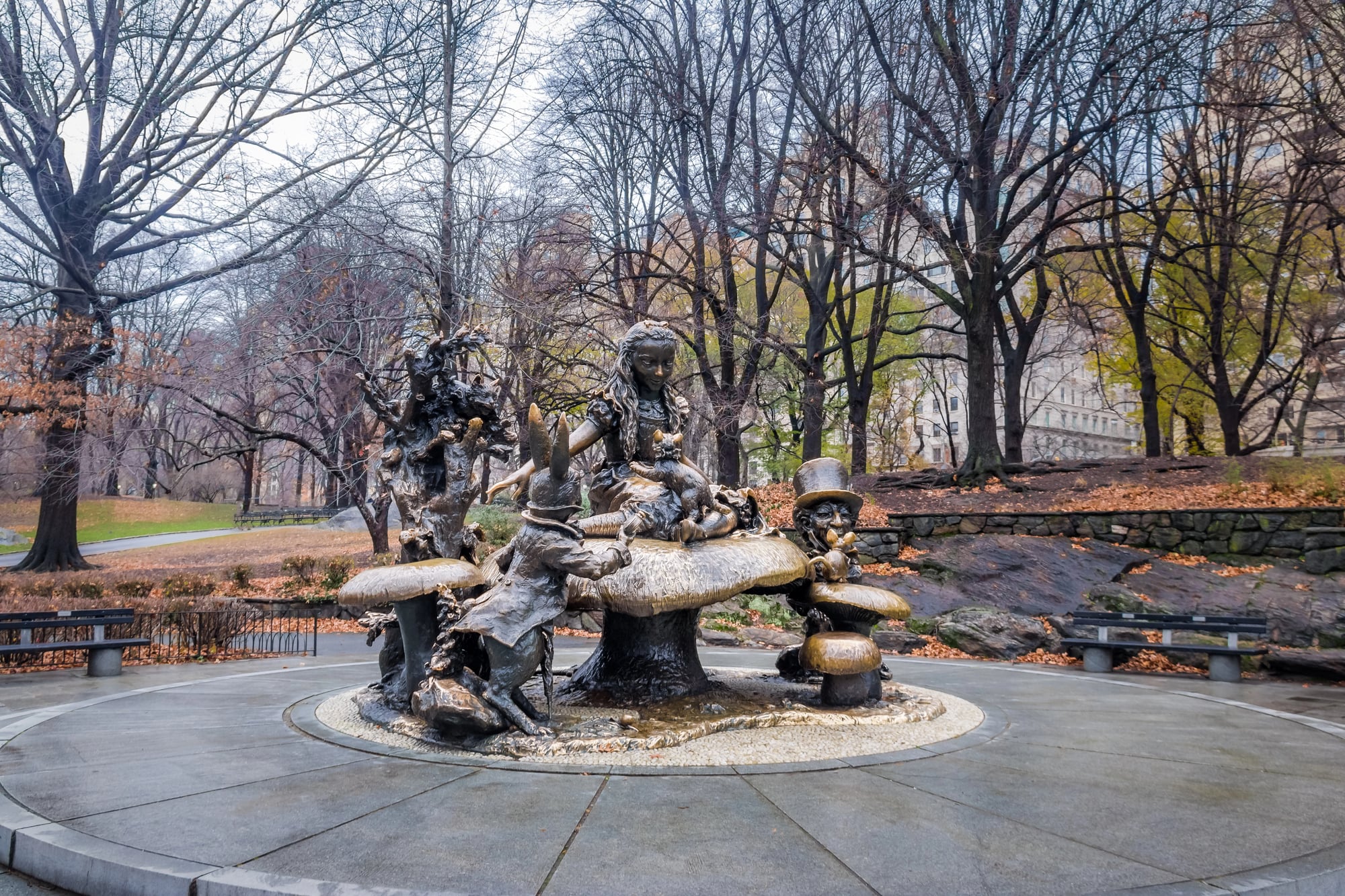
The famous Alice statue near the Conservatory Water wasn’t meant to be admired from a distance. José de Creeft designed it in 1959 specifically so children could climb all over it.
The bronze has been polished smooth by decades of kids scrambling up Alice’s mushroom and sitting in the Mad Hatter’s lap. Philanthropist George Delacorte commissioned the piece as a gift to the city’s children, and he insisted it should be touchable and playful rather than formal.
Balto’s statue has the wrong dog breed features
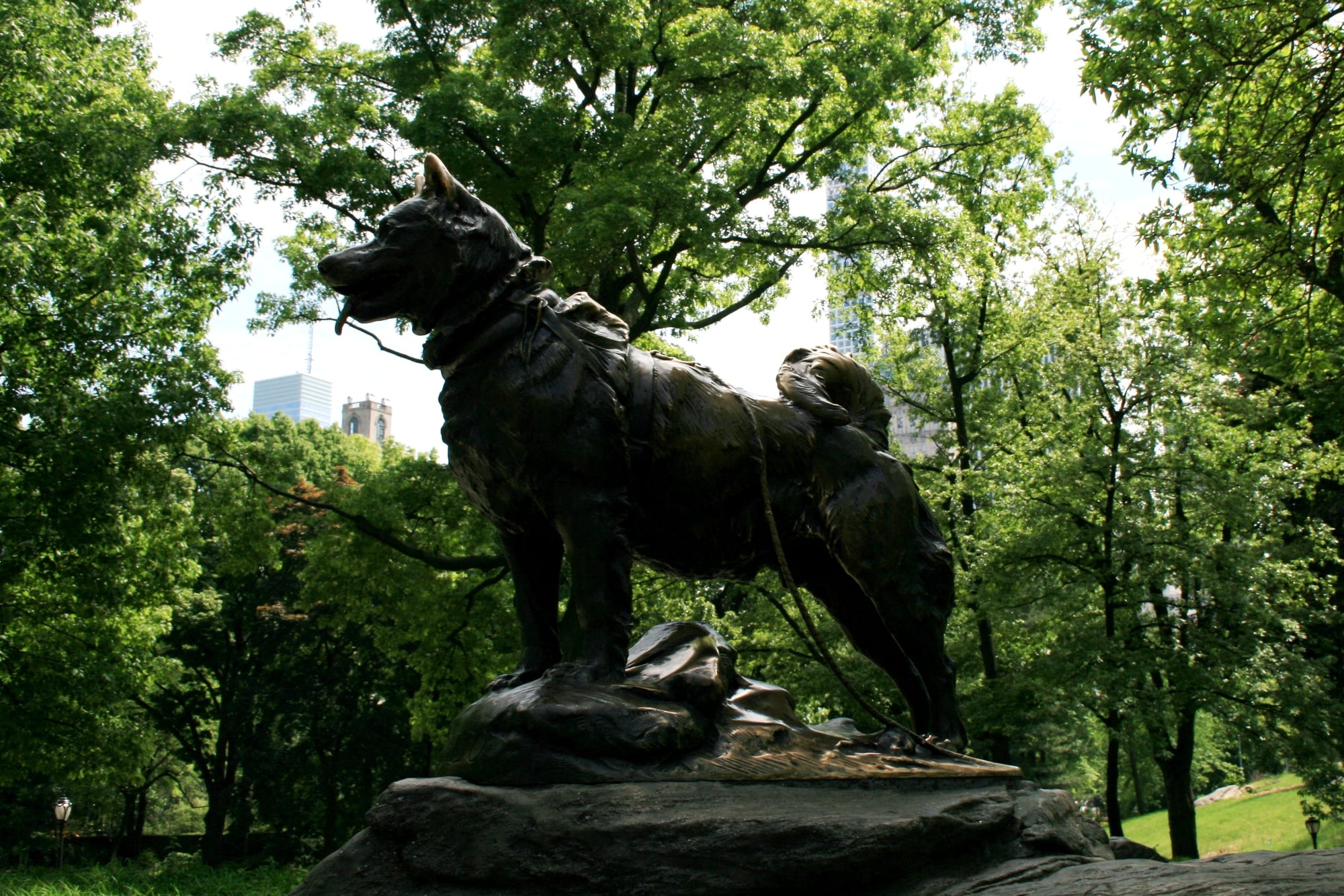
Everyone knows the Balto statue near East Drive, but few realize it doesn’t actually look like the real Balto. The sculptor never saw the famous sled dog in person and worked from photographs that didn’t show his features clearly.
Real-life Balto was a Siberian Husky, but the statue has features more similar to a generic working dog. The statue was unveiled in 1925 while Balto was still alive, and he actually attended the ceremony in New York.
The oldest statue predates the park itself
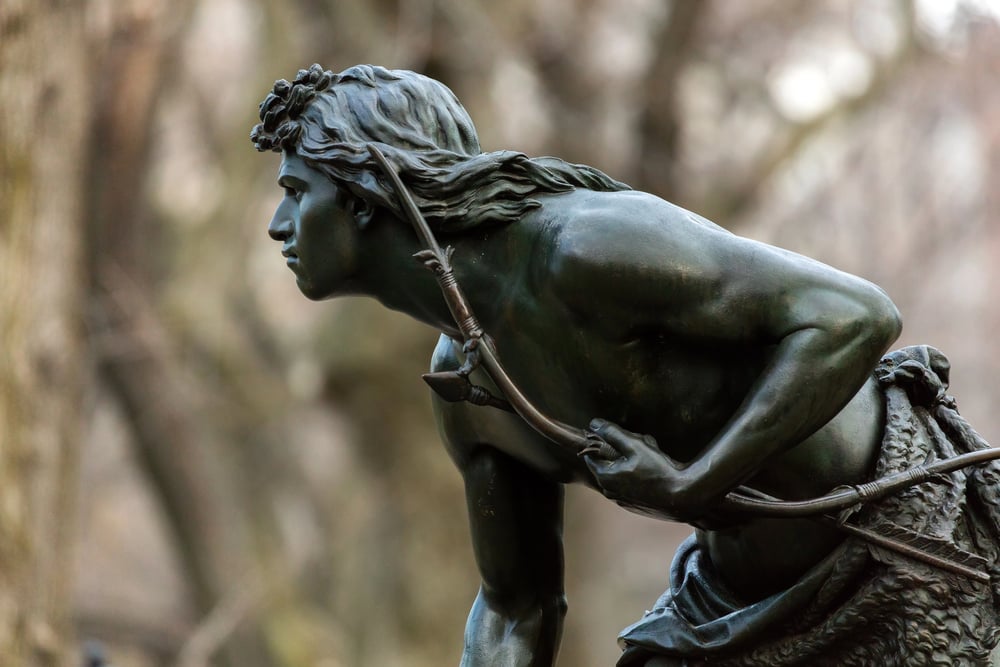
The Indian Hunter statue by John Quincy Adams Ward was completed in 1866, years before Central Park was finished. It originally stood near the Mall but was moved to its current spot near the summit of the East Drive in 1869.
Ward used a Native American man named Ka-No-Wa-Tis-Kee as his model, paying him 50 cents per session. The statue shows incredible anatomical detail because Ward believed in studying his subjects thoroughly before creating anything.
Hans Christian Andersen has a yearly storytelling tradition
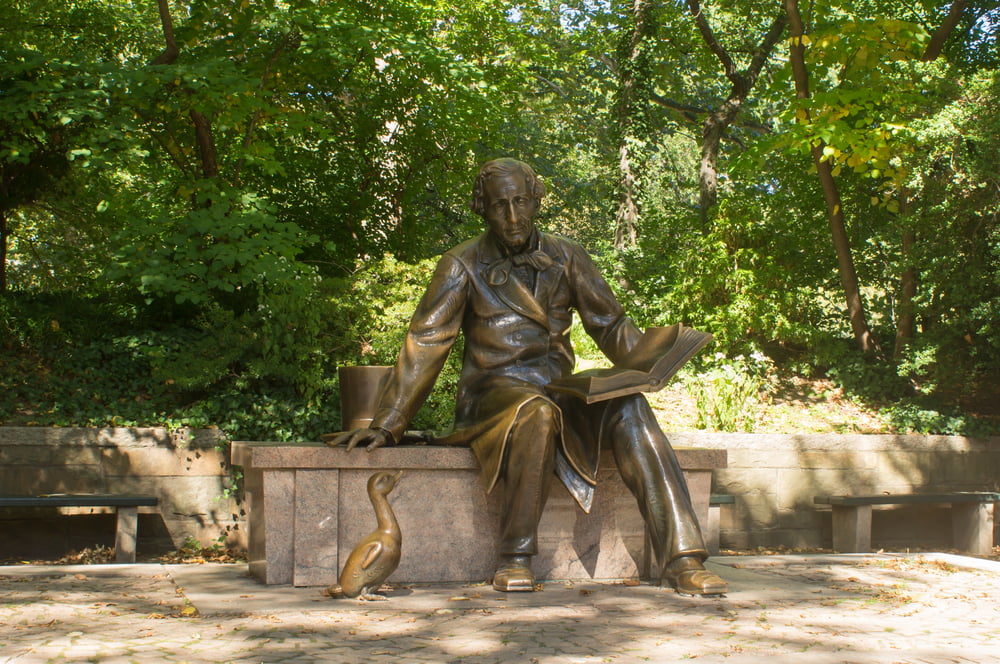
The Hans Christian Andersen statue near Conservatory Water becomes a gathering spot every summer Saturday morning. The city organizes free storytelling sessions at the statue’s base, continuing a tradition that started in 1956, the same year the statue was installed.
Georg John Lober created the sculpture showing Andersen with an open book and an ugly duckling at his feet. The statue’s bench is worn smooth from thousands of children sitting there to hear tales.
Mother Goose stands on a different pedestal now

The Mother Goose statue near the Rumsey Playfield has been moved three times since 1938. Frederick George Richard Roth designed it with Mother Goose riding her famous gander, but vandals damaged the original so badly that it had to be replaced with a bronze replica.
The current version stands about two feet taller than the original because the new pedestal added extra height. Most people assume it’s the original without ever noticing the difference.
Shakespeare looks toward the Delacorte Theater on purpose

John Quincy Adams Ward’s Shakespeare statue in the Mall faces south for a specific reason. When the Delacorte Theater was built in 1962, the statue was positioned to ‘watch’ performances of Shakespeare’s plays.
The statue shows the playwright holding a scroll and standing in a relaxed pose rather than the formal stance common in Victorian sculptures. Ward spent two years perfecting the design and cast it in 1870.
Beethoven’s statue almost didn’t make it to America
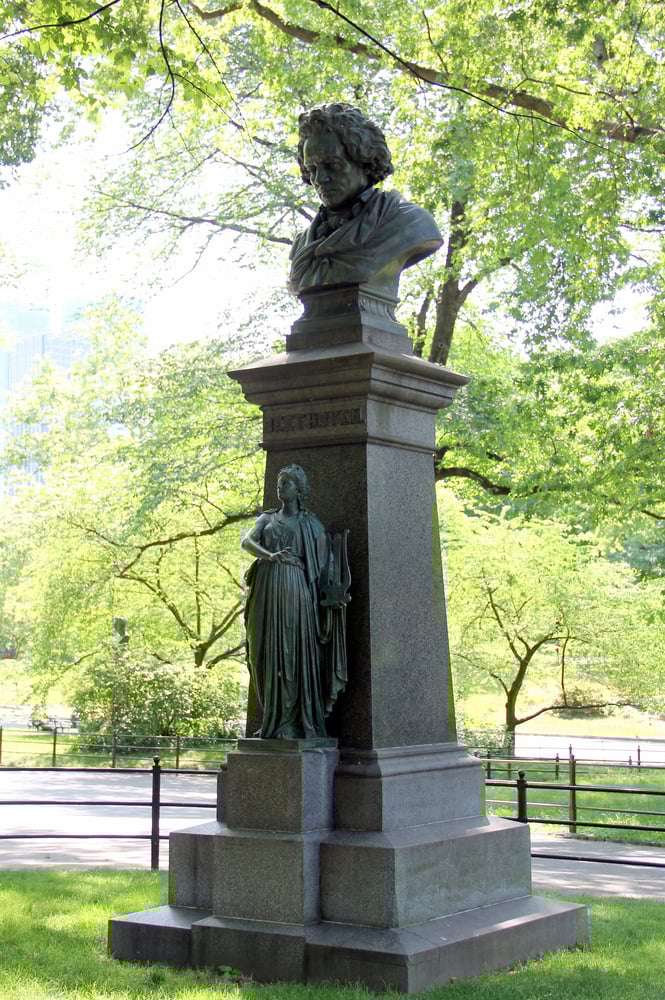
The Beethoven statue near the Mall was created in 1884 by Henry Baerer but sat in storage for over 40 years. No one wanted to pay for shipping it from Germany or installing it in the park.
Finally, in 1925, the Beethoven Society raised enough money to bring it over and place it in Central Park. The statue shows Beethoven with wild hair and an intense expression that captures his reputation as a temperamental genius.
The Maine Monument has a controversial history
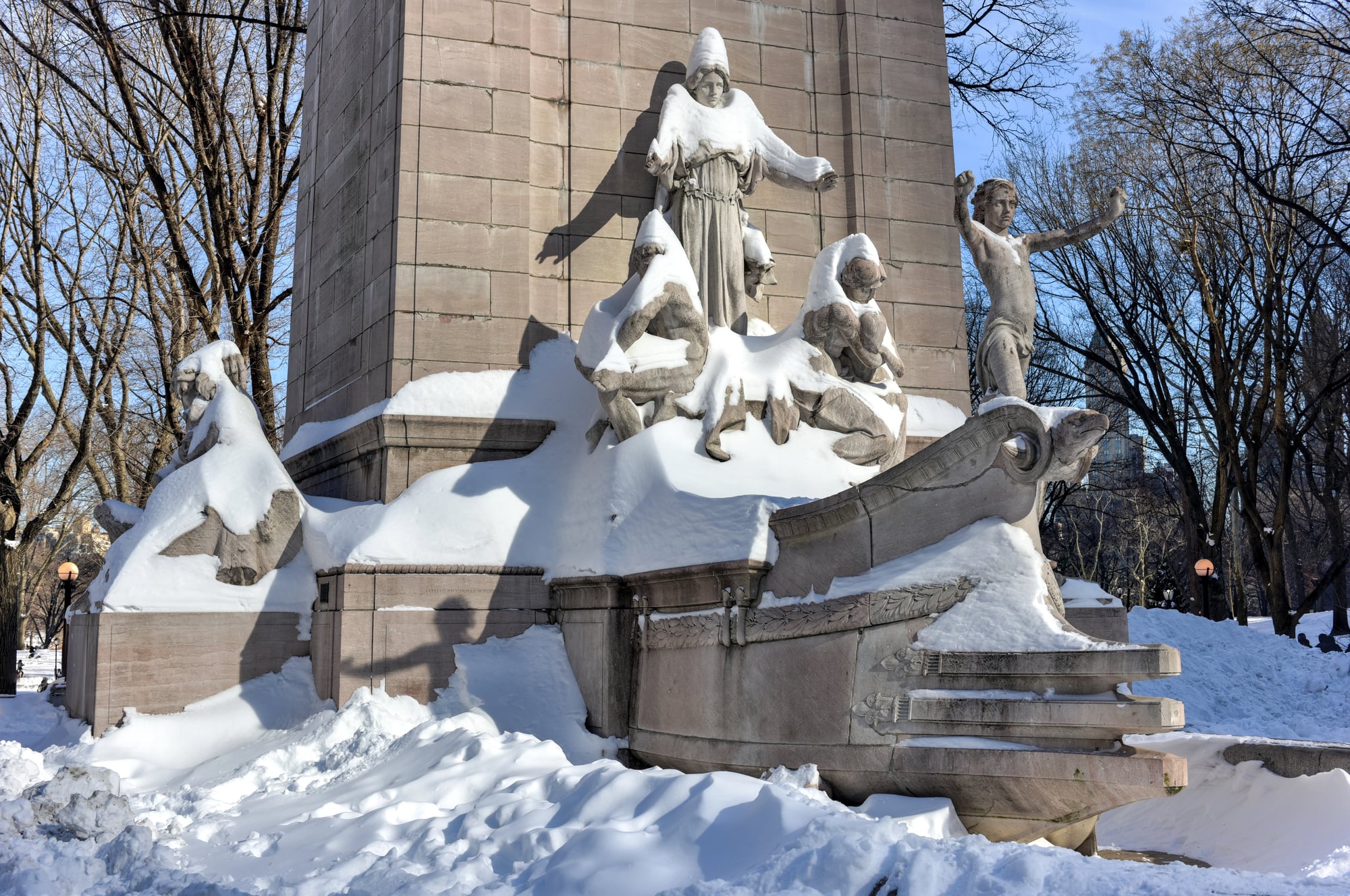
The gilded bronze statue near Merchants’ Gate commemorates the USS Maine’s explosion in Havana Harbor. Artist Attilio Piccirilli and architect Harold Van Buren Magonigle designed the elaborate monument with symbolic figures representing different virtues.
The memorial originally included captured Spanish cannons at its base, but these were removed during World War II and melted down for the war effort. Many historians argue the Maine’s explosion was an accident, not an attack, making the triumphant monument somewhat awkward.
Fitz-Greene Halleck was the first American poet honored in the park
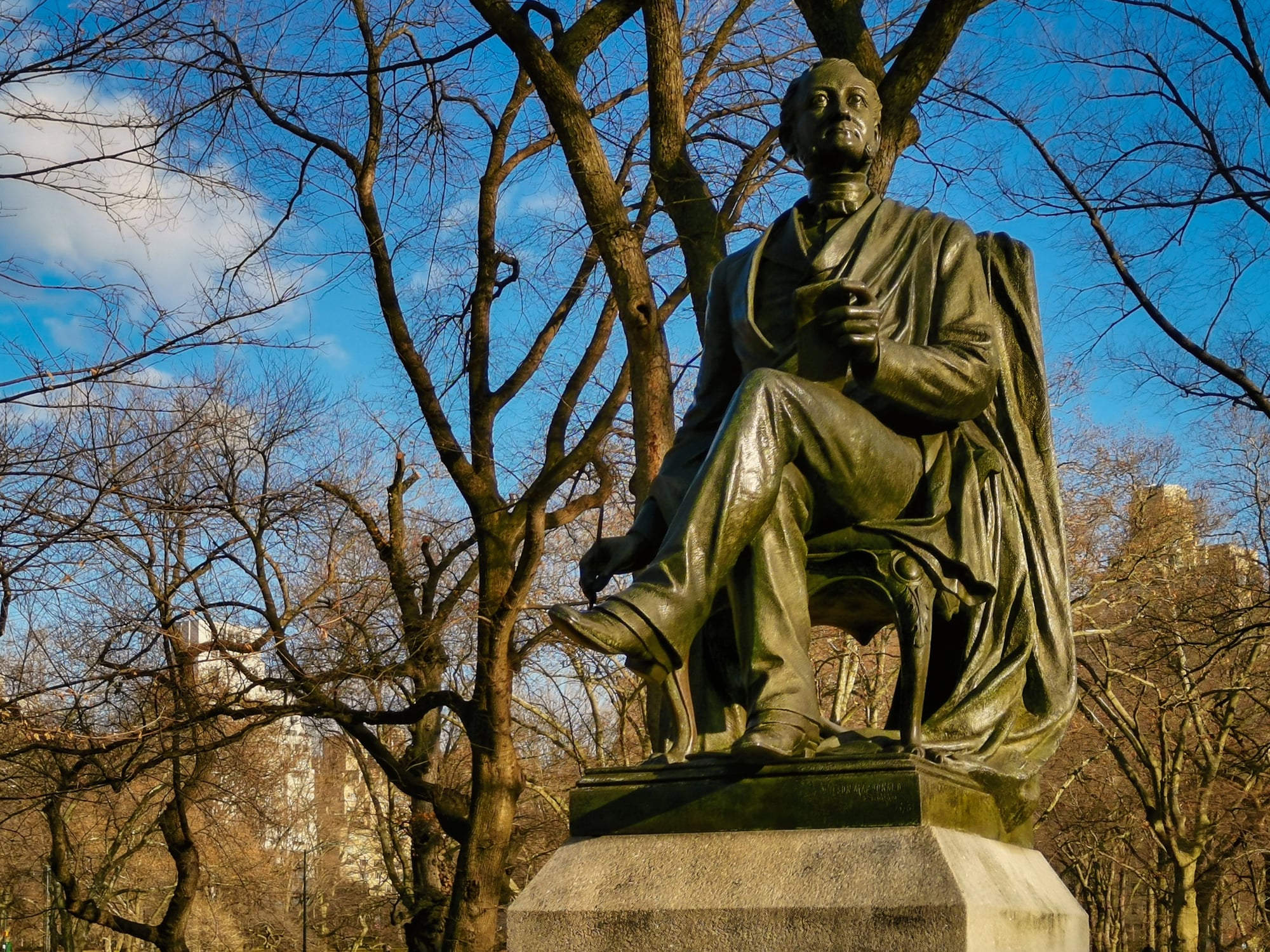
Most people have never heard of Fitz-Greene Halleck, but his statue from 1877 marked the first time Central Park honored an American literary figure. Halleck was wildly popular in the 1800s though his work is rarely read today.
The statue by James Wilson Alexander MacDonald shows him seated and relaxed, holding a book. Halleck was actually friends with the sculptor’s family, which may explain why he received this honor over more famous poets.
The Eagles and Prey sculpture has a hidden detail
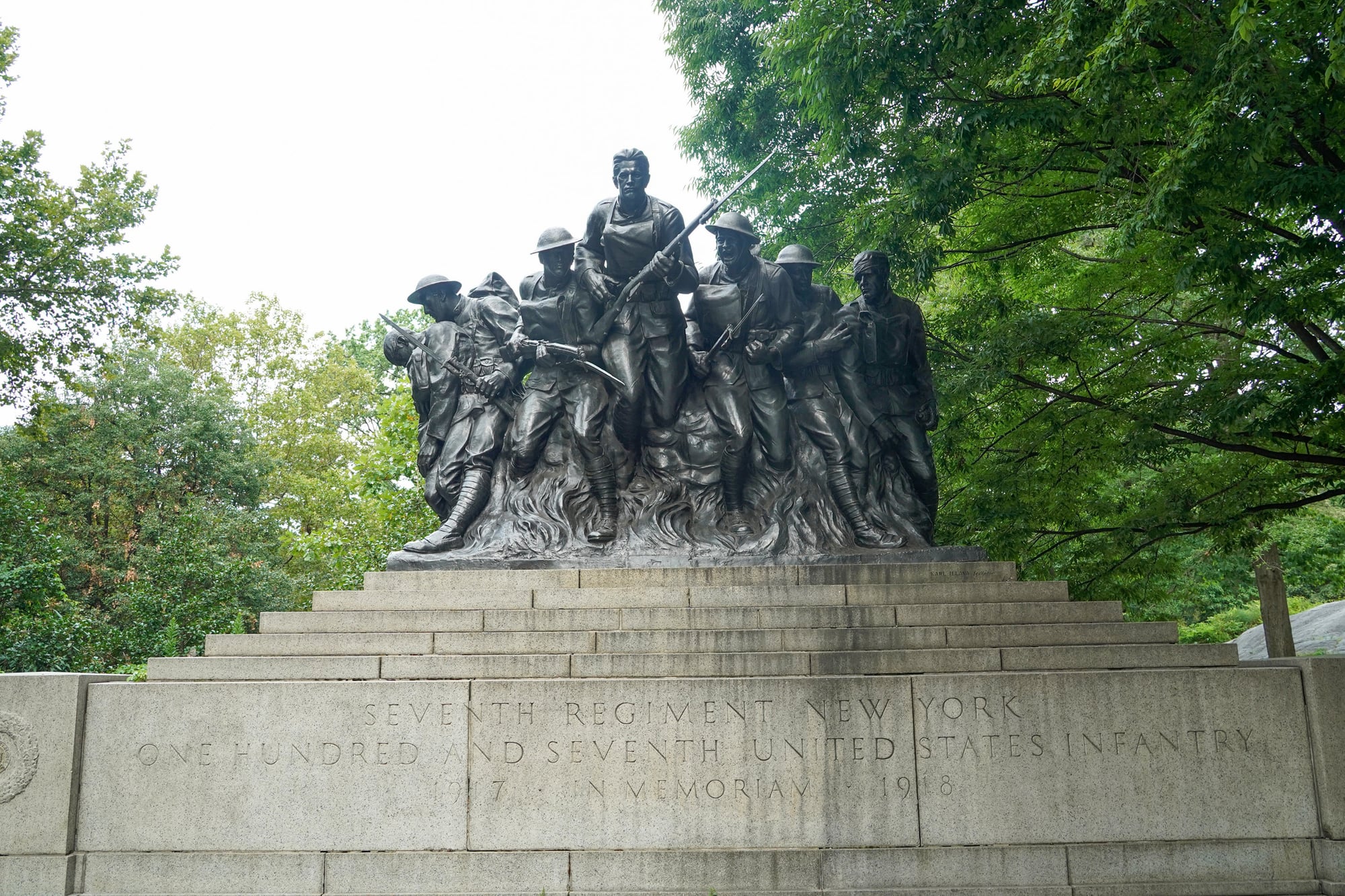
The bronze eagles at the Seventh Regiment Memorial have caught a goat in their talons, but look closer at the base. John Quincy Adams Ward included tiny detailed feathers on parts of the sculpture that visitors can barely see from ground level.
He refused to take shortcuts even on details that wouldn’t be visible, believing that artistic integrity mattered more than convenience. The monument honors Civil War soldiers from the Seventh Regiment.
Christopher Columbus faces the wrong direction

The Columbus statue at Columbus Circle stands atop a tall granite column, but experts point out that Columbus faces northeast. Given that he sailed west to reach the Americas, this orientation seems backward.
The statue by Gaetano Russo was installed in 1892 to mark the 400th anniversary of Columbus’s first voyage. The monument has become controversial in recent years as people debate Columbus’s legacy and impact on indigenous peoples.
Duke Ellington was the first African American honored with a statue
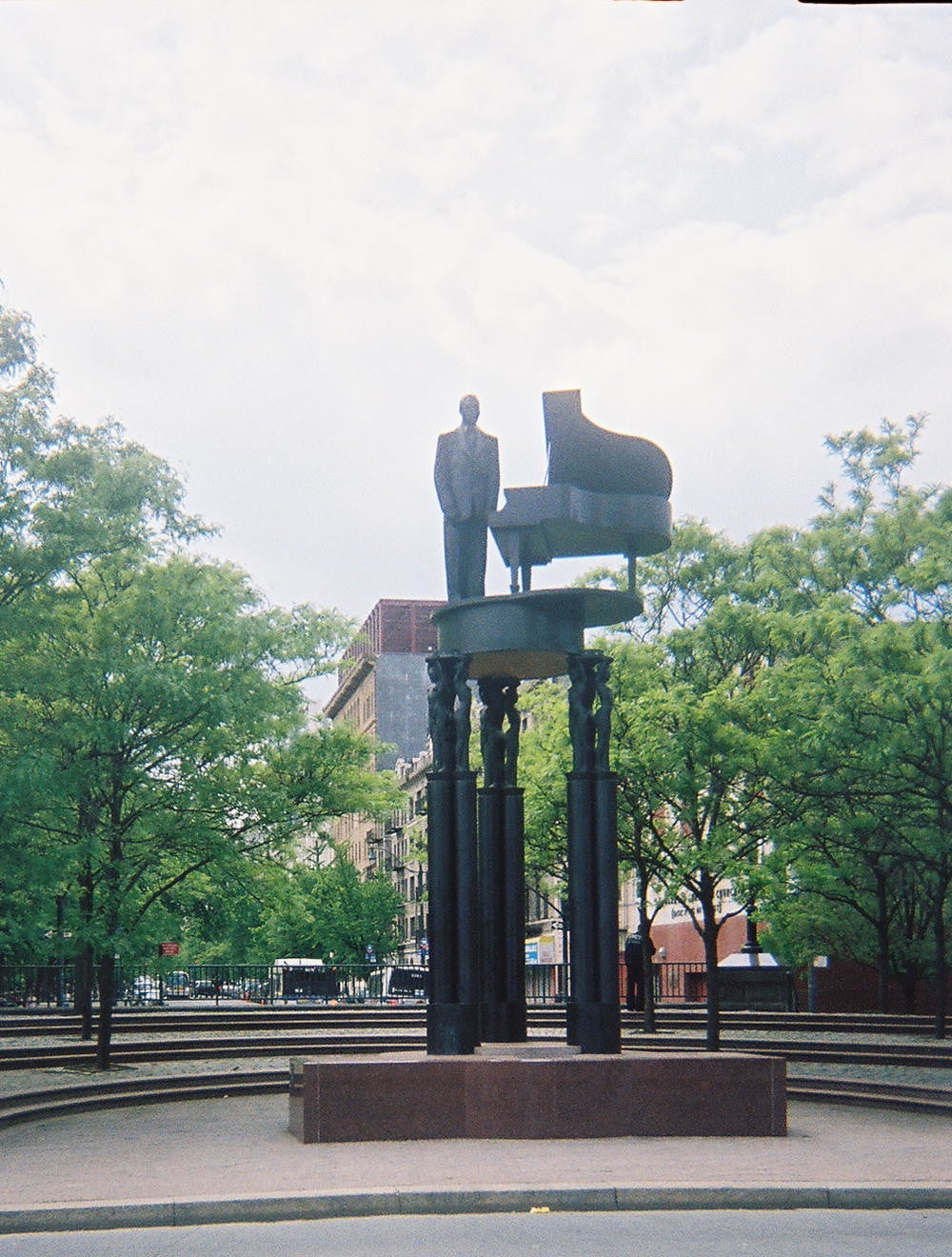
The Duke Ellington Memorial at Fifth Avenue and 110th Street broke important ground when it was unveiled in 1997. Robert Graham designed the statue showing Ellington at his piano, held aloft by three larger-than-life muses representing his three careers in song, dance, and composition.
Getting approval for the memorial took years of advocacy from the Duke Ellington Memorial Committee. The statue’s placement at the northeast corner deliberately welcomed visitors to Harlem.
King Jagiello’s swords were stolen and replaced
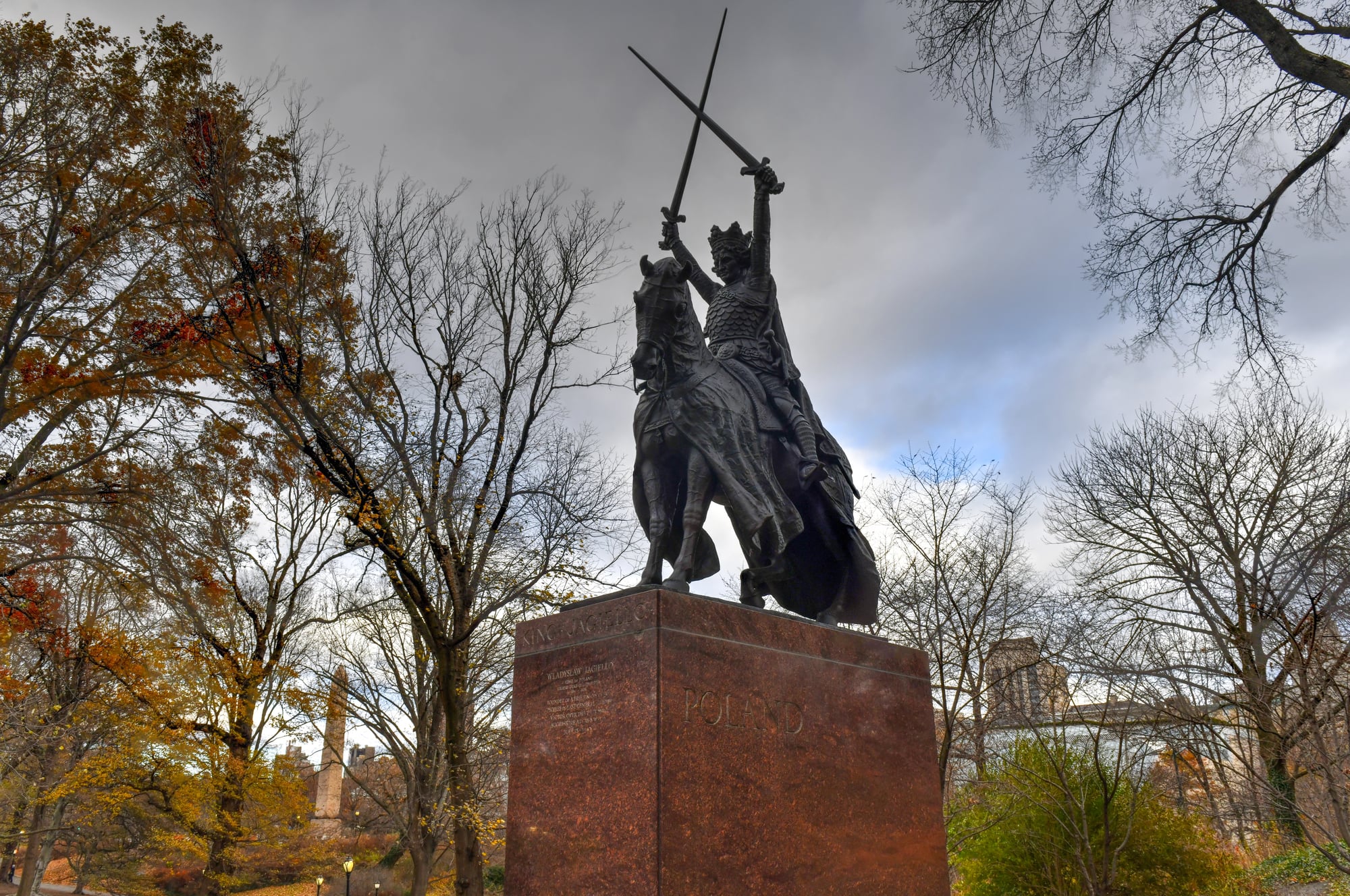
The massive bronze statue of King Jagiello near Turtle Pond holds two crossed swords above his head. In 1986, vandals cut off both swords and stole them, probably to sell the bronze for scrap.
The Parks Department had replicas made and attached them more securely to prevent future theft. Stanislaw K. Ostrowski created the original statue for the 1939 World’s Fair, and it was moved to Central Park afterward.
The Pilgrim statue holds the earliest date found on any monument in the park
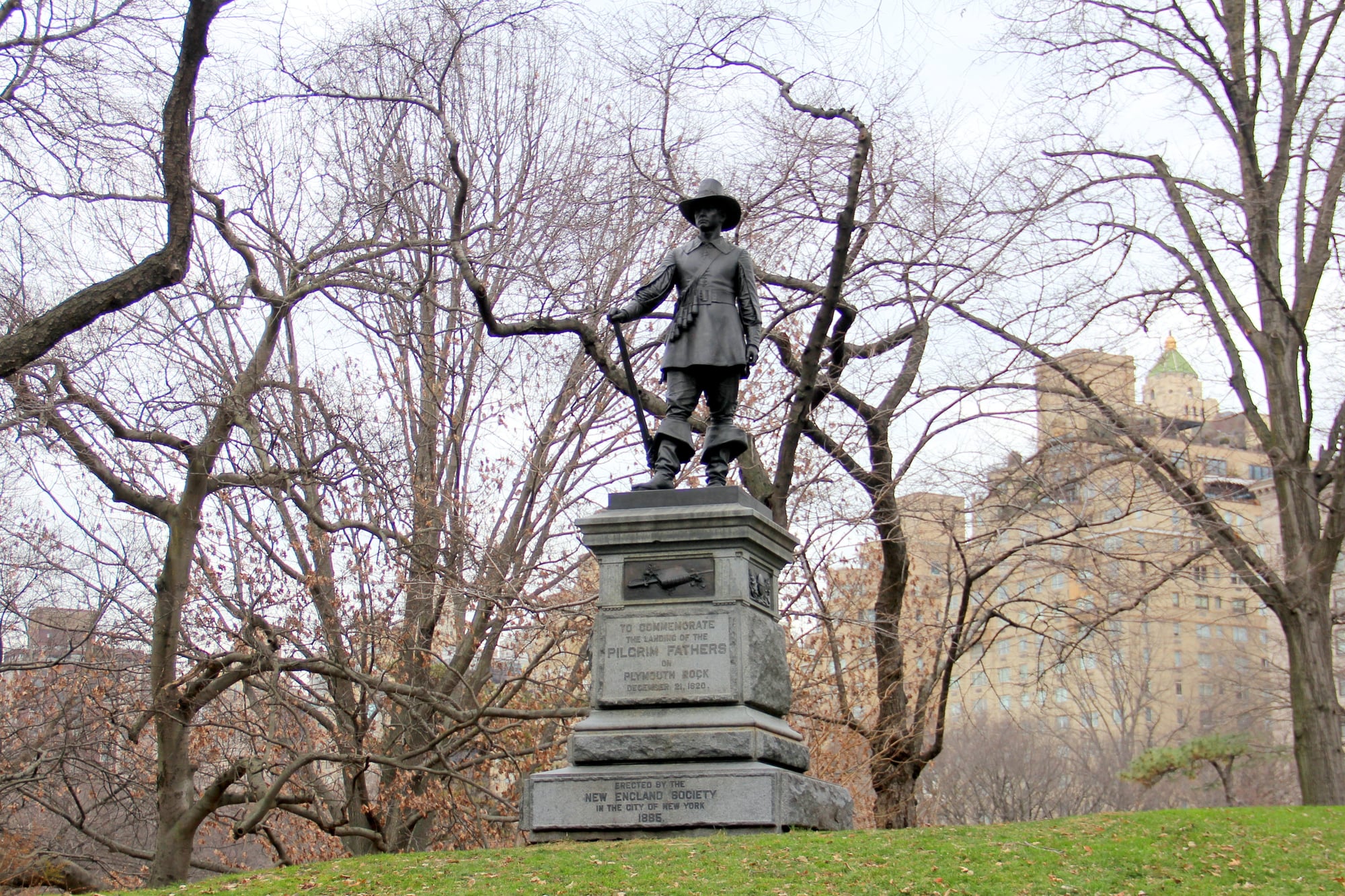
John Quincy Adams Ward’s sculpture by East 72nd captures a Pilgrim stepping ahead, bible tucked under his arm – hinting at faith driving the trip. It points back to Plymouth Rock’s moment in 1620.
Etched into stone: ‘1620–1885’, counting 265 years since that day. Instead of stillness, he’s caught mid-motion, focused onward.
Simón Bolívar watches both traffic circles

The Simón Bolívar statue by Sixth Avenue and Central Park South sits right where it looks out over the green space and skyline. Crafted in 1921 by artist Sally James Farnham, it captures him riding a horse that’s lifting up on its back legs.
Instead of keeping it, Venezuela gave the sculpture to NYC as a sign of goodwill between countries. He didn’t travel to this city during his lifetime – still, his likeness ended up here regardless.
The Untermyer Fountain has three dancing maidens

The Untermyer Fountain shows three bronze dancers in a ring, made by Walter Schott in Germany about 1910. After that, Samuel Untermyer acquired it – then gave it to the park in ’47.
Each figure stands for a kind of happiness or festivity, yet experts still argue what they truly mean. You’ll find it in the Conservatory Garden; people snap photos here more than almost anywhere else.
Robert Burns has two annual celebrations
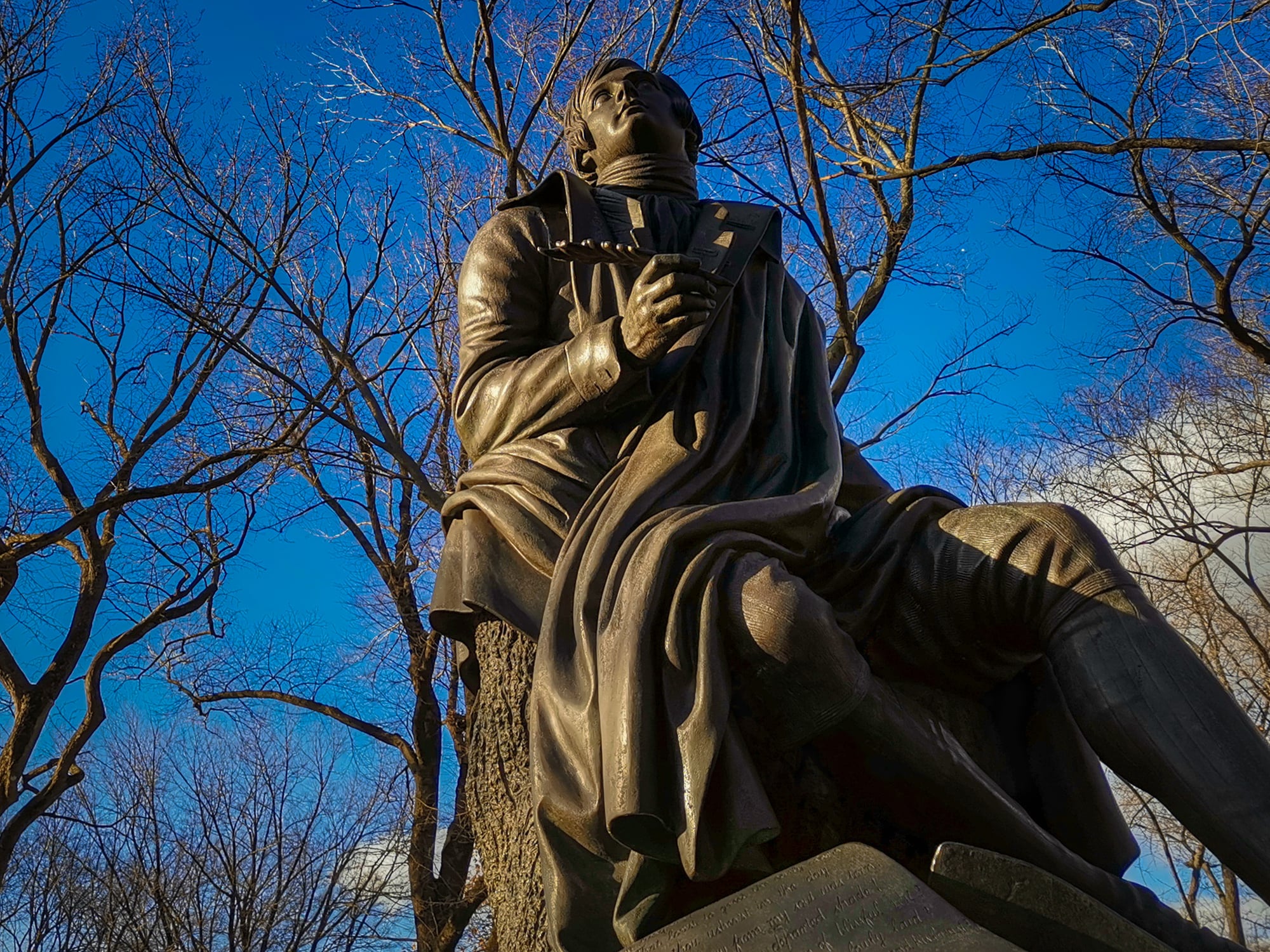
The Robert Burns statue by the Mall sees crowds two times yearly from Scottish heritage clubs. During Burns Night every January, also on his birthday, folks meet there to recite poems – now and then someone brings out bagpipes.
Crafted by John Steell in Edinburgh, this figure was poured in bronze just for Central Park back in 1880. He’s seated relaxed with a book, feels less like stone, more like someone you know.
Still here, even now – after so much time’s gone by

Central Park’s statues? They’ve stuck around despite graffiti, storms, or folks arguing over whose face should stay. A few show well-known names, though some honor those history barely remembers now.
Bronze and rock stand frozen as crowds hustle by – each one quietly hoping a passerby might pause and ask, “Who were you?” These markers tie today’s NYC to far-off eras and corners of the world, showing how real stories can hit harder when seen on a pedestal instead of a page
More from Go2Tutors!

- The Romanov Crown Jewels and Their Tragic Fate
- 13 Historical Mysteries That Science Still Can’t Solve
- Famous Hoaxes That Fooled the World for Years
- 15 Child Stars with Tragic Adult Lives
- 16 Famous Jewelry Pieces in History
Like Go2Tutors’s content? Follow us on MSN.