15 Foods That Were Once Illegal to Eat in America
Looking back at America’s food history, you’ll find some truly bizarre laws. Politicians banned everything from butter substitutes to tiny songbirds, usually because someone got scared or an industry threw a fit.
Health concerns played a role sometimes. Mostly though? Pure panic. The weirdest part is how long some of these bans lasted. We’re talking decades of legal battles over margarine.
Imagine that conversation at a dinner party. Here’s what Americans weren’t allowed to eat at various points in history.
Margarine

Dairy farmers lost their minds when margarine appeared in 1869. They lobbied hard, getting state after state to ban this “artificial” butter.
Wisconsin actually required restaurants to ask customers three separate times if they really, truly wanted margarine instead of “real” butter. Some states forced companies to dye margarine bright pink.
Absinthe
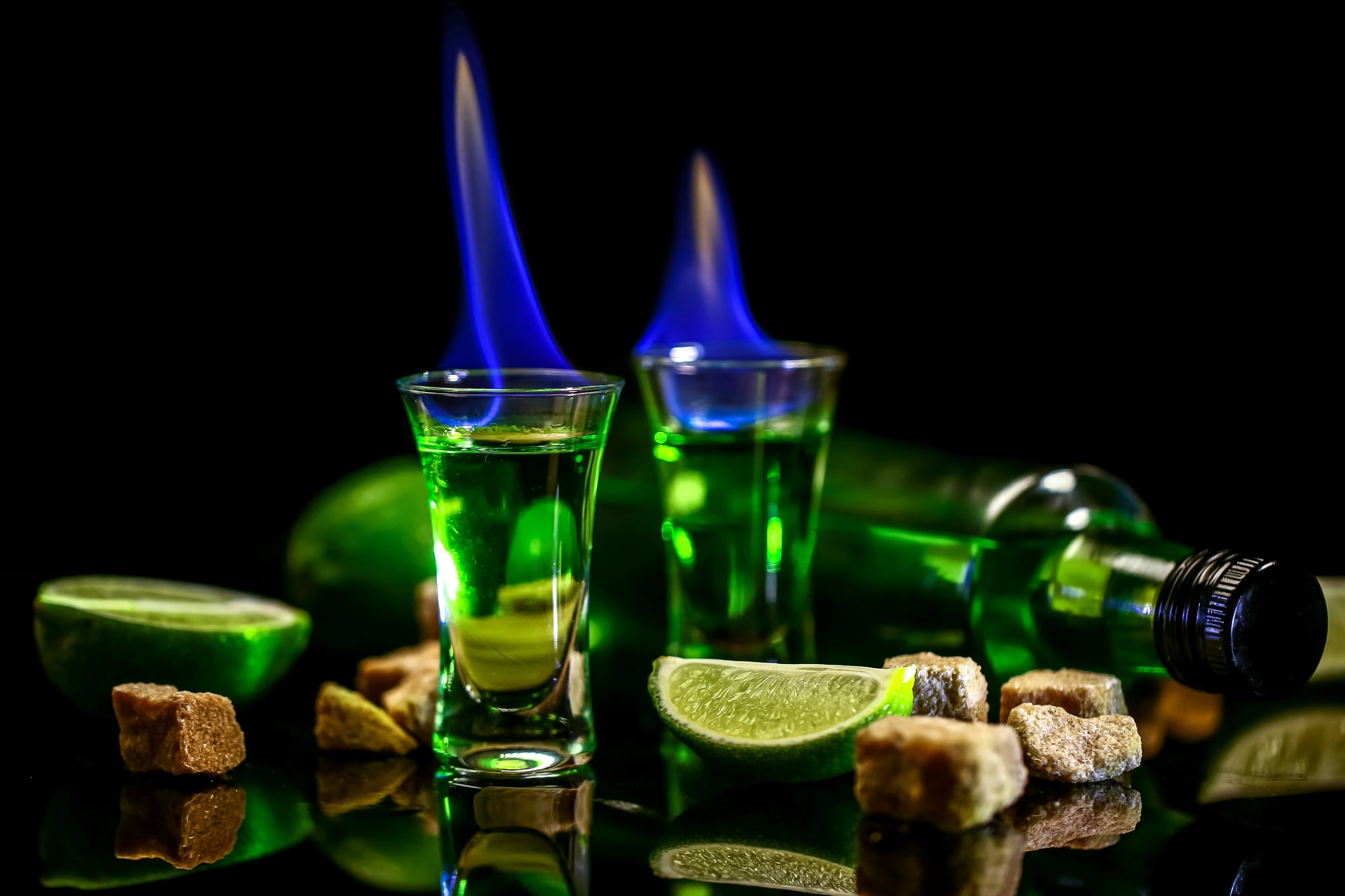
People genuinely believed absinthe turned you into a violent maniac. Stories from Europe described artists going insane, people attacking strangers, complete chaos in the streets.
America banned it fast in 1912. Most of those stories were complete garbage.
Like Go2Tutors’s content? Follow us on MSN.
Raw Milk Cheese Aged Less Than 60 Days

The FDA decided in 1949 that cheese needed to age for at least 60 days to kill bacteria. Sounds logical until you realize this wiped out hundreds of perfectly safe European cheeses.
French cheesemakers have been doing this for centuries without poisoning anyone. But American regulators apparently know better than generations of European expertise.
Chocolate with Alcohol
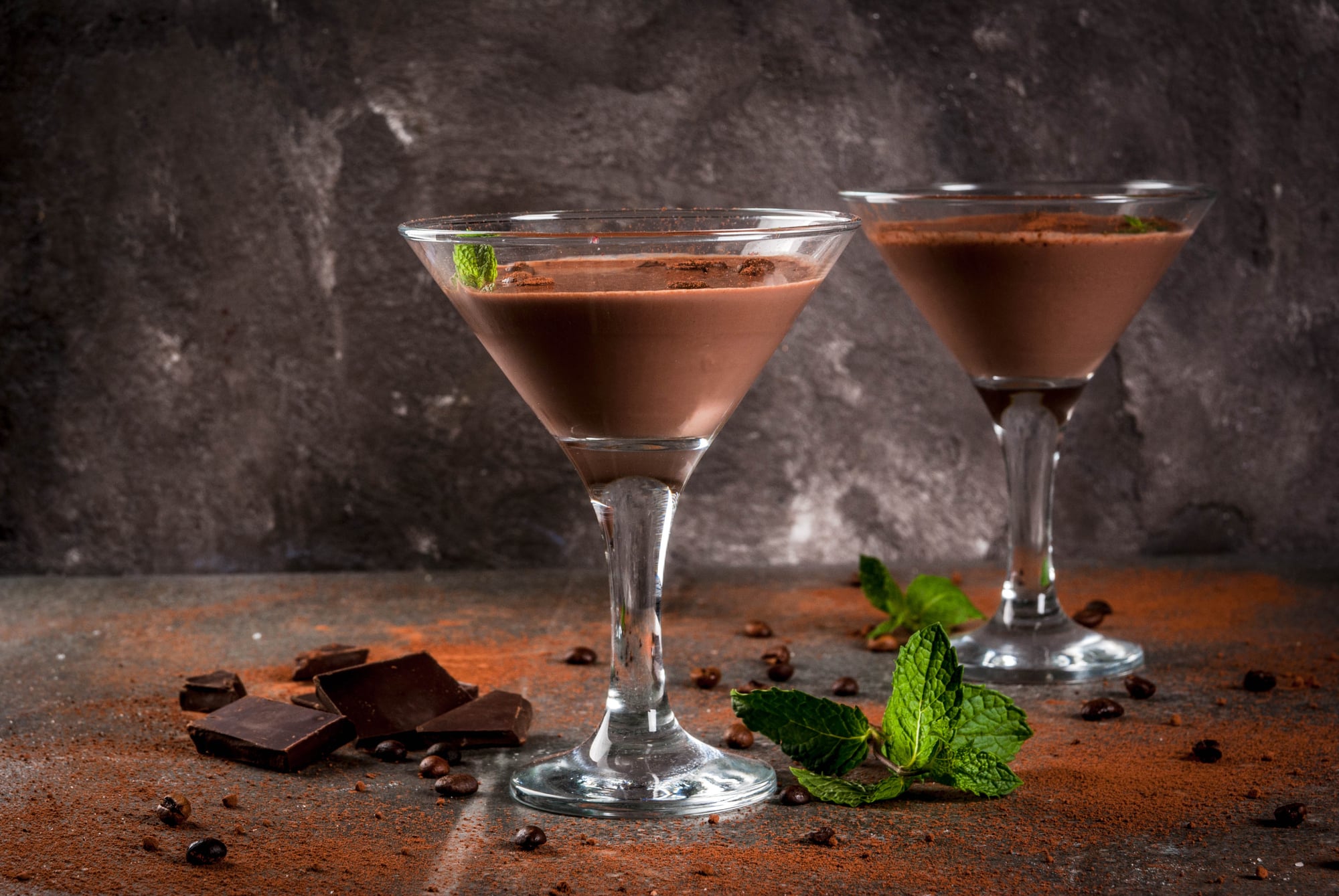
Any chocolate containing actual alcohol got treated like a bottle of bourbon for decades. You needed special licenses, age verification, the whole bureaucratic nightmare.
States have mostly backed off this craziness. But some still treat a chocolate truffle with a tiny bit of rum like it’s going to cause mass intoxication.
Kinder Surprise Eggs

Banned since 1938 because there’s a toy inside the chocolate. The FDA thinks American kids will somehow choke on plastic eggs that millions of European children handle just fine.
European kids have been eating these forever without dying en masse. Apparently American children are uniquely incapable of not swallowing obvious non-food items.
Like Go2Tutors’s content? Follow us on MSN.
Horse Meat
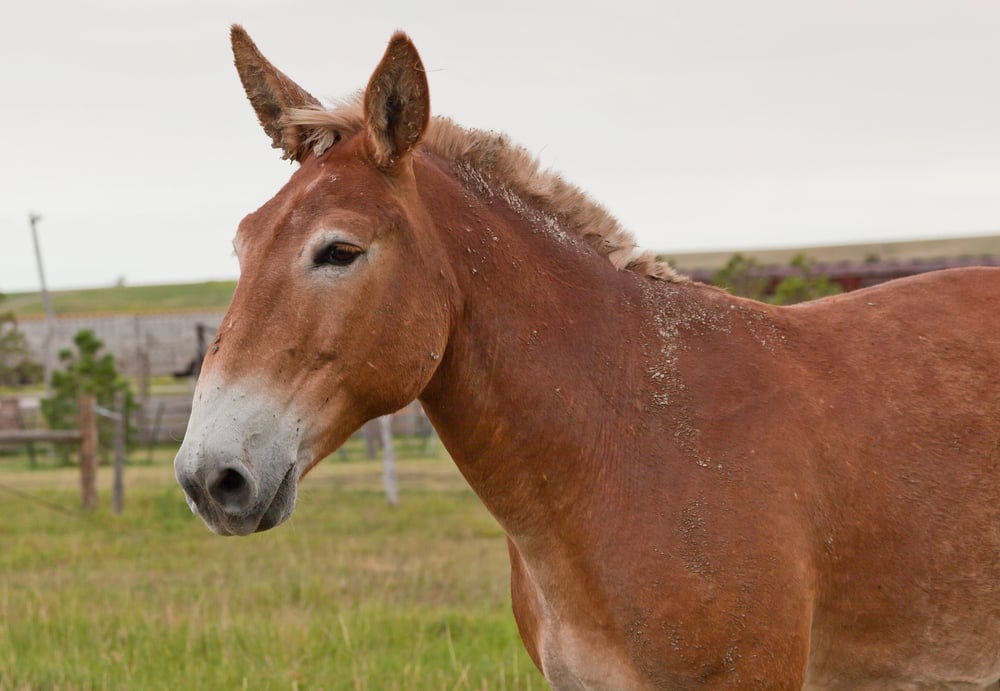
Not technically illegal, just impossible to get. The USDA banned horse slaughter for human consumption, so the last facilities closed in 2007.
Most Americans think eating horse is disgusting anyway. It’s cultural squeamishness more than anything rational.
Haggis
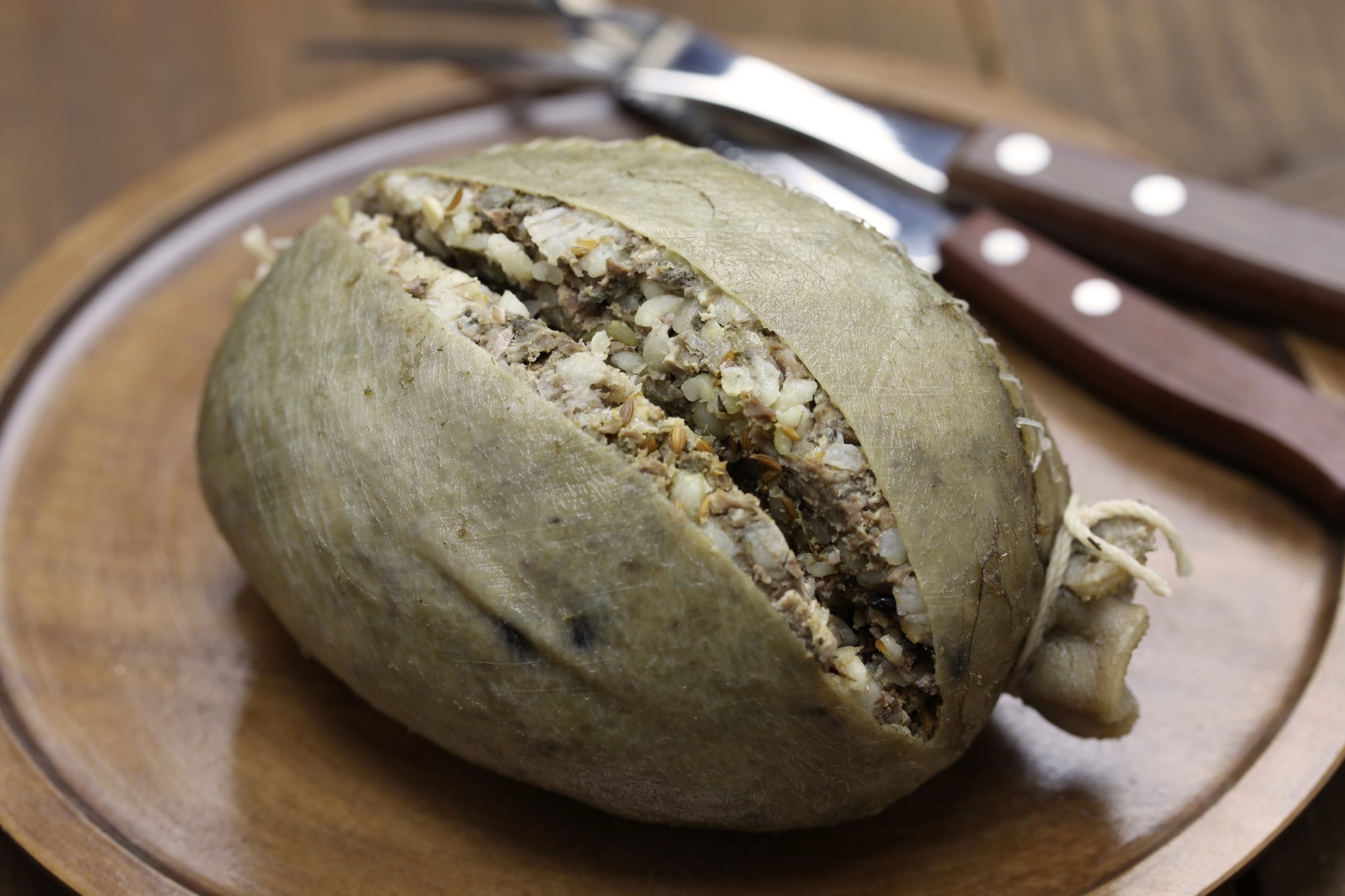
Scotland’s national dish contains sheep lungs, which the USDA banned from imports in 1971. You can get fake American haggis without lungs, but Scots say it’s not authentic.
Scottish-Americans get really annoyed about this during Burns Night celebrations. It’s completely random—we allow all sorts of weird organ meats but draw the line at lungs for no clear reason.
Black Currants

Banned in many states because they can spread white pine blister rust, threatening the lumber industry. The federal government lifted restrictions in 1966, but some states kept banning them anyway.
Europeans love black currants, but Americans never developed a taste for them during the decades-long prohibition. They’re legal now but still rare in stores.
Like Go2Tutors’s content? Follow us on MSN.
Ortolan Bunting

Tiny French songbird traditionally drowned in brandy and eaten whole. Wildlife laws made importing them illegal, probably for good reason.
The preparation method is pretty horrific, and the birds are endangered. Plus most Americans aren’t interested in eating songbirds no matter how fancy it sounds.
Four Loko (Original Formula)
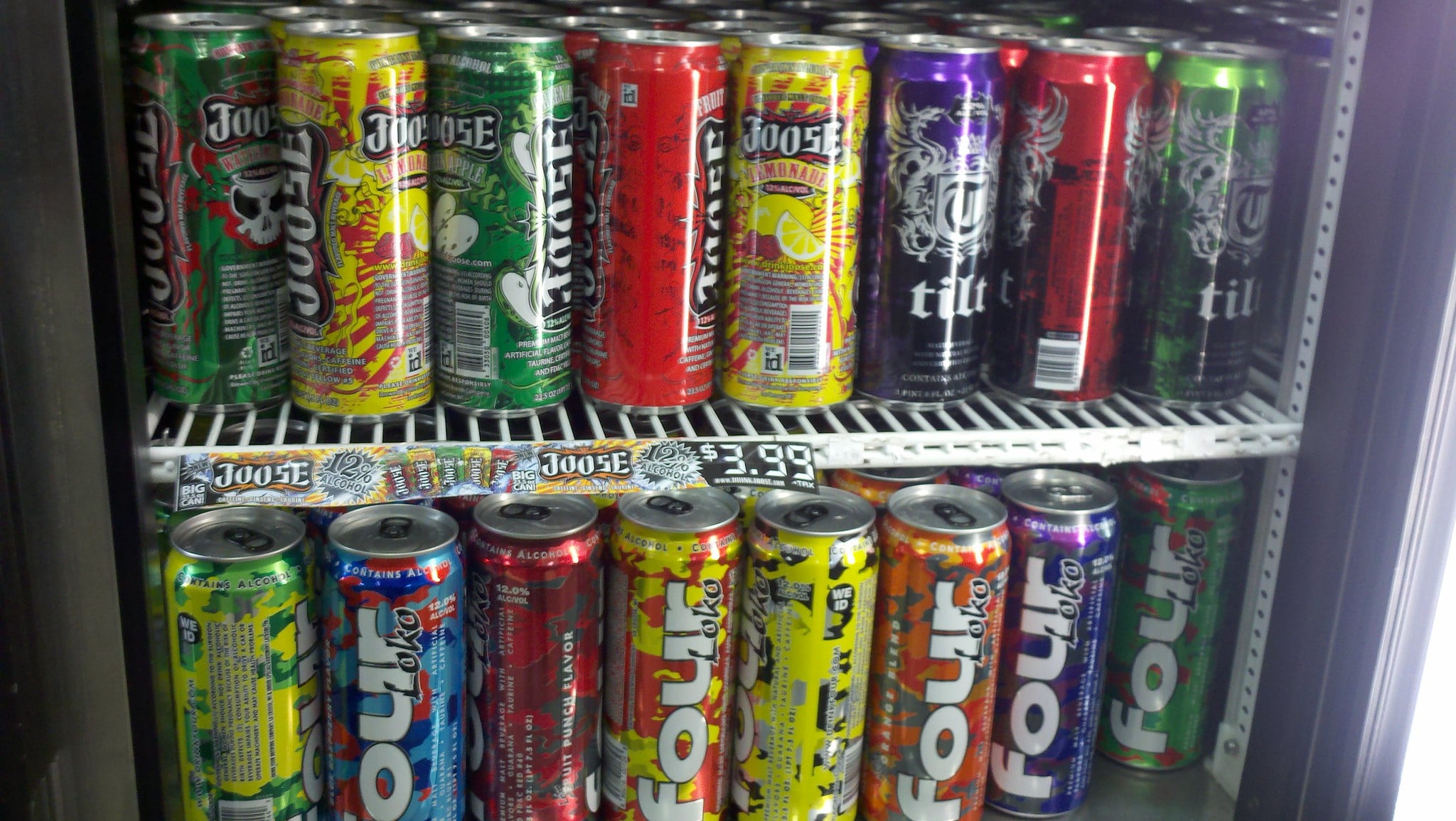
Mixed alcohol with massive caffeine doses, earning the nickname “blackout in a can.” College students kept ending up in emergency rooms because they couldn’t tell how drunk they were.
The FDA banned the caffeinated version in 2010 after too many hospitalizations. The current formula is still strong but at least people know when they’re getting wasted.
Tonka Beans
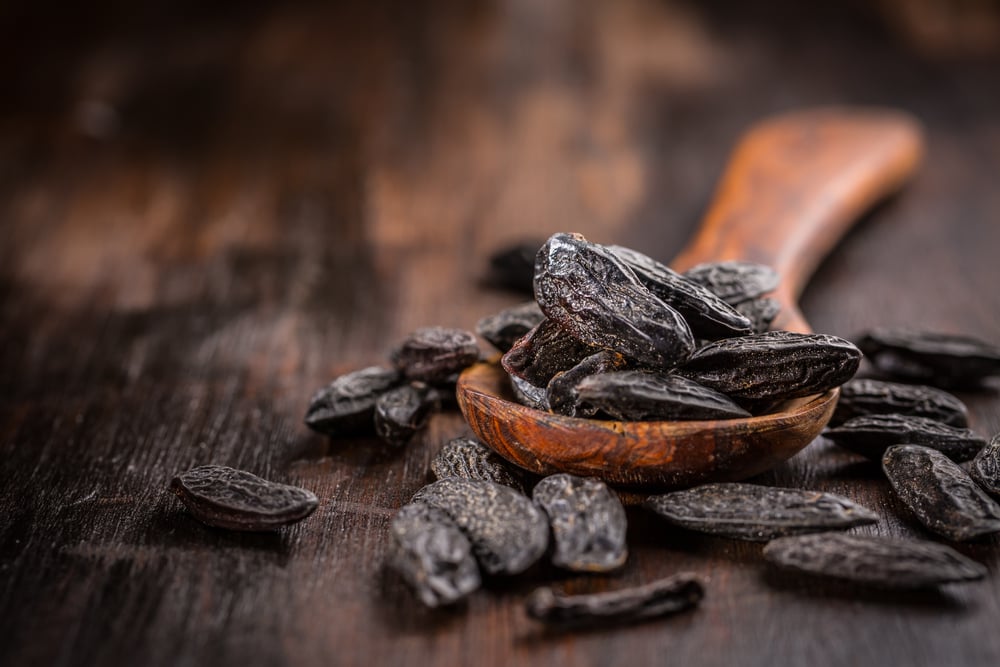
Smells incredible and tastes like vanilla-almond heaven, but contains coumarin, banned as a food additive in 1954. High-end chefs love them, but using them commercially is illegal.
The beans themselves aren’t controlled substances—you can buy them. Restaurants and food companies just can’t use them.
Like Go2Tutors’s content? Follow us on MSN.
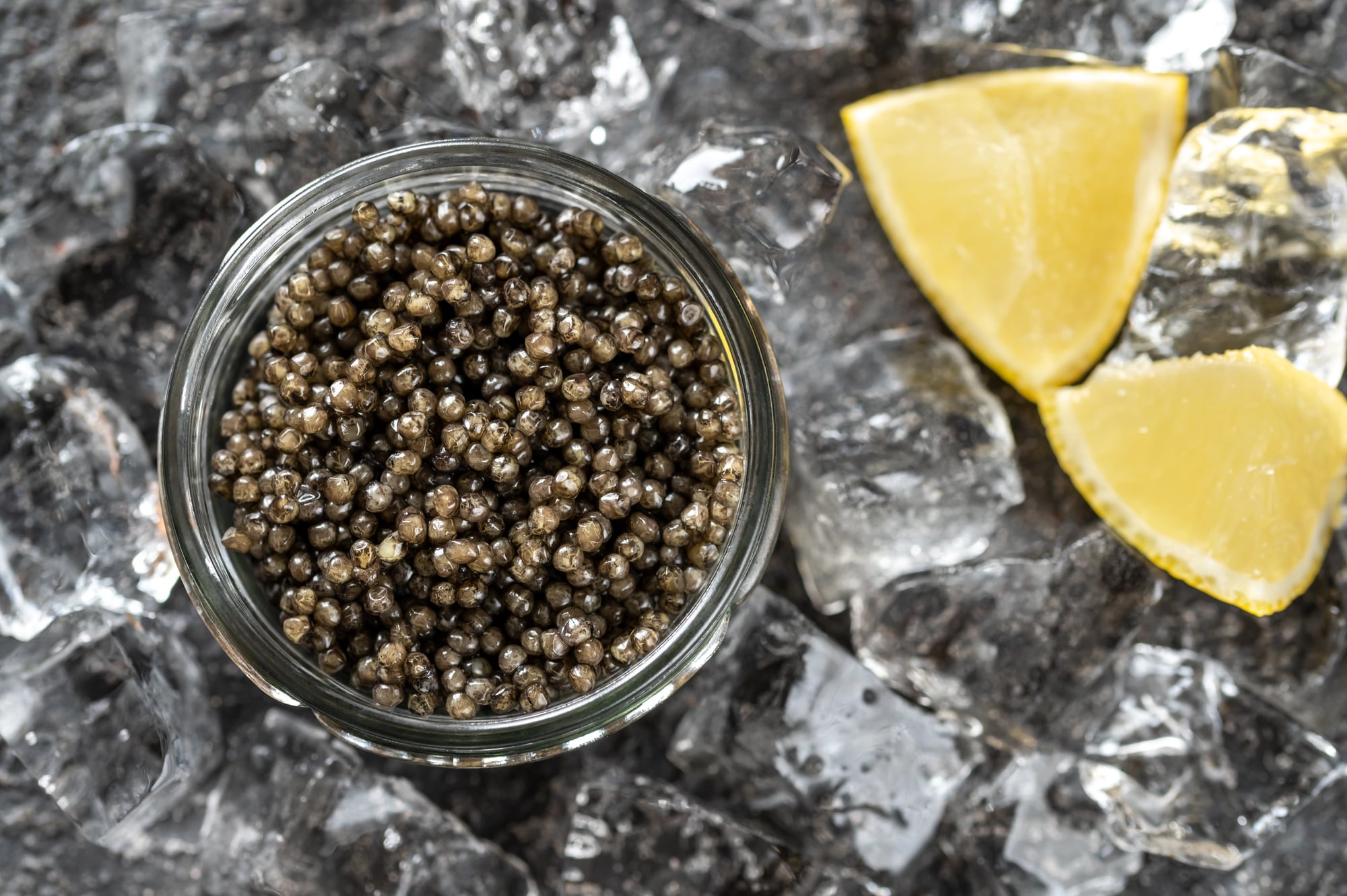
Beluga Caviar
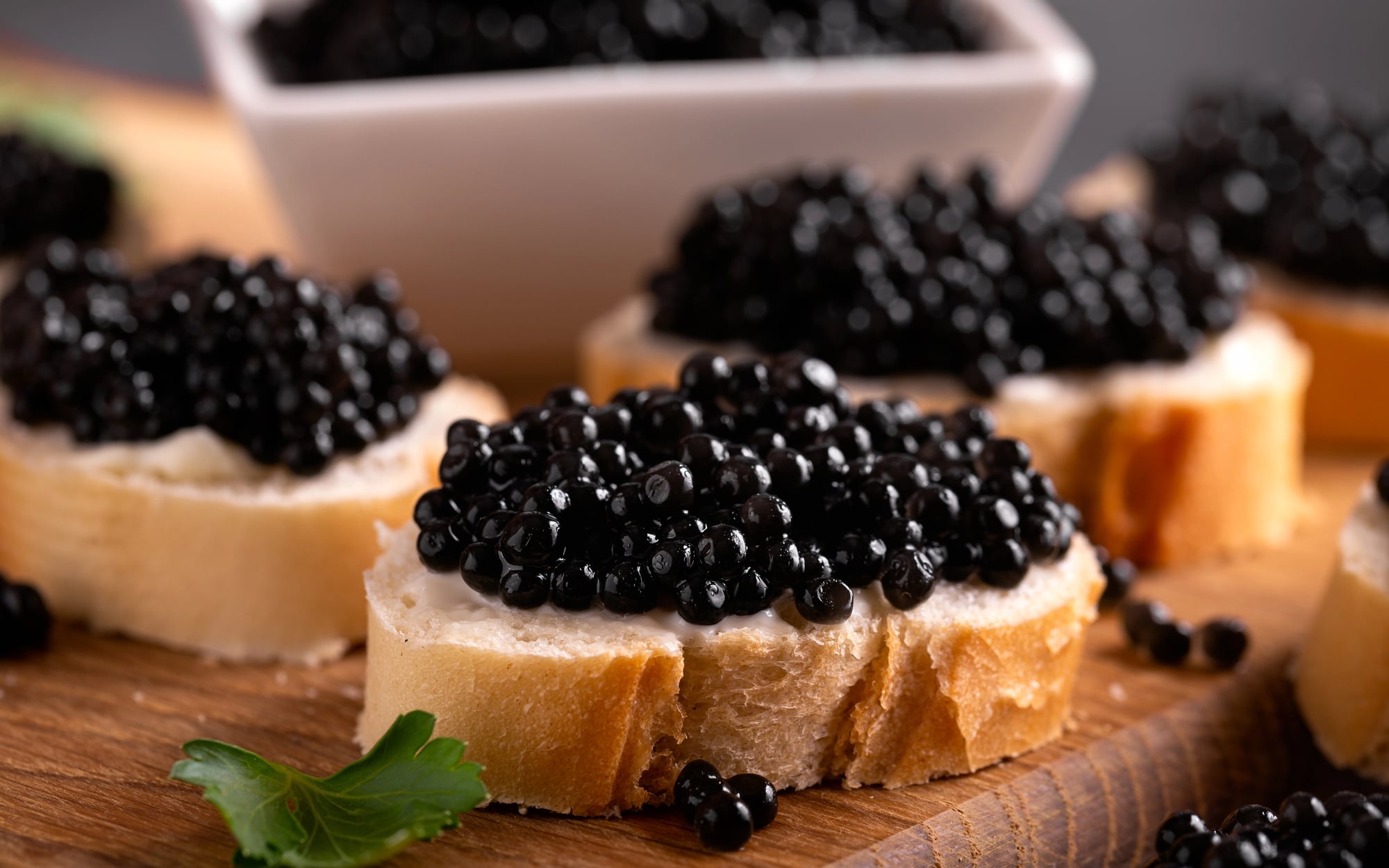
Wild beluga caviar got banned in 2005 when beluga sturgeon nearly went extinct. Overfishing had decimated Caspian Sea populations.
Farm-raised beluga caviar is legal now but costs a fortune. The wild stuff stays banned to help fish populations recover.
Fugu

Japanese pufferfish contain enough poison to kill you if prepared incorrectly. Only a few American restaurants can serve it, and their chefs must train in Japan first.
People still die from fugu poisoning in Japan every year. It’s food as an extreme sport—the danger is literally the point.
Ackee Fruit
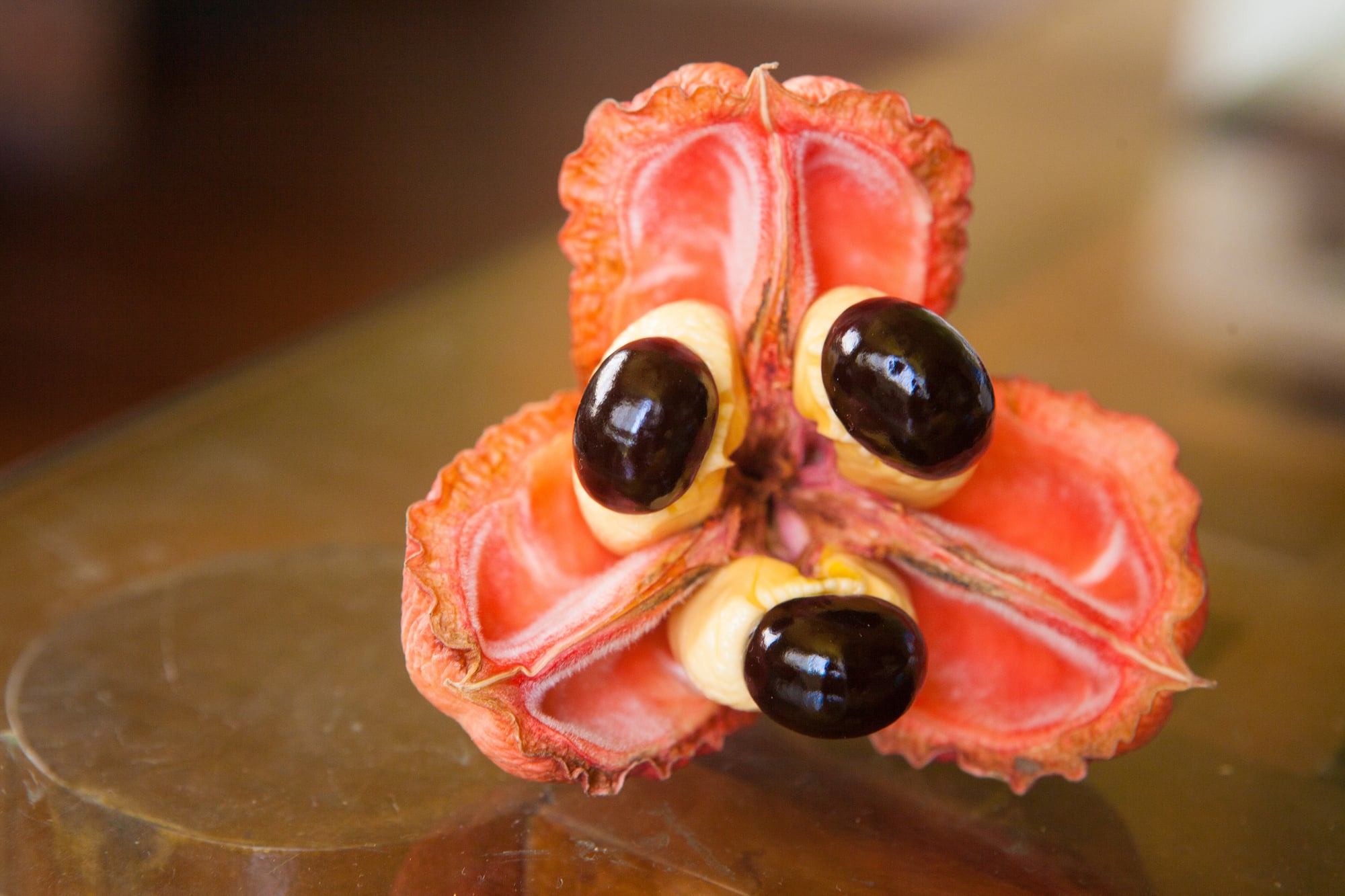
Jamaica’s national fruit contains deadly toxin hypoglycin when unripe. Eat it too early and you could die from poisoning.
Properly processed canned ackee is legal now, but fresh fruit stays banned. Nobody wants to gamble with potentially lethal fruit.
Like Go2Tutors’s content? Follow us on MSN.
Shark Fin

Many states and cities banned shark fin possession after learning about finning—cutting off fins and throwing sharks back to die. Environmental groups pushed hard for these laws.
It’s one case where animal welfare beats culinary tradition. The waste and cruelty were too obvious to ignore.
America’s Food Paranoia
These bans reveal America’s weird relationship with food regulation. Sometimes we panic over nothing, other times we ignore real problems.
Industry lobbying plays a huge role, along with moral outrage and genuine health scares. What seemed terrifying to previous generations often looks ridiculous today.
Science changes, cultural attitudes shift, and banned foods sometimes make comebacks. Though not always—some of these prohibitions were actually pretty reasonable.
More from Go2Tutors!

- 16 Historical Figures Who Were Nothing Like You Think
- 12 Things Sold in the 80s That Are Now Illegal
- 15 VHS Tapes That Could Be Worth Thousands
- 17 Historical “What Ifs” That Would Have Changed Everything
- 18 TV Shows That Vanished Without a Finale
Like Go2Tutors’s content? Follow us on MSN.