Top Coffee Cities In The US
Each town brews its own version of coffee life. From north to south, what steams in a cup ties back to weather, memory, how fast people walk, what they care about.
Morning here might mean grab-and-go speed. Over there, slow talk between sips matters more than time.
Ritual finds space where hands cradle mugs like secrets. Fresh brews fill the air in quiet corners, not always where signs flash bright.
What matters? Mornings move slowly, shaped by steam and shared cups.
True coffee cities stand out by their roots, not new trends. Look at dawn light spilling through café windows before most streets wake.
Hours stretch slowly inside these rooms, time marked more by refills than clocks. Alongside well-known shops, tucked-away roasters hold steady ground.
Life here flows around coffee, fits into it, depends on it somehow. A daily rhythm, never a trend.
A fresh peek at America’s leading coffee spots shows how every place grew its own take on the morning brew. While some leaned into bold roasts, others shaped rituals around slow sipping under dim lights.
One city built corners where beans are ground like clockwork, whereas another turned cafés into living rooms with extra chairs. Each spot tells a story not of trends but of habit, weather, history pressing through steam and porcelain.
You find espresso standing in for conversation, or oat milk quietly replacing old norms. What ties them isn’t flavor, yet rhythm – how hands wrap mugs at dawn, how lines form without hurry.
Seattle, Washington
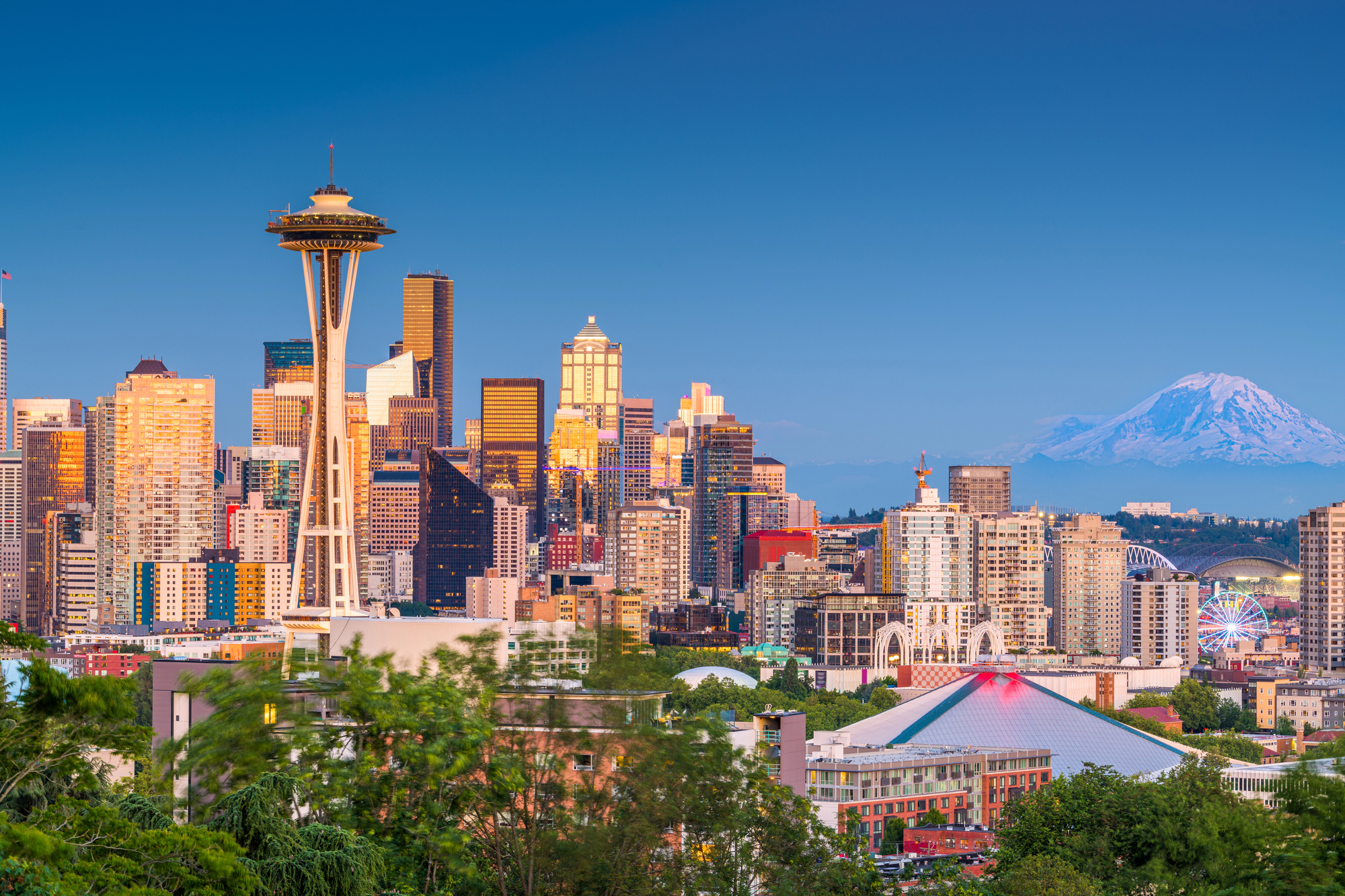
Seattle’s reputation as a coffee city is foundational rather than fashionable. Coffee here is tied to weather, work culture, and long-standing habits built around dark mornings and overcast afternoons.
Cafés are not just stops between destinations. They are destinations themselves.
Independent coffee shops are deeply embedded in neighborhoods, often serving as informal living rooms for locals. Roasting culture is taken seriously, but rarely marketed loudly.
Quality is expected, not announced.
What makes Seattle stand out is how normal good coffee feels. It is not a treat or a trend.
It is infrastructure, as essential as transit or sidewalks.
Portland, Oregon
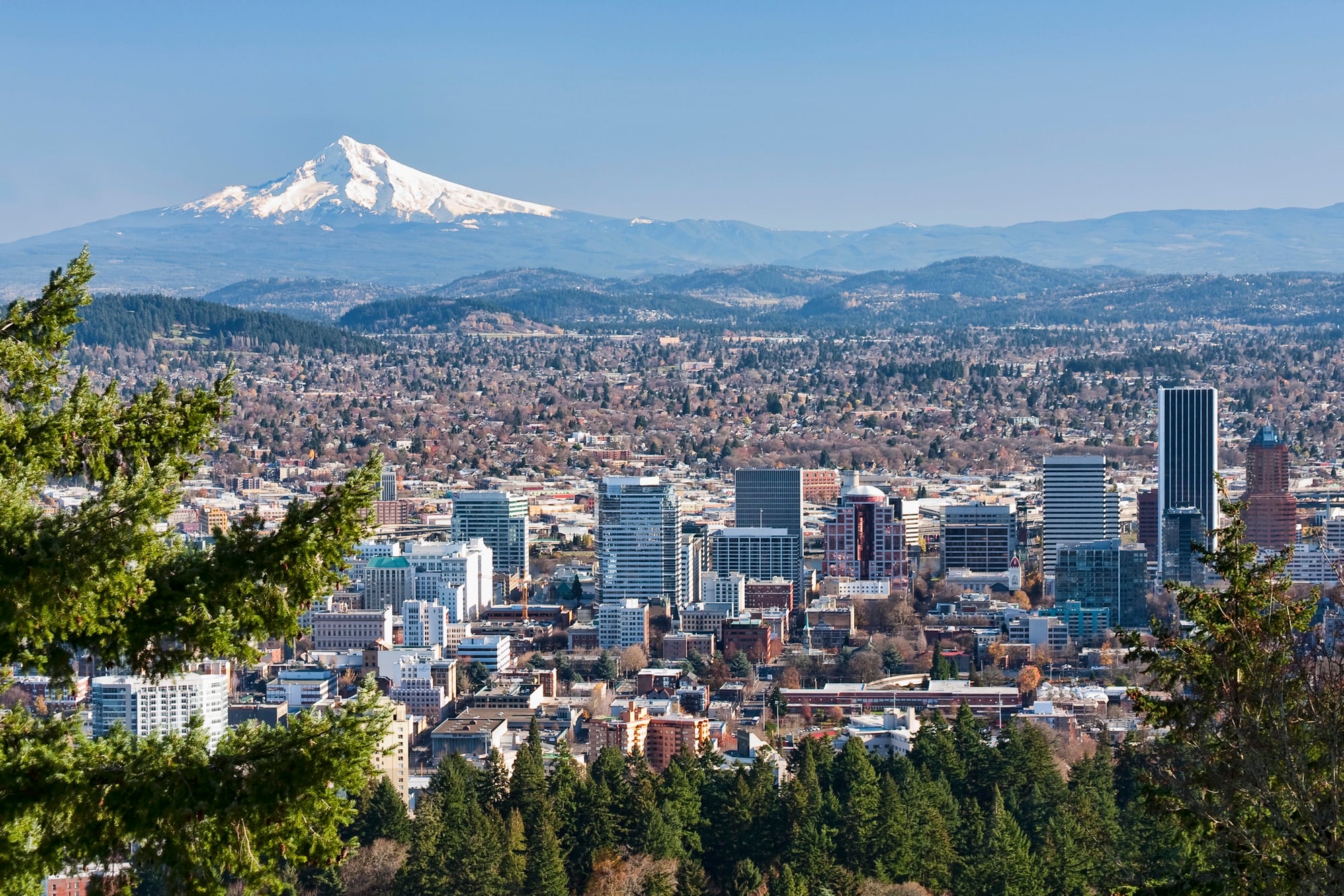
Portland approaches coffee with the same intentionality it applies to food, design, and community. The city favors small roasters, carefully sourced beans, and cafés that feel personal rather than polished.
Coffee spaces often double as creative hubs, workspaces, or neighborhood anchors.
The emphasis here is on transparency and process. Customers tend to care where beans come from and how drinks are prepared, but without pretension.
Conversations happen quietly, often over long visits rather than rushed stops.
Portland’s strength lies in balance. Coffee is treated as craft, but it remains approachable and woven into daily rhythms.
San Francisco, California

San Francisco’s coffee culture reflects the city’s blend of innovation and tradition. Long-standing cafés coexist with newer roasters that experiment with lighter profiles and precision brewing.
The result is a scene that values both legacy and reinvention.
Coffee here often overlaps with work culture. Cafés function as offices, meeting spaces, and idea incubators.
This has shaped menus that prioritize consistency and quality over novelty.
What makes San Francisco notable is its influence. Trends that emerge here often ripple outward, shaping coffee expectations well beyond city limits.
Los Angeles, California
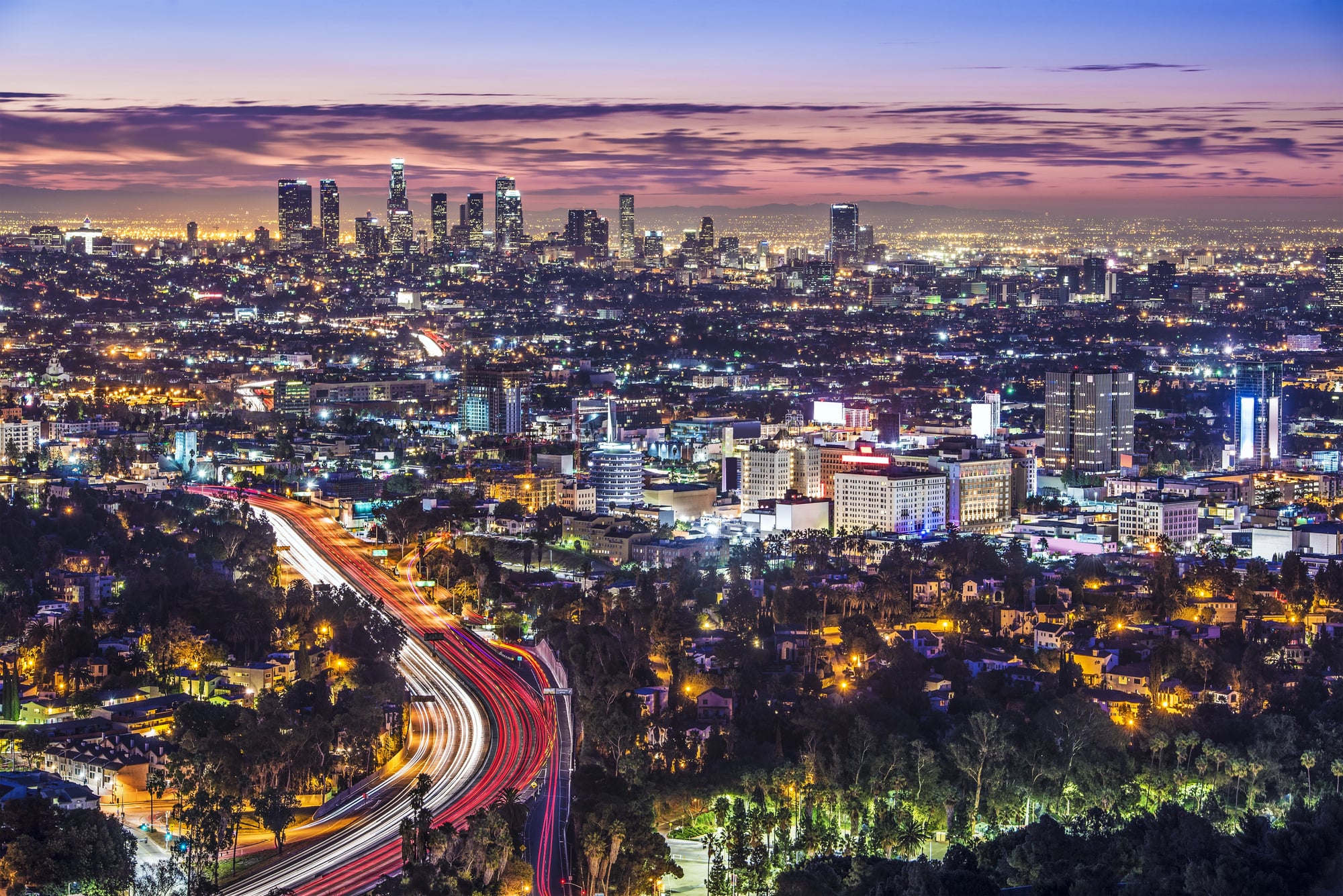
Los Angeles is often underestimated as a coffee city, largely because its scale can obscure its depth. The coffee scene here is sprawling and neighborhood-specific, with strong pockets of excellence spread across the city.
Cafés reflect the diversity of the city itself. You will find minimalist roasters, culturally rooted coffeehouses, and hybrid spaces that blend coffee with food, design, or retail.
Coffee culture adapts to movement and traffic patterns, favoring destinations worth the drive.
What sets Los Angeles apart is variety. There is no single style dominating the scene, which allows multiple approaches to coexist and thrive.
New York City, New York
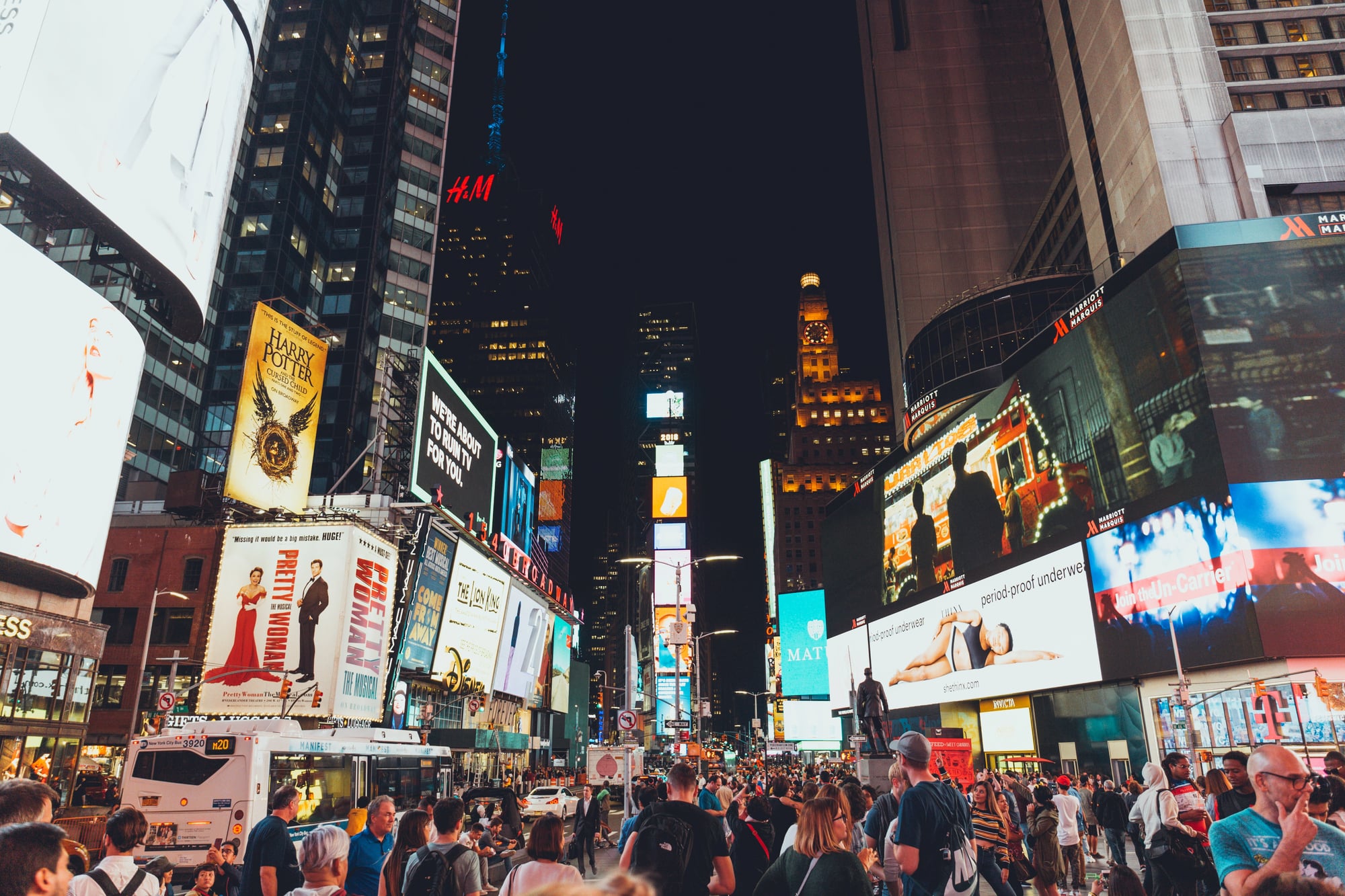
New York’s coffee culture is shaped by pace. Speed matters, but so does access.
Coffee is everywhere, and expectations are high because competition is constant.
The city supports both utilitarian coffee stops and carefully curated cafés. Independent shops survive by building loyal followings, often becoming fixtures in specific neighborhoods rather than citywide names.
What makes New York a top coffee city is density. Coffee is available at every hour and in every context, reinforcing its role as fuel for the city’s relentless energy.
Chicago, Illinois
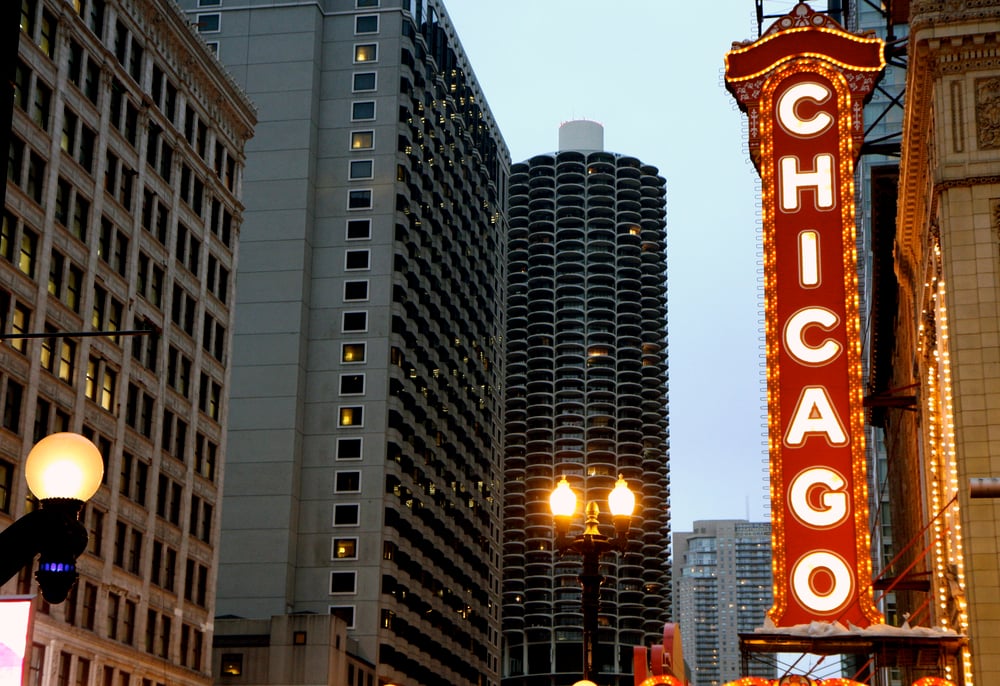
Chicago’s coffee culture balances seriousness with comfort. The city supports a strong roasting community alongside cafés that feel warm and unpretentious.
Coffee spaces here often prioritize seating, conversation, and a sense of place.
Seasonality plays a role. Long winters encourage cafés to become refuges, places to settle in rather than pass through.
This has shaped a culture that values atmosphere as much as the cup itself.
Chicago stands out for its consistency. Quality is widespread rather than concentrated, making good coffee easy to find across the city.
Boston, Massachusetts

Boston’s coffee culture reflects its academic and professional roots. Cafés cluster around universities, libraries, and transit hubs, serving as extensions of work and study spaces.
The scene here tends to favor reliability and focus. Menus are thoughtful without being excessive, and cafés are designed for extended stays rather than spectacle.
What makes Boston notable is integration. Coffee fits seamlessly into structured days, supporting long hours and steady routines without demanding attention.
Austin, Texas
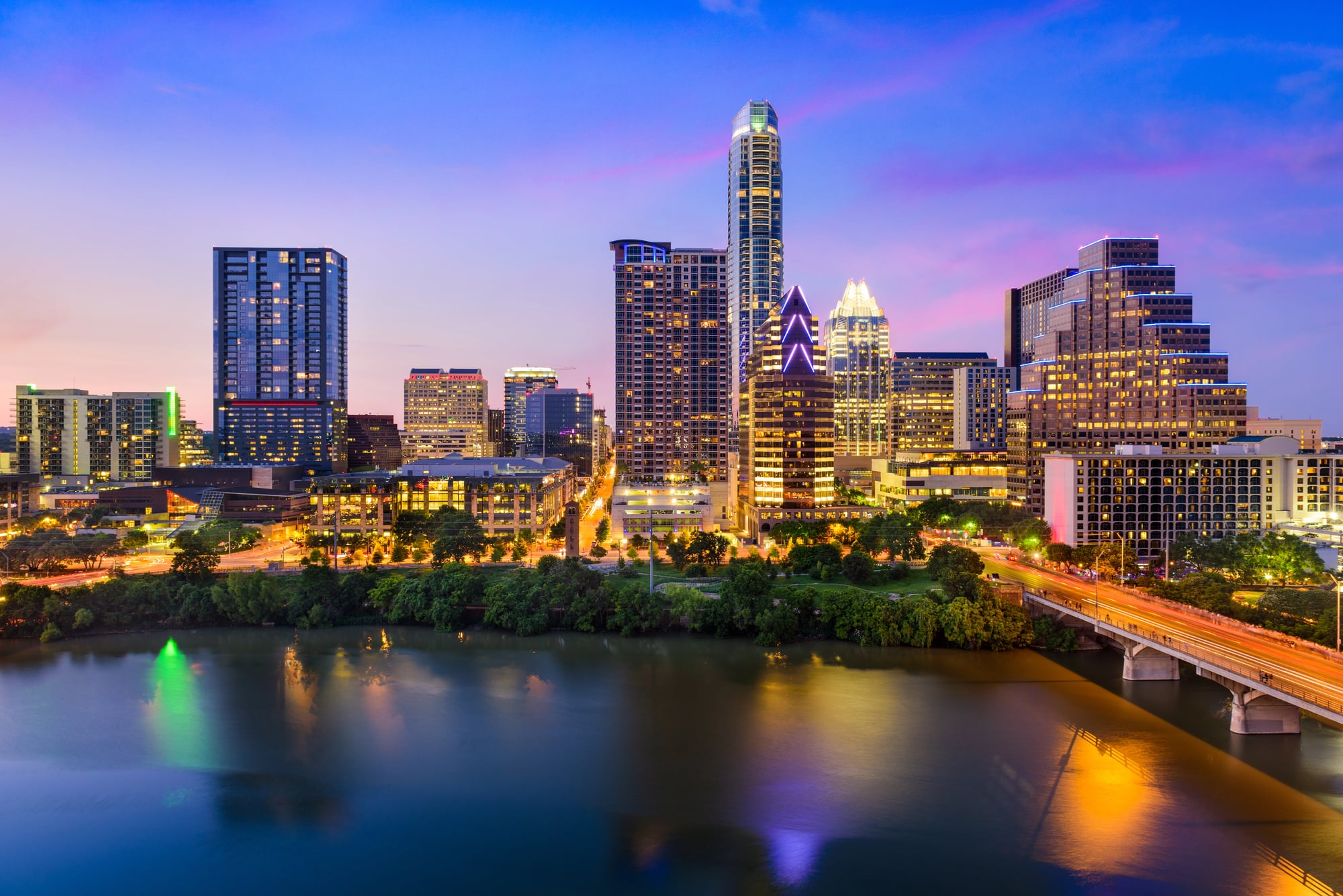
Austin’s coffee culture mirrors its creative and social energy. Cafés double as music venues, event spaces, and gathering spots, often hosting community activities beyond coffee itself.
The city embraces experimentation, but remains grounded in approachability. Coffee is social rather than formal, encouraging conversation and collaboration.
Austin stands out because coffee here is about connection. It supports the city’s emphasis on creativity and community, functioning as a shared meeting point rather than a solitary ritual.
Minneapolis, Minnesota
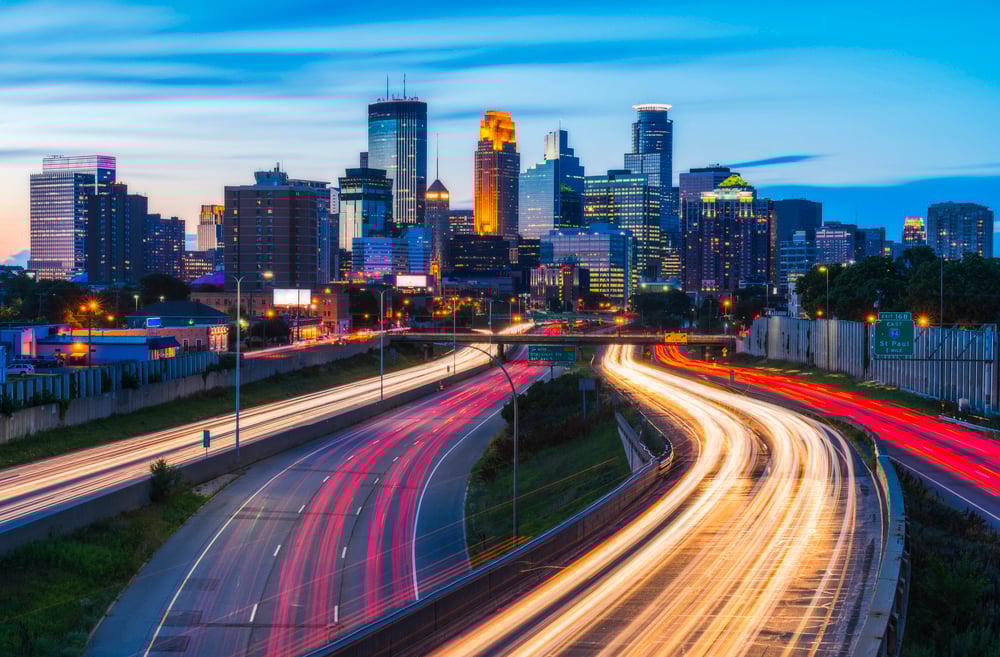
Minneapolis has developed a quietly impressive coffee scene rooted in craft and community. Roasters focus on quality and education, while cafés emphasize comfort and accessibility.
Cold weather plays a role in shaping habits. Coffee shops become essential gathering places during long winters, reinforcing their importance as social infrastructure.
What sets Minneapolis apart is intentional growth. The scene expanded thoughtfully, resulting in depth without saturation or fatigue.
New Orleans, Louisiana

New Orleans approaches coffee through tradition and adaptation. Long-standing local styles coexist with modern cafés that respect the city’s pace and character.
Coffee here is not rushed. It is part of social rituals, often enjoyed slowly and in conversation.
Cafés reflect this attitude, prioritizing atmosphere and continuity over trends.
New Orleans earns its place among top coffee cities by honoring history while remaining open to evolution. Coffee feels rooted rather than imported.
Why these cities stand out

Most mornings begin with steam and cups. What matters is not fame but rhythm – how people return each day without thinking.
Habit shapes these places more than awards ever could. Coffee fits into lives like toothbrushes or door keys.
The corner café stands there, open, because it has always been. Not for show, just part of moving through the hours.
Out here, differences stick together somehow. Run by locals, stores survive because people actually want what they offer, not window dressing.
A cup tells you where you are before you check your phone.
Above all, what ties America’s leading coffee spots together isn’t similar tastes, yet how deeply they take their daily brew. These cities care less about finding some perfect sip.
Instead, mornings unfold around steady habits – places people find themselves at again and again, almost by reflex.
More from Go2Tutors!

- The Romanov Crown Jewels and Their Tragic Fate
- 13 Historical Mysteries That Science Still Can’t Solve
- Famous Hoaxes That Fooled the World for Years
- 15 Child Stars with Tragic Adult Lives
- 16 Famous Jewelry Pieces in History
Like Go2Tutors’s content? Follow us on MSN.