14 Conspiracy Theories That Turned Out to Be True
The word “conspiracy theory” carries heavy baggage these days. It conjures images of wild-eyed believers connecting dots that don’t exist, spinning elaborate tales about shadowy figures pulling strings behind every major event.
But sometimes those believers are right. Sometimes the dots actually do connect, and the shadowy figures turn out to be real people with real motives doing real things they’d rather keep hidden.
History has a way of proving that paranoia and truth aren’t always mutually exclusive — and that the most unbelievable stories are sometimes the ones that actually happened.
MKUltra
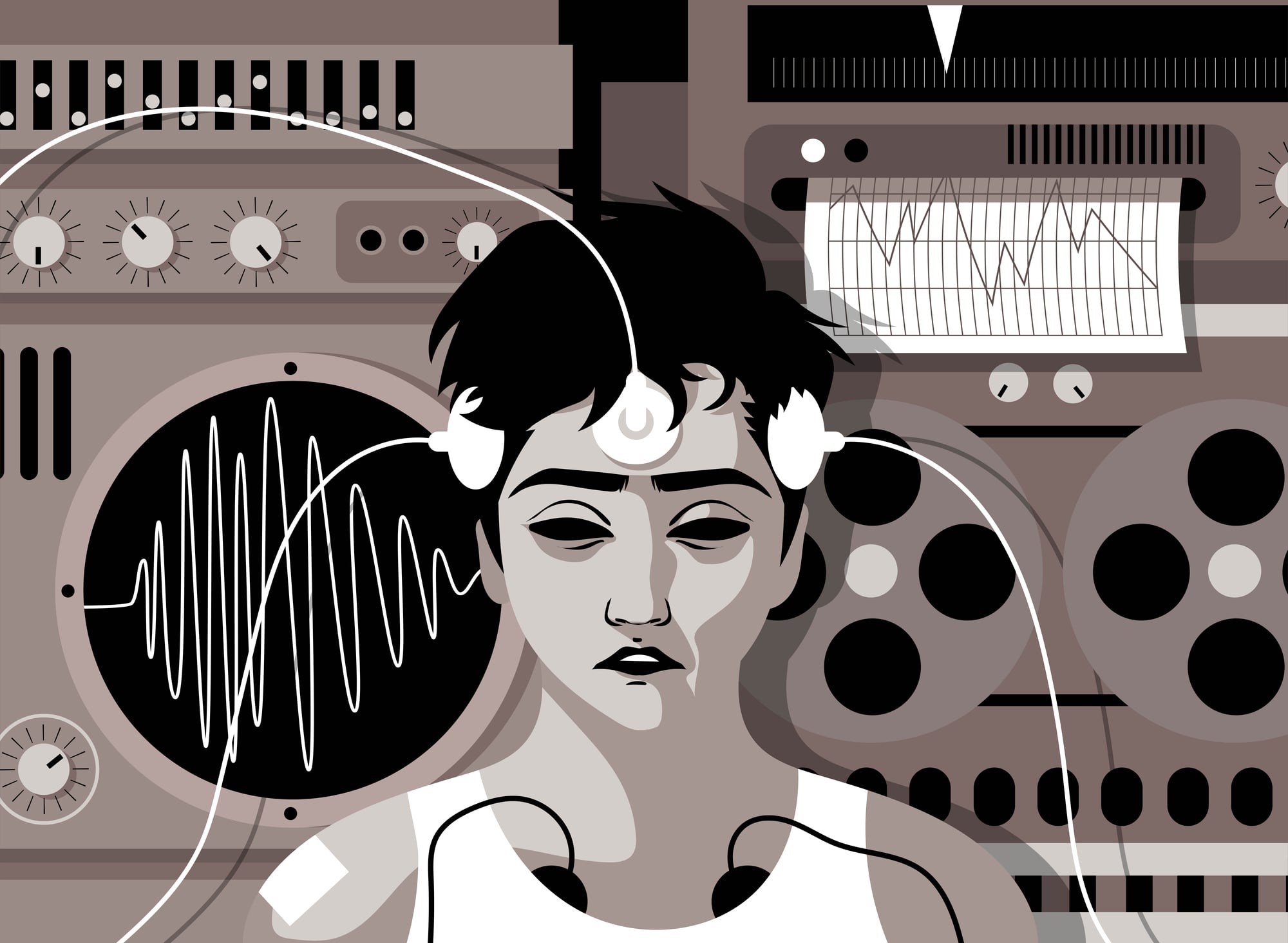
The CIA drugged people without their knowledge. For decades.
They used LSD, hypnosis, and psychological torture. The goal was mind control — turning ordinary people into programmable agents.
Hospitals, universities, and prisons became testing grounds. Patients thought they were getting treatment.
Students thought they were participating in research. Nobody knew they were guinea pigs in the most disturbing experiment in American history.
The program ran from 1953 to 1973. Twenty years of sanctioned horror.
The Tuskegee Syphilis Study

You’d think medical research would follow some basic rules about honesty, but the Tuskegee experiment (which ran from 1932 to 1972, spanning four decades) shows just how flexible those rules can become when researchers decide the ends justify the means.
Black men in rural Alabama were told they were receiving free healthcare for “bad blood” — a local term that could mean anything from anemia to fatigue — but what they were really participating in was a study designed to observe the untreated progression of syphilis.
Even when penicillin became available as a cure in the 1940s, researchers withheld treatment so they could continue watching what the disease would do if left alone. The men weren’t informed they had syphilis, weren’t told about available treatments, and certainly weren’t asked if they wanted to continue participating once a cure existed.
So here were government researchers, backed by reputable institutions, deliberately allowing a treatable disease to ravage human beings for the sake of scientific observation — and the truly disturbing part is how long it went on, how many people knew about it, and how institutional the deception became.
The study didn’t end because researchers developed a conscience; it ended because a whistleblower leaked the story to the press in 1972, forcing a public reckoning that should have happened decades earlier.
Operation Northwoods
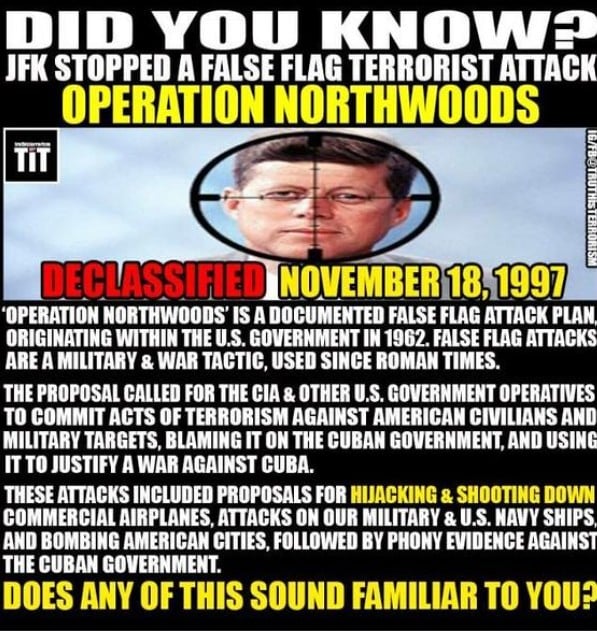
There’s something chilling about reading declassified documents that reveal how casually violence gets discussed in government meeting rooms. Operation Northwoods was a 1962 proposal from the Joint Chiefs of Staff that reads like a thriller writer’s fever dream, except it was entirely real: stage fake attacks on American citizens, blame Cuba, and use the manufactured outrage to justify invasion.
The plan included hijacking planes, bombing U.S. military installations, and orchestrating terrorist attacks in major cities — all to be carried out by American operatives disguised as Cuban agents. The details are breathtaking in their cynicism.
Fake funerals for fake victims. Manufactured evidence left at crime scenes.
A carefully choreographed campaign of deception designed to manipulate public opinion into supporting a war that served political rather than defensive purposes. What makes this particularly unsettling isn’t just the willingness to sacrifice innocent lives, but the clinical precision with which such sacrifice was planned.
President Kennedy rejected the proposal. But the fact that it reached his desk at all — that military leaders seriously considered murdering American civilians as a political strategy — reveals something about power that most people would prefer not to think about.
COINTELPRO
The FBI spied on civil rights leaders, antiwar activists, and anyone else they deemed subversive. This wasn’t casual surveillance — it was a systematic campaign to discredit, harass, and destroy political movements through infiltration, psychological warfare, and outright sabotage.
Martin Luther King Jr. received anonymous letters urging him to kill himself. The Black Panthers were torn apart by agents provocateurs who incited violence and sowed distrust within the organization.
Student groups found their meetings disrupted, their leaders arrested on trumped-up charges, their reputations destroyed by carefully planted rumors. The program operated from 1956 to 1971 and targeted over 1,000 organizations.
Democracy works best when citizens can organize and dissent freely. COINTELPRO was designed to make sure that didn’t happen.
Operation Mockingbird
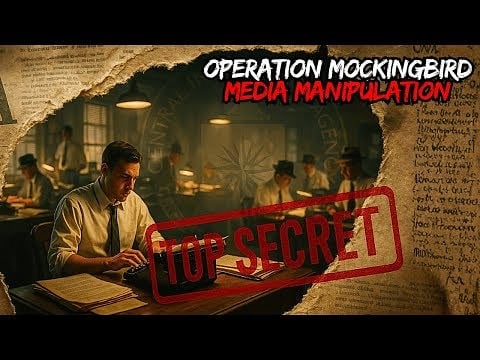
Journalism is supposed to be independent, but the CIA spent decades making sure that independence was more theoretical than actual. Operation Mockingbird, which began in the 1950s, involved recruiting journalists and media executives to spread propaganda and suppress stories that didn’t align with agency interests (the program was so extensive that by some estimates, the CIA had working relationships with journalists at every major American news organization).
Reporters became assets, editors became gatekeepers, and news became another tool of foreign policy rather than a check on government power. The beauty of the operation was its subtlety — stories simply didn’t get published, certain angles never got explored, and inconvenient facts had a way of disappearing from coverage without anyone having to issue explicit orders.
So much easier than crude censorship; so much more effective than heavy-handed propaganda. When the press regulates itself according to government preferences, the illusion of free speech remains intact while the substance quietly evaporates.
And the most unsettling part? Nobody really knows when it ended, or if it ended at all. Once you’ve established those relationships, once you’ve created that culture of cooperation between intelligence agencies and newsrooms, formal programs become unnecessary.
The Gulf Of Tonkin Incident
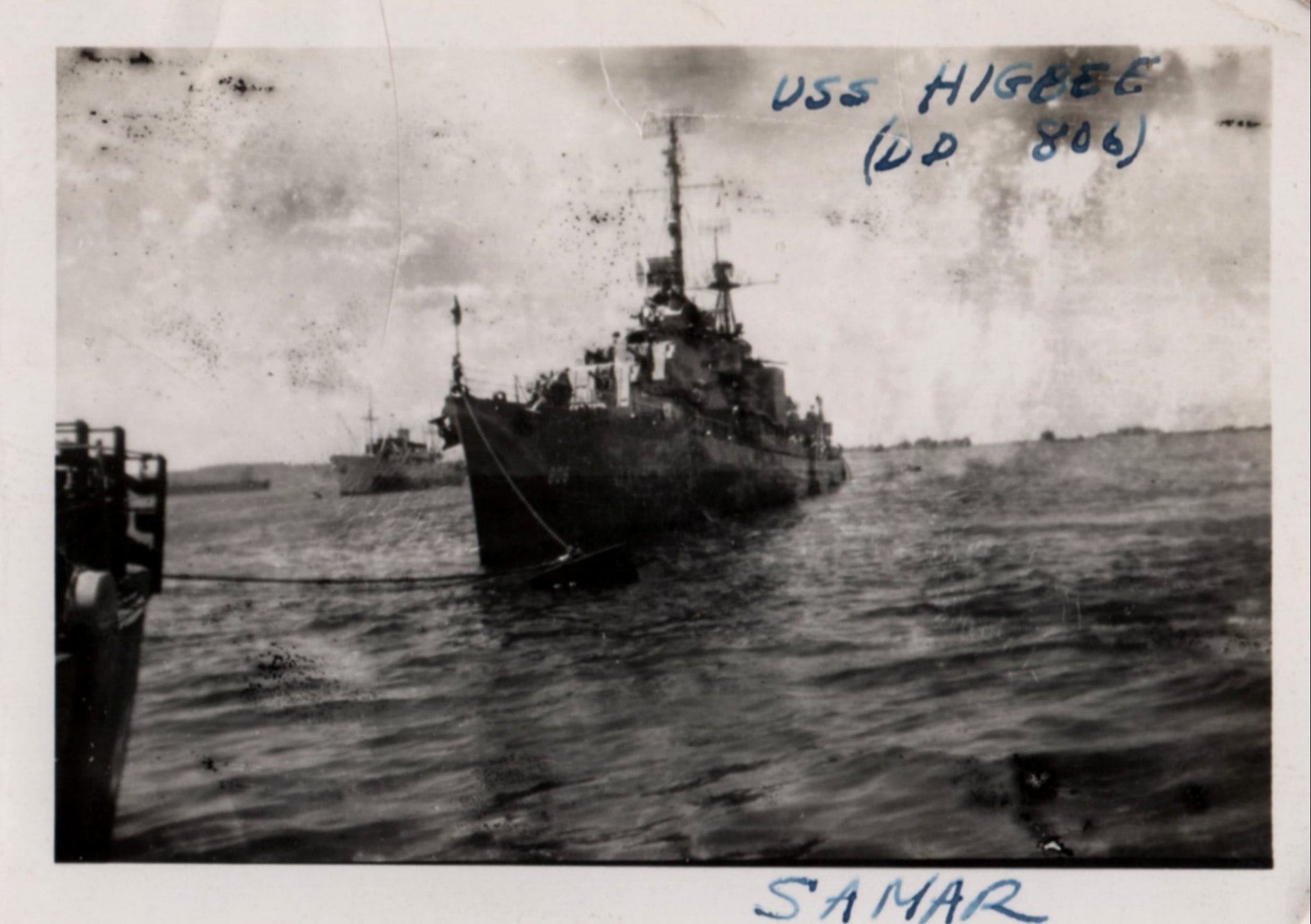
The Vietnam War escalated based on an attack that didn’t happen. The Gulf of Tonkin incident in 1964 was presented to Congress and the American public as an unprovoked assault on U.S. naval vessels by North Vietnamese forces.
The Johnson administration used this attack to justify massive military escalation — sending hundreds of thousands of troops into a conflict that would consume the next decade. Except the second attack never occurred.
The first incident was real but heavily provoked by covert American operations in the area. The second attack — the one that really drove the push for war — was a misreading of sonar data, confusion in bad weather, and nervous sailors firing at shadows.
The Pentagon knew this. Intelligence officials knew this.
The administration knew this. They went to war anyway, because the political momentum was already in motion and admitting the mistake would have been inconvenient.
Sixty thousand American deaths later, the truth finally came out.
Watergate
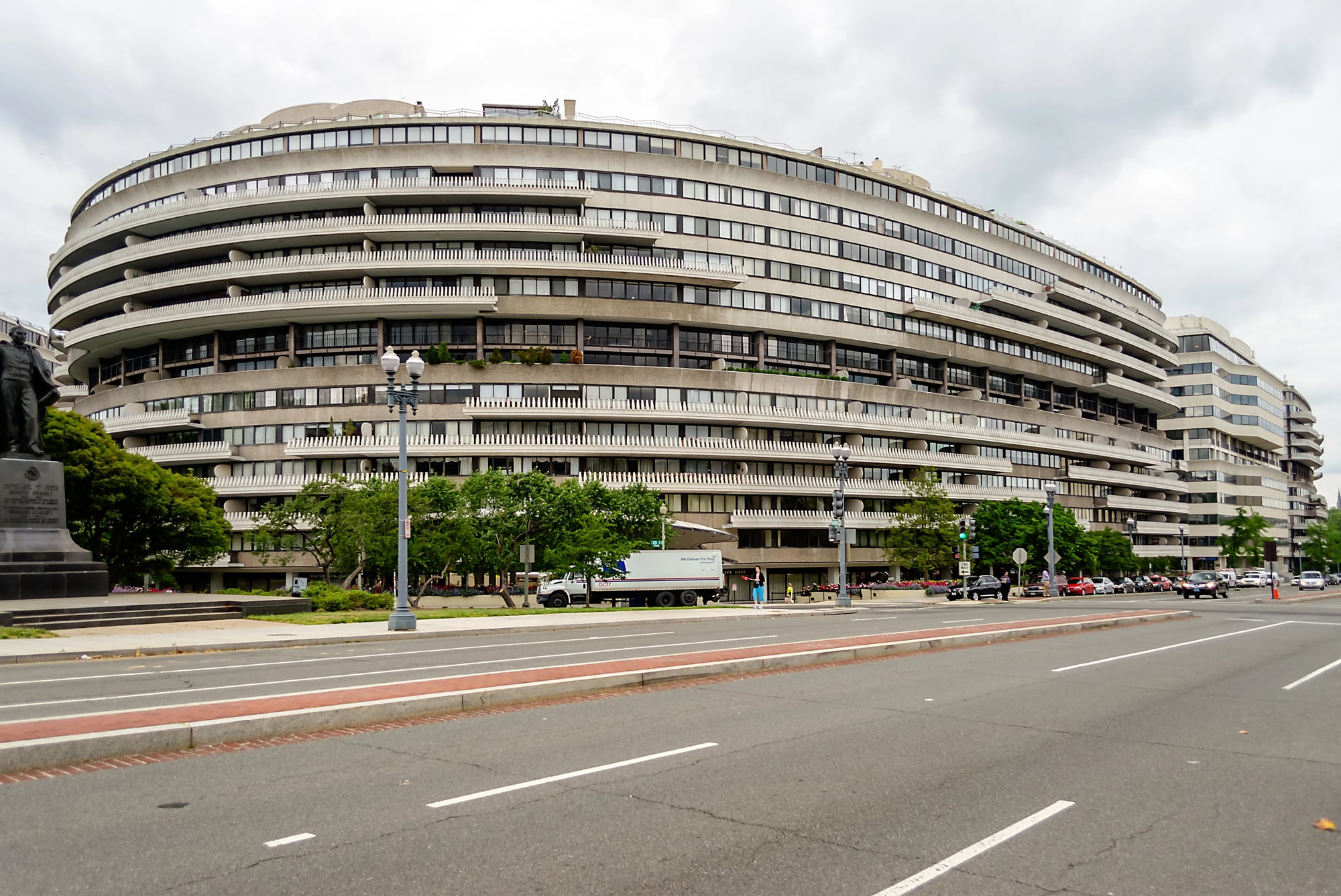
Political corruption reaches impressive depths when sitting presidents start treating democracy like a game they can cheat at without consequences. Richard Nixon’s administration turned the White House into the headquarters of a criminal enterprise that included breaking into opposition offices, wiretapping political opponents, using government agencies to harass critics, and maintaining secret slush funds to pay for operations that couldn’t survive public scrutiny.
When burglars got caught at the Democratic National Committee headquarters in 1972, it seemed like a bizarre but isolated incident — until reporters started pulling threads and discovered the break-in was just the visible tip of a much larger iceberg. The cover-up that followed was almost more damaging than the original crimes, involving a systematic campaign of lies, obstruction, and witness intimidation that reached directly into the Oval Office.
Nixon didn’t just know about the crimes; he actively participated in hiding them, using executive privilege and presidential authority to shield criminal behavior from investigation. But here’s what makes Watergate truly significant: it proved that even presidents aren’t above the law when enough evidence accumulates and enough people refuse to look the other way.
Democracy’s immune system actually worked, slowly and messily, but it worked.
Iran-Contra Affair
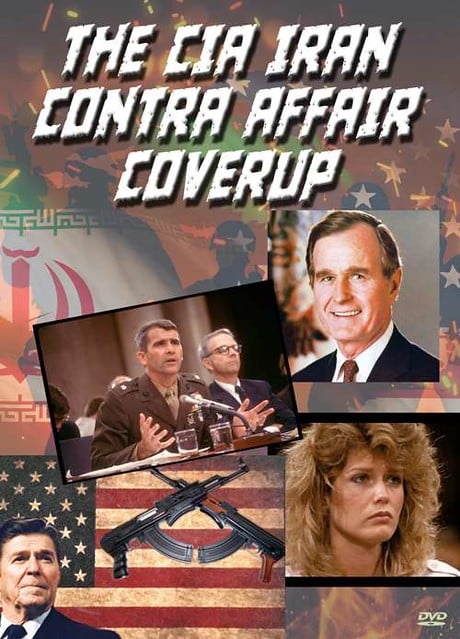
The Reagan administration sold weapons to Iran and funneled the profits to Nicaraguan rebels. Both activities were illegal under U.S. law — arms sales to Iran violated an embargo, and funding the Contras had been explicitly prohibited by Congress.
This wasn’t a rogue operation. Senior officials knew about it, approved it, and helped cover it up when the scheme unraveled. The administration had decided that congressional restrictions were inconvenient obstacles rather than binding law.
Oliver North became the fall guy. Reagan claimed he didn’t know what his own administration was doing.
Nobody went to prison for very long. The lesson was clear — if you’re going to break the law for political purposes, make sure you’re important enough that accountability becomes optional.
FBI Surveillance Of John Lennon
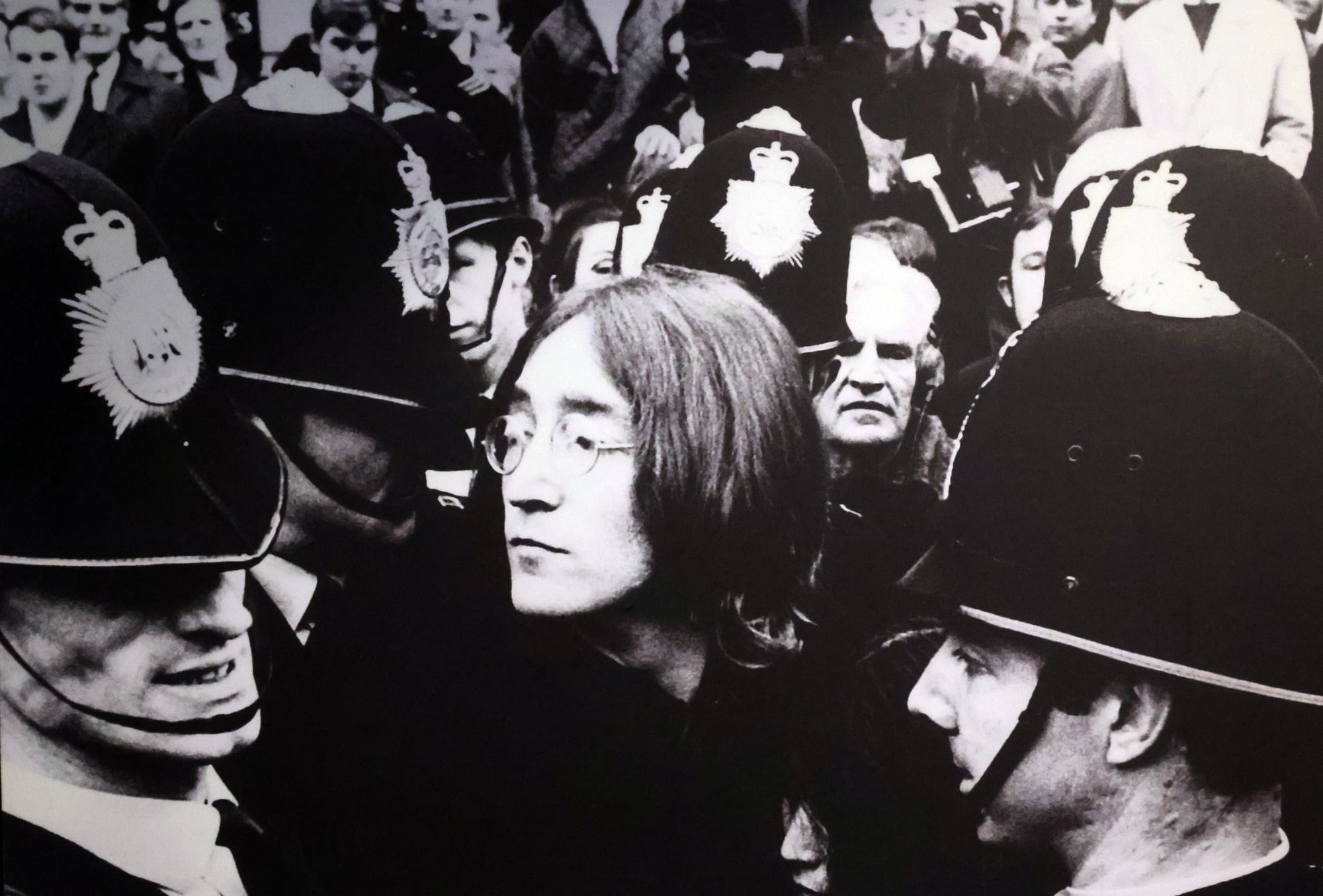
The government spied on a musician because his songs had the wrong political message. John Lennon’s FBI file ran to over 400 pages, documenting surveillance that began when he moved to New York in 1971 and continued until his death in 1980.
The Bureau monitored his concerts, infiltrated his social circles, and worked to have him deported. His crime was writing songs like “Give Peace a Chance” and supporting antiwar causes.
Apparently, the First Amendment doesn’t apply when your art becomes inconvenient to government policy. The surveillance was extensive, paranoid, and completely pointless.
Lennon wasn’t plotting revolution — he was writing music and speaking his mind. But that was threatening enough to justify years of harassment from federal agents.
Operation Paperclip
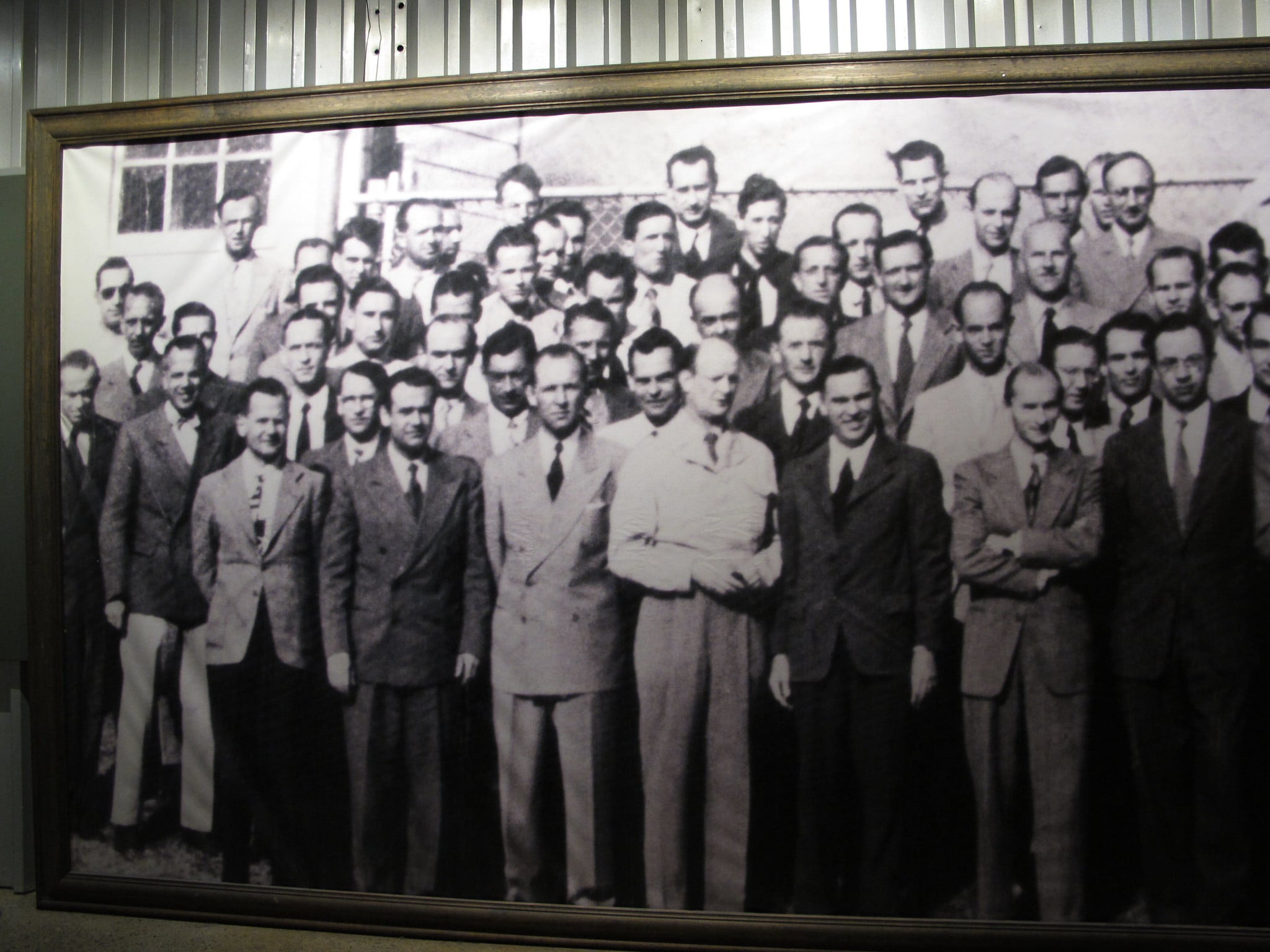
America recruited Nazi scientists after World War II. Not just any Nazis — war criminals who had used slave labor and conducted medical experiments on prisoners.
Wernher von Braun, who helped design the rockets that bombed London, became the father of NASA’s space program. Kurt Blome, who conducted biological warfare experiments, was hired to work on chemical weapons research.
The U.S. government overlooked their war crimes because their expertise was considered valuable in the Cold War against the Soviet Union. The moral compromise was staggering.
The same people who had committed atrocities in service of one totalitarian regime were now working for democracy because their knowledge was useful. Justice took a backseat to strategic advantage.
NSA Mass Surveillance
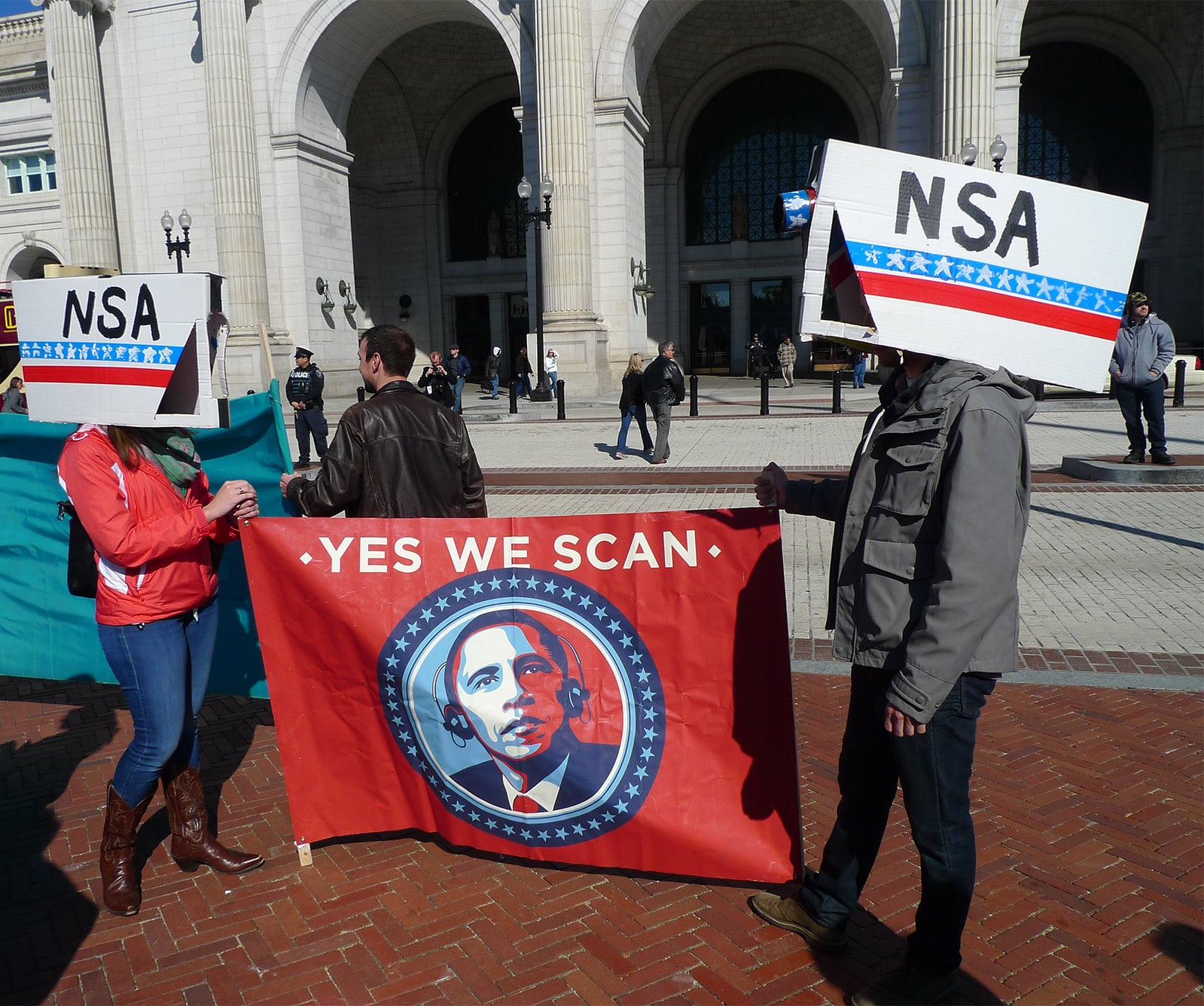
The National Security Agency was collecting phone records, internet communications, and digital metadata on millions of Americans without warrants or meaningful oversight, turning the Fourth Amendment into something closer to a suggestion than a constitutional requirement.
When Edward Snowden leaked classified documents in 2013, the scope of domestic surveillance programs became clear — and it was far more extensive than even privacy advocates had suspected (the NSA had essentially built a digital dragnet that captured communications data from ordinary citizens who had no connection to terrorism or foreign intelligence, storing this information indefinitely and sharing it with other agencies under broad legal interpretations that stretched surveillance law beyond recognition).
The most disturbing aspect wasn’t just the scale of data collection, but how normalized it had become within the intelligence community — officials genuinely seemed to believe that hoovering up everyone’s digital communications was a reasonable response to security threats, and that constitutional protections could be satisfied through secret court proceedings that almost never rejected surveillance requests.
So here was a democracy conducting mass surveillance on its own citizens while maintaining that civil liberties remained intact — because technically the data wasn’t being “searched” until someone decided to look at it, as if the distinction between collection and analysis mattered to people whose privacy had already been violated.
The Pentagon Papers
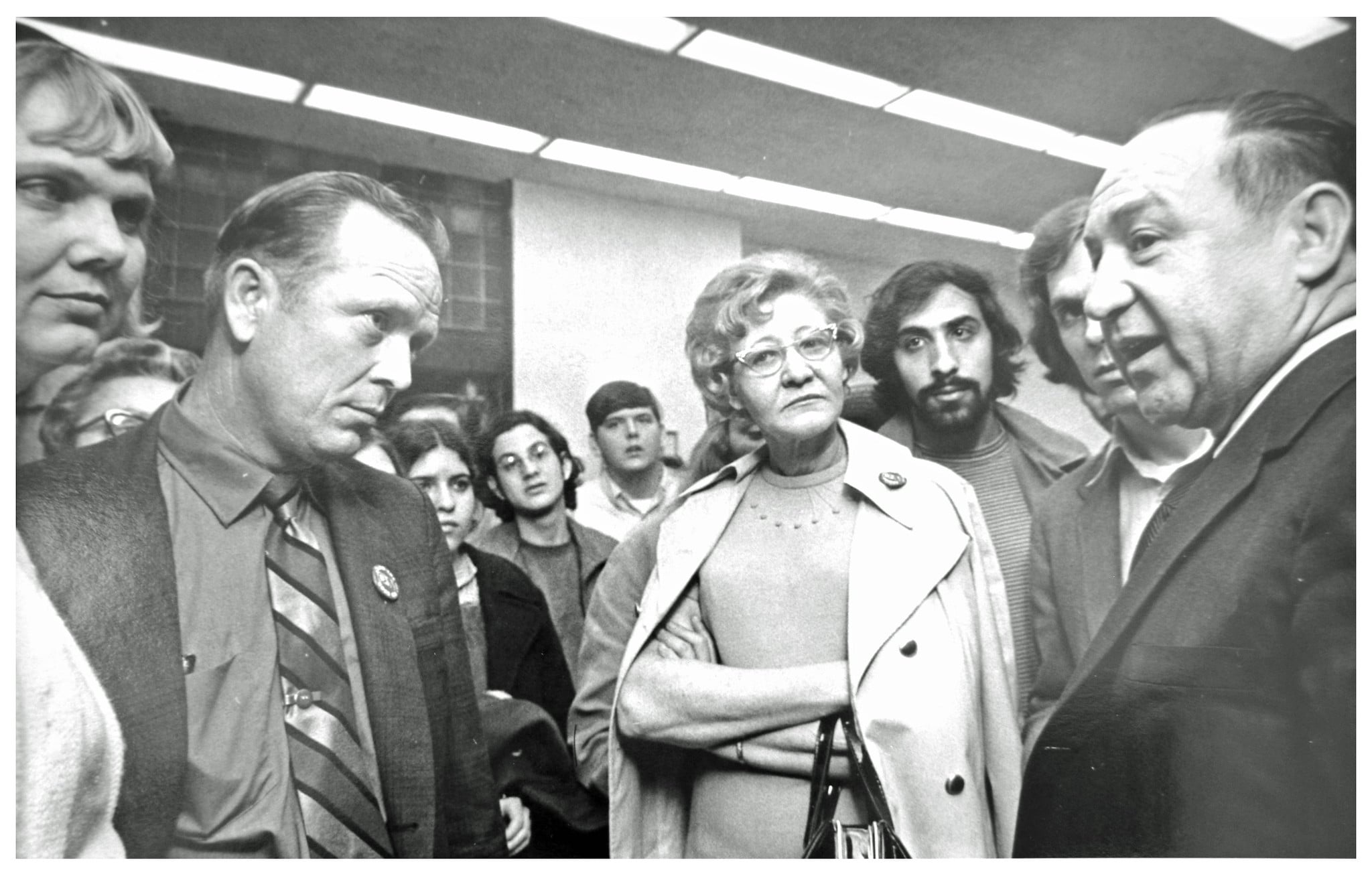
The Vietnam War was built on lies, and the Pentagon Papers proved it. This classified study, leaked by Daniel Ellsberg in 1971, revealed that government officials knew the war was unwinnable while publicly claiming progress was being made.
Four presidents — Truman, Eisenhower, Kennedy, and Johnson — had systematically deceived the American people about Vietnam. They escalated involvement despite knowing the mission was hopeless.
They sent young men to die in a war they privately acknowledged couldn’t be won. The Nixon administration tried to block publication, claiming national security.
But the real threat wasn’t to security — it was to the credibility of leaders who had spent years lying to the public about one of the most important issues of their time.
Project Bluebook And UFO Cover-Ups
The Air Force investigated UFO sightings for over two decades while publicly dismissing them as weather balloons and swamp gas. Project Bluebook collected reports from military personnel, pilots, and civilians, but the official line remained that nothing unusual was happening in American airspace.
Classified documents released years later told a different story. Military officials took the sightings seriously, developed theories about their origin, and worried about potential threats to national security.
They just didn’t want the public to know about any of it. The cover-up wasn’t necessarily about aliens — it was about maintaining the illusion that authorities had everything under control.
Admitting they didn’t know what was flying around in restricted airspace would have raised uncomfortable questions about military preparedness and technological capabilities.
The Business Plot
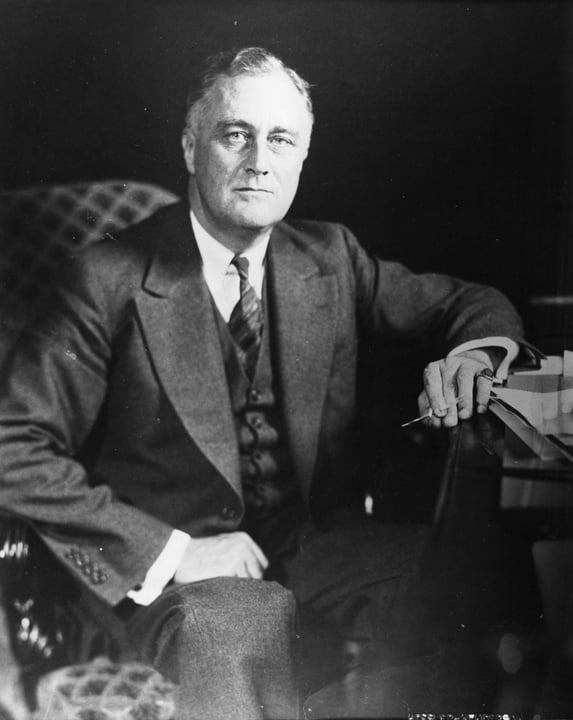
In 1933, wealthy businessmen approached a decorated Marine general with a plan to overthrow Franklin Roosevelt and install a fascist government. The plot involved recruiting 500,000 veterans to march on Washington and force the president from office.
General Smedley Butler reported the conspiracy to Congress instead of joining it. The House Un-American Activities Committee investigated and confirmed that the plot was real — wealthy industrialists had indeed discussed a military coup against the democratically elected government.
Most of the conspirators faced no consequences. Their names were kept secret, their reputations protected.
Democracy survived, but barely — and only because one man chose loyalty to the Constitution over loyalty to the people who thought they could buy it.
When Paranoia Meets Reality

The strangest thing about conspiracy theories that turn out to be true isn’t that they happened — it’s how normal they seem once the evidence comes out. Of course the government experimented on unwitting subjects. Of course corporations hid deadly health risks to protect profits.
Of course intelligence agencies manipulated the press and spied on citizens. These revelations barely register as surprises anymore, which might be the most disturbing part of all.
Maybe that’s the real lesson here: the difference between healthy skepticism and dangerous paranoia isn’t whether you believe powerful people do bad things in secret. They obviously do.
The difference is whether you can distinguish between the bad things that actually happened and the bad things that exist only in imagination. Reality provides more than enough genuine conspiracies to worry about.
More from Go2Tutors!

- The Romanov Crown Jewels and Their Tragic Fate
- 13 Historical Mysteries That Science Still Can’t Solve
- Famous Hoaxes That Fooled the World for Years
- 15 Child Stars with Tragic Adult Lives
- 16 Famous Jewelry Pieces in History
Like Go2Tutors’s content? Follow us on MSN.



