14 Astronomy Events You Can See This Year
The night sky in 2025 has some real treats lined up, and timing couldn’t be better. We’re coming off a period where cloudy weather and light pollution have made stargazing trickier than usual in many areas. This year breaks that pattern with clear viewing opportunities for most major events.
Some events last for days, others flash by in seconds. Here is a list of 14 astronomy events that you can catch this year, most with nothing more than your own eyes.
Quadrantids Meteor Shower (January 2-3)
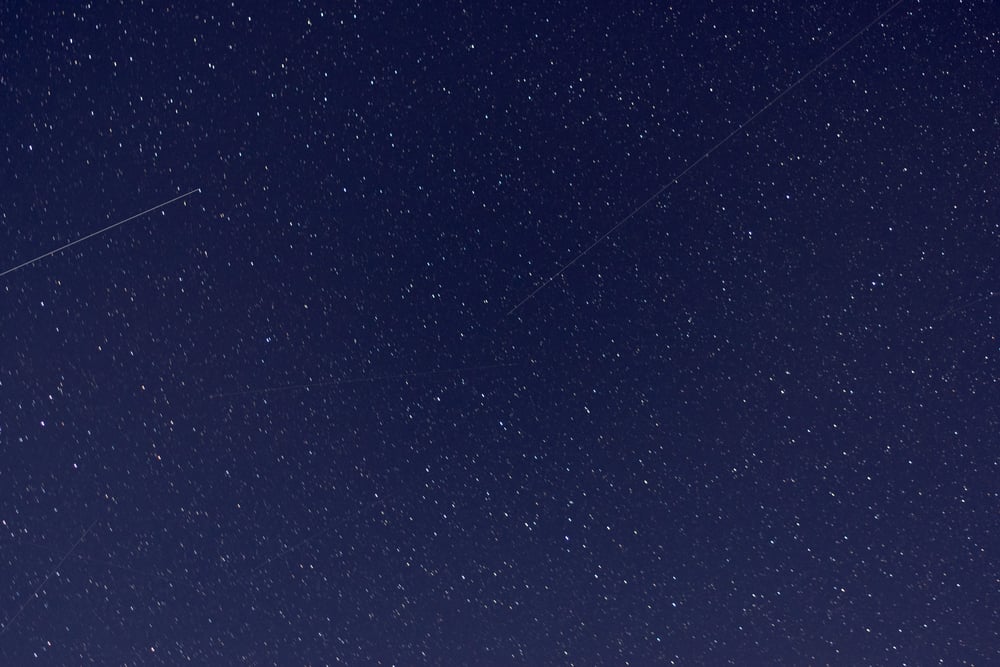
This meteor shower kicks off the year with a bang, producing up to 110 meteors per hour at its peak. The best viewing happens after midnight on January 2-3, when the radiant point climbs higher in the sky.
Bundle up for this one since January nights can be brutal, but the payoff is worth it when you see those bright streaks zipping across the darkness.
Mars at Opposition (January 12)
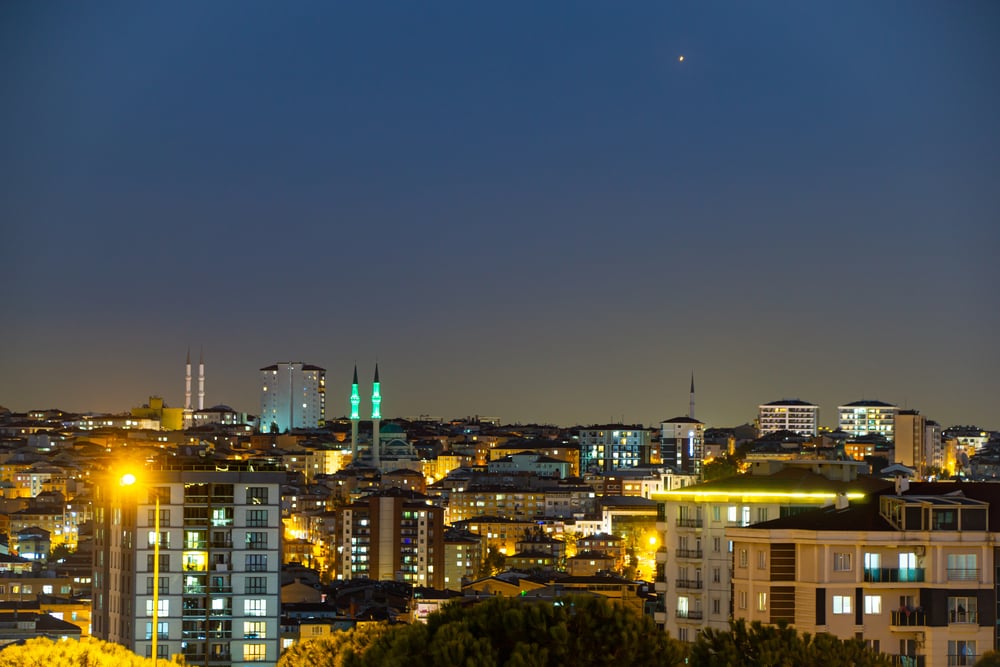
Mars reaches opposition on January 12, which means Earth sits right between Mars and the Sun. This makes the Red Planet appear much brighter and bigger than usual.
You’ll easily spot it as that reddish dot that doesn’t twinkle like regular stars do, and it stays visible most of the night.
Like Go2Tutors’s content? Follow us on MSN.
Total Lunar Eclipse (March 13-14)
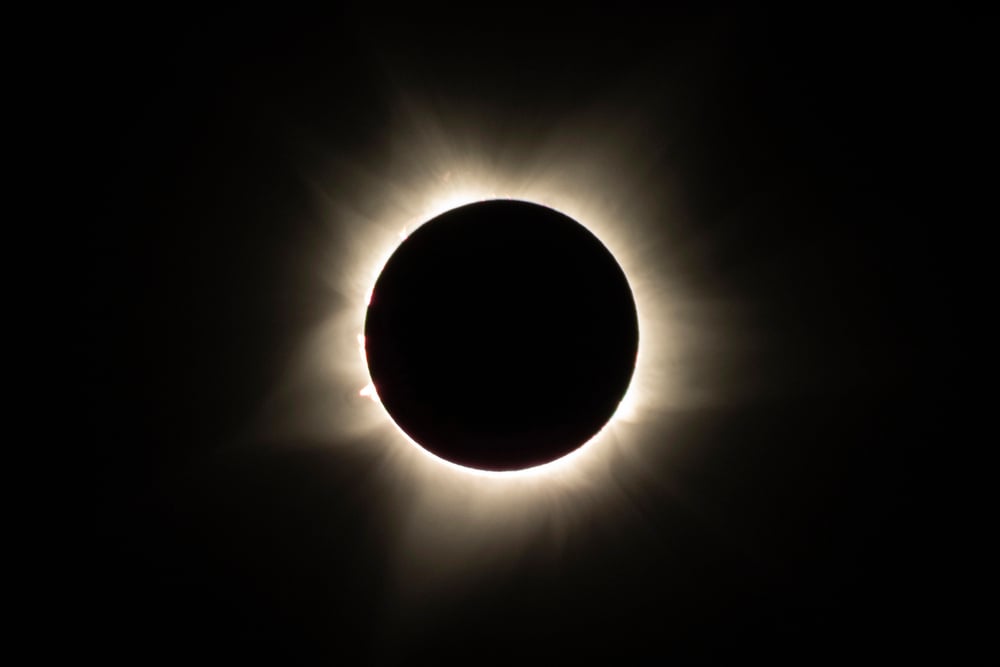
A total lunar eclipse graces the skies on March 13-14, visible across North and South America. The Moon will turn deep red or copper-colored as it passes through Earth’s shadow.
Unlike solar eclipses, you can stare directly at this one without any eye protection, making it perfect for families and casual observers.
Venus and Jupiter Conjunction (August 12)
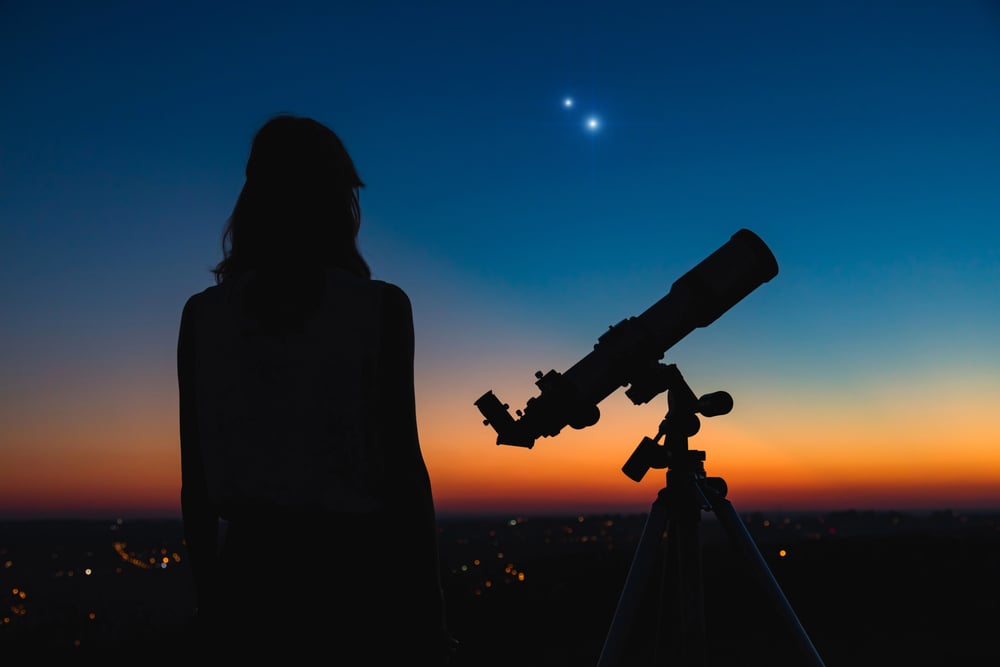
Venus and Jupiter will appear incredibly close together in the sky, almost touching from our perspective here on Earth. You could cover both planets with your pinky finger held at arm’s length.
This pairing happens in the pre-dawn or early evening sky, depending on when you catch it.
Perseid Meteor Shower (August 12-13)
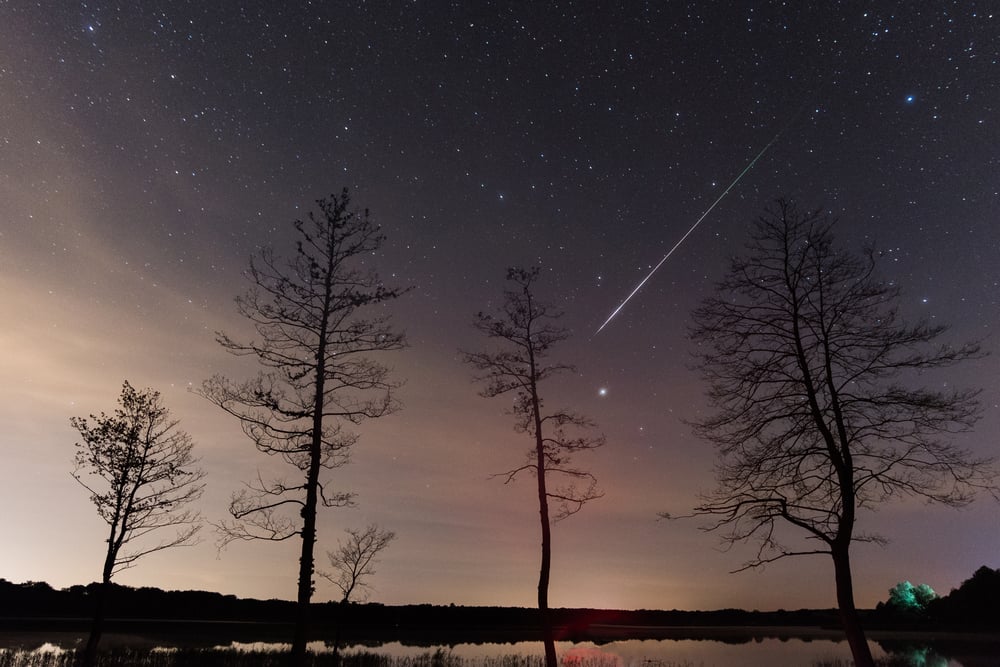
The Perseids earn their reputation as the year’s best meteor shower. These space rocks slam into our atmosphere at 37 miles per second, creating bright trails that can last several seconds.
Peak activity occurs around August 12-13, when dark-sky locations might see 60 meteors per hour, though even city folks can usually spot the brightest ones.
Like Go2Tutors’s content? Follow us on MSN.
Saturn at Opposition (September 21)

Saturn reaches its closest approach to Earth on September 21, making it the perfect time to view the ringed planet. It’s bright enough to see without any equipment, but even small telescopes will reveal those famous rings.
Through binoculars, you might notice its slightly oval shape that sets it apart from other planets.
Harvest Moon (September 29)
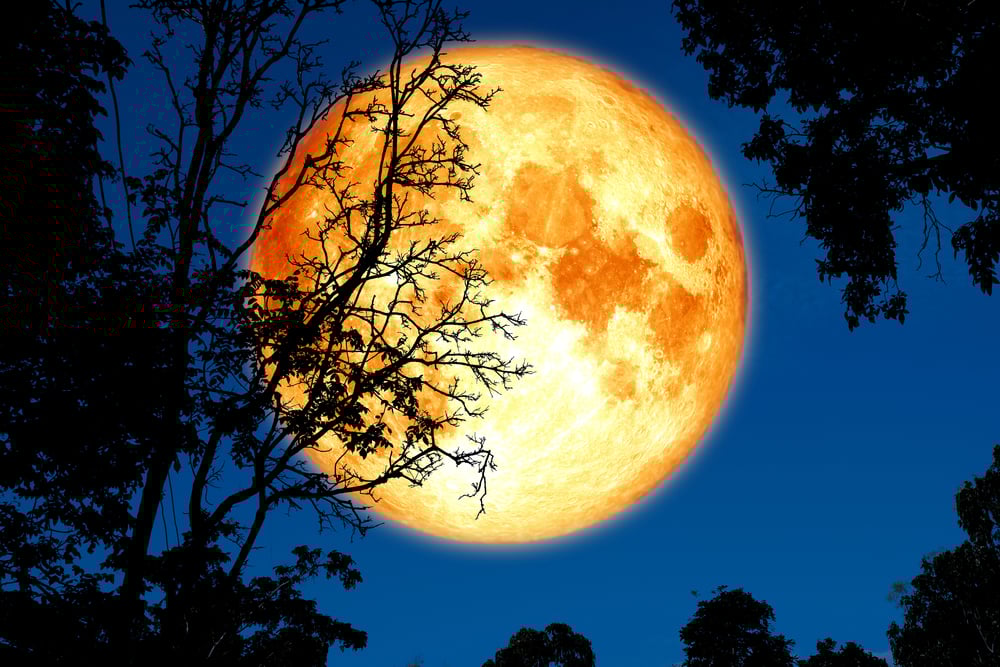
The Harvest Moon gets its name from the extra light it gave farmers during harvest season. This full moon appears larger and more orange than usual as it rises shortly after sunset.
The low angle on the horizon causes Earth’s atmosphere to filter the light, creating that warm, golden glow.
Draconids Meteor Shower (October 8-9)

The Draconids break the rules by peaking during early evening instead of the pre-dawn hours like most meteor showers. These meteors seem to come from the constellation Draco, and while they’re not as numerous as other showers, they occasionally produce surprising outbursts.
The timing means you can watch without staying up all night.
Like Go2Tutors’s content? Follow us on MSN.
Partial Lunar Eclipse (September 7)
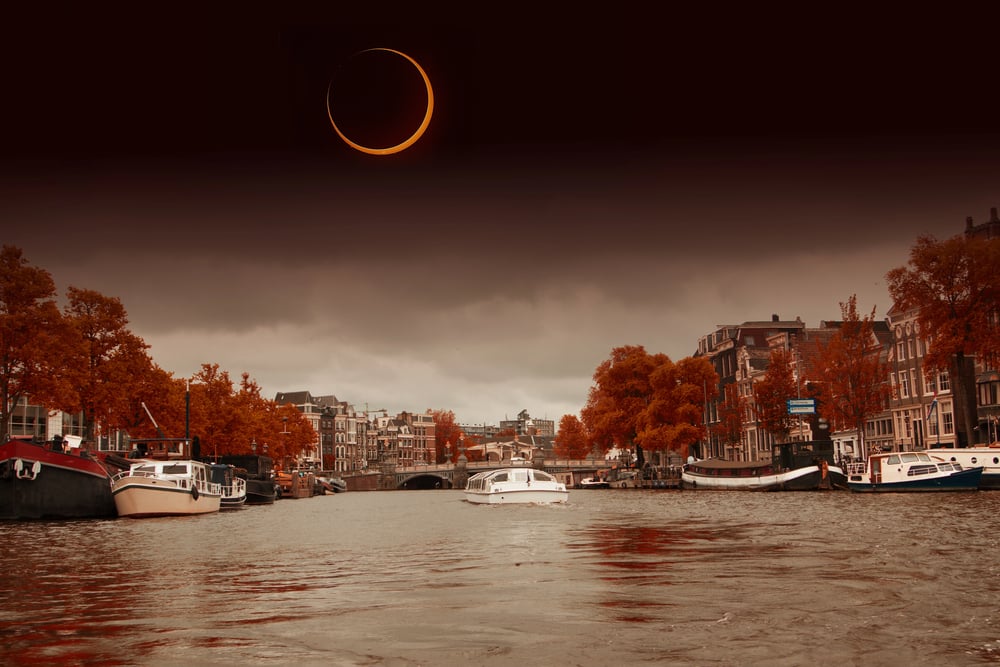
This partial eclipse won’t be as dramatic as March’s total eclipse, but it still creates an interesting sight. Earth’s shadow will take a curved bite out of the Moon’s appearance, like someone took a cookie cutter to it.
The eclipse is visible across much of the world and lasts for several hours.
Geminids Meteor Shower (December 13-14)
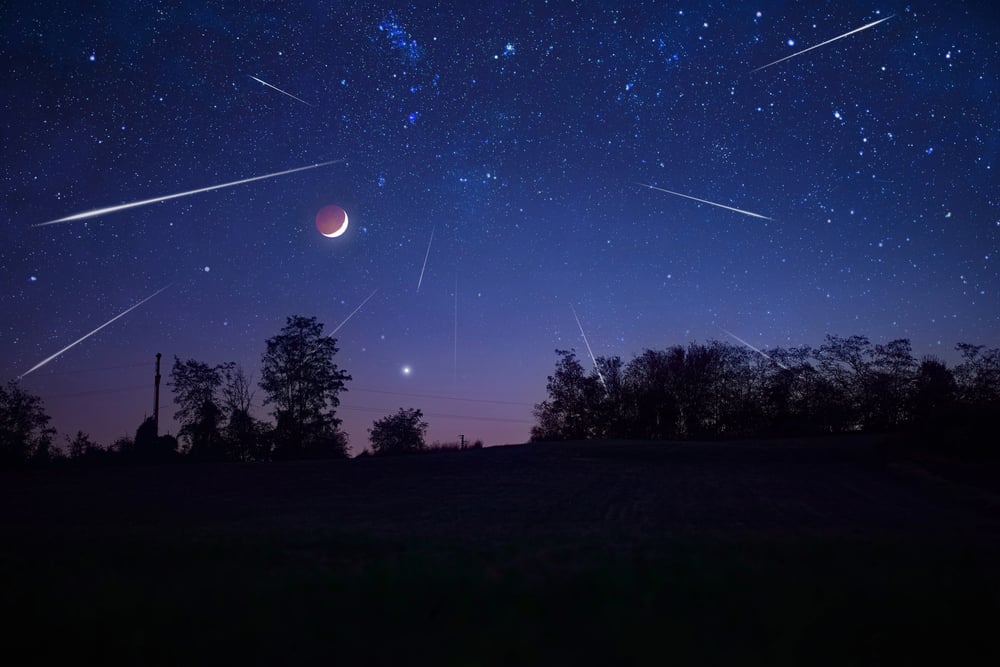
The Geminids wrap up the year with the most prolific meteor shower of 2025. These meteors can produce up to 120 shooting stars per hour at peak activity.
What makes them special is their origin from an asteroid rather than a comet, which creates slower-moving but often more colorful streaks across the winter sky.
Supermoon Trio (October 7, November 5, December 5)
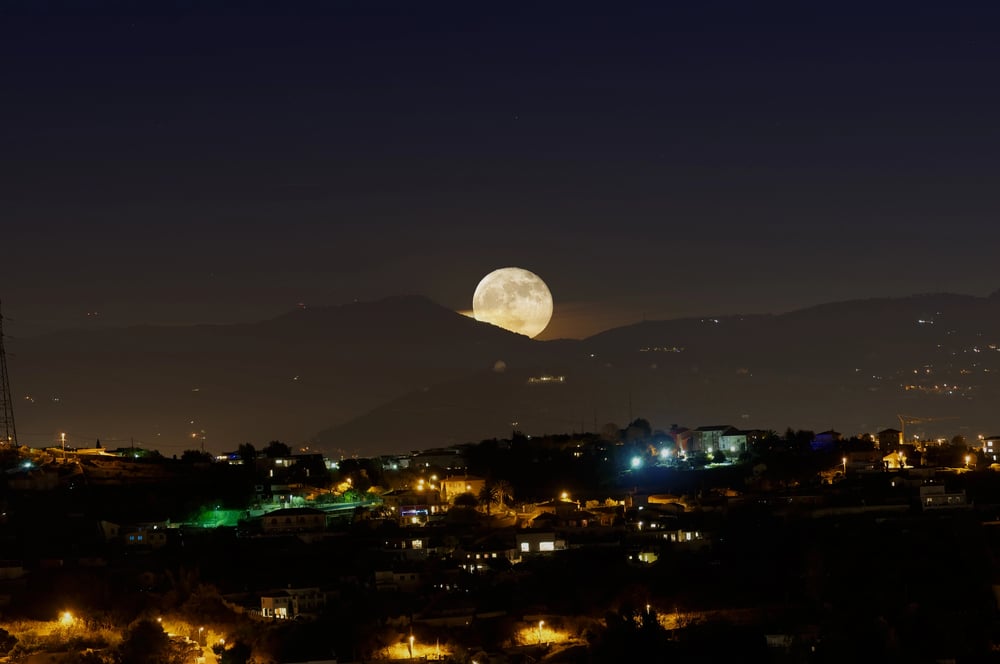
Three supermoons occur when the Moon’s orbit brings it closest to Earth during its full phase. The November 5 supermoon will be particularly impressive since it coincides with the Moon’s nearest approach to Earth.
These moons appear about 14% larger and 30% brighter than typical full moons, though the difference is subtle unless you’re really paying attention.
Like Go2Tutors’s content? Follow us on MSN.
Venus at Greatest Elongation (January 10)
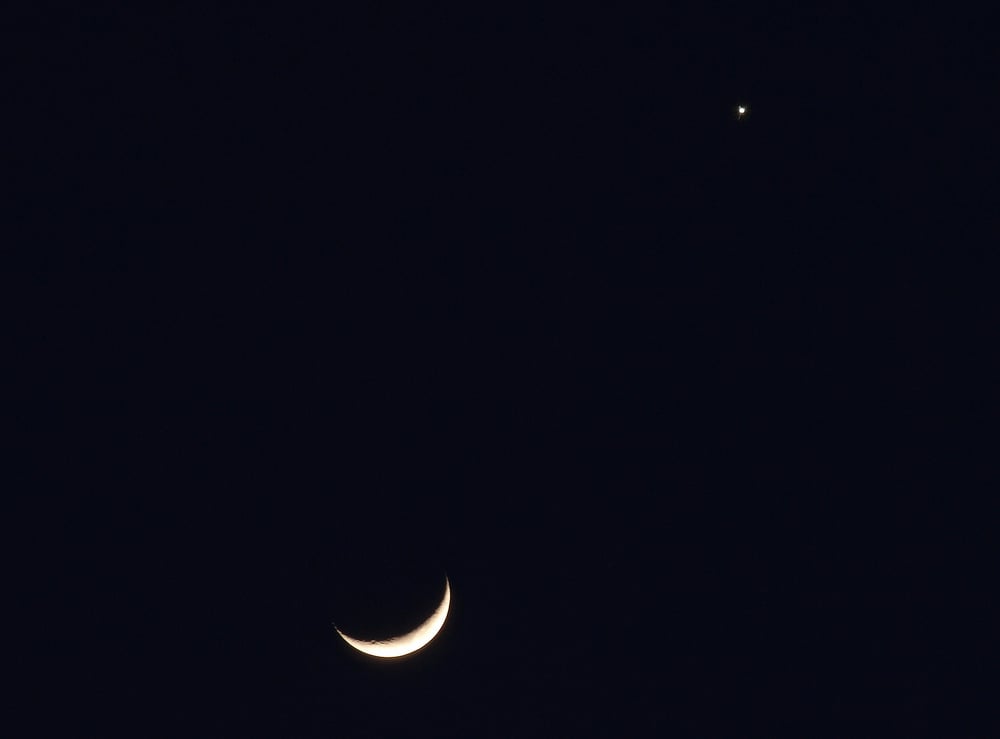
Venus reaches its farthest apparent distance from the Sun in our sky, making it visible for the longest time after sunset. This gives you the best chance all year to spot the ‘Evening Star’ hanging in the western sky.
Venus shines so brightly it can actually cast faint shadows on clear, dark nights.
Jupiter and Mars Conjunction (August 14)
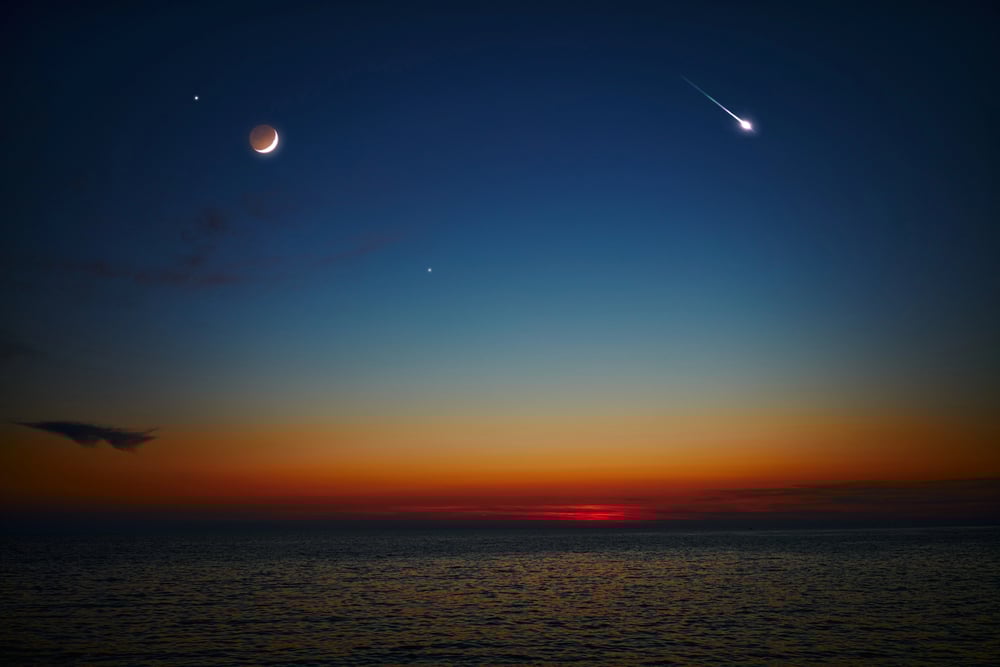
Two days after Venus and Jupiter’s close encounter, Mars joins the group for a rare triple conjunction. All three planets will cluster together in a small patch of sky, creating a sight that won’t happen again for several years.
This cosmic gathering lets you compare the different colors and brightness of our planetary neighbors.
Leonids Meteor Shower (November 17-18)

The Leonids are famous for occasional meteor storms, though 2025 will probably produce a more typical display of 15-20 meteors per hour. These meteors race across the sky at 44 miles per second, some of the fastest you’ll see.
They often leave glowing trails that hang in the sky for several seconds after the meteor disappears.
Like Go2Tutors’s content? Follow us on MSN.
Sky Shows All Year Long
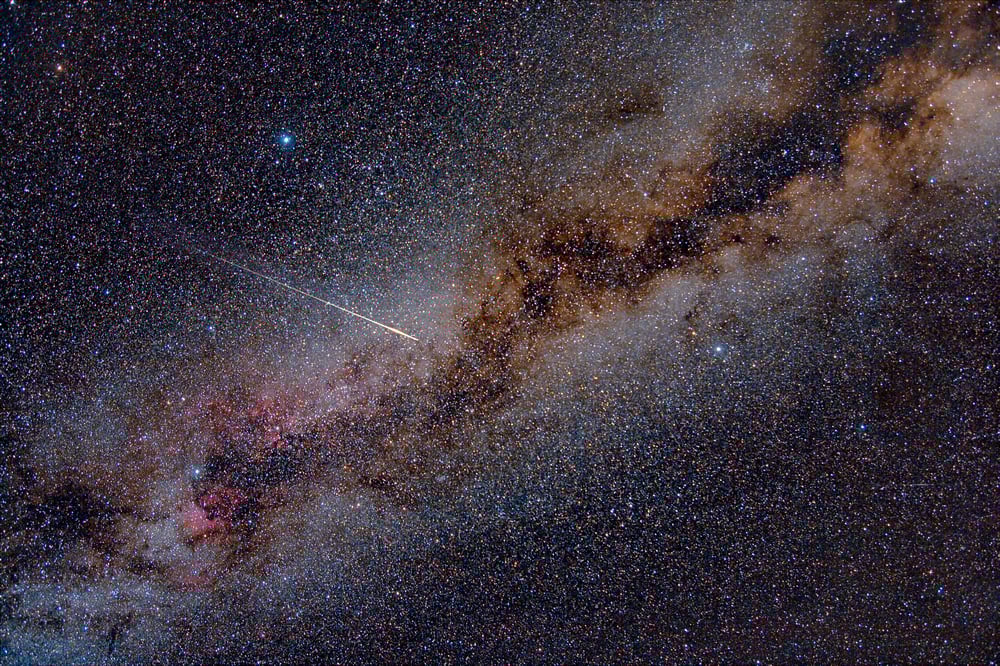
These 14 events highlight what makes 2025 special for anyone interested in astronomy. Most of these sights don’t require any special equipment or travel to remote locations.
The gradual change of the Moon during an eclipse differs completely from the sudden flash of a meteor, but both remind us that we’re part of something much bigger. Next time you’re debating whether to go outside, remember that some of the best entertainment happens right above your head, and it doesn’t cost anything to watch.
More from Go2Tutors!

- 16 Historical Figures Who Were Nothing Like You Think
- 12 Things Sold in the 80s That Are Now Illegal
- 15 VHS Tapes That Could Be Worth Thousands
- 17 Historical “What Ifs” That Would Have Changed Everything
- 18 TV Shows That Vanished Without a Finale
Like Go2Tutors’s content? Follow us on MSN.



