Most Common Space Misconceptions That NASA Has Debunked
Space has always captured human imagination, but somewhere between childhood dreams and Hollywood movies, a collection of stubborn myths took root. These misconceptions spread faster than facts, passed along in classrooms, repeated in conversations, and reinforced by science fiction.
NASA scientists spend considerable time correcting these misunderstandings, not because they enjoy being contrarians, but because accurate knowledge matters when exploring the cosmos.
You Can See The Great Wall Of China From Space

This myth refuses to die. The Great Wall of China cannot be seen from space with the unaided eye.
Astronauts have confirmed this repeatedly. The wall is narrow, roughly 30 feet wide, and made of materials that blend with the surrounding landscape.
From the International Space Station’s altitude of 250 miles, distinguishing the wall from natural features is impossible without magnification.
Space Is Completely Silent
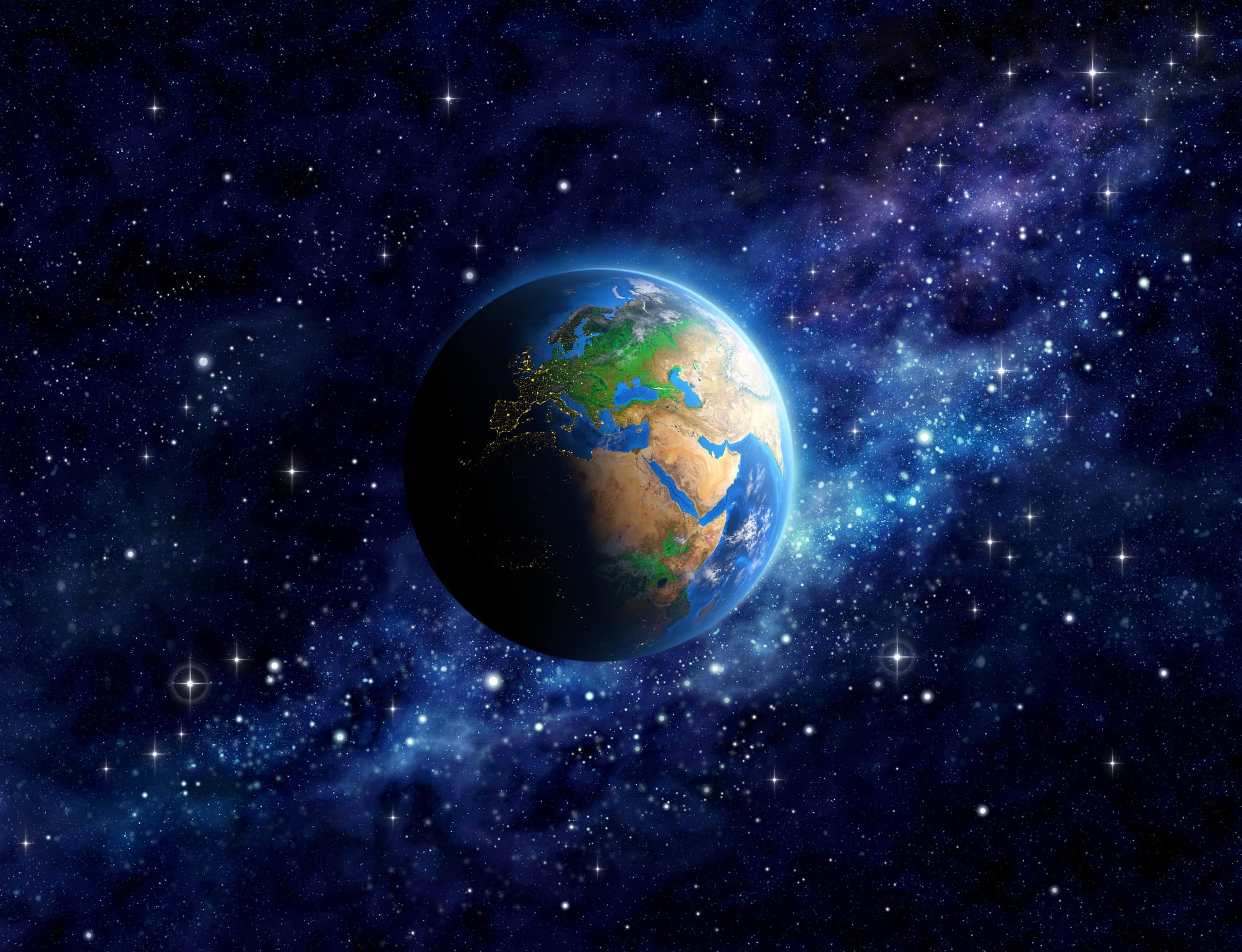
The vacuum of space doesn’t transmit sound waves the way Earth’s atmosphere does, but (and this gets interesting when you think about the mechanical reality of spacecraft) astronauts inside pressurized vessels hear plenty of noise. Fans whir, pumps cycle, equipment hums—the space station sounds like a busy office building that never sleeps.
And here’s where it gets stranger: electromagnetic waves in space can be converted to audio frequencies, so planets and moons actually produce haunting, otherworldly sounds when their electromagnetic signatures get translated. Jupiter sounds like ocean waves mixed with whale songs, which is saying something for a gas giant with no oceans.
So while space itself stays quiet, the experience of being there is anything but silent—astronauts wear earplugs to sleep, just like anyone trying to rest next to a highway.
Astronauts Float Because There’s No Gravity In Space
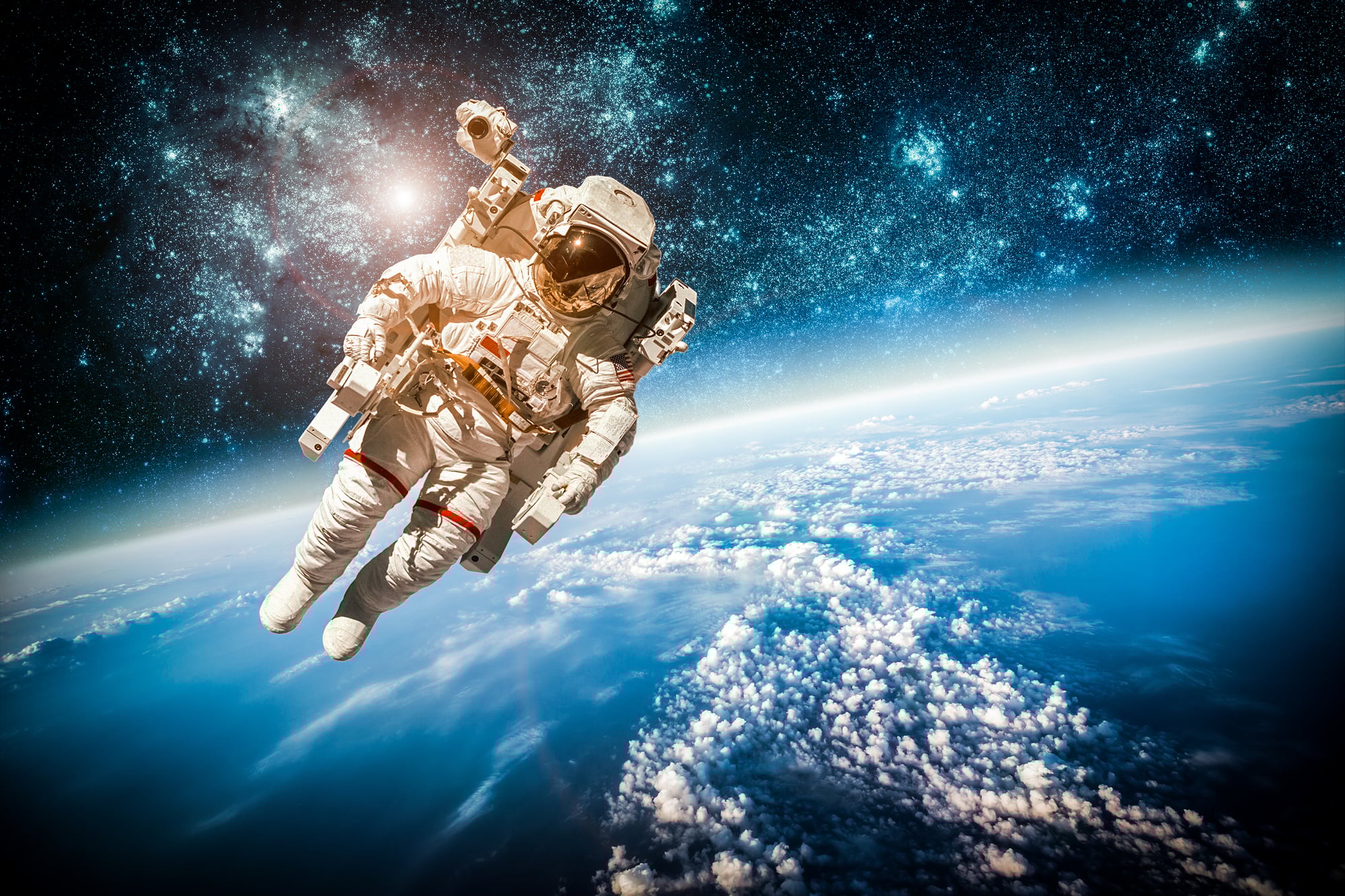
Gravity doesn’t vanish at orbital altitude. Like a dancer who appears weightless mid-leap but remains bound by invisible threads, astronauts fall continuously toward Earth—they just fall sideways fast enough that the planet curves away beneath them.
The International Space Station experiences about 90 percent of Earth’s surface gravity. Astronauts feel weightless not because gravity disappeared, but because they’re in perpetual free fall, like passengers in a plummeting elevator who float inside the cabin while everything drops together.
The sensation lives in that strange space between falling and flying, where the body can’t tell which direction leads home.
The Moon Landing Was Faked
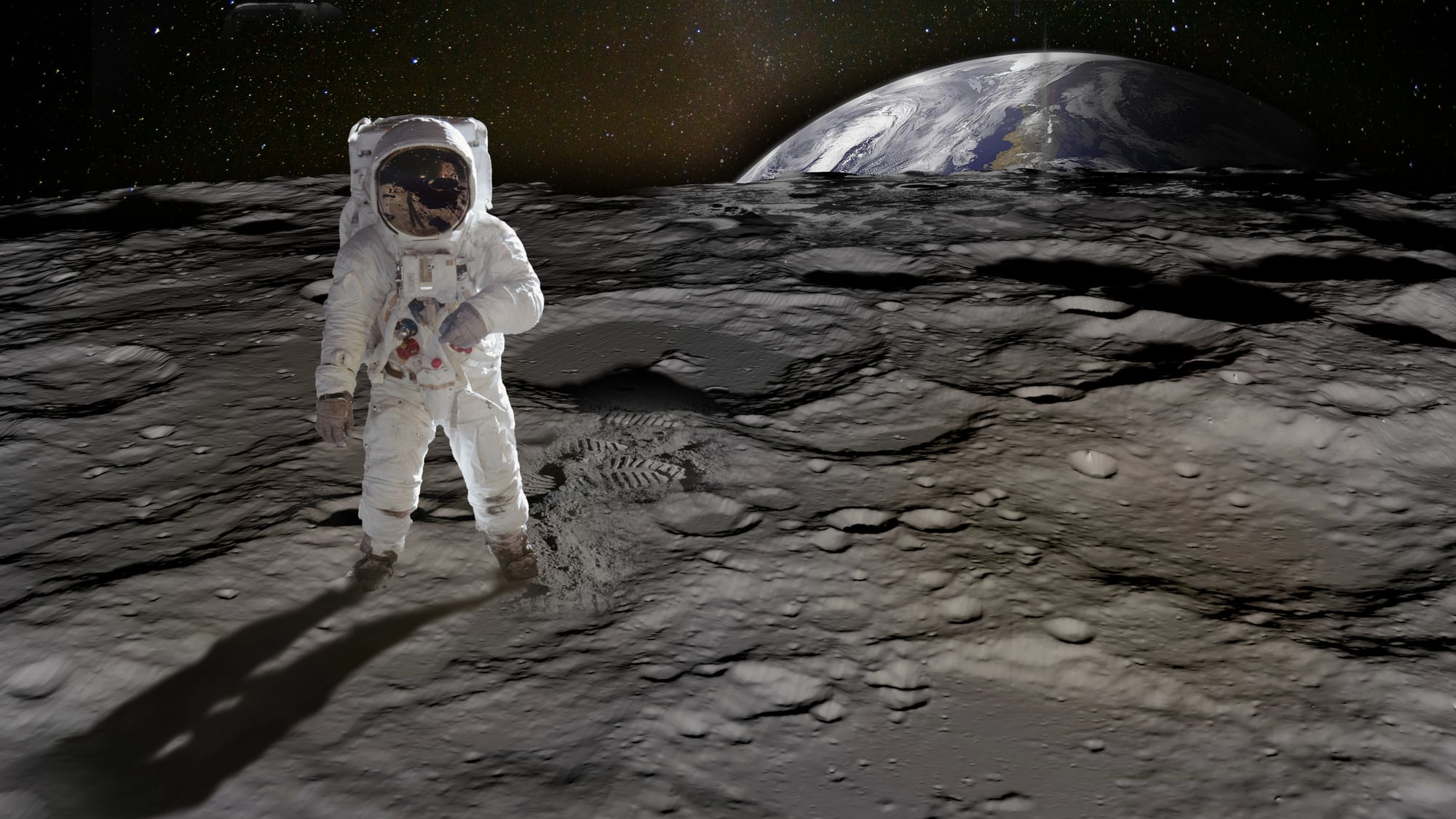
NASA addressed this conspiracy theory with detailed rebuttals, but the evidence speaks louder than arguments. Retroreflectors placed on the lunar surface by Apollo missions still bounce laser beams back to Earth today.
Lunar samples brought back match no Earth rocks. Multiple countries have photographed Apollo landing sites from orbit.
The conspiracy would have required silencing thousands of NASA employees, contractors, and international observers. Government agencies struggle to keep lunch menus secret—orchestrating a decades-long deception involving multiple moon missions stretches credibility past the breaking point.
The technology to fake the footage convincingly didn’t exist in 1969, which is the final irony.
Space Exposure Instantly Kills You
Hollywood loves explosive decompression scenes, but space won’t make you explode or freeze instantly. You’d lose consciousness in about 15 seconds due to lack of oxygen, but death would take a few minutes.
Your blood won’t boil (blood pressure prevents it), and the cold vacuum won’t freeze you immediately—heat loss in a vacuum happens slowly since there’s no air to conduct heat away.
The real danger is holding your breath, which could rupture your lungs as air expands. Exhale and you might survive a brief exposure.
Astronauts Need Special Pens That Work Upside Down
The Fisher Space Pen story gets twisted every time someone retells it. NASA didn’t spend millions developing a pen for zero gravity while Russians cleverly used pencils instead—that’s backwards engineering of the actual timeline, where both space programs initially used pencils until someone realized that graphite particles floating around sensitive electronics might cause problems (which turned out to be prescient, since graphite conducts electricity and broken pencil tips don’t simply fall to the floor in weightlessness).
Paul Fisher developed his pressurized pen with his own money, then sold it to NASA for $2.39 each after it proved reliable. The Russians bought the same pens.
And yet the myth persists because it feels like it should be true—like a perfect example of overthinking a simple problem, even though the actual story involves legitimate safety concerns that pencils couldn’t address.
The Sun Is Yellow
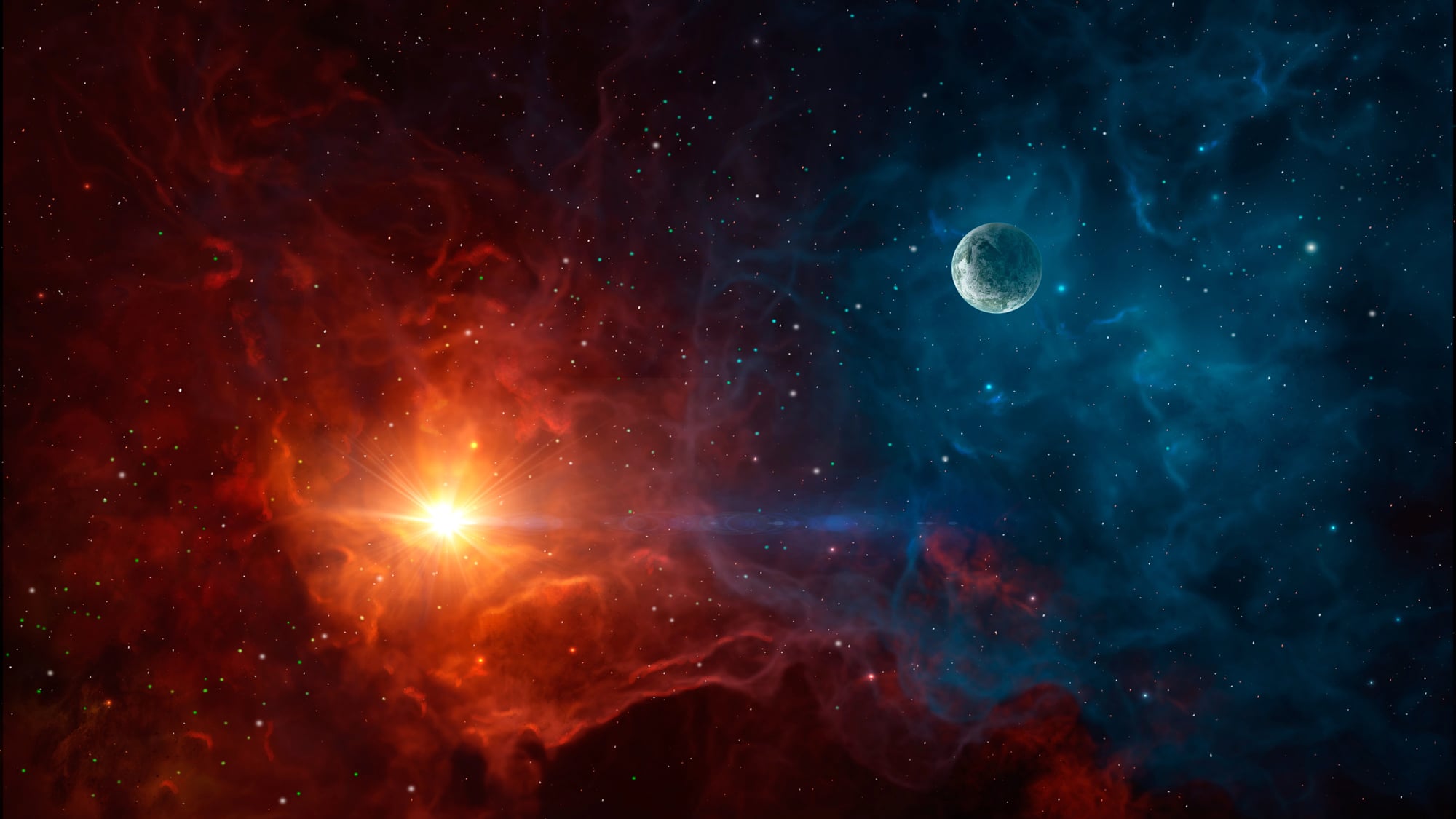
The Sun appears yellow or orange from Earth only because our atmosphere scatters blue light. In space, the Sun shines white.
Photographs from space missions consistently show this true color, but the myth persists because every child draws the Sun as a yellow circle.
This atmospheric filtering effect explains why sunsets look red and orange—blue light gets scattered away, leaving warmer colors to reach your eyes. The same phenomenon makes the Sun seem yellow during the day, but step outside Earth’s atmospheric blanket and the Sun reveals its true white light.
Meteors Are Hot When They Hit Earth
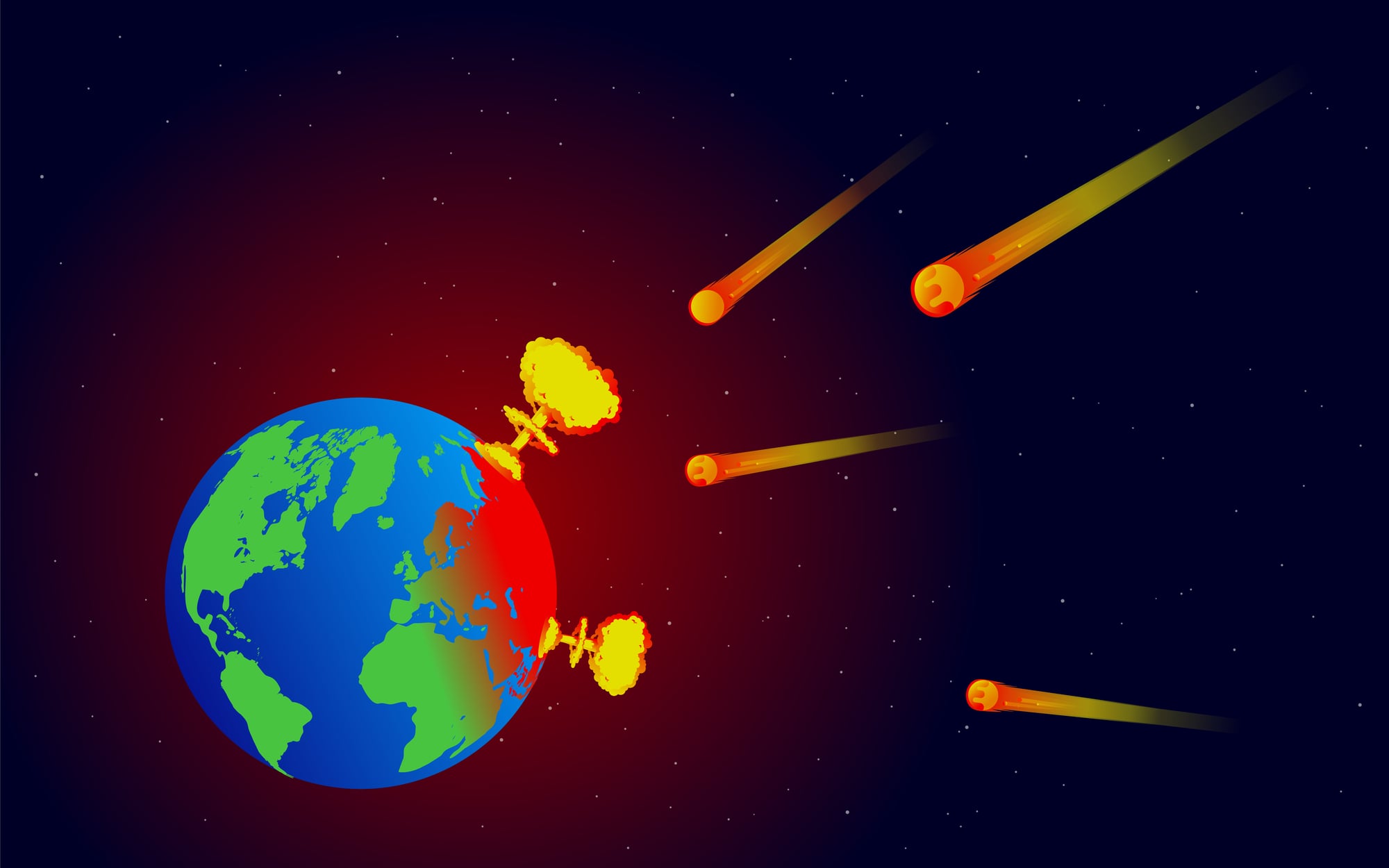
Meteors heat up from friction during atmospheric entry, but most are cold when they land. The outer layer melts and burns away, but the interior stays frozen from deep space temperatures.
Meteorite hunters often find specimens covered in frost or cool to the touch. The heating happens so quickly that thermal energy doesn’t penetrate far into the rock.
Small meteorites especially cool down during their final approach as they slow down and stop glowing.
Rockets Need To Be Massive To Escape Earth’s Gravity
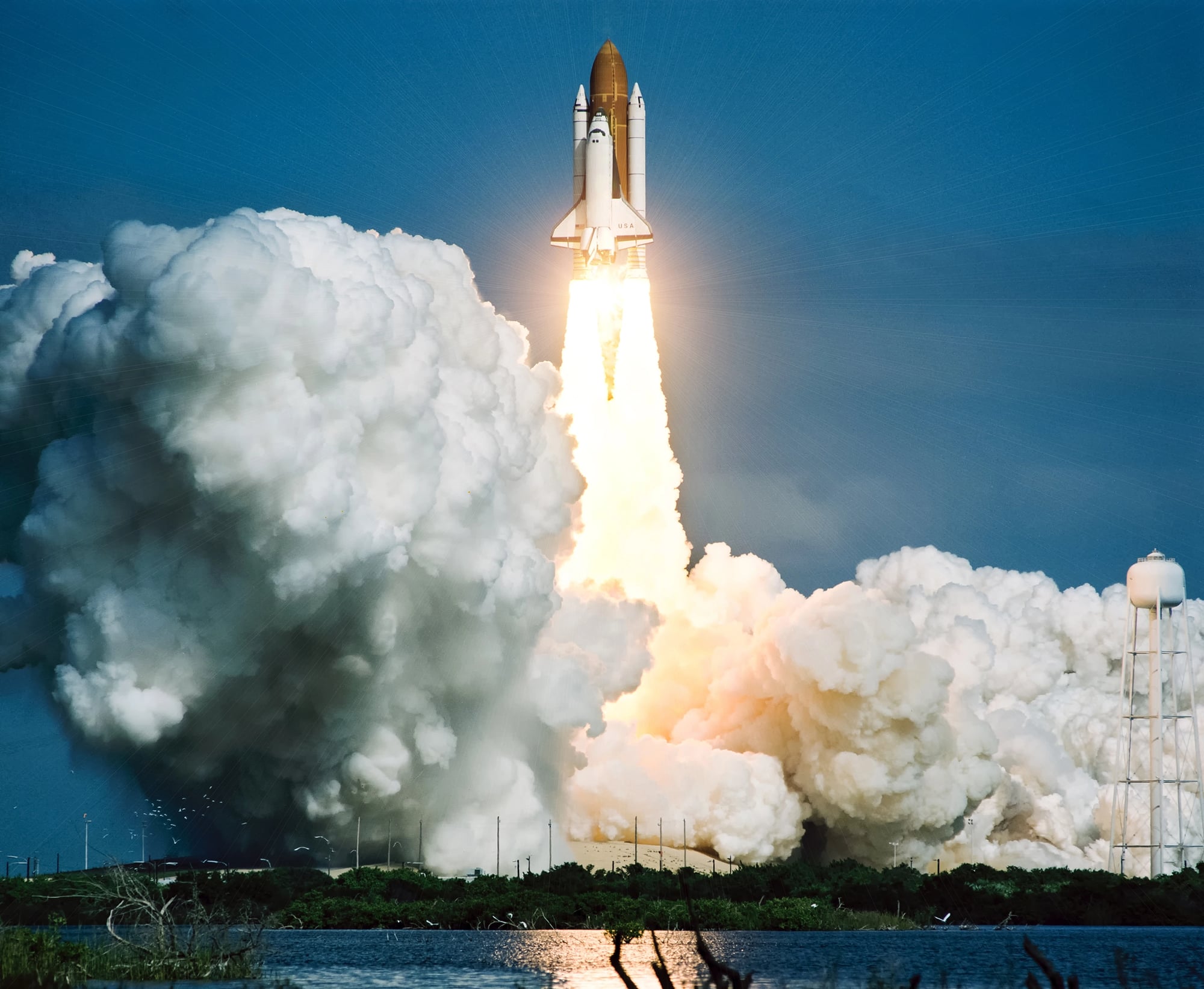
This misconception treats escape velocity like a speed limit that requires brute force, as if rockets must punch through an invisible barrier with overwhelming power. But reaching space resembles climbing a mountain more than breaking through a wall—steady progress matters more than explosive starts.
Small satellites hitchhike to orbit on shared rockets all the time. CubeSats the size of cereal boxes successfully operate in space.
The rocket equation demands efficiency, not enormity. Getting to space requires reaching 17,500 mph horizontally to stay in orbit, but that speed can be achieved gradually.
The massive rockets people envision are needed for heavy payloads or distant destinations, not simply for escaping Earth’s gravitational influence.
Pluto Was Demoted To Hurt Its Feelings

The International Astronomical Union reclassified Pluto as a dwarf planet in 2006 based on objective criteria, not spite. Pluto hasn’t cleared its orbital neighborhood of other objects, which full planets accomplish through gravitational dominance.
This reclassification actually placed Pluto in more appropriate company. Ceres, Eris, and other dwarf planets share similar characteristics.
The decision reflected improved understanding of our solar system’s structure, not an arbitrary demotion. Pluto remains scientifically fascinating regardless of its classification.
Mars Is Always Red
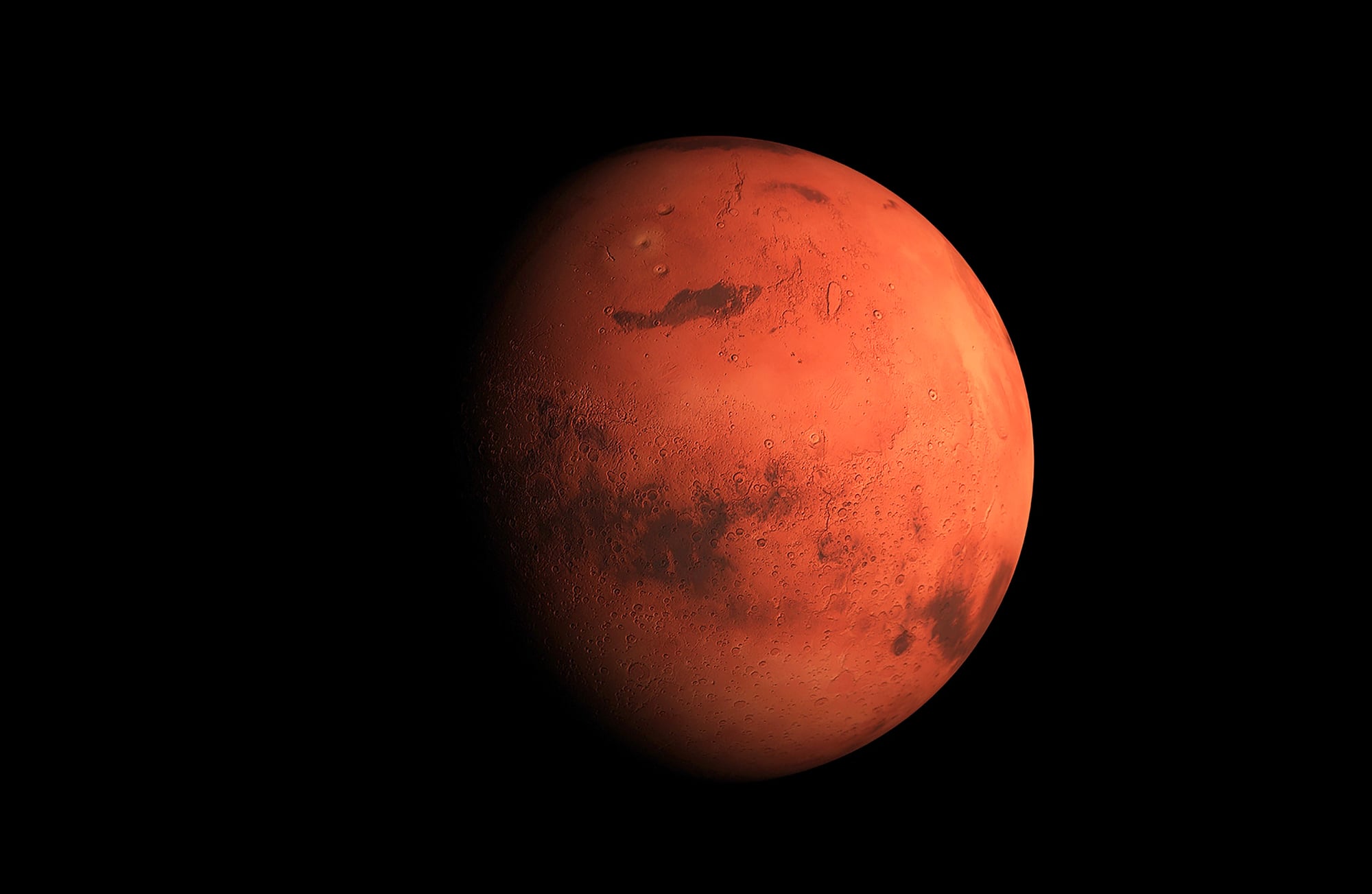
Mars appears red from a distance due to iron oxide (rust) on its surface, but up close, the planet displays varied colors. NASA rovers have photographed blue sunsets, gray rocks, and tan soil in different regions.
The red color dominates global views because iron oxide dust covers much of the surface and gets suspended in the atmosphere.
But Martian landscapes show diversity that single-color descriptions miss. Some areas look more like Earth deserts than the uniformly red planet of popular imagination.
Space Suits Are Pressurized Like Balloons
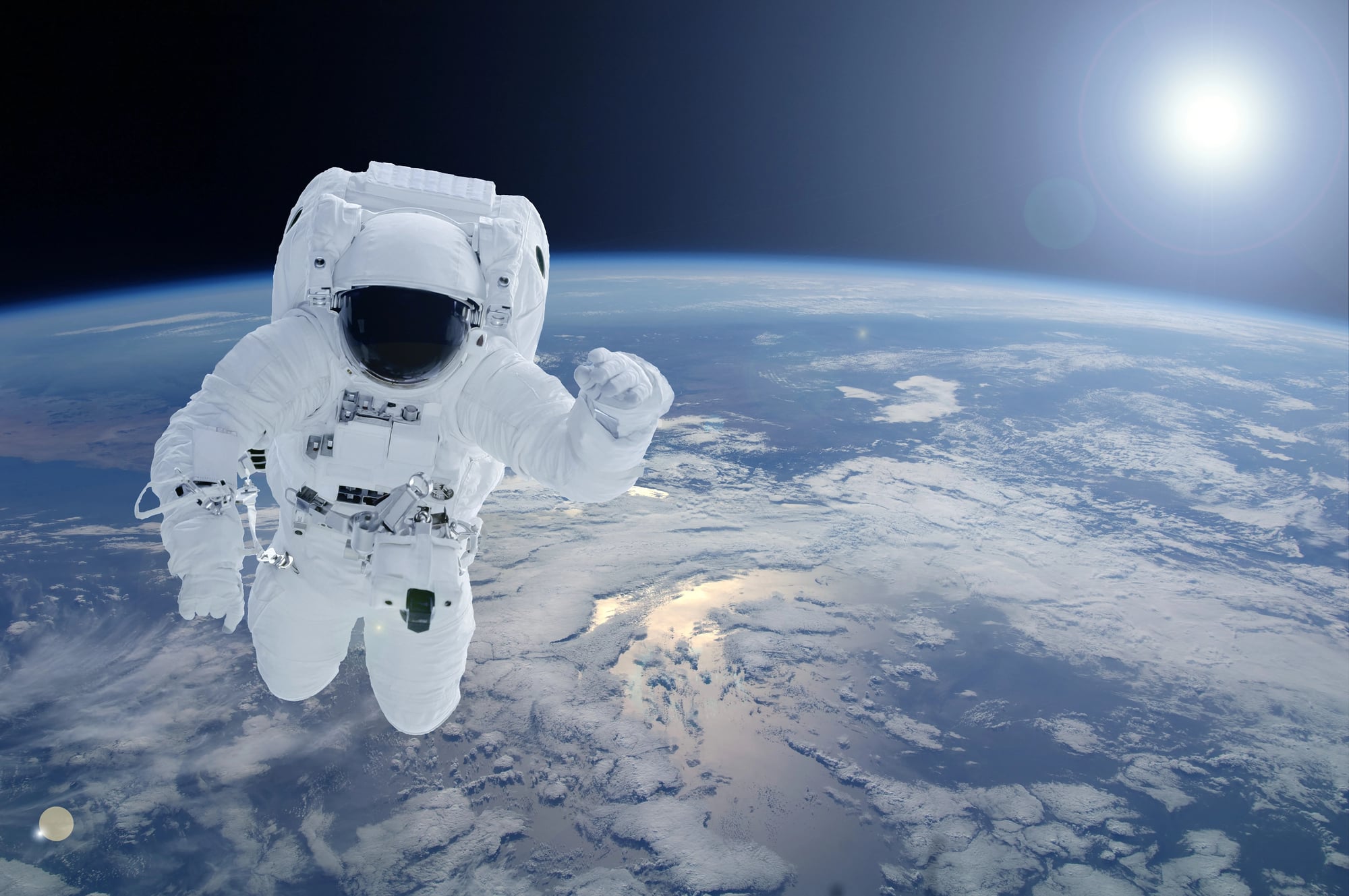
Space suits maintain pressure, but not through simple inflation. They use a complex system of layers, joints, and mechanical components that allow movement while protecting against vacuum.
Modern space suits operate at lower pressure than Earth’s atmosphere to prevent decompression sickness and allow flexibility.
The suit essentially becomes a personal spacecraft with life support, communication, and thermal regulation systems. Astronauts spend hours in airlocks pre-breathing pure oxygen before spacewalks to avoid the bends.
Beyond The Final Frontier
These misconceptions persist because space remains distant from daily experience. Unlike other subjects where hands-on experience corrects false beliefs, most people never get close enough to space to test their assumptions.
NASA’s patient corrections serve as reality checks against imagination, reminding us that the actual universe often surprises us more than the fictional one ever could.
More from Go2Tutors!

- The Romanov Crown Jewels and Their Tragic Fate
- 13 Historical Mysteries That Science Still Can’t Solve
- Famous Hoaxes That Fooled the World for Years
- 15 Child Stars with Tragic Adult Lives
- 16 Famous Jewelry Pieces in History
Like Go2Tutors’s content? Follow us on MSN.