20 Historic Jobs That Once Seemed Essential but No Longer Exist
Do you recall the days when we needed someone to wake us up for work? Or when someone’s whole job was to keep street lamps burning all night? Over the ages, the workforce has undergone significant change as a result of shifting social demands and technological advancements that have altered what we now consider necessary employment.
Here is a list of 20 historic occupations that were once crucial to daily life but have now disappeared almost entirely from our modern world.
Lamplighter
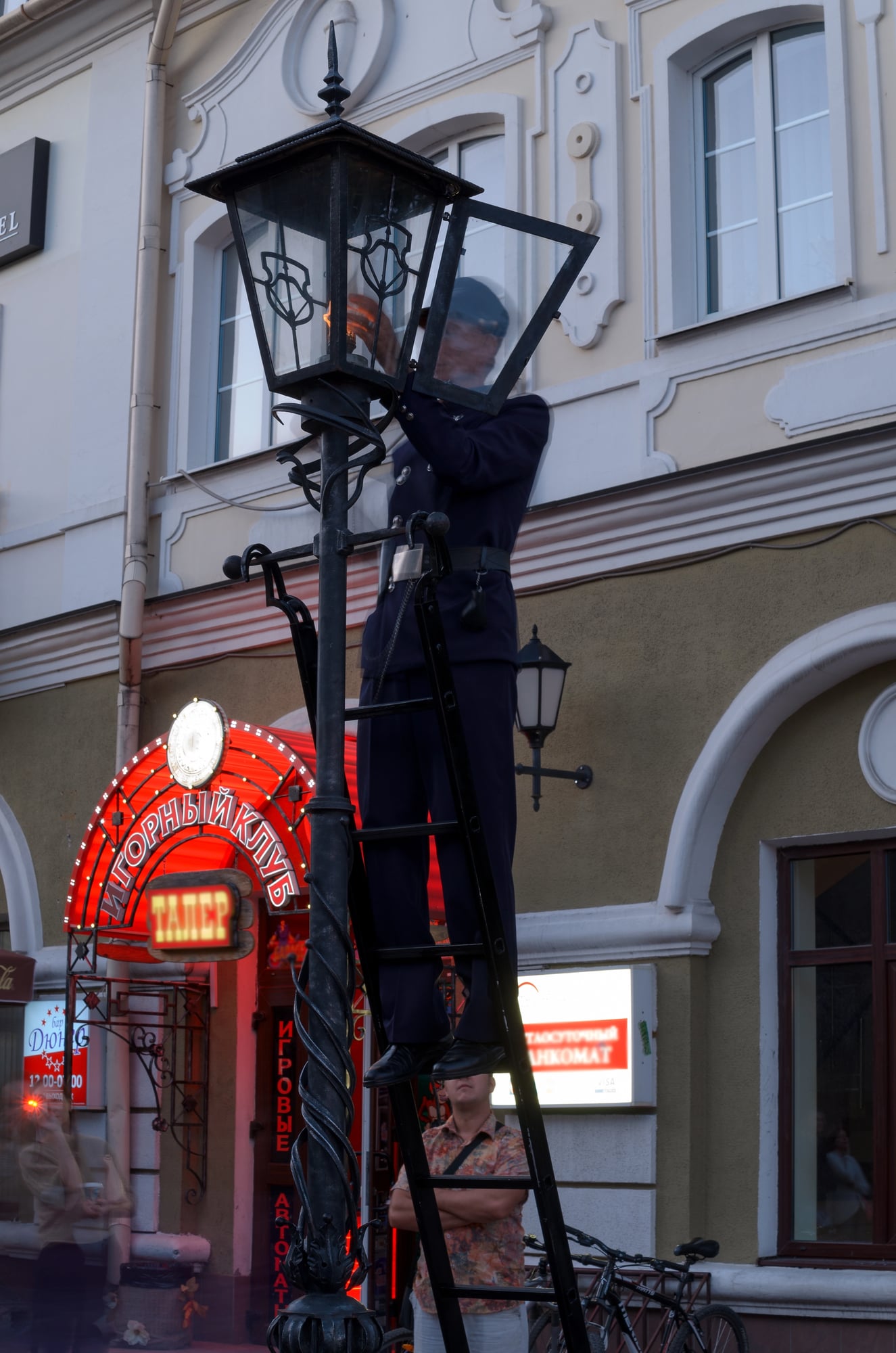
Lamplighters used tall poles to light gas lamps on city streets at dark before electricity lit our streets. To ensure that nighttime passengers could travel safely, they would return at dawn to put them out.
Beyond their lighting responsibilities, these workers were well-liked by the community because they were familiar with every area of the neighborhoods they were assigned to and frequently acted as unofficial night watchmen.
Switchboard Operator

These communication gatekeepers connected callers by physically plugging cords into the appropriate circuits. Switchboard operators handled everything from local gossip to emergency calls, serving as the human infrastructure behind telephone networks.
The job demanded incredible dexterity, memorization skills, and patience—especially during peak calling hours when boards lit up like holiday decorations.
Like Go2Tutors’s content? Follow us on MSN.
Ice Cutter
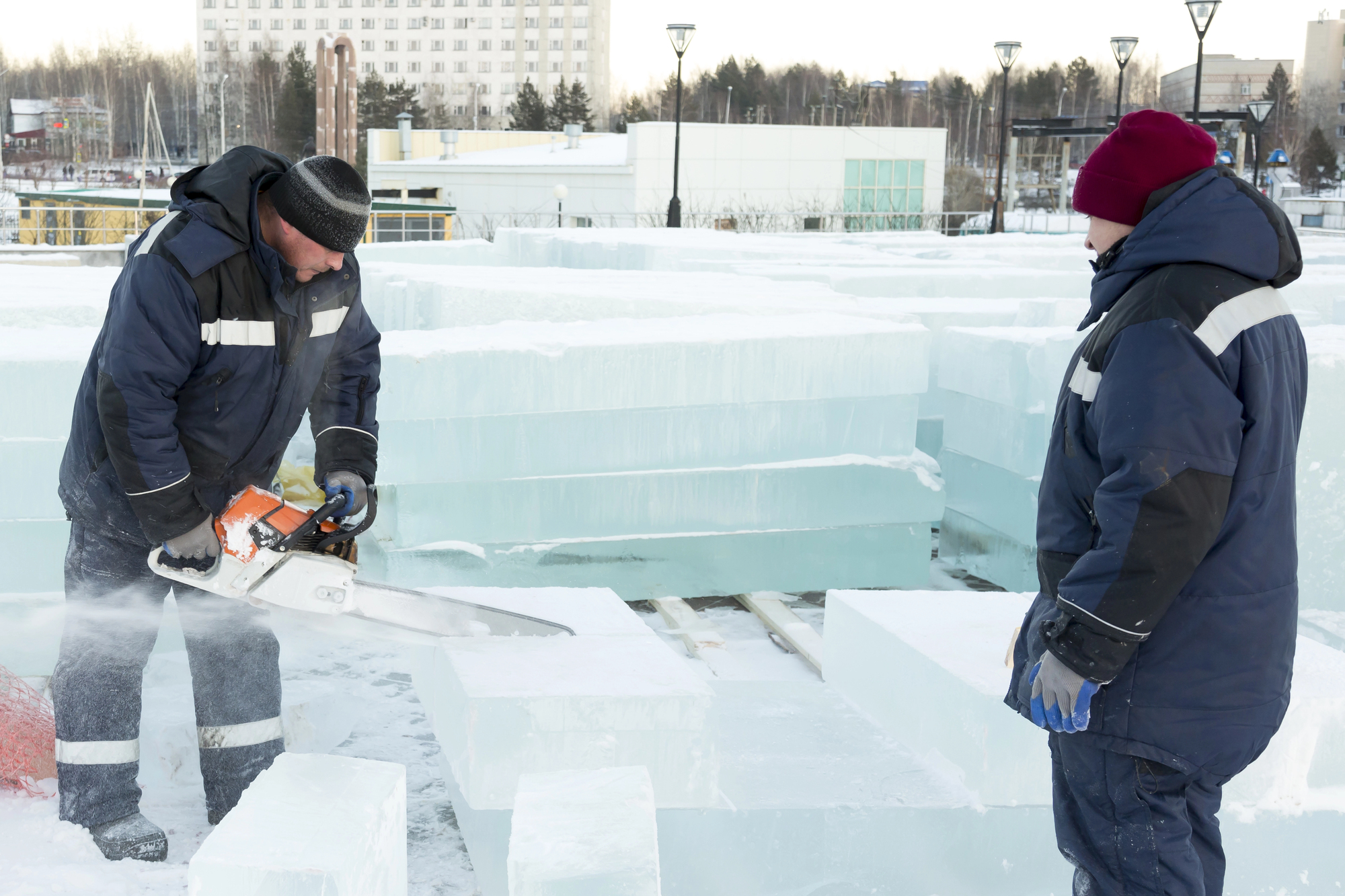
Before refrigeration, ice cutters braved frozen lakes in winter, sawing massive blocks for summer use. These hardy workers used hand saws to carve chunks weighing up to 300 pounds, which were stored in insulated icehouses.
The profession combined physical endurance with precise cutting techniques to ensure households and businesses had ice for food preservation throughout warmer months.
Knocker-Upper

Long before alarm clocks became household items, knocker-uppers earned their living by ensuring people woke up for work on time. Using long sticks, pea shooters, or sometimes just their knuckles, they’d tap on bedroom windows until they received confirmation that their clients were awake.
They kept detailed mental records of their clients’ schedules, rarely missing an appointment despite working in all weather conditions.
Computer

Before electronic devices took over calculation tasks, human ‘computers’ performed complex mathematical computations by hand. Often women with strong mathematics backgrounds, these professionals calculated everything from astronomical tables to military trajectories.
Their precision and reliability laid the groundwork for many scientific advancements, despite receiving far less recognition than their male counterparts who used their calculations.
Like Go2Tutors’s content? Follow us on MSN.
Town Crier

These state news criers announced everything from royal decrees to town affairs, serving as walking newspapers for the townsfolk. Town criers needed booming voices that could carry across marketplaces and memory in order to recite messages intelligibly.
Their characteristic ‘Hear ye, hear ye!’ shouts became so ingrained in daily life that people structured their daily lives around such announcements.
Pinsetter

Before automation came to bowling alleys, pinsetters manually reset pins and returned bowling balls to players. Often young people worked for tips, performing this fast-paced job in noisy environments, dodging flying pins and heavy balls.
Their speed and accuracy determined how quickly games progressed, making them essential to recreational bowling’s popularity growth in the early 20th century.
Rat Catcher
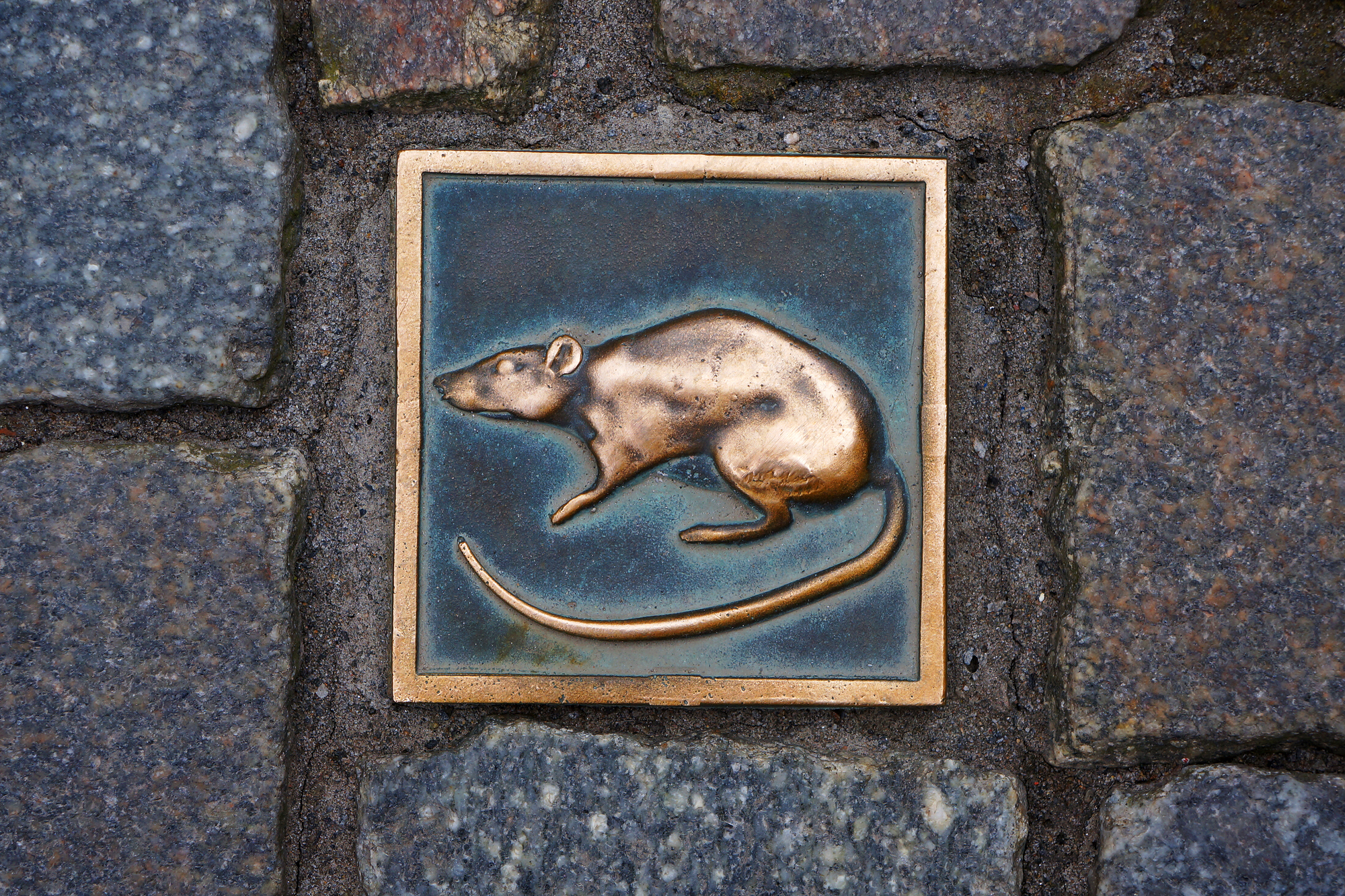
In eras when rodent infestations threatened public health, professional rat catchers were municipal heroes. They controlled rodent populations that spread disease using trained dogs, traps, and sometimes poison.
The most successful practitioners developed intimate knowledge of rodent behavior and breeding patterns, often creating their own specialized tools and methods for more effective pest control.
Like Go2Tutors’s content? Follow us on MSN.
Elevator Operator

Operating early elevators required specialized knowledge of mechanical systems and perfect timing. Elevator operators manually controlled speed, aligned cars with floor levels, and announced destinations for passengers.
Beyond technical skills, they served as building ambassadors, greeting regulars by name and providing information about offices or events—making them early customer service professionals.
Leech Collector

Medical practitioners once relied heavily on leeches for bloodletting, creating demand for people who could gather these creatures from ponds and marshes. Leech collectors would wade into waters, allowing the creatures to attach to their legs before carefully removing them for medical use.
The occupation required intimate knowledge of leech habitats and behavior, plus considerable tolerance for discomfort.
Milkman
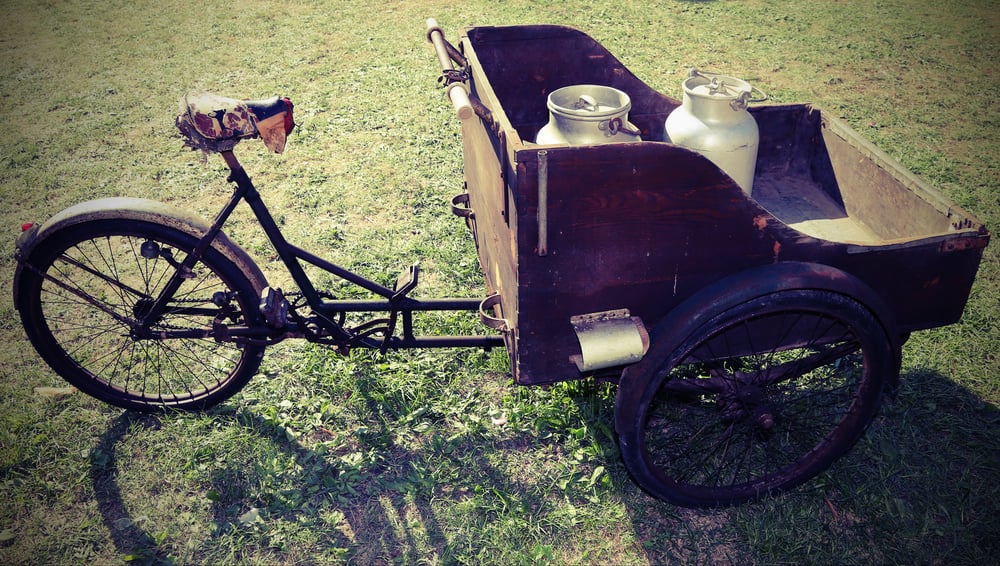
Before widespread refrigeration and supermarkets, milkmen delivered fresh dairy products directly to doorsteps. They followed clockwork routes before dawn, swapping empty bottles for full ones while customers slept.
These trusted community fixtures often held spare keys to customers’ homes, knew family preferences intimately, and served as early-morning news networks across neighborhoods.
Like Go2Tutors’s content? Follow us on MSN.
Log Driver

Transporting timber by floating it downriver required skilled log drivers who danced across moving logs to break up jams. These nimble workers wore spiked boots for traction and carried pike poles to manipulate the floating timber.
Their remarkable balance and quick decision-making prevented costly logjams while working in frigid waters where a single misstep could prove fatal.
Resurrectionist

Medical schools once faced severe shortages of cadavers for anatomical study, creating a dark profession—body snatchers who exhumed the recently deceased. These ‘resurrectionists’ worked under cover of darkness, carefully replacing disturbed soil to avoid detection.
Though illegal and socially condemned, the practice contributed significantly to medical education until legislation provided legal means for body donation.
Lector

Workers in factories who had to do the same things over and over again once banded together to hire lectors who read books and newspapers out loud over the sound of the equipment. To be heard above industrial machinery, these expert readers required strong voices and lucid language.
Despite difficult working conditions, lectors created educated workforces by providing workers with entertainment through classic literature and keeping them updated on current affairs throughout tedious shifts.
Like Go2Tutors’s content? Follow us on MSN.
Ice Man
Large ice blocks for residential iceboxes required a great deal of strength and route-management expertise to deliver. Ice men swiftly cut exact portions for every customer while carrying bulky blocks on shoulders cushioned by leather.
They provided individualized service that is rarely found in contemporary delivery services since they understood whether customers needed additional ice for summer celebrations or for ailing family members in need of cold compresses.
Typesetter

Before digital publishing, typesetters arranged individual metal letters for printing presses, working backward and upside-down. Their incredible dexterity and literacy made books and newspapers possible, arranging thousands of tiny pieces daily without errors.
The profession demanded exceptional attention to detail, with skilled typesetters recognizing by touch when letters were misplaced or upside down.
Telegraph Operator
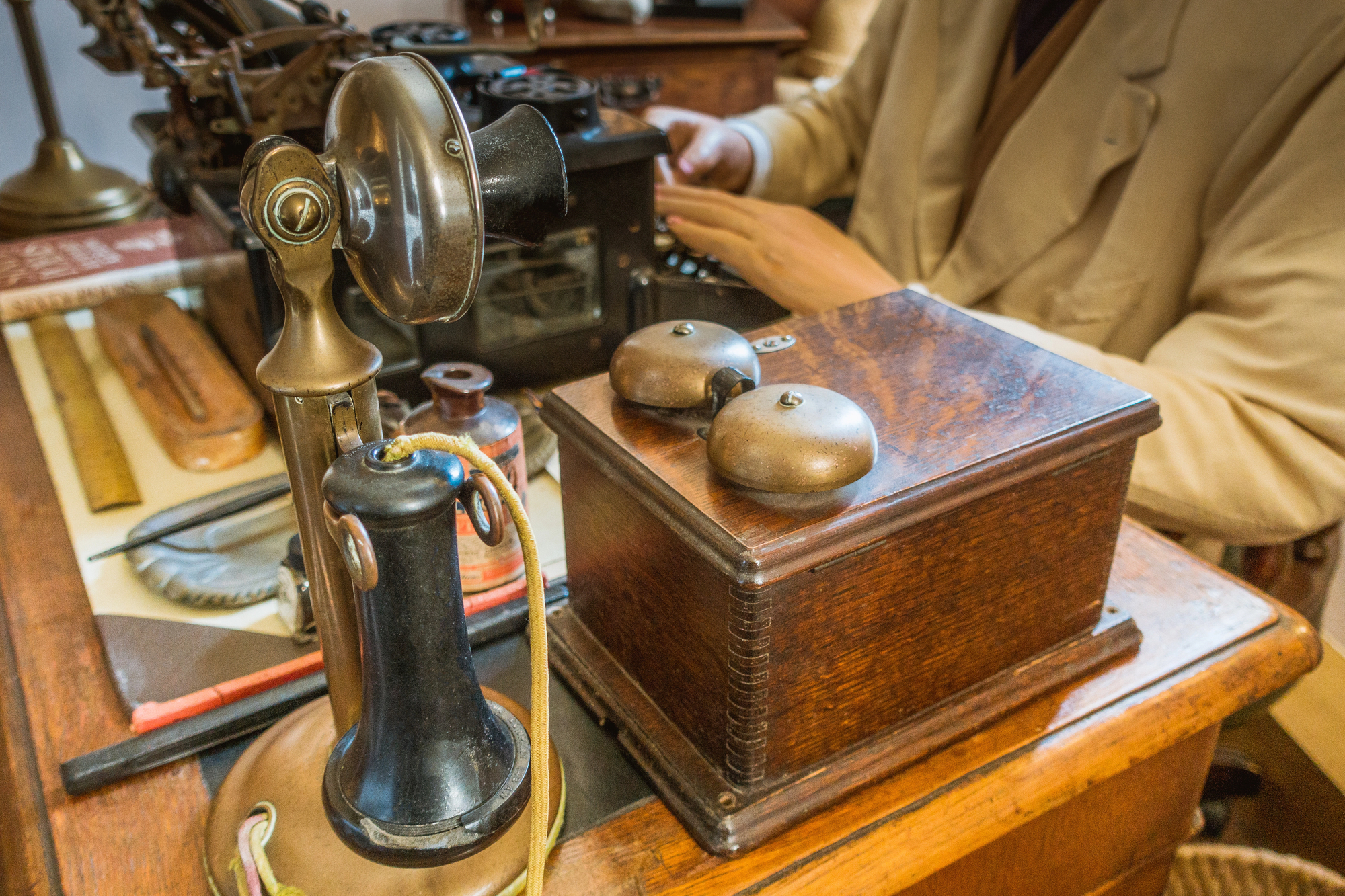
These communication experts transmitted messages over long distances in Morse code at incredible speeds. Telegraph operators created their own shorthand and could identify fellow employees by their unique ways of sending—like a familiar voice.
In times of crisis such as natural disasters, these experts worked around the clock, sometimes for days, and became lifelines when all else failed.
Like Go2Tutors’s content? Follow us on MSN.
Linotype Operator
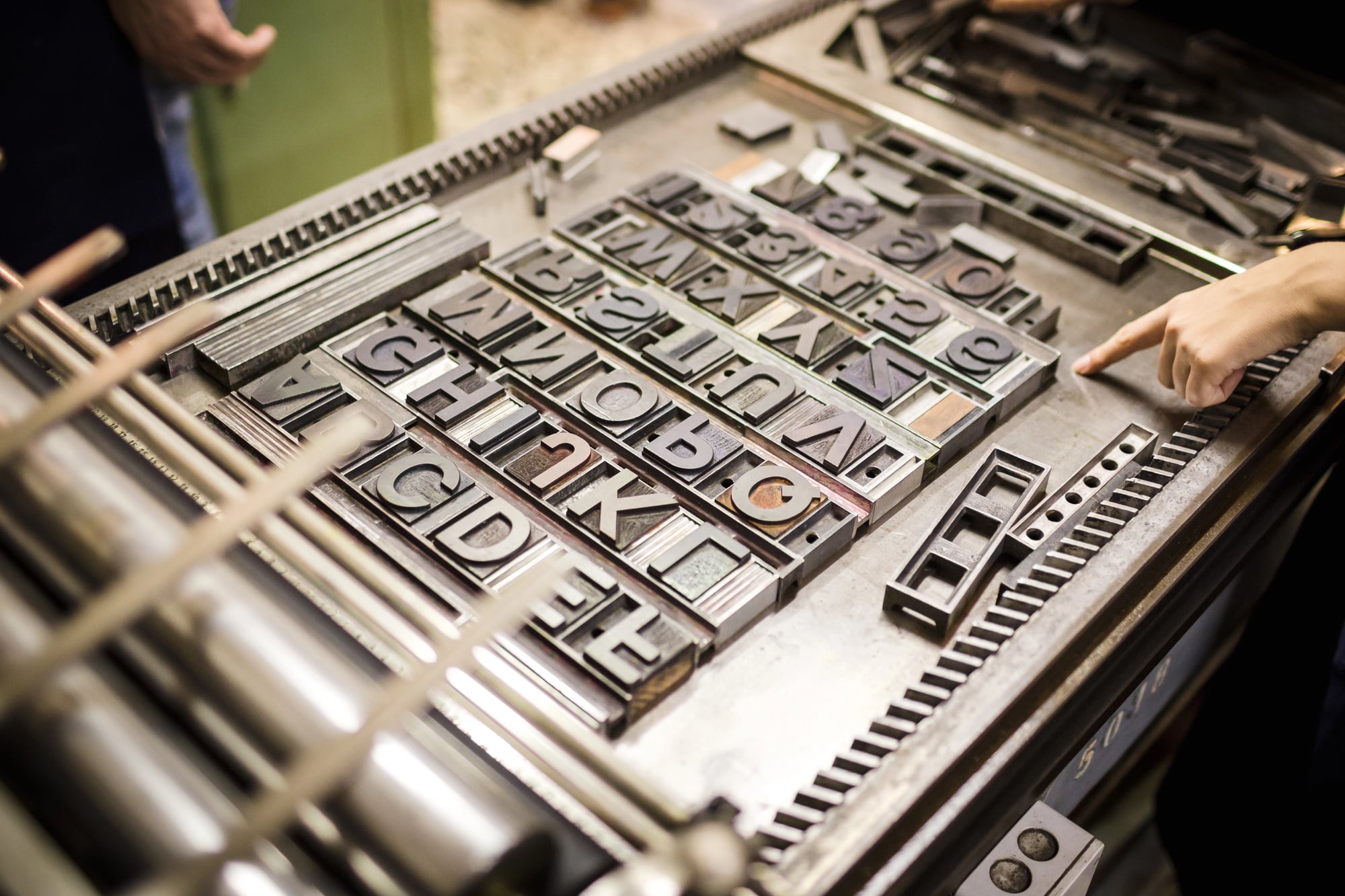
Operating complex Linotype machines required combining typing skills with mechanical knowledge to create lines of metal type for printing. These operators simultaneously managed a keyboard, a pot of molten metal, and intricate mechanical systems.
A skilled operator could set more than 6,000 characters per hour, dramatically accelerating newspaper production while working with dangerous equipment and materials.
Daguerreotypist

Early photography pioneers created images on silver-coated copper plates through a complex chemical process. Daguerreotypists needed extensive knowledge of chemistry, optics, and artistic composition to create these early photographs.
They mixed volatile chemicals, polished plates to mirror finishes, and timed exposures precisely—all while maintaining pristine studios where the slightest dust could ruin their delicate work.
Phrenologist
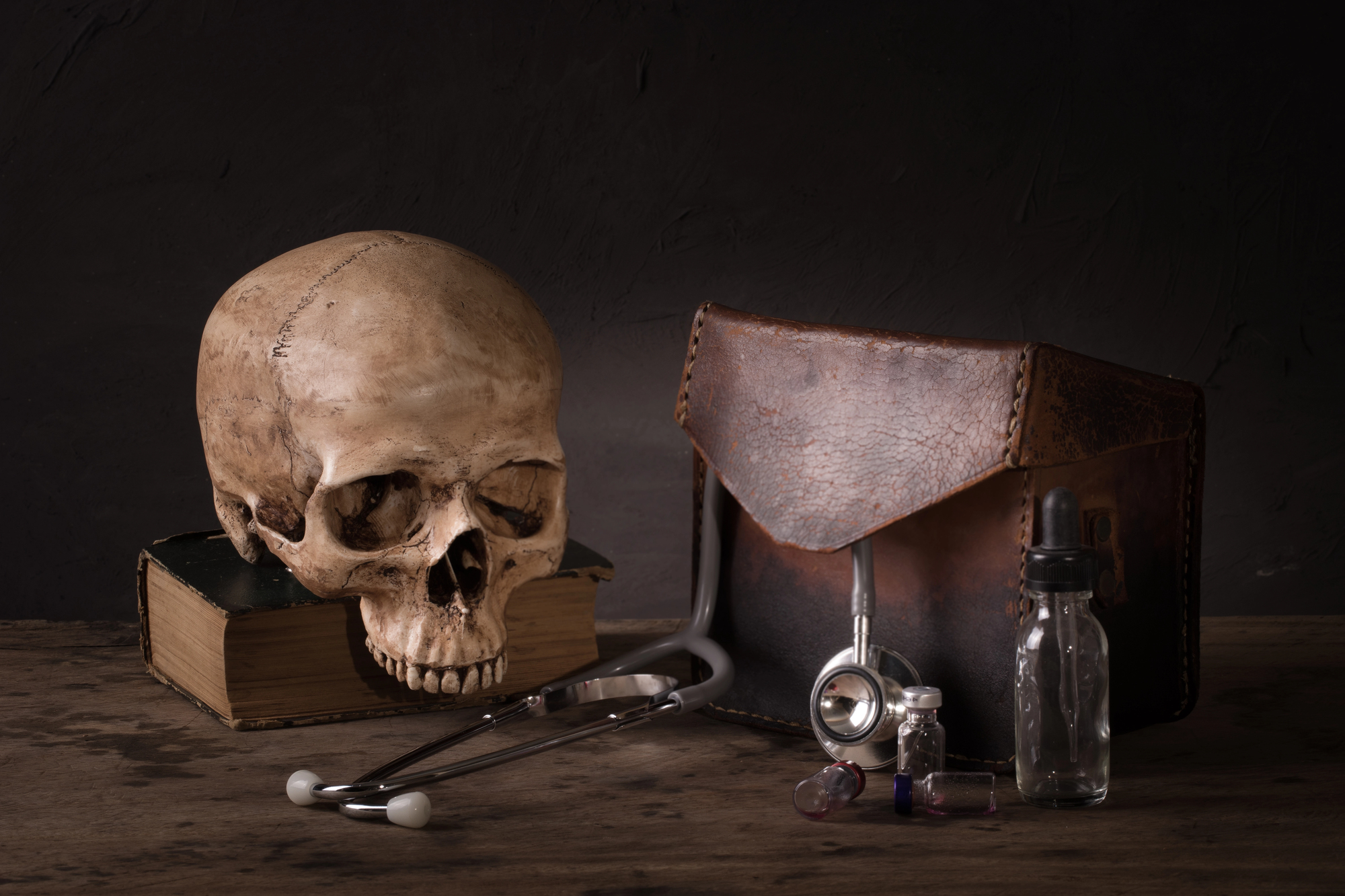
By evaluating skull shapes, these practitioners claimed to be able to determine mental capacities and personality qualities. With their measuring instruments in hand, phrenologists traveled from town to town, providing career counseling and compatibility evaluations based on their tests.
In a time before contemporary psychology, these early psychological consultants met a social need for self-awareness and life guidance, despite their eventual discrediting.
Like Go2Tutors’s content? Follow us on MSN.
The Evolution of Essential Work

These vanished professions remind us how dramatically technology reshapes our definition of necessary work. Today’s essential jobs—social media managers, app developers, drone operators—would seem as strange to our ancestors as lamplighters might seem to us.
What remains constant is our fundamental need to adapt our skills as society’s requirements change, continuing the endless transformation of what we consider indispensable labor.
More from Go2Tutors!

- 18 Unexpectedly Valuable Collectibles You Might Have Lying Around
- 20 Little-Known Historical Battles That Had Huge Consequences
- 20 Historical Artifacts That Scientists Can’t Explain
- 15 Inventions That Were Immediately Banned After Being Created
- 20 Actors Who Were Almost Cast in Iconic Roles
Like Go2Tutors’s content? Follow us on MSN.