Unexpected Ways Gravity Affects Your Daily Life
Every morning when your alarm goes off, gravity is already at work before you even open your eyes. Your blood has pooled in different parts of your body overnight, your spine has decompressed, and that first step out of bed feels different than it will an hour later.
Most people think of gravity as the thing that keeps their feet on the ground and makes dropped objects fall, but it’s actually orchestrating dozens of subtle processes throughout your day that you’ve never noticed.
From the way your morning coffee brews to why your back aches after sitting too long, gravity is constantly shaping your experience in ways that would surprise you. The force that seems so simple and predictable is actually working behind the scenes to influence everything from your digestion to your sleep quality to the way your house ages around you.
Your Blood Circulation Changes Throughout the Day
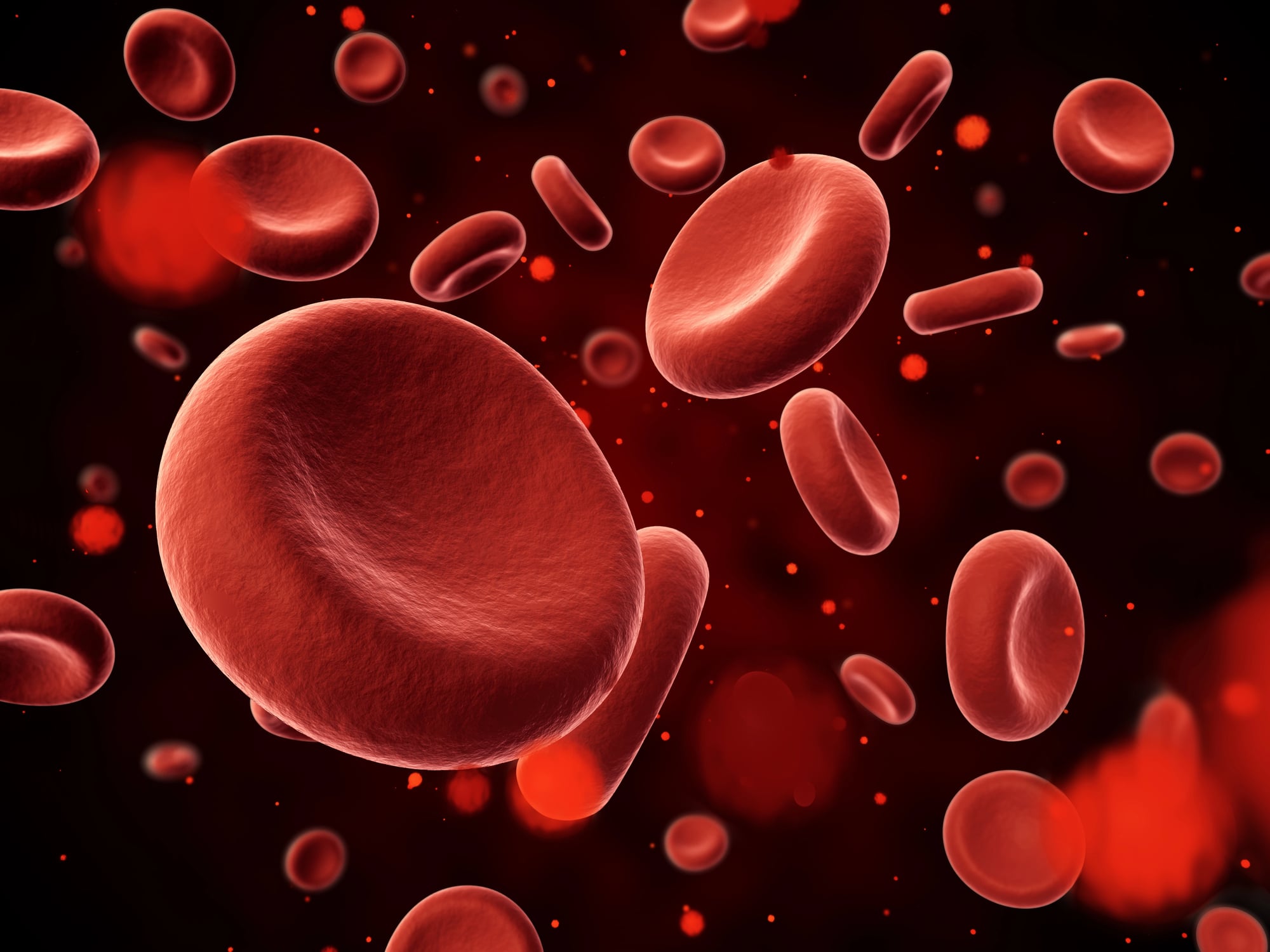
Gravity treats your circulatory system like a complex plumbing network with one major design flaw: the pump is in the middle, not at the top. Your heart has to work against gravitational pull every time it sends blood to your brain, which is why you feel lightheaded when you stand up too quickly after lying down.
But here’s what most people don’t realize – your blood pressure is measurably different in your ankles than in your arms, and it changes depending on your position. When you’re lying flat, your cardiovascular system gets a break.
When you’re standing, your heart works harder, and blood tends to pool in your lower extremities. This is why compression socks aren’t just for elderly people or long flights.
Anyone who stands all day is fighting a constant battle against gravity’s tendency to pull blood away from where it needs to go.
Your Coffee and Tea Brew Differently Based on Altitude

Here’s something that will change how you think about your morning routine (and explains why that perfect cup you had on vacation never tastes quite the same at home): gravity affects how water moves through coffee grounds, but atmospheric pressure – which changes with altitude due to the weight of air above you – affects how water boils.
So the higher up you live, the cooler your “boiling” water actually is, which means weaker extraction and different flavors entirely. Professional coffee roasters have known this for years.
They adjust grind size and brewing time based on elevation. That’s not pretentious – it’s physics.
Sleeping Position Affects Your Brain’s Cleaning Cycle
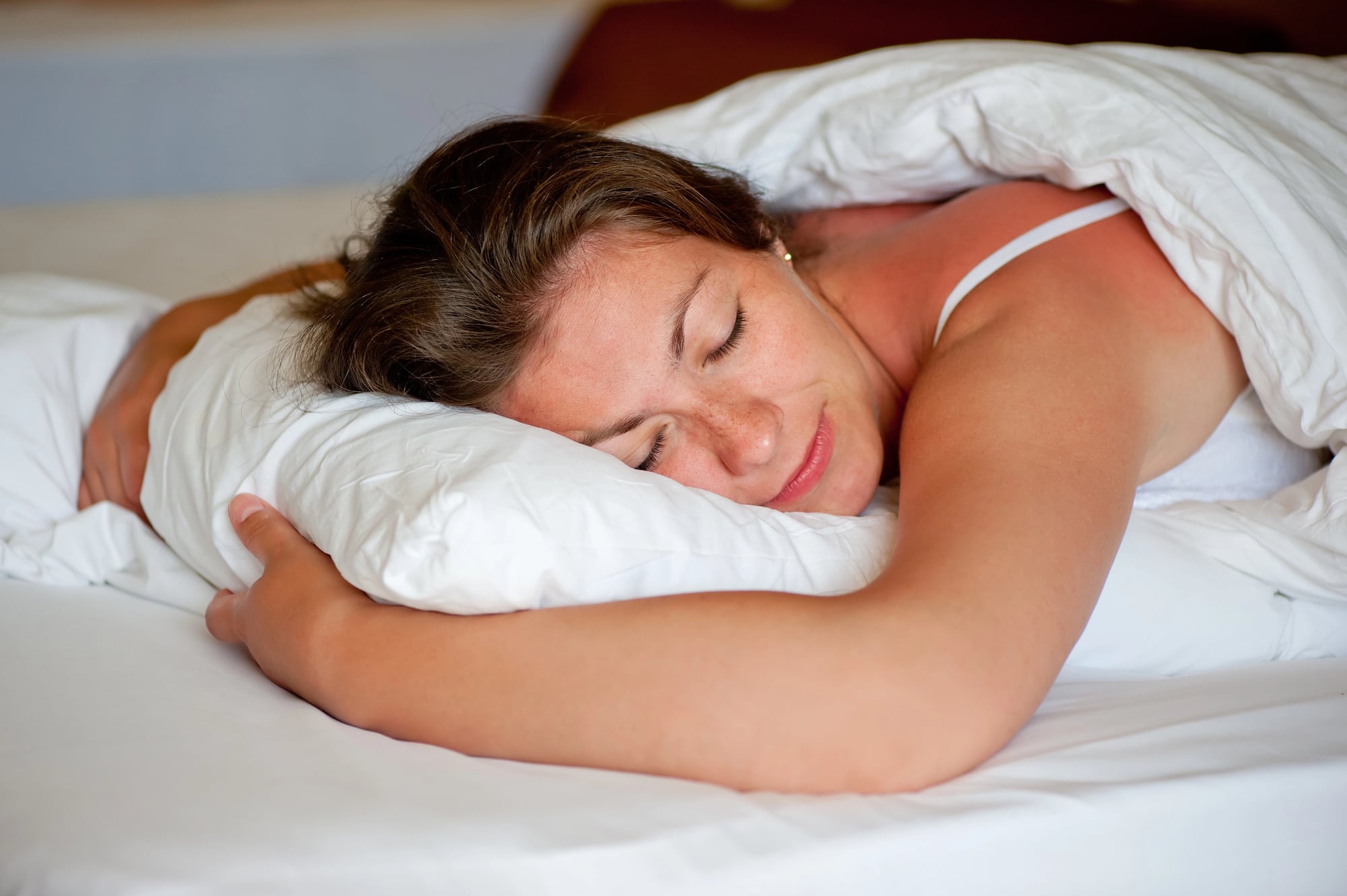
Think of gravity as your brain’s overnight janitor, but one that only works efficiently when you’re positioned correctly. During sleep, your brain’s glymphatic system flushes out cellular waste and toxins that accumulated during the day.
But here’s the catch – this cleaning process works best when gravity can assist the flow of cerebrospinal fluid through your brain tissue. Research shows that sleeping on your side, particularly your left side, optimizes this gravitational assistance.
People who consistently sleep in positions that work against gravity may not be getting the full restorative benefits of sleep, even if they’re getting enough hours. And yet most people choose their sleeping position based on comfort alone, never considering that they might be making their brain work harder during what should be its maintenance window.
Your Spine Decompresses at Night
Astronauts grow taller in space. Not permanently, but measurably – sometimes by as much as two inches.
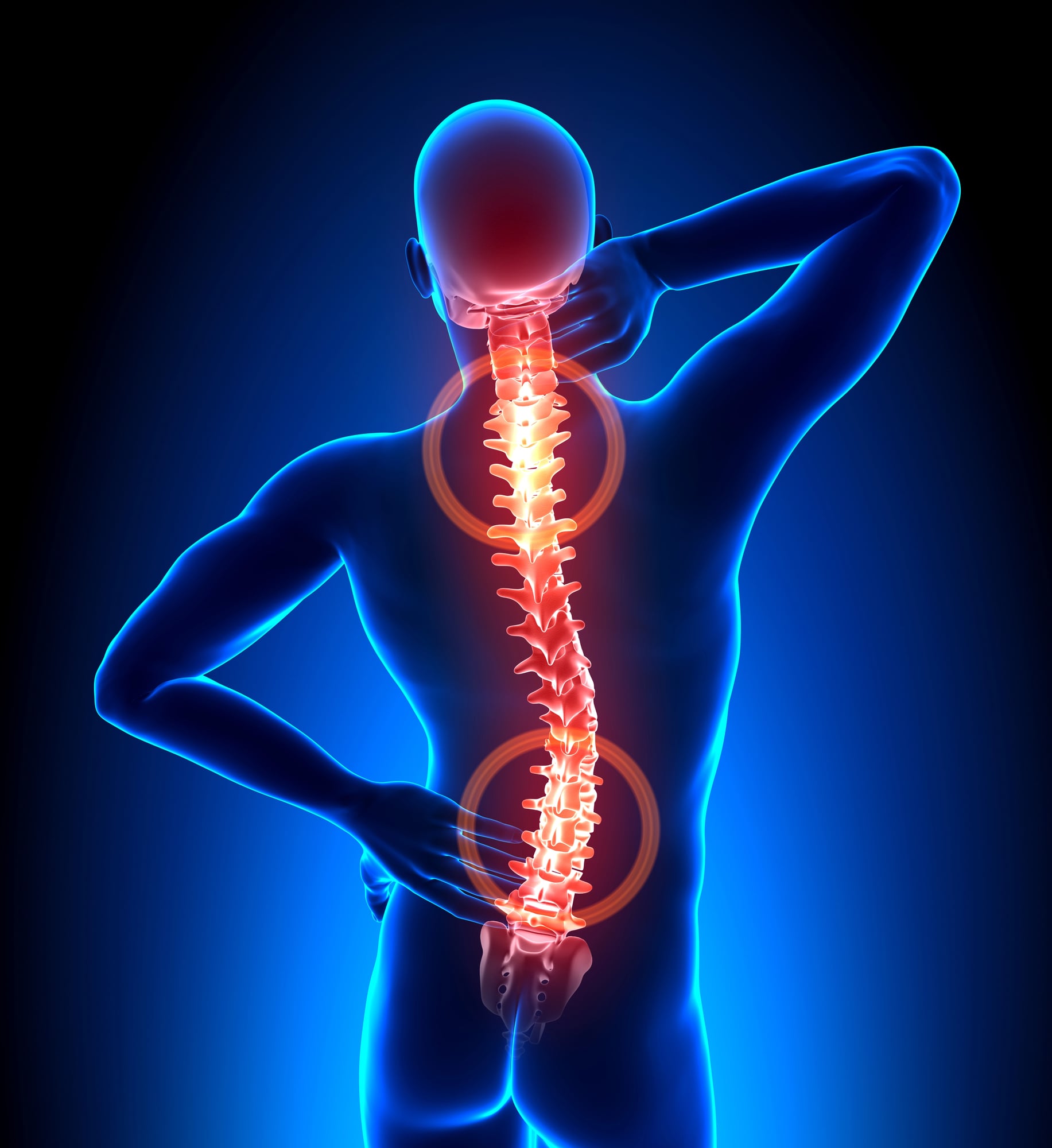
They’re experiencing what your spine does every night on a smaller scale, just without gravity’s constant compression during the day. When you lie down, the gravitational pressure on your spinal discs decreases, allowing them to absorb fluid and expand slightly.
This is why you’re actually taller in the morning than in the evening, usually by about half an inch. It’s also why that back pain that builds up during the day often feels better after a good night’s sleep.
Your mattress isn’t just about comfort – it’s about giving your spine the right support while gravity takes a break from compressing it.
Digestion Works Harder When You’re Upright
Your digestive system was designed assuming gravity would lend a hand. Food moves through your intestines partly due to muscular contractions called peristalsis, but gravity provides a helpful assist when you’re upright.
This is why lying down immediately after eating often leads to discomfort, acid reflux, or that sluggish feeling. The old advice about taking a walk after dinner isn’t just about burning calories – it’s about working with gravity to help your food move through your system efficiently.
Cultures that traditionally eat while sitting on the floor rather than in chairs report different patterns of digestive issues than cultures that eat at tables.
Your House Settles in Predictable Patterns

Every house is slowly surrendering to gravity, but not randomly. The settling happens in patterns that structural engineers can predict based on soil type, foundation design, and the building’s orientation to gravitational stress points.
That crack that appeared in your basement wall last winter wasn’t sudden – it was the culmination of years of tiny gravitational shifts that finally reached a tipping point.
Your doors that don’t quite close right anymore, the slight slope you’ve noticed in your kitchen floor – these aren’t signs of poor construction. They’re gravity writing its signature on your home, one millimeter at a time.
Fluid Retention Patterns Change With Position
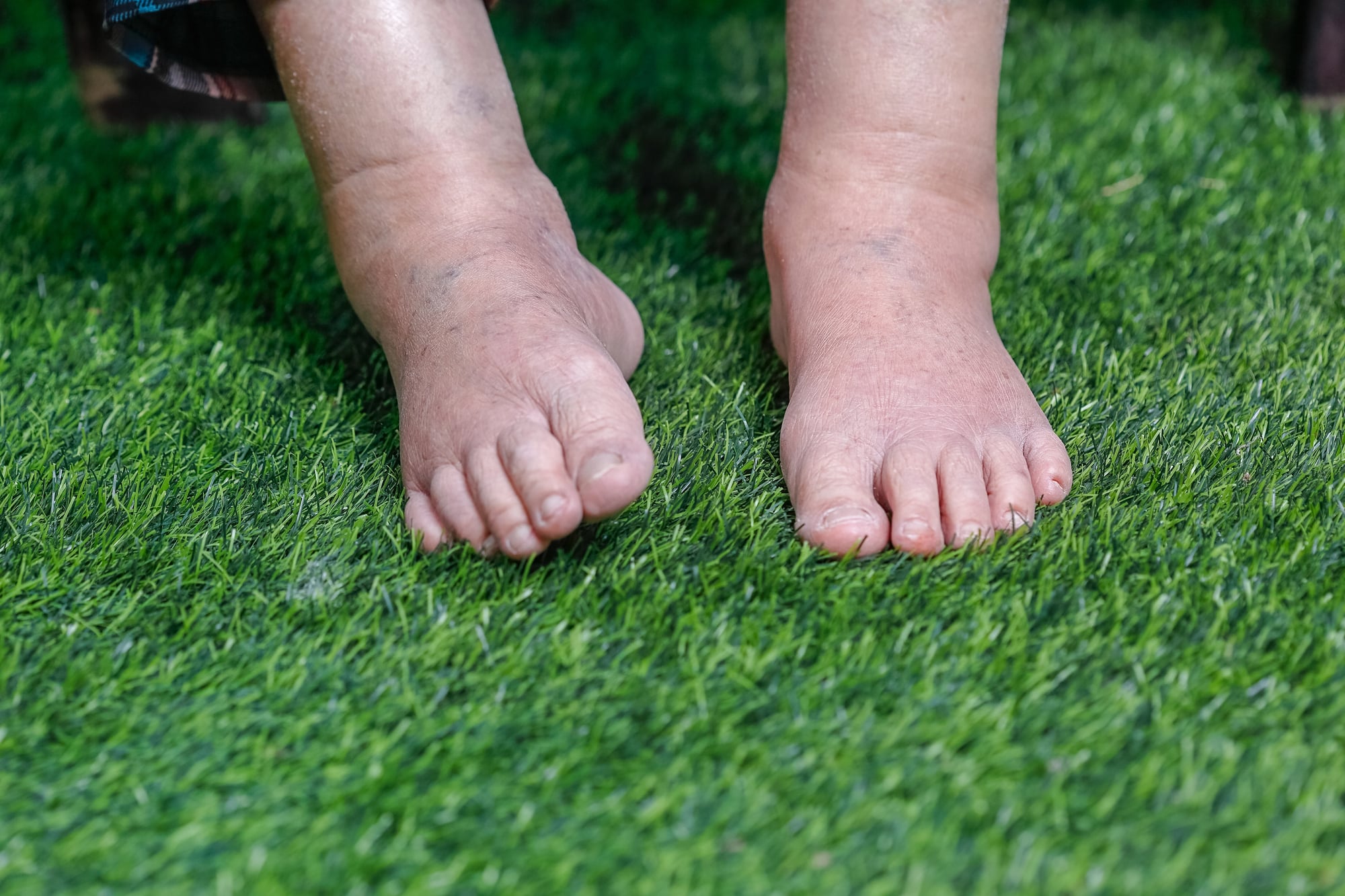
Gravity doesn’t just affect blood circulation – it influences how all fluids move through your body. This is why your face looks puffier in the morning (fluids that drained to your lower body during the day redistribute when you lie flat) and why your feet swell by evening (gravity pulls fluids downward throughout the day).
People who work desk jobs often notice their rings fit differently at different times of day. It’s not your imagination, and it’s not necessarily related to salt intake or hydration levels.
It’s gravity systematically redistributing the fluids in your body based on your position and activity level. Understanding this pattern explains why elevating your feet after a long day provides such immediate relief, and why that morning puffiness disappears so quickly once you’re upright and moving.
Your Balance System Recalibrates Constantly

Your inner ear contains tiny crystals called otoliths that literally fall toward whichever direction gravity is pulling. These falling crystals tell your brain which way is up, but the system requires constant recalibration as you move through your day.
This is why spinning makes you dizzy – you’re temporarily confusing the gravitational orientation system in your ears. It’s also why some people feel off-balance when they first wake up.
Their otoliths need a moment to resettle and provide accurate directional information. Motion sickness happens when your inner ear’s gravity sensors disagree with what your eyes are seeing.
The crystals are detecting gravitational changes that don’t match your visual input, creating a sensory conflict that your brain interprets as a potential poisoning situation – hence the nausea.
Plant Growth in Your Home Follows Gravitational Cues
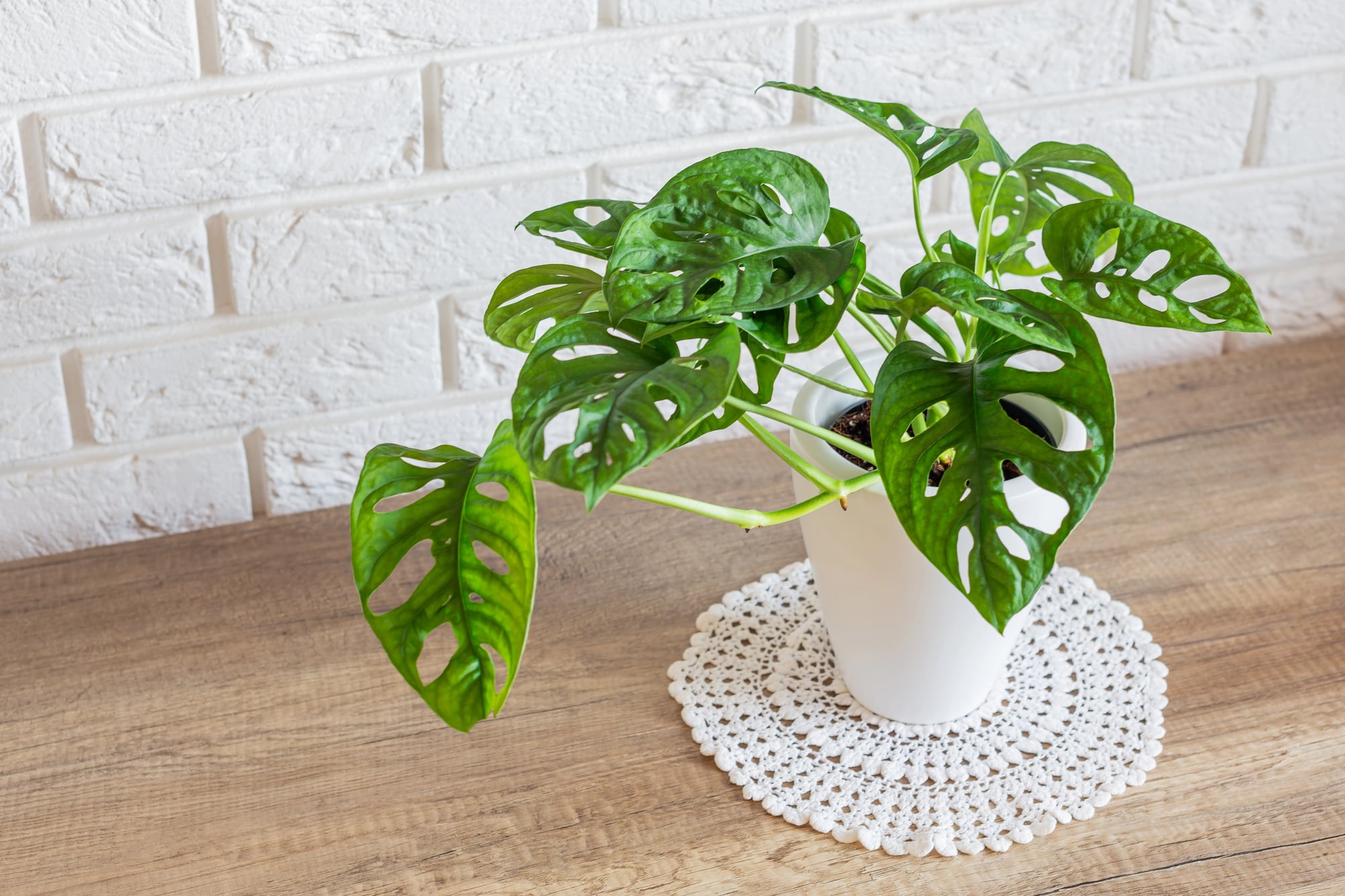
Plants don’t just grow toward light – they also respond to gravity through a process called gravitropism. The houseplants on your windowsill are constantly adjusting their growth patterns based on gravitational orientation.
Roots always grow down, shoots always grow up, regardless of where you place the pot. If you’ve ever noticed a plant gradually straightening itself after you’ve moved or rotated it, you’re watching gravitropism in action.
The plant is literally reorienting itself to align with Earth’s gravitational field. This process never stops – even mature trees are continuously making tiny adjustments to maintain optimal gravitational positioning.
This is why plants grown in space look so strange and often struggle to develop normal structure. Without gravity’s constant directional cue, they can’t establish proper orientation.
Your Workout Intensity Varies by Elevation
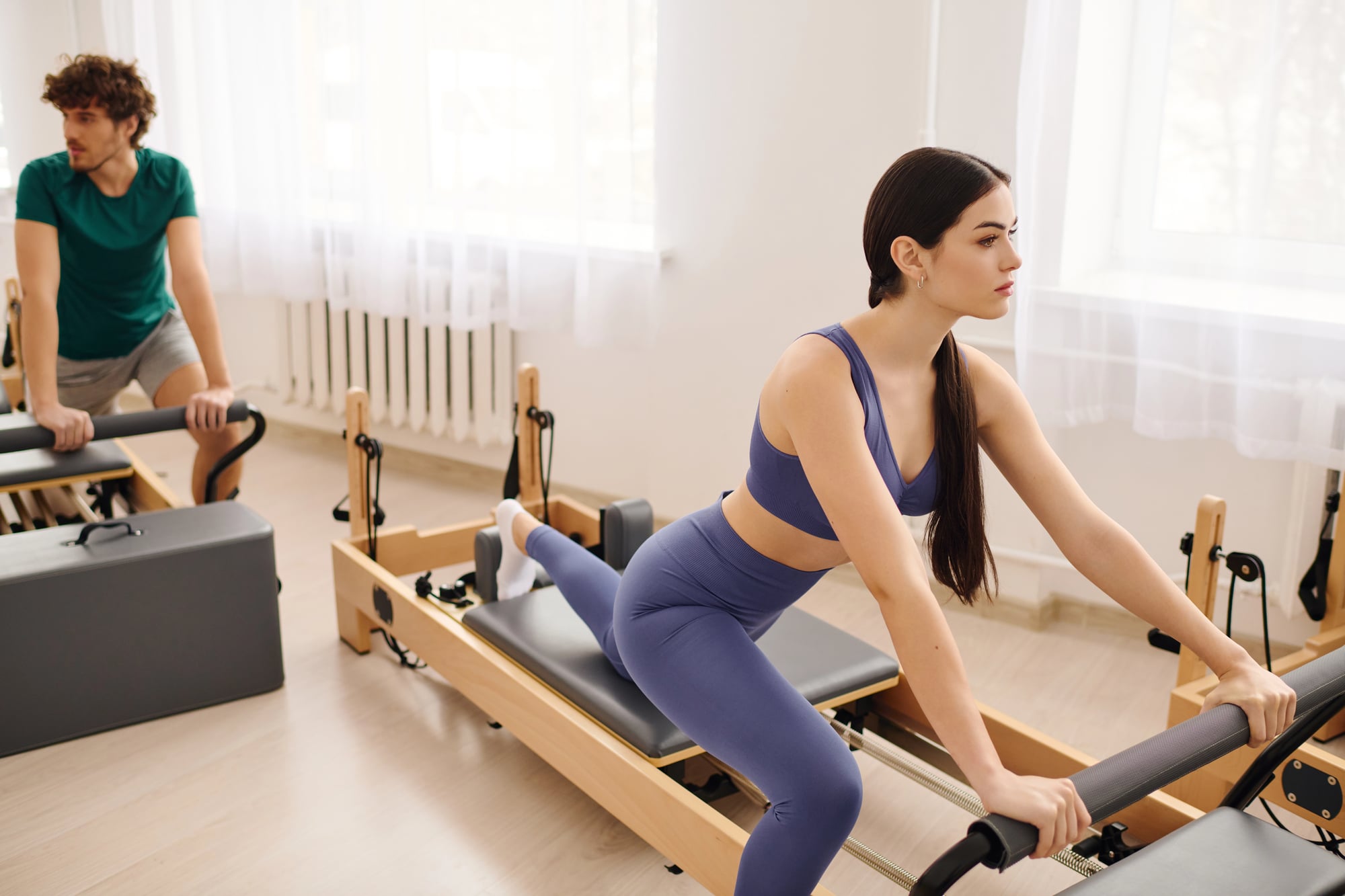
Gravity affects how much work your muscles do during exercise, but not in the obvious ways. Yes, you weigh slightly less at higher elevations, but the real impact comes from how gravitational differences affect your cardiovascular system and oxygen availability.
At higher elevations, your heart works harder to pump blood against the combined effects of gravity and thinner air. This means the same workout routine will feel more difficult in Denver than in Miami, even accounting for fitness level and temperature differences.
Professional athletes have known this for decades – they train at elevation to force their cardiovascular systems to work harder against gravity’s effects, then compete at sea level where the same effort produces better performance.
Skin Aging Accelerates Due to Gravitational Pull
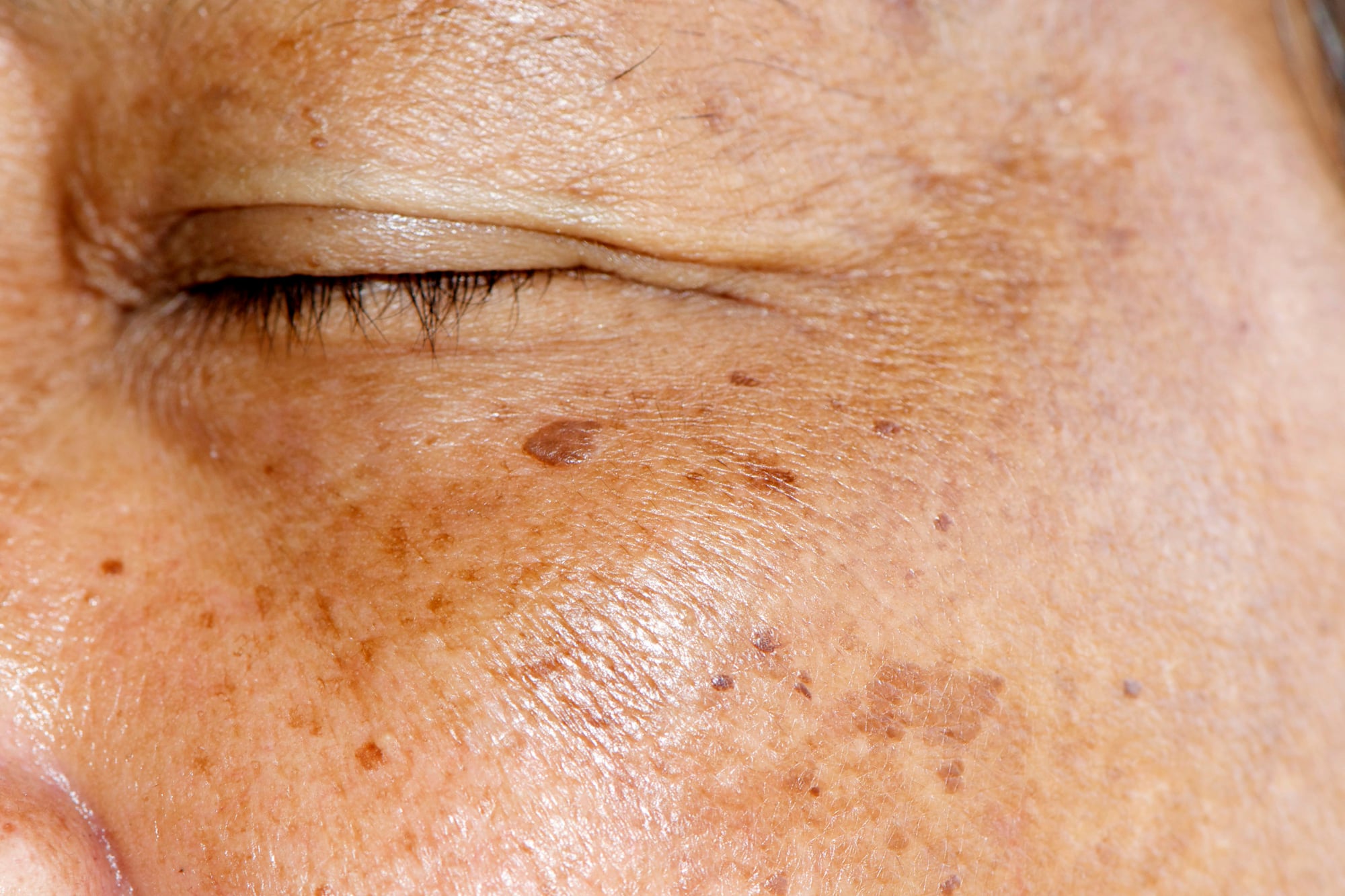
Wrinkles aren’t just caused by sun damage and lost collagen – gravity plays a significant role in how your skin ages. The constant downward pull gradually stretches skin and underlying tissues, contributing to sagging and the formation of lines in predictable patterns.
This is why facelift procedures essentially involve repositioning facial tissues to counteract years of gravitational pull. It’s also why sleeping on your back can slow the formation of certain types of wrinkles – you’re giving your facial skin a break from fighting gravity for eight hours each night.
The skin care industry rarely mentions gravity’s role in aging, but dermatologists know that the orientation of your face during sleep affects how wrinkles develop over time.
Water Pressure in Your Plumbing Varies by Floor

Every multi-story building is a demonstration of gravity’s effect on water pressure. The water coming out of your third-floor shower has less pressure than the water coming out of your basement sink, because gravity is working against the flow as water travels upward through your building’s pipes.
This is why older buildings sometimes have inconsistent water pressure, and why some high-rise buildings require pump systems to maintain adequate pressure on upper floors. Your morning shower pressure is actually a daily encounter with gravitational physics.
Plumbers calculate these pressure differences when designing systems, but most homeowners never realize they’re experiencing gravity’s effects every time they turn on a faucet.
Your Breathing Efficiency Changes With Posture
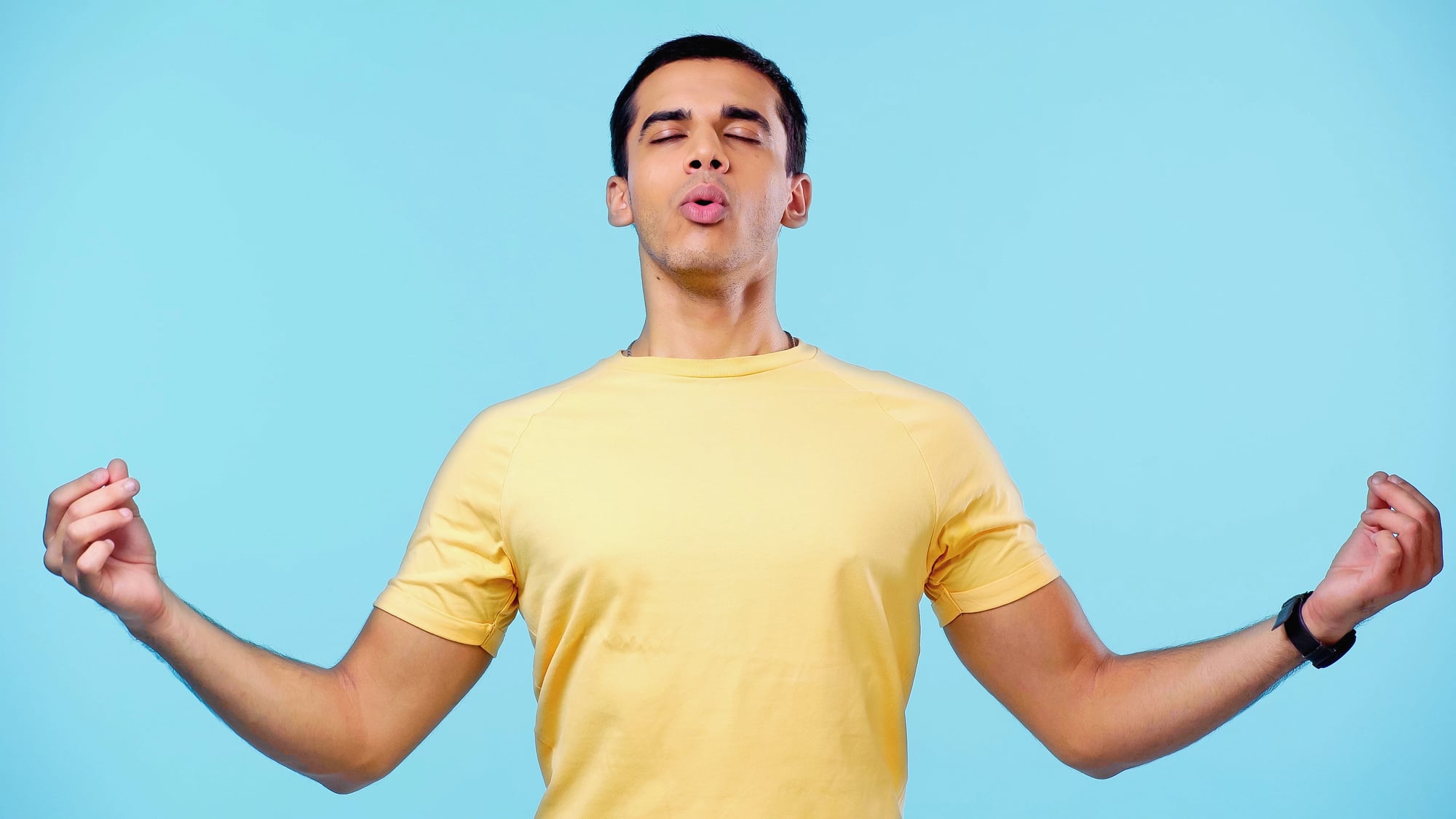
Gravity affects how efficiently your lungs work by influencing where air and blood flow within your lung tissue. When you’re upright, gravity pulls blood toward the lower portions of your lungs, which happen to be where the most air naturally flows when you breathe normally.
This creates an efficient match between air and blood flow that optimizes oxygen exchange. When you’re lying down, this gravitational assistance disappears, and your lungs have to work differently to maintain the same level of efficiency.
This is part of why people with certain respiratory conditions feel better when sleeping with their head elevated, and why hospital beds are designed to allow for easy position adjustments.
The Weight of Time

Gravity doesn’t just affect your body – it’s been shaping your entire existence in ways that become visible only when you step back and look at the larger patterns. The way you move through your house, the comfort you feel in certain positions, the rhythms of energy and fatigue that structure your day – all of these have been quietly influenced by the same force that keeps the planets in orbit.
Understanding gravity’s subtle daily influence doesn’t change anything, exactly, but it does shift how you think about the ordinary moments that make up your life. That morning stretch isn’t just about muscle tension – it’s about reversing eight hours of gravitational compression.
That evening fatigue isn’t just mental – it’s partly your cardiovascular system getting tired of working against gravitational resistance all day.
More from Go2Tutors!

- The Romanov Crown Jewels and Their Tragic Fate
- 13 Historical Mysteries That Science Still Can’t Solve
- Famous Hoaxes That Fooled the World for Years
- 15 Child Stars with Tragic Adult Lives
- 16 Famous Jewelry Pieces in History
Like Go2Tutors’s content? Follow us on MSN.