Christmas Lights Trivia for Every Decorator
Stringing up lights during the holidays has become as normal as putting up a tree or hanging stockings. Those twinkling bulbs transform ordinary houses into festive displays that brighten up dark winter nights.
But behind every strand of lights sits a collection of surprising facts and odd stories that most decorators never learn about. Ready to see your holiday lights in a whole new way? These facts will change how you look at every bulb.
Thomas Edison’s assistant created the first electric Christmas lights
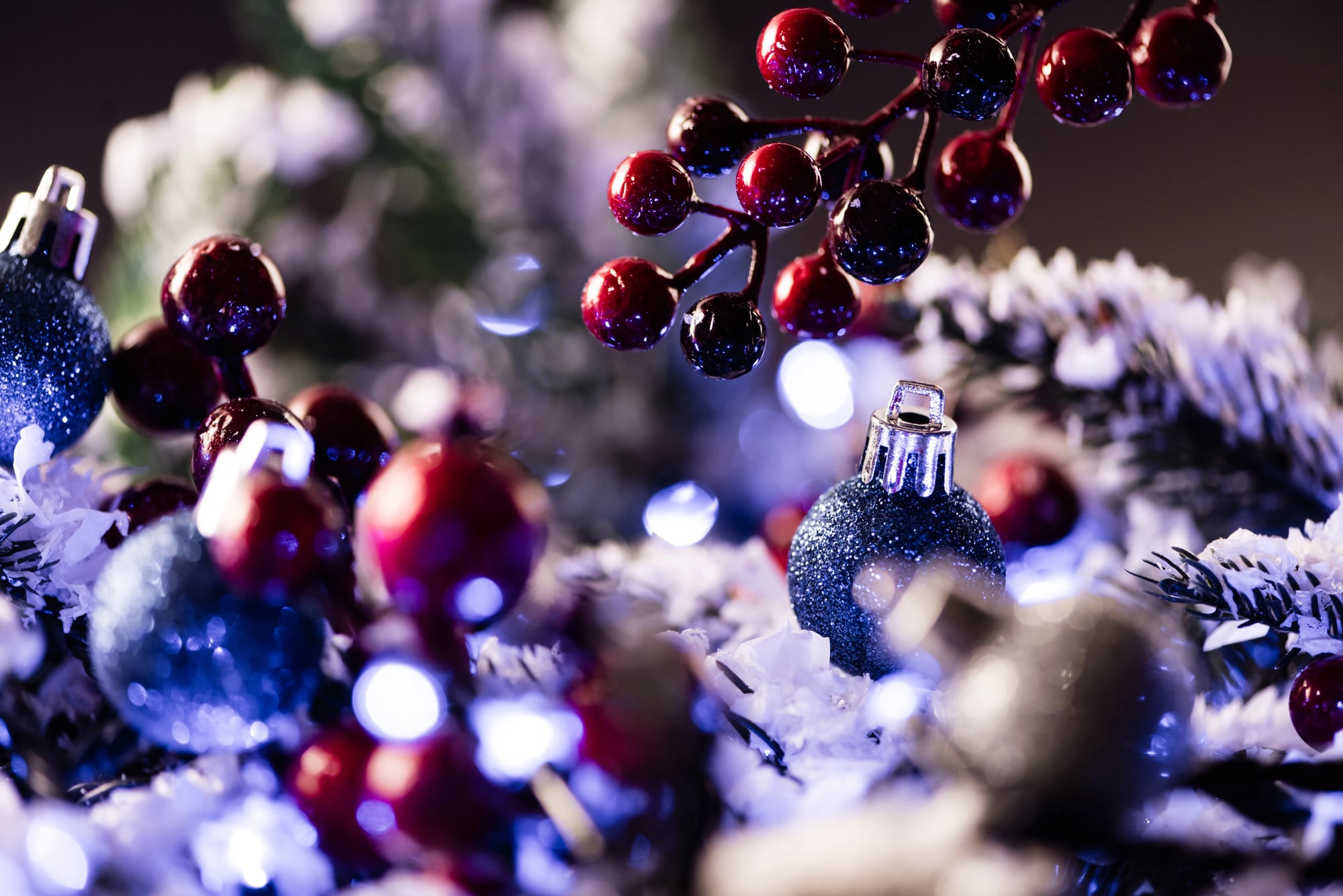
Edward H. Johnson worked as Thomas Edison’s right-hand man and got tired of using candles on his Christmas tree. In 1882, he hand-wired 80 red, white, and blue light bulbs and strung them around his tree in New York City.
Newspapers sent reporters to see this strange new invention, calling it one of the most unusual sights of the season. Johnson’s tree rotated on a motorized stand, making the lights sparkle from every angle.
Early Christmas lights cost more than a car
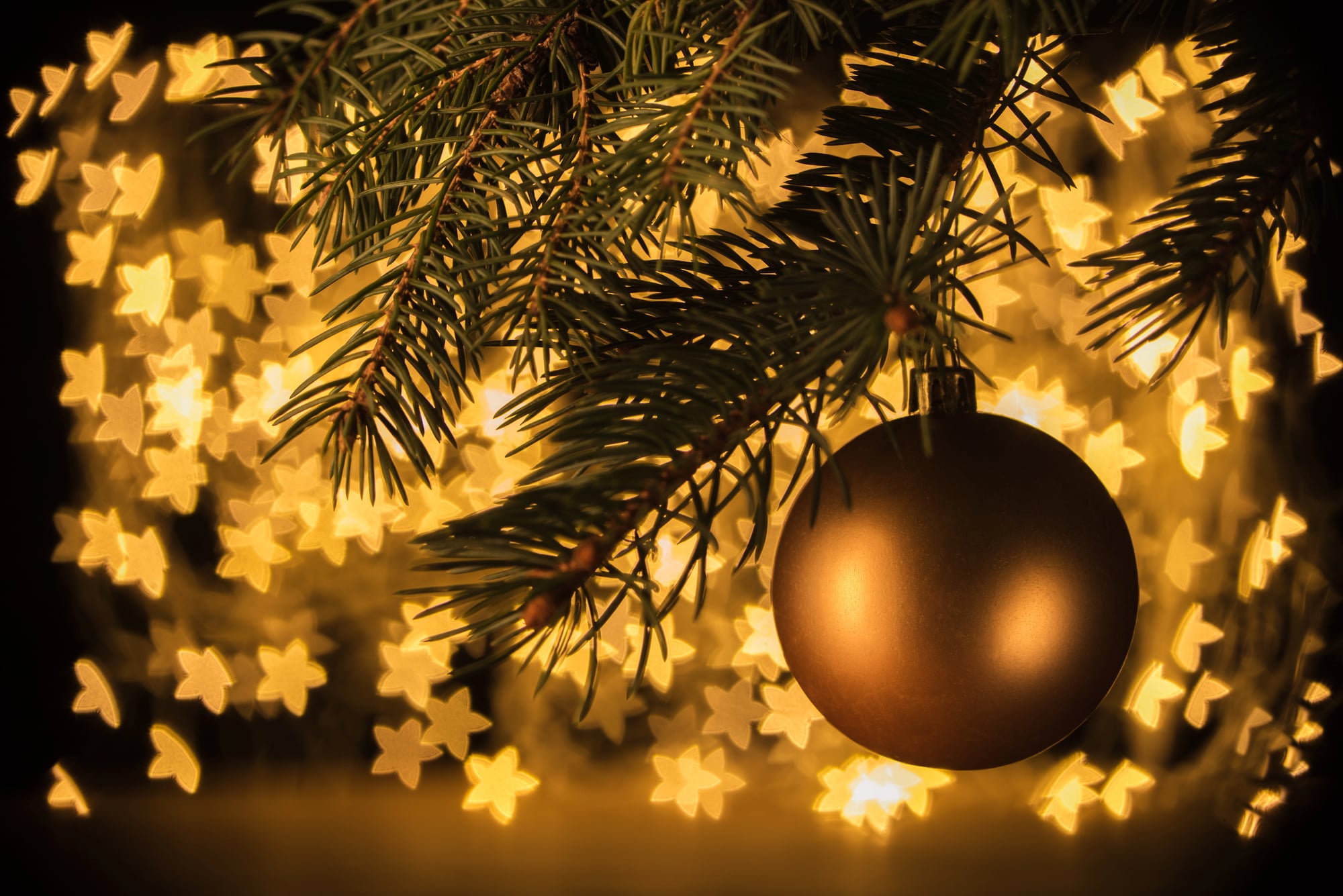
When General Electric started selling Christmas light strings in 1903, a single strand cost about $12. That might not sound like much until you realize it equals roughly $300 in today’s money.
Most working families earned only a few dollars per week, making electric lights a luxury only wealthy people could afford. Some families rented light strings for the season instead of buying them outright.
The first outdoor display used 2,500 bulbs
President Grover Cleveland put the first outdoor Christmas light display on the White House in 1895. His electrician used 2,500 multicolored bulbs to decorate the tree on the front lawn.
Crowds gathered outside the White House fence to stare at the glowing spectacle, which was unlike anything most Americans had ever seen. Cleveland’s decision influenced wealthy families across the country to try outdoor displays of their own.
Bubble lights contain a mild poison
Those vintage bubble lights from the 1940s and 50s contain methylene chloride, a chemical that boils at low temperatures to create the bubbling effect. The substance is toxic if swallowed and can cause serious health problems.
Modern versions use safer liquids, but old bubble lights still show up at antique stores and in attics. Anyone who owns vintage bubble lights should handle them carefully and keep them away from kids and pets.
Americans use enough lights to power 200,000 homes

The Department of Energy estimates that holiday lighting in the United States consumes about 6.6 billion kilowatt hours of electricity each year. That’s enough power to run 14 million refrigerators for a full year or supply electricity to 200,000 homes.
LED lights have helped reduce consumption significantly since they use about 75% less energy than traditional incandescent bulbs. The shift to LEDs means today’s massive displays often use less power than modest displays from 20 years ago.
The world’s largest light display covers 10 million square feet
Canberra, Australia, holds the Guinness World Record for the largest Christmas light display ever created. In 2014, the city covered 10.76 million square feet with 1.26 million lights throughout its downtown area.
The display required months of planning and a massive team of electricians to install safely. Visitors could walk through the illuminated area and enjoy synchronized music performances.
Tangled lights aren’t random chaos

Scientists studied why Christmas lights always seem to tangle themselves in storage and published their findings in academic journals. The research showed that lights form knots based on specific mathematical principles related to rope theory and topology.
Longer strands tangle more easily than shorter ones, and round storage containers create more tangles than rectangular boxes. Understanding the science doesn’t make untangling any less annoying, but at least decorators know they’re fighting against the laws of physics.
Some cities ban certain colored lights
A few cities have passed laws restricting what colors people can display on their homes during holidays. These regulations usually target red and green combinations that might confuse drivers or blue and red lights that could be mistaken for emergency vehicles.
Homeowners associations often create even stricter rules about brightness levels and acceptable decoration styles. Violators might face fines or demands to take down their displays.
LED lights last 25 times longer than old bulbs
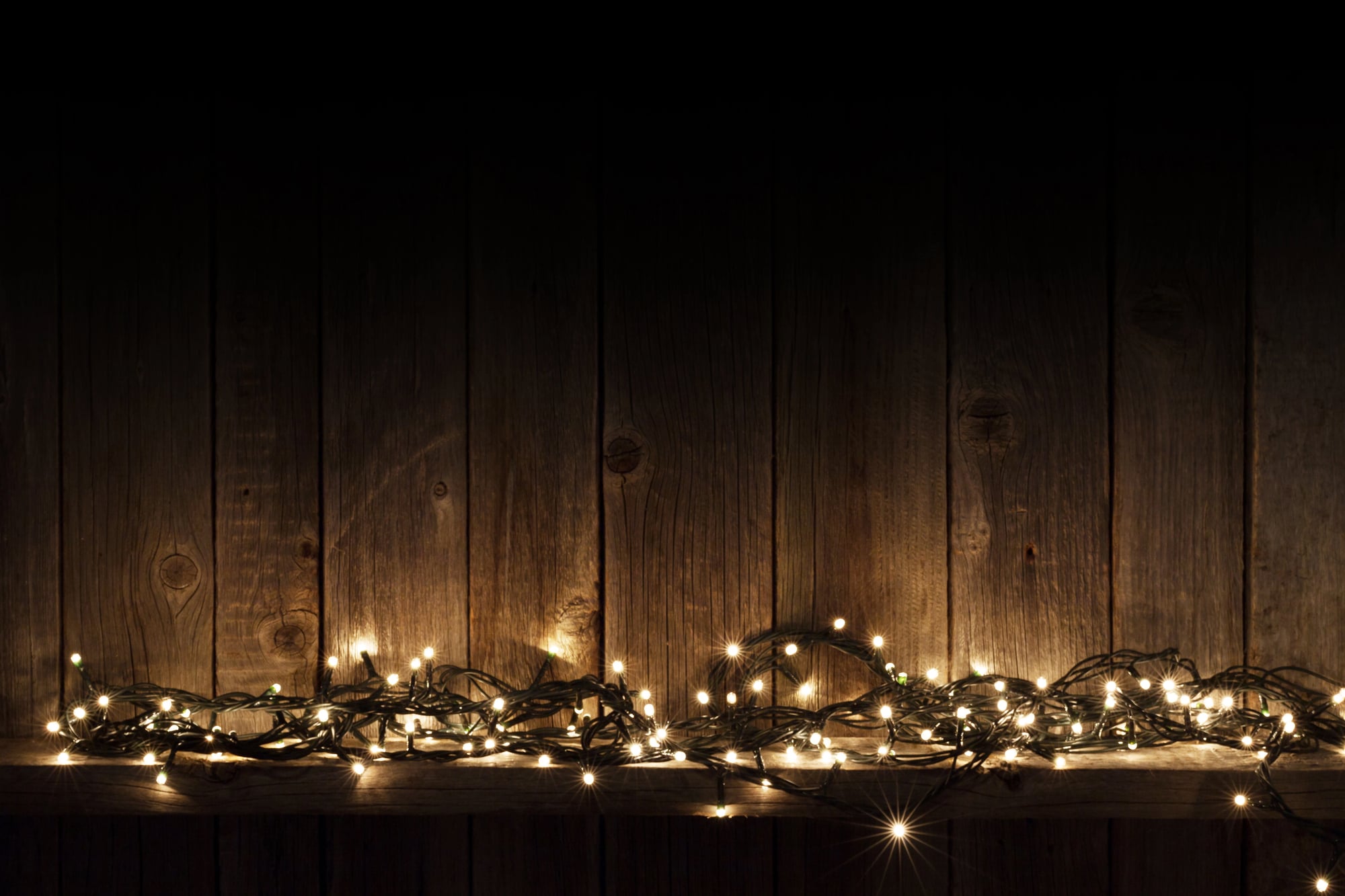
Traditional incandescent Christmas lights typically last about 1,000 hours before burning out. LED lights can shine for 25,000 hours or more, meaning they might outlast the person who bought them.
LEDs also stay cool to the touch, reducing fire risk and making them safer for decorating with real trees. The longer lifespan offsets the higher upfront cost, and most people save money within just a few years.
The first electrically lit community tree went up in 1912

New York City’s Madison Square hosted the first community Christmas tree with electric lights in December 1912. Before this, public trees used candles or stayed dark because fire codes prohibited open flames in crowded areas.
Other cities quickly copied the idea, and electrically lit community trees became an annual tradition across America. These early displays helped normalize the idea of using electricity for holiday decorations.
Synchronized light shows run on the same tech as theme parks

Elaborate neighborhood displays synchronized to music use Light-O-Rama or similar computer systems originally developed for theme park attractions. Homeowners program every light channel to match specific moments in songs, creating choreographed performances.
Some displays feature dozens of channels controlling thousands of individual lights. Dedicated decorators often start planning and programming their next year’s display immediately after the current season ends.
Icicle lights were invented by accident
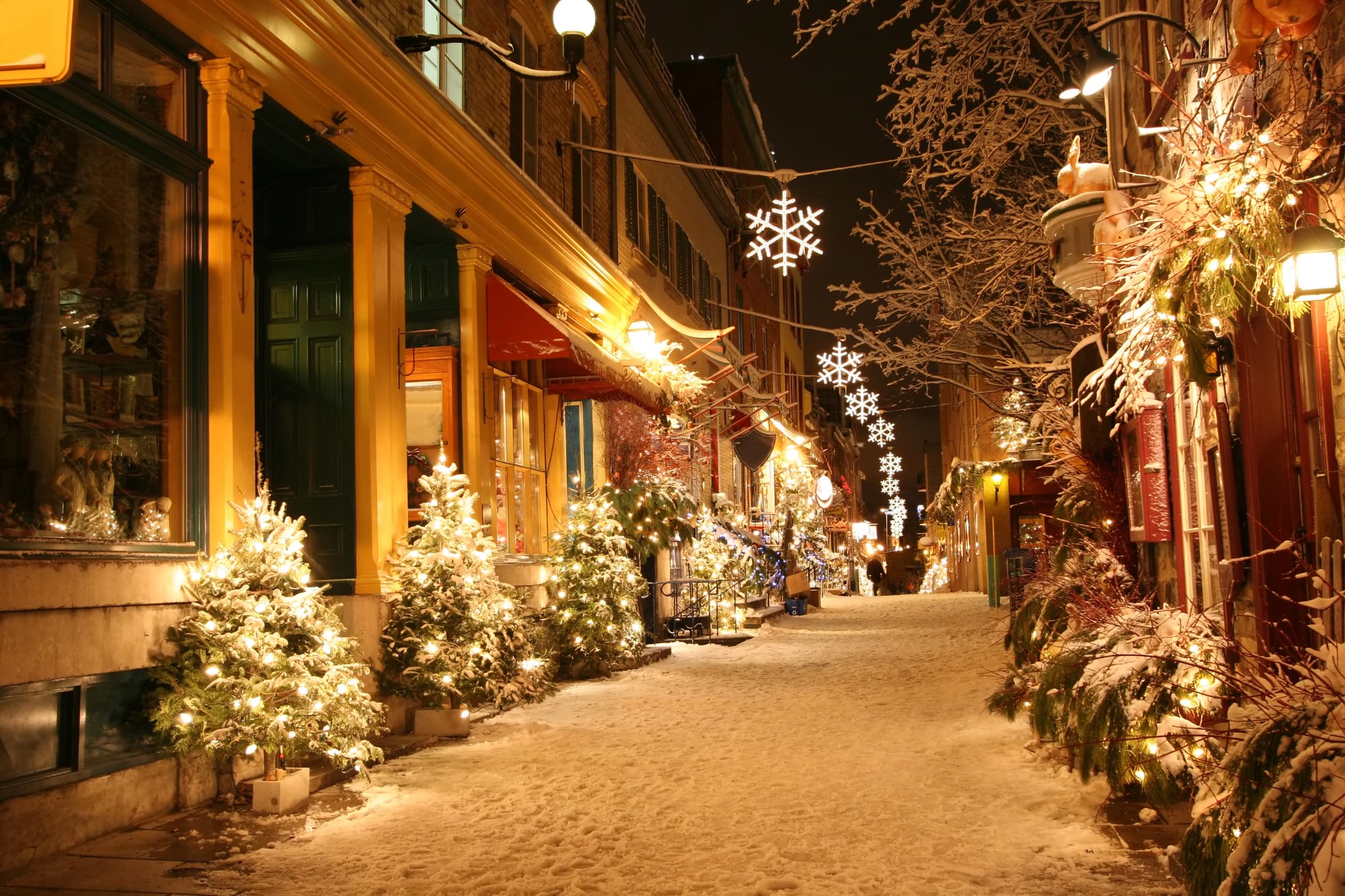
A factory worker in the early 1990s accidentally loaded different length light strands onto the same production line. Instead of throwing out the mistake, the company’s marketing department decided to sell them as a new product designed to look like icicles.
Homeowners loved the natural-looking draping effect they created along rooflines. Within a few years, icicle lights became one of the best-selling holiday light styles.
Projector lights face neighborhood backlash
Those spinning light shows from lasers split opinions fast. Real-decor folks argue it skips the effort, dulls the charm others work hard for. Rules sometimes shut them down, yet few check if anyone follows through.
Getting your roof lit takes minutes now – no coils of wire, no shaky steps upward. Still, choices keep clashing wherever brightness cuts through night.
Net lights were designed for hedge trimming crews
Landscaping crews dreamed up net lights to speed up decorating during busy seasons. One toss drapes a whole bush fast, much quicker than winding strings bit by bit.
Even spacing gives off a tidy glow, something hand-wrapping rarely manages well. These nets stretch across plants big and small, from low hedges to full-grown evergreens.
A few lights hide tiny figures of fairies inside them
Tiny pictures once lived inside old Christmas lights—fairies, Santas, snowy hills—carefully brushed onto the inner glass by artists. These little masterpieces came from vintage makers who took great care shaping every image.
Auctions now see whole sets fetch big prices, sometimes thousands. Current versions lean on stickers stuck outside, nothing like those delicate insides of before.
A home like Clark Griswold’s can be built, though it comes at a high cost
A movie showed one man’s wild holiday lighting dream using twenty-five thousand bulbs. That many twinkling points now demand a budget near fifteen grand just for materials.
Wiring systems in regular houses could fail under such strain. Few finished what they started once reality set in, revealing tangled messes, surprise bills, and gear failures.
Newer smart bulbs change colors on command

WiFi-powered holiday lights take cues from phones or spoken words, adjusting on demand. Brightness dips or color jumps happen in a blink, setting whatever atmosphere fits the moment.
Upgrading a string means spending an extra fifty to a hundred bucks. Folks who grab gadgets early enjoy never touching a switch, while some shake their heads at web-linked decorations.
Right now, these screens tie today back to what came before
Back in 1882, Edward Johnson wired lightbulbs by hand just to see what would happen. Bright colors against winter darkness? That urge is still here, unchanged at its core.
Safer wires, lower costs, and simpler setups came later thanks to new tools, yet how it makes people feel stays familiar. One person might drape a single line across the window, another could choreograph dozens of flickering sequences using software—it all counts the same way.
More from Go2Tutors!

- The Romanov Crown Jewels and Their Tragic Fate
- 13 Historical Mysteries That Science Still Can’t Solve
- Famous Hoaxes That Fooled the World for Years
- 15 Child Stars with Tragic Adult Lives
- 16 Famous Jewelry Pieces in History
Like Go2Tutors’s content? Follow us on MSN.