14 Candy Bars That Disappeared Too Soon
Recall the days when the candy aisles of your grocery store seemed like endless possibilities? Those days when you could grab the favorite bar you’d been craving all week or walk down the aisle and find something entirely new? Innovation and experimentation have always been key components of the candy industry, but not all confections are able to endure.
Only memories and the occasional sentimental conversation on social media remain after some of the most cherished candy bars disappeared from store shelves. This is a list of 14 candy bars that won over people’s hearts and palates before vanishing from the annals of confectionery.
Marathon Bar
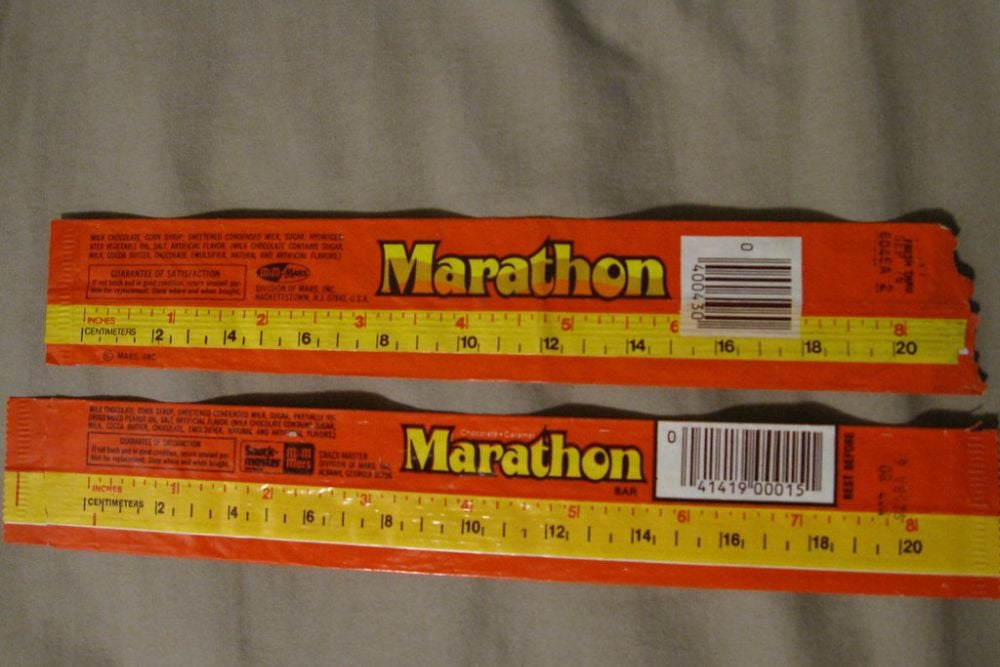
The Marathon Bar wasn’t just a candy bar—it was an experience that lasted. This braided caramel rope covered in milk chocolate stretched an impressive 8 inches long, making it feel like you were getting serious value for your money. Introduced by Mars in 1973, it became the go-to choice for people who wanted their candy to last more than a few bites.
What made Marathon special was its unique braided texture that required some serious chewing effort. The dense caramel would stick to your teeth in the most satisfying way, and the generous chocolate coating provided the perfect balance. Unfortunately, Marathon couldn’t compete with the faster-eating candy bars that dominated the market, and Mars discontinued it in 1981.
Reggie Bar

Named after baseball legend Reggie Jackson, the Reggie Bar hit shelves in 1978 during the height of his fame with the New York Yankees. This peanut and caramel combination covered in chocolate was Standard Brands’ attempt to capitalize on Jackson’s popularity and create a candy bar with serious sports credentials.
The bar itself was actually pretty solid—imagine a blend of Baby Ruth and Butterfinger flavors with a smoother texture. Standard Brands even handed out free Reggie Bars to fans at Yankee Stadium, creating one of the most memorable candy marketing stunts in sports history. Despite the initial fanfare and Jackson’s star power, the Reggie Bar couldn’t maintain its momentum and faded away by the early 1980s.
Like Go2Tutors’s content? Follow us on MSN.
PB Max
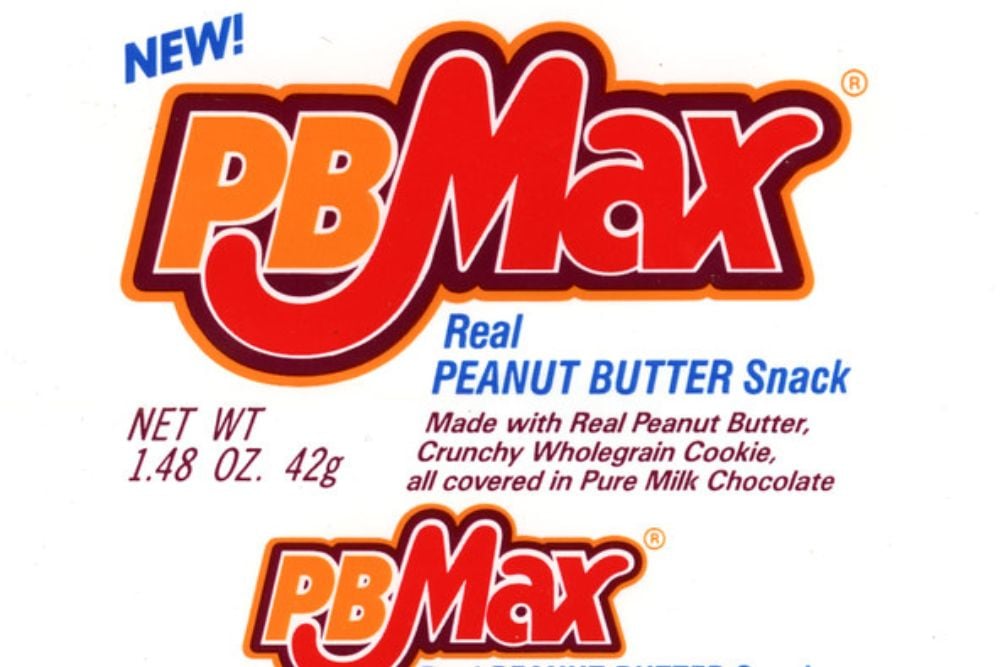
Mars struck gold with PB Max in 1989, creating what many consider the perfect peanut butter candy bar. This wasn’t your typical peanut butter cup situation—PB Max featured whole peanuts, peanut butter, a cookie base, and oats all wrapped in milk chocolate. The combination created a texture that was both crunchy and creamy, satisfying multiple cravings at once.
The cookie base gave it a unique foundation that set it apart from other peanut butter bars on the market. Each bite delivered layers of flavor and texture that kept you coming back for more. Despite having a devoted following, Mars discontinued PB Max in 1994, reportedly because the company wanted to focus resources on other products in their lineup.
Bar None
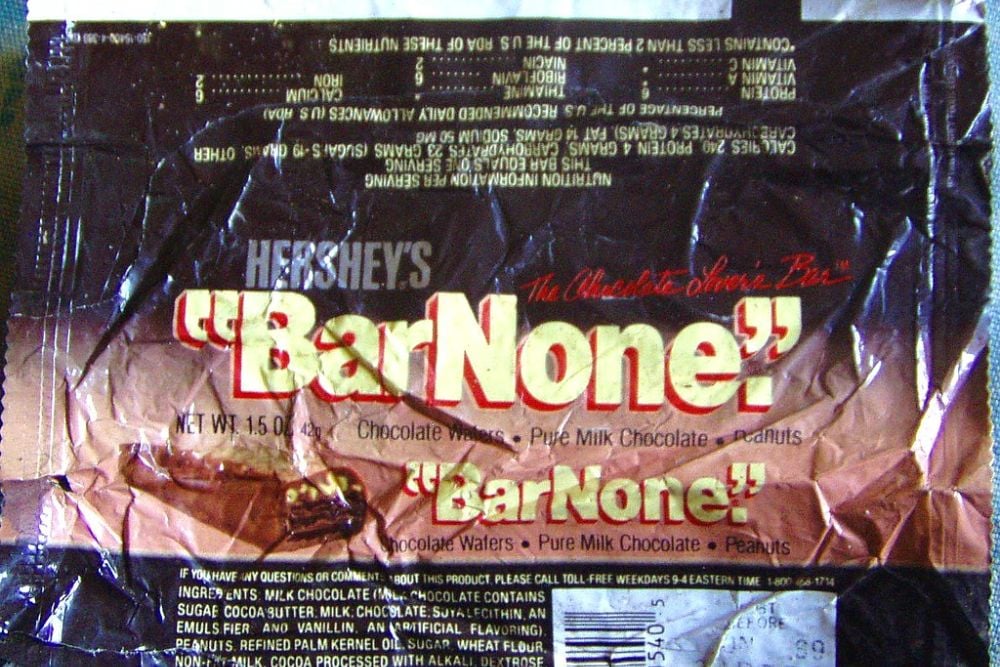
Hershey’s Bar None arrived in 1987 with a structure that looked more like a candy bar engineered by architects than confectioners. The bar featured two separate wafer layers covered in chocolate and filled with peanuts and caramel, creating a complex eating experience that required some strategy to tackle effectively.
What made Bar None interesting was its unconventional shape and the way the wafers created distinct sections within the bar. Each piece had its own personality, and the combination of crispy wafers with chewy caramel and crunchy peanuts created a textural variety that most candy bars couldn’t match. Hershey’s pulled Bar None from shelves in 1997, though it did make a brief comeback in the mid-2000s before disappearing again.
Butterfinger BB’s
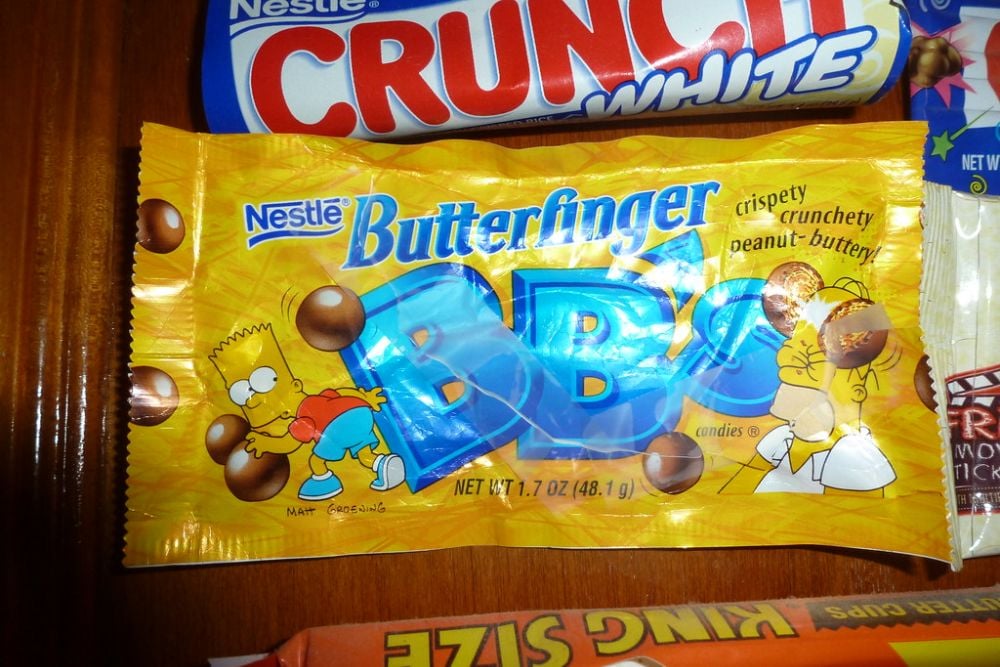
Butterfinger BB’s took everything people loved about the original Butterfinger and transformed it into bite-sized pieces that were perfect for snacking. Introduced by Nestlé in 1992, these little rounds packed the same crispy peanut butter center and chocolate coating as their full-sized counterpart, but in a more convenient format.
The smaller size actually intensified the Butterfinger experience because you got more chocolate coating relative to the peanut butter center. They were perfect for movie theaters, car trips, or any situation where you wanted to enjoy Butterfinger flavors without committing to a full bar. Despite their popularity, Nestlé discontinued BB’s in 2006, leaving fans to petition for their return ever since.
Like Go2Tutors’s content? Follow us on MSN.
Cadbury Spira
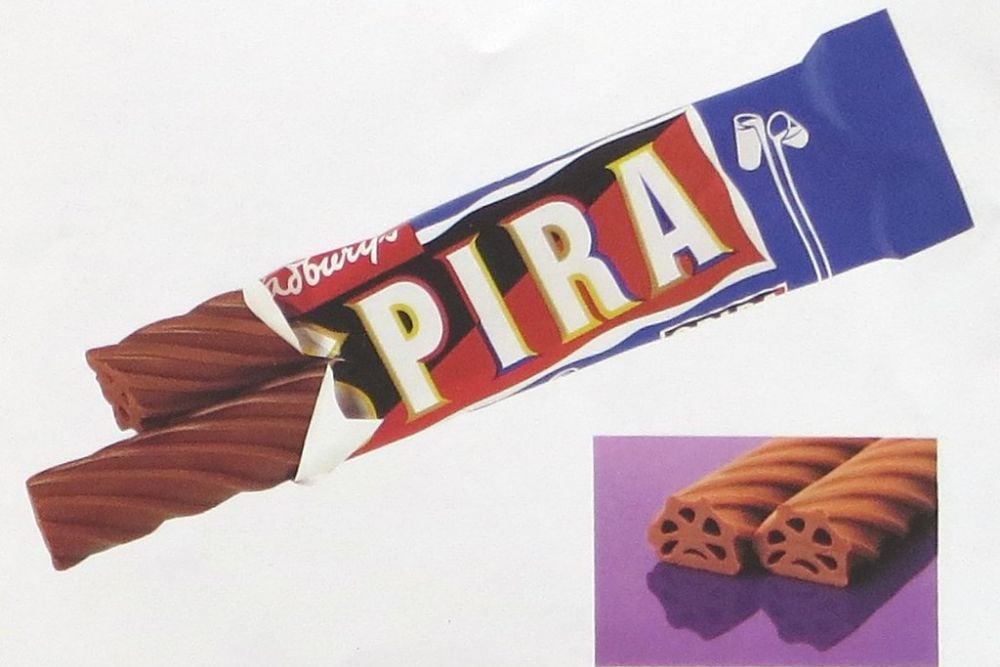
Cadbury’s Spira represented a completely different approach to chocolate bar design when it launched in the UK in 1991. Instead of the traditional rectangular shape, Spira featured two chocolate tubes filled with Cadbury Dairy Milk chocolate, creating a unique eating experience that was part candy bar, part chocolate straw.
The spiral design wasn’t just for show—it actually changed how the chocolate melted in your mouth and created a more interactive eating experience. You could bite through the tubes, suck the chocolate through them, or just crunch them up like a regular candy bar. Cadbury discontinued Spira in 2005, though it remains one of the most requested discontinued products from the company.
Chicken Dinner
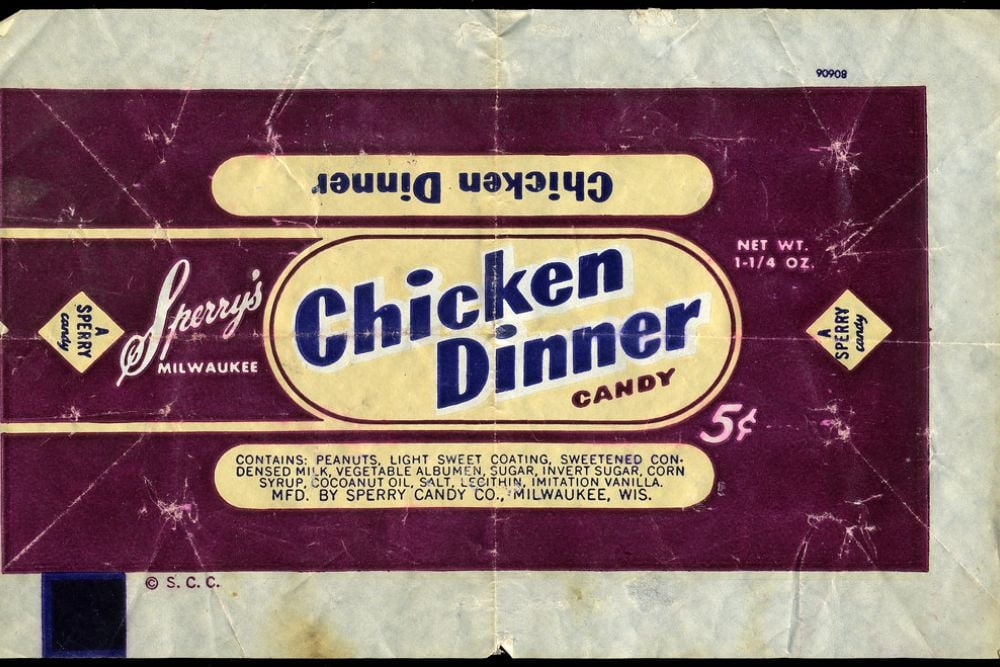
Despite its name, the Chicken Dinner bar contained no poultry whatsoever. This Depression-era candy bar from Sperry Candy Company was filled with peanuts and caramel, covered in chocolate, and marketed with the slogan that it was as satisfying as a full meal. The name reflected the era’s marketing approach of emphasizing value and substance.
What made Chicken Dinner memorable was its generous size and the quality of ingredients used during a time when many companies were cutting corners. The bar provided genuine satisfaction and helped establish the idea that candy bars could serve as meal replacements in a pinch. Production ceased in the 1960s, but the Chicken Dinner remains a fascinating example of how historical context shaped candy marketing.
Cookies ‘n’ Creme Twix
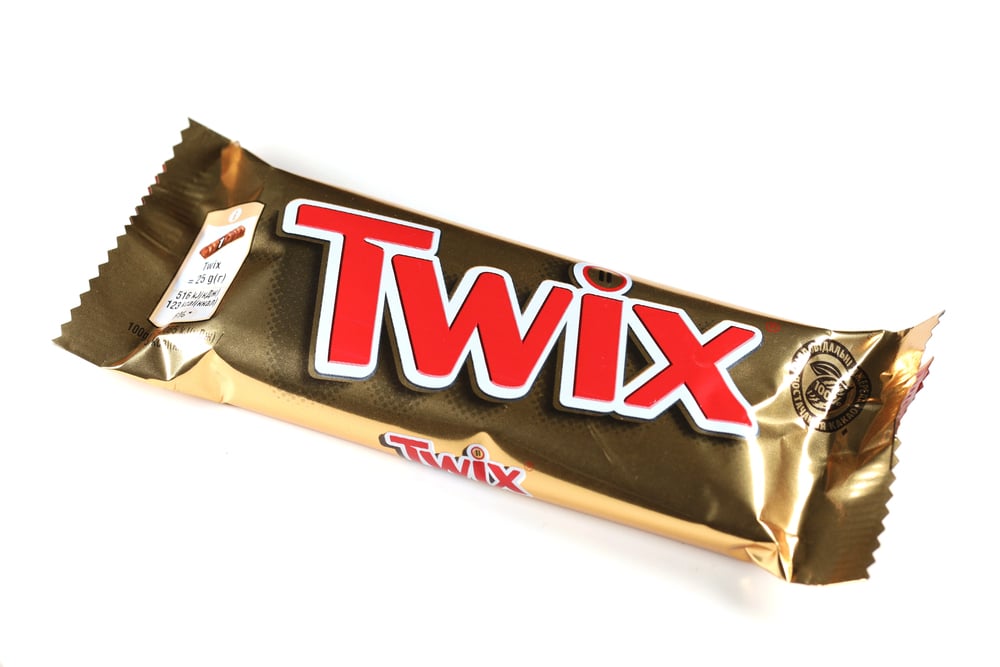
Mars experimented with their successful Twix formula by creating a cookies ‘n’ creme version that replaced the traditional caramel with a vanilla creme filling mixed with cookie pieces. This variation maintained the signature Twix cookie base and milk chocolate coating while offering a completely different flavor profile.
The cookies ‘n’ creme filling provided a lighter, sweeter alternative to the dense caramel of regular Twix bars. The cookie pieces added extra texture and reinforced the cookies ‘n’ creme theme throughout the bar. Despite positive reception from fans who appreciated the variety, Mars discontinued this version to focus on the original Twix formula and other innovations in their product line.
Like Go2Tutors’s content? Follow us on MSN.
Hershey’s Swoops
Hershey’s Swoops arrived in 2003 with the ambitious goal of combining the portability of potato chips with the satisfaction of chocolate. These thin, curved chocolate pieces were shaped like Pringles and came in flavors that matched popular Hershey’s products, including original milk chocolate, Reese’s peanut butter, and York peppermint.
The unique shape and thinness created a different chocolate eating experience that emphasized the initial flavor hit rather than the substantial feeling of a traditional chocolate bar. Each Swoops piece would melt quickly on your tongue, delivering intense flavor before disappearing. However, the novelty wasn’t enough to sustain sales, and Hershey’s discontinued Swoops in 2006.
Wonka Dina-Sour Eggs
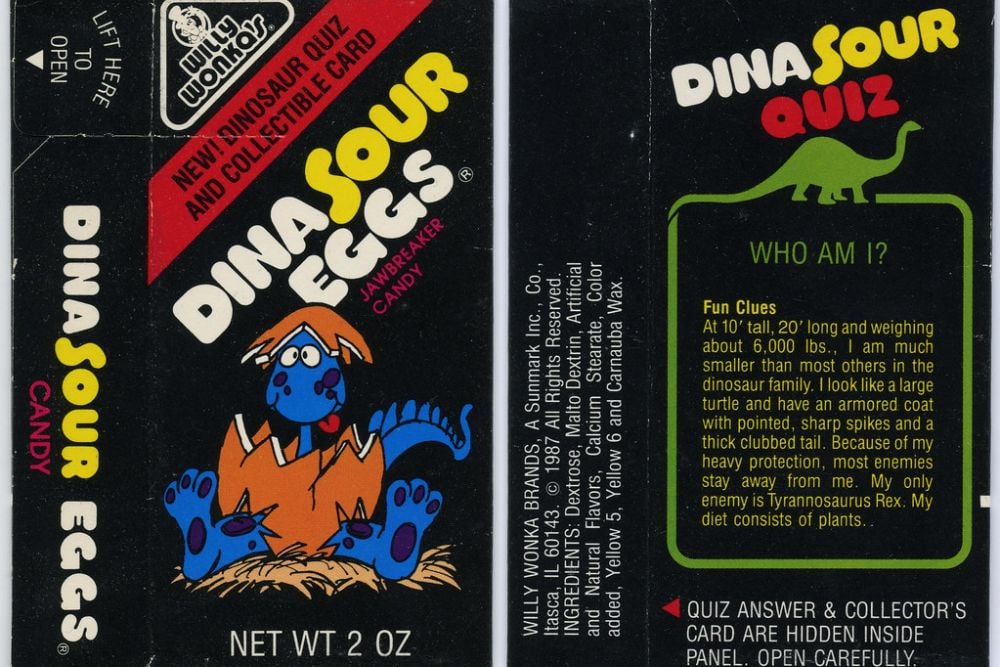
Quaker Oats’ Wonka brand created Dina-Sour Eggs as part of their dinosaur-themed candy lineup in the early 1990s. These weren’t traditional candy bars but rather egg-shaped chocolates with a hard candy shell exterior and a creamy chocolate interior, similar to Cadbury Creme Eggs but with a prehistoric twist.
The appeal was both the novelty of the dinosaur theme and the satisfying crack you’d get when biting through the hard shell to reach the chocolate center. The eggs came in different colors and were marketed heavily during Easter and throughout the year as part of the dinosaur craze that dominated children’s entertainment. The Dina-Sour Eggs disappeared along with much of the Wonka dinosaur line in the mid-1990s.
Summit Cookie Bar
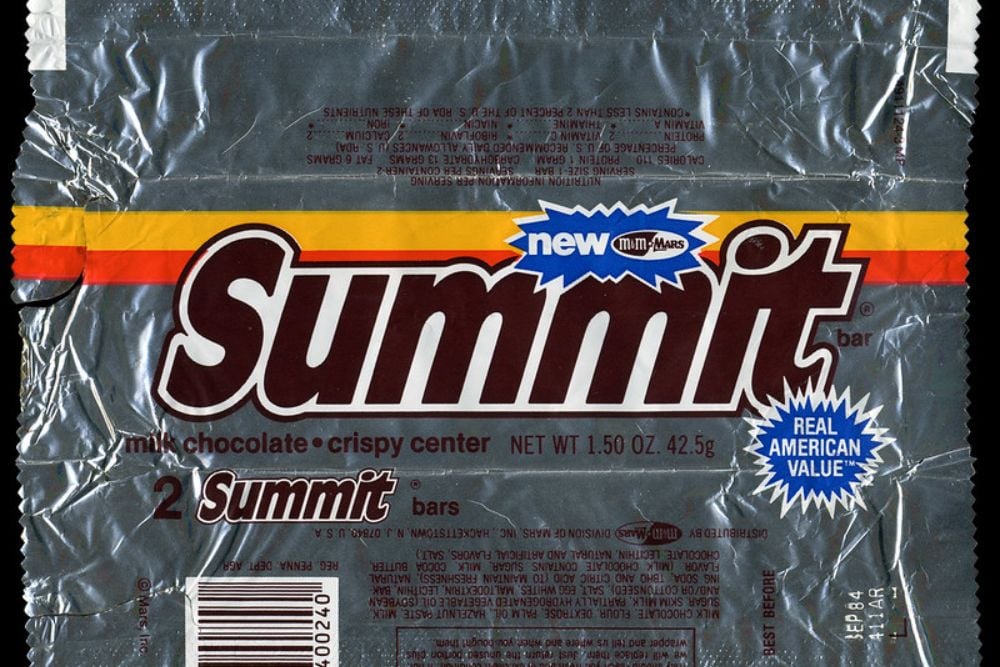
Mars’ Summit Cookie Bar represented an attempt to create the ultimate cookie-flavored candy bar experience. Introduced in the early 1980s, this bar featured a chocolate cookie base topped with caramel and covered in milk chocolate, essentially creating a candy bar version of a loaded chocolate chip cookie.
The cookie base provided a substantial foundation that was more cake-like than the typical wafer found in other candy bars. Combined with the caramel layer, it created a rich, indulgent experience that satisfied both cookie and candy bar cravings simultaneously. Despite its appealing concept, the Summit Cookie Bar couldn’t find its audience and was discontinued after just a few years on the market.
Like Go2Tutors’s content? Follow us on MSN.
Hostess Chocodiles
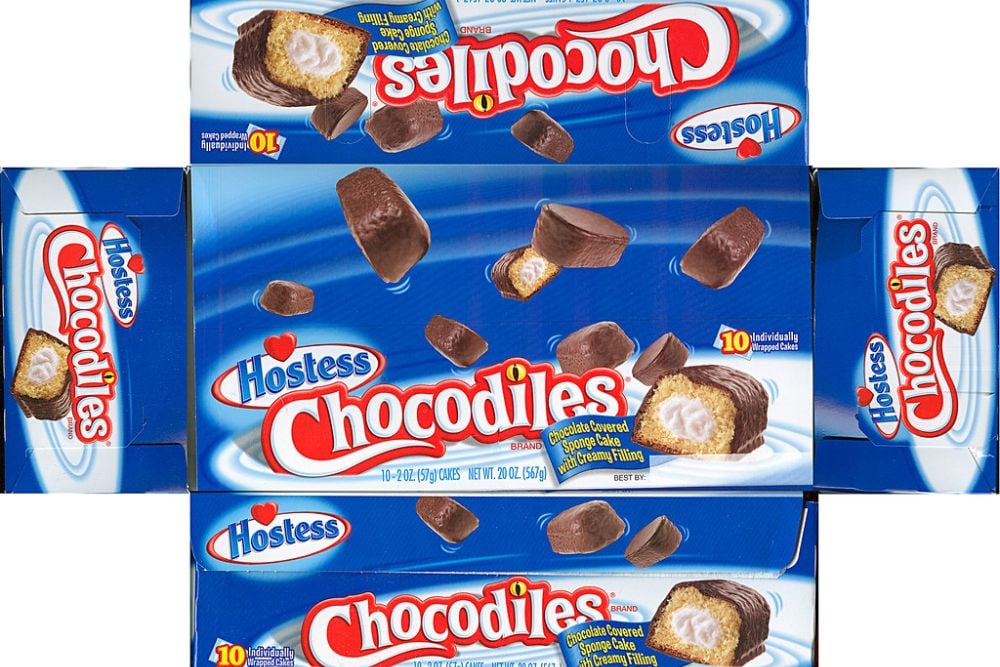
Hostess Chocodiles were essentially Twinkies covered in chocolate, but that simple modification created something that felt completely different from the original. The chocolate coating added richness and changed the texture experience, making each bite more substantial and satisfying than a regular Twinkie.
The combination of the light, airy cake interior with the dense chocolate exterior created an interesting contrast that appealed to people who found regular Twinkies too light or sweet. Chocodiles developed a devoted following, particularly in certain regions where they were more widely available. When Hostess went through bankruptcy and restructuring, Chocodiles didn’t make the cut for the revived product lineup.
Planters P.B. Crisps
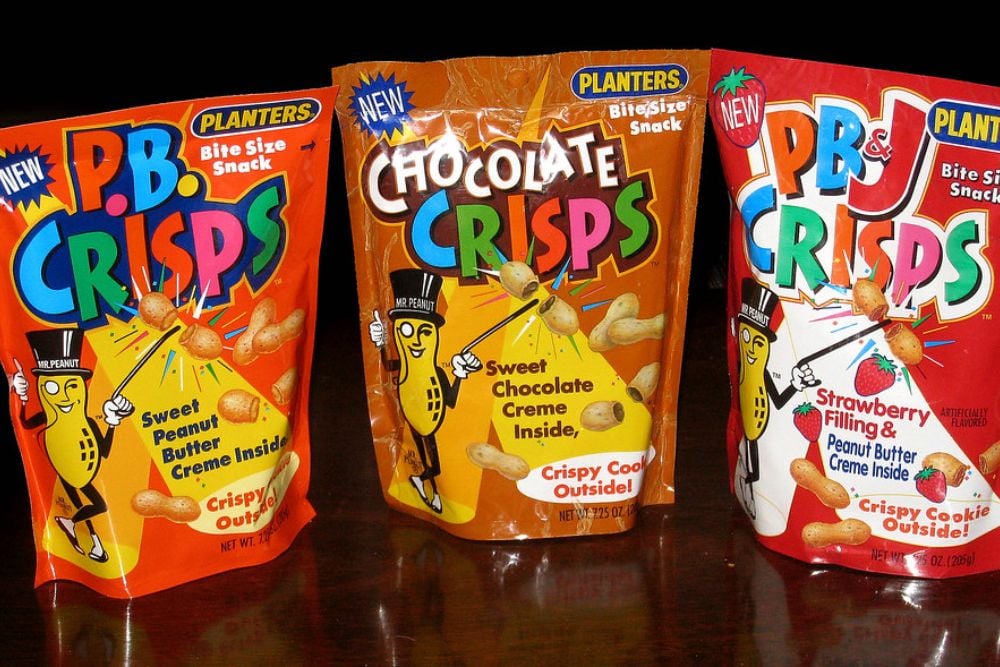
Planters P.B. Crisps weren’t technically a candy bar, but they occupied the same snack space and deserve recognition for their innovative approach to peanut butter snacking. These peanut-shaped corn snacks were filled with peanut butter and provided a unique combination of crunchy and creamy peanut butter flavor.
The shape was brilliant marketing—each piece looked like an actual peanut, complete with the characteristic ridged texture. The corn base provided a light, crispy texture that complemented the peanut butter filling perfectly. Despite their popularity in the 1990s, Planters discontinued P.B. Crisps, leaving fans to search for adequate replacements that never quite matched the original experience.
Nestle Treasures
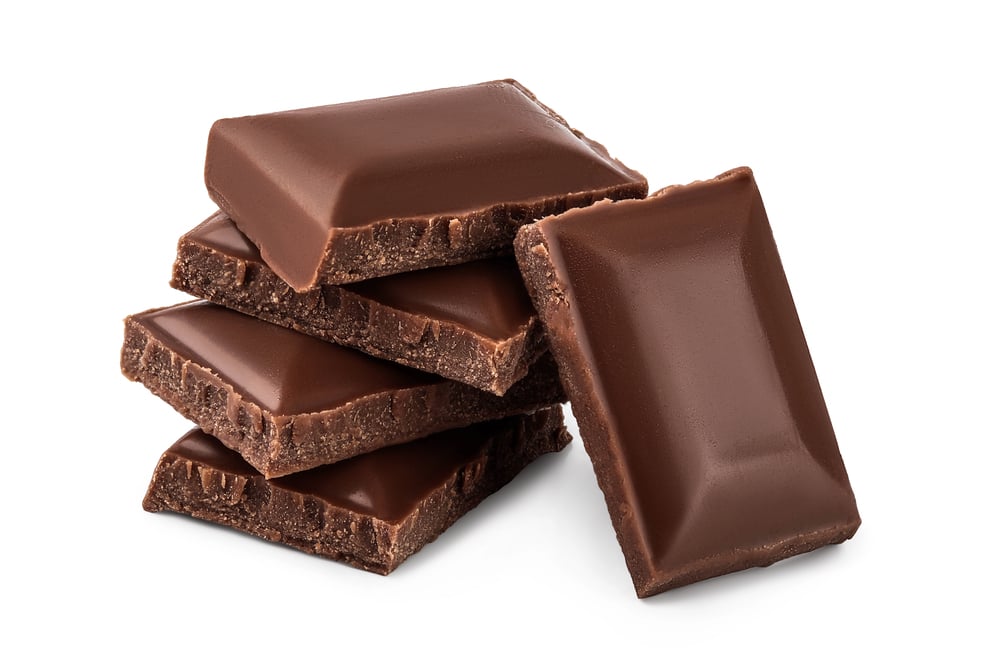
Nestle Treasures represented an ambitious attempt to create a premium candy bar experience with multiple varieties under one brand umbrella. Each Treasures bar featured different combinations of ingredients like caramel, nuts, and various chocolate types, all wrapped in distinctive packaging that emphasized the premium positioning.
The variety was impressive—different Treasures bars offered everything from simple milk chocolate to complex combinations with multiple textures and flavors. The packaging and marketing positioned them as sophisticated treats for adults rather than typical candy bars aimed at kids. Despite the quality and variety, Treasures couldn’t establish a strong enough market position and was discontinued in the early 2000s.
Like Go2Tutors’s content? Follow us on MSN.
Sweet Memories in Today’s Market
The confectionery industry has always been about continuous innovation and evolution, as these discontinued candy bars serve as a reminder. Even though we lost these specific favorites, new creations that still surprise and delight candy lovers have replaced them. Sometimes the candy bars that we remember the most are the ones that are no longer available, as evidenced by the fact that the nostalgia surrounding these lost treats frequently outweighs their actual popularity when they were available.
In terms of texture, flavor combinations, or marketing strategies, many of these discontinued bars pushed the envelope, which had an impact on the creation of subsequent candies. Conversations about what constitutes a truly great candy bar are still sparked by their memory, and their brief existence added to the rich history of American candy culture.
More from Go2Tutors!

- 16 Historical Figures Who Were Nothing Like You Think
- 12 Things Sold in the 80s That Are Now Illegal
- 15 VHS Tapes That Could Be Worth Thousands
- 17 Historical “What Ifs” That Would Have Changed Everything
- 18 TV Shows That Vanished Without a Finale
Like Go2Tutors’s content? Follow us on MSN.



