17 Historical Underdogs Who Were Actually the Brains Behind the Operation
History often remembers the face on the poster, the name in the headlines, or the person who took the final bow. Yet behind many groundbreaking achievements stand brilliant minds who worked tirelessly without recognition.
These unsung heroes shaped our world from the shadows, their contributions essential but overlooked. Here is a list of 17 historical underdogs who were actually the masterminds behind operations that changed the course of history.
Ada Lovelace
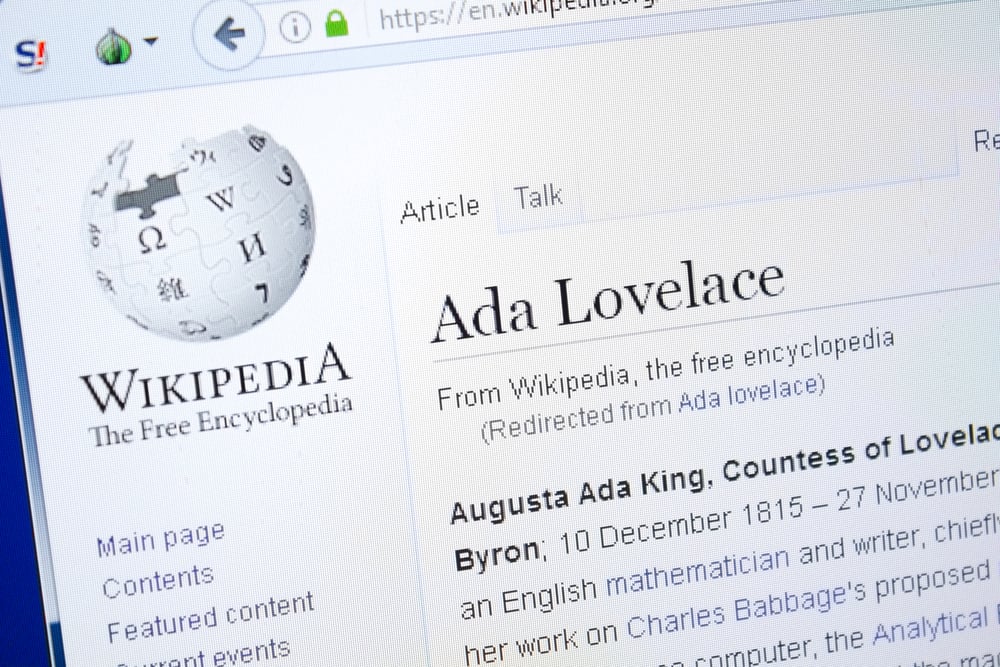
While Charles Babbage designed the Analytical Engine, Ada Lovelace saw far beyond its mechanical capabilities. She wrote the first algorithm intended for processing by a machine, essentially becoming the world’s first computer programmer in the 1840s.
Her notes described concepts like loops and subroutines that wouldn’t be implemented for another century, yet history classes often reduce her to a mere footnote in Babbage’s story.
Rosalind Franklin
The discovery of DNA’s double-helix structure earned James Watson, Francis Crick, and Maurice Wilkins the Nobel Prize in 1962. The crucial X-ray crystallography image that revealed this structure came from Rosalind Franklin’s meticulous work.
Watson and Crick gained access to her photograph without permission and published their findings without properly crediting her contributions. Franklin died from cancer at 37, never receiving due recognition during her lifetime.
Katherine Johnson
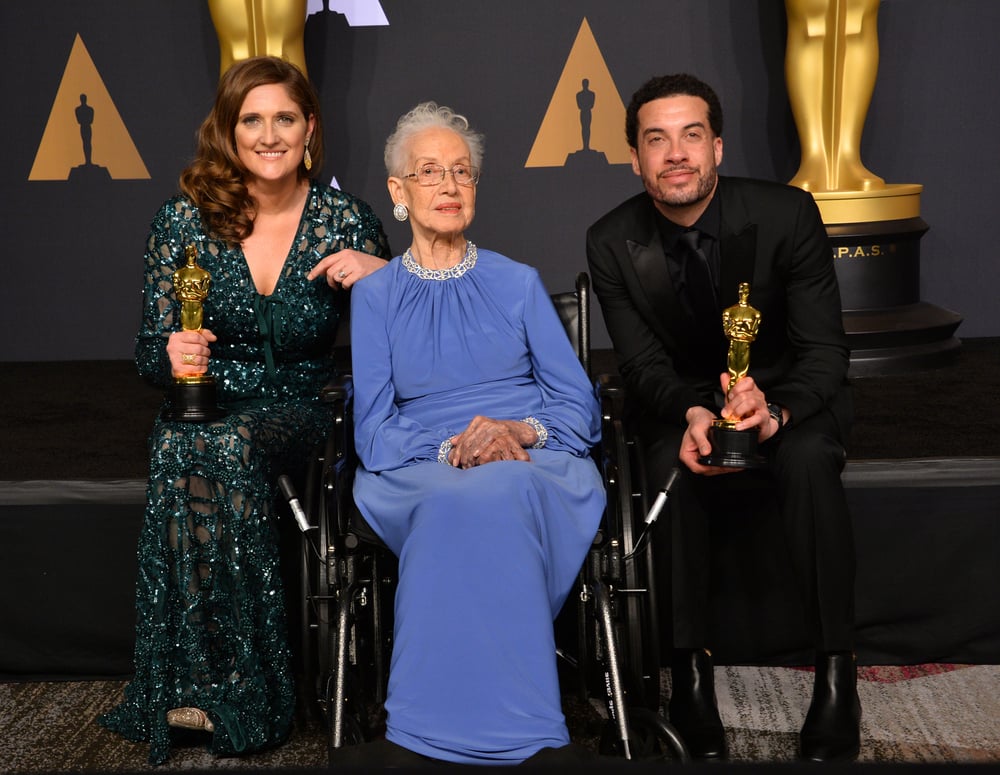
Hidden behind NASA’s early space triumphs stood Katherine Johnson, a brilliant mathematician whose calculations were vital for America’s first human spaceflights. John Glenn specifically requested that Johnson verify the electronic computer’s calculations before his historic orbital mission.
Her work remained largely unacknowledged until decades later when the film ‘Hidden Figures’ finally brought attention to Johnson and her fellow female African American mathematicians who powered America’s space race success.
Mileva Marić
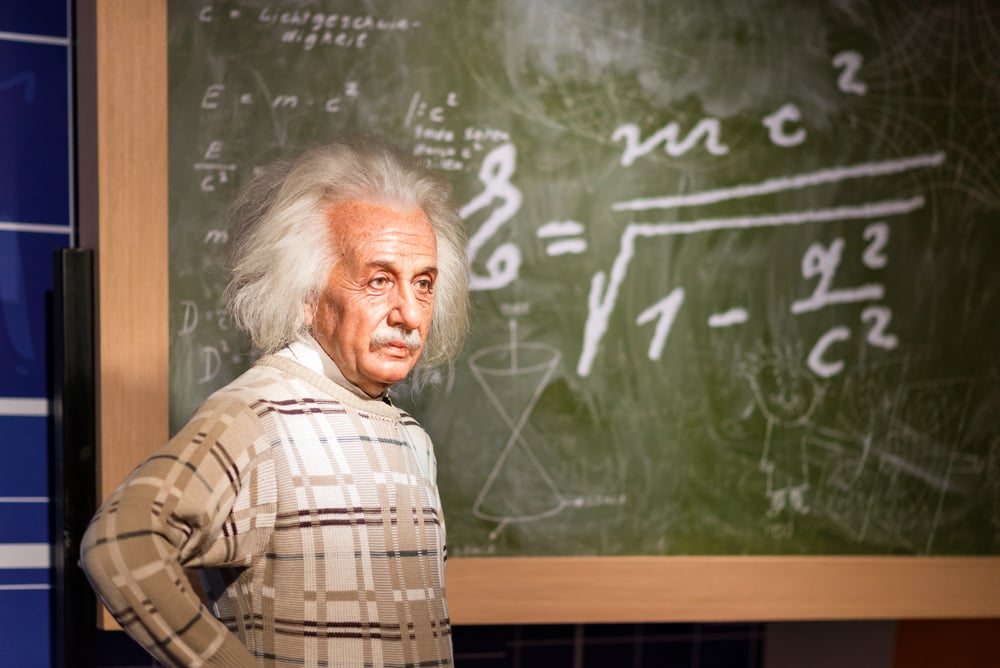
Albert Einstein’s first wife likely contributed significantly to his groundbreaking work, including the theory of relativity. A talented physicist in her own right, Marić studied alongside Einstein and collaborated with him during his most productive years.
Some historians found evidence in letters where Einstein referred to ‘our work’ and ‘our theory’ when discussing his scientific breakthroughs. Her contributions remain controversial but increasingly acknowledged by serious Einstein scholars.
Jocelyn Bell Burnell
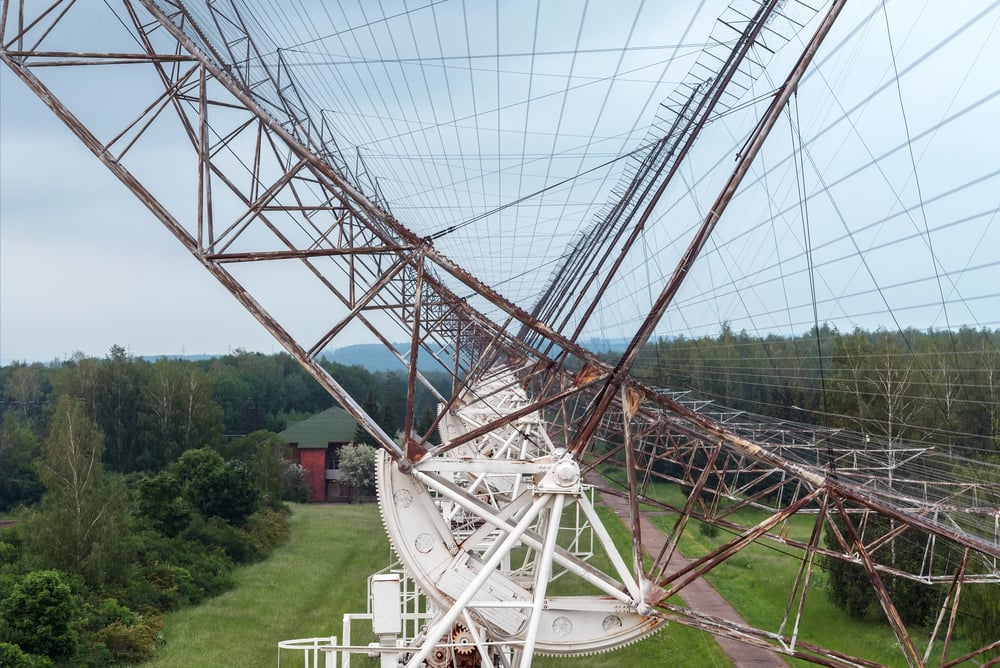
As a graduate student in 1967, Jocelyn Bell Burnell discovered the first radio pulsars, one of astronomy’s most significant findings of the 20th century. Her supervisor Antony Hewish received the Nobel Prize for this discovery alongside another senior researcher.
Bell Burnell’s name was conspicuously absent despite her being the first to identify the unusual signals and recognize their importance. She later became a prominent advocate for women in science.
Lise Meitner
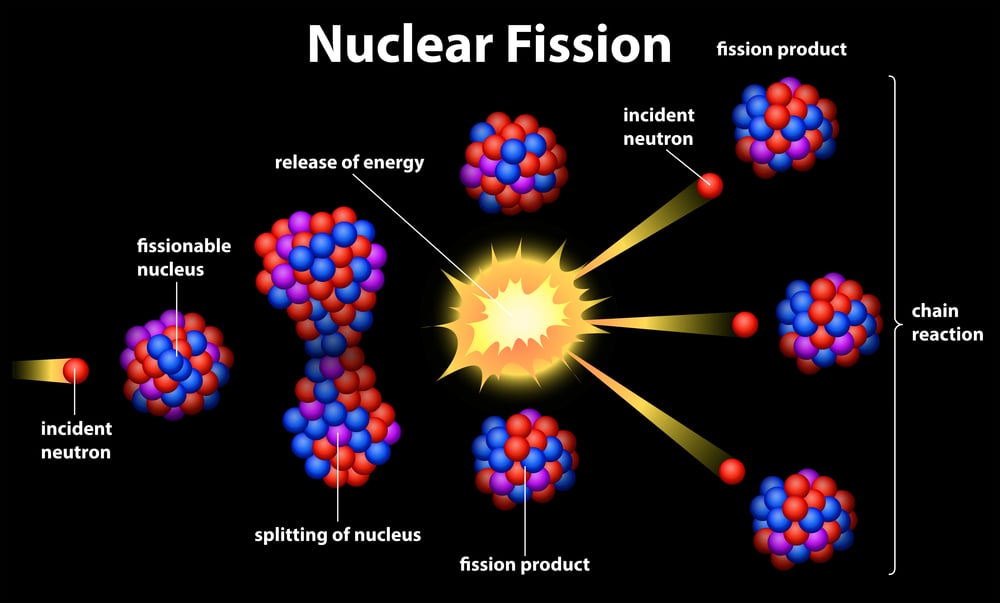
Otto Hahn received the 1944 Nobel Prize in Chemistry for discovering nuclear fission, but his longtime collaborator Lise Meitner provided the theoretical explanation that made sense of his experimental results. After fleeing Nazi Germany because of her Jewish heritage, Meitner continued corresponding with Hahn from Sweden.
Her fundamental insights into the physics of fission were overlooked when awards were distributed, a slight many scientists consider among the Nobel committee’s greatest oversights.
Jack Kirby
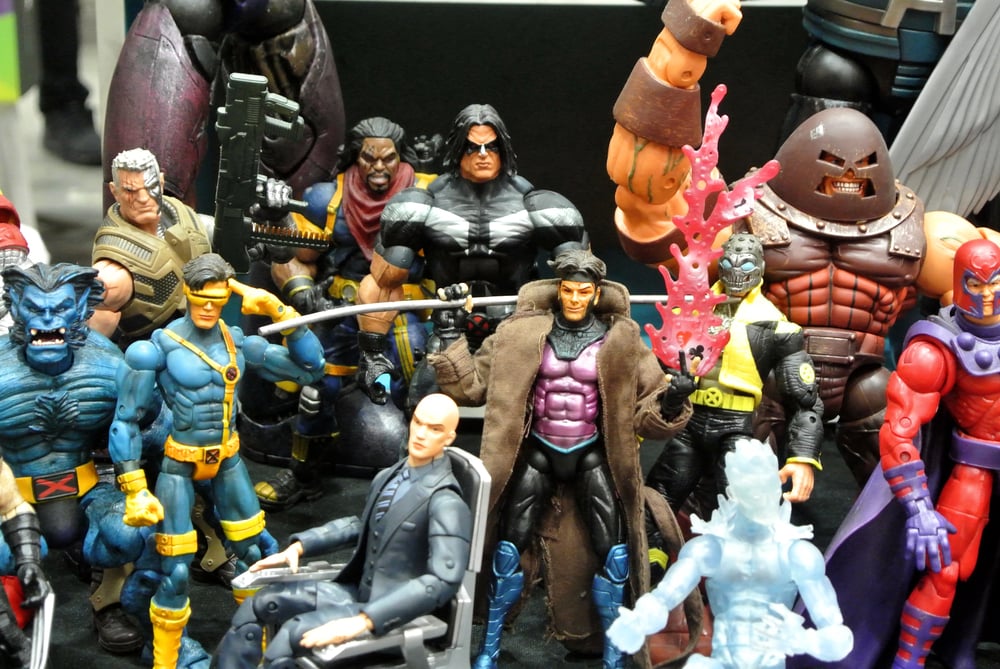
While Stan Lee became the face of Marvel Comics, artist Jack Kirby co-created many iconic characters including Captain America, the Fantastic Four, the X-Men, and the Hulk. Kirby developed the visual style and storytelling approach that defined Marvel, often plotting entire stories that Lee would later dialogue.
The ‘Marvel Method’ frequently gave writers like Lee more credit while artists like Kirby did much of the narrative heavy lifting without equivalent recognition or compensation.
Hedy Lamarr
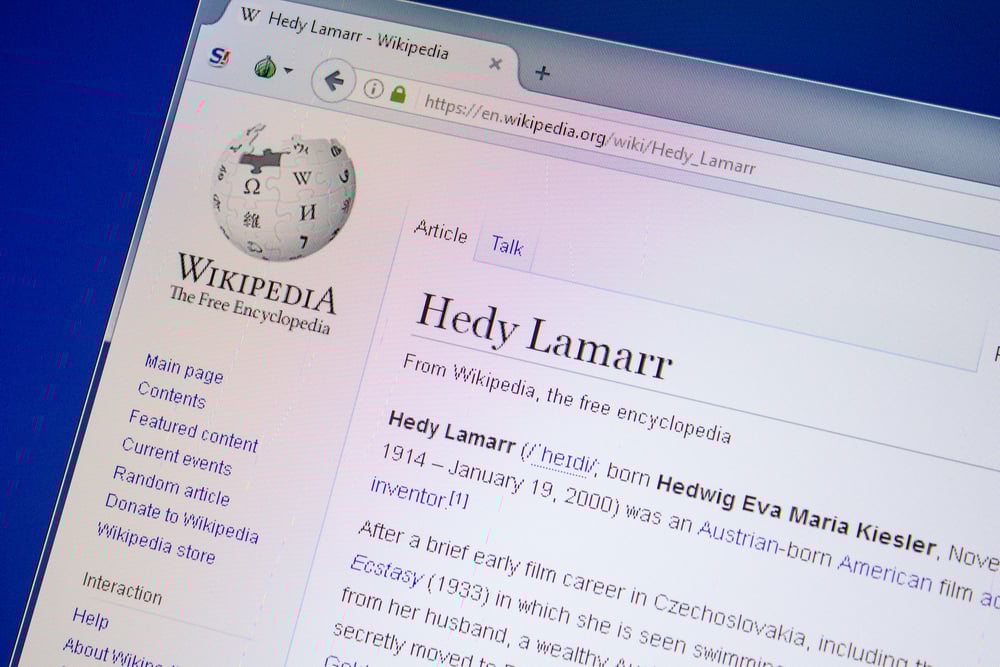
Known primarily as a glamorous Hollywood actress, Hedy Lamarr co-invented frequency hopping spread spectrum technology during World War II. Working with composer George Antheil, she developed this communication system to prevent enemy forces from jamming torpedo guidance signals.
Their innovation laid the groundwork for modern technologies like WiFi, Bluetooth and GPS. The U.S. military initially dismissed her invention, and her technical genius remained unacknowledged for decades while her beauty received endless attention.
Nikola Tesla
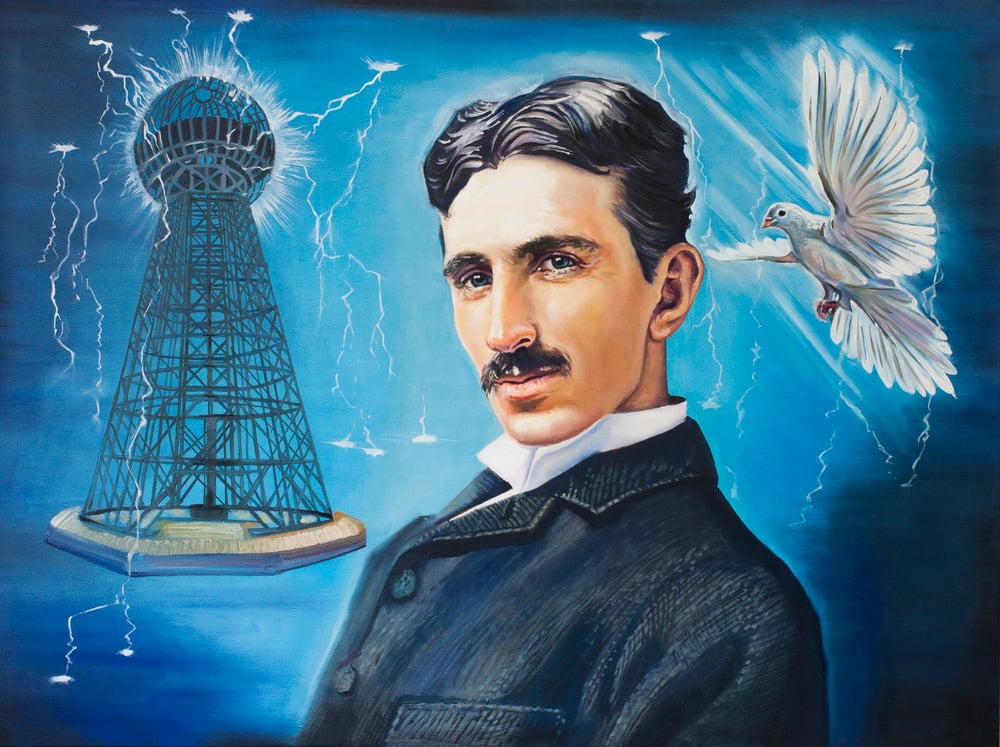
Behind Thomas Edison’s electrical empire and Guglielmo Marconi’s wireless transmissions stood Nikola Tesla’s revolutionary ideas. Tesla invented alternating current, which powers our modern electrical grid, yet Edison received much of the historical credit.
Similarly, the Supreme Court ruled that Marconi’s radio patents actually infringed on Tesla’s earlier work. Tesla died nearly penniless despite contributions that transformed human civilization.
Margaret Hamilton
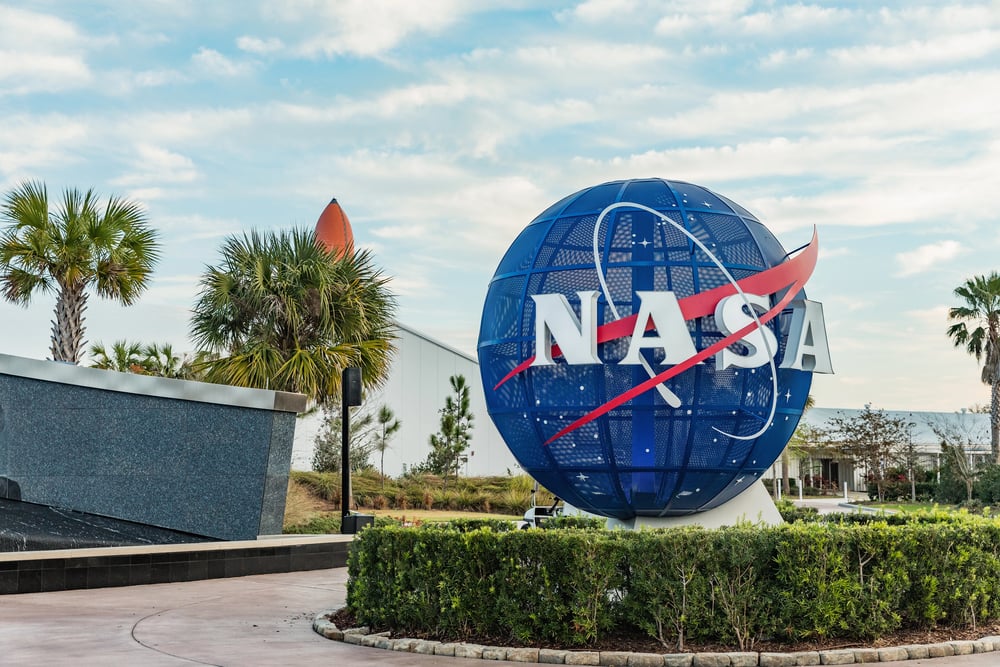
When Neil Armstrong stepped onto the lunar surface, he did so safely thanks largely to Margaret Hamilton’s programming expertise. As director of software engineering for the Apollo program, Hamilton created the onboard flight software for NASA’s Apollo missions.
Her code prevented an abort during landing when the computer became overloaded with tasks. Though rarely mentioned in popular accounts of the moon landing, Hamilton pioneered concepts like asynchronous software and priority scheduling that became standard practices.
Alan Turing
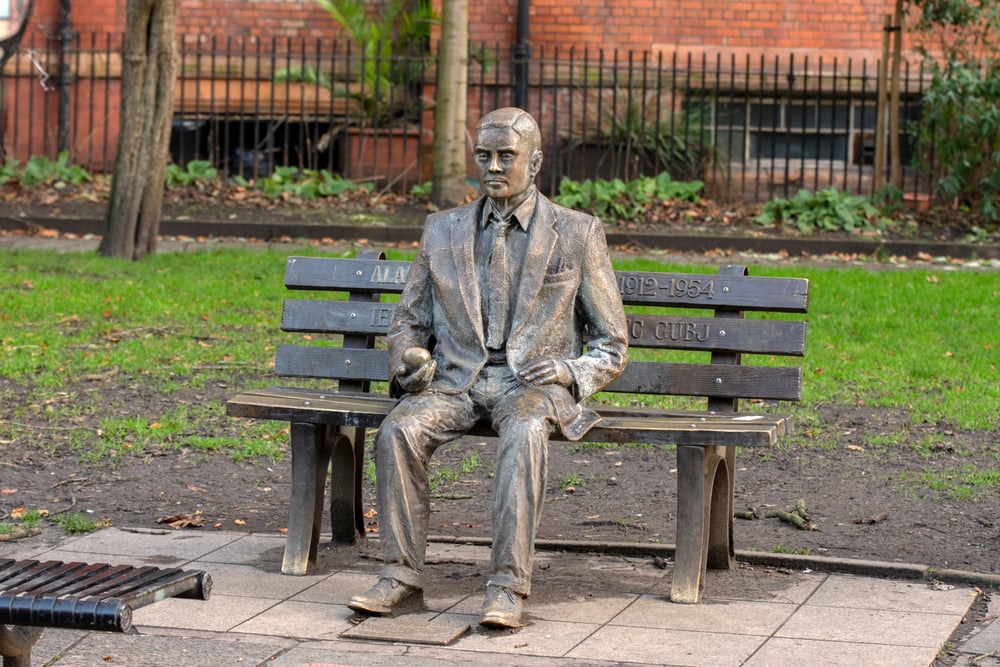
Winston Churchill called breaking the Nazi Enigma code the single biggest contribution to Allied victory in World War II. Alan Turing led this effort at Bletchley Park, developing machines and mathematical approaches that cracked supposedly unbreakable German codes.
His work remained classified for decades after the war while he faced persecution for his homosexuality. Modern computing owes enormous debts to concepts Turing developed while working in complete secrecy.
Delia Derbyshire
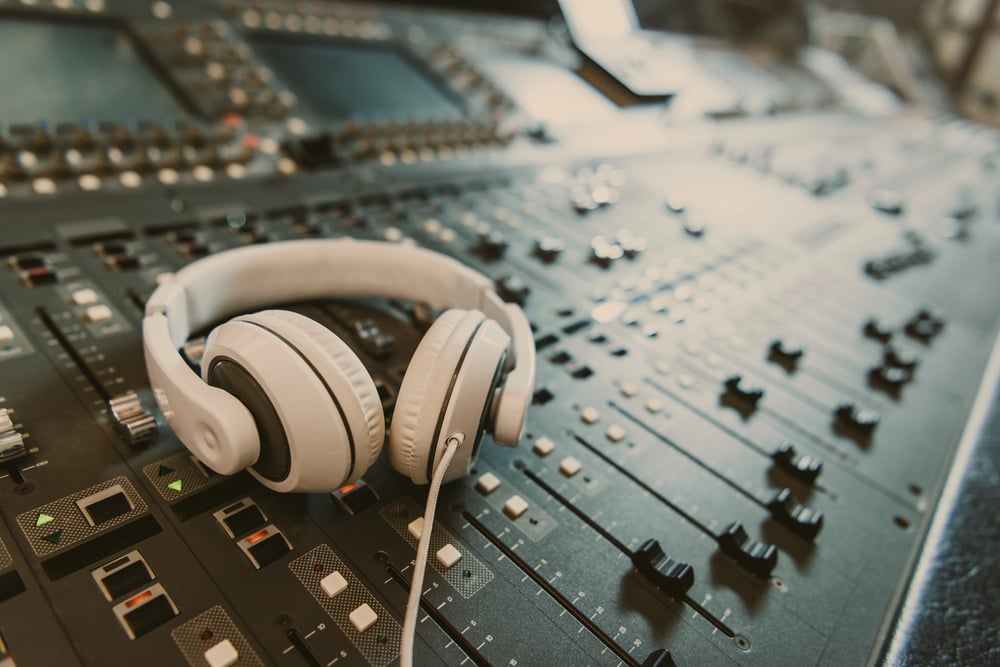
The iconic Doctor Who theme music is credited to Ron Grainer, but electronic music pioneer Delia Derbyshire transformed his simple notation into the otherworldly arrangement that became instantly recognizable. Working at the BBC Radiophonic Workshop in 1963, Derbyshire painstakingly created the entire piece by recording individual notes, manipulating tape loops, and assembling everything by hand.
BBC policy prevented her from receiving co-composer credit despite creating the actual arrangement we know today.
Bayard Rustin

Martin Luther King Jr.’s advisor and strategist Bayard Rustin organized the landmark 1963 March on Washington. A master of nonviolent protest tactics, Rustin taught these principles to King and served as the behind-the-scenes architect for many civil rights demonstrations.
His homosexuality made him vulnerable to attacks from segregationists and led civil rights leaders to minimize his public role. Rustin handled logistics, strategy and coalition-building while others took center stage.
Alice Guy-Blaché
Before Chaplin, Griffith, and other celebrated film pioneers, Alice Guy-Blaché directed one of the first narrative films in 1896. She went on to direct over 1,000 films and founded her own successful studio, Solax, becoming a powerful creative force in early cinema.
Her innovations included synchronized sound, special effects, and color-tinted film. By the 1920s, her contributions were erased from film history books as men rewrote the story of cinema’s development without her.
Francisco Mojica

Jennifer Doudna and Emmanuelle Charpentier received the 2020 Nobel Prize for developing CRISPR gene editing, but Spanish microbiologist Francisco Mojica first discovered these DNA sequences and recognized their potential. Mojica spent years researching CRISPR systems in obscurity, naming them and establishing their function in bacterial immunity.
His fundamental work laid the groundwork for later applications, yet his name remains unfamiliar even to many scientists in the field.
Paul Otlet
While Tim Berners-Lee created the World Wide Web, Belgian visionary Paul Otlet conceptualized something remarkably similar nearly 60 years earlier. In the 1930s, Otlet described a ‘Mundaneum’ network where people would access information remotely through ‘electric telescopes’ connected to a central repository.
He built prototype workstations and developed a universal classification system for networked knowledge. His work remained largely forgotten until internet historians rediscovered it decades after his death.
Lillian Gilbreth

Frank Gilbreth receives most recognition for pioneering time-motion studies and efficiency techniques, but his wife Lillian made equally important contributions to industrial psychology and ergonomics. After Frank’s early death, Lillian raised their twelve children while continuing their professional work and earning her Ph.D.
Her focus on the human aspects of efficiency led to kitchen redesigns, household appliance improvements, and workplace innovations that blended psychology with engineering.
The Ripple Effect of Hidden Contributions

Throughout history, countless innovations have depended on brilliant minds working without recognition. These seventeen examples represent just a fraction of history’s overlooked geniuses whose ideas shaped our world.
Their stories remind us to look beyond famous names and celebrated figures to find the true architects of change. The next time you hear about a great historical achievement, consider asking who else might have been working behind the scenes, their contributions essential but their names unremembered.
More from Go2Tutors!

- The Romanov Crown Jewels and Their Tragic Fate
- 13 Historical Mysteries That Science Still Can’t Solve
- Famous Hoaxes That Fooled the World for Years
- 15 Child Stars with Tragic Adult Lives
- 16 Famous Jewelry Pieces in History
Like Go2Tutors’s content? Follow us on MSN.



