14 Micro-Nations Founded in Someone’s Backyard
Throughout history, individuals with bold visions and sometimes eccentric personalities have declared independence from their home countries by establishing sovereign territories in their own backyards, spare bedrooms, or offshore platforms. These self-proclaimed micro-nations operate with their own flags, currencies, passports, and constitutions—all created with varying degrees of seriousness and legal recognition. While conventional nations dismiss them as hobbyist projects or elaborate performance art, micro-nations offer fascinating glimpses into alternative ideas about governance, identity, and the concept of statehood itself.
Here is a list of 14 micro-nations founded by ordinary people who decided their personal property should become an independent territory. From serious political statements to whimsical family projects, these tiny nations reveal the creative and sometimes rebellious spirit behind declaring your backyard sovereign soil.
Sealand
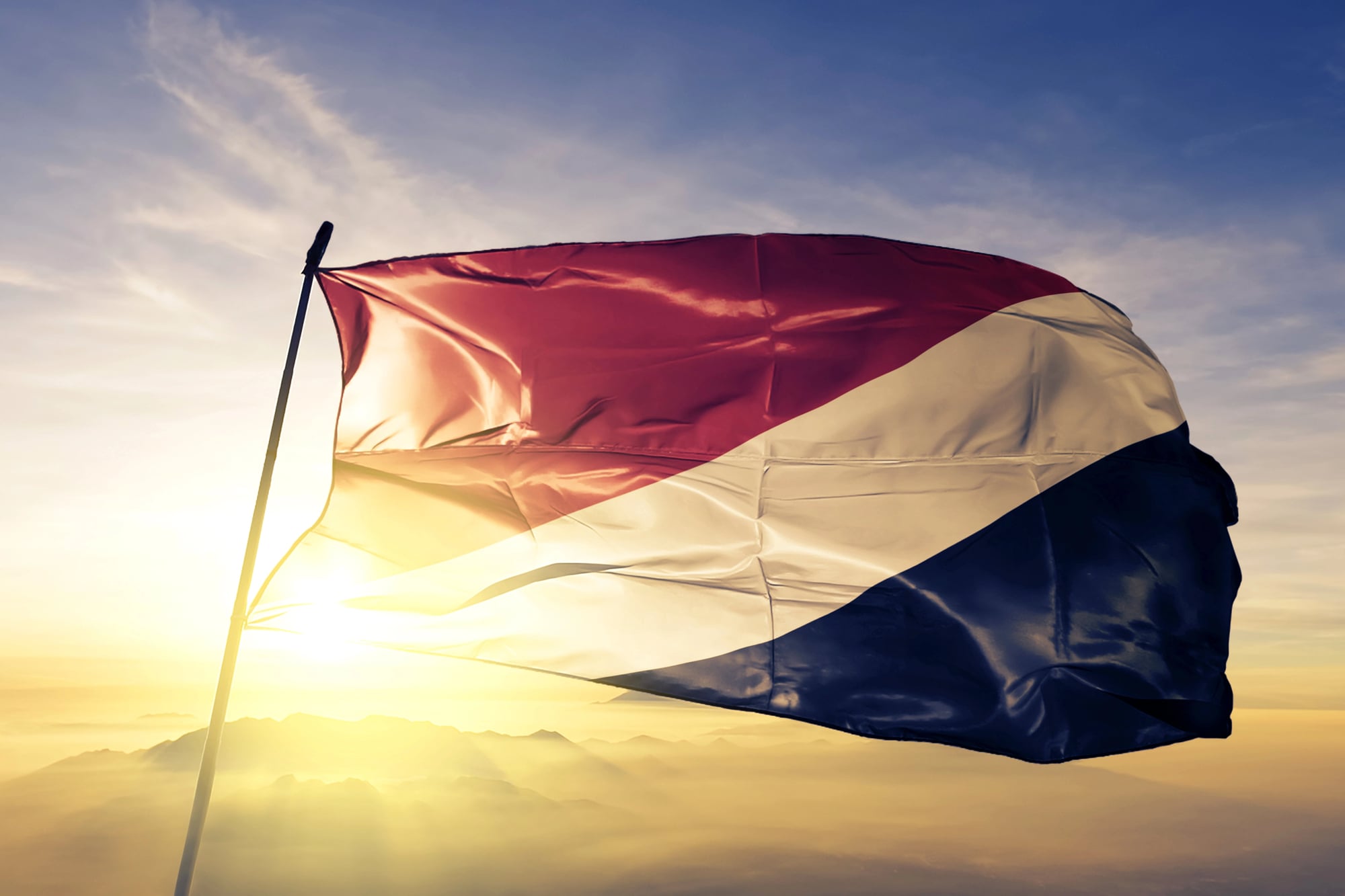
A World War II sea fort six miles off the British coast became a sovereign principality when former army major Paddy Roy Bates occupied it in 1967. The 4,000-square-foot metal platform sits in what Bates claimed were international waters, allowing him to establish his own nation with its own royal family.
Sealand has survived diplomatic incidents, a hostage crisis, and even an attempted coup over its five-decade history as the world’s most recognized micro-nation.
Molossia
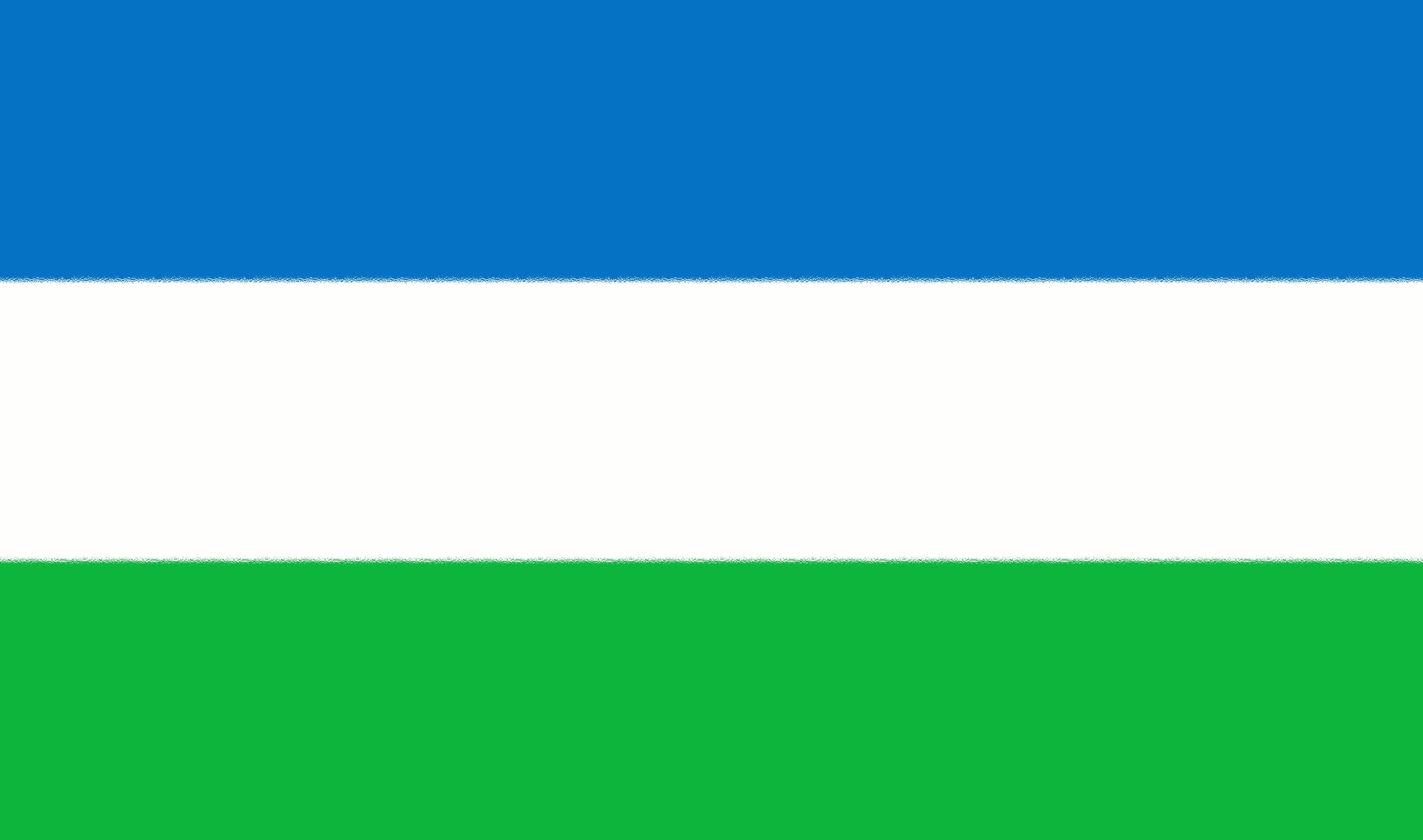
Just outside Reno, Nevada sits this mock dictatorship founded by Kevin Baugh in 1999. Consisting of Baugh’s home and yard—about 1.3 acres in total—Molossia maintains its own navy (an inflatable raft), space program (model rockets), and currency (valora, pegged to the value of Pillsbury cookie dough).
Baugh often appears in an elaborate military uniform to greet the curious visitors who make appointments to tour his tiny nation.
Like Go2Tutors’s content? Follow us on MSN.
Ladonia
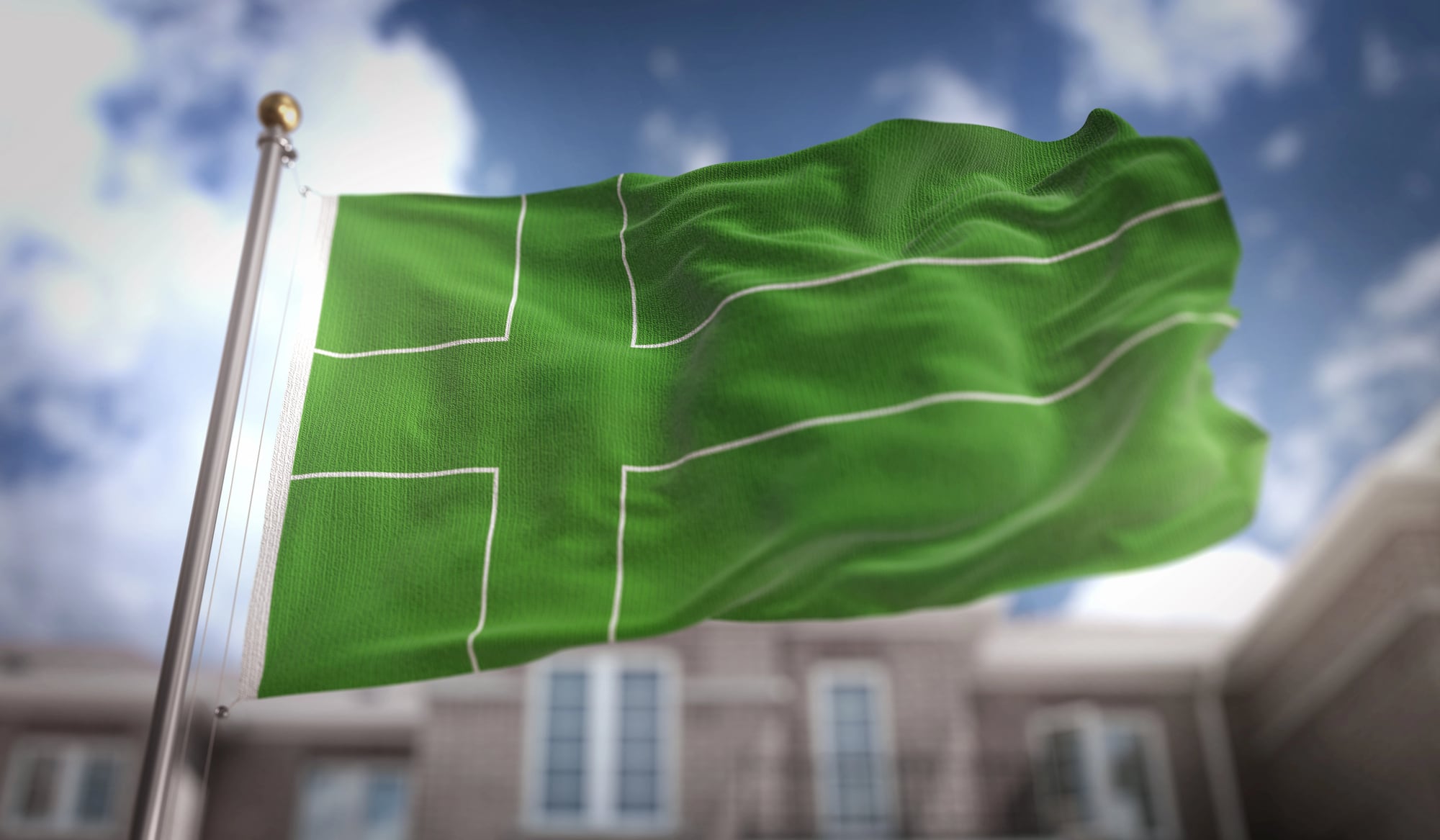
Artist Lars Vilks created this micro-nation in 1996 after Swedish authorities tried to remove his massive driftwood sculptures from a nature reserve. Vilks declared the rocky shore in southern Sweden an independent country as a form of protest art.
Ladonia now claims over 27,000 citizens worldwide, though none actually live in its territory. The micro-nation operates as a creative project with its own queen, flag, and constitution.
Republic of Rose Island
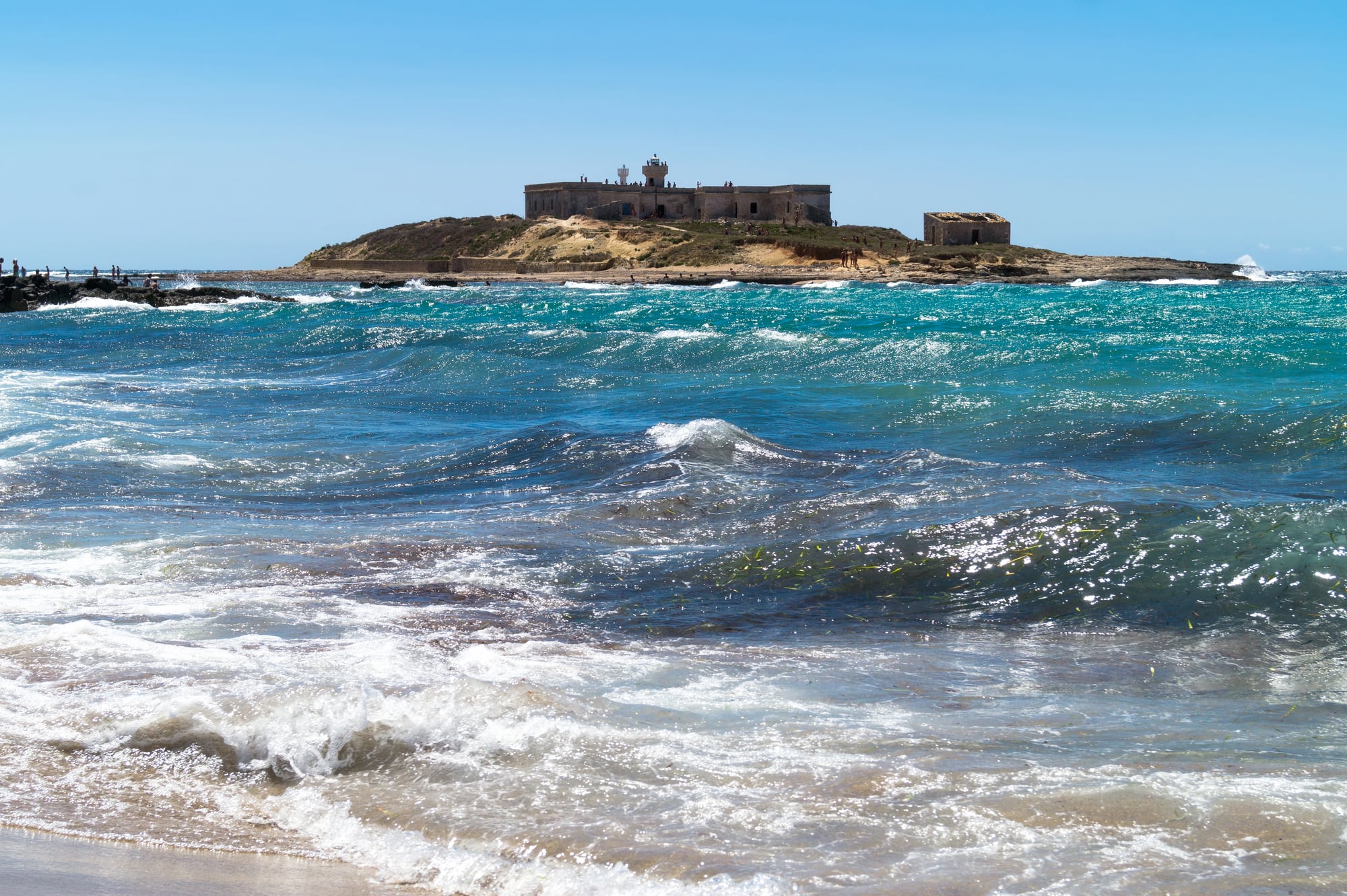
Engineer Giorgio Rosa built a 4,300-square-foot platform in the Adriatic Sea off the coast of Italy in 1967. His artificial island featured a restaurant, bar, souvenir shop, and post office, operating with its own currency and language.
Italian authorities viewed the structure as an attempt to avoid taxes and eventually sent in military forces to demolish it. The short-lived nation remains an influential example for modern micro-nations seeking autonomy in international waters.
Kingdom of North Sudan
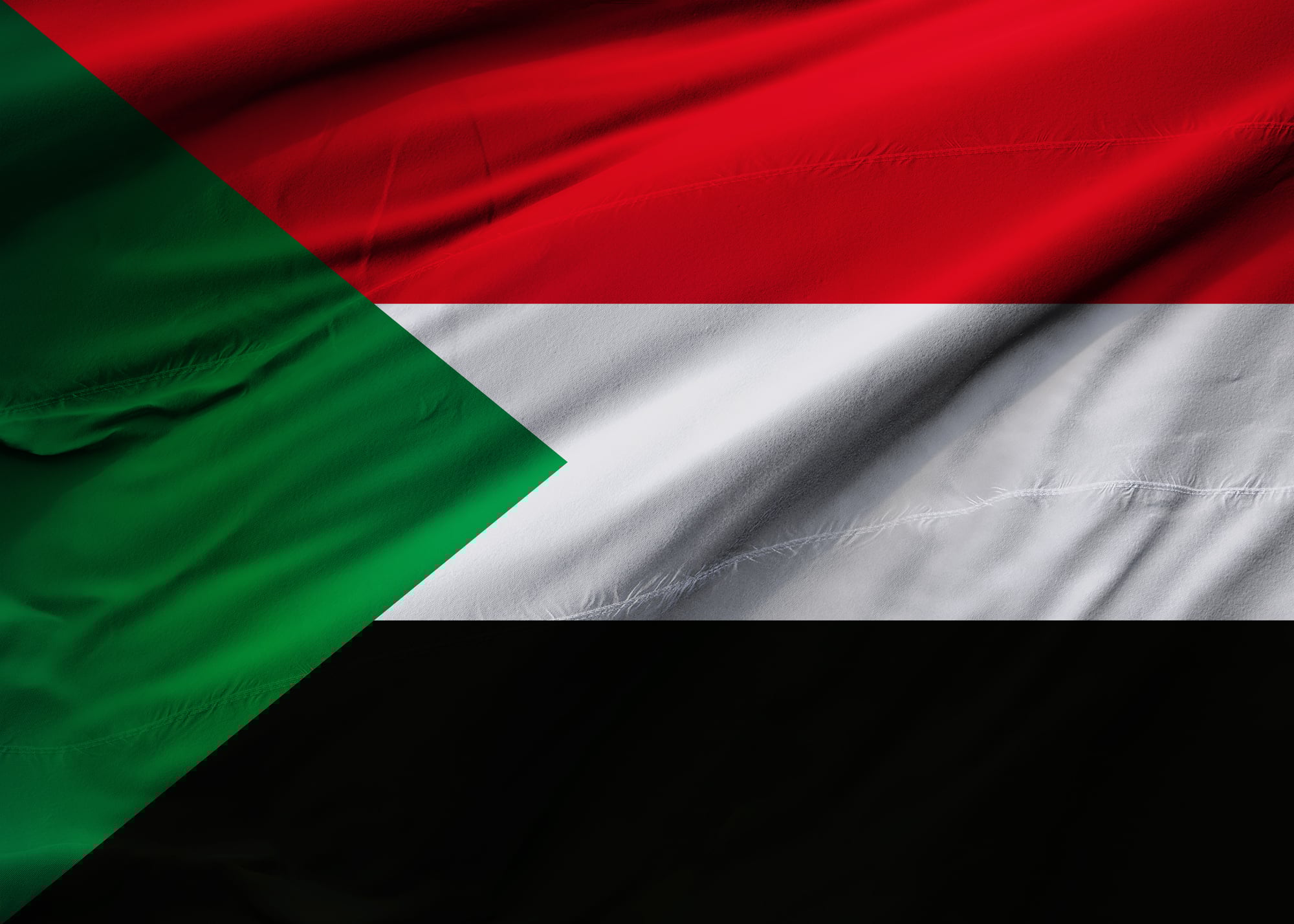
American father Jeremiah Heaton claimed an 800-square-mile patch of desert between Egypt and Sudan in 2014 to fulfill his daughter’s dream of becoming a princess. Exploiting an unclaimed territory known as Bir Tawil, Heaton planted a flag designed by his children and declared himself king.
While neither Sudan nor Egypt recognizes his claim, Heaton uses the project to advocate for food security initiatives in the region.
Like Go2Tutors’s content? Follow us on MSN.
Westarctica
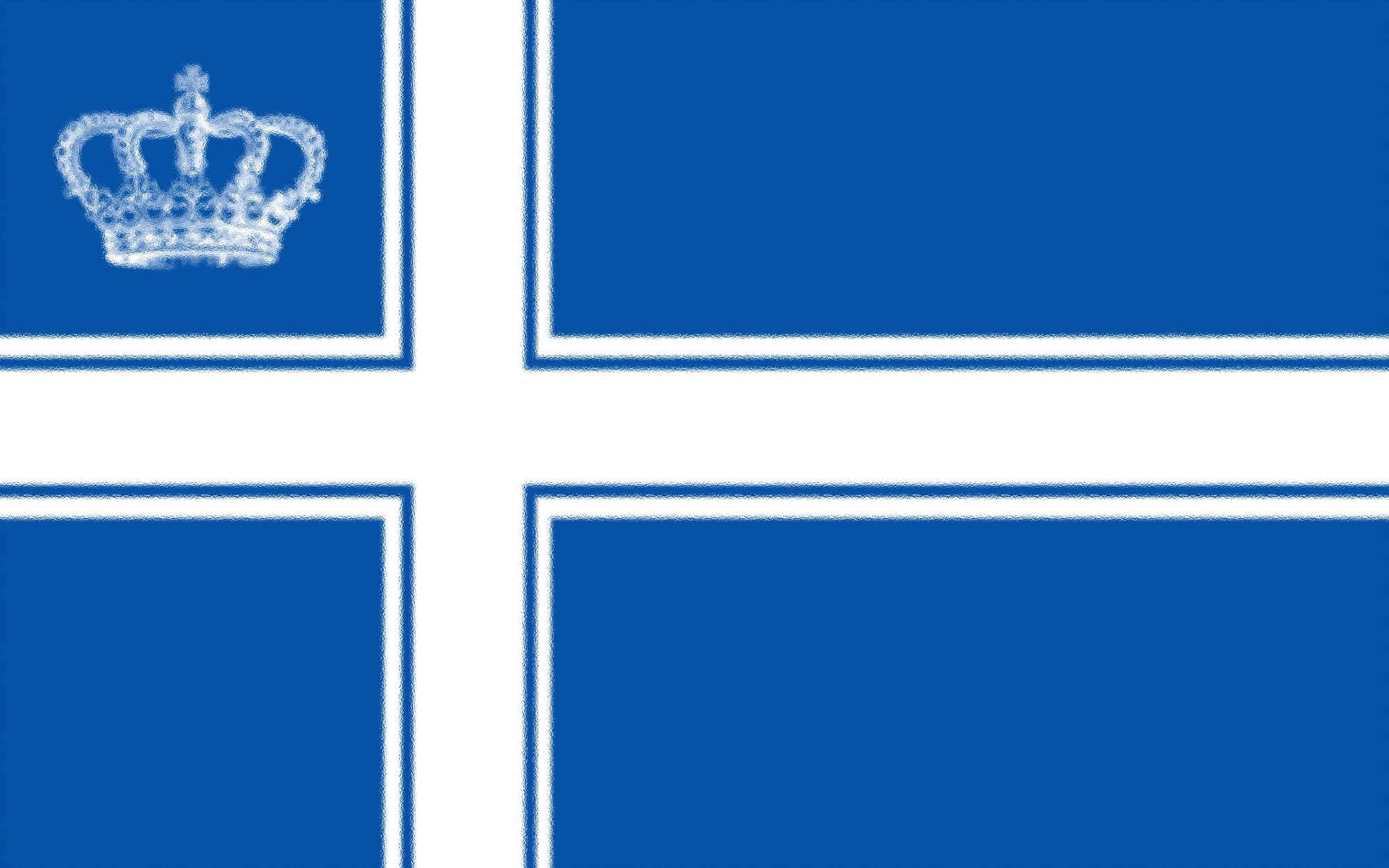
What began as a claim to an unclaimed portion of Antarctica has evolved into a non-profit organization focused on climate change awareness. Travis McHenry founded this micro-nation in 2001 after discovering an area of West Antarctica unclaimed by any recognized nation.
Westarctica now issues novelty passports and noble titles to raise funds for environmental causes while maintaining its status as a ‘government in exile’ with territorial claims to 620,000 square miles of ice.
Hutt River Province
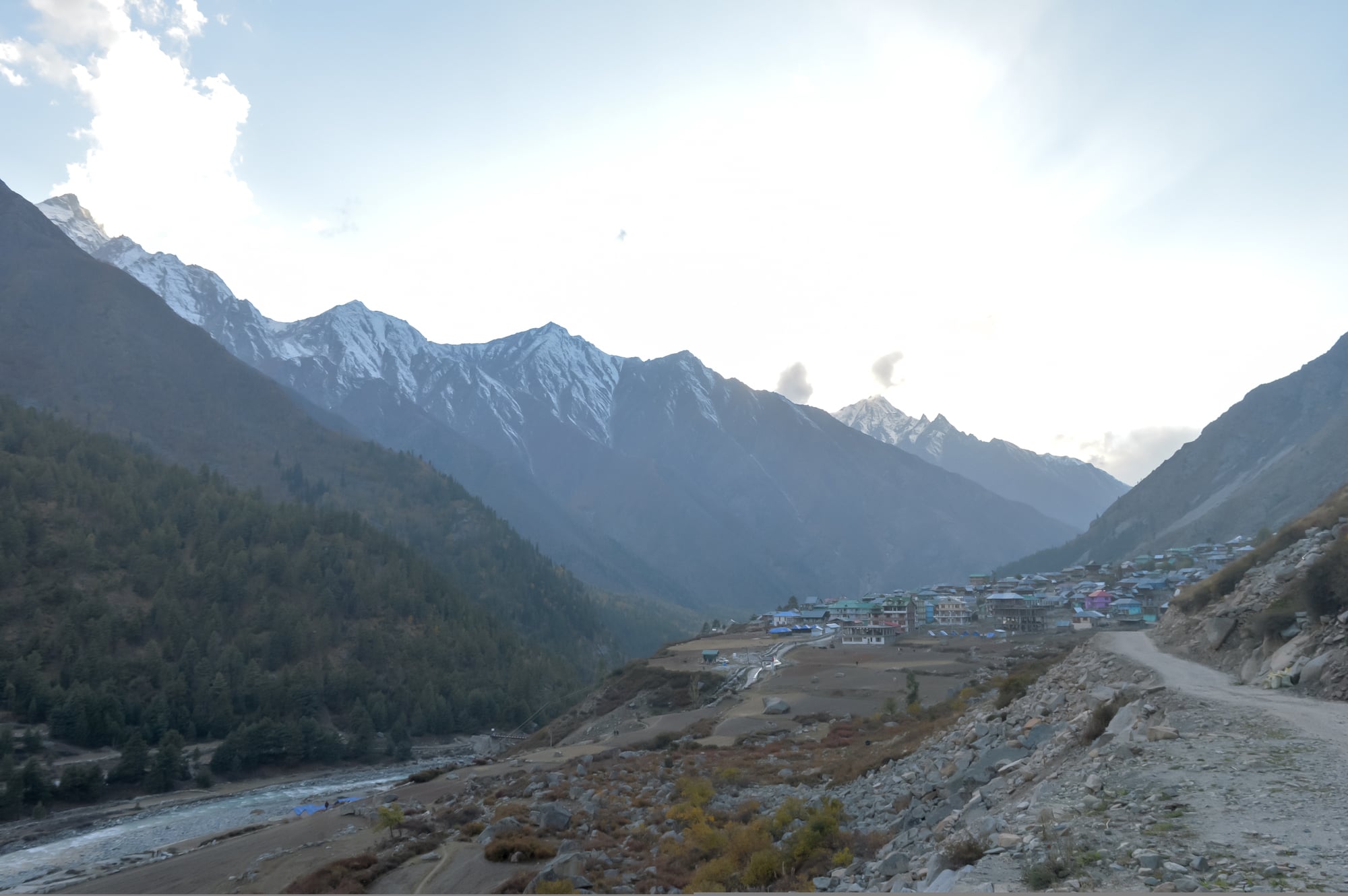
A dispute over wheat quotas prompted Western Australian farmer Leonard Casley to secede from Australia in 1970, declaring his 75-square-kilometer farm an independent principality. Prince Leonard, as he became known, created elaborate government structures including a royal family, currency, and postal service.
The micro-nation operated for 50 years, welcoming thousands of tourists before finally dissolving and rejoining Australia in 2020 due to financial difficulties.
Republic of Morac-Songhrati-Meads
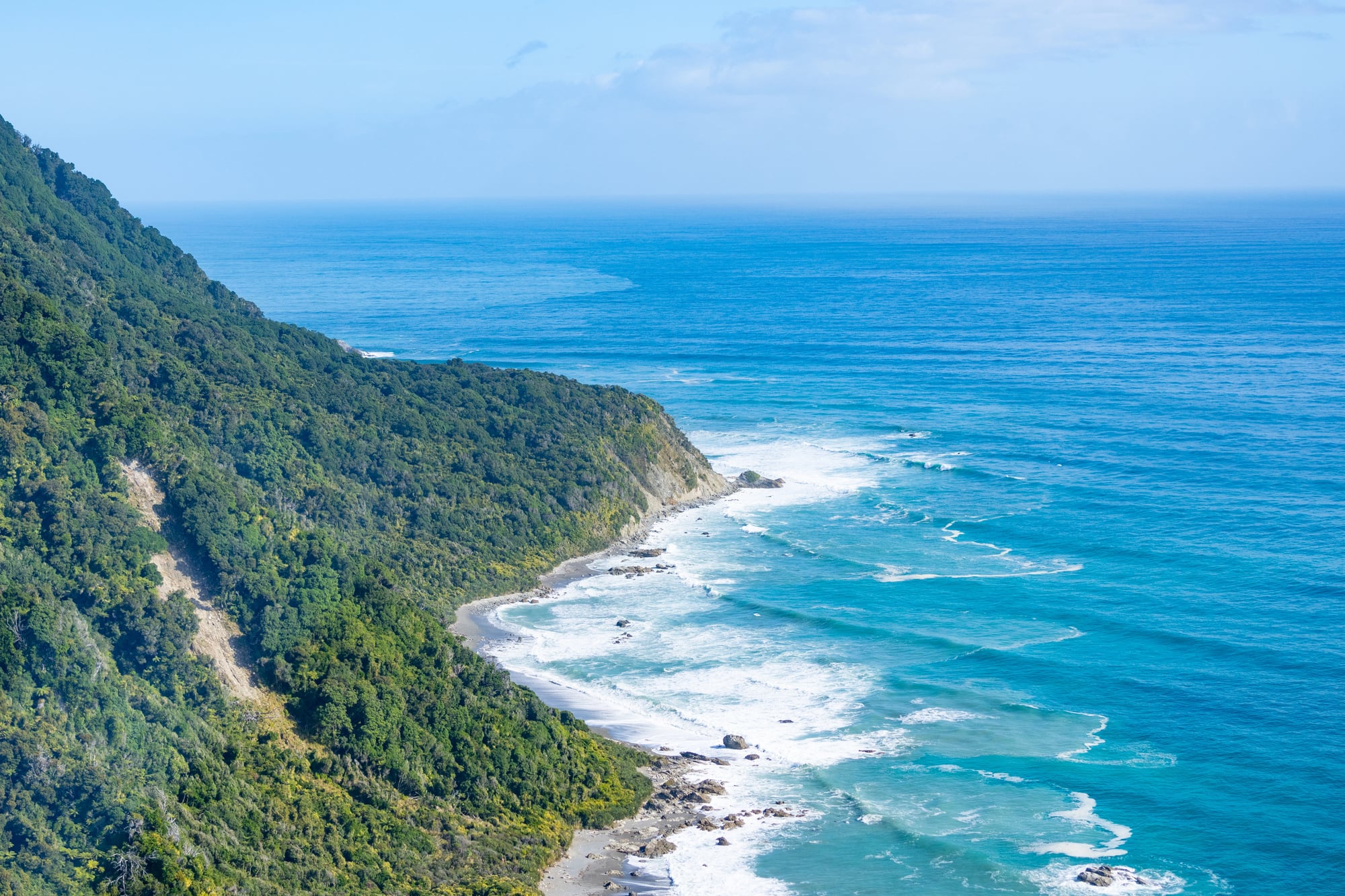
In the South Pacific lies this paper nation claimed by oceanographer Leicester Hemingway, brother of Ernest Hemingway, in 1964. Using the obscure Guano Islands Act of 1856, Hemingway constructed a tiny bamboo raft, anchored it to the sea floor near Jamaica, and declared it sovereign territory.
The curious project served primarily as a fundraising vehicle for Hemingway’s oceanographic research before storms eventually destroyed the physical structure.
Like Go2Tutors’s content? Follow us on MSN.
Freetown Christiania
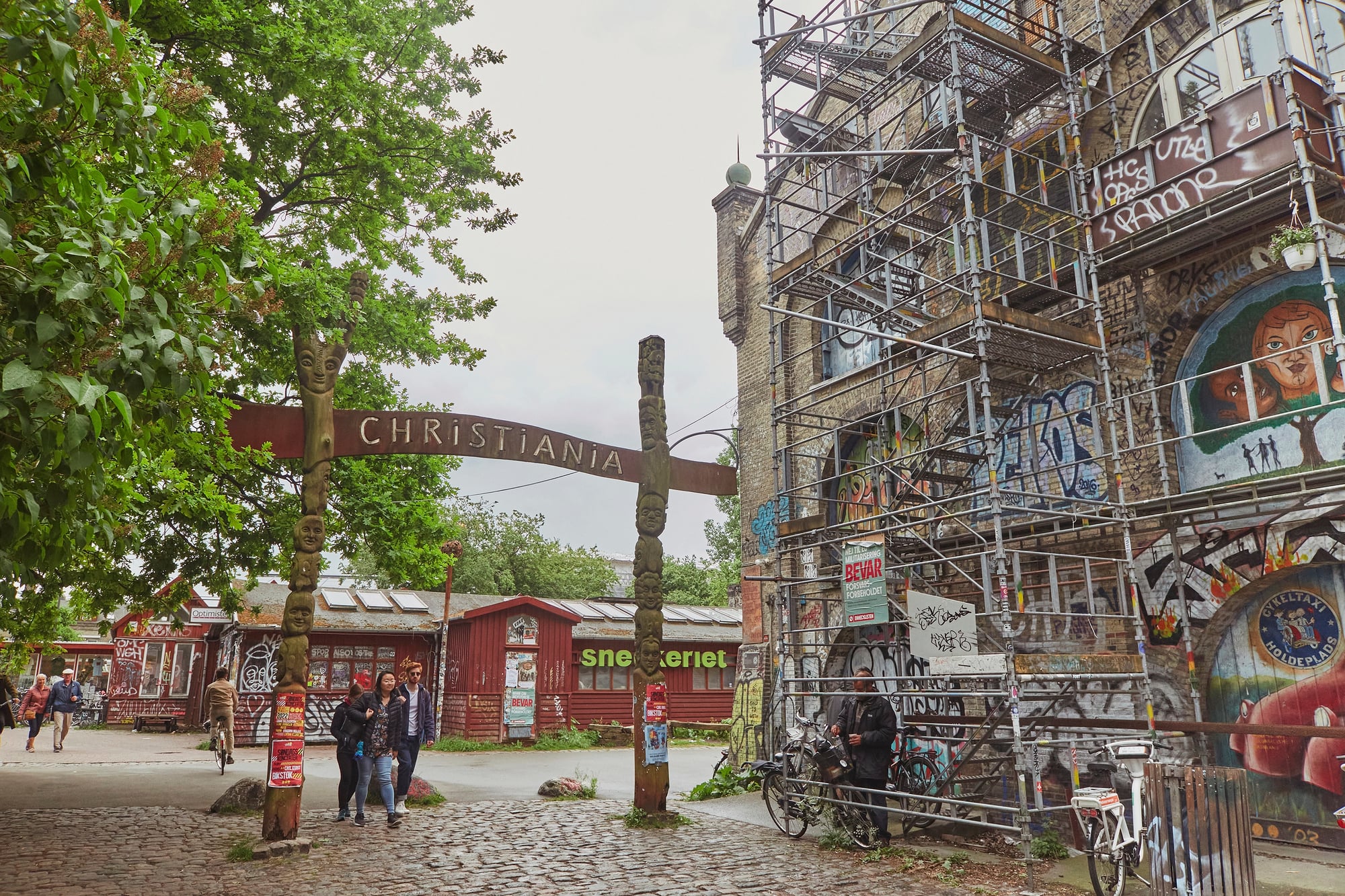
In the heart of Copenhagen, Denmark, a former military barracks has operated as a semi-autonomous community since 1971. When squatters first occupied the abandoned site, they declared it an independent freetown with its own set of rules and governance structures.
The 84-acre enclave features colorful buildings, car-free streets, and communal living arrangements that attract thousands of tourists annually despite ongoing tensions with Danish authorities over its legal status.
Užupis
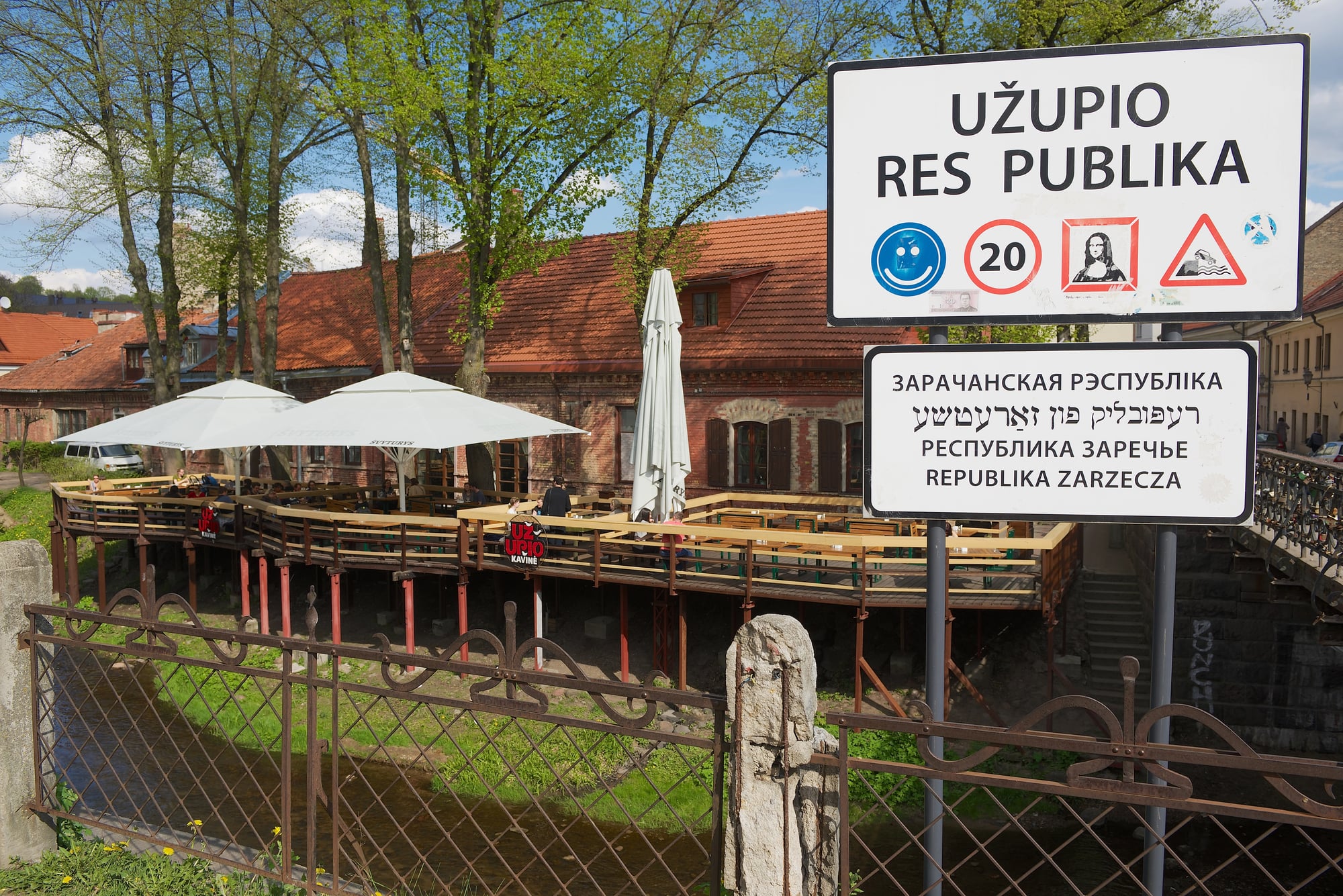
Artists and bohemians in Vilnius, Lithuania declared their neighborhood an independent republic on April Fool’s Day 1997. The micro-nation boasts a constitution granting rights such as ‘everyone has the right to be unique’ and ‘everyone has the right to appreciate unimportance.’
Unlike many micro-nations, Užupis enjoys friendly relations with its host country, which recognizes the project as a valuable cultural attraction that has helped revitalize a formerly neglected district.
Atlantium
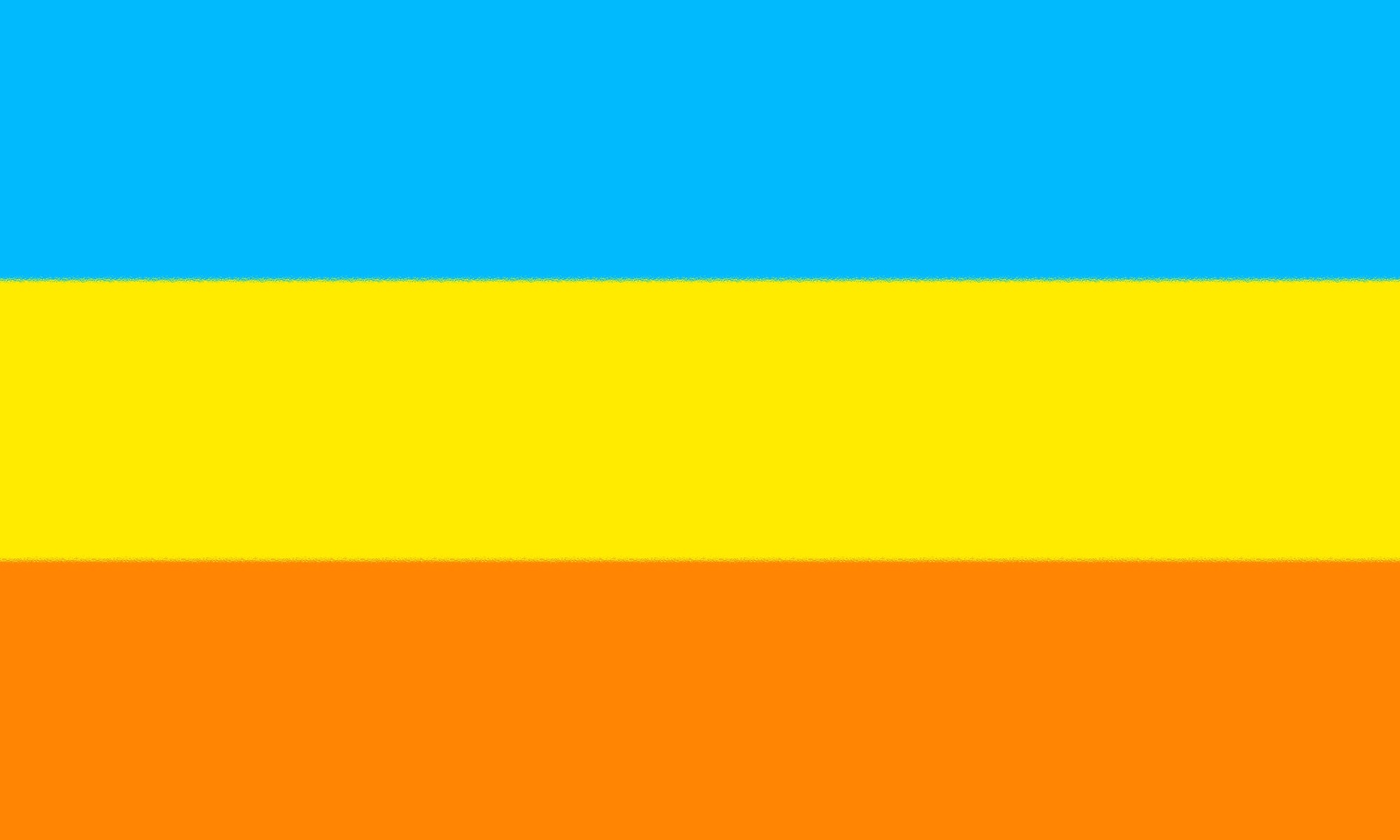
George Cruickshank established this ‘global sovereign state’ on a 0.76-square-kilometer property in rural New South Wales, Australia in 1981. Claiming to be the world’s most densely populated nation due to its hundreds of thousands of citizens worldwide but tiny physical territory, Atlantium serves as a political statement advocating for transnational governance models.
The micro-nation issues its own stamps, coins, and hosts events at its ‘global administrative capital’ on Cruickshank’s farm.
Like Go2Tutors’s content? Follow us on MSN.
Elleore
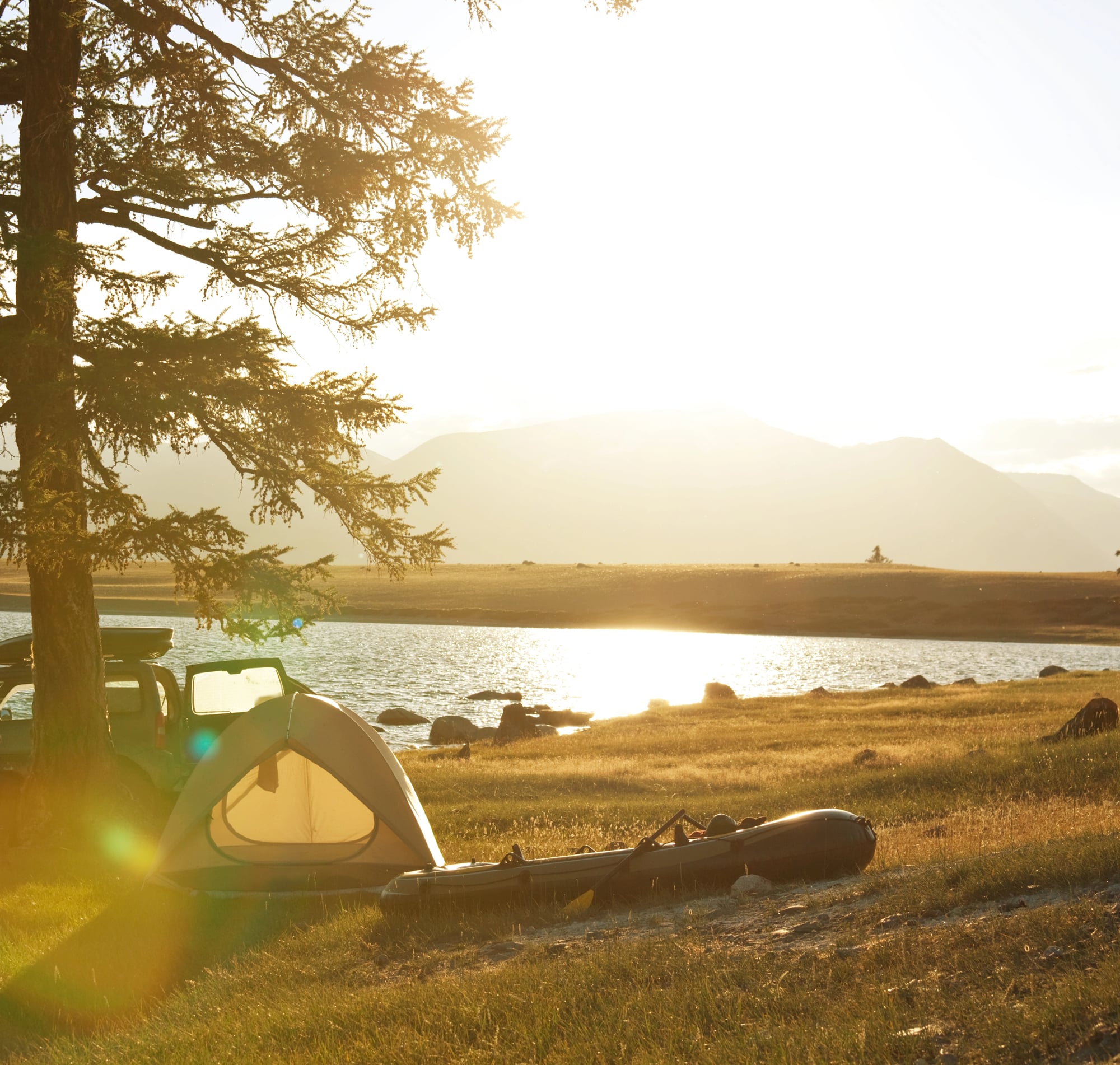
Danish schoolteachers purchased a small island in Roskilde Fjord in 1944 and transformed it into a summer camp with a twist—they declared it an independent kingdom with its own calendar, language, and culture. The whimsical project bans novels by Jules Verne and prohibits the use of canned sardines based on amusing historical anecdotes.
Elleore’s citizens gather annually for a week-long celebration where they enact the traditions of their micro-nation away from everyday life.
Flandrensis
This ecological micro-nation founded in 2008 by Belgian Nicholas Bauwens exists primarily as an environmental awareness project with territorial claims to five uninhabited islands in West Antarctica. Flandrensis issues passports to citizens who commit to fighting climate change and reducing their carbon footprint.
The micro-nation has diplomatic relations with several other unrecognized states and uses its platform to advocate for environmental protection despite having no permanent population on its claimed territory.
Nova Roma
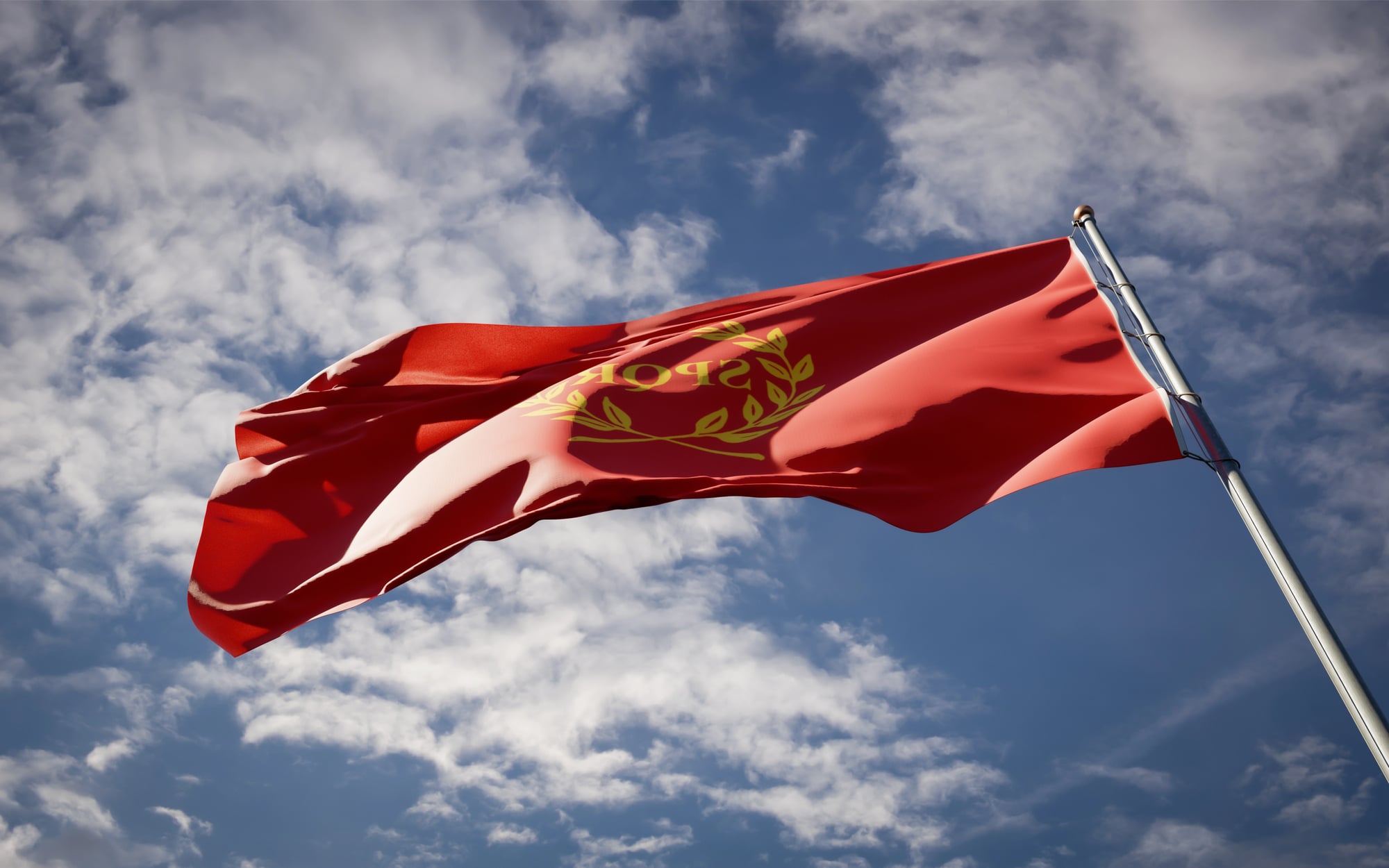
Founded in 1998 by a group of Roman history enthusiasts, this micro-nation doesn’t claim physical territory but exists as a ‘state of mind’ dedicated to the study and revival of ancient Roman culture and religious practices. Citizens adopt Latin names, celebrate traditional Roman holidays, and participate in a functioning government modeled after the Roman Republic.
With thousands of members worldwide, Nova Roma demonstrates how modern micro-nations can transcend geographical limitations to foster cultural communities.
Like Go2Tutors’s content? Follow us on MSN.
Beyond Borders
The phenomenon of backyard nations speaks to fundamental human desires for autonomy, creativity, and community beyond conventional political structures. While most micro-nations remain unrecognized by established countries, they serve as laboratories for alternative governance, cultural expression, and sometimes pointed political commentary.
These tiny sovereign experiments remind us that the concepts of nationhood and citizenship continue to evolve in our interconnected world. The next time you look at your backyard, consider the possibility—your own independent country might be just a flag and constitution away.
More from Go2Tutors!

- 16 Restaurant Chains That Went Too Fast
- 12 Things Sold in the 80s That Are Now Illegal
- 15 Strange Things People Have Tried to Ban (And Failed)
- 16 Collectibles People Tossed Out Too Soon
- 17 Myths from Your Childhood That Were Actually Based on Real Things
Like Go2Tutors’s content? Follow us on MSN.