Luxury Airlines From the Golden Age
Flying used to be an event worth dressing up for. Between the 1950s and 1970s, air travel was more than just getting from one place to another.
It was an experience that people saved up for, talked about for years, and remembered as one of the highlights of their lives. Airlines competed not on price, but on who could offer the most comfort, the best food, and the most style.
Let’s take a look at what made these airlines so special during aviation’s most glamorous era.
Pan Am
Pan American World Airways started in 1930 and quickly became synonymous with international luxury travel. By the mid-20th century, Pan Am enjoyed a near monopoly on international routes and led the aircraft industry into the Jet Age by acquiring new jetliners like the Boeing 707 and Boeing 747.
Pan Am partnered with legendary Parisian restaurant Maxim’s to cater its in-flight meals, with chefs preparing all of Pan Am’s Atlantic catering. The meals were flash frozen and stored at different locations to ensure every flight had restaurant-quality dining.
At its peak in the late 1960s and early 1970s, Pan Am carried 6.7 million passengers in 1966, and by 1968, its 150 jets flew to 86 countries on every continent except Antarctica. The airline’s blue globe logo became a symbol of wanderlust that people still recognize today, even though the airline shut down in 1991.
TWA under Howard Hughes

Howard Hughes acquired a controlling interest in Trans World Airlines in 1940 and built it up to 78 percent ownership. Hughes urged the development of a new super-luxury airliner that could fly coast-to-coast nonstop and cruise at the then-unimaginable speed of 300 miles per hour.
The result was the Lockheed Constellation, affectionately known as the Connie. TWA became the first airline to introduce in-flight movies on long-haul flights in 1961.
The airline’s distinctive red and white color scheme became instantly recognizable at airports around the world. Hughes pushed TWA to invest heavily in the newest technology, positioning it as a serious competitor to Pan Am on international routes.
The Boeing 747 upstairs lounge

When Pan Am introduced the Boeing 747 in 1970, the upstairs lounge was eventually replaced by a dining room where flight attendants set the tables with tablecloths. Passengers could not sit up there for takeoff and landing, but went up to have dinner.
Children would race up the spiral staircase to sit in the cocktail lounge as soon as the plane leveled off. The first class service was worthy of a restaurant, starting with canapés, then a cart with appetizers that included beluga caviar and foie gras, followed by a cart with a large salad bowl that flight attendants mixed themselves before serving.
There always was some kind of roast, like a chateaubriand or rack of lamb or roast beef, and it came on the plane raw and was cooked in the galley. The 747 truly earned its nickname as the Queen of the Skies.
BOAC and the Speedbird
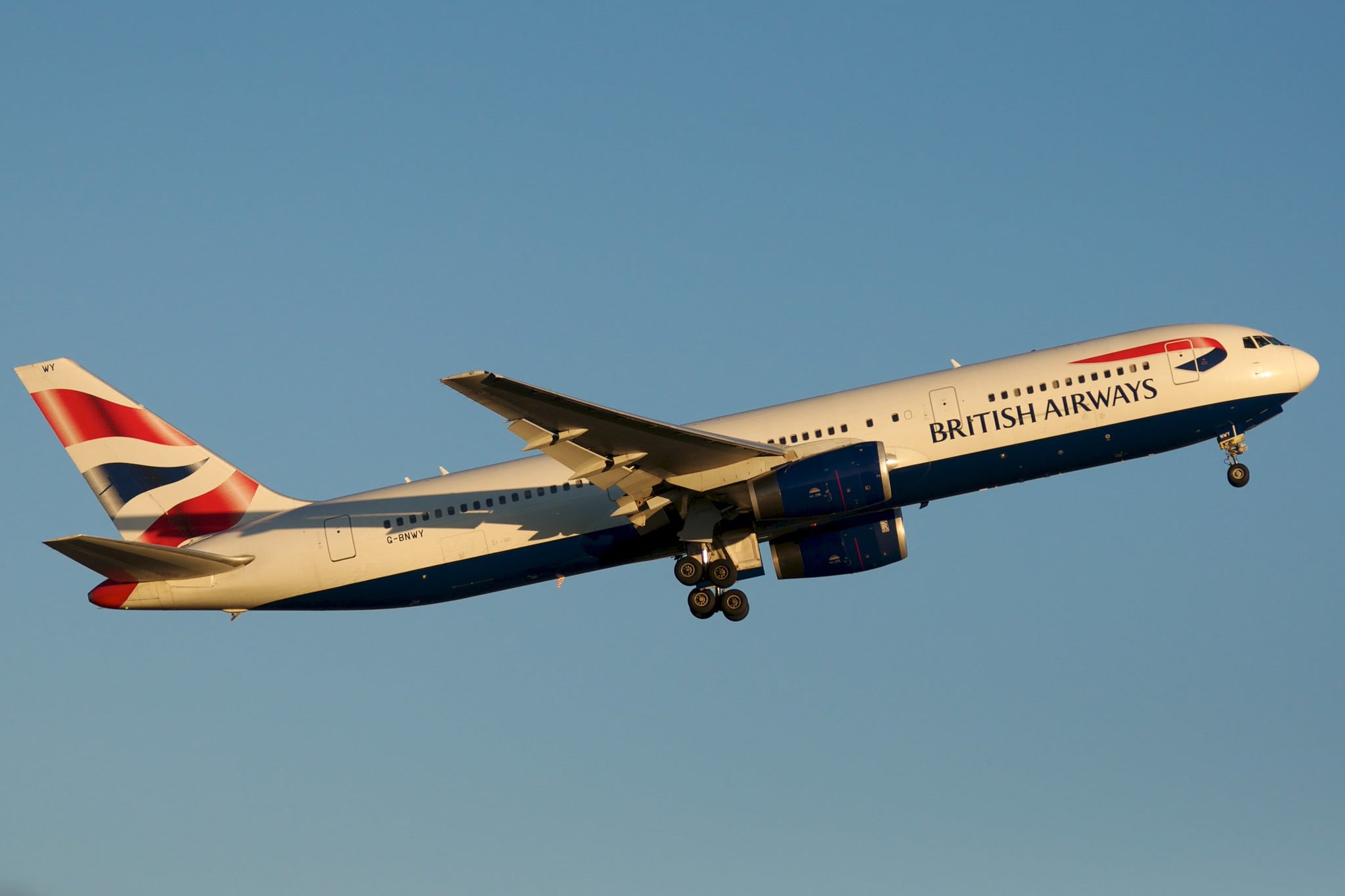
British Overseas Airways Corporation was formed in 1939 through the merger of Imperial Airways and British Airways Ltd. The iconic Speedbird logo was designed by graphic artist Harold Cohen in 1932, featuring a stylized golden bird with outstretched wings that captured the grace, speed and modernity of air travel.
In 1958, BOAC beat Pan American World Airways to operate the first passenger jet transatlantic flight from London to New York. In 1964, BOAC introduced the British-made VC10 aircraft that was promoted as ‘swift, silent, serene’.
The airline’s immaculately dressed stewardesses with their clipped English vowels became a symbol of British sophistication in foreign lands.
Olympic Airways gold-plated cutlery
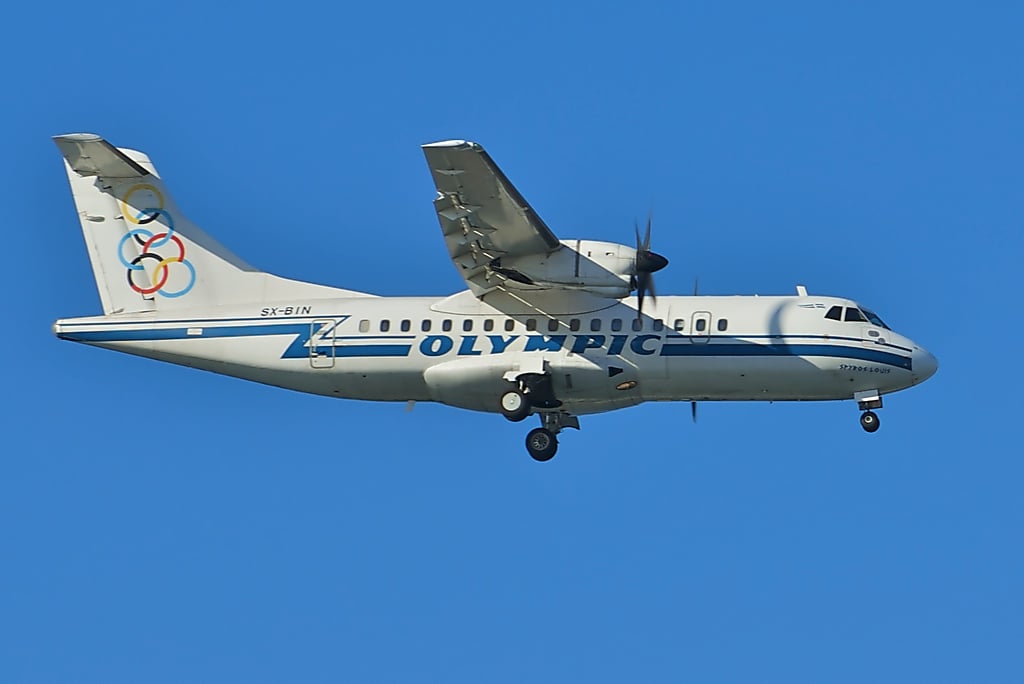
Olympic Airways had gold-plated cutlery in the first class cabins. This Greek airline took luxury to another level by literally serving food on gold.
The attention to detail extended to every aspect of the flying experience. Fashion designer Pierre Balmain worked with Olympic Airways to design crew uniforms.
The airline wanted passengers to feel like they were dining in a five-star restaurant, not sitting in a plane at 30,000 feet. Every meal was an opportunity to show off the kind of opulence that made flying feel exclusive and special.
Fashion shows in the aisles
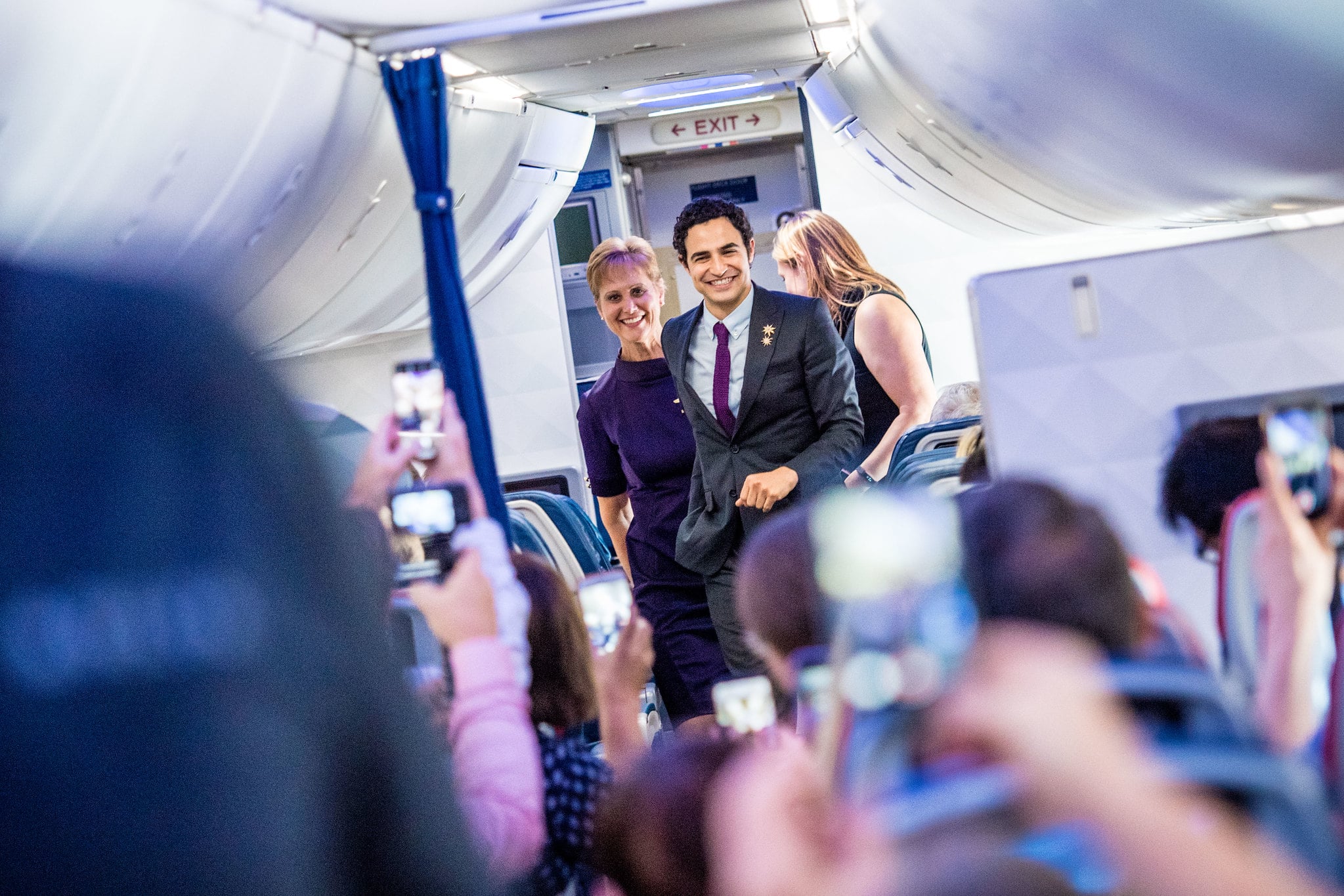
Some American airlines had fashion shows down the aisle to help passengers pass the time. Flight attendants would model the latest styles while passengers sipped cocktails and watched.
This sounds absurd by modern standards, but it perfectly captures the entertainment-focused mindset of the era. Airlines understood that long flights needed more than just a movie to keep people engaged.
There was even talk of putting baby grand pianos on aircraft to provide entertainment. The goal was to make flying feel like an exclusive club where something interesting was always happening.
TWA Flight Center at JFK
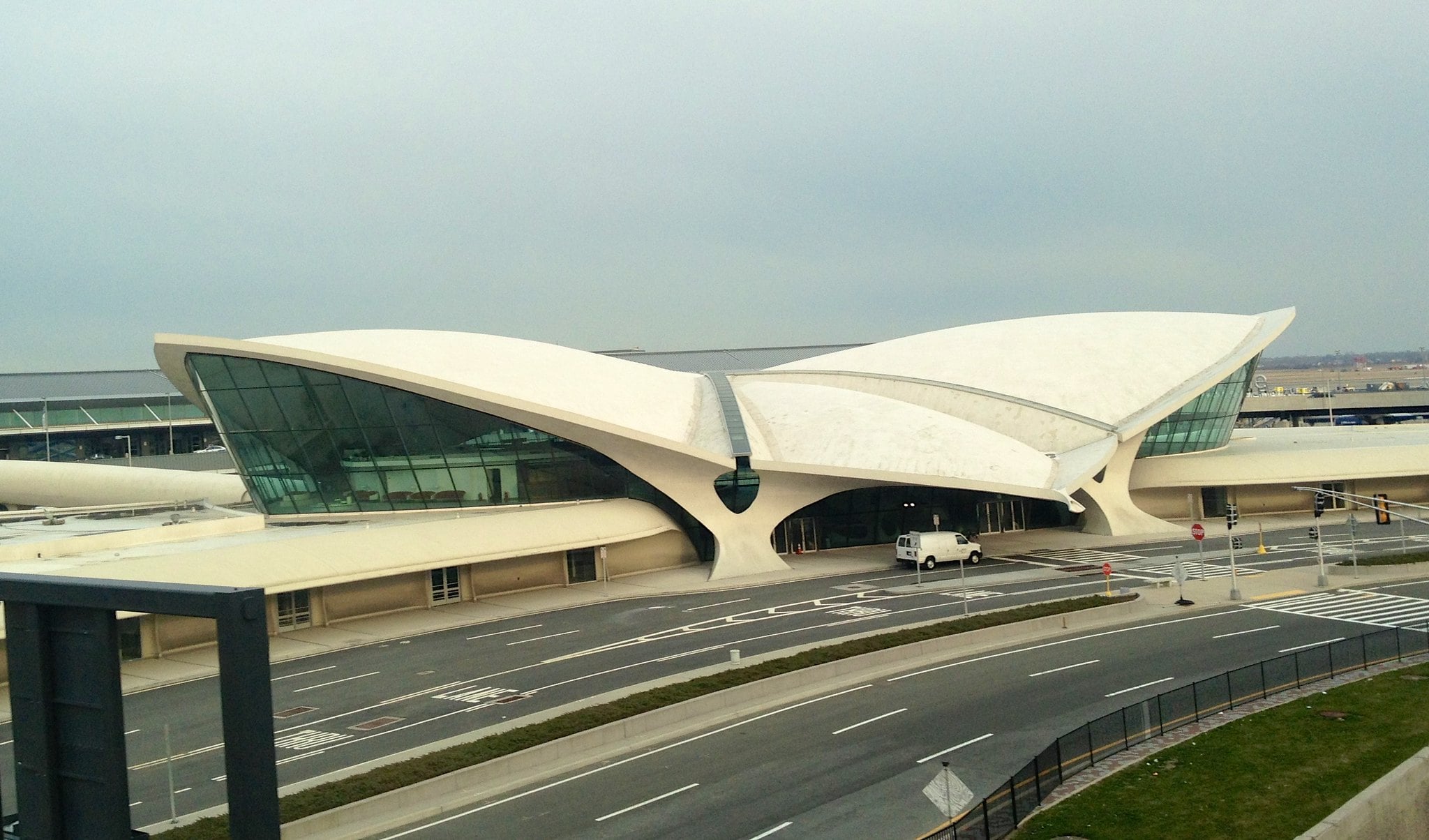
Architect Eero Saarinen designed the Trans World Flight Center at JFK Airport, which opened in 1962. Saarinen had been briefed to capture the spirit of flight, and his response was to create a huge bird with outstretched wings.
The terminal featured sweeping curves, expansive windows, and an open layout designed to give passengers a seamless experience. After falling into disuse, the terminal was restored and reopened as the TWA Hotel in 2019, preserving its historical significance while integrating contemporary amenities.
The building itself was a work of art that made passengers feel like they were part of something futuristic and exciting before they even boarded their plane.
Seats with actual legroom
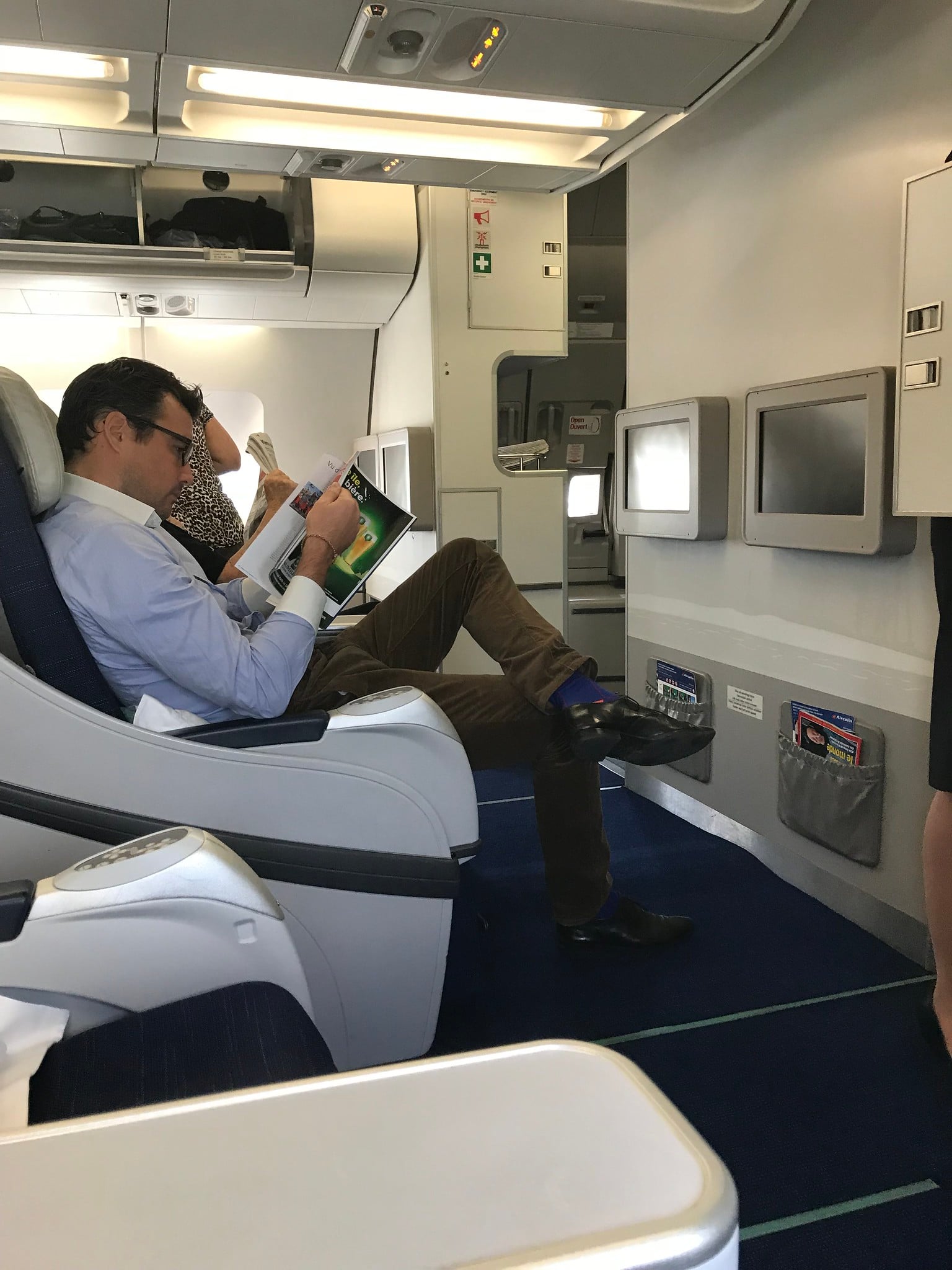
Seat pitch, the distance between seats on aircraft, was probably 36 to 40 inches during the golden age. Now it’s down to 28 inches as airlines cram more and more people on board.
The minimum width of economy seats on Pan Am’s Boeing 707 was 18 inches, a dimension often reduced on newer aircraft. Passengers could recline without feeling guilty about the person behind them.
There was room to stretch out, stand up without bumping into people, and actually walk down the aisle without doing a sideways shuffle. The cabins felt spacious and comfortable, not cramped and claustrophobic.
Ice sculptures and caviar service
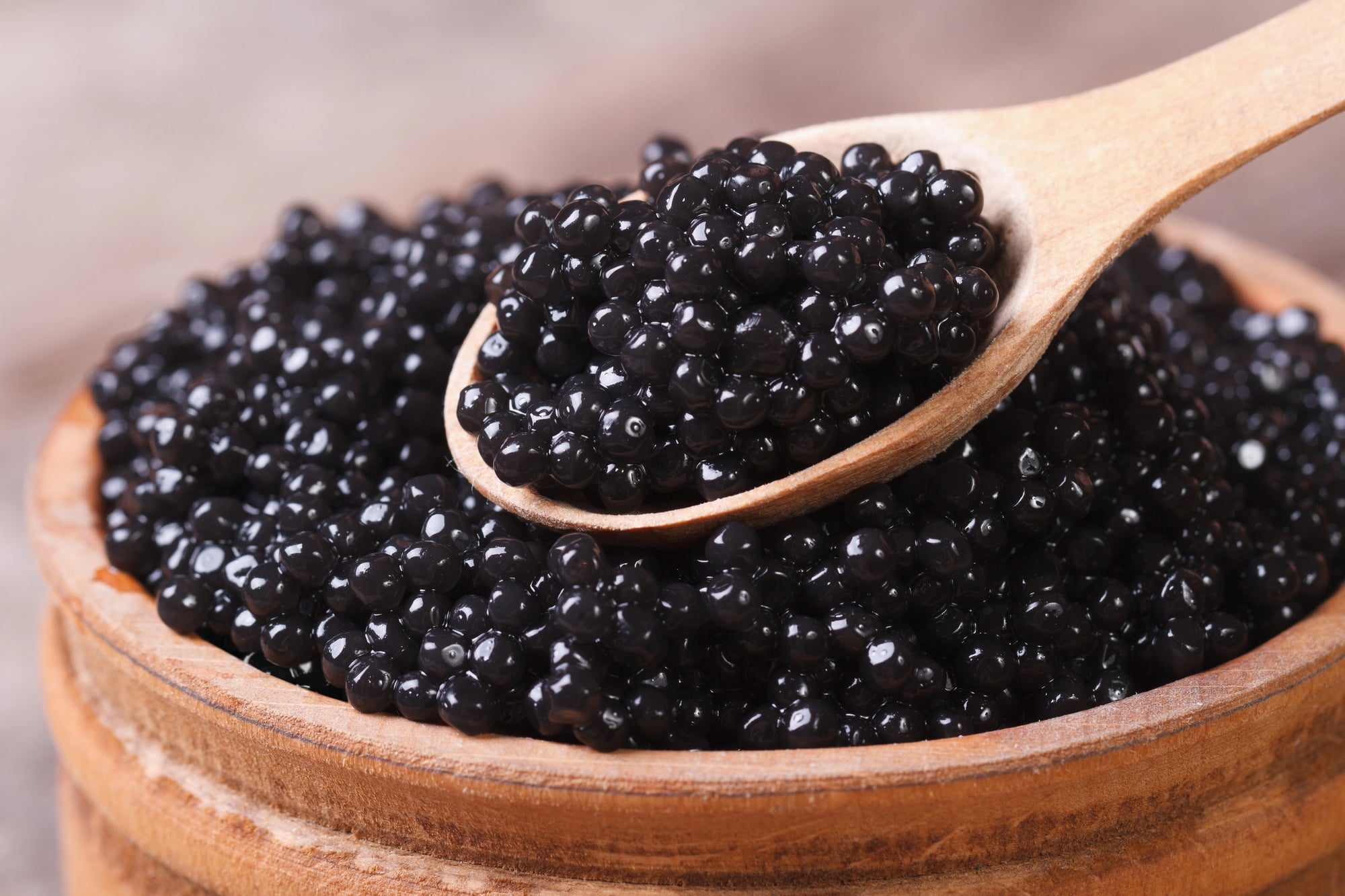
Caviar was served from ice sculptures. Flight attendants would wheel out elaborate ice carvings adorned with beluga caviar and other delicacies.
Soup would be served from a tureen and lobster was often an appetizer, while roast beef and prime rib could be freshly hand carved from the silver trolley. These were not small portions in plastic containers.
Airlines prepared full, multi-course meals that took time to serve and enjoy. The presentation mattered just as much as the taste.
Passengers expected gourmet food, and airlines delivered it without cutting corners.
Designer uniforms by haute couture houses

The likes of Christian Dior, Chanel and Pierre Balmain worked with Air France, Olympic Airways and Singapore Airlines respectively to design crew uniforms. People dressed up because of flying, and the staff was literally wearing haute couture uniforms.
Flight attendants looked like fashion models walking through terminals. Flight crews looked like rock stars when they walked through the terminal, carrying their bags, almost in slow motion.
The uniforms featured tailored suits, gloves, hats, and accessories that reinforced the idea that flying was something special. Airlines understood that their staff were the face of the brand, and they invested accordingly.
The Pan Am Clippers
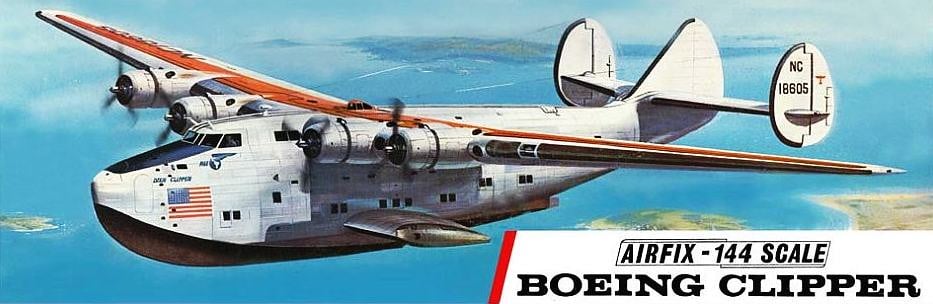
A San Francisco to Honolulu flight in 1940 on one of the Pan Am Clippers had a flight duration of 19 hours. The seats in the Clippers could be converted into sleeping bunks for overnight accommodation, and they had a lounge and dining area, with galleys crewed by chefs from four-star hotels.
The National Air and Space Museum recorded an observation about the Boeing 314’s sleeping quarters: ‘One can shed his clothing without doing backbends and wrestler’s bridges’. These flying boats were essentially hotels in the sky.
Passengers could change into pajamas, sleep in actual beds, and wake up refreshed. The experience was closer to a cruise ship than a modern airplane.
No baggage fees or weight limits
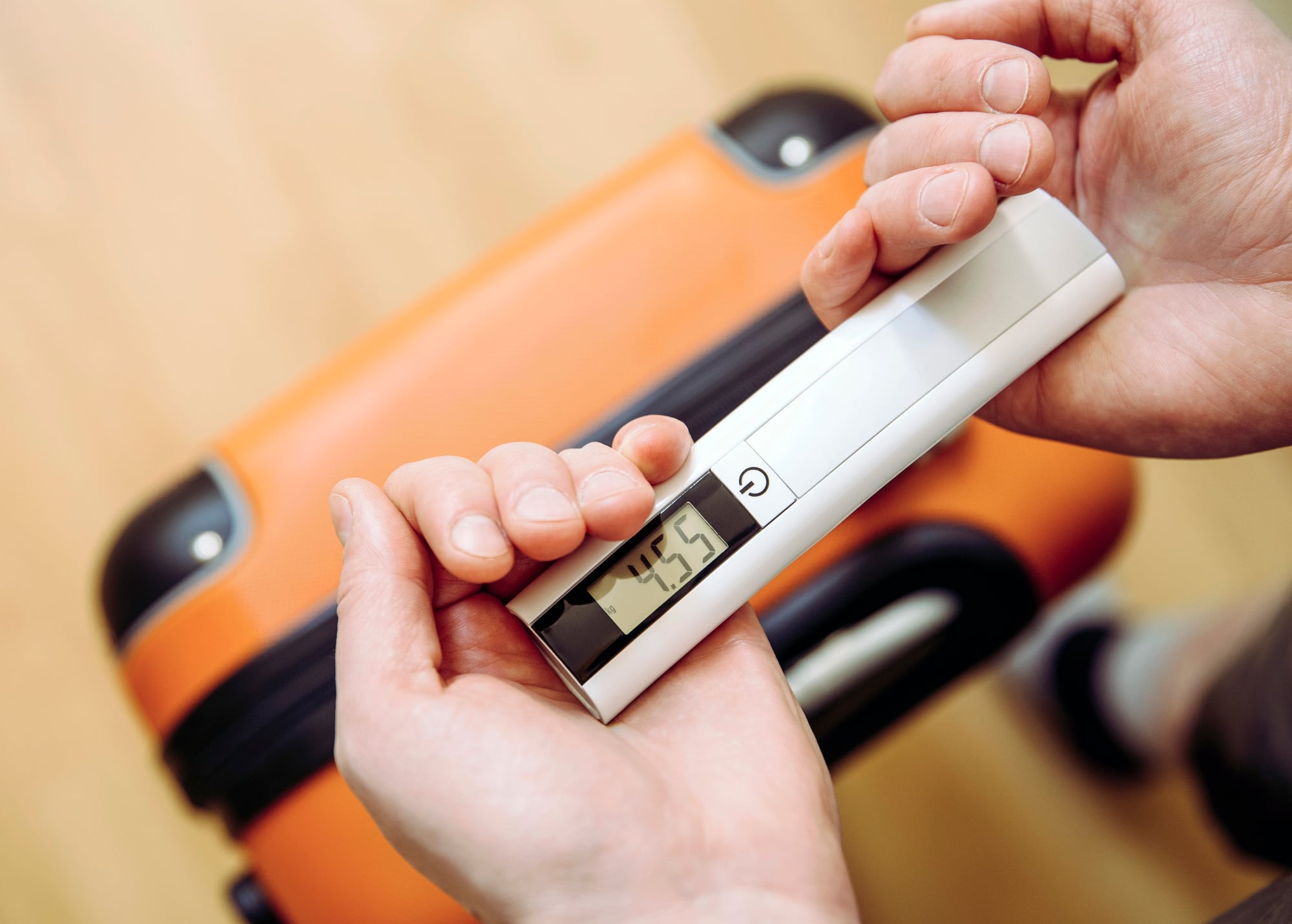
There were no baggage limits or fees and items were delivered by courier back to passengers’ homes. Airlines wanted to make travel as convenient as possible, so they handled luggage like a concierge service.
Passengers did not have to worry about weighing bags, paying extra for checked luggage, or lugging suitcases through the airport. The airline took care of everything.
This level of service is almost unimaginable today, when every ounce over the limit costs money and passengers pay extra for what used to be standard.
The Lockheed Constellation experience

The Lockheed Constellation, affectionately known as the Connie, featured a distinctive triple-tail design and allowed for faster and more comfortable long-haul flights. TWA’s cabins were designed for comfort and style, and its flight attendants, impeccably dressed, embodied the sophistication of the era.
By the mid-1960s, airlines were mainly using the Constellations for two-hour flights like New York to St. Louis or Chicago just until they could get enough jets. The Connie represented a transition period between propeller planes and jets, offering a smooth, quiet ride that passengers loved.
Its sleek design made it instantly recognizable, and it became an icon of mid-century aviation.
Drinking culture
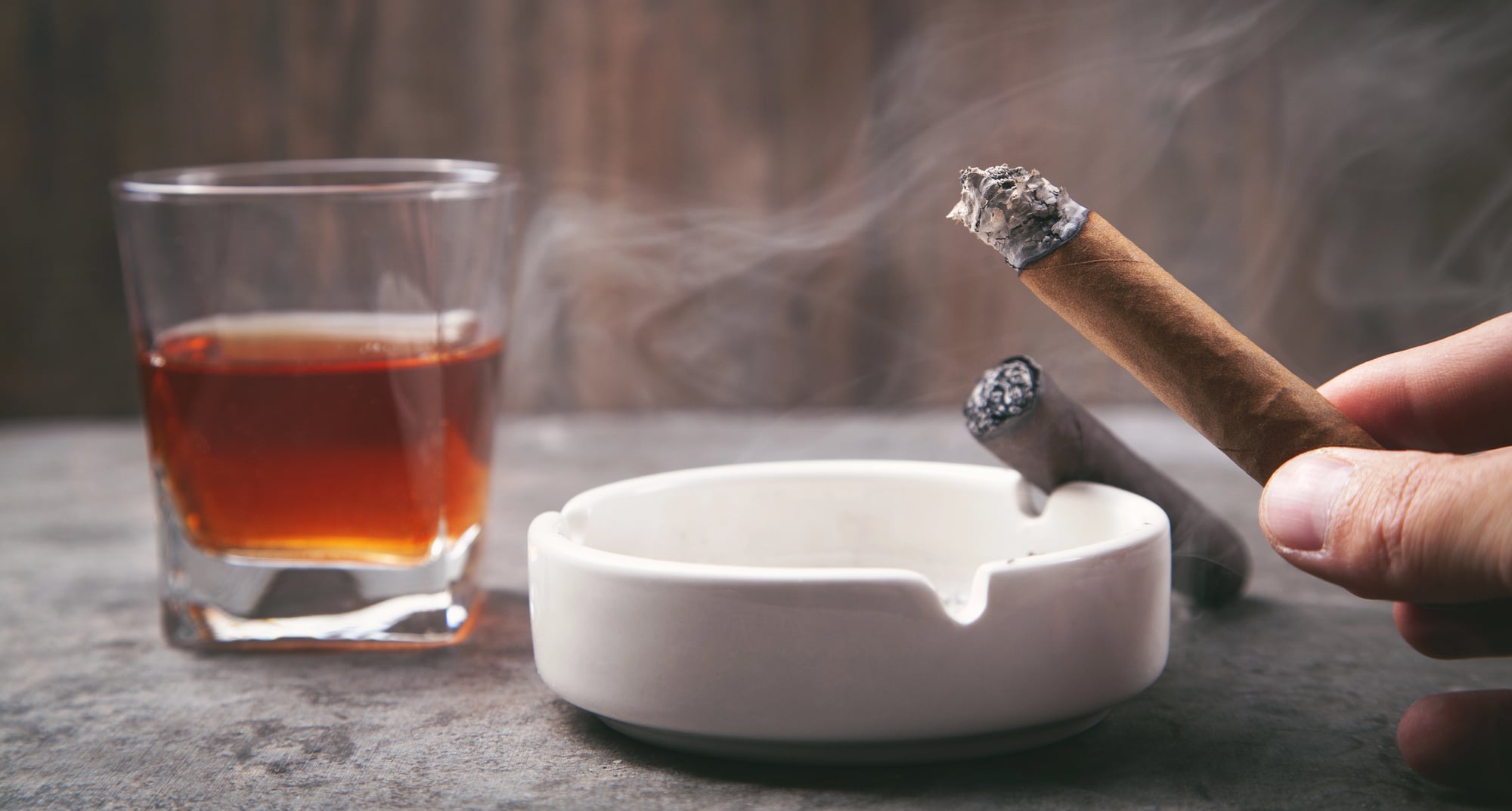
In the 1950s and 1960s, smoke onboard an aircraft was completely normal, with flight attendants handing out cigarettes and cigars and lighting them for passengers. Passengers would smoke nicotine on board and have free alcohol.
At a young age, some passengers were served a schooner of sherry before supper, then champagne and then maybe a digestive afterwards, all below drinking age. There was an incredible sense of freedom, despite being stuck in a plane for hours.
The cabin would fill with smoke, drinks flowed freely, and nobody thought twice about it. This was considered normal and even sophisticated at the time, though it is hard to imagine today.
BOAC’s flying boats to Australia
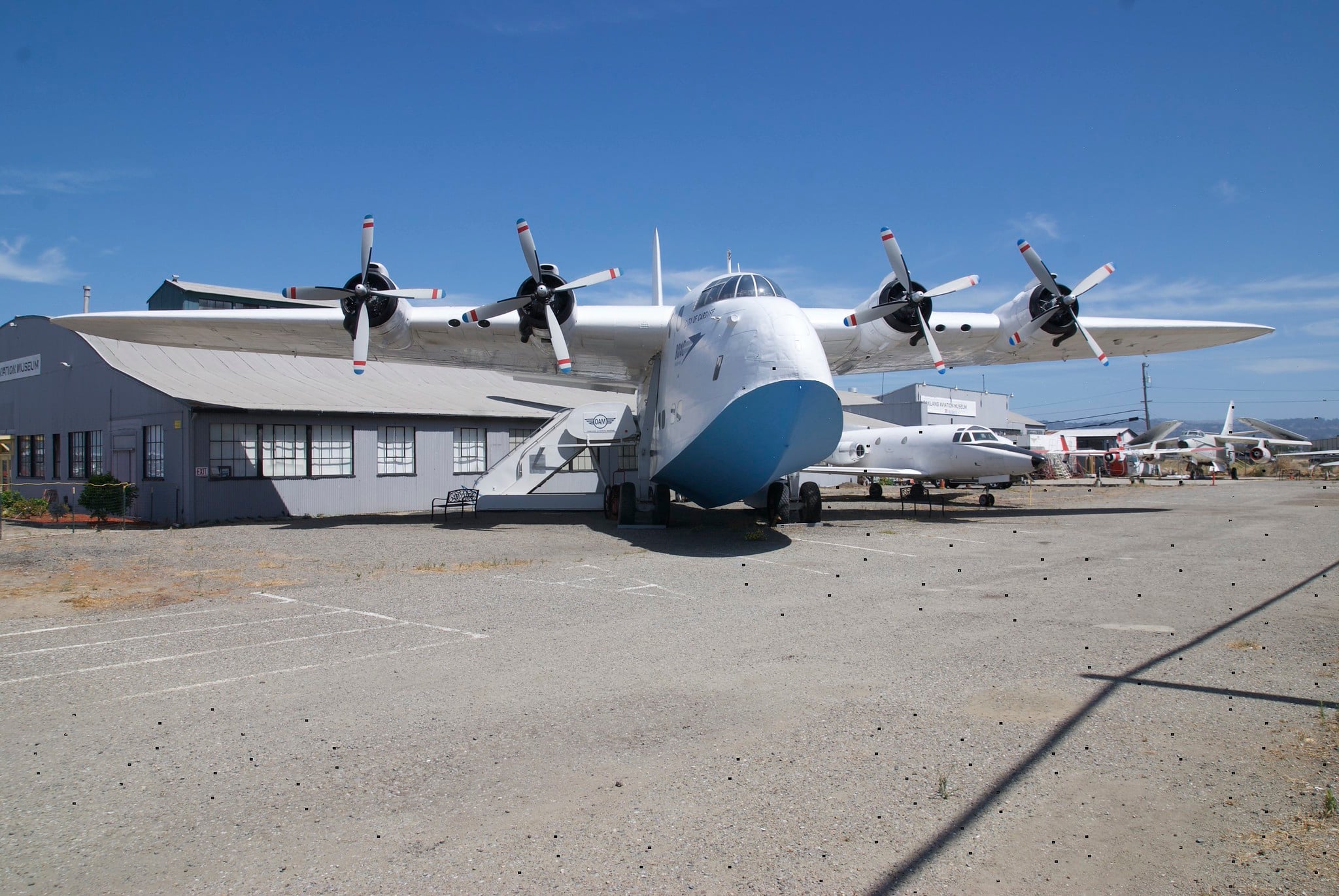
After World War II, BOAC and Qantas began a flying boat service from Southampton to Australia, with the trip taking 5 and a half days. Imperial Airways’ fleet of 28 flying boats weighed 18 tonnes and could accommodate up to 24 passengers and 5 crew.
These were dubbed ‘veritable flying hotels’ promising restaurant meals in spacious saloons with a promenade deck and separate smoke cabin. Passengers would sit in ‘the most luxurious chair in the world’ which could move from an upright to reclined position at the touch of a lever.
The flying boats landed on water and offered an experience that felt more like a luxury cruise than air travel.
The TWA Constellation cocktail lounge
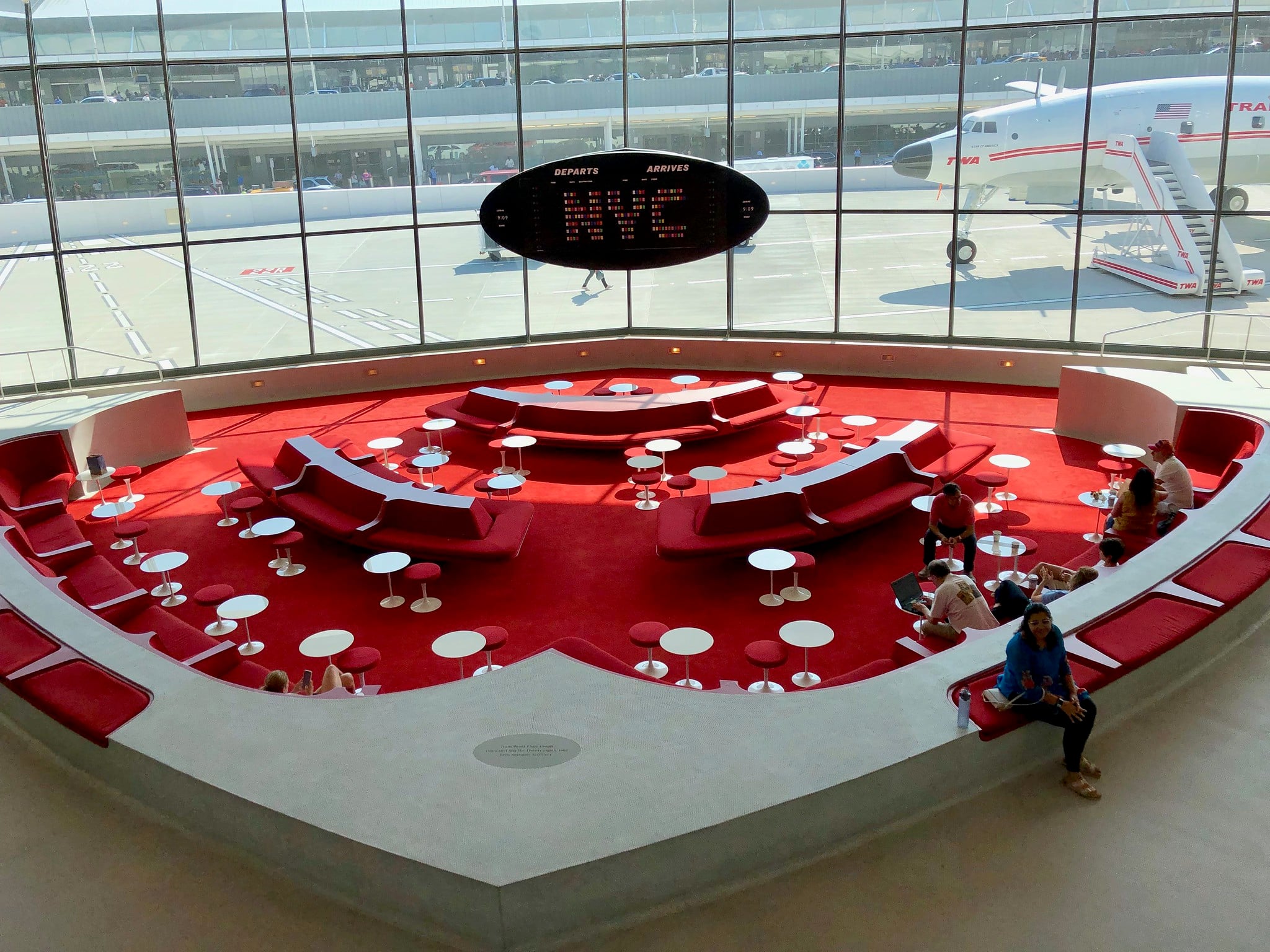
A 1958 Lockheed Constellation has been turned into a cocktail lounge at the TWA Hotel at JFK, where martinis can be sipped in first class. This preservation effort shows how much people still romanticize the golden age.
The outdoor patio feels like an actual runway, with headlights and markers to direct the aircraft, and stepping into the lounge area is very similar to boarding an aircraft by stairway. The plane sits outside the hotel as a reminder of what flying used to be.
Visitors can climb aboard and experience a tiny slice of that era, complete with period-appropriate decor and drinks served the way they would have been in the 1960s.
The exclusive club atmosphere

It was like going to a cocktail party, with passengers wearing a shirt, tie and jacket, which sounds ridiculous now, but was expected then. To board a plane, passengers would be dressed to the nines in their fanciest outfits, combing their hair just right and donning the extra jewelry and makeup they needed to cement their status at having purchased a plane ticket.
Men wore suits and ties, while women donned dresses, hats, and gloves. Casual attire was unheard of.
Flying was an event that required proper attire. Airlines reinforced this by treating passengers like honored guests at an exclusive event.
The atmosphere was sophisticated, polished, and deliberately designed to make people feel special.
Why it all ended

By the 1970s, airlines were attracting the masses and offering cheaper fares, so that almost anyone could travel. The main objective of the airlines was to fill planes to capacity, and gone were the comfortable, roomy seats and bars and lounges.
The five-course meals and abundant drinks disappeared in favor of cost-cutting and unsavory airline meals. The 1973 and 1979 oil crises drastically increased fuel prices, forcing airlines to rethink operational costs.
Airlines prioritized maximizing seating capacity over offering spacious and luxurious interiors to accommodate more passengers per flight. What had been a luxury experience for the wealthy became a mass transit system for everyone.
The democratization of air travel meant lower prices and less glamour. The golden age ended not because airlines stopped caring, but because the economics of flying fundamentally changed.
More from Go2Tutors!

- The Romanov Crown Jewels and Their Tragic Fate
- 13 Historical Mysteries That Science Still Can’t Solve
- Famous Hoaxes That Fooled the World for Years
- 15 Child Stars with Tragic Adult Lives
- 16 Famous Jewelry Pieces in History
Like Go2Tutors’s content? Follow us on MSN.